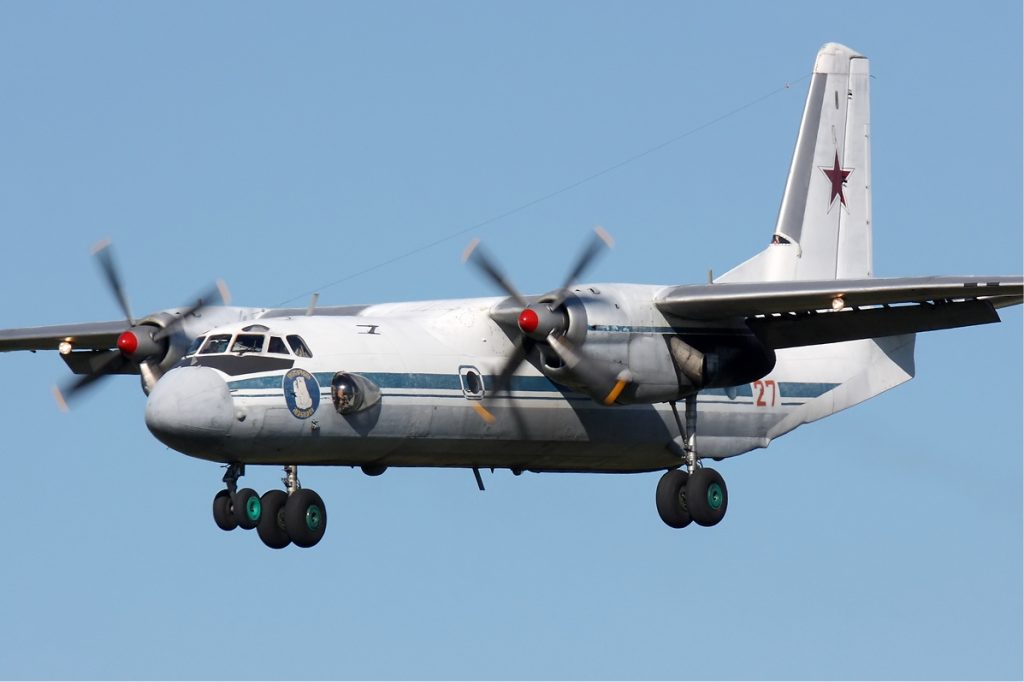
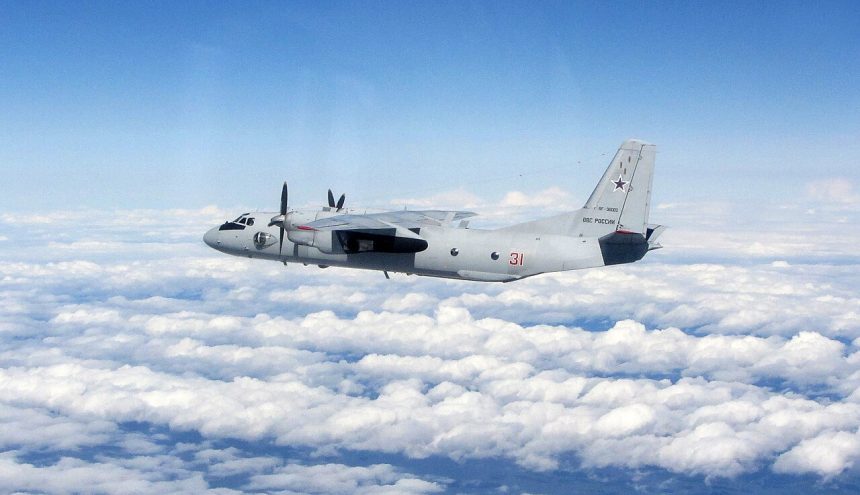

On this day in aviation history, 57 years ago (May 21, 1969), the Antonov An-26 Nastia flew for the first time. Named the Curl by NATO, the An-26 is a twin-engined turboprop aircraft that has served in both airline and military roles. The An-26 was developed and built in the Soviet Union between 1969 and 1986, and remains in service in many capacities today. Additionally, a license-built copy is still manufactured in China, called the Xi’an Y-7.
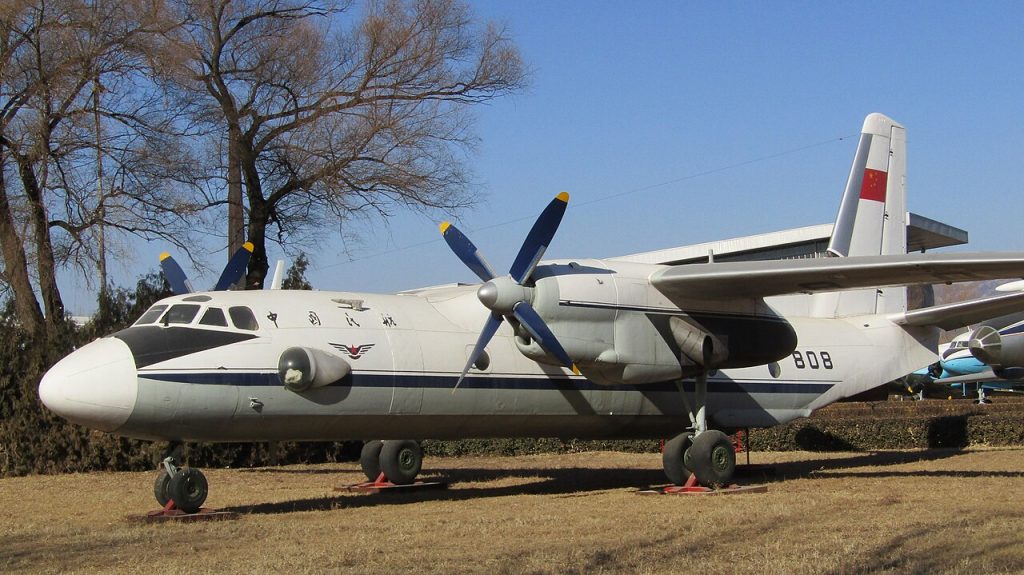
Development of the An-26 began as a means to improve upon the An-24T tactical transport. The An-24T was successful as a support aircraft for the Soviet forces in remote locations; its ventral loading hatch offered only limitations in cargo capacity, especially vehicles. This shortcoming made the An-24 far less effective than desired while parachuting men and supplies. The An-26 would feature a retractable cargo ramp, allowing the cargo deck to remain sealed and pressurised in flight. All of the favorable features of the An-24 would be carried over to the An-26, including cantilevered wings, wing-mounted twin Ivchenko AI-24 turboprop engines, and long-legged retractable landing gear.
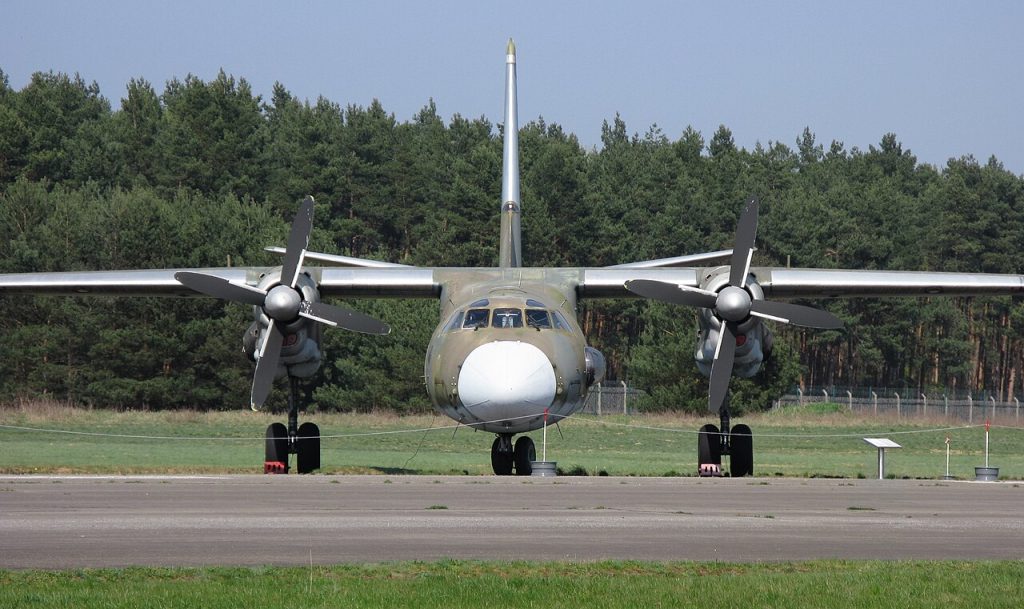
The Antonov An-26 is powered by two Progress AI-24VT turboprop engines, each with 2,820 hp. Additionally, a Tumansky Ru19A-300 turbojet booster APU provides an additional 1,760 lbf thrust for takeoff. A crew of five flies the An-26, while a capacity for 40 passengers (or 12,100 lbs payload) exists in the cabin. The An-26 has a cruise speed of 270 mph, a range of 680 nmi (with max payload), and a service ceiling of 24,600 feet. The aircraft can climb at a rate of 1,600 fpm.
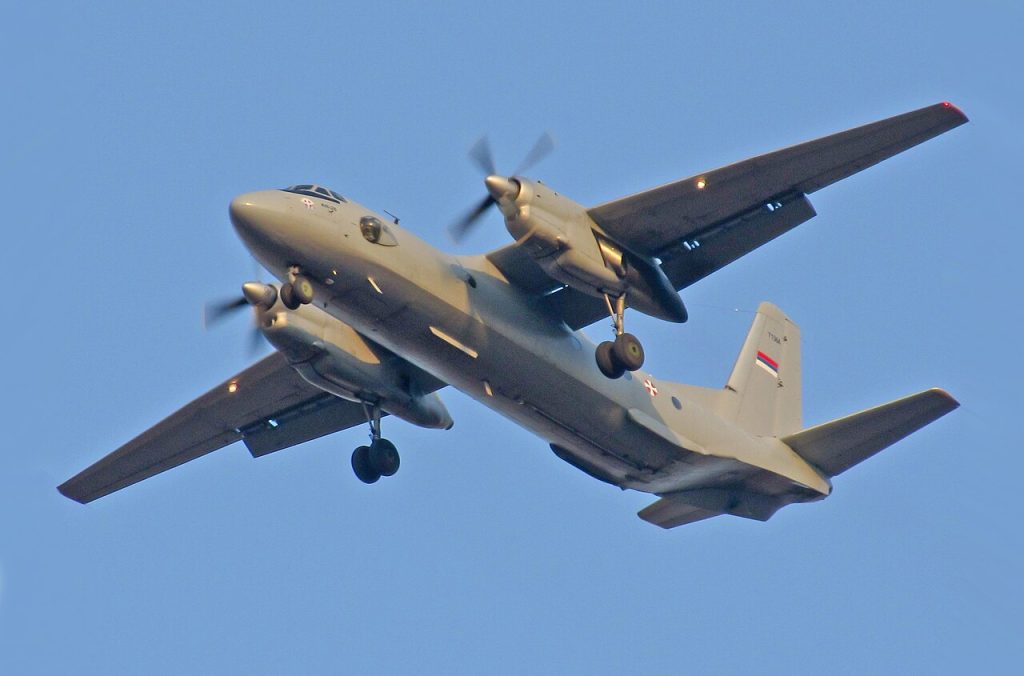
Today, the Nastia continues to fly as an airliner and military transport aircraft. Civilian operators such as IrAero, Constanta Airlines, and Exin use the An-26 successfully as a regional airliner. In the military world, the Russian Aerospace Forces, Ukrainian Air Force, and People’s Liberation Army Air Force (as the Y-7) still fly the Curl. Antonov built a total of 1,403 An-26s during the aircraft’s production run, while over 200 Xi’an Y-7s have been manufactured. The aircraft shows no signs of stopping, a tribute to the ruggedness of the design.