






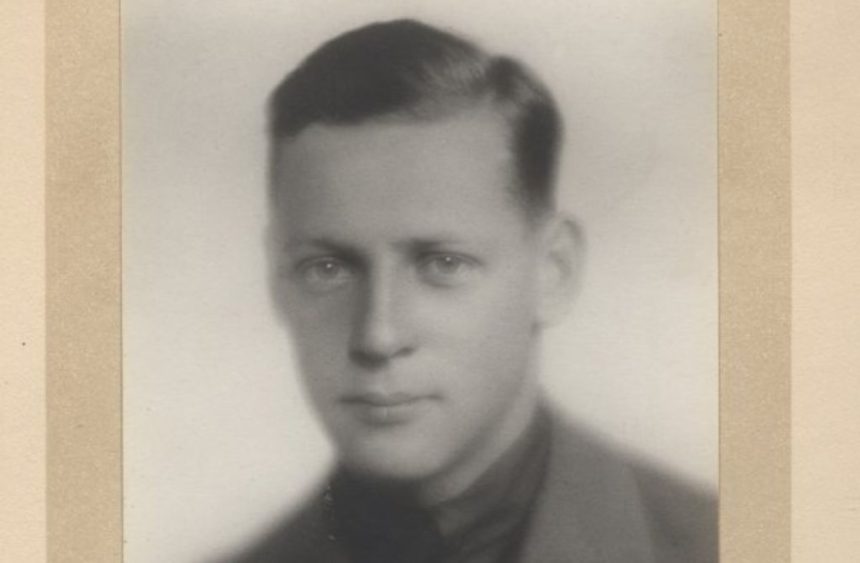

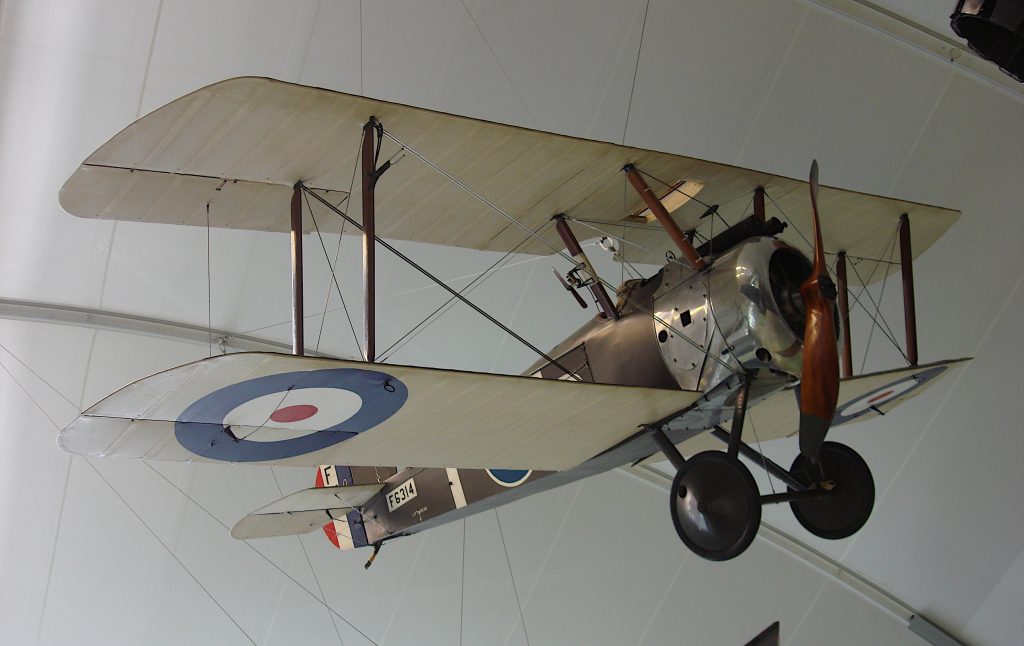
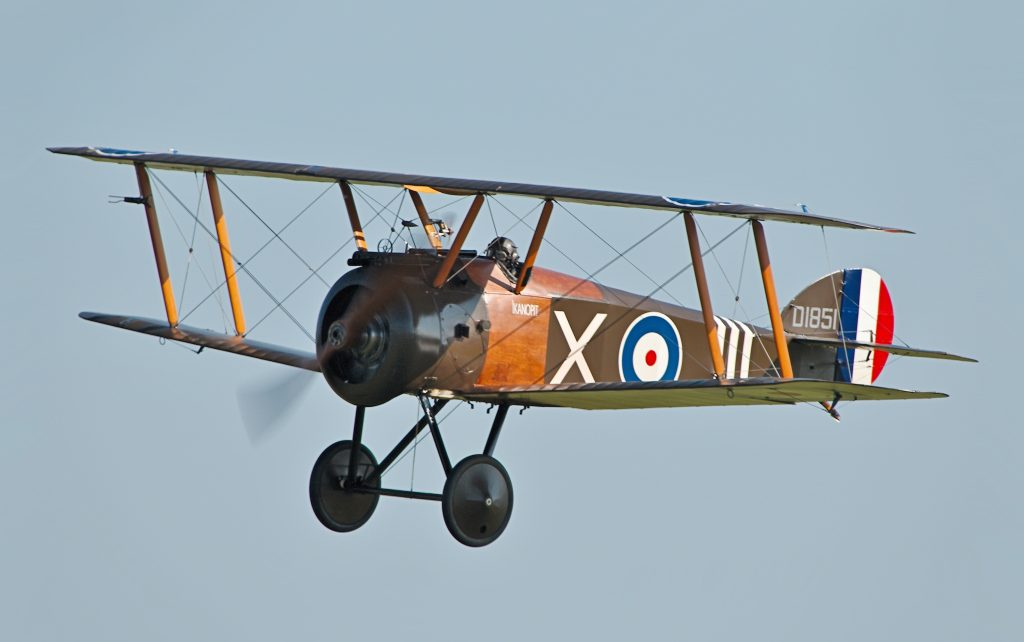
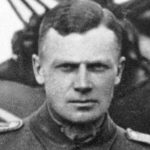
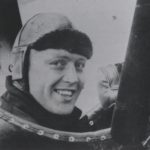
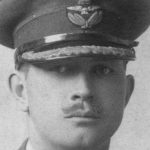
In WWI, some aces opted to join the air service late in the war, but they still left an impact. One such ace was Frank Granger Quigley, who was born on July 10, 1894, in Toronto. When the war started, he was a second-year student at Queen’s University in Toronto. He joined the Canadian Army Engineers in December 1914 and served on the Western Front. In early 1917, he requested a transfer to the Royal Flying Corps and, after completing his training, was posted to No. 70 Squadron in France on September 12, 1917. Frank Granger Quigley flew a Sopwith Camel in this unit.
Ace Journey of Frank Granger Quigley
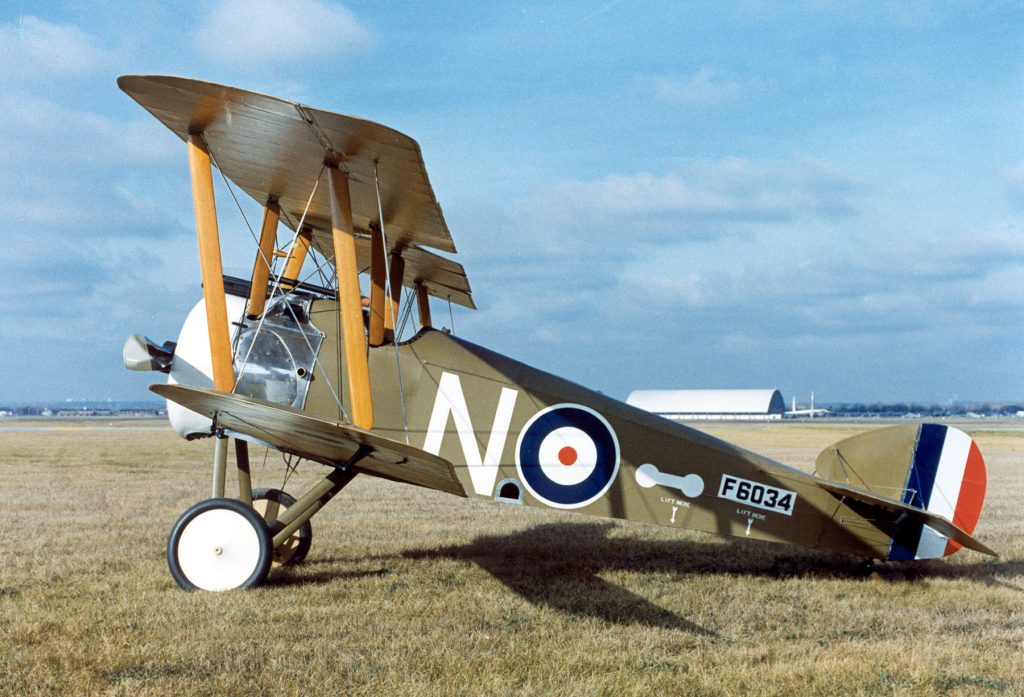
Frank Granger Quigley’s first victory came on October 10, 1917, when he shot down an Albatros D.V, followed by another similar plane on the same day. His third victory came on October 20, followed by his fourth victory in November. After shooting down another Albatros D.V on December 5, 1917, he officially became a flying ace. He shot down four more aircraft in December to end his 1917 at a personal score of 9. For this, he was awarded the Military Cross, with a citation, “For conspicuous gallantry and devotion to duty when engaging hostile aircraft. On one occasion, while on patrol, he attacked an enemy two-seater, which, after close fighting and skillful maneuvering, he crashed to the ground. He has, within a short period, destroyed or driven down out of control, seven other enemy machines, and on all occasions has displayed high courage and a fine fighting spirit.” In January 1918, he added eight more victories to his tally, followed by one in February and 15 in March, bringing his total to 33 aerial victories. In March, Frank Granger Quigley shot four aircraft in a single day twice. For his bravery, he was awarded the Military Cross Bar, citing, “He destroyed five enemy machines and one balloon, and drove down four enemy machines out of control. He showed splendid courage and initiative.” On March 27, 1918, Quigley was wounded in action and recovered at Le Touquet Hospital. Frank Granger Quigley went back to Canada to recover from his broken ankle. While in Canada, he worked as an instructor at Armor Heights. By this time, his 33 victories included 21 Albatros D.Vs, six C-type aircraft, four Pfalz D.IIIs, one Fokker DR.I, and a balloon.
Legacy and Death
In June, Frank Granger Quigley was awarded the Distinguished Service Order, with a citation, “While leading an offensive patrol, he attacked a very large number of enemy aeroplanes, destroyed one of them, and drove another down out of control. On the following day, while on a low-flying patrol, he was attacked by several enemy scouts, one of which dived at him. He out-manoeuvred this machine and fired on it at very close range. He followed it down to 500 feet, firing on it, and it spiralled very steeply to the ground in a cloud of black smoke. During the three following days, while employed on low-flying work, he showed the greatest skill and determination. He fired over 3,000 rounds and dropped thirty bombs during this period, inflicting heavy casualties on enemy infantry, artillery, and transport.” After recovering, Quigley asked to return to action in France. In October 1918, while coming back to England, he caught influenza and died two days after his ship arrived in Liverpool on October 20, 1918, at 24 years of age. Frank Granger Quigley was buried at Mount Pleasant Cemetery in Toronto, Ontario. In the Aces series, Frank Granger Quigley stands out as a Canadian ace who remained a part of the active aerial service for just six months, from October 1917 to March 1918, and destroyed 32 aircraft and one balloon. It perfectly shows his piloting skills. He also conducted many low-level attacks on enemy trenches, airfields, and support areas, which few pilots could do. Read stories about more aces HERE.










Well written, very informative 👏
Good article. One correction required, Queen’s University is in Kingston, ON not Toronto as stated in the article.