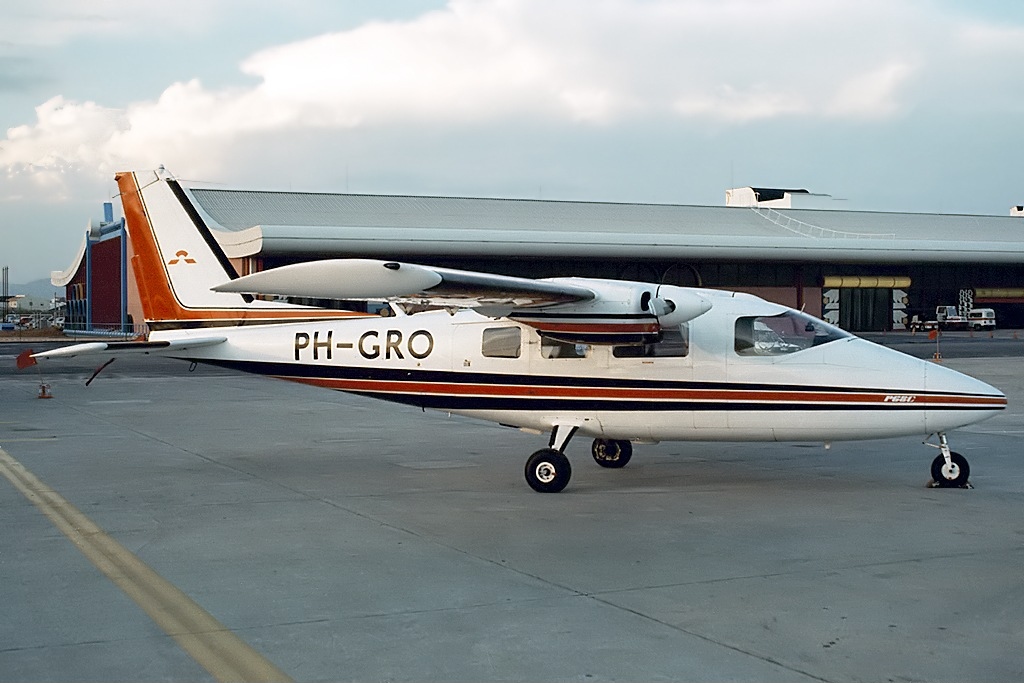
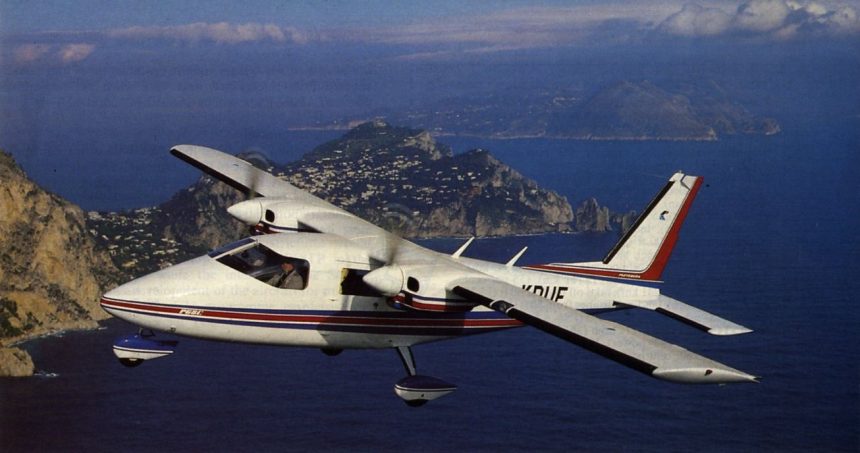

On this day in aviation history, 56 years ago (May 25, 1970), the first flight of the Partenavia P.68 Victor took place. The P.68 is a light twin–engine transport of Italian origin, via native aviation manufacturer Partenavia Construzioni Aeronautiche. Type certification was granted to the Victor on November 17, 1971, and the aircraft continued to be manufactured by Partenavia until 1998. Vulcanair acquired the type certificate at this point and continues to produce variants of the P.68 today. The original P.68 Victor featured fixed landing gear and flew under the power of two 200-hp Lycoming IO-360 engines. A capacity for six passengers was standard on this original variant. A lengthened P.68 was developed, designated as the P.68B, which created more space in the cockpit. The P.68R version came on the scene shortly after with retractable landing gear, as did a weather-radar-equipped P.68C model. In June of 1980, Partenavia earned certification on the P.68 Observer, a variant that was equipped with a transparent nose, more advanced avionics, and larger fuel tanks.
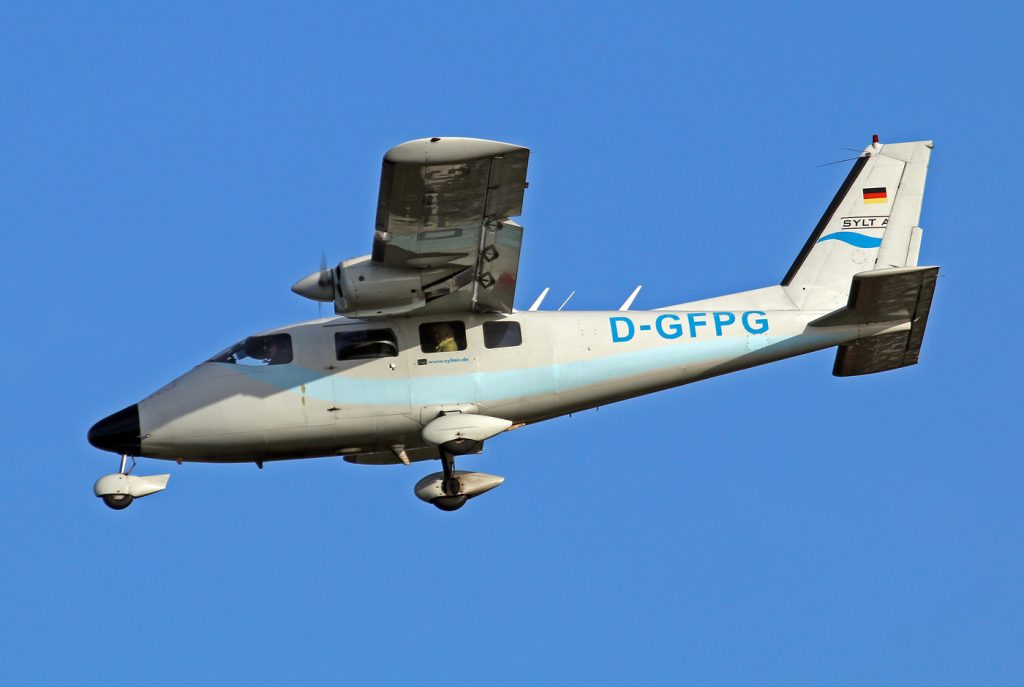
In 1986, Partenavia was granted certification on the AP68TP-600 Viator, which is equipped with two 328-hp Allison 250-B17C turboprop engines. The AP68TP-300 Spartacus was also created, featuring seating for nine occupants. Variants from across the P.68 line have found employment in both military and civilian roles worldwide. Currently, the P-68 is flown by the Chilean and Indonesian Navies in a military role. Additionally, numerous police forces operate the aircraft, including the New York State Police. The Partenavia P.68C is flown by a single pilot and has room for five passengers. At sea level, cruise performance is adequate with a speed of 187 mph. The P.68C will stall at 66 mph. The range for this Italian twin is 1,103 nmi in economy cruise with standard fuel tanks. Service ceiling for the P.68C is 18,000 ft, while the aircraft can climb at a rate of 1,100 fpm. Partenavia and Vulcanair have combined to manufacture a total of just over 431 P.68s, of differing variants, since the aircraft’s release.