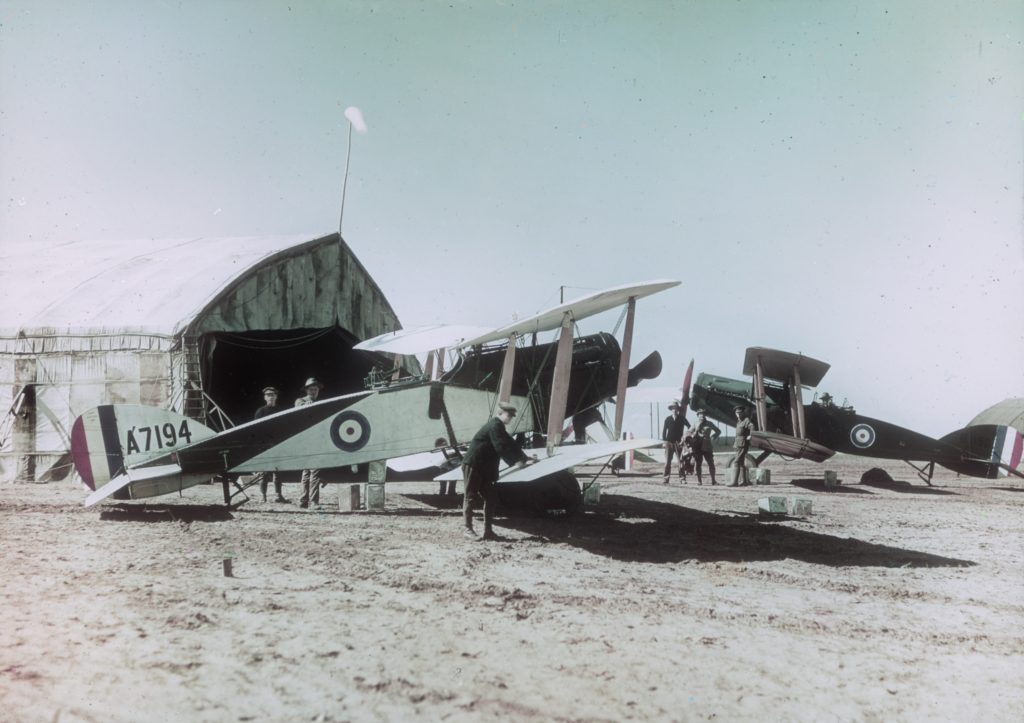
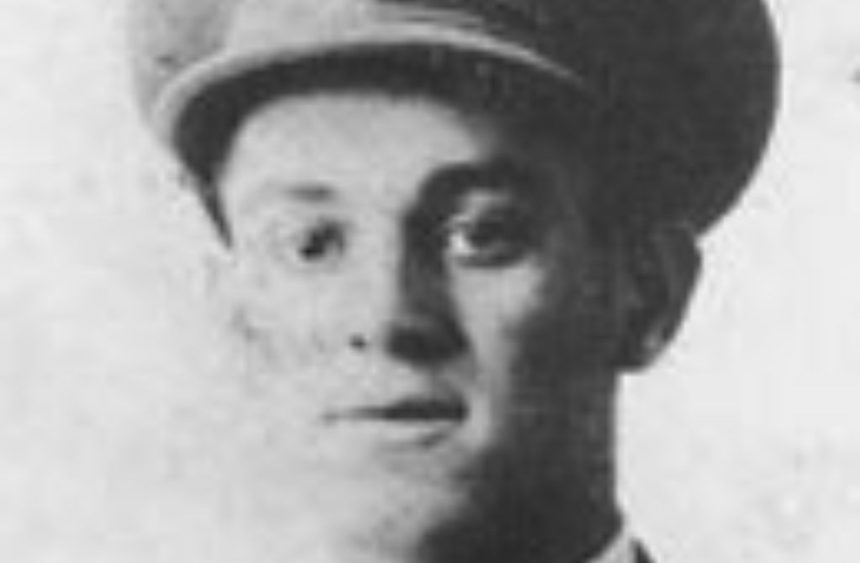

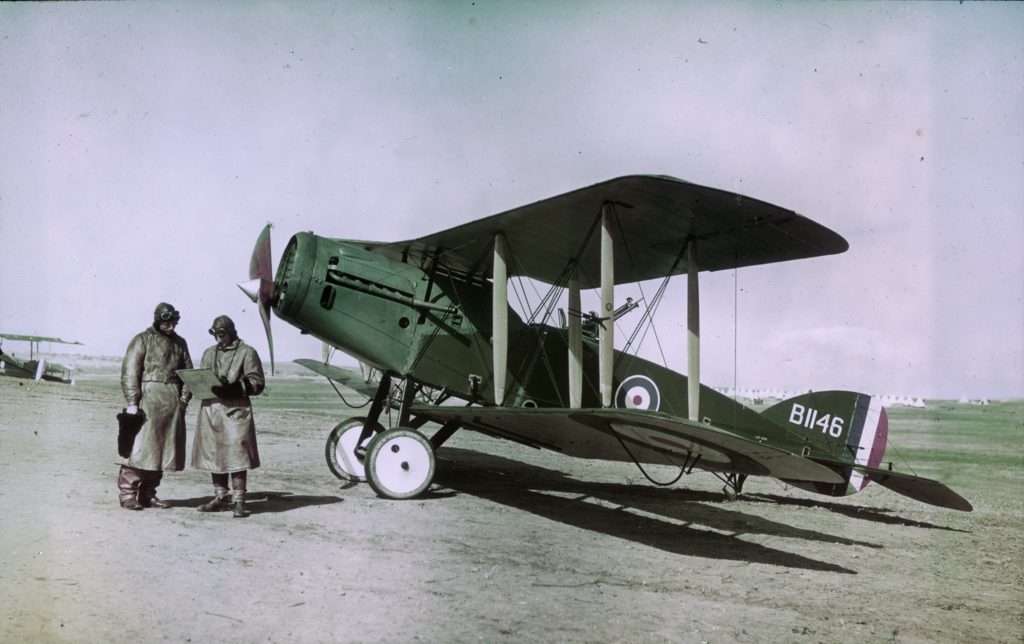
Most Canadian aces joined WWI either with the Royal Flying Corps or the Royal Naval Air Service. But William McKenzie Thomson joined the war after both services merged to become the Royal Air Force in April 1918, and scored heavily in a short period. Born on September 15, 1898, in Toronto, Thomson joined the Royal Air Force as a Canadian volunteer likely in late 1917 to early 1918. He was posted to No. 20 Squadron Royal Air Force in May 1918, where he flew a Bristol F.2B fighter, commonly known as Brisfit. All his victories came in this unit while flying a Brisfit. His first victory came on May 9, 1918, when William McKenzie Thomson shot down an Albatros D.V aircraft, followed by another Albatros D.V on May 14, and two more Albatros D.Vs on May 17.
Ace Journey of William McKenzie Thomson
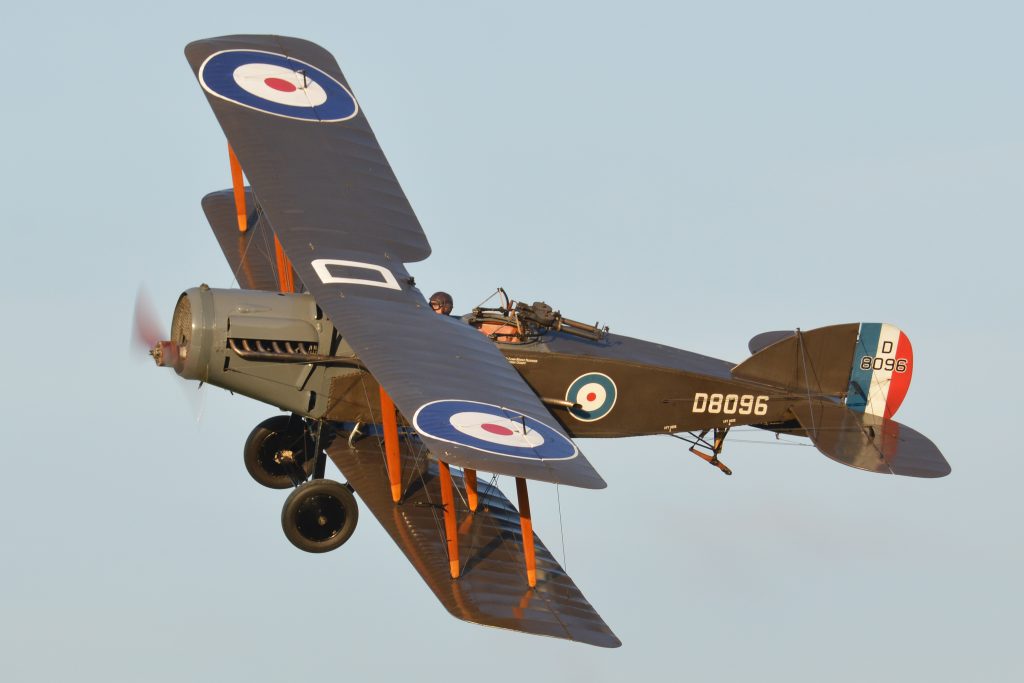
On May 18, after shooting down a Pfalz D.III, William McKenzie Thomson officially became an ace. He scored six more victories in May, followed by four in June, three in July, and three in August, bringing his score to 21 in just four months of flying. On September 15, he shot down two Fokker D.VIIs, followed by three on the next day, to reach a personal score of 26. William McKenzie Thomson was awarded the Military Cross on September 16, with a citation, “For conspicuous gallantry and devotion to duty on offensive patrols. In five days, he destroyed as many enemy machines. He showed fine determination to close with the enemy, and set a splendid example of enterprise and gallantry.” He did not score any more victories after his 26th, the reason for which was not explicitly mentioned, but, like many other Canadian aces during the period, he might have been sent back to Home Establishment. Among his 26 victories, 12 were Fokkers, eight were Albatros aircraft, and six were Pfalz D.IIIs. For his WWI efforts, William McKenzie Thomson was awarded the Distinguished Flying Cross, citing, “This officer has destroyed thirteen enemy machines, invariably displaying courage, determination, and skill. Disparity in numbers never daunts him. On a recent occasion, in company with eight other machines, his formation was attacked by twenty-five scouts; he shot one down. On another occasion, his formation of ten machines engaged between twenty and thirty Fokkers; in the combat that ensued, this officer shot down one out of the four that were destroyed.”
The Cancellation
After serving in WWI, William McKenzie Thomson was removed from the Royal Air Force in late 1918 or early 1919. He returned to civilian life in Toronto and, during the years between the wars, led a quiet life. There are no records of him serving in active military service or in reserve roles in the early Canadian Air Force or the Royal Canadian Air Force, which was formed in 1924. His specific activities during the 1930s are not documented in available records. During WWII, Thomson served in the Royal Canadian Air Force and drew on his experience as a WWI flying ace. Records do not provide details about his specific roles or postings during the war from 1939 to 1945. William McKenzie Thomson retired from the Royal Canadian Air Force in 1954 at age 55, after more than 35 years of service in military aviation during both world wars. After retiring, Thomson lived a private life, and there is little public information about his activities. He died on July 9, 1987, at age 88. In the Aces series, William McKenzie Thomson stands out as someone who began his career with the Royal Air Force during WWI and served with the Royal Canadian Air Force during WWII. In WWI, he shot down 26 German aircraft in just five months, showcasing his potential as a pilot. Read stories about other aces HERE.