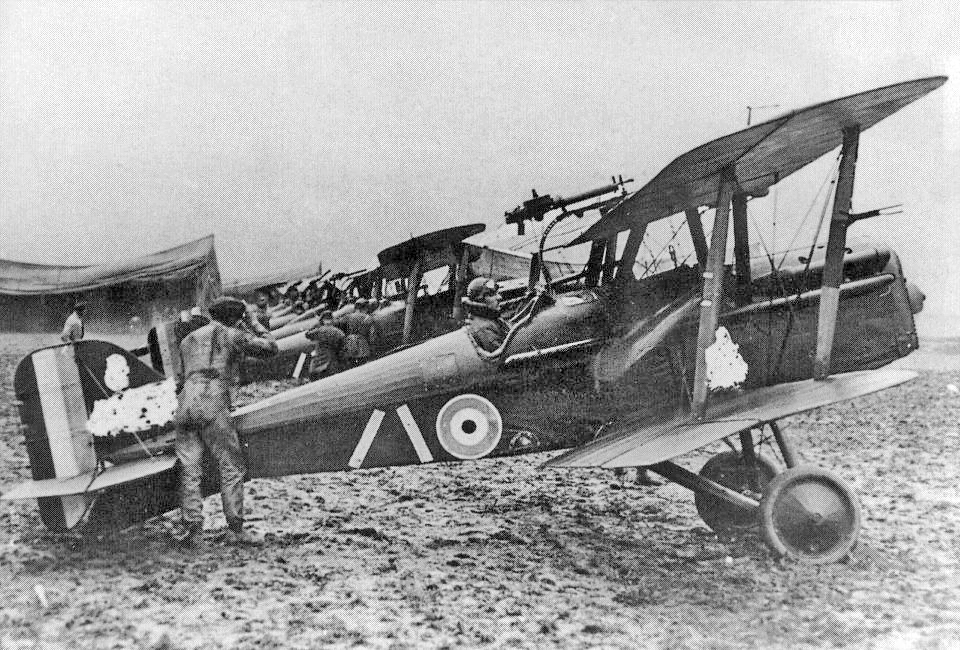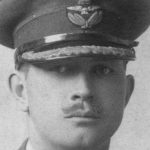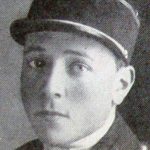
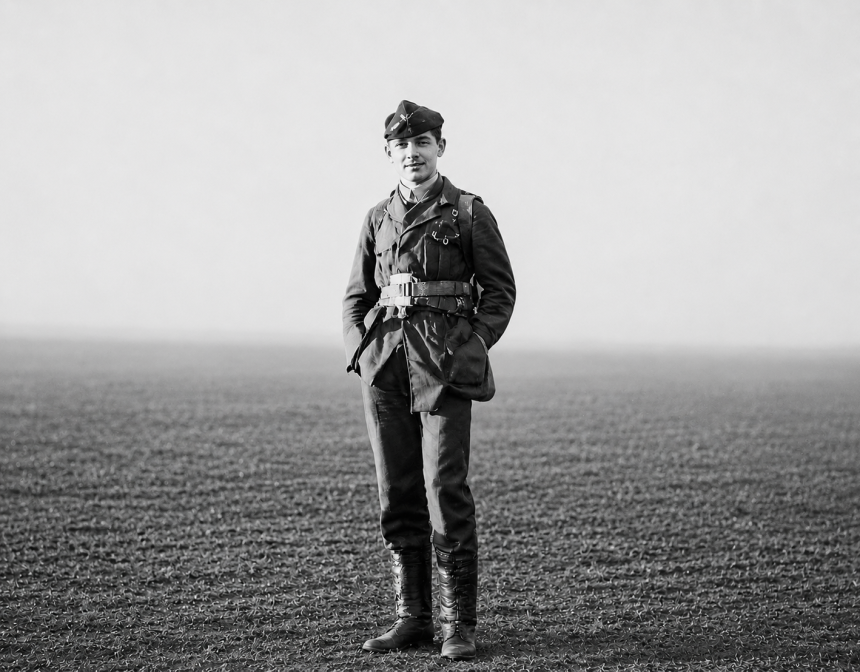

Some aces in WWI arrived late, scored heavily in a short period, became the best in their squadrons, and then disappeared into their civilian life. One such ace was William Gordon Claxton. Born on June 1, 1899, in Manitoba, Canada, he joined the Royal Flying Corps in 1917, when he turned 18. After his training, he was sent to the Western Front in France to join No. 41 Squadron in March 1918. He flew an S.E.5a, and all his victories were scored while flying this aircraft. His first victory came on May 27, when he shot down a Fokker Dr.I, and with this, the 19-year-old’s incredible run started, which would go on to achieve 37 air victories in 79 days and make him the highest-scoring ace in his squadron. On May 28, William Gordon Claxton shot down two Pfalz D.IIIs. In June, he was at his best and scored 18 aerial victories. These victories included three instances of double victories in a day, one instance of triple victories in a day, and ending the month with six victories in a day on June 30. On that day, he destroyed a Pfalz D.II, took down two Albatros D.Vs, and forced another Pfalz D.III to crash in the morning. In the afternoon, William Gordon Claxton destroyed another Pfalz D.III and set a DFW C model on fire. By the end of June, his score was 21. In July, he scored six more victories to increase his score to 27.
Ace Journey of William Gordon Claxton

After destroying three more aircraft on August 1 to reach a personal score of 30, he was awarded the Distinguished Flying Cross on August 3, with a citation, “This officer at all times shows fine courage and disregard of danger. He has accounted for six enemy aeroplanes and one kite balloon, three of the aeroplanes being destroyed and three driven down out of control. On a recent occasion, having destroyed a hostile balloon, he pursued an enemy scout ten miles and eventually drove it down; he was then attacked by five enemy triplanes and other scouts, but managed to return to our lines, though his machine was riddled with bullets.” By August 13, he claimed seven more victories, bringing his score to 37. On the morning of August 17, 1918, Claxton’s flight, led by Frederick McCall, encountered Jasta 20 while patrolling the front. During the battle, Claxton was shot down behind enemy lines by Johannes Gildemeister. He suffered a serious head wound and was captured east of Wervicq. Claxton crash-landed with this head injury and was saved by a German doctor, who quickly performed cranial surgery. William Gordon Claxton was a prisoner of war until the armistice, and Claxton returned home on December 1, 1918.
The Legacy
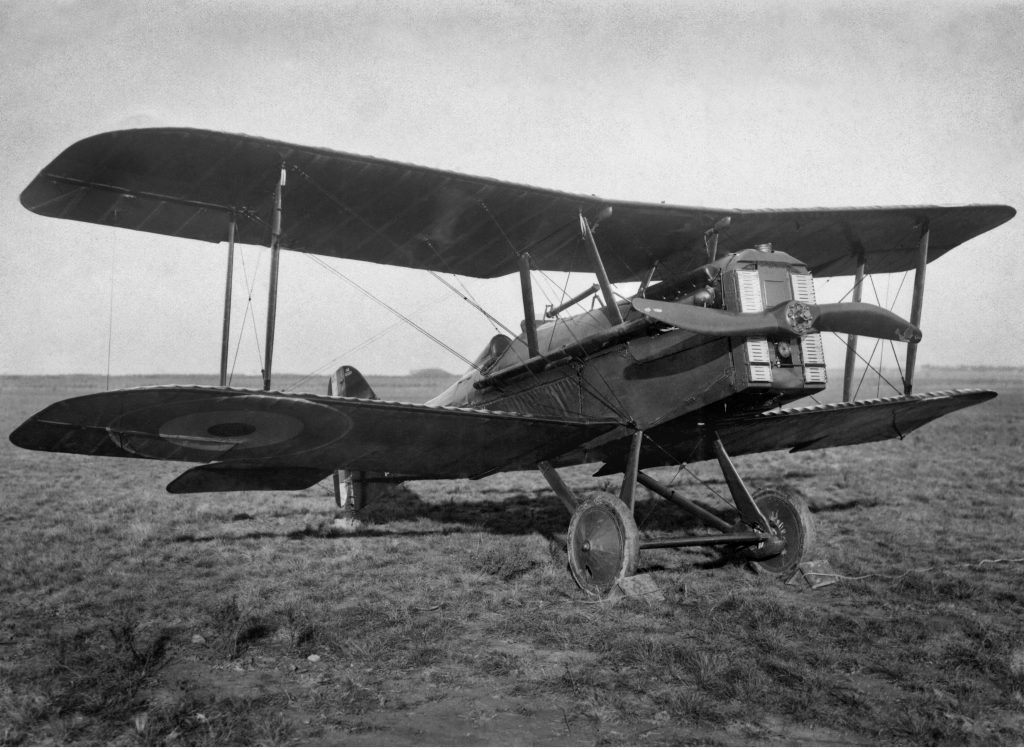
In his short yet powerful career as a fighter pilot, the 19-year-old William Gordon Claxton scored 37 victories, including eleven Pfalz D.IIIs, eight Fokker D.VIIs, six Albatros aircraft, three DFW Cs, two each of Fokker DR.Is, Halberstadt C-series aircraft, and balloons, and one each of Pfalz D.XII, Hannover C, and C-type aircraft. On September 21, 1918, he was awarded the Distinguished Flying Cross Bar, with a citation, “This officer is conspicuous for his courage in attack. Recently, in one day, he destroyed six enemy aeroplanes—four in the morning and two in the evening. In thirteen days, he accounted for fourteen machines. His utter disregard of danger inspires all who serve with him.” His Distinguished Flying Cross Bar was followed by a Distinguished Service Order on November 2, with a citation, “Between July 4 and August 12, this officer destroyed ten enemy aeroplanes and one kite balloon, making in all thirty machines and one kite balloon to his credit. Untiring in attack in the air or on the ground, this officer has rendered brilliant service.” After the war, William Gordon Claxton returned to Canada and became a financial journalist. William Gordon Claxton passed away in Toronto on September 28, 1967, at the age of 68. In the Aces series, what a young Claxton did in just 79 days was something very hard to achieve, even for highly experienced pilots. Read stories about more Aces HERE.