
By Randy Malmstrom
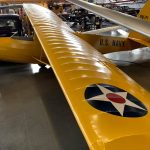
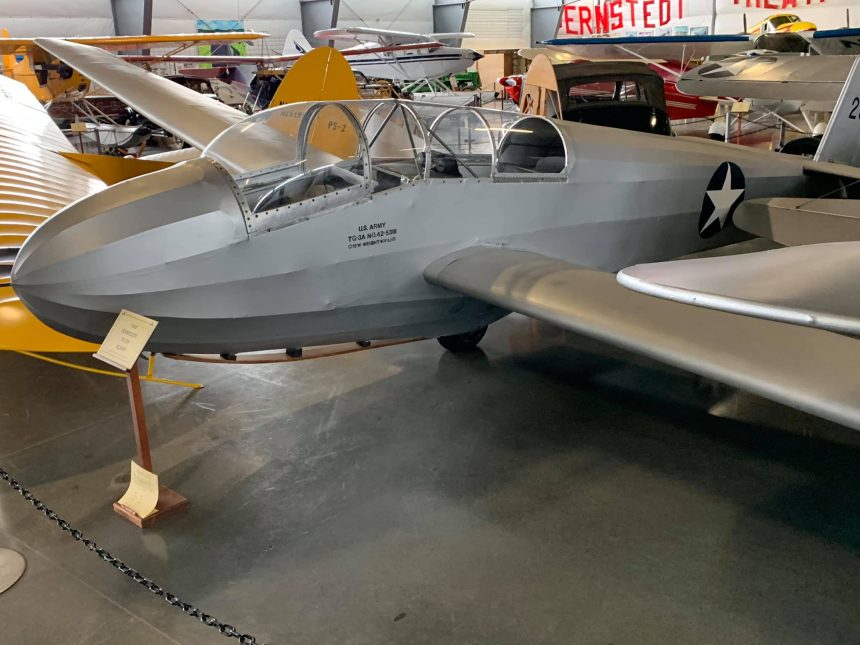
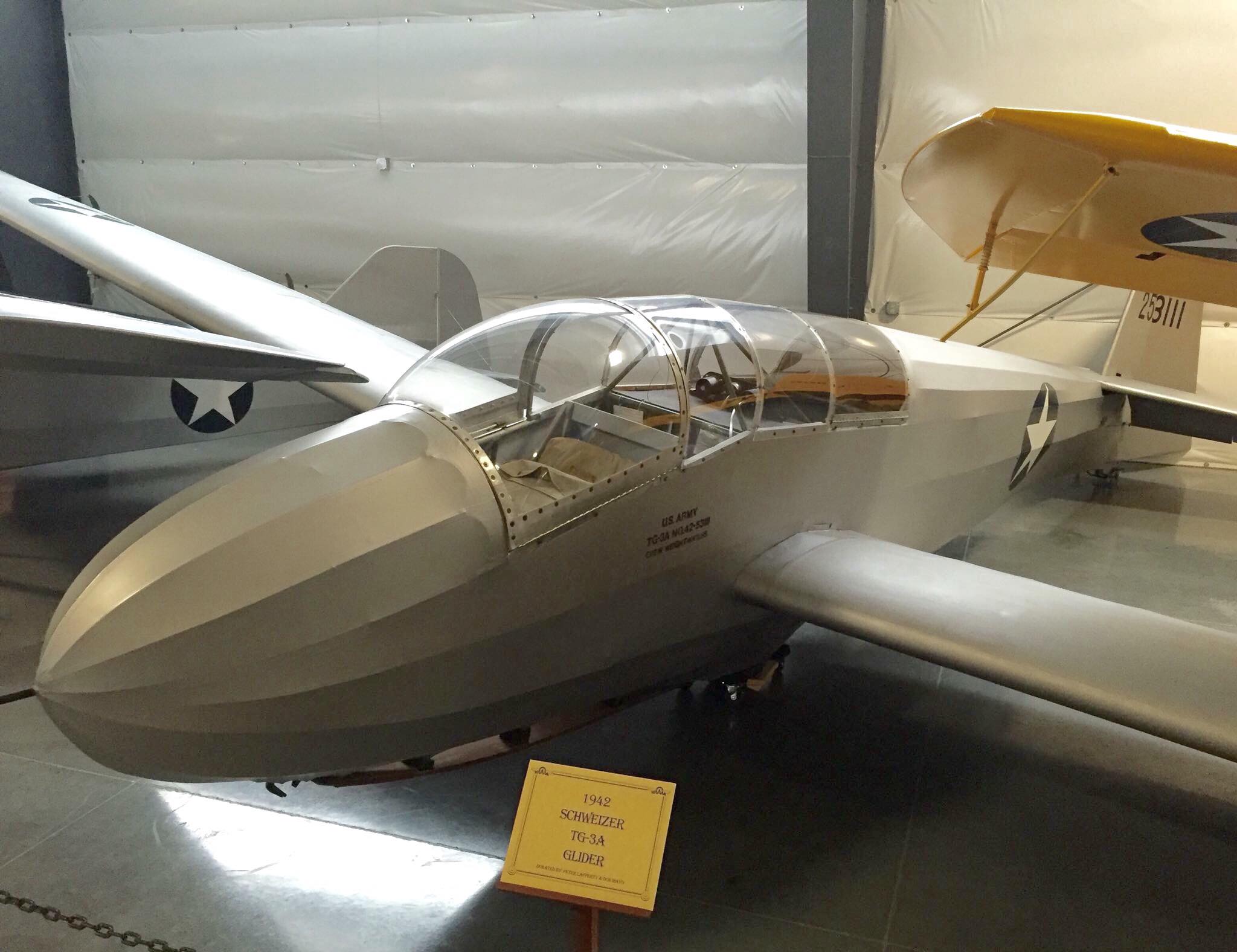
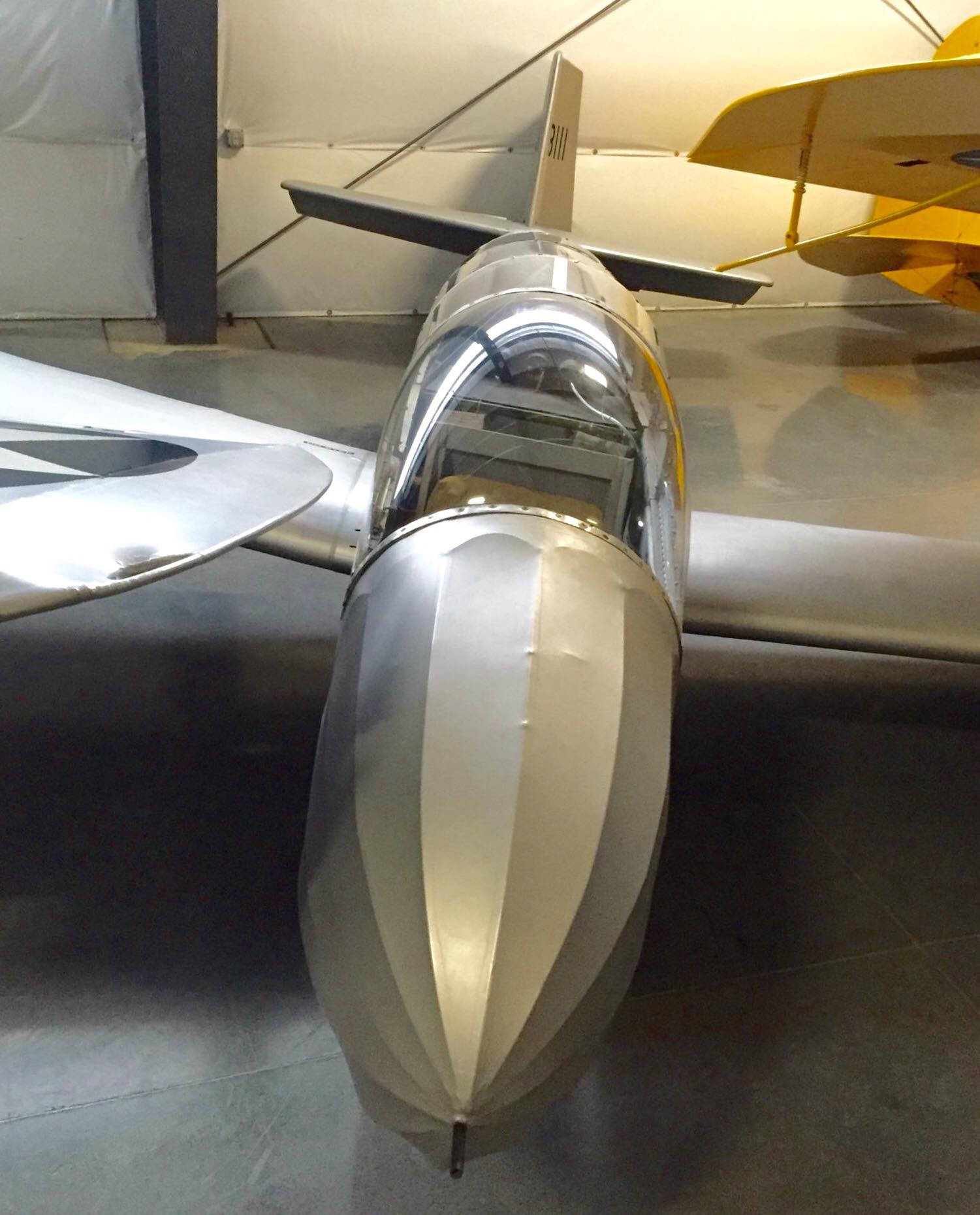
Schweizer TG-3A. Based on the SGS2-12 civilian high-performance sailplane, the TG-3A was built as a basic trainer for cadets learning to fly glider troop transports. The cadets were given 5-6 hours of flight time before moving on to the transports. The U.S. Army Air Corps evaluated a prototype in 1942 and ordered 110. Made of a wood frame covered in Grade A cotton. My photos at the Western Antique Aeroplane & Automobile Museum in Hood River, Oregon.
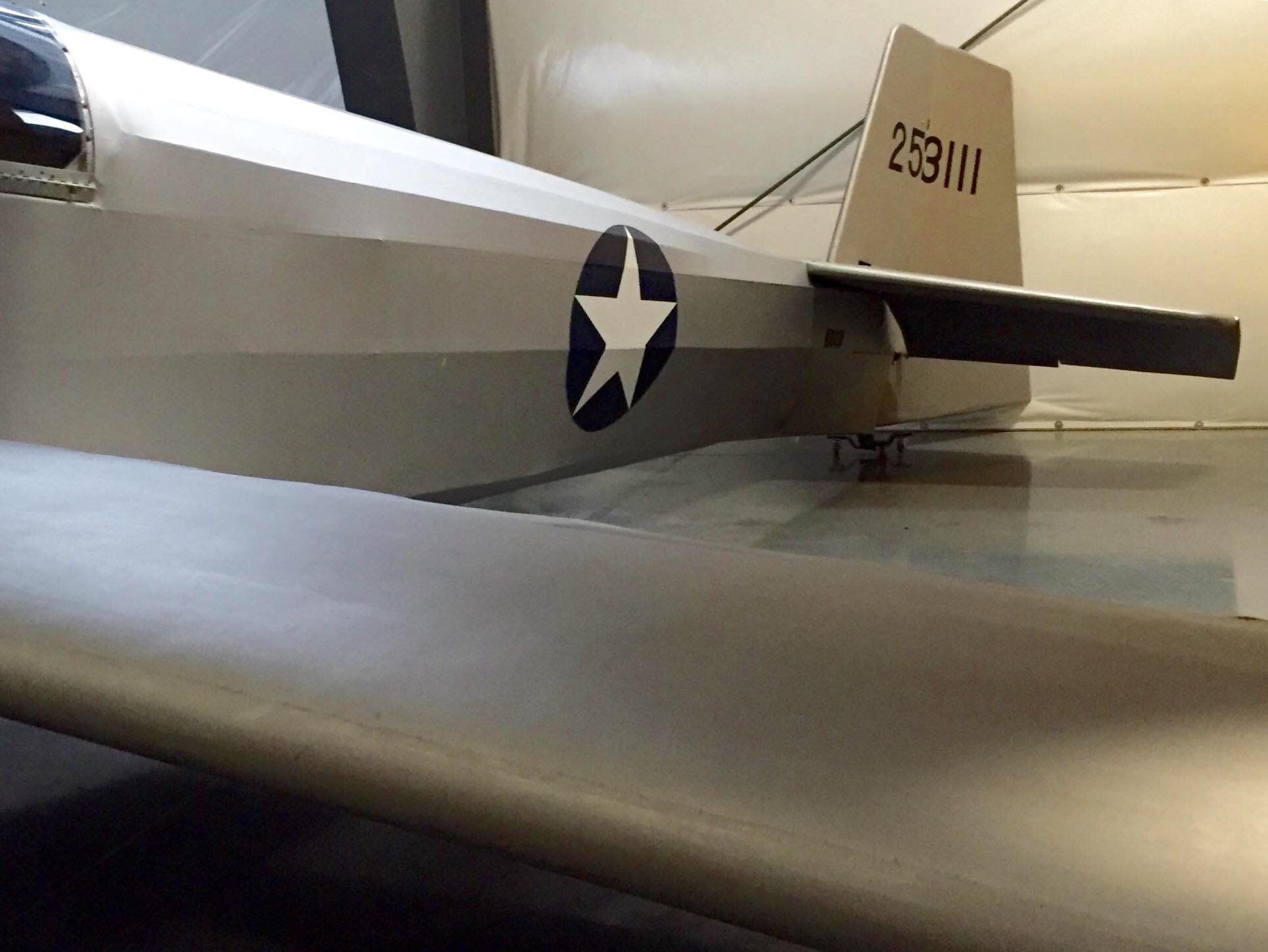
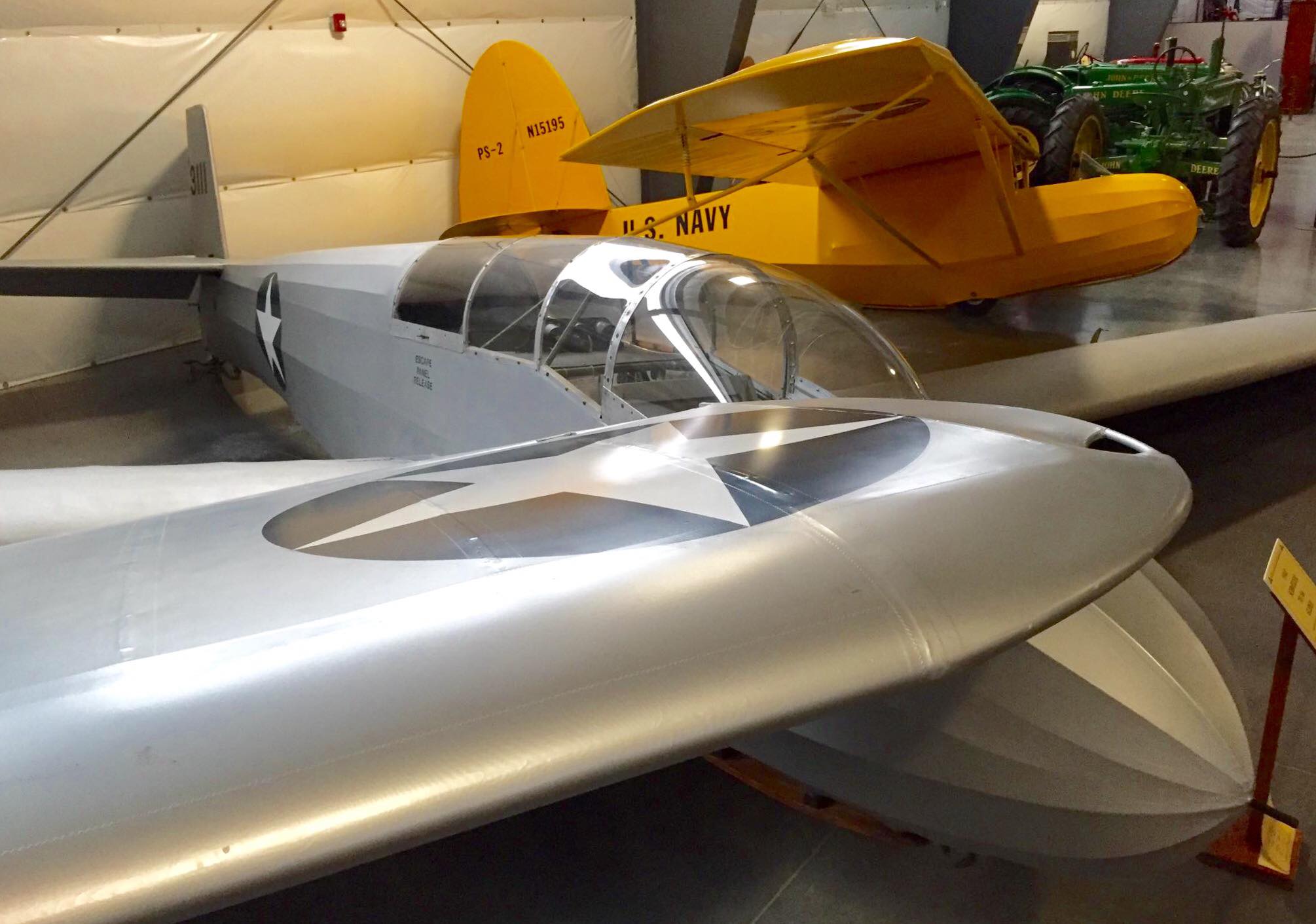
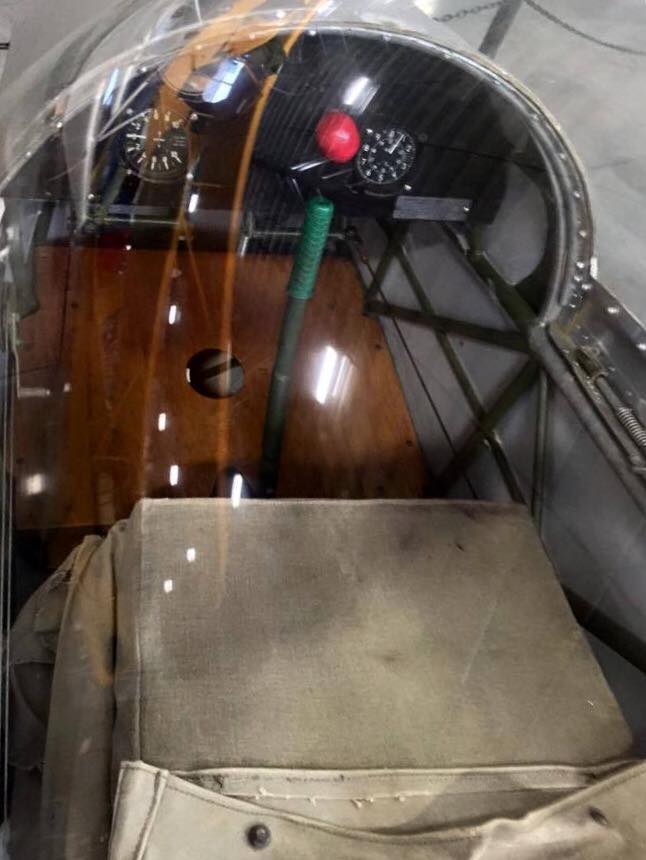
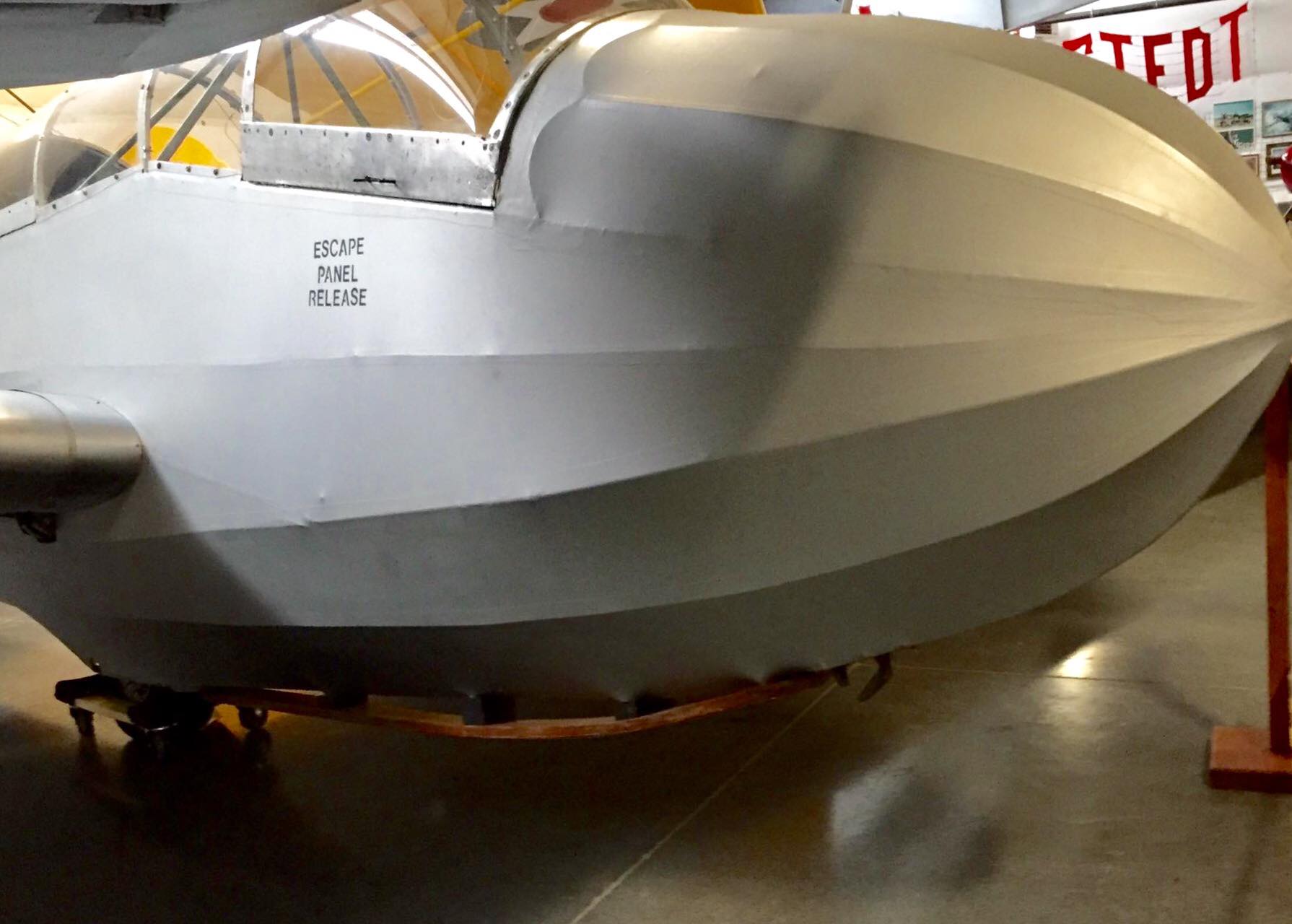
Editor’s notes: The Schweizer TG-3A was developed by the Schweizer Aircraft Corporation of Elmira, New York, which was founded in 1939 by brothers Paul, William, and Ernest Schweizer, who had been constructing gliders as early as 1930. Throughout the 1930s, the company built a series of single-seat and twin-seat gliders, but as the United States military gained interest in developing combat gliders to deliver troops and supplies to battlefields, it looked to adapt civilian glider designs as training gliders to instruct glider pilot cadets. Thus, the Schweizer SGS 2-8 glider was adopted into service with the U.S. Air Force as the Schweizer TG-2 and with the U.S. Navy and Marines as the LNS-1.
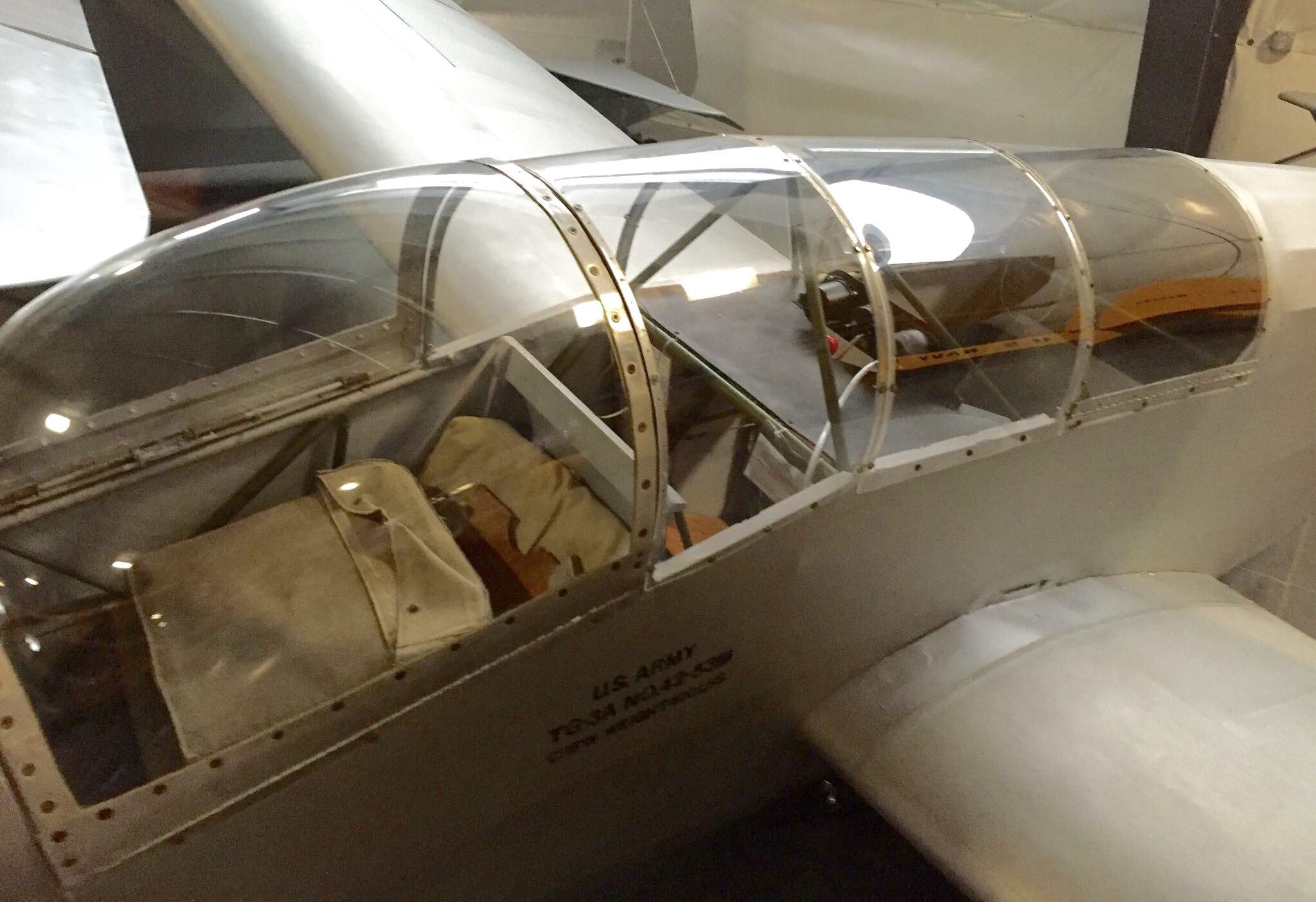
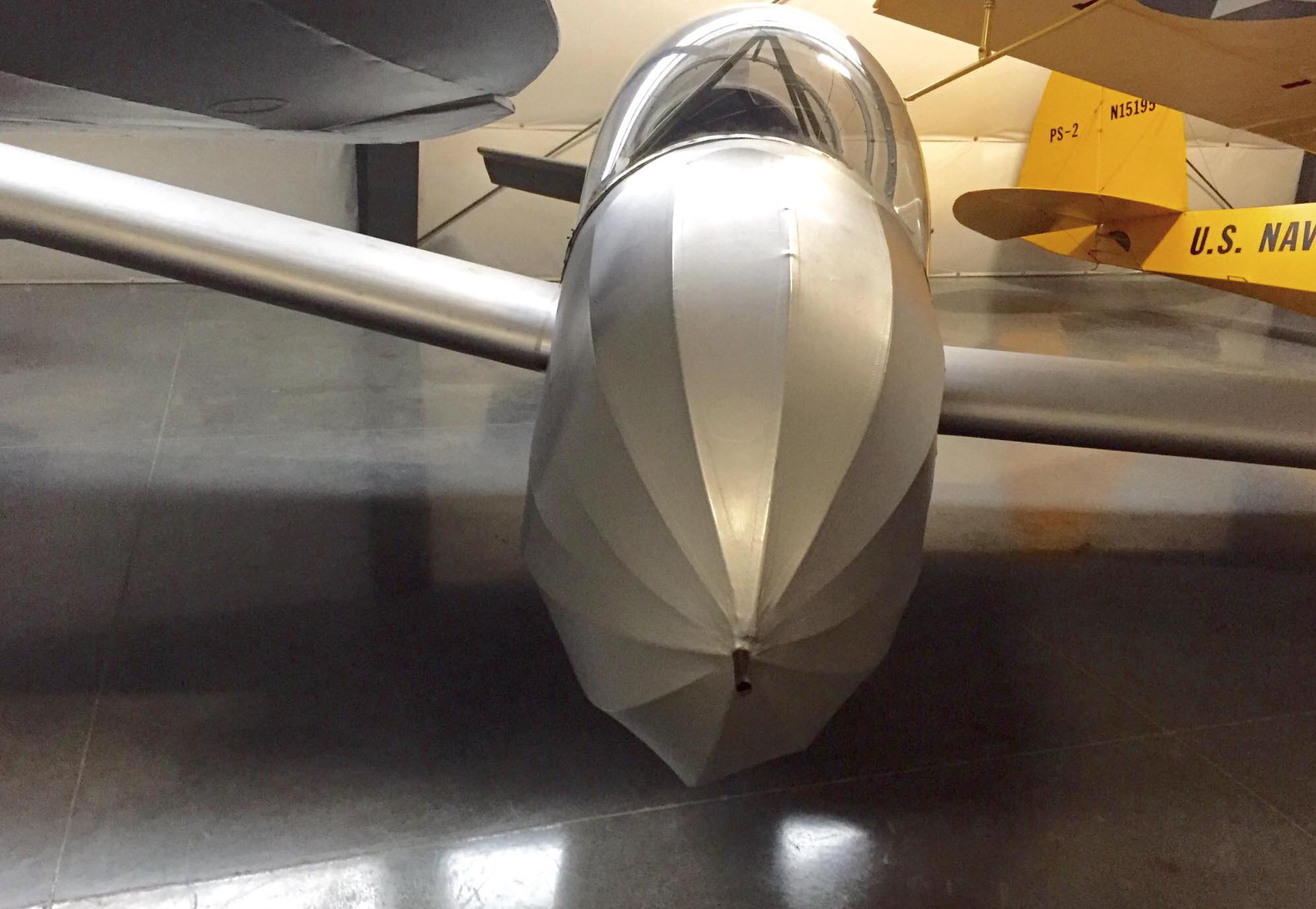
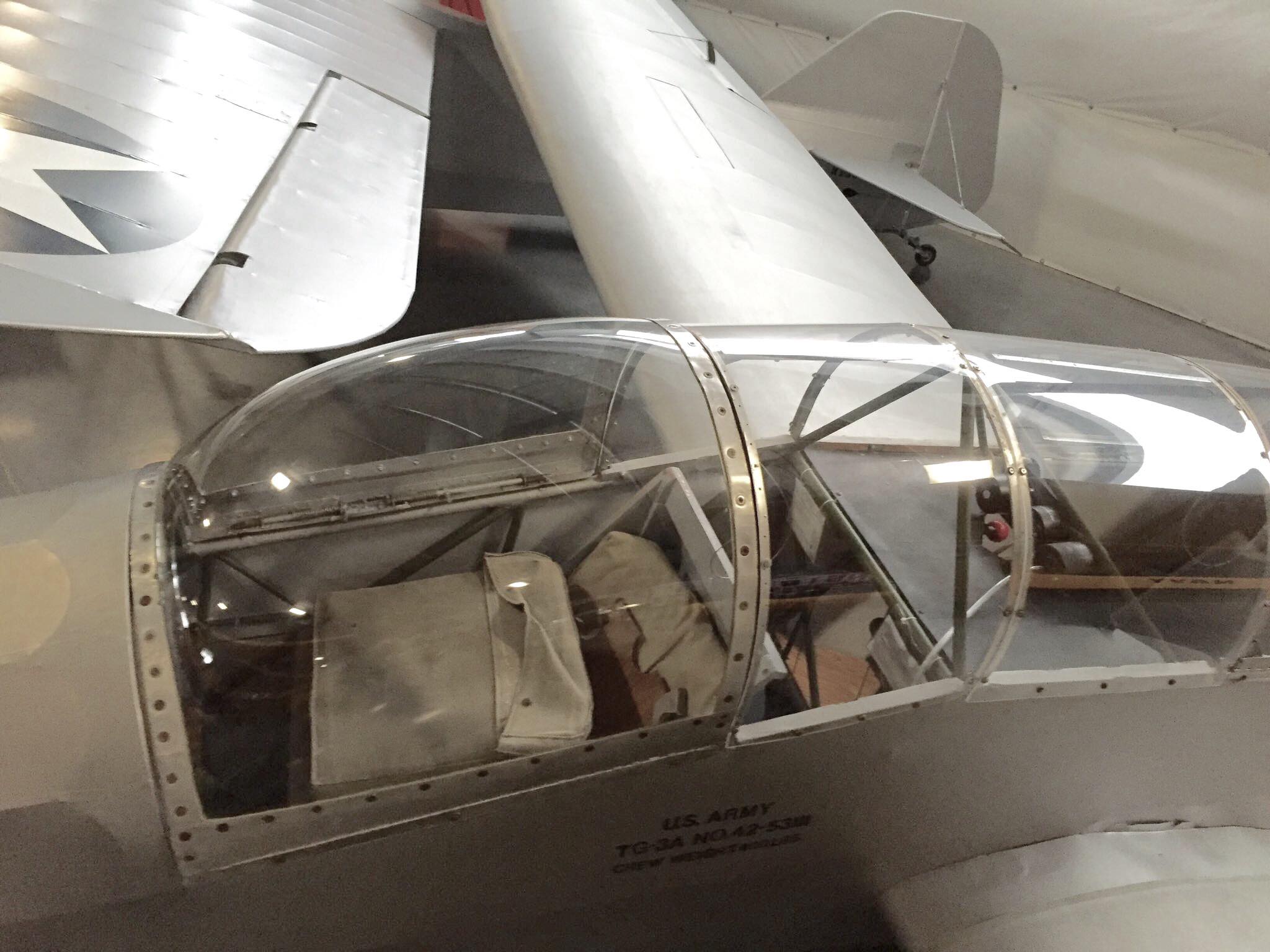
Although the 2-8 had good flight characteristics and had a pair of fabric-covered wings, the internal framework was made with aluminum, which was seen as a “strategic material” to be allocated for the production of combat aircraft such as fighters and bombers. The military then asked Schweizer to design a new glider that would not need to be built out of aluminum, with the primary substitute for aircraft construction being wood.

Thus, Schweizer developed the SGS 2-12, which featured a wing built of spruce and mahogany plywood covered with fabric, and a welded tubular steel fuselage covered in fabric. Other alterations in the design included moving the wings to a low-wing configuration for better visibility from the instructor’s cockpit in the rear, a thicker wing spar that eliminated the need for external struts and gave the glider a higher never-exceed speed, and a set of top and bottom dive brakes. The glider was flown by USAAF training units as the TG-3A.

The Schweizer TG-3A was used to train glider pilots before they learned to fly combat gliders such as the WACO CG-4A, known by the British as the Hadrian. By war’s end, 114 Schweizer TG-3A gliders were built and were quickly sold as surplus to civilian owners.
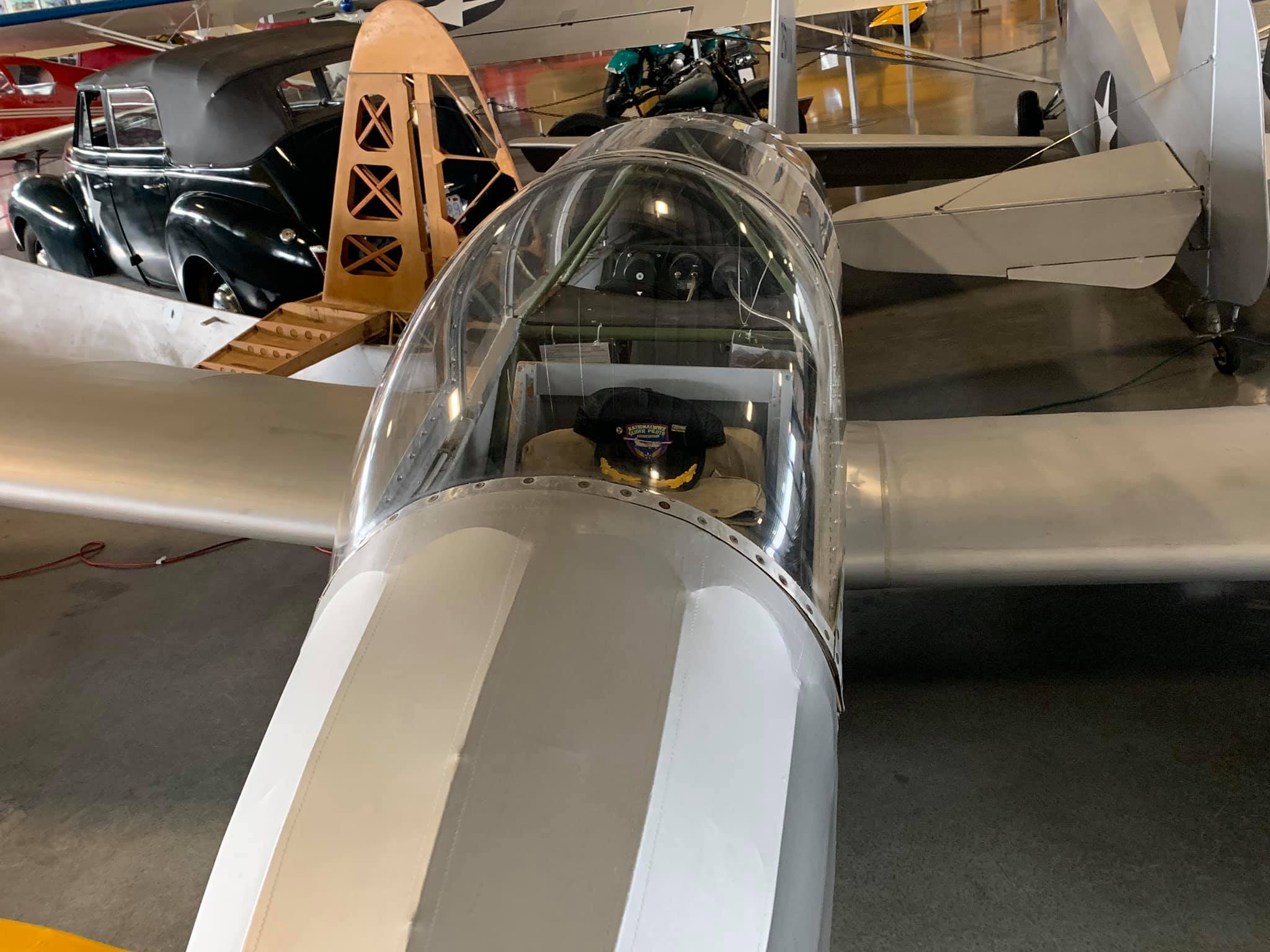
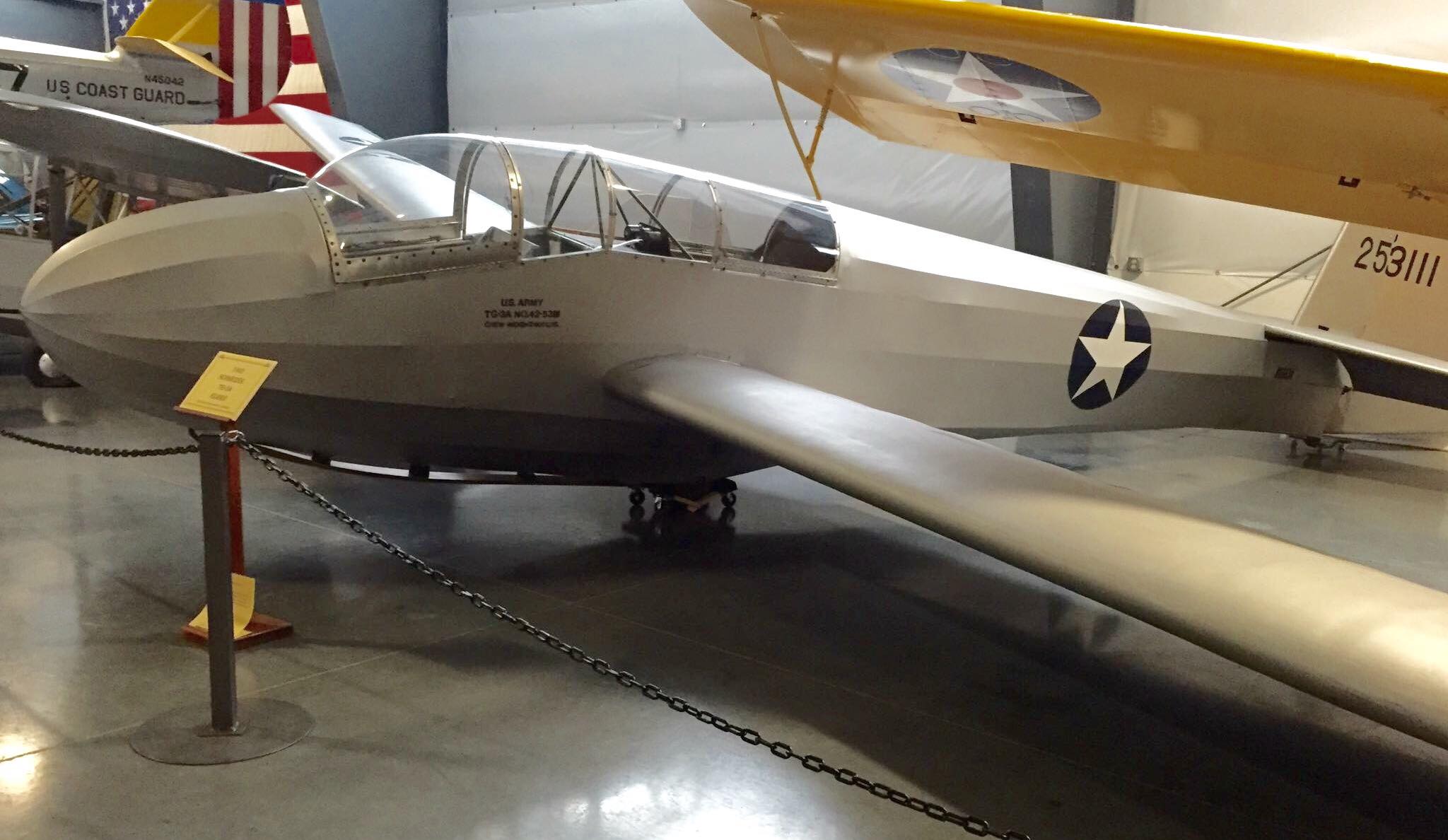
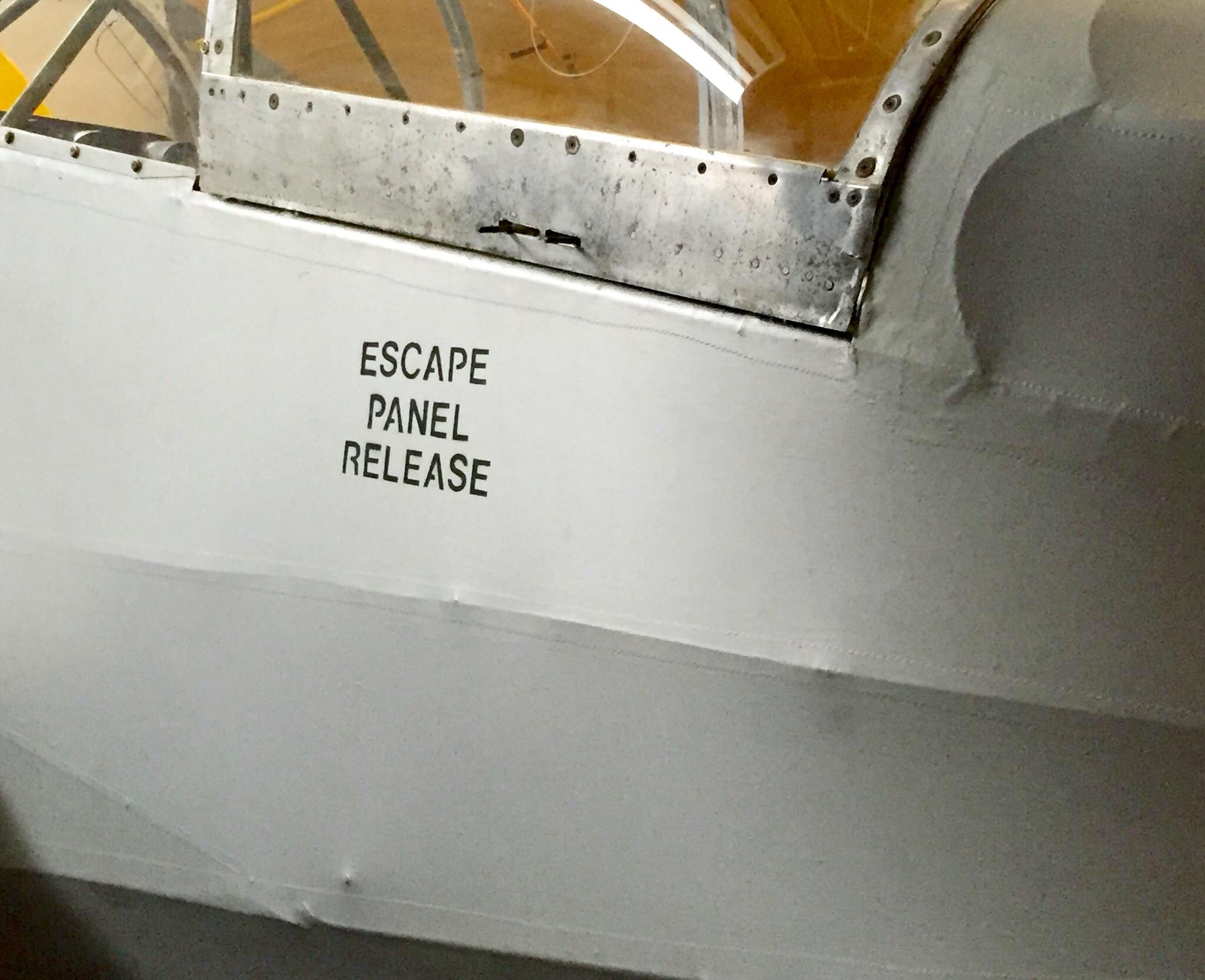
The example maintained in airworthy condition at the Western Antique Aeroplane & Automobile Museum was built by Schweizer as construction number 93 and was part of a contract order issued on March 24, 1942. It was flown by the U.S. Air Force as serial number 42-53111 and was later registered with the FAA as N60434. The glider was acquired by the WAAAM in 2013 with funds from the museum and from Don Mayo.
About the author:  Randy Malmstrom grew up in a family steeped in aviation culture. His father, Bob, was still a cadet in training with the USAAF at the end of WWII, but did serve in Germany during the U.S. occupation in the immediate post-war period, where he had the opportunity to fly in a wide variety of types that flew in WWII. After returning to the States, Bob became a multi-engine aircraft sales manager and, as such, flew a wide variety of aircraft; Randy frequently accompanied him on these flights. Furthermore, Randy’s cousin, Einar Axel Malmstrom, flew P-47 Thunderbolts with the 356th FG from RAF Martlesham Heath. He was commanding this unit at the time he was shot down over France on April 24th, 1944, and spent the rest of the war as a prisoner of war. Following his repatriation at war’s end, Einar continued his military service, attaining the rank of Colonel. He was serving as Deputy Wing Commander of the 407th Strategic Fighter Wing at Great Falls AFB, MT, at the time of his death in a T-33 training accident on August 21, 1954. The base was renamed in his honor in October 1955 and continues to serve in the present USAF as home to the 341st Missile Wing. Randy’s innate interest in history in general, and aviation history in particular, plus his educational background and passion for WWII warbirds, led him down his current path of capturing detailed aircraft walk-around photos and in-depth airframe histories, recording a precise description of a particular aircraft in all aspects.