





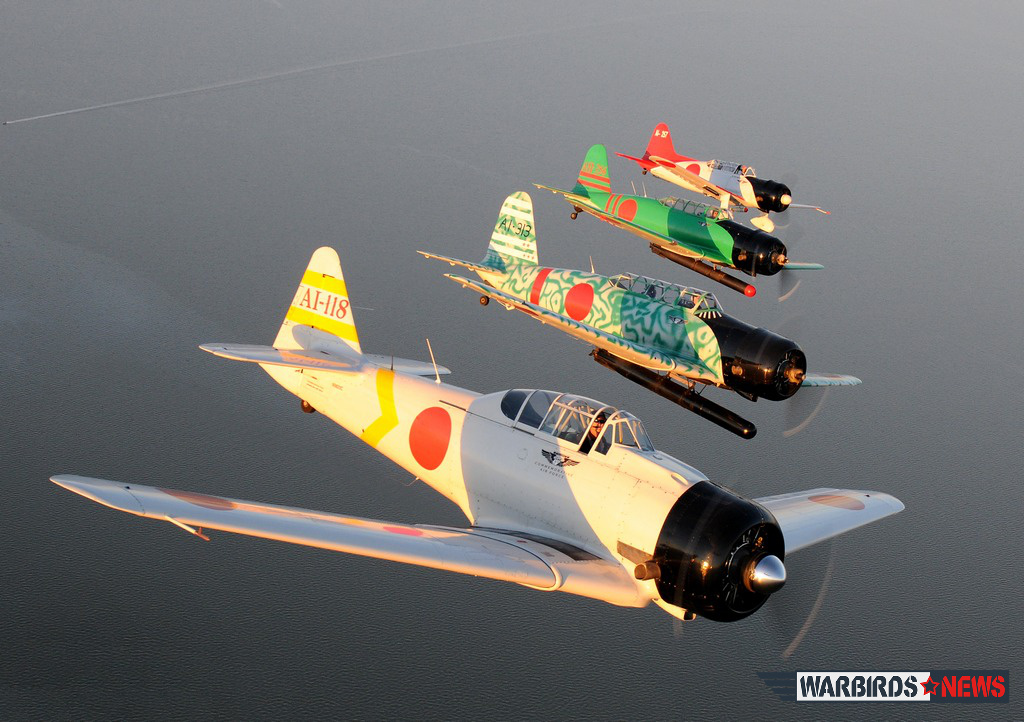

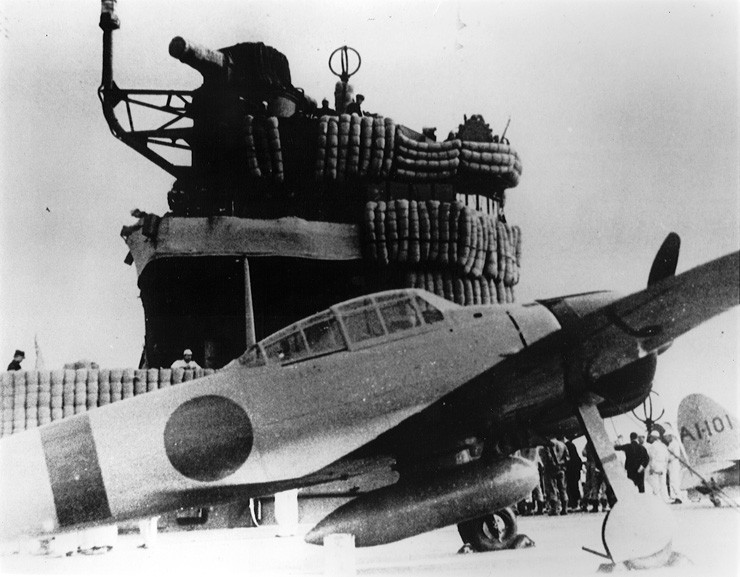
Hawaii – Sunday, December 7th, 1941 – the sky was clear, the temperature mild, and a light sea breeze was blowing. Breakfast sat on tables across the islands while activity slowly commenced at military installations scattered throughout Oahu. Then, suddenly, formations of aircraft arrived from the north, shattering the peace of that Hawaiian morning. Aboard one of the attacking aircraft bearing the insignia of the Empire of Japan, Commander Mitsuo Fuchida transmitted the now-famous message “Tora, Tora, Tora” to Vice Admiral Chuichi Nagumo aboard the Imperial Japanese Fleet. Meaning “Tiger, Tiger, Tiger,” the code phrase confirmed that the attack had achieved complete surprise. Those three words became forever linked with the beginning of America’s entry into World War II in the Pacific.
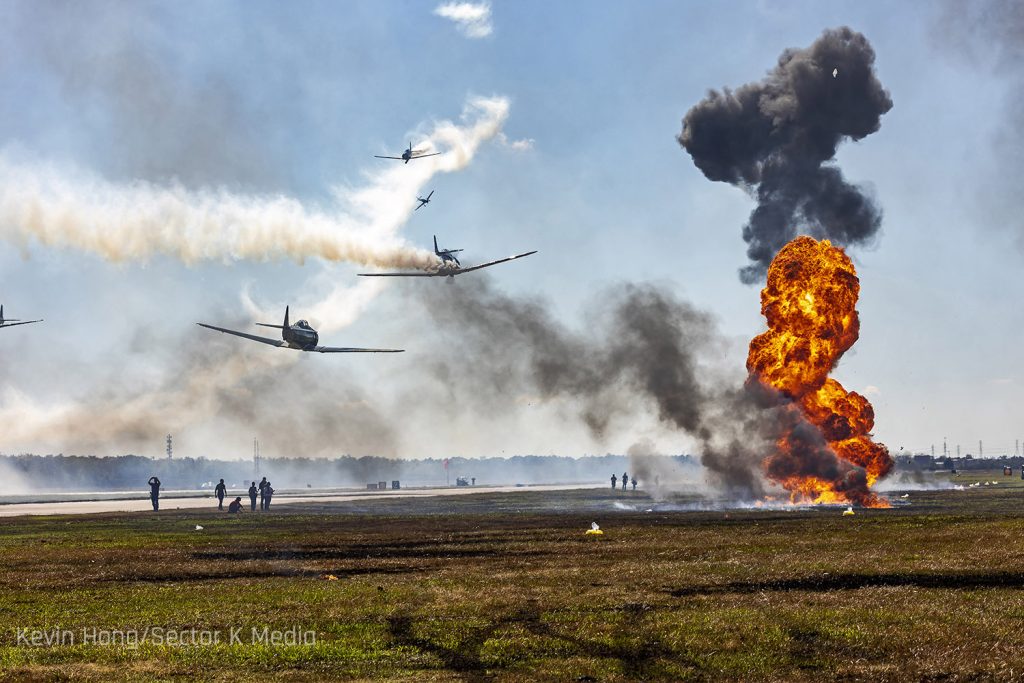
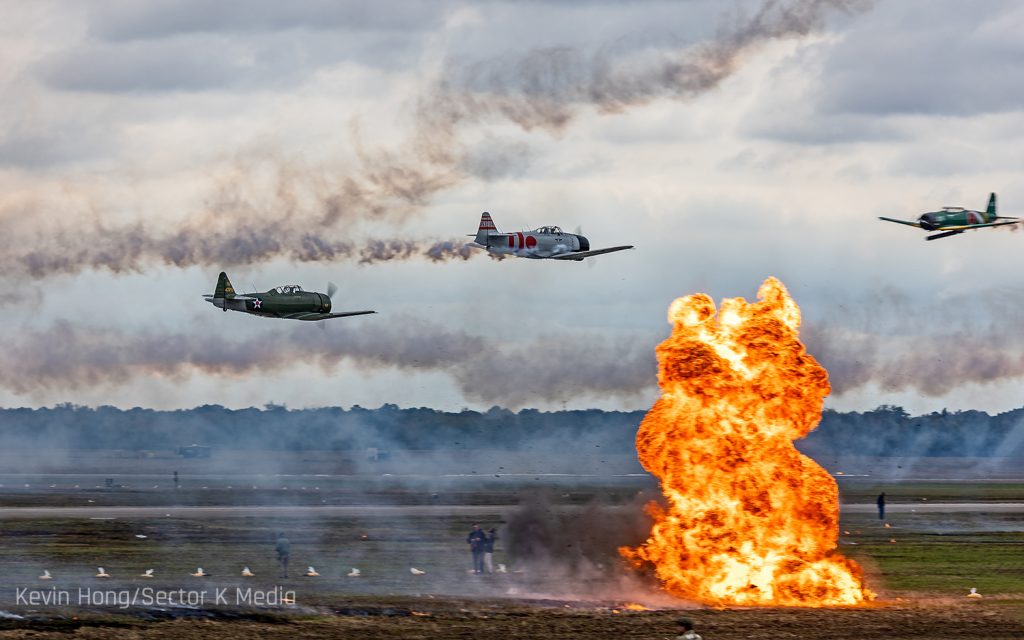
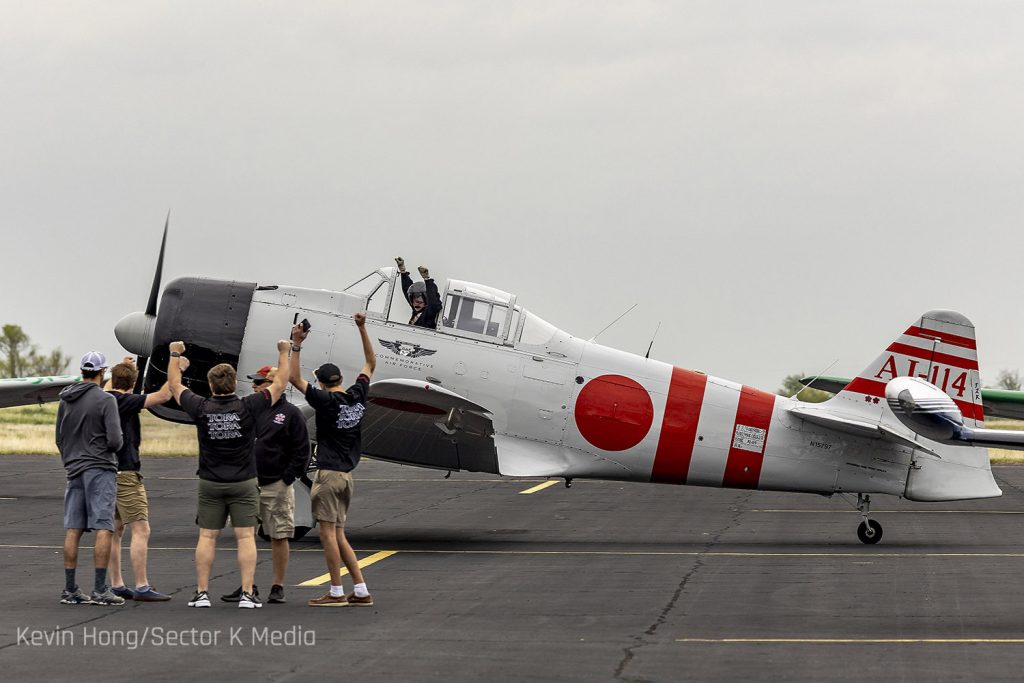
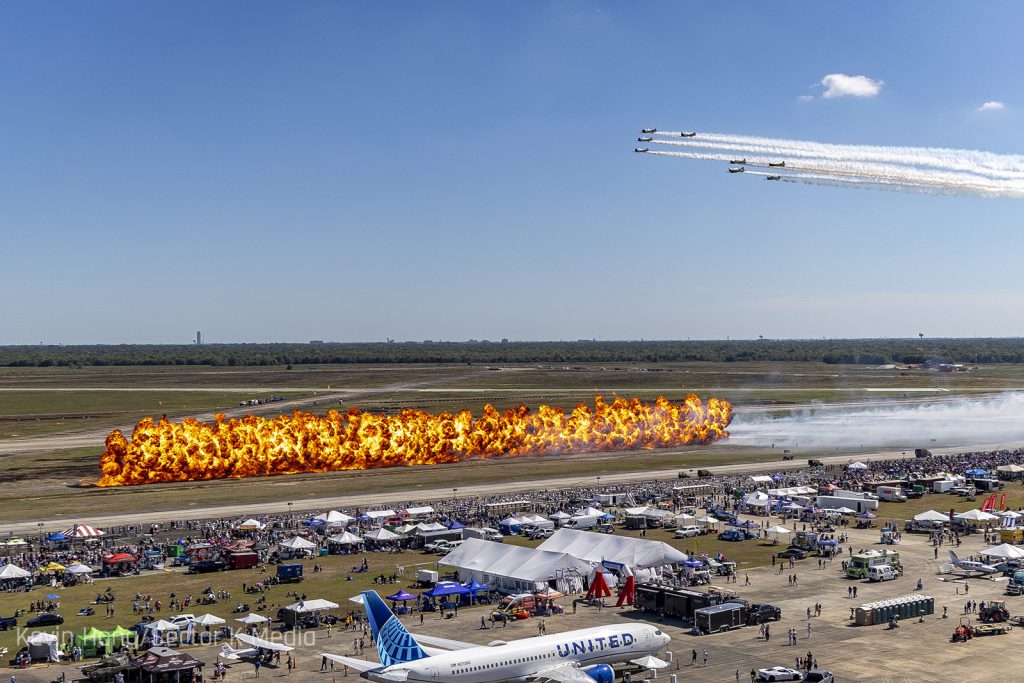
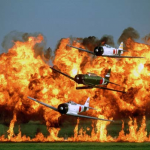
More than eight decades later, the Commemorative Air Force’s Tora! Tora! Tora! demonstration team continues to recreate those moments before millions of spectators across the United States. Their eighteen-minute aerial performance combines replica Japanese aircraft, pyrotechnics, narration, and precision flying to tell the story of Pearl Harbor in a way few living history presentations can. Behind the explosions, smoke, and dramatic low-level passes is a close-knit volunteer family of pilots, mechanics, photographers, pyrotechnics specialists, narrators, and supporters who dedicate enormous amounts of personal time and resources to preserving history.
(Image credit: Kevin Hong/Sector K Media)
As several members of the team told Vintage Aviation News, Tora! Tora! Tora! is far more than an airshow act. It is a living history lesson. Back in 2014, Vintage Aviation News published an article by Luigino Caliaro about the Commemorative Air Force’s Tora! Tora! Tora! team (Click HERE). This time, however, we wanted to go behind the scenes and talk directly with the pilots and volunteers who make this remarkable living history airshow act possible. Through conversations with pilots Mike Hastings, Steve Swift, Taylor Stevenson, and photographer Kevin Hong, we explored the people, training, teamwork, and passion required to recreate one of the most important moments in American history for modern audiences.
(Image credit: Kevin Hong/Sector K Media)
From Hollywood Epic to Flying History
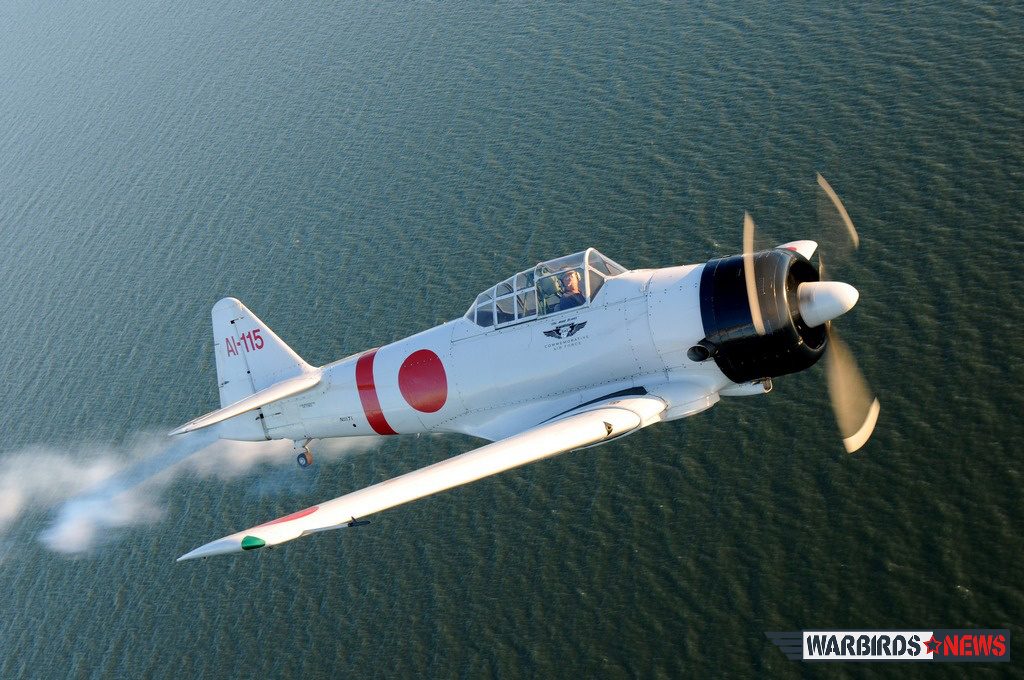
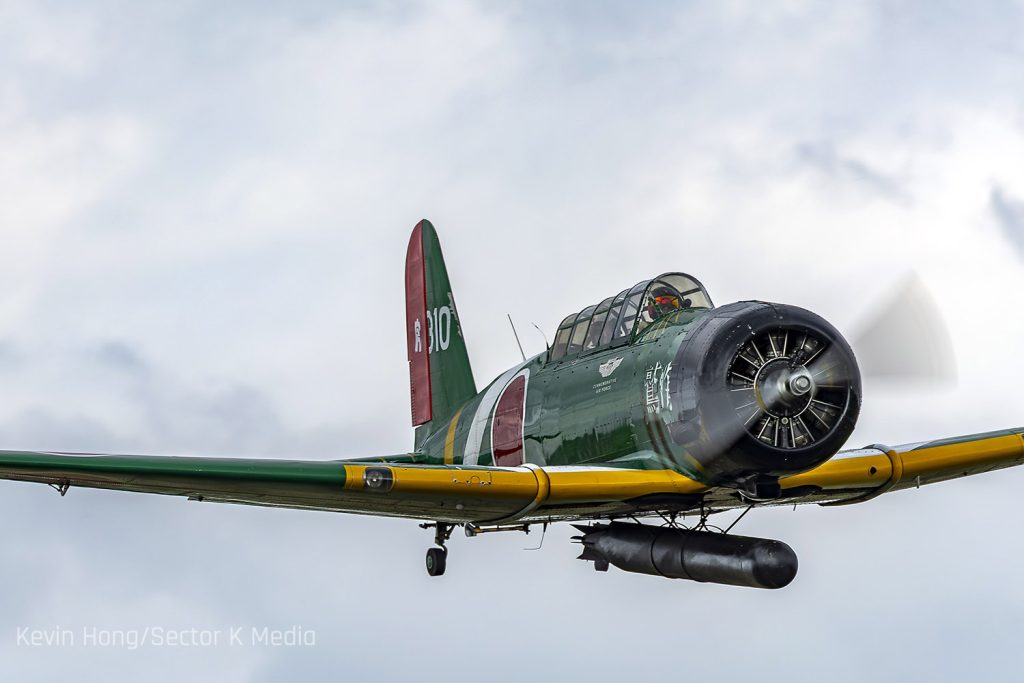
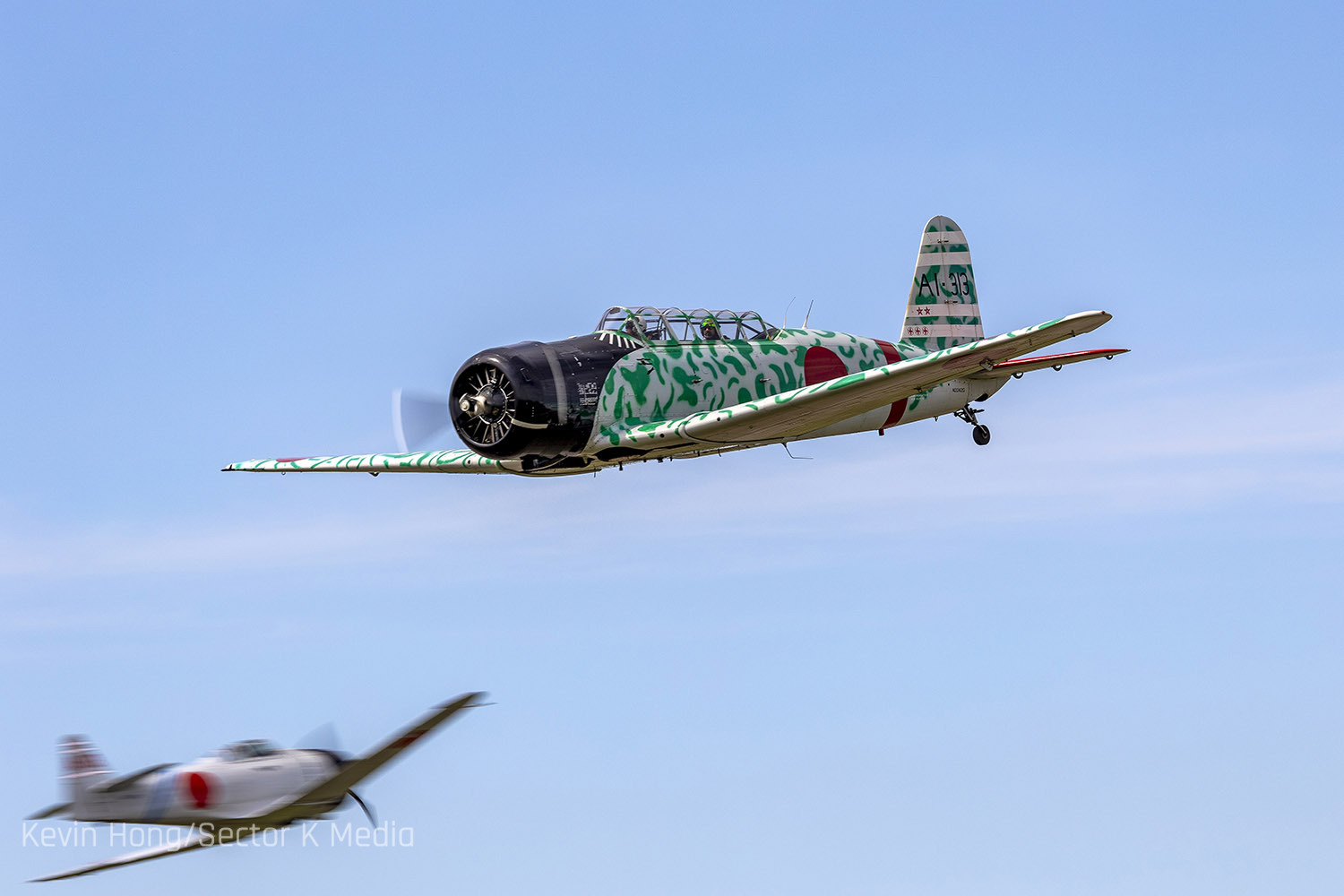
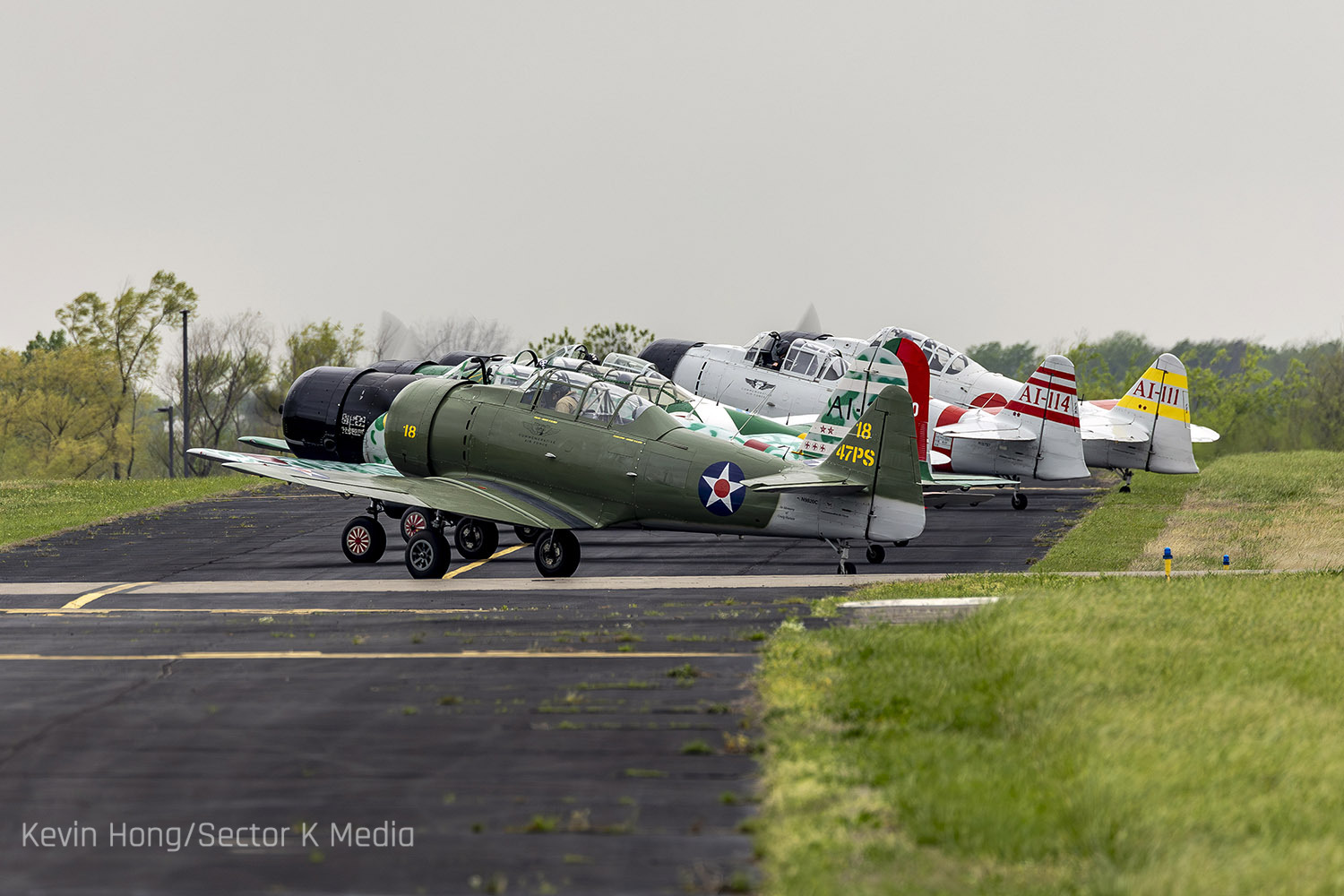
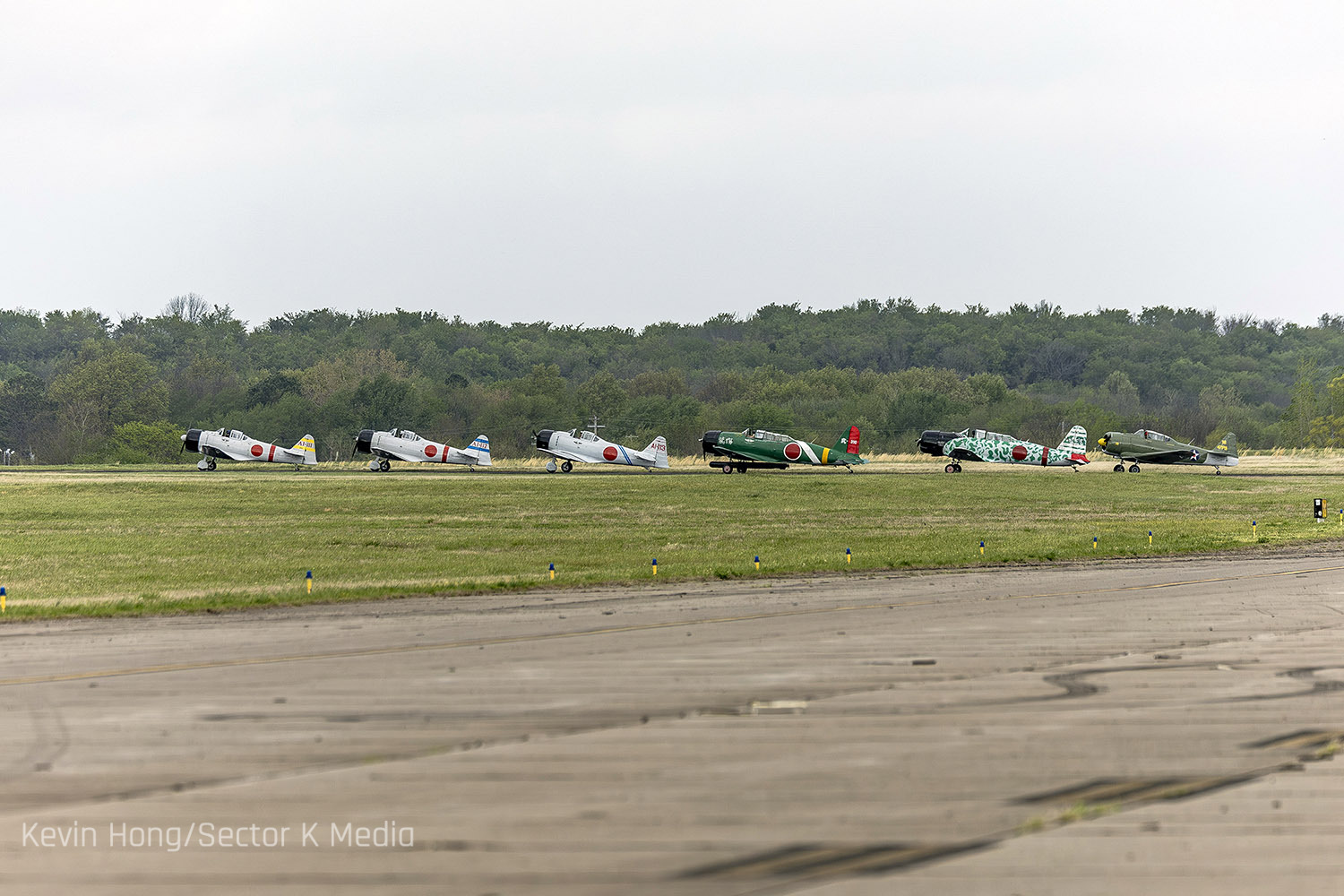
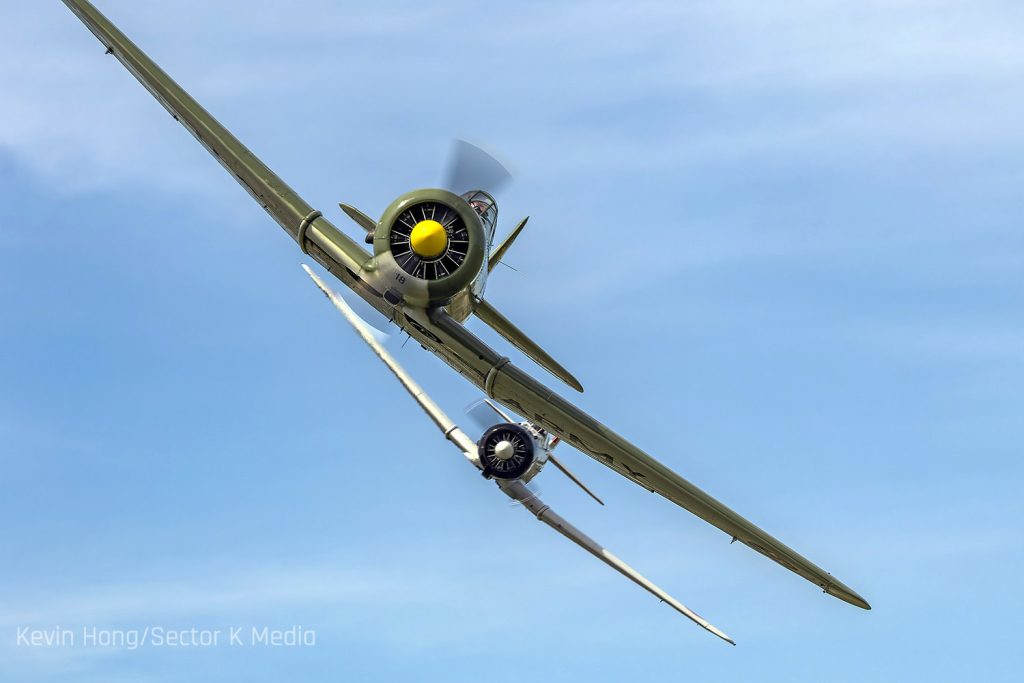
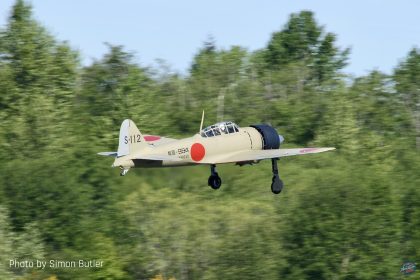
The origins of the modern Tora! Tora! Tora! Team traces directly back to the 1970 Hollywood film of the same name. In 1968, 20th Century Fox began production of the massive motion picture dedicated to the attack on Pearl Harbor. Producers quickly faced a major challenge: how to realistically portray the Japanese aircraft involved in the attack. Original Mitsubishi A6M Zeros, Nakajima B5N “Kate” torpedo bombers, and Aichi D3A “Val” dive bombers simply did not exist in flyable condition. Rather than use American aircraft painted with Japanese markings, producer Elmo Williams, along with directors Richard Fleischer and Akira Kurosawa, sought a more authentic solution. Working with Jack Canary and former Royal Canadian Air Force pilot Lynn Garrison, the studio developed flying replicas using readily available American trainers. The Mitsubishi Zero replicas were based primarily on North American AT-6 Texans, while the larger Kate and Val replicas incorporated components from Vultee BT-13s and Harvard trainers. The modifications were extensive. The Zero replicas required significant alterations to the cockpit, canopy, cowling, and tail to capture the silhouette of the famed Japanese fighter. The Kate replicas underwent even more dramatic transformations, including fuselage extensions and modified empennage sections.
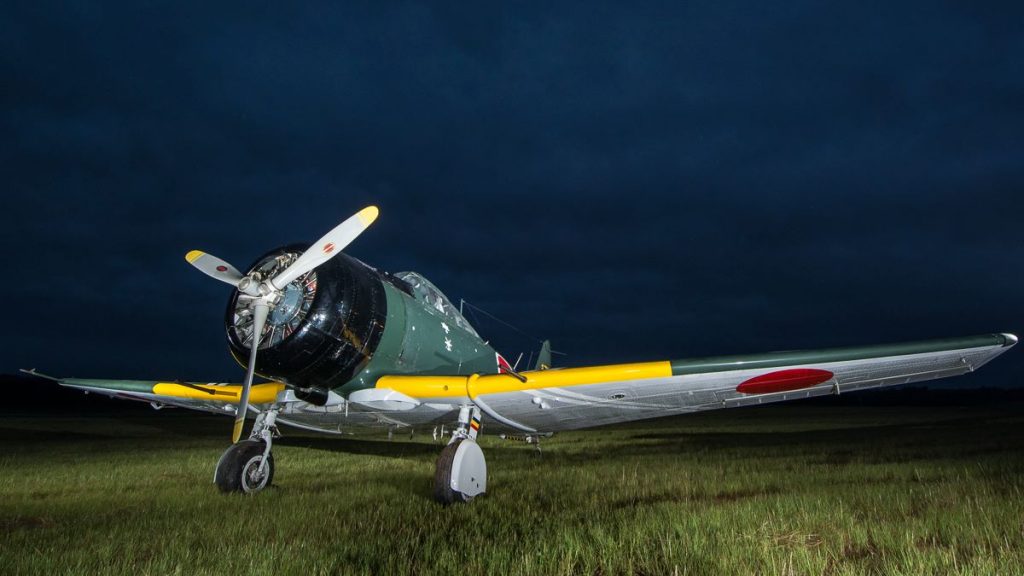
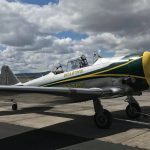
Taylor Stevenson, one of the current Tora! Tora! Tora! pilots, explained just how remarkable those movie conversions still are today. “Most of these aircraft are Harvard Mark IVs,” Stevenson said. “The cheapest T-6s to get back then were the experimental-category aircraft, so a bunch of Harvard Mark IVs were acquired and converted into Tora Zeros and Tora Kates.”
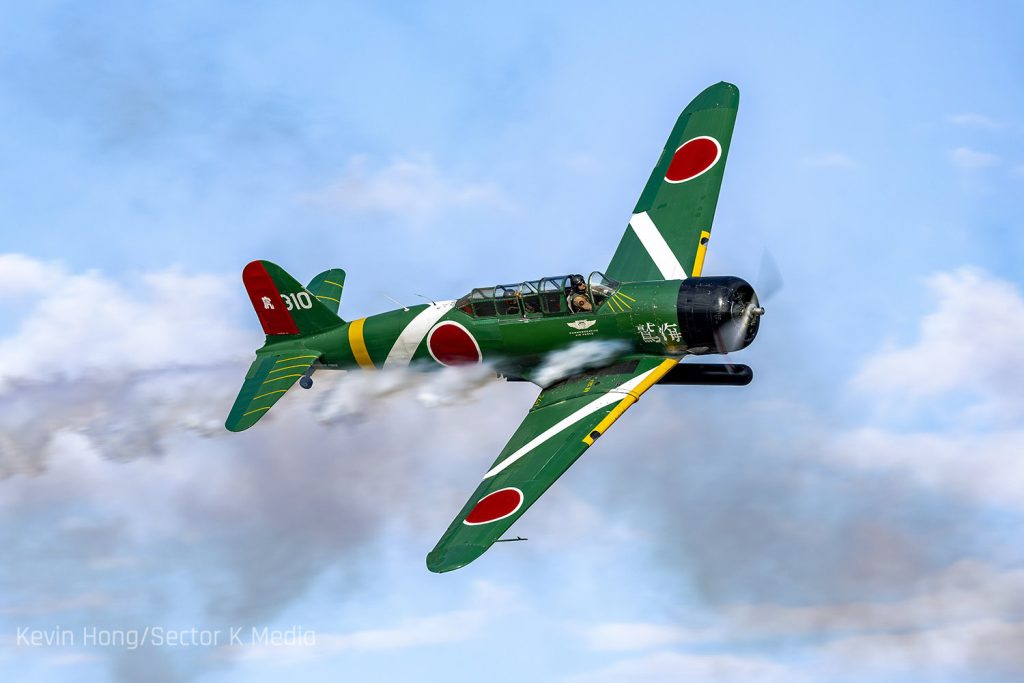
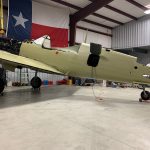
“The Tora Zero is really essentially a stock T-6 with modifications to make it look like a Zero,” he explained. “But the most heavily modified of the Tora aircraft was the Tora Kate.” According to Stevenson, the Kate replicas received fuselage extensions, modified BT-13 tails, reshaped wings, and even fiberglass torpedoes to accurately reproduce the Japanese torpedo bombers seen over Pearl Harbor. “It’s amazing how well they were built,” Stevenson said. “You have to remember these were built as movie props.” After the film concluded, the aircraft found a second life in airshows, eventually becoming one of the CAF’s most recognizable and enduring flying demonstrations. Since 1972, the Tora! Tora! Tora! team has performed at more than fifteen airshows annually, using aviation history to educate audiences about December 7th, 1941 and honor those who lost their lives during the attack on Pearl Harbor. “Tora Tora Tora is a living history lesson,” the organization states. “We travel the United States teaching the lesson of how the course of U.S. history was changed on December 7th, 1941.”
Built by Volunteers, Sustained by Passion
Few airshow acts rely so completely on volunteers as Tora! Tora! Tora!. Every pilot, crew member, pyrotechnics specialist, and photographer participates because of a shared passion for aviation history and the educational mission behind the performance. Mike Hastings represents the kind of experience level common within the group. An airline pilot for nearly three decades, Hastings has spent years flying everything from B-17s and B-25s to Mustangs, P-40s, and TBM Avengers. He has also served as a formation check airman and helped establish the EAA’s B-25 training program.
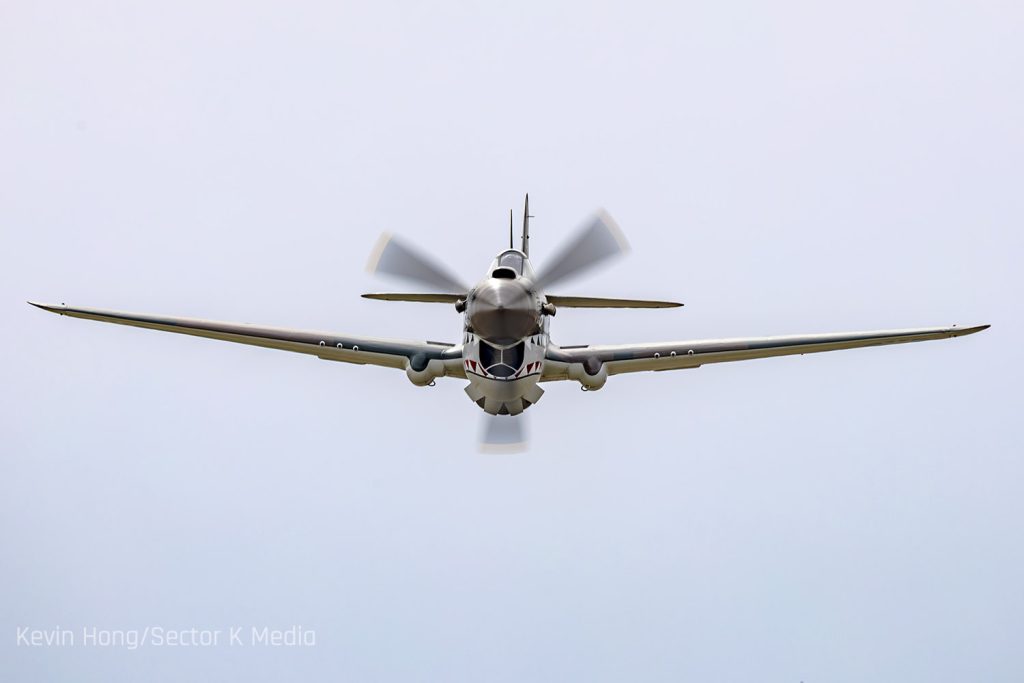
Steve Swift followed a different path into the organization. Already active in the warbird community and recently qualified in formation flying, Swift first became involved in 2016 when a friend needed help ferrying one of the Tora! aircraft to a show in Homestead, Florida. That introduction eventually evolved into a deeper role within the organization, where he now regularly flies the Kate pattern. Taylor Stevenson, meanwhile, grew up immersed in warbirds. His father flew the CAF’s P-40 Warhawk and owned a T-6, making aviation a central part of Stevenson’s life from childhood onward. Stevenson soloed on his sixteenth birthday, restored an Oshkosh award-winning Stinson L-5 during high school, and later went on to fly aircraft, including the P-63 Kingcobra, P-40 Warhawk, and P-51 Mustang, for organizations such as the CAF, Yanks Air Museum, and the Cavanaugh Flight Museum.
(Image credit: Kevin Hong/Sector K Media)
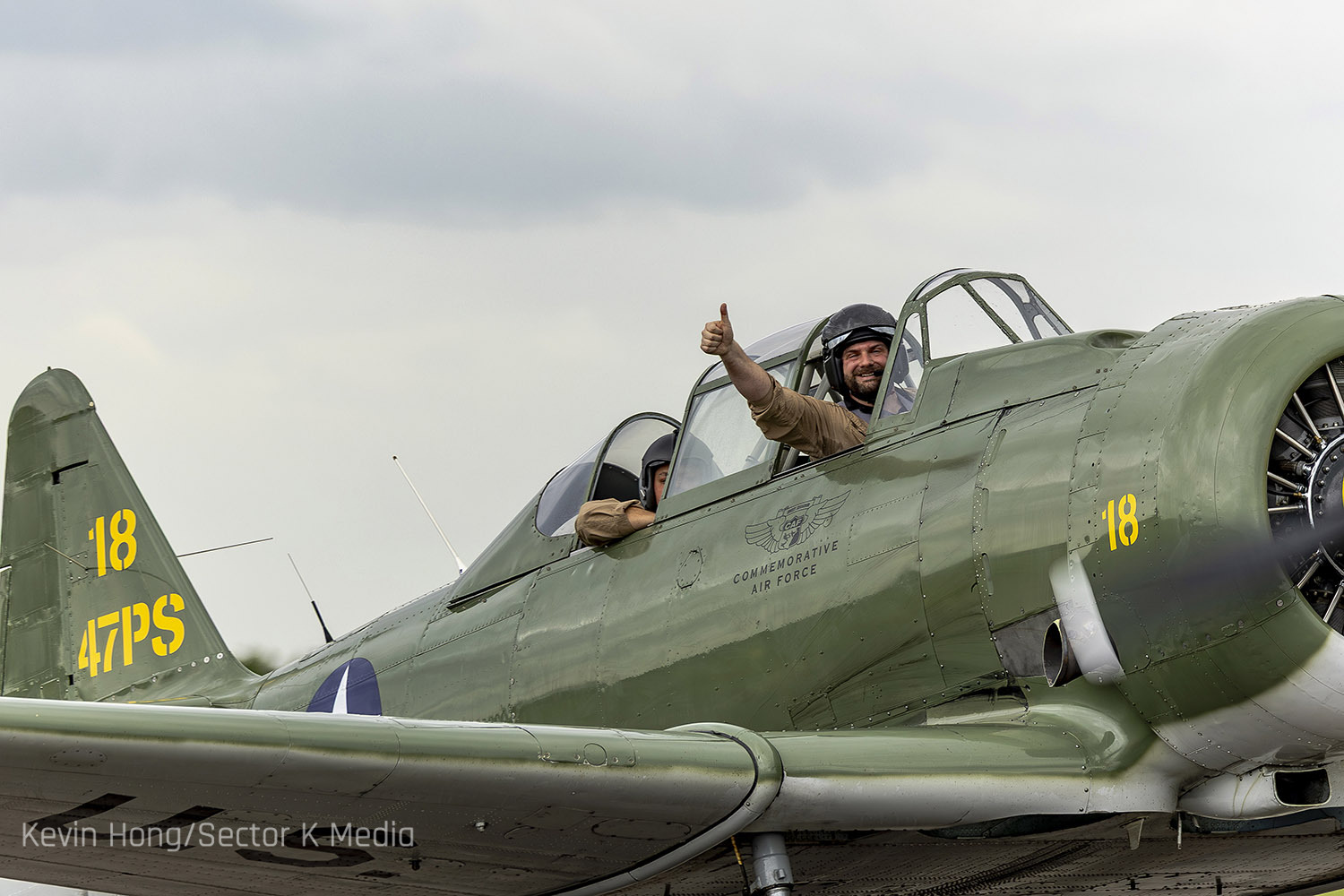
“My wife jokes about it,” Stevenson said. “I’ll be sitting there on the couch, and she’ll ask, ‘What warbird are you thinking about?’” Today, Stevenson flies the Kate pattern, the Zero pattern, and the fighter routine in the CAF’s P-40 Warhawk. He has been with the team since 2015. “It’s about the most fun you can have,” Stevenson laughed. “There’s nothing more fun than legally being able to go fly with six, seven, eight of your buddies over pyro during the Tora routine.”
Becoming a Tora Pilot
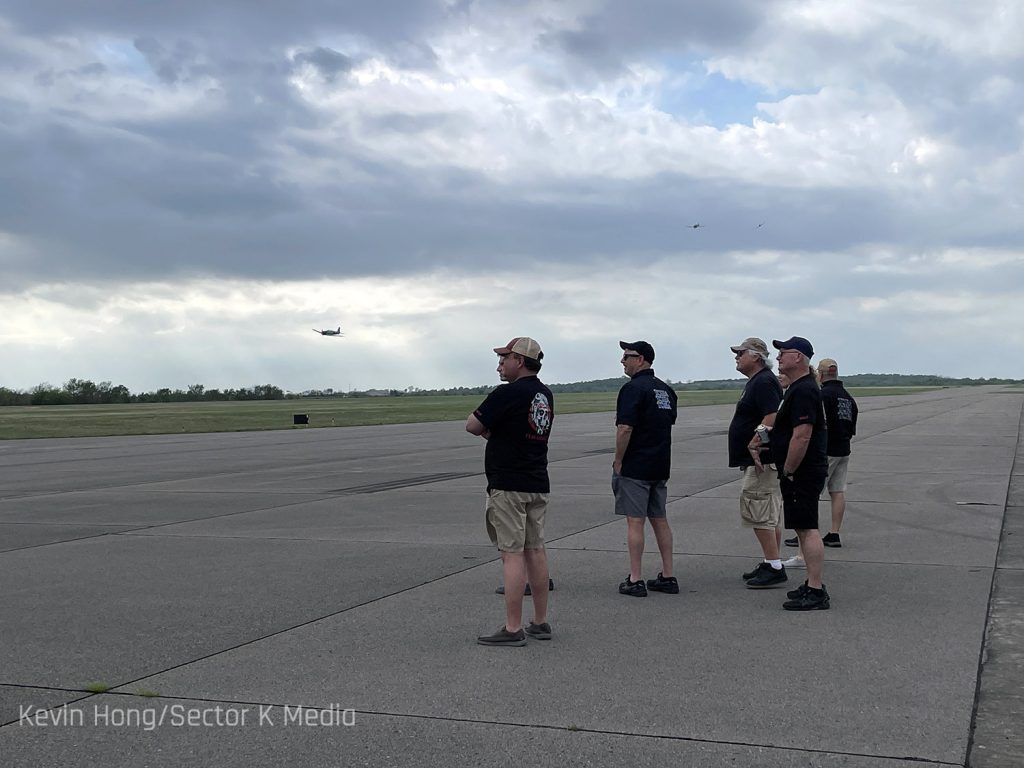
Joining the Tora! Tora! Tora! team is an extensive process built around experience, trust, and safety. Pilots are not allowed to simply apply online or arrive at a practice session expecting to fly. “It is an invite process,” explained Hastings. “We keep our eye out for talented people that we could get along with on the road and have the background that we want. We want T-6 time, we want formation skills, some airshow performance experience obviously helps.” According to Swift, evaluation begins long before a pilot ever enters the cockpit during a show routine. “They’re sort of evaluating you all of the time,” Swift recalled. “General conduct, how you fly, everything.” Once invited, trainees spend months—often years—learning the operation from the back seat. New pilots are required to complete at least ten observation rides over live pyrotechnics before they can even begin front-seat training. Stevenson explained that the organization also maintains its own specialized Statement of Aerobatic Competency (SAC) qualification system. The annual spring practice event serves not only as recurrent training but also as the formal evaluation environment for new pilots.
“Tora has a Tora-specific SAC card,” Stevenson said. “Every year we have to have a yearly practice where the Tora aces observe everybody, make sure there’s a standard of competency, safety, and currency.” Separate qualifications exist for the Kate pattern, Zero pattern, fighter pattern, and bomber pattern. Pilots must demonstrate competency in each before receiving authorization to fly those portions of the show. “At minimum, it takes a full show season before you’re in the front seat over pyro,” Stevenson noted. The emphasis on repetition and discipline exists for good reason. The routine involves multiple aircraft operating in tightly choreographed patterns over active pyrotechnics while coordinating timing, spacing, narration, and emergency contingencies. “You need to know the aircraft like second nature,” Stevenson said. “So when something outside the ordinary happens—an engine issue, a knock-it-off call, unforeseen traffic—you can handle it.”
Flying the Routine
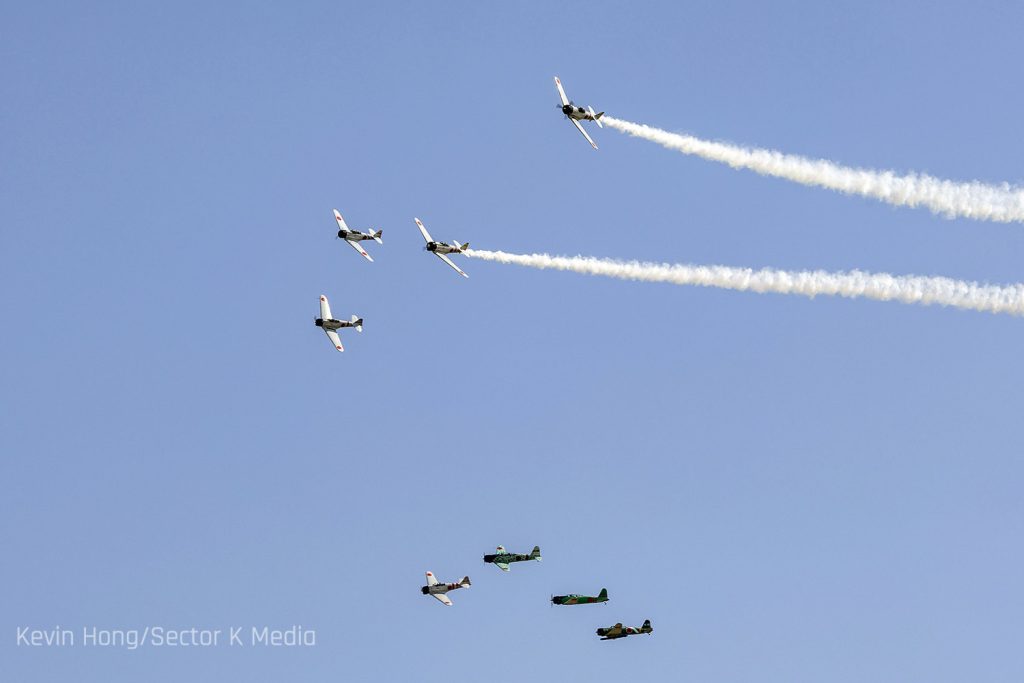
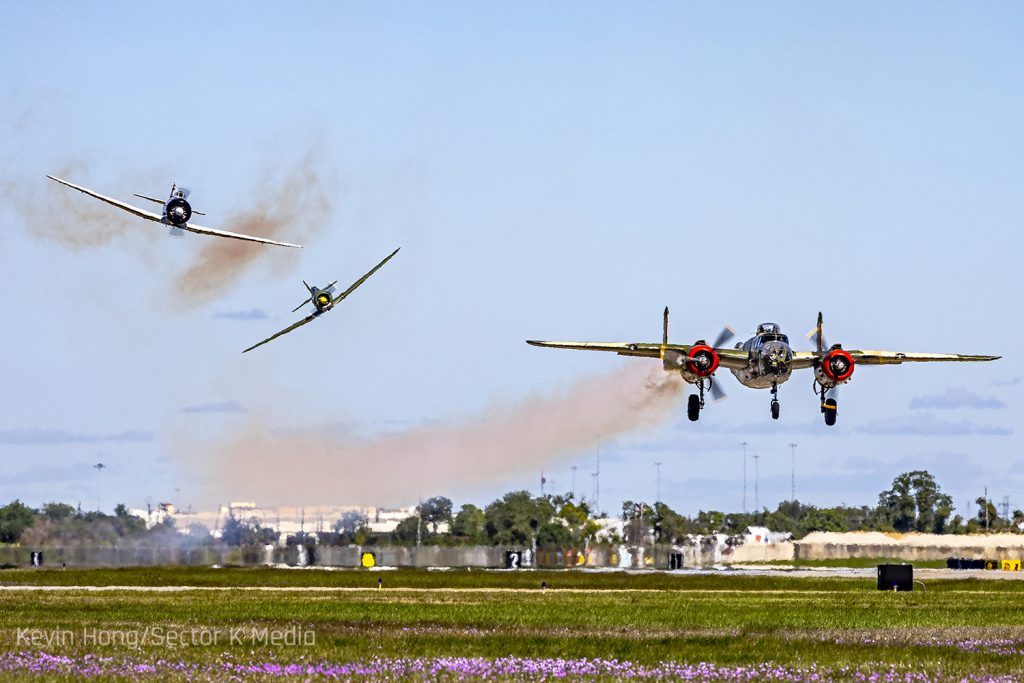
The Tora! Tora! Tora! performance is far more complex than many spectators realize. Using waivered airspace and carefully positioned ground markers, the aircraft execute tightly choreographed patterns while coordinating with explosions, smoke charges, narration, and opposing traffic. Hastings explained that the aircraft operate in separate but interconnected patterns. The “Zero” fighters remain in a continuous left-turning pattern, while the slower and heavier “Kate” bombers perform more dynamic reversing maneuvers. “The Kate pattern is more dynamic,” Hastings explained. “The Kates are reversing turns, pitching up, dissipating energy, and you have to be very aware of spacing.”
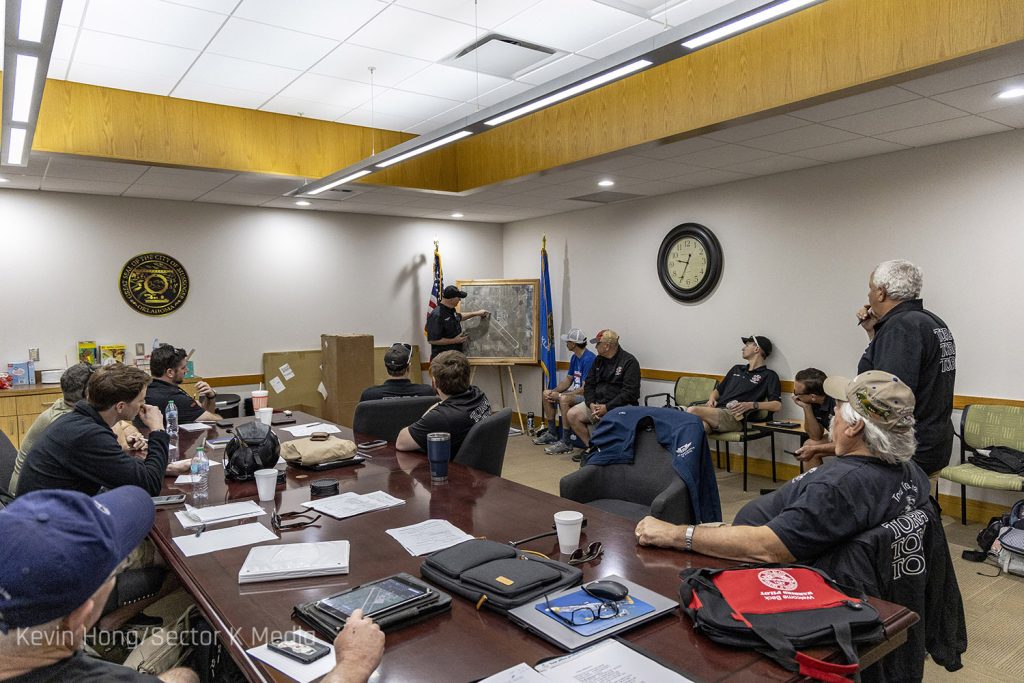
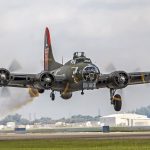
Because the Kate replicas are heavier and slower than the Zero replicas, pilots must carefully manage energy and maintain proper timing to safely sequence multiple aircraft in close proximity. “Lead Kate has a responsibility to help adjust the spacing of the aircraft trailing behind him,” Hastings noted. “You want good spacing for presentation, but also for safety.” Swift particularly enjoys flying the Kate pattern. “I like the Kate,” he said. “I think the Kate pattern’s a lot of fun.” In addition to the Japanese aircraft, the routine frequently incorporates American fighters such as the P-40 Warhawk and P-36 Hawk, representing the handful of American pilots who managed to get airborne during the attack. Meanwhile, a bomber element—often a CAF B-25 Mitchell—flies repeated passes down the show line while fighters weave overhead.
Hastings himself is one of only four pilots currently qualified to fly the bomber pattern. And despite the complexity, every pilot interviewed emphasized one thing: flying is tremendously enjoyable. “We definitely get to enjoy it,” Hastings said. “You make sure you’re current, you make sure you keep safety first, but then right behind it, you’re just having a blast.”
(Image credit: Kevin Hong/Sector K Media)
“There’s nothing like this routine,” he added. “And then you’ve got the pyro going off—you’ve got bombs, smoke, all that stuff going on out there—and you think to yourself, ‘Who else gets to do this?’” Swift echoed those thoughts. “Every single flight is a training flight in my mind,” he said. “There’s always something to learn every time you strap the airplane on.”
More Than Pilots
While the pilots may be the most visible members of the team, Tora! Tora! Tora! depends heavily on volunteers working behind the scenes. Photographer Kevin Hong has documented the group since 2008 after first becoming involved through the CAF Gulf Coast Wing B-17 program. But as Hong explained, being the team photographer means much more than simply taking pictures. “There’s a lot more involved,” Hong said. “We’ve got the Tora Bomb Squad where there’s a lot of pyro involved, and there’s a lot of trust factor with that too.”
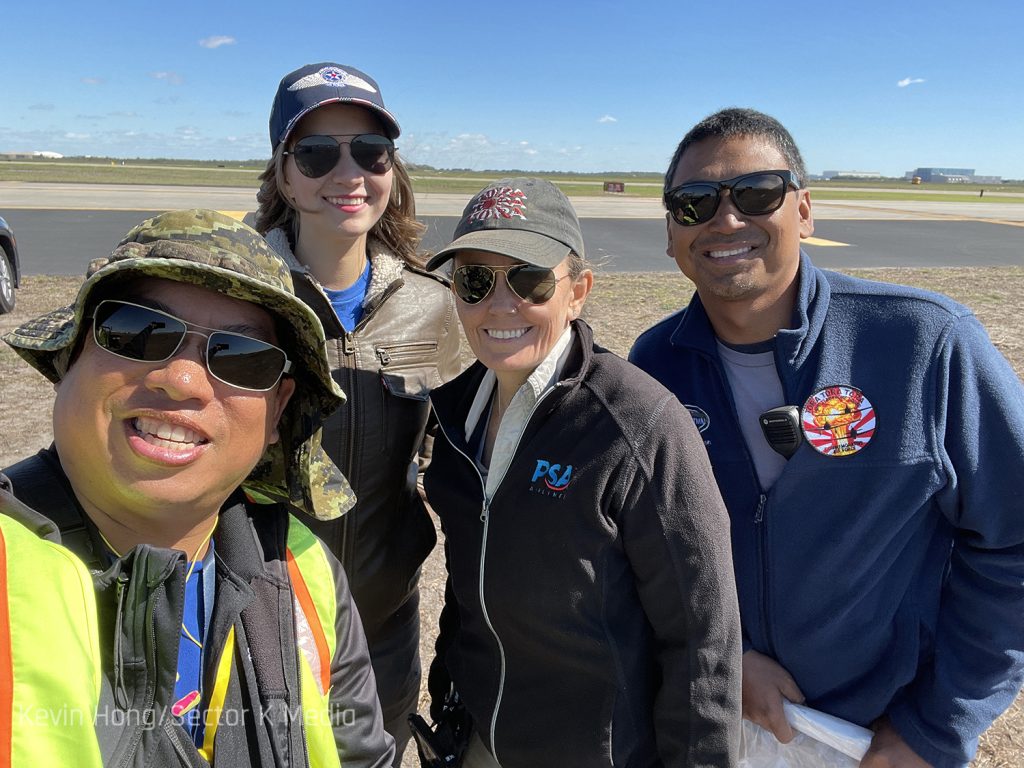
Hong works closely with the pyrotechnics team while also helping manage media personnel operating near the explosive effects. “The responsibility of working with the media and going out to the pyro field is extremely dangerous,” he said. For Hong, the educational mission remains the team’s central purpose. “There’s a lot more to it than being an airshow act to entertain the crowd,” he said. “There’s a lot of value in getting the message out there and telling the history.”
(Image credit: Kevin Hong/Sector K Media)
Stevenson emphasized that there are numerous opportunities for non-pilots to participate. “If you’re into logistics, operations, social media, marketing—we have opportunities for everyone,” Stevenson explained. He specifically highlighted the pyrotechnics crew as one of the most exciting ways to become involved. “There’s no more fun than going out in the pyro field during the show and clacking off all these pyrotechnics during the routine,” Stevenson said. Equally important, he added, is the narration. “Tora would not operate and would not be as effective as a teaching tool if it didn’t have all three aspects playing at once,” Stevenson said. “You have to have the pilots, the pyrotechnics, and the narration telling the story.”
(Image credit: Kevin Hong/Sector K Media)
A Family Across Generations
Every person interviewed returned repeatedly to one common theme: family. Hong described the organization as deeply multigenerational, with children of former members now flying or working on the pyrotechnics crew themselves. “It really is a family,” Hong said. “We’re very close. We’re good friends with each other. We love to talk to each other and hang out.” He pointed to examples such as Patrick Hutchins flying alongside the legacy of his father, Charles Hutchins, and numerous younger members who grew up attending shows before eventually joining the organization themselves.
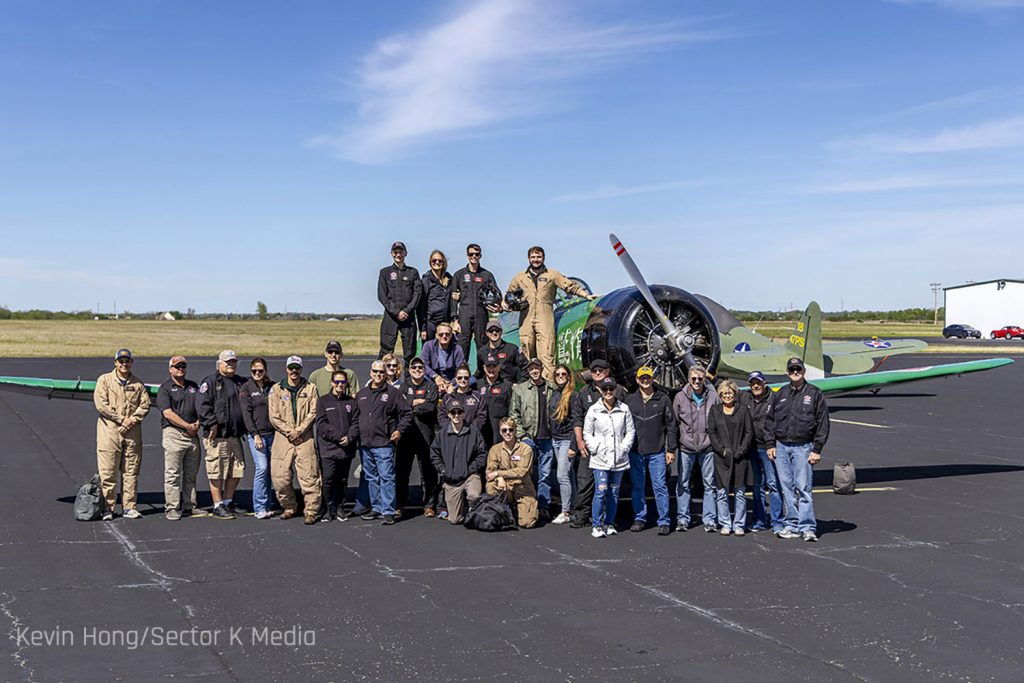
Stevenson believes that youth and enthusiasm are helping secure the future of the team. “We’ve got some excellent young talent,” he said. “I would argue that our average age is younger than any CAF unit in the fleet.” “No matter where we go,” Stevenson added, “you know you’re going to have your friends by your side.”
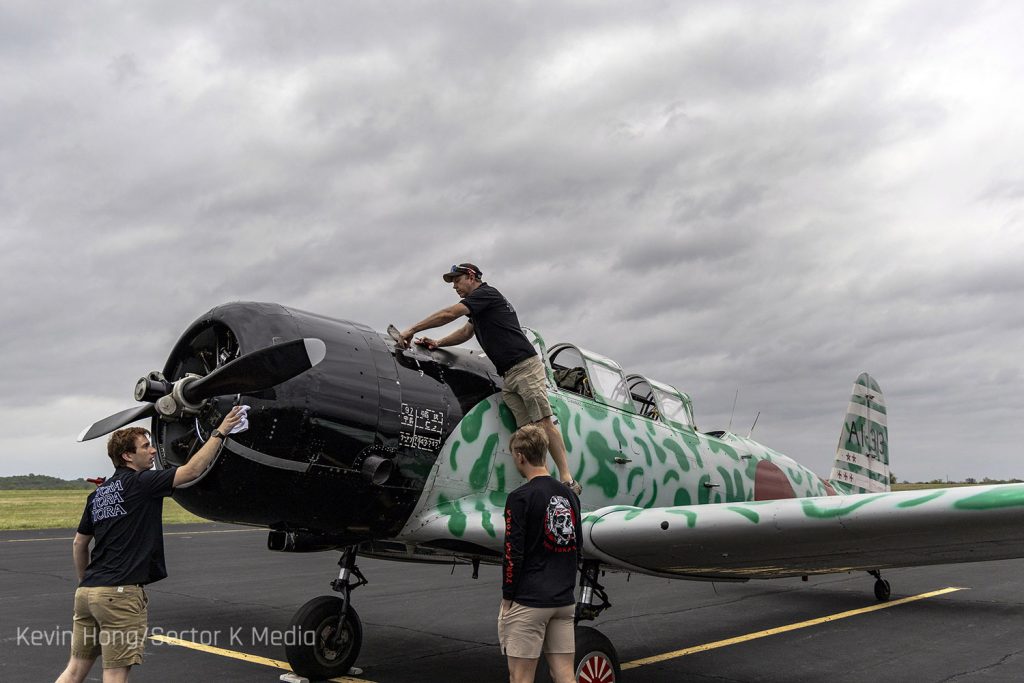
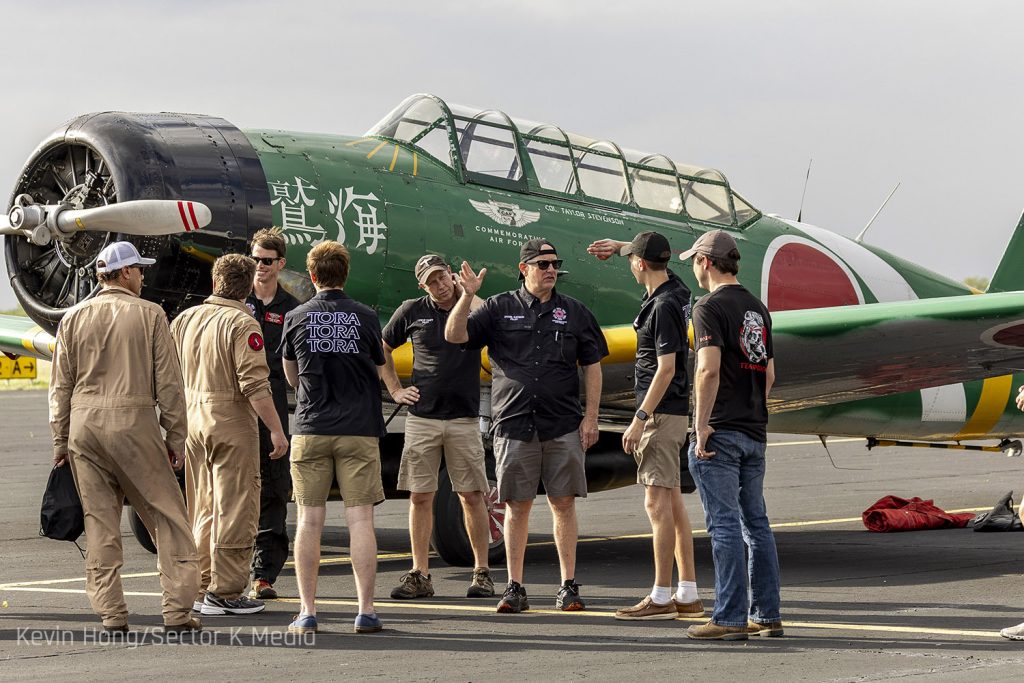
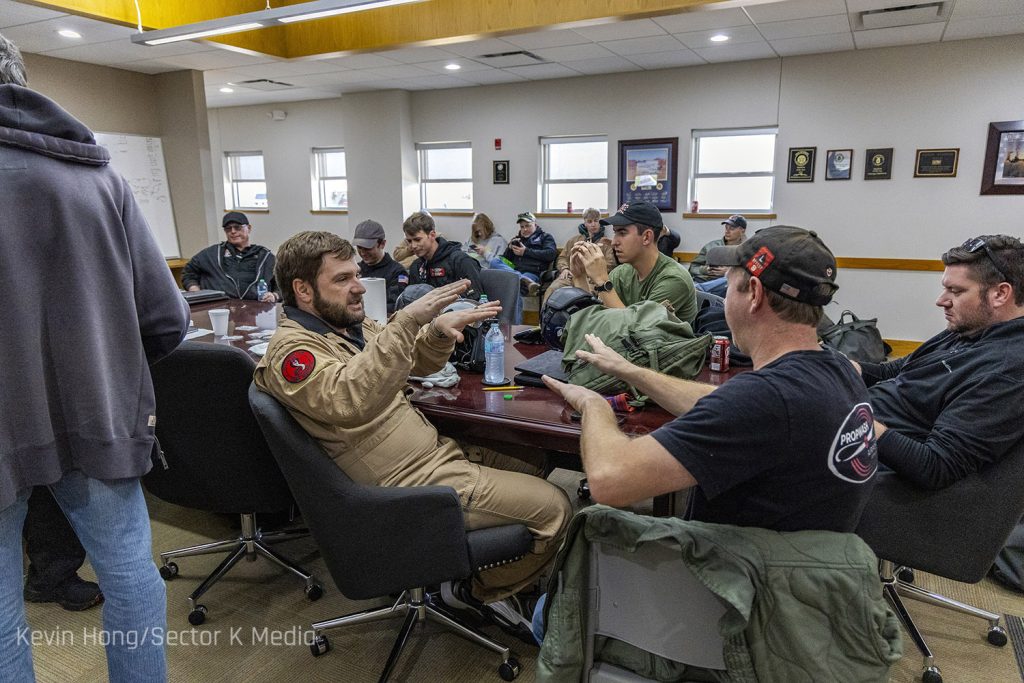
Hong particularly enjoys documenting the quieter moments behind the scenes: pilots gathered around briefing tables, discussing maneuvers with hand gestures, or mentoring younger members during practice weekends. Those moments, he feels, are just as important as the explosions and dramatic flybys spectators witness during the show itself. Ultimately, every member of the team sees the performance as something much larger than entertainment. “Our entire mission is not to glorify war,” Stevenson said, “but to remind the public: remember Pearl Harbor.”
(Image credit: Kevin Hong/Sector K Media)
The Tora! Tora! Tora! Team continues to travel across America carrying that message into a new generation—using sound, smoke, fire, and flight to ensure that the events of December 7th, 1941, are neither forgotten nor reduced to textbook footnotes. And every time the announcer’s voice echoes across an airshow ramp while the first replica Zero dives through smoke and flame, those three historic words continue to resonate across the sky: Tora. Tora. Tora. For more information about the Commemorative Air Force’s Tora! Tora! Tora! demonstration team, visit www.toratoratora.com.








Looks like a Great Show ….. Jealous … Very, Very Jealous!