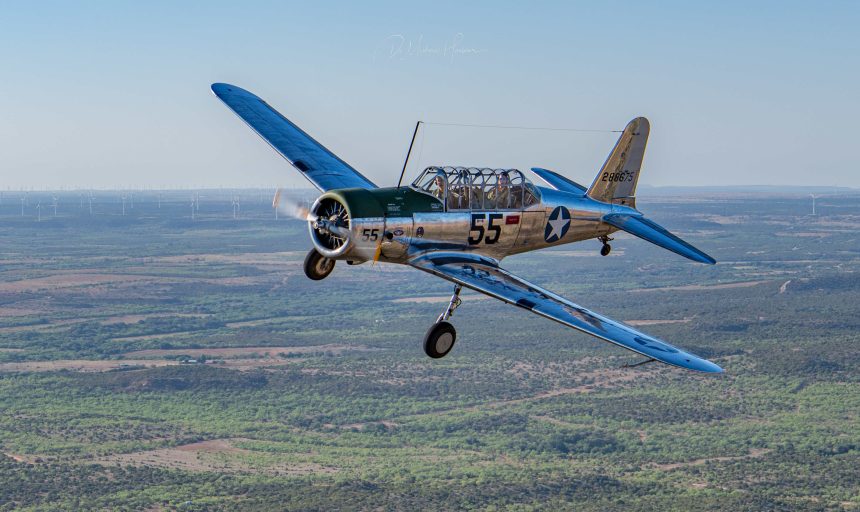

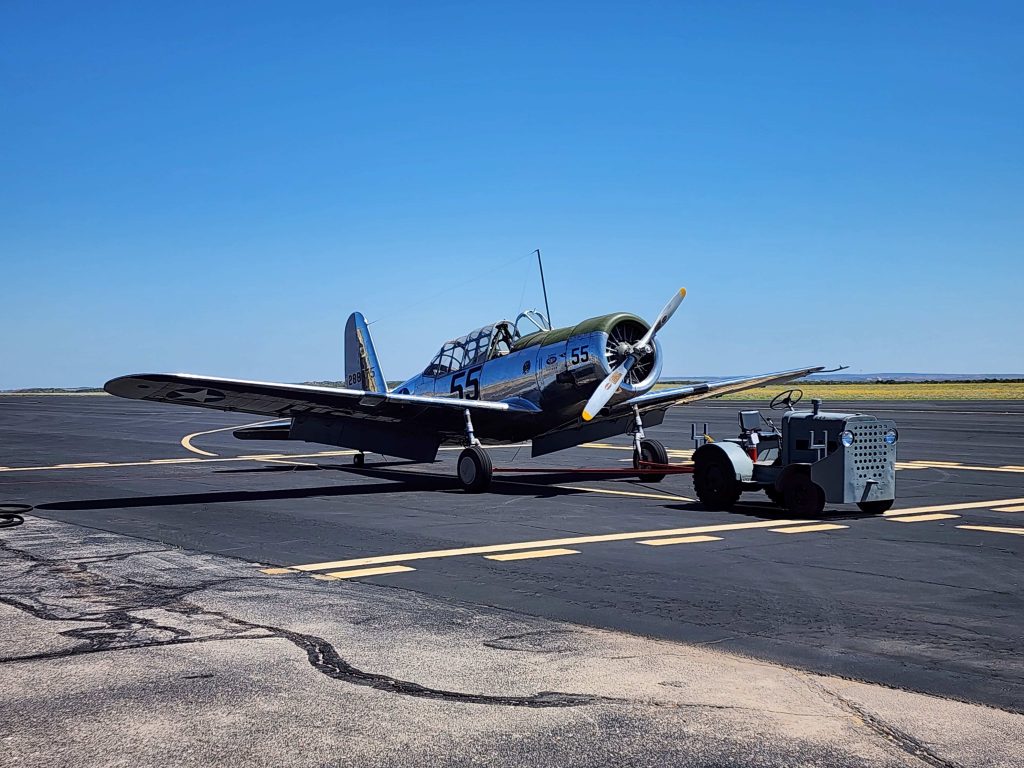
The Experimental Aircraft Association (EAA), Oshkosh, Wisconsin, has announced that two WWII-era aircraft from the National WASP WWII Museum in Sweetwater, Texas, will join the warbirds lineup at EAA AirVenture Oshkosh 2026. The aircraft, a 1943 Vultee BT-13 Valiant and a North American AT-6 Texan, will travel to Wittman Regional Airport for the 73rd edition of the EAA’s annual fly-in convention in July. The museum will be represented by its 1943 Vultee BT-13 Valiant and North American AT-6 Texan, both of which are tied to the training history of the Women Airforce Service Pilots at Avenger Field. The aircraft reflect two stages of the wartime training pipeline, from basic flight instruction to advanced single-engine military training.
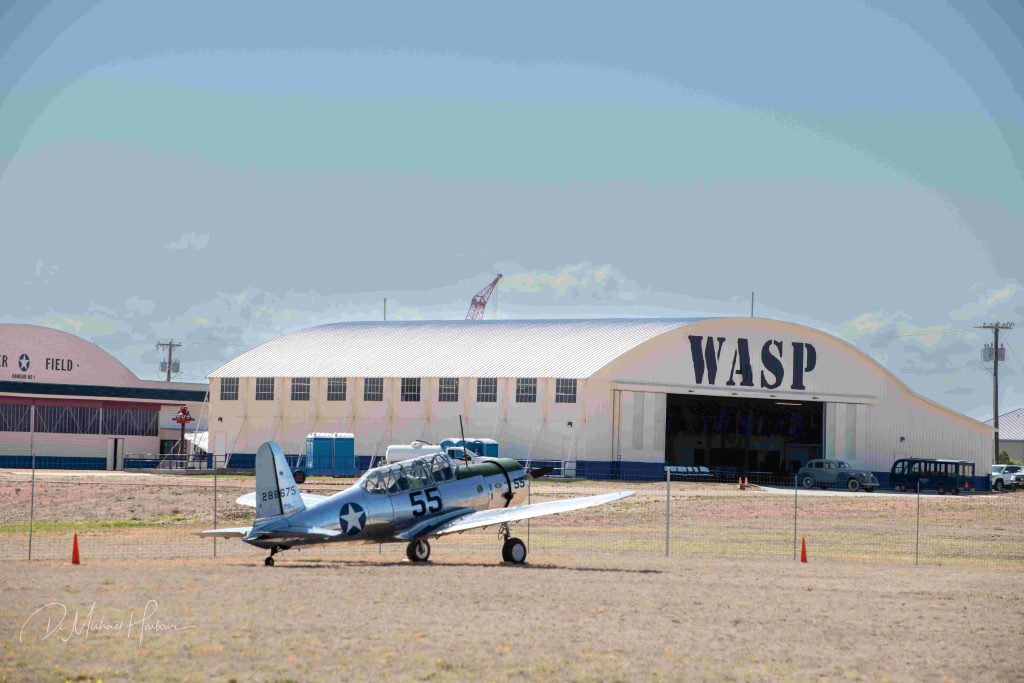
“As the National WASP WWII Museum prepares for its appearance at EAA AirVenture Oshkosh, the museum will proudly represent the legacy of the Women Airforce Service Pilots at one of the largest aviation gatherings in the world,” said Rachael McClain, the museum’s executive director. “Located at historic Avenger Field in Sweetwater, the museum is dedicated to honoring the Women Airforce Service Pilots and preserving the story of the first American women to fly United States military aircraft. Since opening its doors more than 20 years ago, the museum has become a national destination for aviation history, welcoming thousands of visitors and students each year to experience the stories of courage, determination, and service that changed the role of women in aviation forever.”
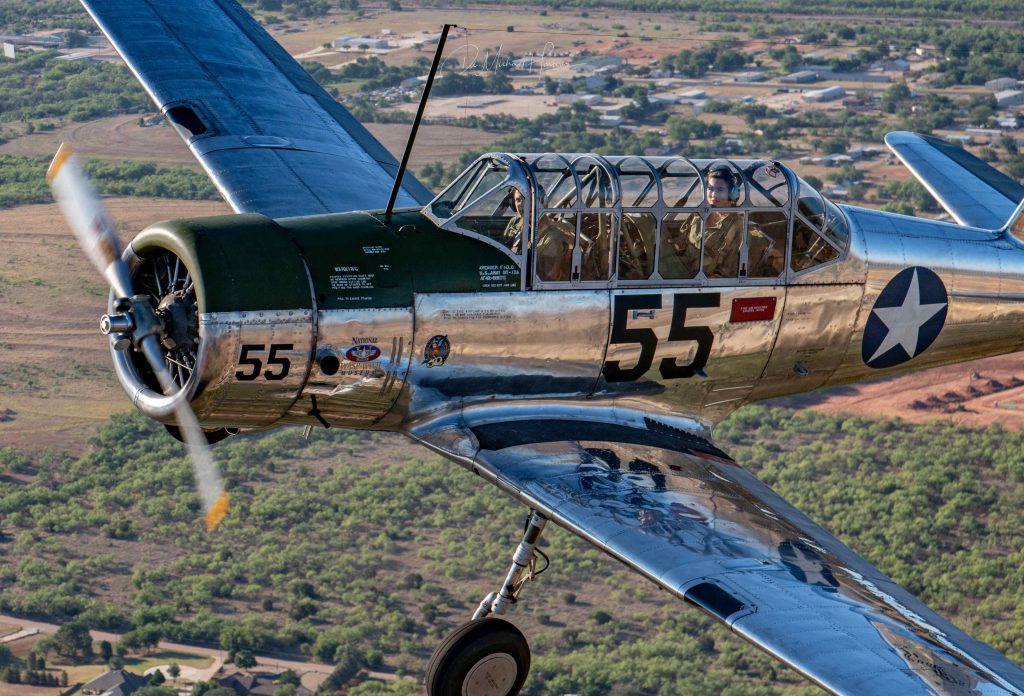
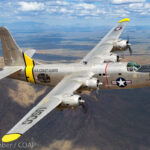
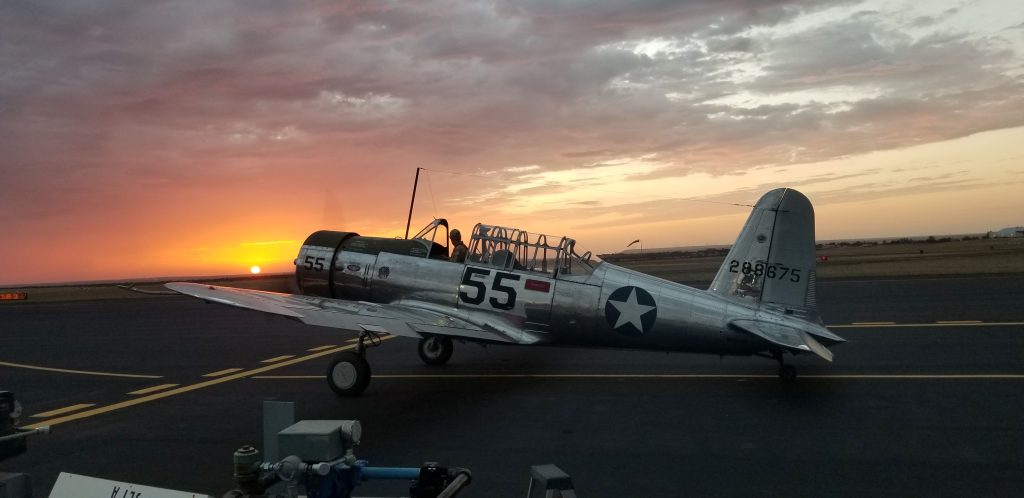
The BT-13 Valiant was used widely in military flight training during WWII and was known to many pilots as the “Vultee Vibrator” because of its engine vibration. The museum’s silver BT-13 was restored and donated in honor of WASP pilot Betty Wall Strohfus. It carries markings associated with Avenger Field, where WASP trainees developed the flying skills needed before moving on to more advanced aircraft. The AT-6 Texan represented a later stage in training, where pilots worked on aerobatics, formation flying, cross-country navigation, and instrument flight. The museum’s AT-6D was built in Grand Prairie, Texas, and served at Luke Field in Arizona, one of the Army Air Forces’ major advanced training bases during the war. Many WASPs later remembered the AT-6 as a favorite because of its handling, speed, and closer connection to combat aircraft operations.
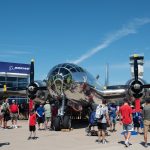
Training in aircraft such as the BT-13 and AT-6 prepared WASP pilots for a wide range of wartime duties. They ferried aircraft from factories to bases, moved cargo and personnel, towed aerial gunnery targets, and flew test flights on repaired aircraft. Their work helped free male pilots for combat assignments overseas. The WASP also became part of the B-29 Superfortress story. During the war, the aircraft had gained a reputation as difficult and dangerous to fly. Colonel Paul Tibbets trained Dora Dougherty and Dorothea Moorman to fly the B-29 and demonstrate it to male pilots and commanders who were hesitant about the bomber. Their flights helped rebuild confidence in the aircraft at a critical point in the program.
“As EAA AirVenture 2026 celebrates more than a century of American aviation innovation during our nation’s 250th anniversary, it is fitting that the WASP are recognized for their contributions beside the B-29 and other historic aircraft at the largest annual warbirds gathering in the world,” said Rick Larsen, EAA’s vice president of communities and member programs, who coordinates AirVenture features and attractions. “The appearance of these aircraft on Boeing Plaza at Oshkosh highlights the museum’s ongoing mission to preserve living history through aviation.” At Oshkosh, visitors will be able to see aircraft connected directly to the training of the women pilots who served at Avenger Field. The National WASP WWII Museum continues to preserve that history through aircraft, exhibits, education programs, and outreach tied to the legacy of the Women Airforce Service Pilots. For more information about the National WASP WWII Museum, click HERE. For more information about the EAA, click HERE.