






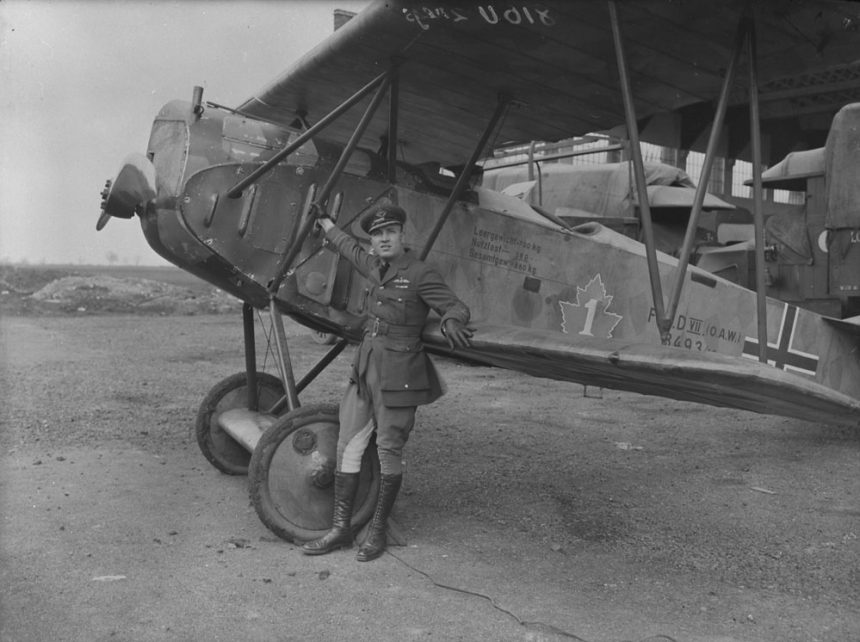

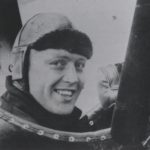
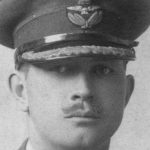
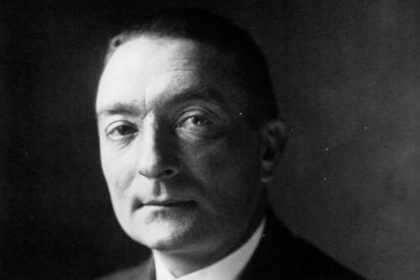
In WWI, Canadians held a special place among the aces who flew for the British Empire. Canadian flyers received about 495 British gallantry decorations in the war. One of those Canadian aces was Andrew Edward McKeever. Born on August 21, 1894, in Listowel, Ontario, McKeever worked as a bank teller before joining WWI. When the war started, Andrew Edward McKeever joined the Queen’s Own Rifles of Canada. By the end of 1916, he was transferred to the Royal Flying Corps and was assigned to No. 11 Squadron in May 1917. He flew the Bristol F.2A fighter with this unit, and all his victories came while flying it, making him the highest-scoring ace with this aircraft.
Ace Journey of Andrew Edward McKeever
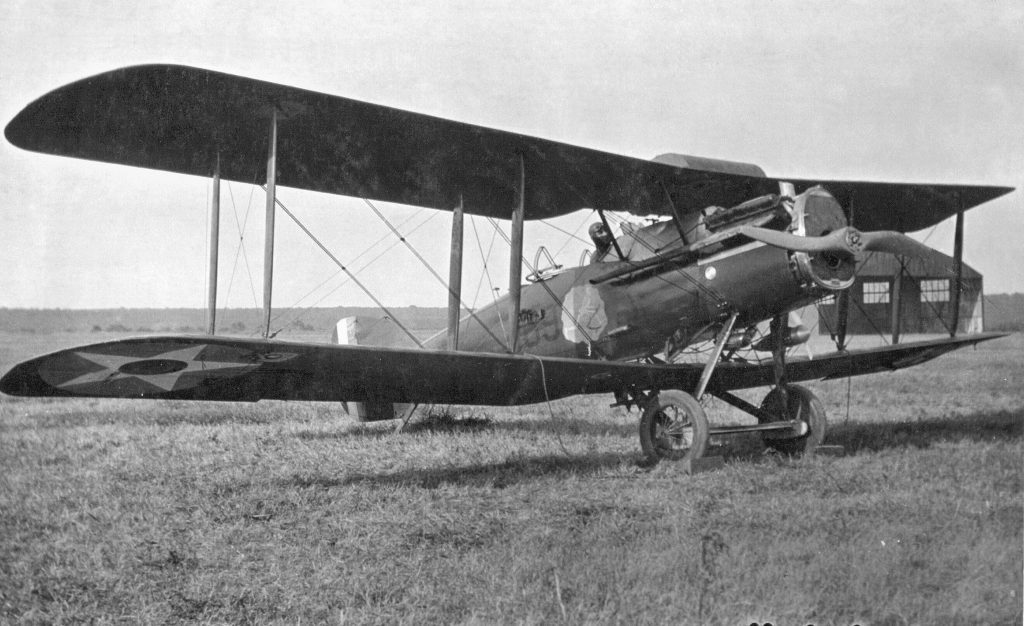
Andrew Edward McKeever’s first victory came on June 26, 1917, when he shot down two German Albatros D.Vs in a single day. On July 7, he shot down three more Albatros D.Vs, officially becoming a flying ace. He scored three more victories in July to reach a personal score of eight. He destroyed four aircraft in August and six aircraft in September to reach a personal score of 18. By the time, all 18 aircraft he destroyed were Albatros D.Vs. For this feat, he was awarded the Military Cross, with a citation, “For conspicuous gallantry and devotion to duty, particularly when on offensive patrol. He attacked eight enemy aircraft single-handed at close range, and by his splendid dash and determination destroyed one and drove five down completely out of control. He had previously shown exceptional fearlessness in attacking the enemy when in superior numbers, and in the space of three weeks, he destroyed eight hostile machines, setting a very fine example to his squadron.” On October 1, he shot down a C-type aircraft, followed by another Albatros D.V the next day, bringing his score to 20. He destroyed six more Albatros D.Vs in October, bringing his total to 26. As a result, he was awarded a Bar to his Military Cross, citing, “He has recently destroyed five enemy aeroplanes and driven down six out of control. On one occasion, he encountered five enemy scouts and drove down two out of control. Later, while leading a patrol, he engaged nine enemy scouts. He destroyed two, drove down one out of control, and dispersed the remainder. His dash and determination have been a fine example to his squadron.” On November 1, he claimed a victory over DFW C aircraft, followed by shooting down four more Albatros D.Vs in his last battle on November 30, to bring his personal score to 31.
Legacy and Death
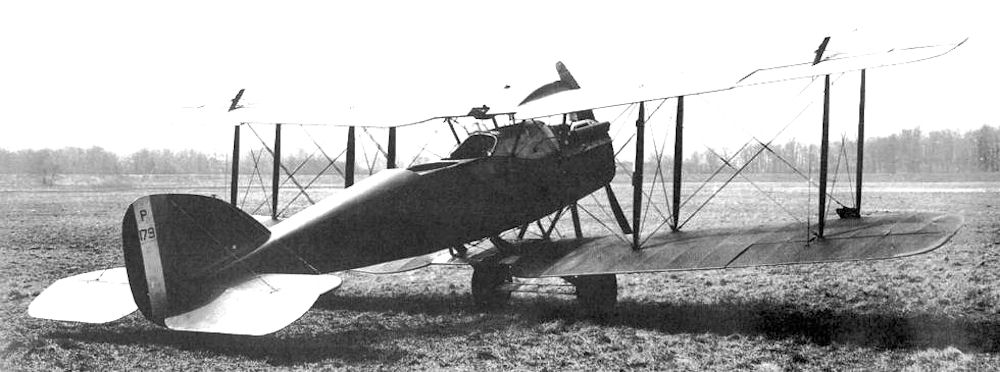
In his last air battle on November 30, 1917, he and his observer, LA Powell, fought against two enemy planes protected by seven Albatros D.Vs. During the battle, McKeever and Powell shot down four of the enemy planes. When Powell’s gun stopped working, McKeever pretended to be shot down and jumped out of the battle. He flew level at just 25 feet above the ground and, hidden by fog from enemy planes, quickly headed home. His last battle earned him the Distinguished Service Order, with a citation, “While on patrol by himself over the enemy’s lines in very bad weather, he encountered two enemy two-seater machines and seven scouts. By skillful maneuvering, he engaged one and destroyed it. As he turned to get back to the lines, five of the enemy dived on his tail, and his observer engaged and destroyed two of them. After an indecisive combat with two others, he attacked and destroyed one of the enemy, who had overshot him. He continued the fight with the remainder until he was within twenty feet of the ground, when the enemy machines climbed and left him. He has recently destroyed ten enemy machines and has shown great courage and initiative.” With 31 victories, Andrew Edward McKeever became the highest-scoring ace of No. 11 Squadron. On January 25, 1918, Andrew Edward McKeever was removed from combat and sent home, where he helped form the Canadian Air Force with fellow aces William Bishop and Raymond Collishaw. He organized No. 1 Squadron and served as its commanding officer. However, the war ended before the squadron could use its Sopwith Dolphins in battle. As a result, Canada’s government dissolved the new air force. After the war, McKeever went back to Canada. In 1919, he started working as the manager of an airfield in the United States. He died when he was 25 in the hospital after an operation for injuries he got in a car accident near Stratford, Ontario, on September 3, 1919. In the Aces series, Andrew Edward McKeever was a brave Canadian pilot who, like many other Canadians, helped the Allied Powers win the war. Read about more Aces HERE.
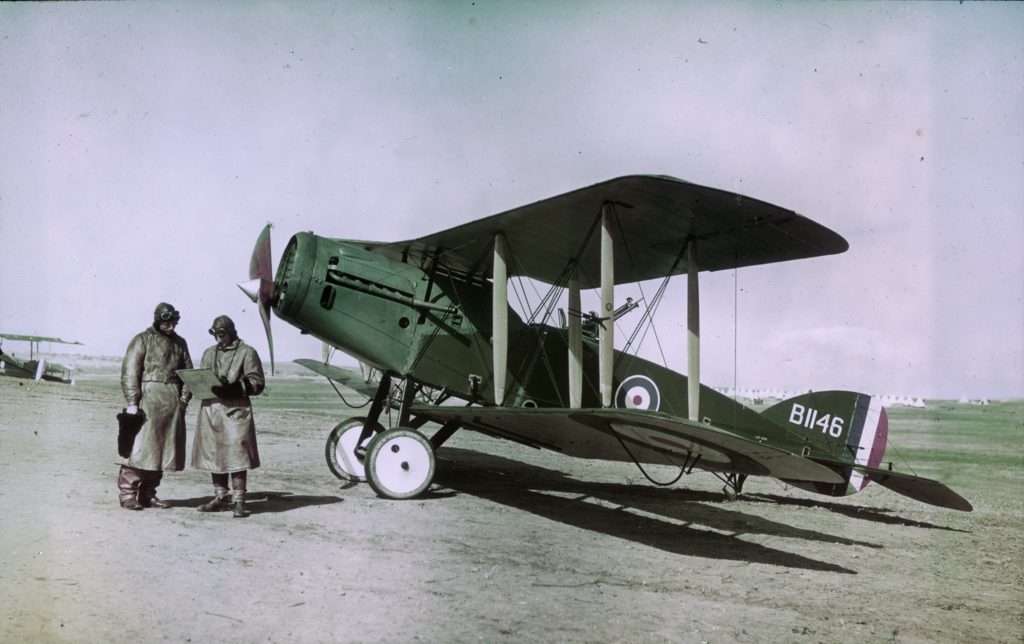
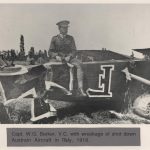

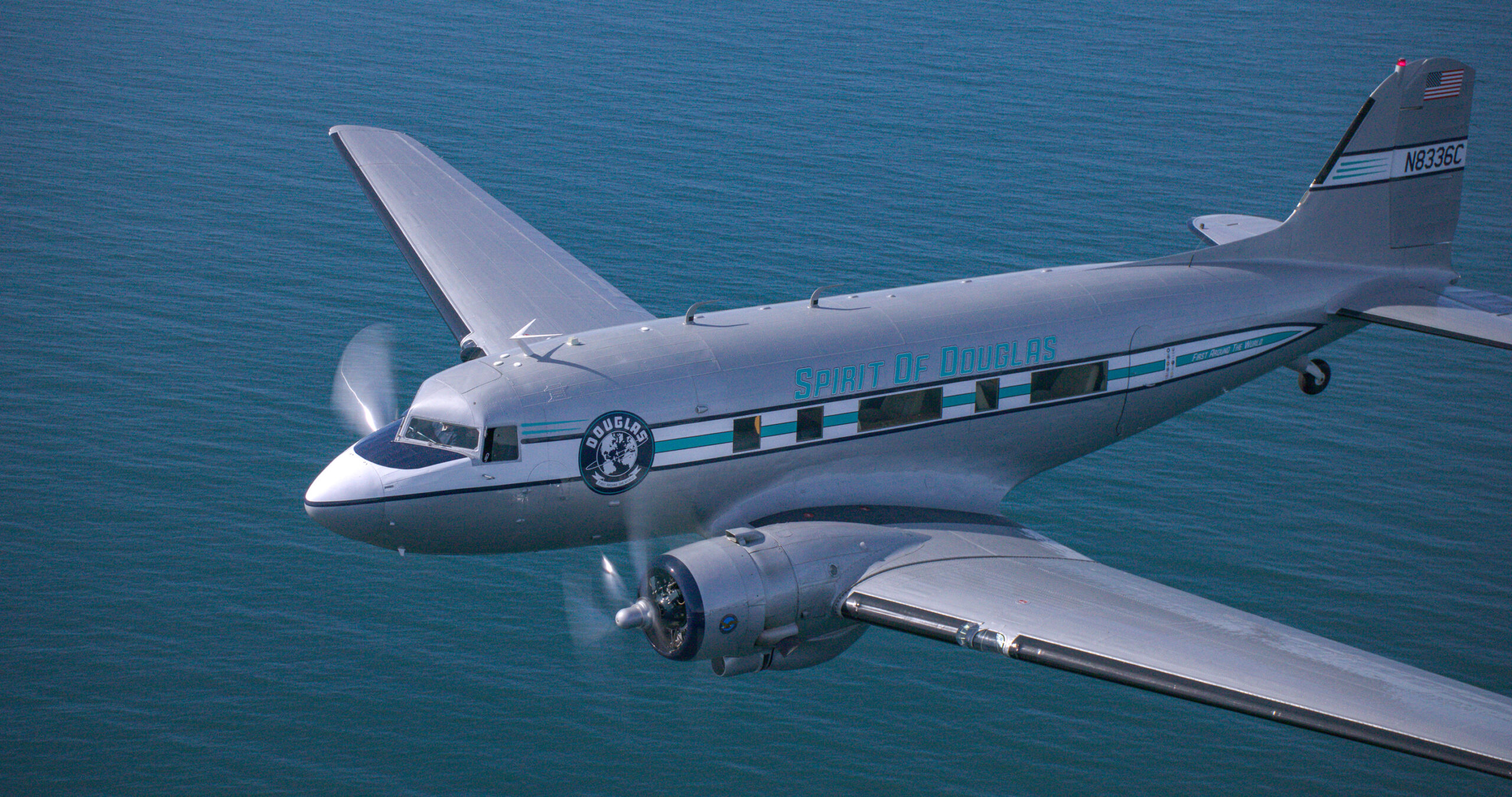
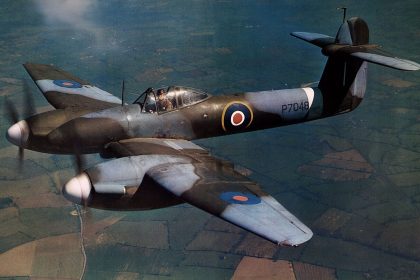


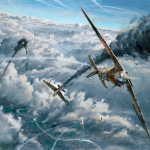


Shame the first picture is of a post war American aircraft.
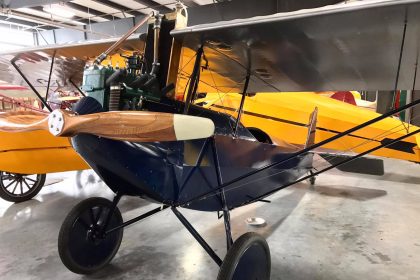
There must be plenty of photos of genuine 11 Squadron aircraft from the 1917 to early 18 period.