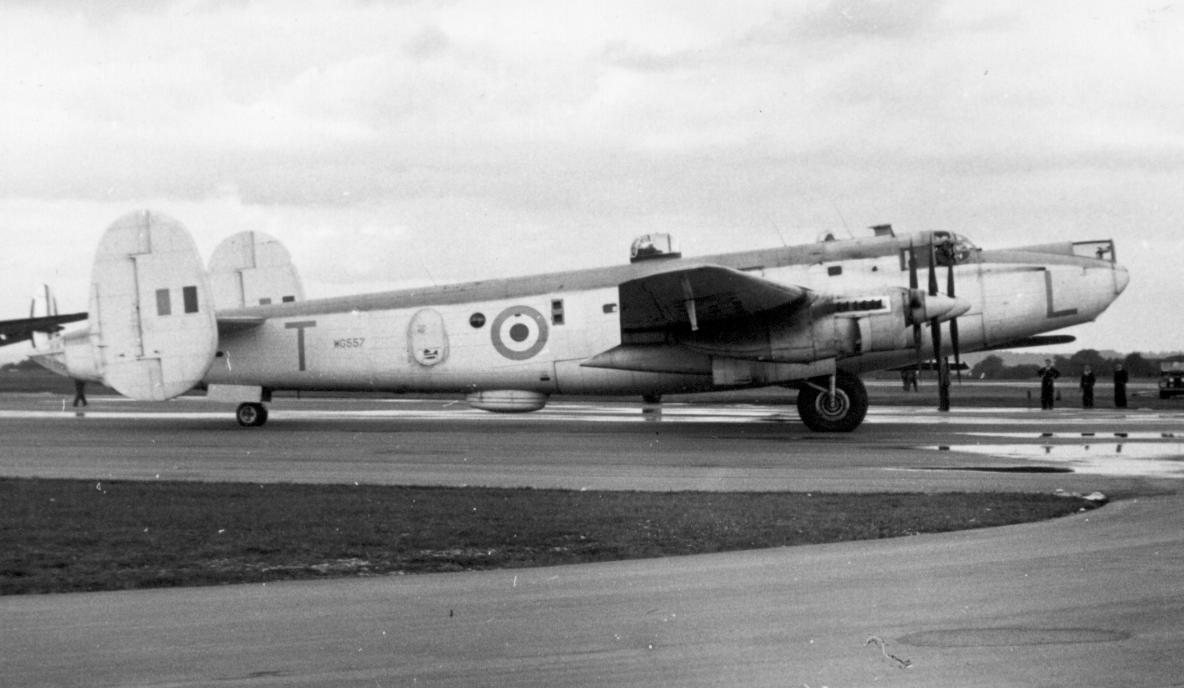
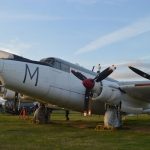
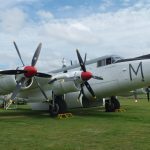
The Yorkshire Air Museum welcomed the first pieces of an enormous aviation puzzle in 2024, when Avro Shackleton WR963 was transferred from Coventry Airport to the museum’s site at Elvington, near York. While the aircraft is not airworthy, its engines remain operational. The Shackleton is powered by the Rolls-Royce Griffon—the last piston engine produced by the company and the final piston engine to serve in front-line RAF operations, retiring in 1991.

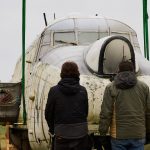
Richard Woods, team leader for the restoration project, provides an update on the painstaking work to reconstruct WR963 from six lorryloads of parts. “Since the start of the year, and with the benefit of some good weather, we’ve been working steadily behind the hangar to transform the disassembled pieces into something resembling an aeroplane again,” Woods said. The project began with the careful positioning of the centre fuselage section, the heart of the aircraft, from which all other components are aligned. In March, the rear fuselage was attached, while repairs along the bomb bay floor delayed the cockpit installation. These repairs, carried out to a high standard by YAM Engineering volunteers and the Shackleton team, ensured the aircraft’s structural integrity.
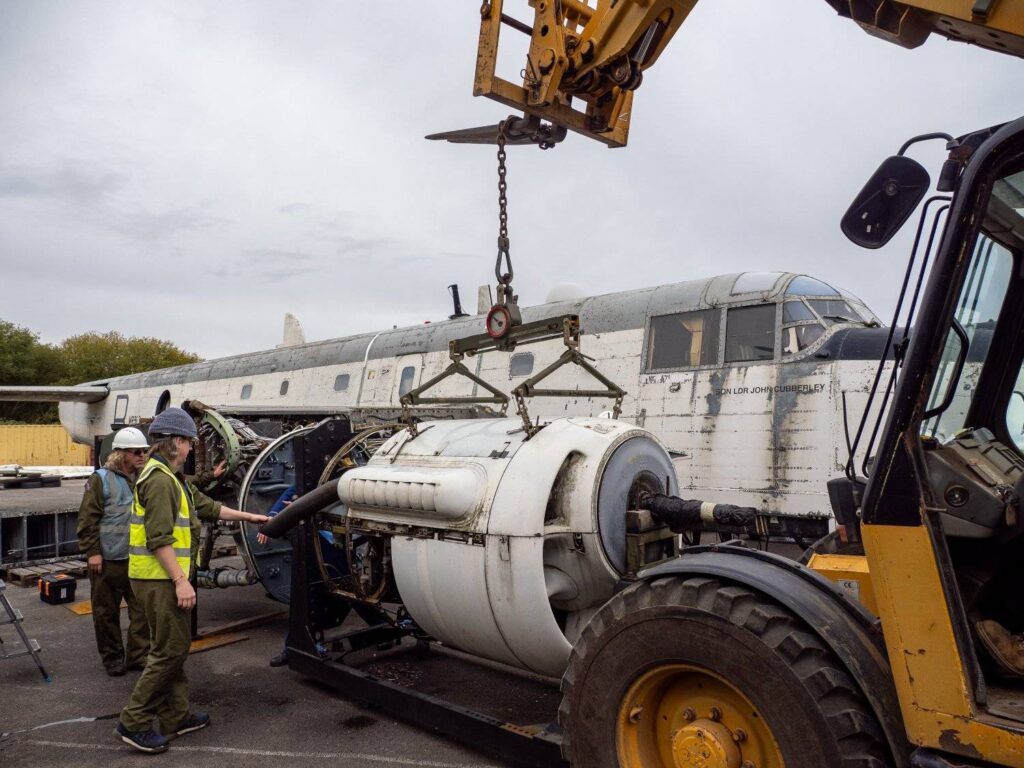
A major milestone came in May, when the cockpit was lifted and reattached to the centre section, completing the fuselage end-to-end for the first time since its arrival from Coventry in January. In August, the fuselage was repositioned to a more level stance, allowing the removal of pallets under the bomb bay. The team refitted the horizontal stabilisers and twin tail fins, giving WR963 a dramatically larger presence. Meanwhile, the No. 2 and No. 3 engines were positioned for installation following cleaning of the firewalls and connections. Work has continued on the aircraft’s internal systems. Hundreds of bolts have been refitted to secure components, and redundant AEW wiring—unused since 1991—has been removed. Focus now is on essential operational systems, including engine services, lighting, hydraulics, and pneumatics. This work, primarily internal, is expected to continue through winter and into 2026. Looking ahead, the remainder of this year will see the team refit the two inboard engines and inboard wing trailing edges. If weather and time permit, the goal is to lift WR963 onto its undercarriage, having the aircraft on its own wheels by Christmas. Plans for 2026 include refitting the outer wing sections, while 2027 will focus on the remaining engines, propellers, and a full repaint, bringing WR963 closer to a complete restoration. The ongoing project highlights the dedication and skill of Yorkshire Air Museum volunteers, preserving a key piece of British aviation history for future generations. For more information, visit www.yorkshireairmuseum.org