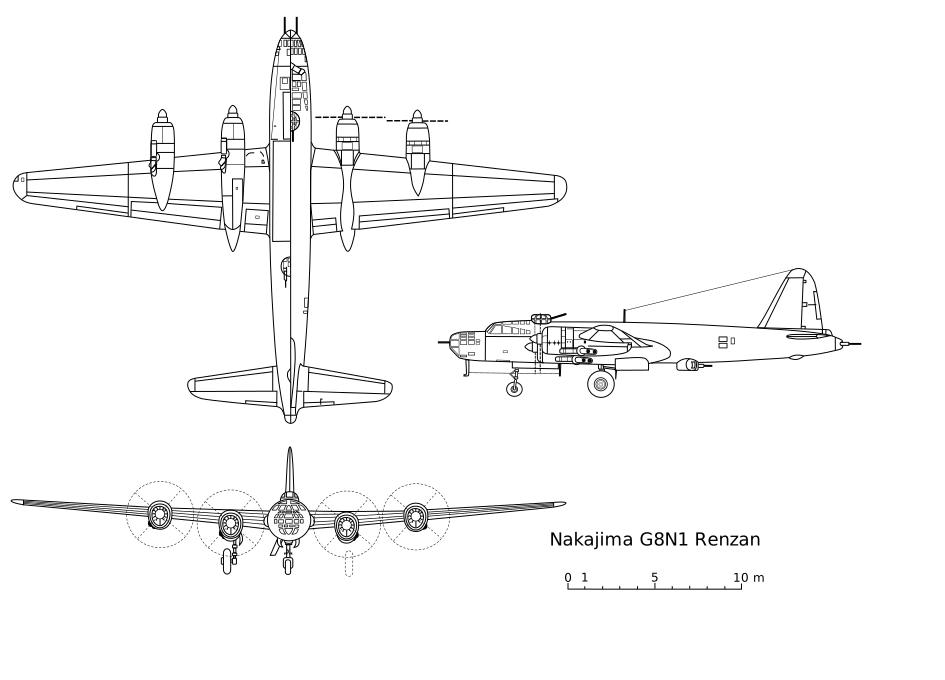
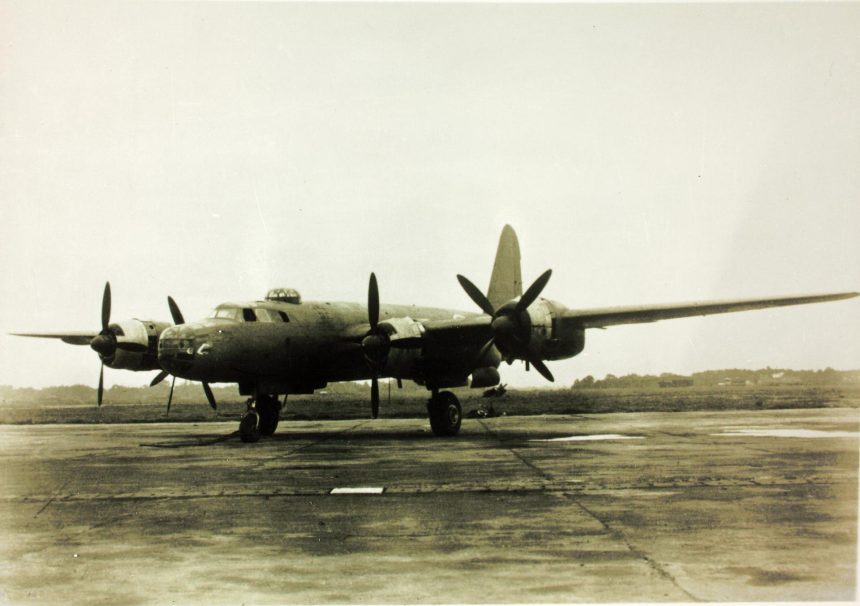


During World War II, the Japanese Imperial Navy wanted a four-engine long-range attack bomber. The service tested the Nakajima G5N Shinzan as a part of its requirement in 1941, but due to its heavy weight, the design was abandoned. In February 1943, despite the failure of the G5N Shinzan, the Navy ordered Nakajima to build another four-engine aircraft. The aircraft was intended to be a long-range, land-based attack bomber. In September 1943, according to Navy requirements, the bomber needed to carry an 8,800-pound bomb load for 2,300 miles at 370 mph. Development of the aircraft began late in the war, and the first prototype was completed in October 1944. The aircraft, known as Nakajima G8N Renzan, was powered by four Nakajima NK9K-L “Homare” 24 18-cylinder air-cooled radial piston engines, each producing 2,000 hp with Hitachi 92 turbosuperchargers driving four-bladed constant-speed metal propellers.
Design of G8N Renzan
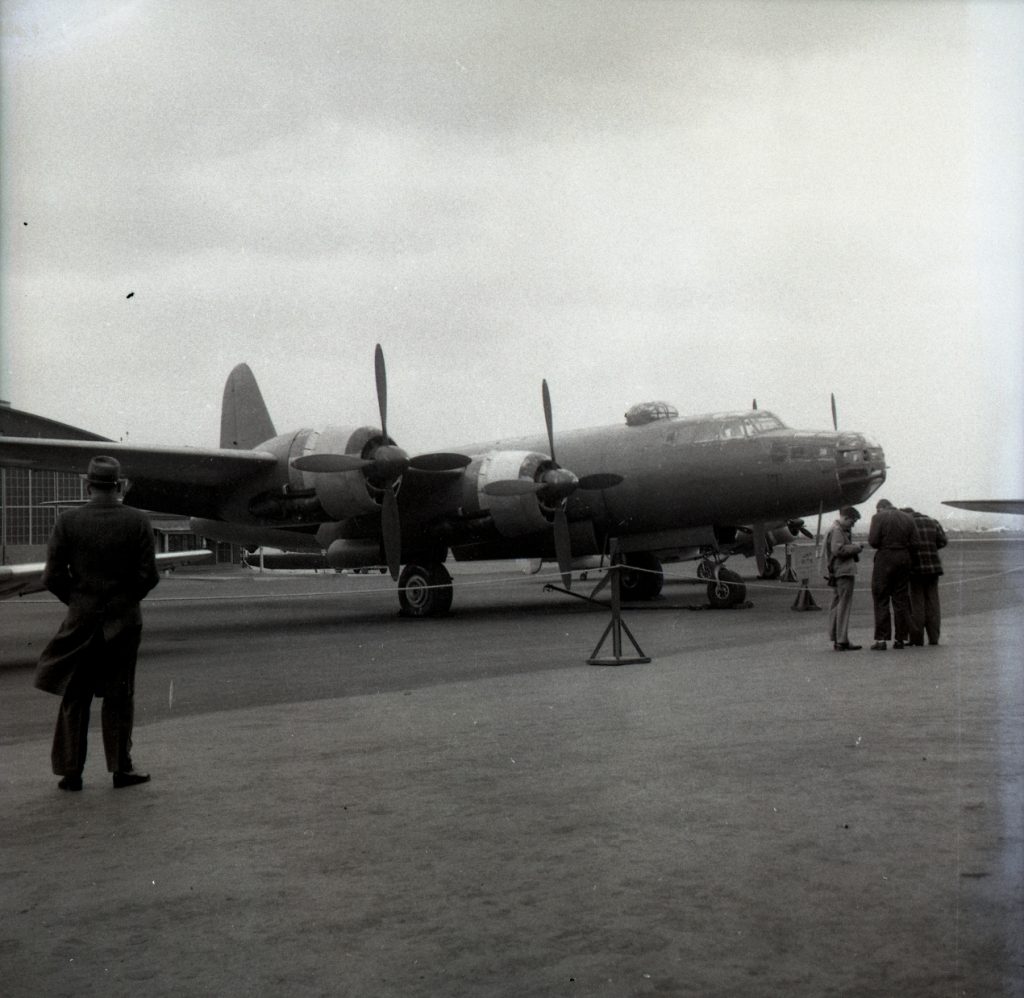
The G8N Renzan could carry a crew of 10, and it was nearly 75 feet long, 24 feet high, with a wingspan of 107 feet. The wing area was 1,210 square feet, and the empty weight of the bomber was 38,360 pounds with a gross weight of 59,084 pounds and a maximum takeoff weight of 70,879 pounds. The maximum speed of the aircraft was 368 mph at an altitude of 26,000 feet, and the cruise speed was 230 mph at an altitude of 13,000 feet. The range was 2,451 miles, and the ferry range was 4,638 miles. For defense, the aircraft had powered turrets on the nose, top, bottom, and tail, as well as two machine guns that could move freely on the sides. The aircraft was equipped with six 20 mm Type 20 cannons and four 13 mm Type 2 machine guns. The bomber could carry a maximum bomb load of approximately 8,800 pounds. The aircraft’s design featured a small, mid-wing, tricycle landing gear and a large single-fin tail. The engines were cooled by fans that rotated in opposite directions, mounted just inside the engine covers.
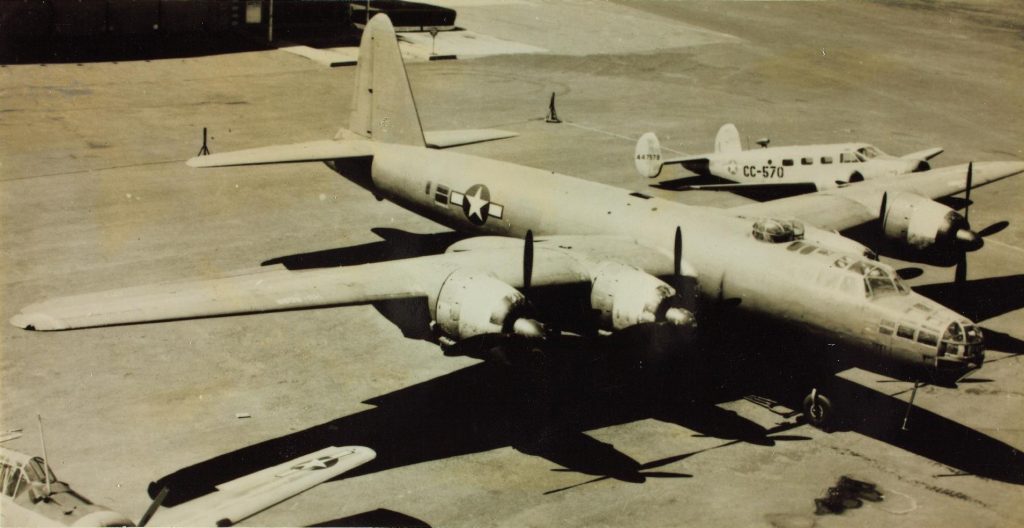
The first prototype was delivered to the Navy for testing in January 1945, and by June, three more prototypes had been built, with the third destroyed by US forces. The most important factor for the G8N Renzan was its ability to be mass-produced. Nakajima avoided special parts and processing to the greatest extent possible, reducing the overall number of parts and shortening and simplifying the manufacturing process. The aircraft’s design was heavily influenced not only by G5N Shinzan’s experience but also by the structure of the B-17 Flying Fortresses that were captured after the war began in early 1942. The wing area was small relative to the aircraft’s size, so double flaps were used to compensate. Although the G8N Renzan was larger than the B-17, its similarity to the latter was evident. The G8N Renzan seemed promising, and analysts compared its cruising speed and altitudes to those of the B-29 Superfortress in tests, positioning the aircraft ideally between the B-17 and B-29 in terms of performance.
Shortage of Aluminum
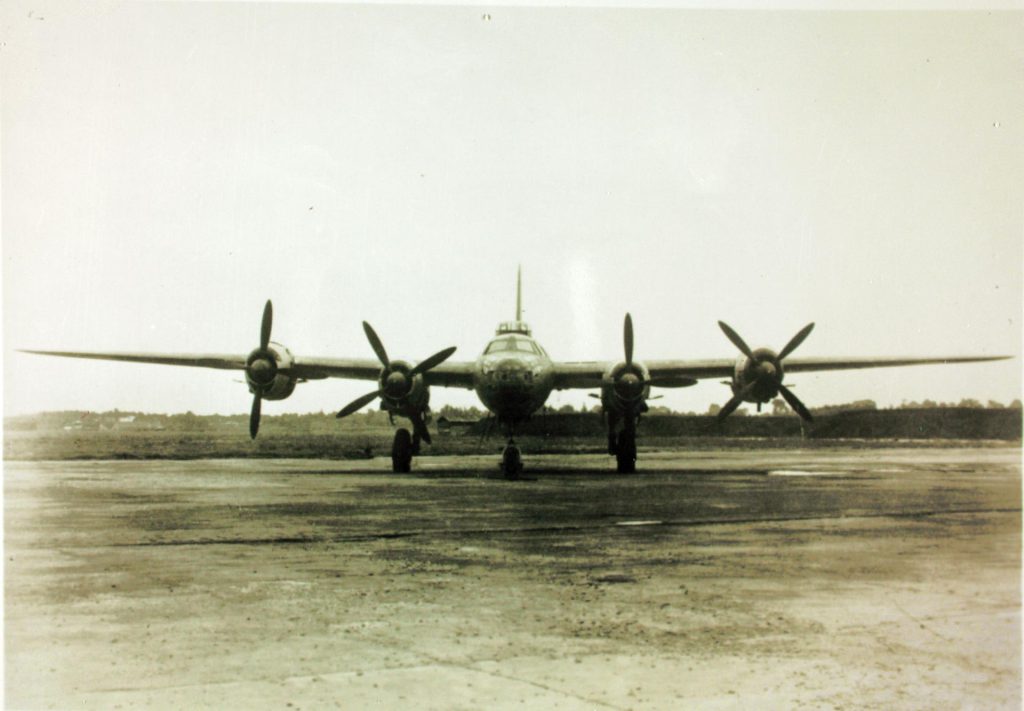
Apart from a few problems with the turbosuperchargers, the Navy was satisfied with the aircraft and planned to produce a total of 16 prototypes and 48 production-version G8N1s by September 1945. However, in June 1945, the project was abruptly cancelled due to the worsening state of World War II and shortages of important materials such as aluminum. After the cancellation, the idea emerged to develop the G8N2, powered by four 2,200 hp Mitsubishi MK9A radial engines, which could carry and launch the air-launched Ohka Type 33 Special Attack Bomber, and then the G8N3, which would have been made from more readily available steel, but these were never realized as the war ended. The aircraft was a classic example of a Japanese aircraft that looked great on paper and in tests, but was conceived, developed, and built too late. It might have been a good long-range heavy bomber in mid-1943, but by the time it was developed, Japan was already being invaded. The comparisons with successful bombers such as the B-17 and B-29 were enough to term the G8N Renzan a success. Still, sometimes, as with other aircraft in the Grounded Dreams series, the unavailability of materials or a change in doctrine, as Japan did after World War II, shifting from an imperialist, aggressive military posture to a pacifist, defensive one, can spell the end for what could have become a great aircraft. The US took one of the G8N Renzans with it after the war and scrapped it after testing, leaving no Renzans to see today. Read more Grounded Dreams articles HERE.