







By Marcus Gibson
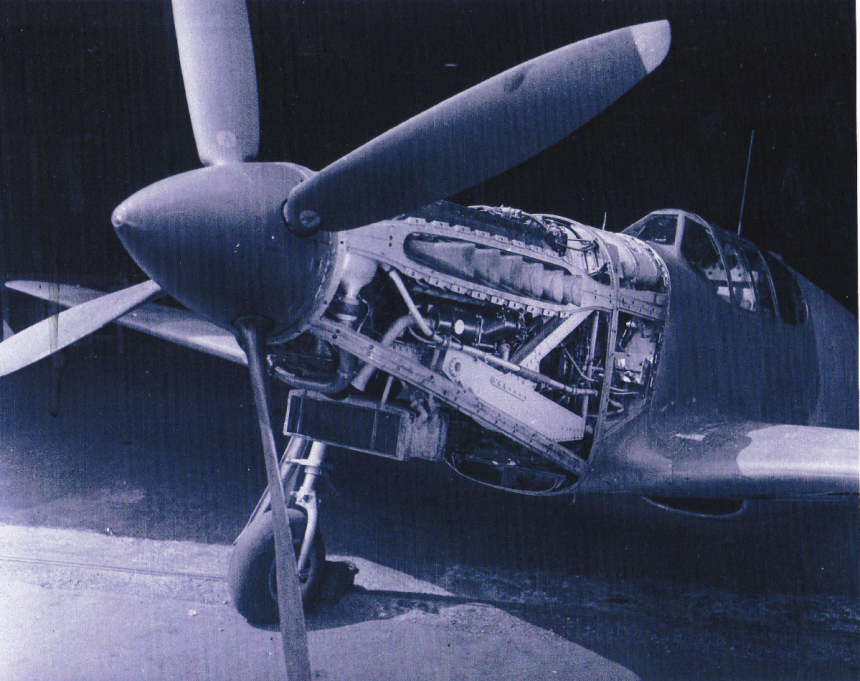
Many of the engineering marvels that won WWII were, without doubt, clever combinations of British originality and American production craftsmanship – and none more so than the creation of the Rolls-Royce Merlin-equipped Mustang P-51 fighter. Described as the most decisive combat aircraft in history, the ability of the P-51 to sweep the skies of Luftwaffe aircraft and to escort bombers safely and deep into Germany provided the Allies with the essential air supremacy they needed before D-Day. The initial P-51 aircraft, initially named the ‘Apache’ by the British, had been designed by a nimble but little-known company, North American Aviation, in response to an urgent request in 1940 from the British Purchasing Commission. Its sleek aerodynamic fuselage and efficient ‘laminar flow’ wing produced little drag. Ironically, North American’s brilliant chief designer, Edgar Schmued, had been born in Austria and had worked for Willy Messerschmitt, the designer of the Me 109 fighter, before migrating to the US.
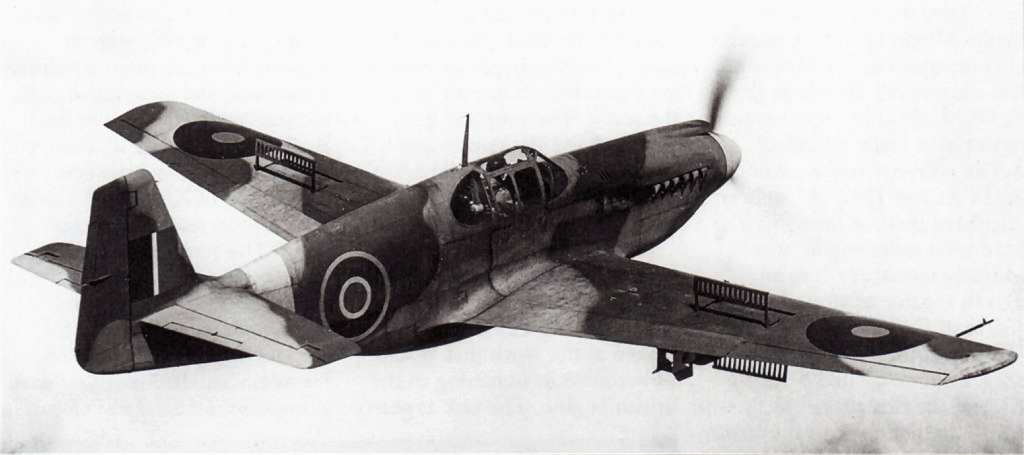
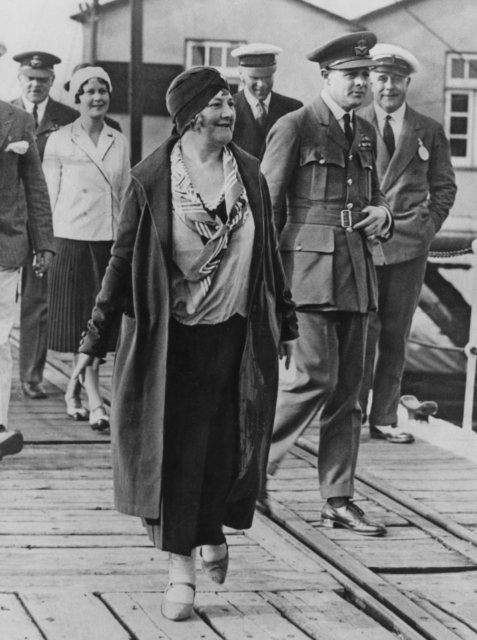
Pressed into service in 1941, the P-51 performed well enough, but its under-powered GM Allison engine meant it could not compete against Luftwaffe fighters in high-altitude combat. Renamed the Mustang, the aircraft’s subsequent development into the finest of fighters became one of the strangest stories of WW2. In fact, the saga had begun much earlier. The initial development of the Merlin engine was funded by an extraordinary and eccentric lady, a former showgirl named Lady Lucy ‘Poppy’ Houston, who changed British history. Married three times – each time to a man much wealthier than his predecessor – Lady Houston paid for Britain’s entry into the Schneider Trophy contest in 1931 after the Labour Government declined. Her donation of £100,000, or £8m at 2024 values, not only led to the development of the Supermarine Spitfire, it enabled Rolls-Royce to build an engine that produced 2,350hp and would eventually evolve into the Merlin. The MD of Rolls-Royce, Arthur Sidgreaves, justly claimed: “It is not too much to say that research for the Schneider Trophy contest over the past two years is what our aero-engine department would otherwise have taken six to 10 years to learn.”
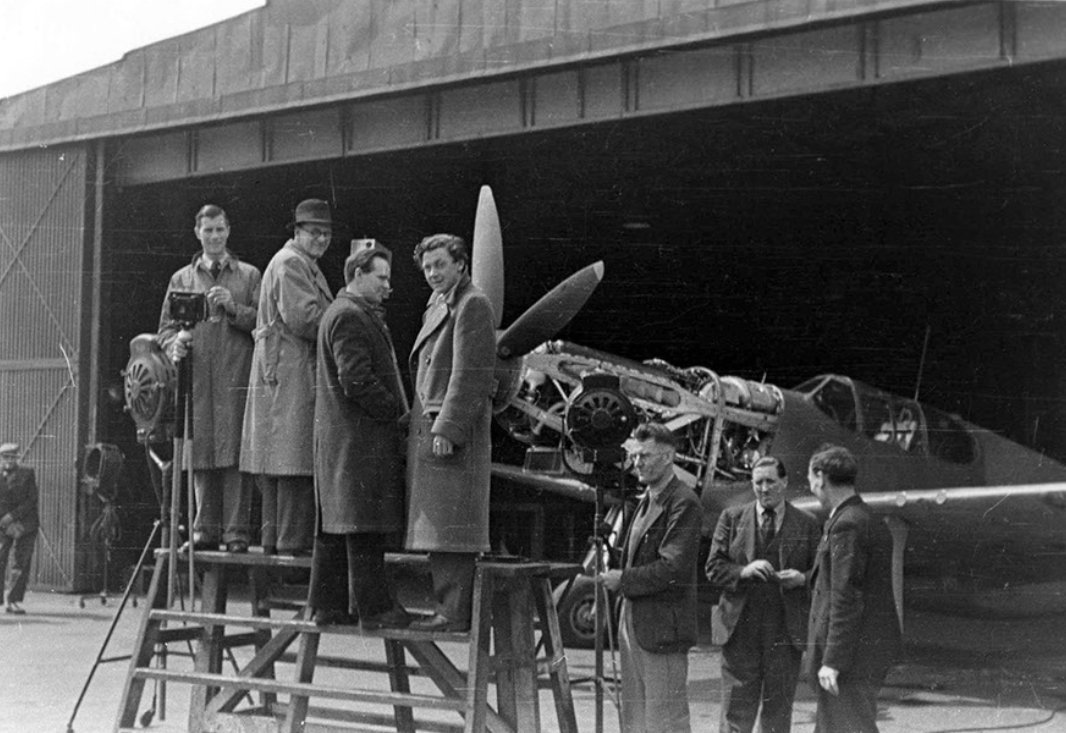
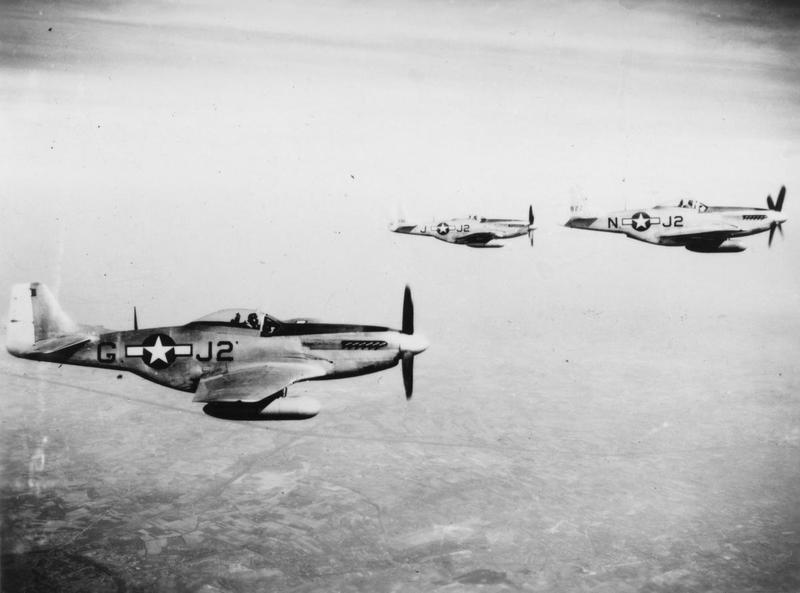
Throughout the war, test facilities for Rolls-Royce’s engines were based at Hucknall Aerodrome, a quiet airfield seven miles north of Nottingham in the English Midlands. There, in the summer of 1942, a gifted test pilot, Ronald Harker, had a brainwave: why not fit a Rolls-Royce Merlin 61 engine into the P-51? Luckily, the two-stage, two-speed supercharged version of the Merlin was only one inch longer than the Allison. At first, there was no support for the project at the Air Ministry in London. But Harker, supported by Hucknall’s chief test engineer Ray Dorey, met with Air Chief Marshal Sir Wilfrid Freeman, who gave consent to the test. As historian Dr William R. Emerson, who flew P-47 Thunderbolts in the Mediterranean, noted: “In August 1942, the Royal Air Force (RAF) began a program to re-engine just five Mustang airframes with the improved Merlin 65. They were designated the Mustang X. Trials were completed at the end of December. The re-engined fighter’s performance, especially at high altitude, was spectacular.” But thereafter progress stalled for 19 months, one of the most significant and costly delays on the Allied side during the conflict. At the time, the entire output of Rolls-Royce’s UK Merlin production was pre-allocated to Spitfires, Lancasters and Mosquitoes.
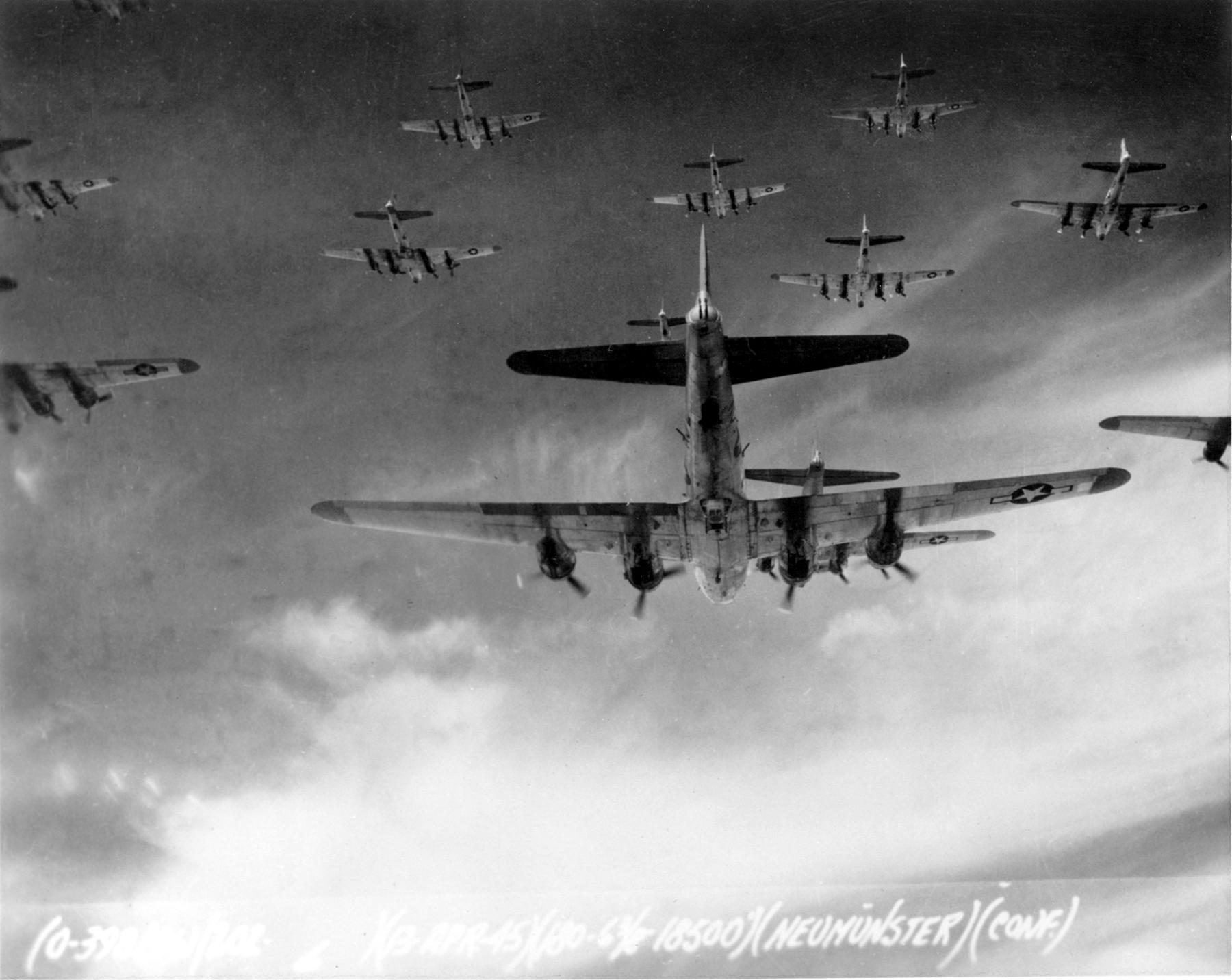
Soon after the first flight, Major Tommy Hitchcock, the US Assistant Air Attaché in London, flew the Merlin-equipped Mustang himself and was astounded. He immediately wired Washington, reporting that it was “one of the best, if not the best, fighter airframe that has been developed in the war up to date”. A colleague, Capt Eddie Rickenbacker, took up the case and even President Roosevelt got involved. Yet the lethargy persisted. In spite of Hitchcock’s urgings, the Mustang had no ‘champion’ in the Pentagon, and USAAF experts at Wright Field failed to appreciate its potential. As B-17 and B-24 bomber losses over Europe began to rise alarmingly in mid-1943, General Arnold demanded a high-altitude, long-range fighter capable of escorting heavy bombers over Germany. The 8th Air Force’s need for a long-range escort fighter had indeed reached crisis point. Even with its newly devised auxiliary fuel tanks, the P-47 Thunderbolt, the main 8th Air Force fighter during 1943, had a combat radius of only 250 miles. On 14 October 1943, the second great raid on the ball-bearing factories in Schweinfurt saw 82 B-17s lost and another 142 damaged. Only 33 bombers landed unscathed, about 12% of the force. Five days after Schweinfurt, Brig Gen Fred Anderson halted the bomber offensive against Germany. “We can afford to come up,” he said, “only when we have our fighters with us.”
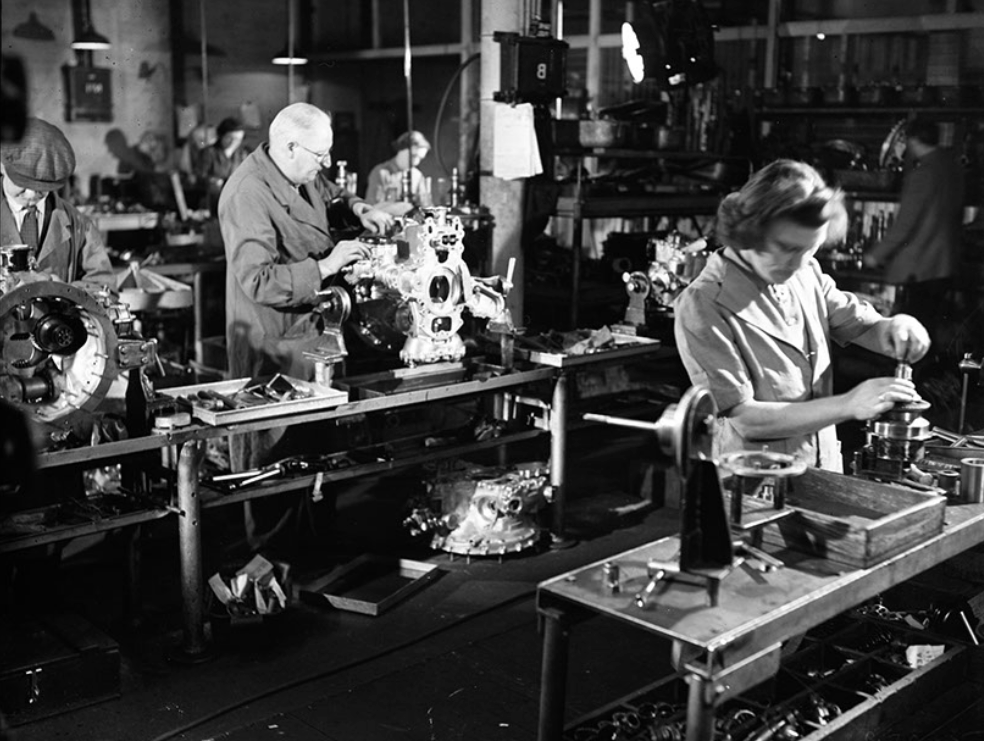
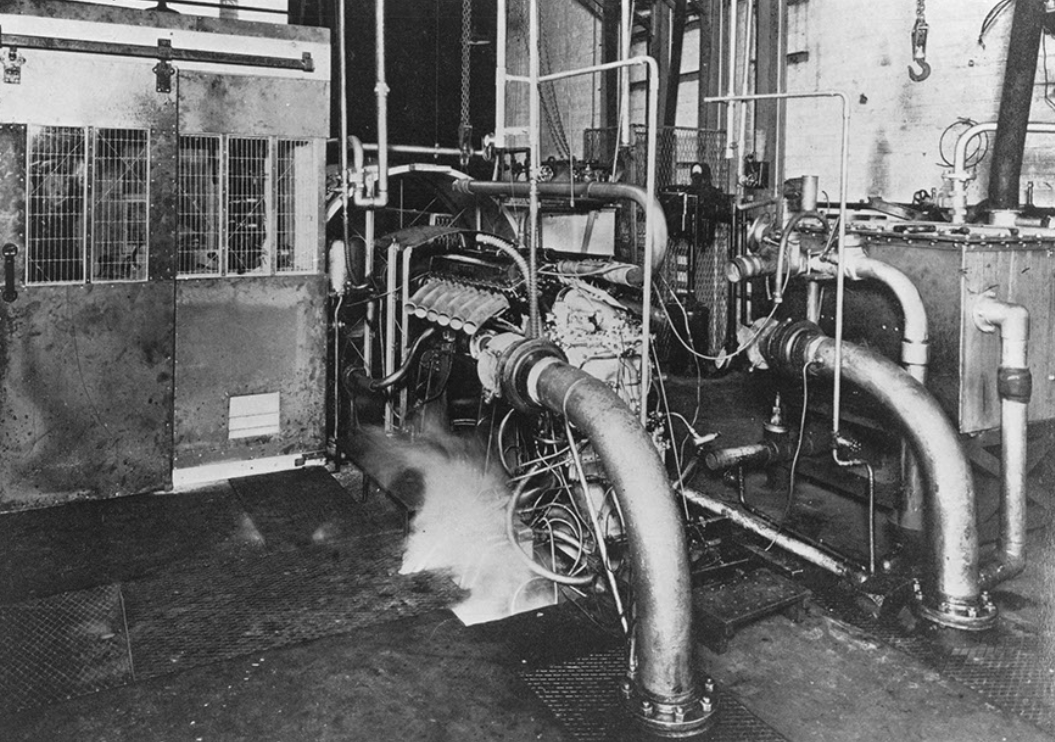
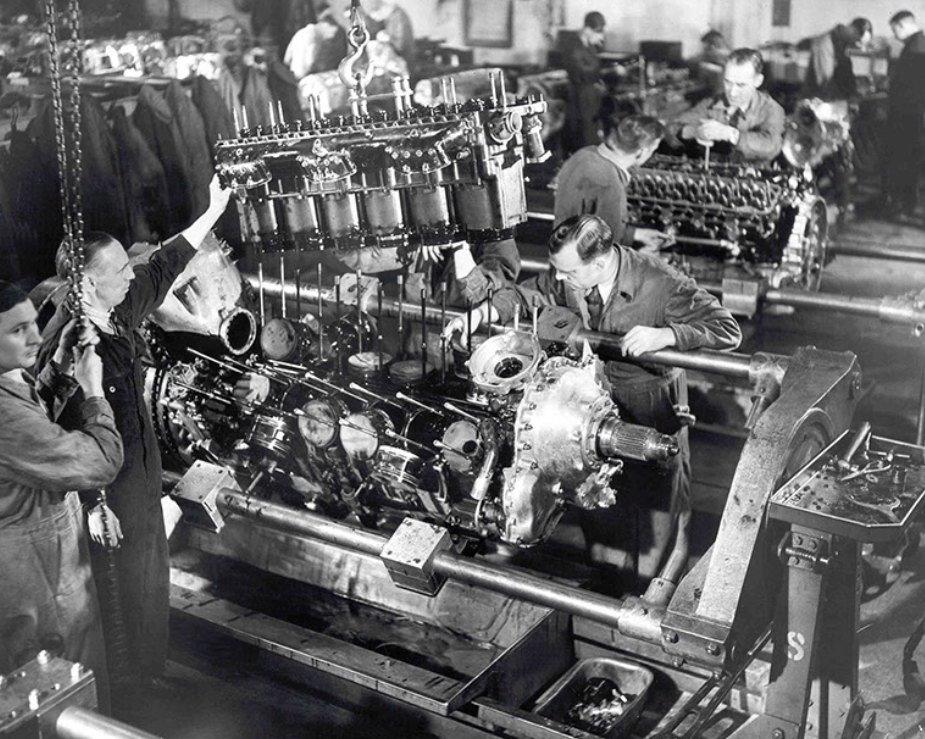
The Spitfire could carry only 216 imperial gallons and was never going to be developed into a long-range fighter, while the P-51 Mustang’s full load was 404. Worse still, a book by Prof Paul Kennedy, Engineers of Victory, describes how “the sheer, relentless anti-Britishness of key members of the all-powerful Air Production Board under the stiff-necked Major General Oliver Echols” was the principal cause of the 19-month delay in the P-51 project. Sadly, this phenomenon was not uncommon. Procurement sections in the Pentagon and US Navy had earlier given vital landing craft contracts to favoured shipbuilders on the East Coast in preference to the obviously superior designs submitted by Louisiana-based designer Andrew Higgins, whose vessels General Eisenhower later said were crucial to victory. Fortuitously, 11 months after Packard had signed a deal to manufacture Merlin engines at Building 81 in Detroit, the first complete powerplant emerged at 6 am on 2 August 1941 – the first of 55,500. It was an incredible achievement: although Packard had experience with aircraft engines in WWI, it had to convert 30,000 British drawings to US measurements. One crankshaft required 47 machining operations before assembly for an engine requiring more than 10,000 parts.
Next, thousands of P-51s, including the exceptional P-51D variant, also finally emerged – in gleaming silver – from North American’s plants in California and a new build in Texas. Key US suppliers filled every void. Champion Inc built spark plugs, Scintilla made magnetos, and a third firm, American Metallurgy, introduced many processes and chemical refinements. Around 168,000 Merlin engines in total were manufactured, of which Packard made about one-third. In its first escort mission on 31 December 1943, the Mustang escorted US bombers to the naval base at Kiel and back, a combat radius of 490 miles. In March 1944, it accompanied the bombers to Berlin, 560 miles from its bases. By the end of the war in Europe, the P-51 had a longer combat radius of action than the B-17. In September 1943, four months before General James Doolittle took command of the 8th Air Force in Europe, Lt. Gen. William Kepner, another forceful maverick, took over at 8th Fighter Command, the fighter arm of the US Air Force in Europe. If Doolittle was considered ‘hard’, WWI infantry veteran Kepner was even harder.
In the month of March 1944, the Luftwaffe lost 511 pilots killed, roughly 21.7% of its available force. Most were experienced aircrew. In April, another 447 pilots were killed, eliminating another 20.1% of its force. By the end of April, the Luftwaffe had virtually ceased even defensive operations. Furthermore, the successful combination of British and American innovations went even further than the Mustang design and Merlin engine. In the UK, the canopy was replaced with a British-designed ‘Malcolm hood’, made by the R Malcolm Company Ltd, similar to the hood covering the Spitfire cockpit. This design gave the pilot unrivalled visibility. The idea to fit the Malcolm hood into the P-51 came from US volunteer pilots who had fought in combat during the Battle of Britain. Next, a London-based paper manufacturer, Bowater-Lloyd’s, mass-produced drop tanks for P-51 Mustang and P-47 Thunderbolt fighter aircraft – out of papier-mâché. With these tanks, the fighters could reach Berlin and destroy the Luftwaffe en route.
By 1945, it was clear the dogfights over Germany had done more to defeat the Luftwaffe than the destruction of aircraft factories. The RAF Official History concludes: “The achievement of ‘Big Week’ and the subsequent attack on the aircraft industry was to reduce not the production of aircraft but the fighting capacity of the Luftwaffe… the combat was primarily fought and certainly won by long-range fighters of [the USAAF] VIII Fighter Command.”
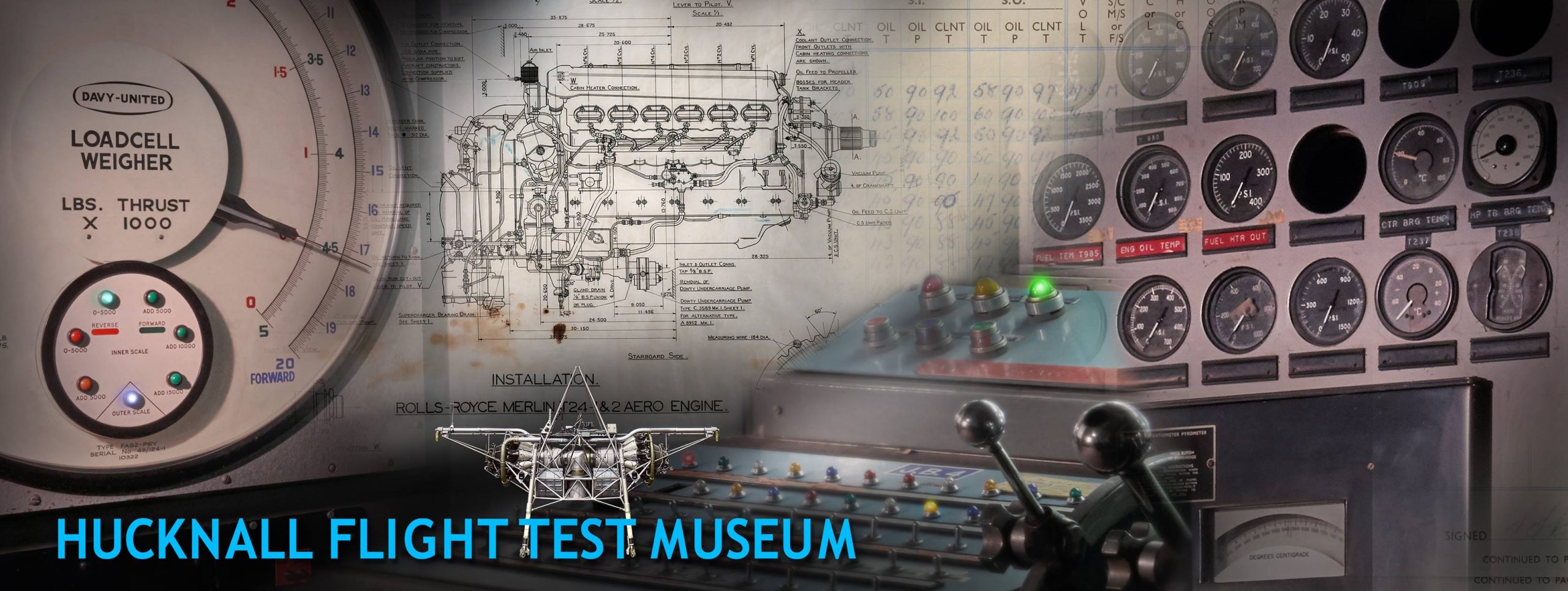
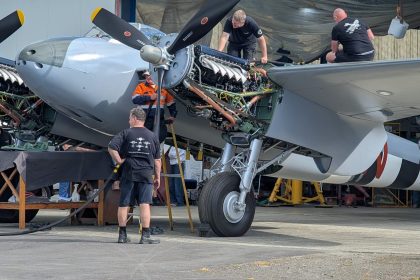
Today, the historic Hucknall Flight Test Museum, a volunteer-run group supported by Rolls-Royce, still welcomes visitors. It is housed in two test hangars on the original Hucknall Aerodrome, which between 1934 and 1971 was home to the Rolls-Royce Flight Test Centre. At airshows worldwide, the husky growl of the Merlin is instantly recognisable. Inside each Merlin engine, in a single second, the spark plugs will fire more than 700 times, the 48 valves will open and close 30 times, and the propeller will turn 25 times. As an example of US-UK collaboration, there is no better example than the war-winning performance of the Merlin-equipped North American P-51 Mustang.



Excellent Read..!! No Fluff,Just “The Good Stuff” Thanx From A Yank..!!
“Ironically, North American’s brilliant chief designer, Edgar Schmued, had been born in Austria and had worked for Willy Messerschmitt, the designer of the Me 109 fighter, before migrating to the US.” Schmued was born in Germany, to Austrian parents, and never worked for Messerschmitt.
A great and inspiring article, on a War Winning Combination.
What Marcus forgot to mention was that the British Purchasing Commission – desperately looking to fill available aircraft numbers, till the Home Industry was in Full War-Footing Mode – had come to North American Aviation to Build, Under Licence, Curtiss P40’s!!!
But Wiser Heads Prevailed … the N.A. People said: ‘Well, Yes we can, but we have a concept idea you might find more to your liking …’
The North American People then … ‘Busted Guts & Schedules,’ and produced a Prototype in Record Time.
The Rest, as Marcus writes so well, became not only history, But War Winning … ‘Laminar-Flow’ … History
* In GB ‘Mock Combat’ Tests, twixt Spitfires & Mustangs, the Spit usually had a slight edge but, as the RAF acknowledged – without that Enormous Range, that edge was as nothing.
The tragic side, to all the combined effort and hard work, was – as Marcus so eloquently and clearly shows – Bureaucratic Delays Led To The Unnecessary Loss of Many Fine Bombers, and Brave Young Aircrew.
Their Lives, and those of the Survivors, becoming the Building Blocks of Victory and Peace.
A Fact, in this cynical modern world, We Should Never Forget.
I’m sorry but the British were the ones who named this fighter as the Mustang, Apache was the original American name that never caught on, plus, on the second strike on Schwienfurt, the Eighth Air Force lost 60 B-17s, not 82, over the target area, with more being written off back at their bases. Another thing, Merlin engines were also fitted to two different P-40 models: The F, and R.