






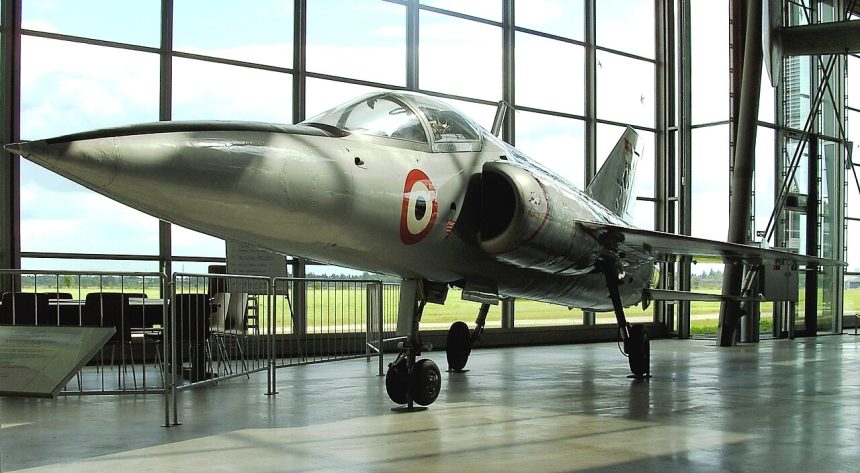


(Image credit: VAN)
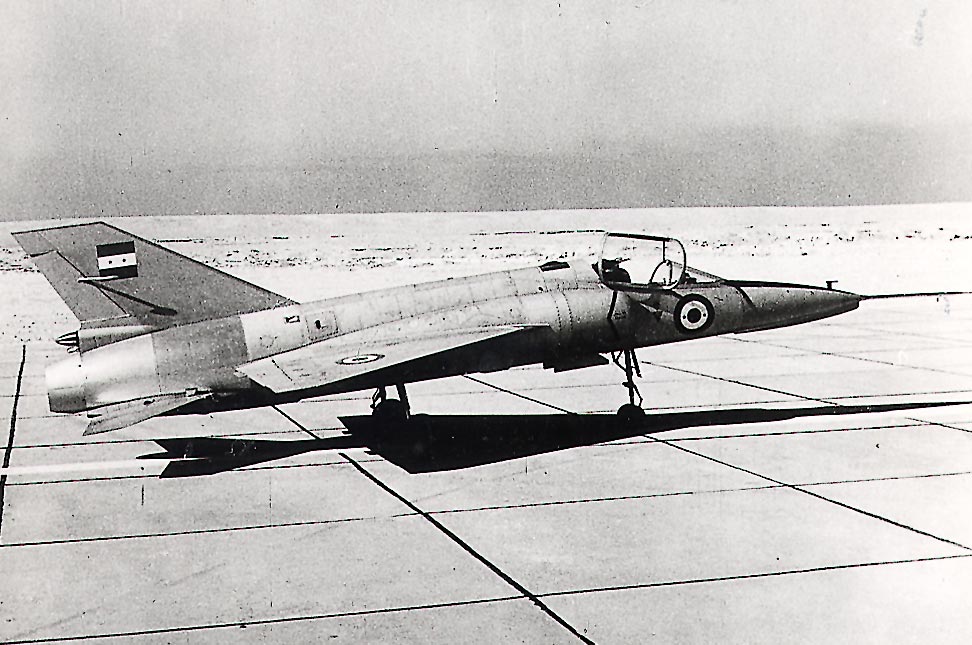
On this day in aviation history, 62 years ago (March 7, 1964), the first flight of the Helwan HA-300 took place. The HA-300 was a light single-engine supersonic interceptor that featured a delta wing. The aircraft’s development began in Spain, at the hands of noted aeronautical designer Willy Messerschmitt. After moving to Spain upon the conclusion of World War II, Messerschmitt teamed up with Hispano Aviación. Here, he began designing an ultralight fighter aircraft in 1951, known as the HA-300. The initial HA P-300/HA-23P prototype was unpowered, a glider used for testing purposes.
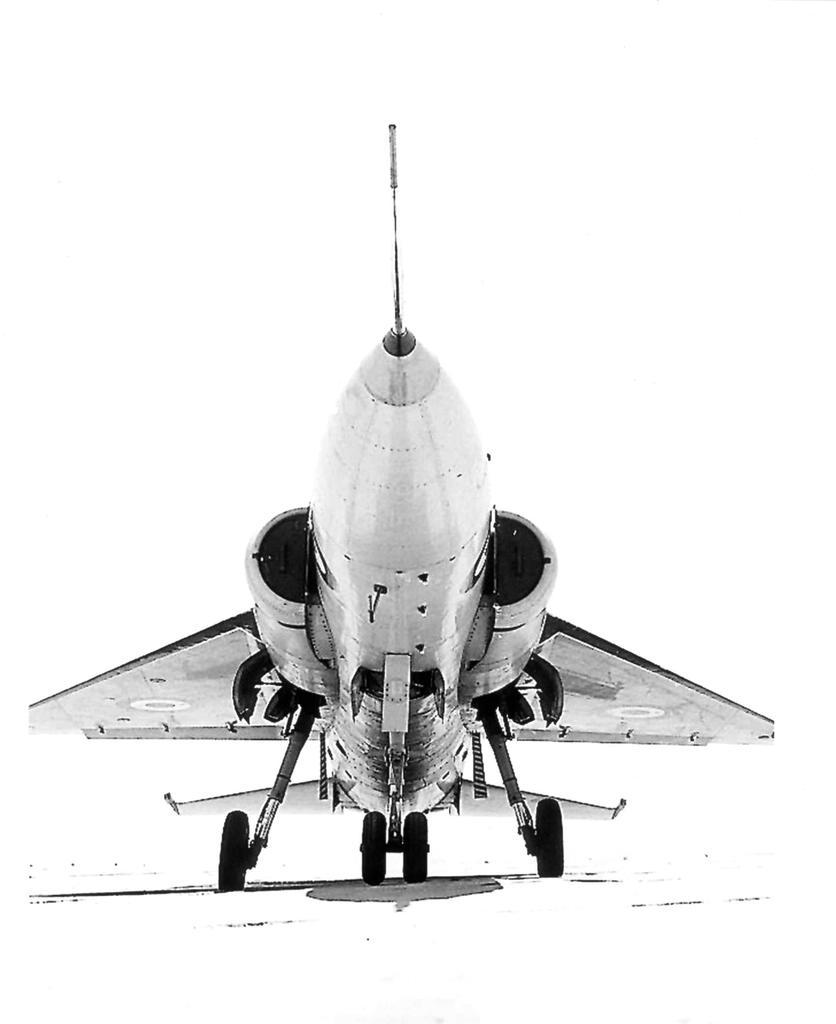
Initial wind-tunnel tests of the HA-23P glider showed issues with aircraft stability. Coupled with the fact that the afterburning Bristol Orpheus engine planned for the HA-300s use was experiencing developmental delays, Hispano ditched the project in 1960. Egypt acquired the HA P-300 design package from Spain, which included Hispano’s design team, still led by Willy Messerschmitt. The prototype jet fighter was officially known as the Helwan Aircraft 300, or HA-300. Austrian jet engine guru Ferdinand Brandner, who helped develop the Jumo 222 and Ju-288 during WWII, was asked to create a new turbojet engine for the HA-300. The Egyptian Air Force had its sights set on a new interceptor for the fleet, and the new path to achieve this goal looked promising.
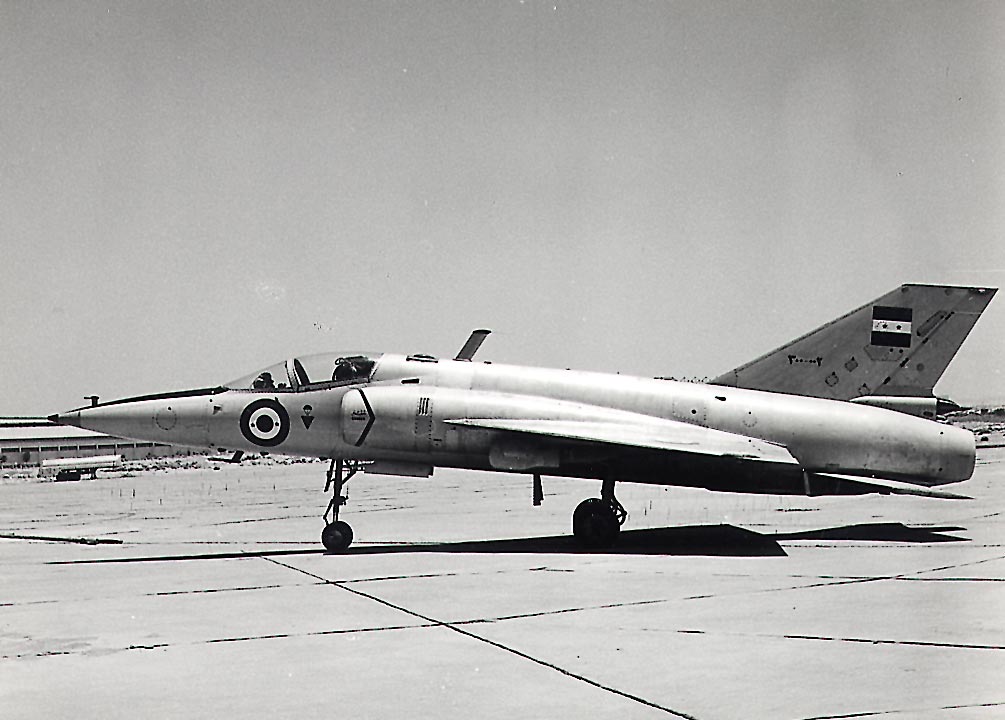
Work on the HA-300 began in 1959 under the supervision of the Egyptian General Aero Organisation (EGAO), near Cairo. To the HA-23P glider design, the team added a 4,900 lbf Bristol Siddeley Orpheus 703-S-10 engine with semicircular side intakes and a single exhaust nozzle. This engine was planned to be replaced with Brander’s eventual turbojet design and was for flight testing purposes only. The HA-300 also featured a wing slightly smaller than that of the glider, and an all-moving tail stabilizer mounted lower than the original. During the HA-300’s initial test flight, the interceptor achieved a maximum airspeed of Mach 1.13. A second and third prototype were eventually built and flown.
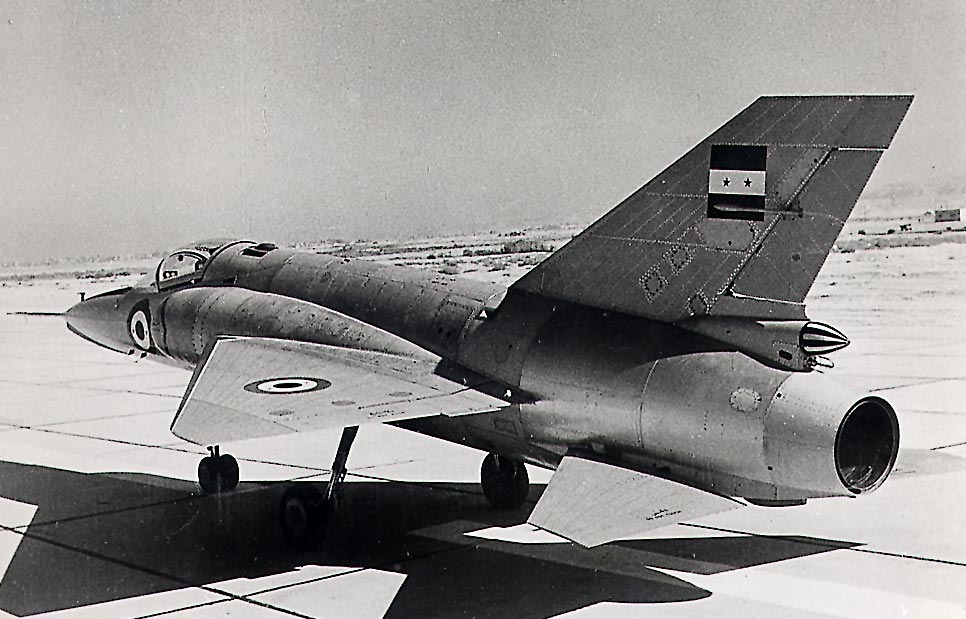
The third HA-300 prototype was fitted with Brander’s new turbojet engine, the 10,600 lbf afterburning E-300. The E-300’s success was a necessity, as the British would not release the Bristol Siddeley Orpheus to the Egyptians for their own use. President Nasser of Egypt also saw the country’s reliance on British aerospace components as a threat to national security. The E-300 proved to enhance the HA-300’s performance, up to a maximum airspeed of Mach 2.1. This performance gained the attention of India, which sought the engine for its HF-24 Marut.
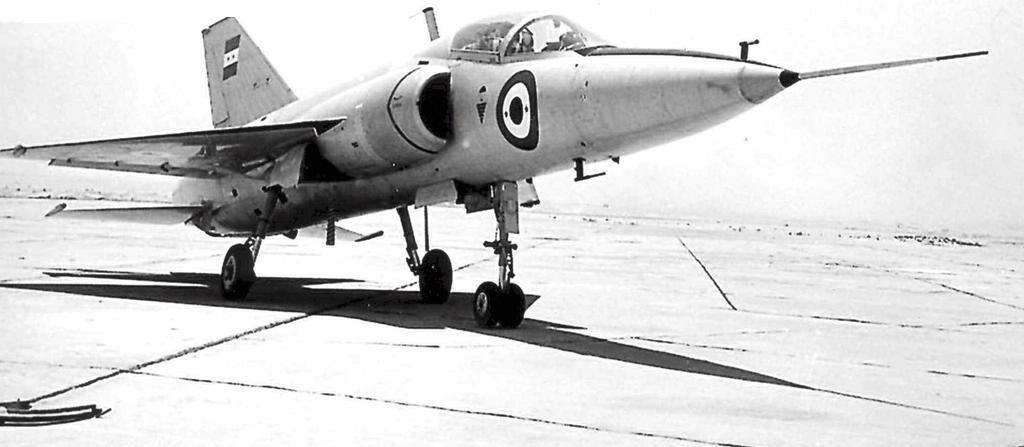
Had the HA-300 been used in combat, the interceptor would have been fitted with either two 20 millimeter Hispanos or four 23 millimeter Nudelman-Rikhter NR-23 cannons. The HA-300 would have had provisions for four K-13 infrared homing air-to-air missiles. In May 1969, the HA-300 project was cancelled, many believe as a result of financial and political strife. Egypt contracted with the Soviet Union for its future combat aircraft needs. All three HA-300 prototypes that were built still survive today, two on display in Germany and the third in Cairo.











During the HA-300’s initial test flight, the interceptor achieved a maximum airspeed of Mach 1.13. A second and third prototype were eventually built and flown.
There are some inaccuracies here. First of all, the HA-300 did not achieve a maximum speed of Mach 1.13 on its first flight. When a new aircraft design is flown for the first time, the flight envelope is restricted, and its normal to fly with the landing gear down.
Secondly, the third prototype, the first with the more powerful E-300 engine, did not fly. The projected top speed was Mach 2, but this never happened.