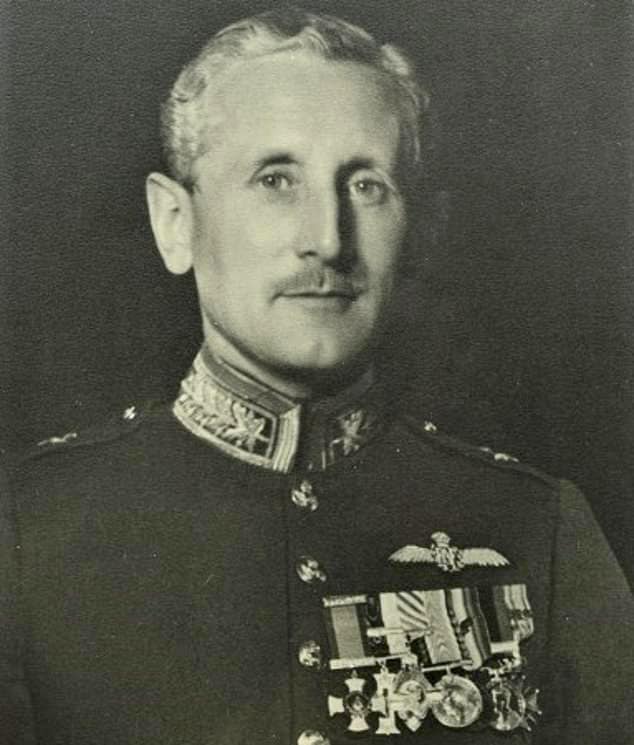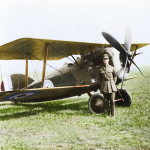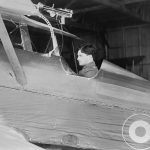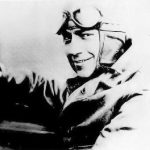


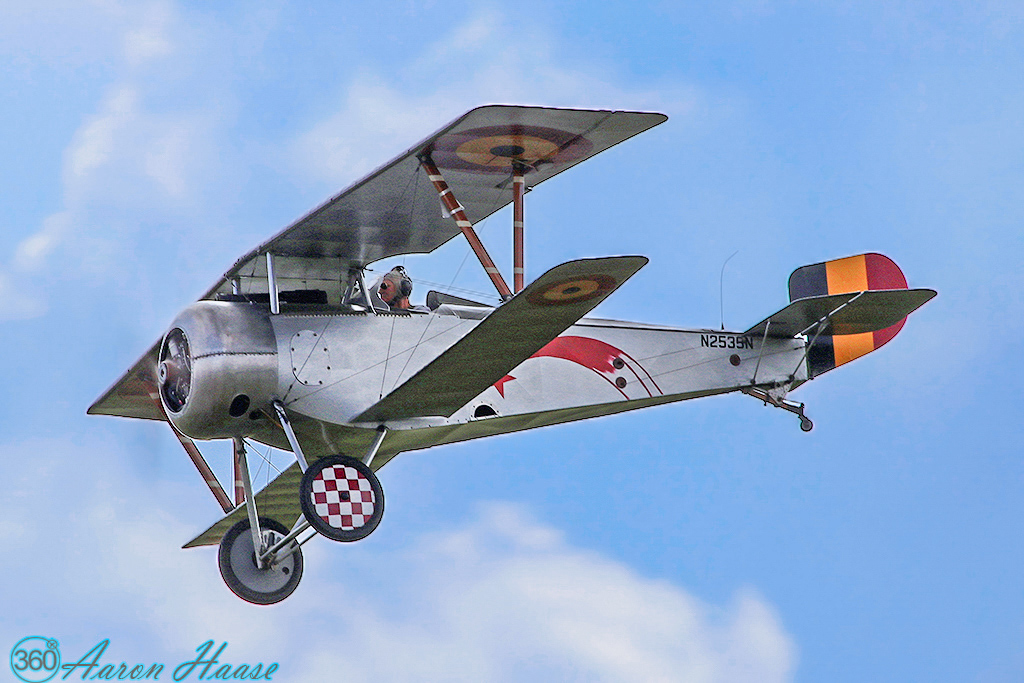
Philip Fletcher Fullard was one of the British aces who participated in both World Wars. Born on May 7, 1897, in Wimbledon, England, he loved sports such as Hockey and Football since his childhood. He went straight from school into an officers’ training corps in 1915, where he performed well and was selected to join the Royal Flying Corps (RFC). In late 1916, he trained in Military Aeronautics at Oxford and at the Central Flying School at Upavon, after which he was appointed a flying officer. Initially, due to his extraordinary flying skills, he was retained at the Central Flying School as an instructor. But as World War I was escalating, he was sent to serve with No. 1 Squadron RFC in France in May 1917. He initially flew a Nieuport 23 and achieved all 40 of his aerial victories while flying various Nieuport models, including the Nieuport 17 and Nieuport 27.
Ace Journey of Philip Fletcher Fullard
He didn’t waste much time, and on May 26, 1917, after shooting down an Albatros D.III, he marked his first victory. He downed another Albatros D.III on May 28. On June 4, he killed two Albatros D.Vs in just 15 minutes, and also marked his first double kill in a day. And with killing another Albatros D.V on June 8, he officially became an ace. He shot down two more Albatros D.Vs on June 14 and 15, respectively. His extraordinary run within a month of entering the air combat earned him the role of flight commander on June 19. He continued his journey with eight kills in July and 12 kills in August. By the end of August, his score stood at 27. He was unable to fly combat missions in September due to temporary blindness resulting from the damaged vessels in one eye. His performance earned Philip Fletcher Fullard the Military Cross and Bar, both announced in the same edition of the London Gazette on September 25, 1917.
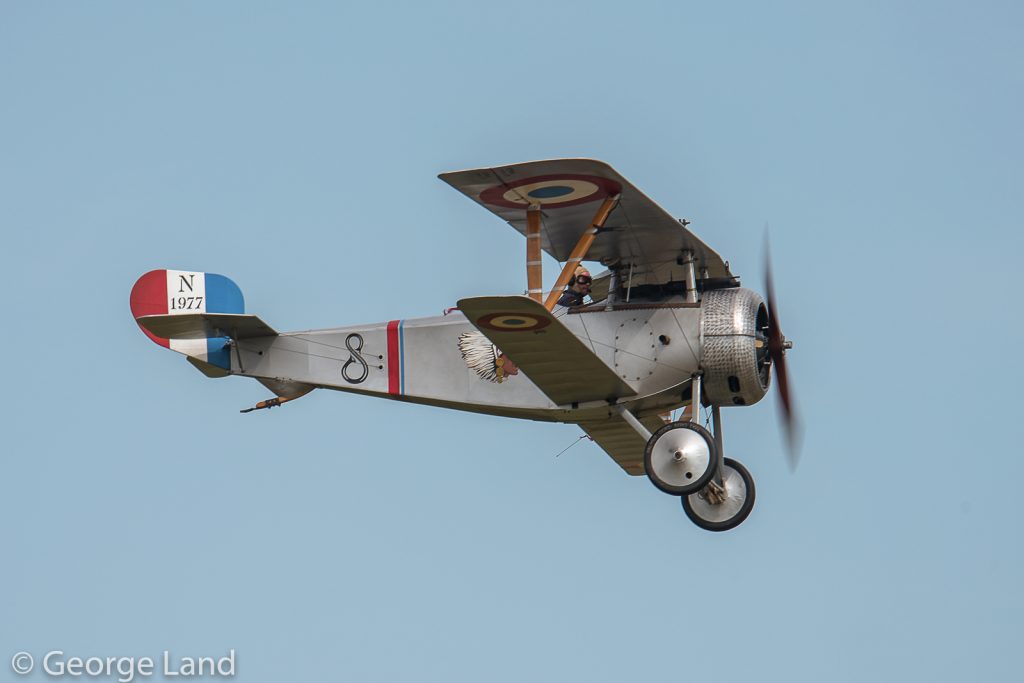
By early October 1917, Philip Fletcher Fullard had recovered and joined the aerial war again. In October, he shot down 11 targets, and two in November, taking his overall score to 40. Just two days after his 40th win, he suffered a compound fracture while playing soccer and couldn’t return to duty till near the end of the war. During his World War I term, Fullard used a Nieuport 23 to kill seven targets, a Nieuport 17 to kill 20, and a Nieuport 27 to kill 13. He was the top-scoring ace of WW1 flying Nieuports. He downed 23 Albatros D.Vs, seven C-type aircraft, seven DFW C aircraft, two Albatros D.III, and a Pfalz D.III. For his service, he was also awarded the Distinguished Service Order (DSO). His Military Cross announcement said that he had “shown fine leadership, great dash, and determination to close with the enemy.” At the same time, the Bar praised his determination and fine offensive spirit, which in “almost every instance resulted in disaster to the enemy.” His DSO said, “As a patrol leader and scout pilot, he is without equal. The moral effect of his presence in a patrol is most marked.”
Bravery and Valor
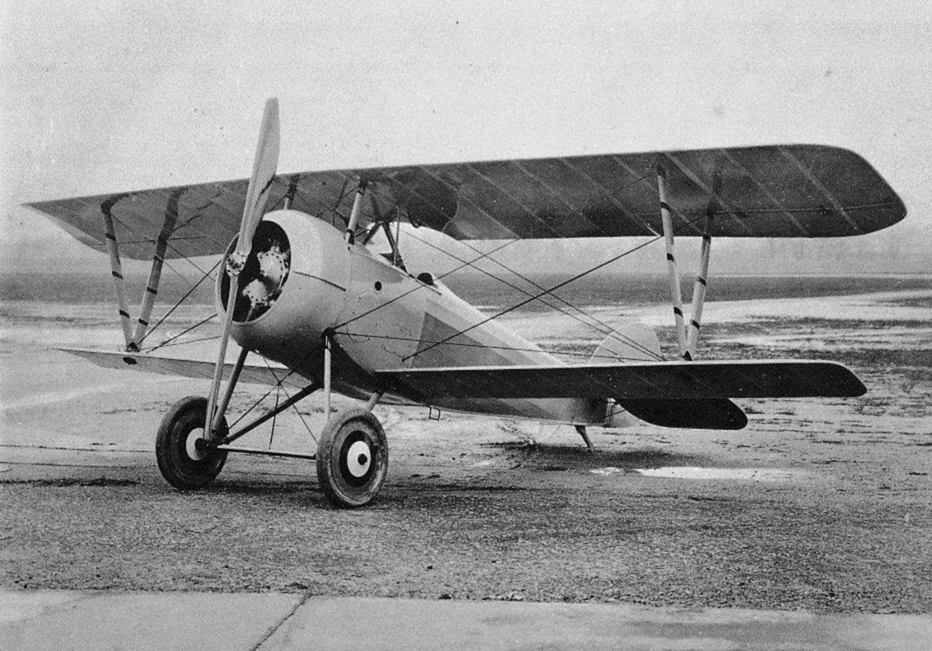
After the war was over, Philip Fletcher Fullard was awarded the Air Force Cross in June 1919, and he became a permanent captain with the Royal Air Force on August 1. In December, he was appointed a flight commander of No. 12 Squadron, and in March 1920, he was awarded the Belgian Croix de Guerre. He was transferred and promoted several times during the period between World War I and World War II. During World War II, he was not a pilot, but a leader. He led No. 14 (Fighter) Group, part of the British Expeditionary Force in France, from January 1940 until it was disbanded on June 22, after the Battle of France. On January 1, 1941, Fullard was made a Commander of the Order of the British Empire (CBE). He was promoted to temporary air commodore on March 1. From June 2, 1942, he served as Duty Air Commodore at Fighter Command Headquarters and became the Air Officer Commanding of No. 246 (Special Operations) Group on July 3, 1943. He retired from the Royal Air Force in November 1946 and worked with several engineering firms in his civilian life. He died on April 24, 1984. Philip Fletcher Fullard not only demonstrated bravery and valor in World War I but also great leadership in World War II and in the years in between. His awards described him as determined again and again. His mere presence had brought out the best in his units. In the Aces series, Fullard is remembered as a great fighter as well as a commander. Read about more flying aces HERE.