
By Randy Malmstrom (with research assistance from Adam Estes)
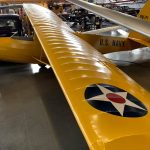
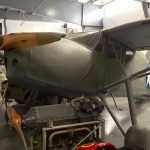
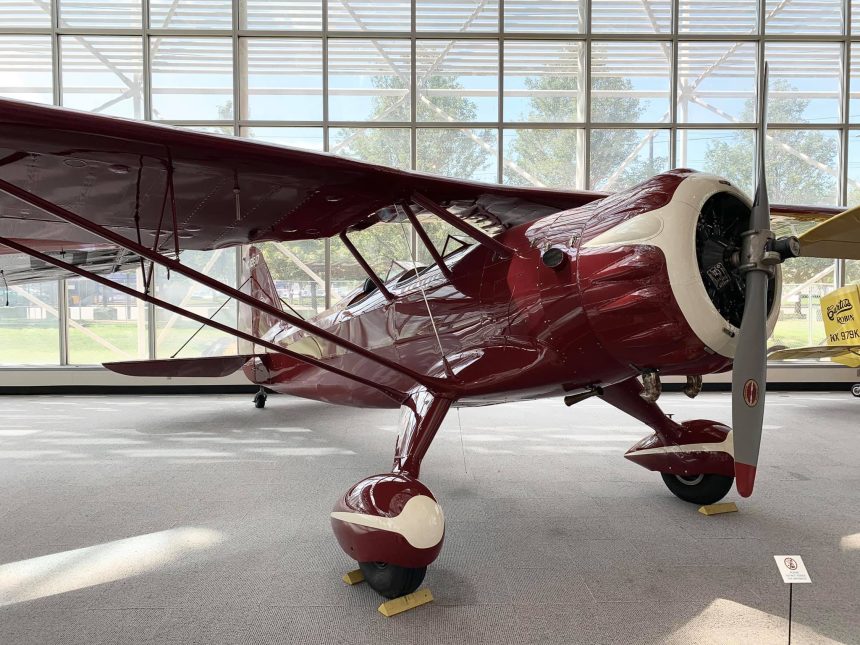
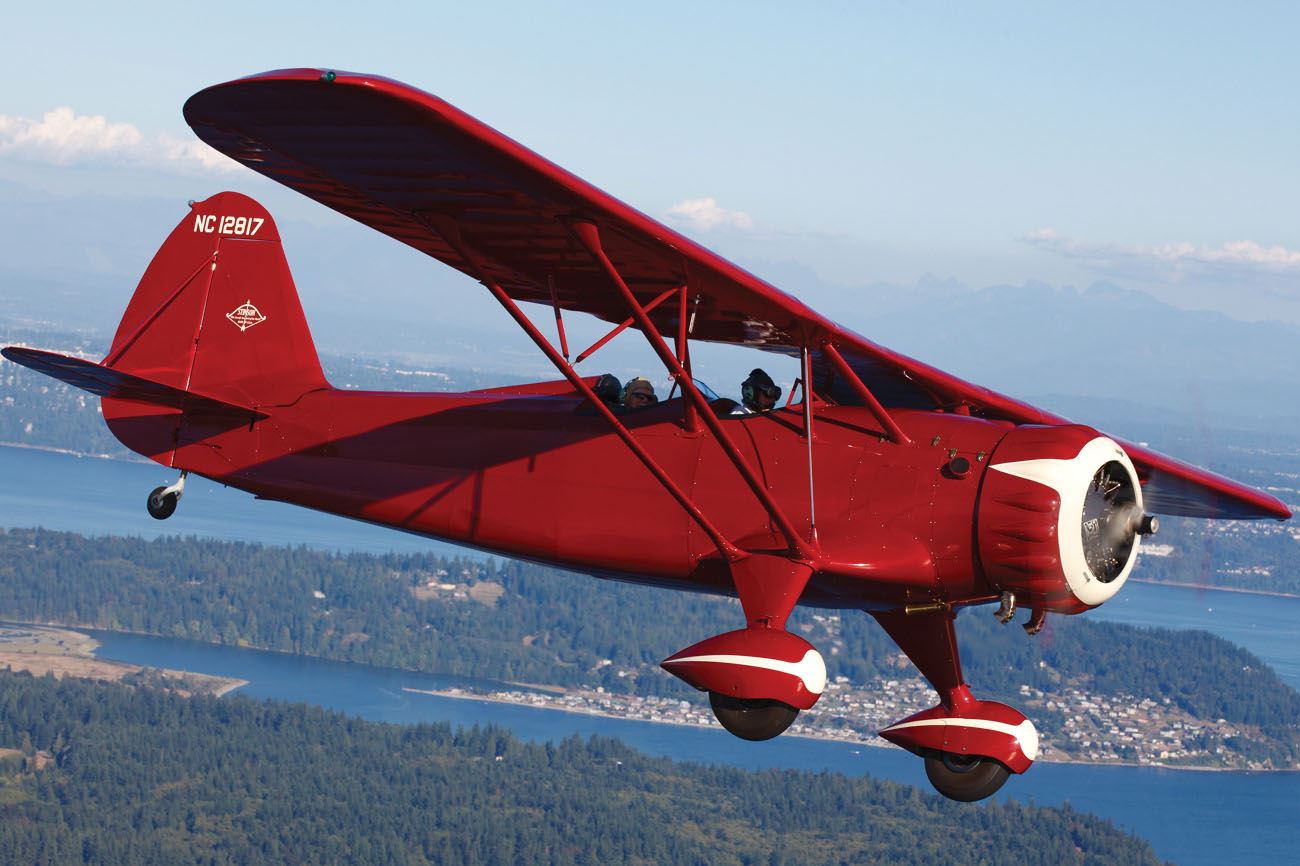
1933 Stinson Model O. On display at the Museum of Flight in Seattle (MOF). My photos, except for the cockpit, which are courtesy of Don England of MOF – thanks.
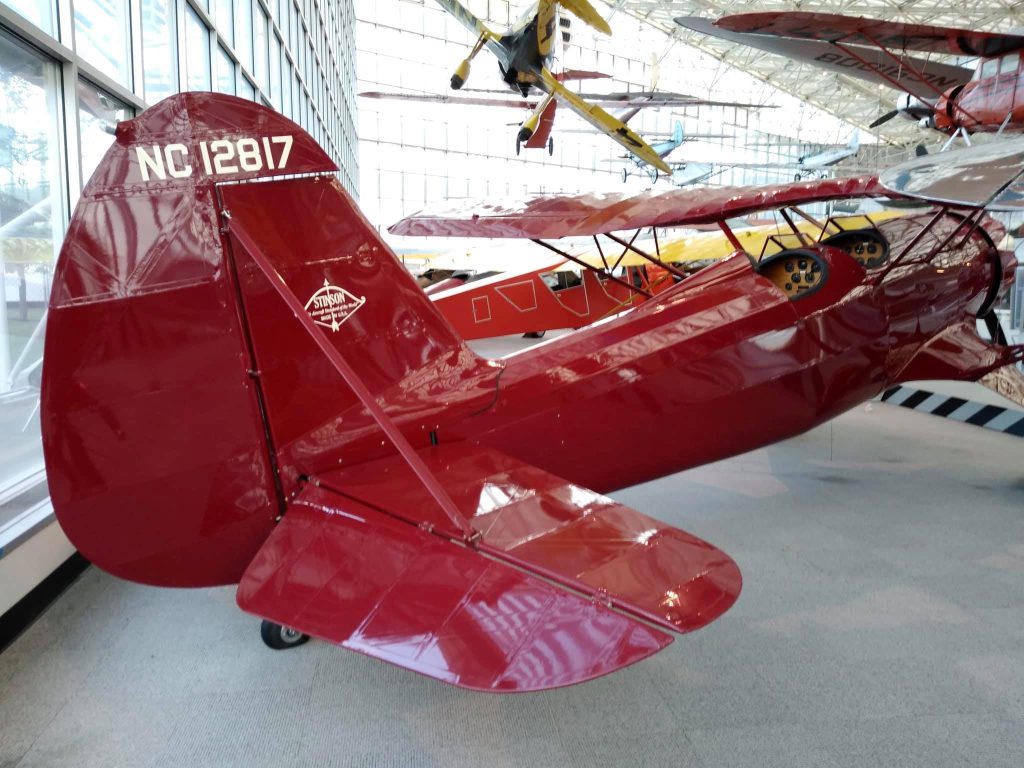
Editor’s notes: The Stinson Model O was built by the Stinson Aircraft Company of Detroit, Michigan, and was designed by Robert Hall, who had designed the Granville Gee Bee Model Z Super Sportster, and would later work with Grumman as Chief Engineer and test pilot during WWII. The aircraft was designed as a primary flight trainer, following a series of discussions between the Stinson Aircraft Company and New Zealand aviator Lowell Yerex, who had founded Transportes Aéreos del Continente Americano, S.A. (now Avianca El Salvador), flown as a mercenary in Honduras, and been asked by the Honduran government to find a dedicated training aircraft for the Escuela Nacional de Aviación (National Aviation School) that could also be armed for counter-insurgency operations. The result was the Stinson Model O, which was first flown in 1933 as the only open-cockpit aircraft built by the Stinson company. The tail and wing from the popular Stinson SR Reliant were adapted for a new fuselage, with the wing being made as a parasol, and the aircraft was fitted with a 220 hp Lycoming R-680-4 radial engine. The aircraft could be armed with two forward-firing machine guns and a flexible gun mount in the rear seat, plus a small bomb rack under the fuselage.


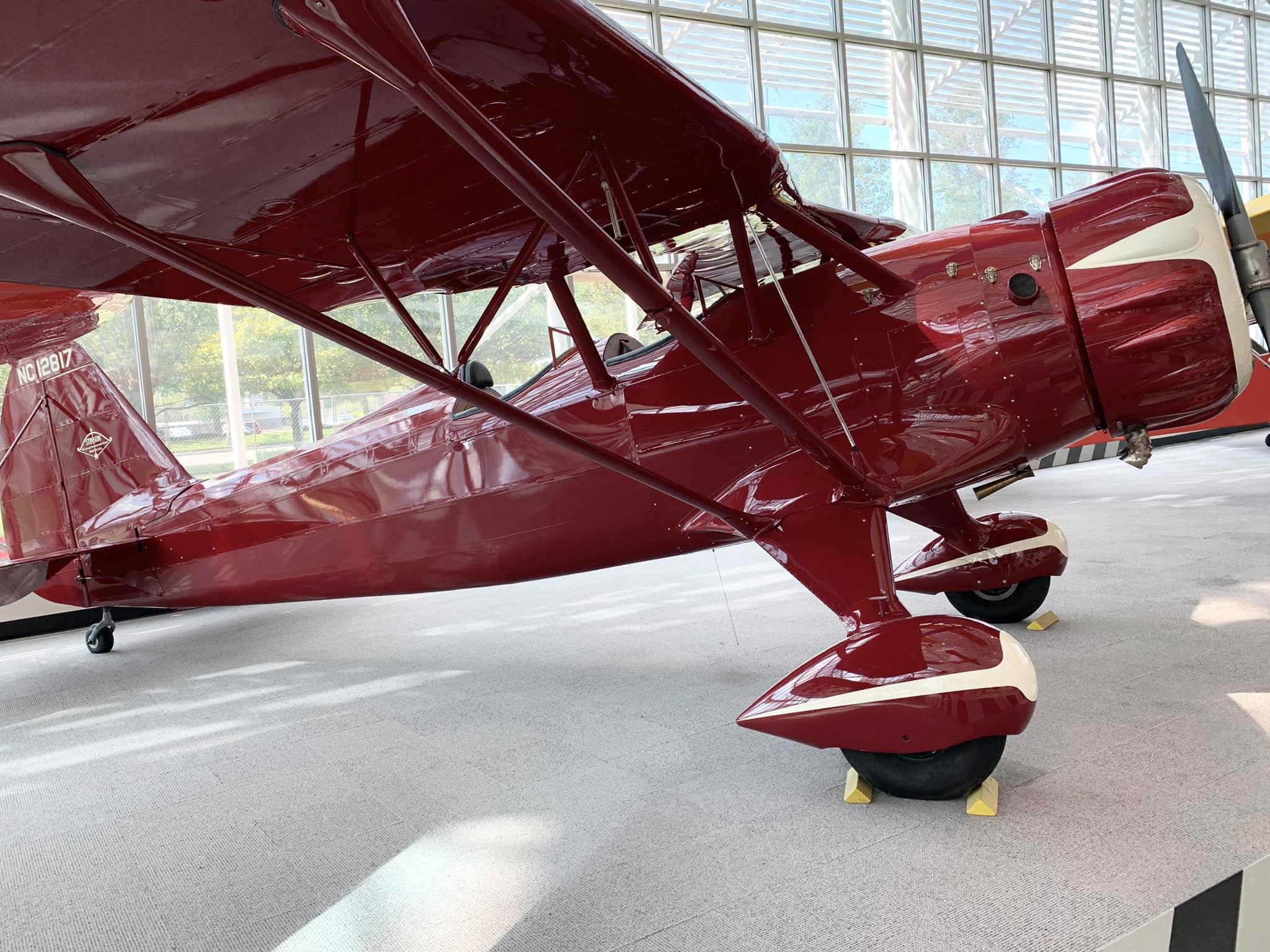


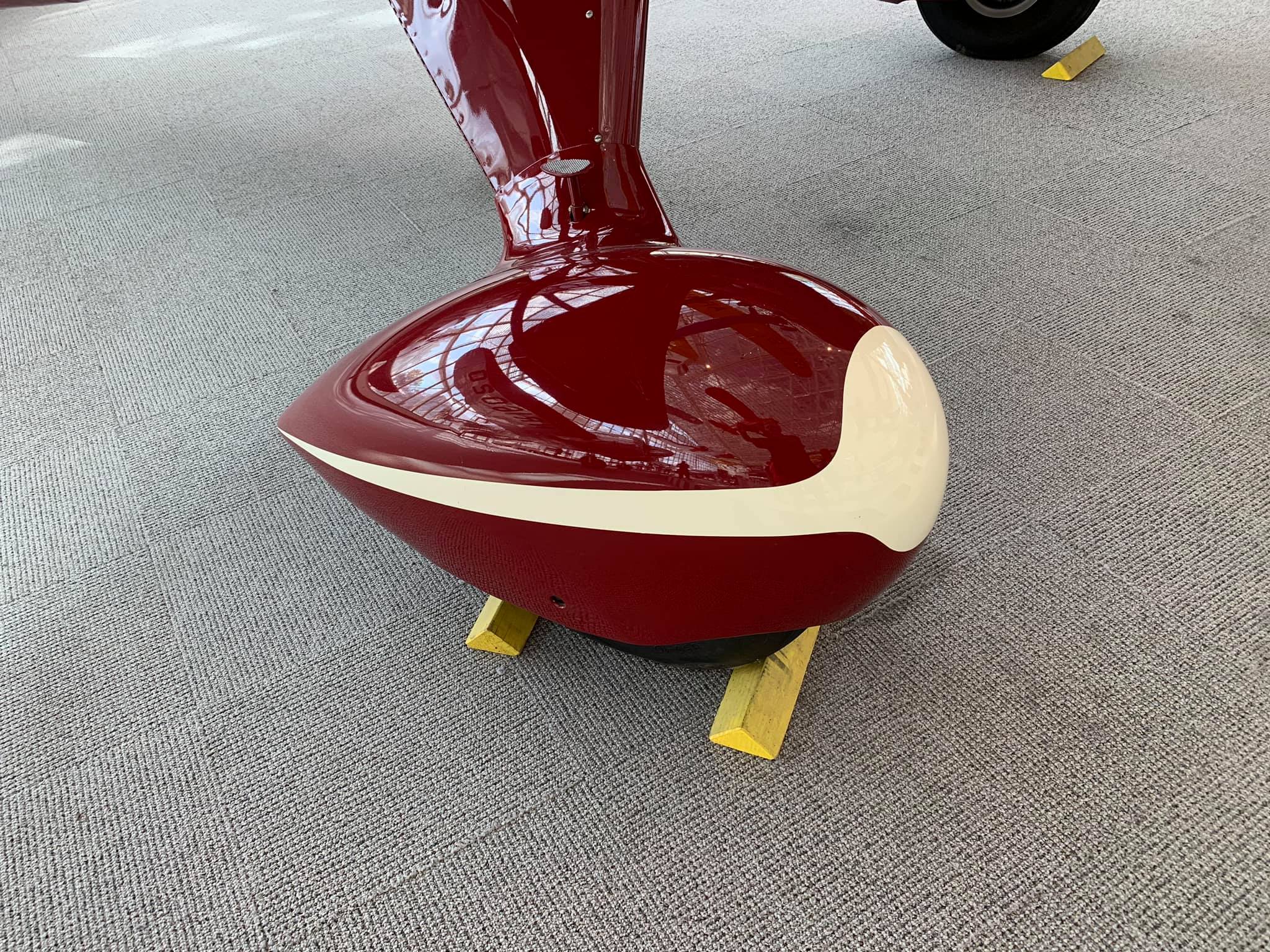


The first three Stinson Model Os were delivered to the Fuerza Aérea Hondureña (Honduran Air Force), which later received two more aircraft to make a total of five Model Os in Honduras. After the Japanese attack on Pearl Harbor, and the German declaration of war on the United States, reports of German U-boats operating in the Gulf of Mexico and the Caribbean Sea attacking Allied merchant vessels placed the countries of Central America on high alert, and the FAH’s complement of Stinson Model O aircraft were used in these patrols to spot potential U-boats operating in Honduran waters. Another three examples were sold to the Republic of China in 1934 and used as military trainers, while a single Model O was shipped to Brazil, and another went to Argentina. The Stinson Model O prototype, NC13817, remained in the United States as a privately-owned aircraft, but eventually fell off the record by 1945. In all, only 9 Stinson Model Os were ever built, and no original examples survive today.
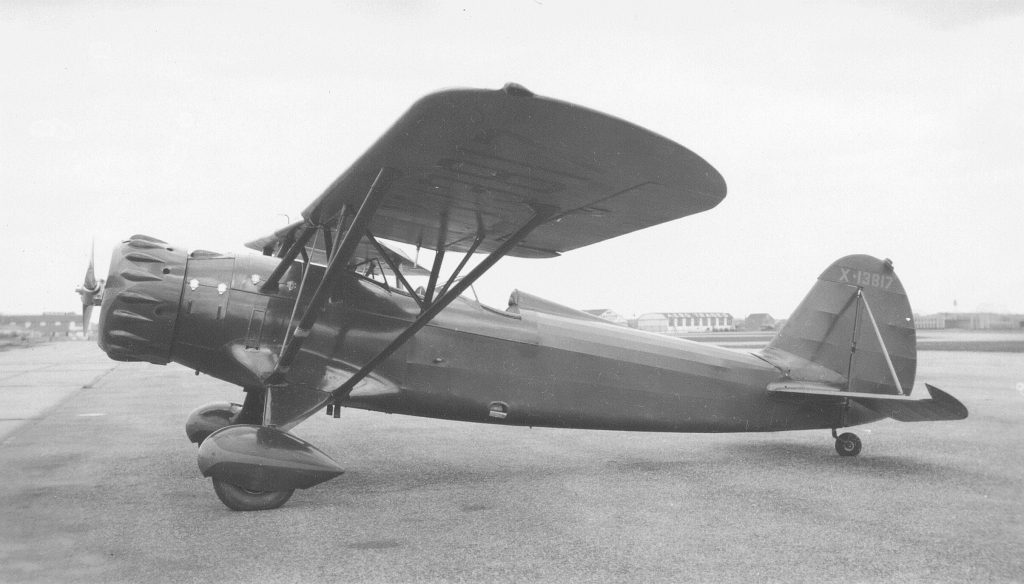


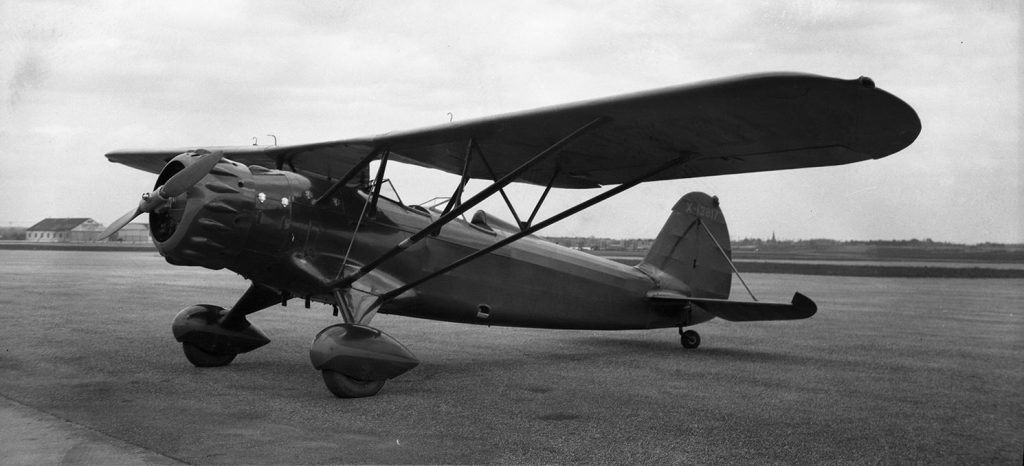
In 1999, pilot Brad Poling of Elk Grove, California, who was building a Westfall W-7 biplane, became interested in the Stinson Model O when he found an advertisement for a quarter-scale RC model of the Stinson Model O, and was fascinated by the design. After completing the W-7 project in 2002, he began collecting anything he could on the Model O, hoping to find one for sale as a restoration project. Upon realizing there were no surviving examples, and after the FAA and Smithsonian archives came up empty with results for the aircraft, Poling managed to find 20 vintage photos with the help of the Antique Airplane Association (AAA) and secured a copy of the quarter-scale RC model plans from Ward Emigh. He then realized that if he could not find an original Stinson Model O, he would build one, using a Stinson Reliant as a pattern for the project, just as the original Model O had been derived from the Reliant.


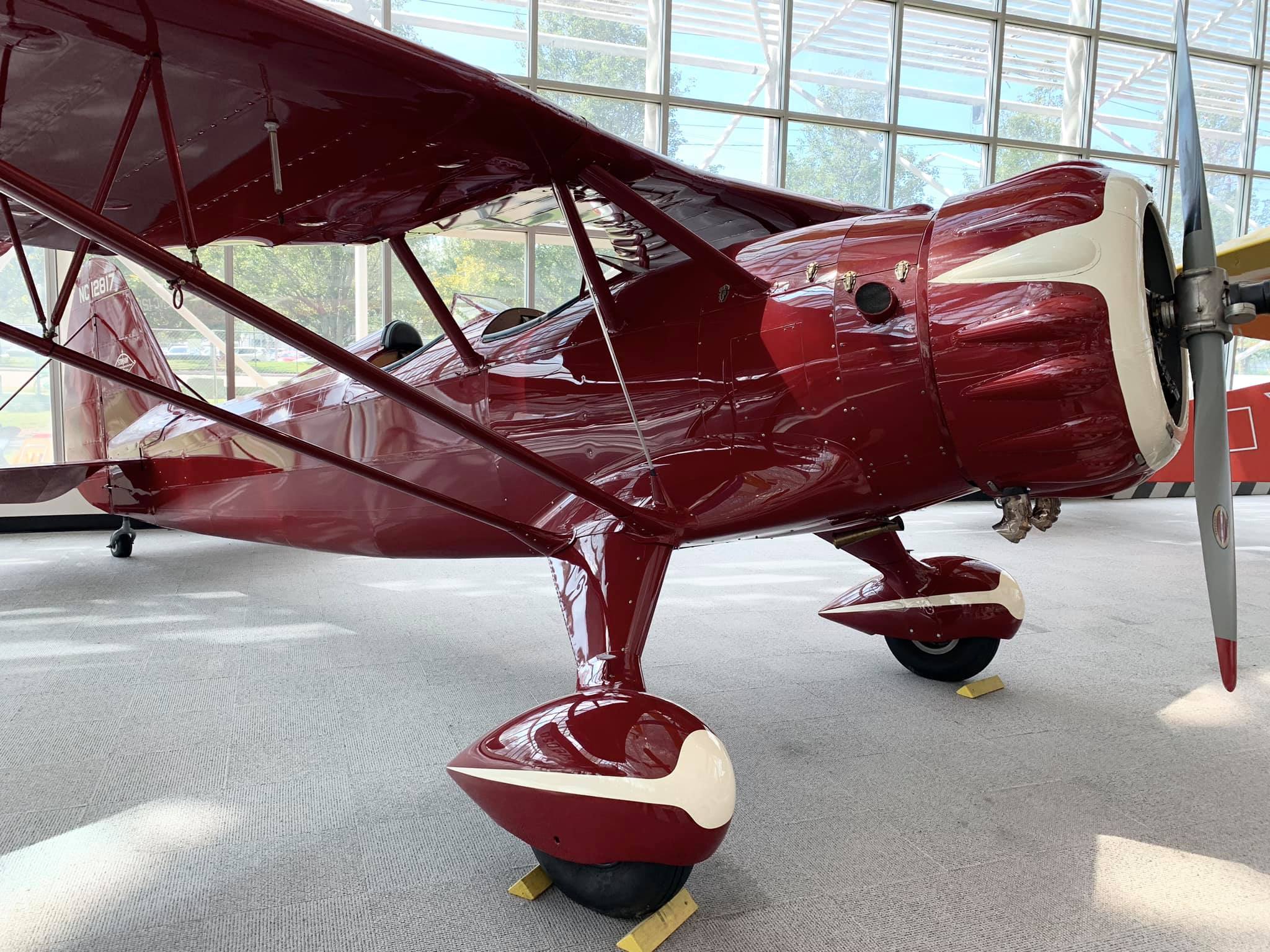
After finding a Stinson SR-5 Reliant project, complete with the correct Lycoming R-680 engine, Poling joined up with fellow pilot Jim Teel in July 2007, but after they determined that they needed greater resources to complete this project, Poling and Teel entrusted the building of the aircraft to Jeff Paulson of Scappoose, Oregon, and his restoration workshop, Overall Aircraft Services LLC. Over the next 28 months, Paulson and his team at Scappoose Airport worked on the project, while the Lycoming radial was sent to Radial Engines Inc. in Tulsa, Oklahoma, for a complete overhaul. Such was the attention to detail in this project that the aircraft was issued the construction number 10 to symbolize it being the tenth Model O built.


On March 24, 2010, the Stinson Model O reproduction, registered N12817, made its first flight at Scappoose Airport, Oregon, capping off the resurrection of an “extinct” design. That summer, the airplane was flown to EAA Airventure at Oshkosh, Wisconsin, where it won the Lindy award for Replica Aircraft Champion. Poling and Teel also flew the aircraft to the 2011 Antique Airplane Association Fly-In in Blakesburg, Iowa, and the Sun ‘N Fun Festival in Lakeland, Florida. In 2012, Brad Poling and Jim Teel donated the Stinson Model O to the Museum of Flight in Seattle, Washington, where it is on display in the museum’s Great Gallery.
About the author 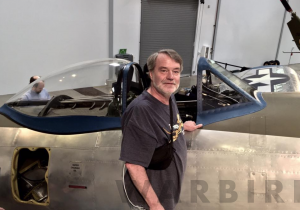
Randy Malmstrom grew up in a family steeped in aviation culture. His father, Bob, was still a cadet in training with the USAAF at the end of WWII, but did serve in Germany during the U.S. occupation in the immediate post-war period, where he had the opportunity to fly in a wide variety of types that flew in WWII. After returning to the States, Bob became a multi-engine aircraft sales manager and, as such, flew a wide variety of aircraft; Randy frequently accompanied him on these flights. Furthermore, Randy’s cousin, Einar Axel Malmstrom, flew P-47 Thunderbolts with the 356th FG from RAF Martlesham Heath. He was commanding this unit at the time he was shot down over France on April 24th, 1944, and spent the rest of the war as a prisoner of war. Following his repatriation at war’s end, Einar continued his military service, attaining the rank of Colonel. He was serving as Deputy Wing Commander of the 407th Strategic Fighter Wing at Great Falls AFB, MT, at the time of his death in a T-33 training accident on August 21, 1954. The base was renamed in his honor in October 1955 and continues to serve in the present USAF as home to the 341st Missile Wing. Randy’s innate interest in history in general, and aviation history in particular, plus his educational background and passion for WWII warbirds, led him down his current path of capturing detailed aircraft walk-around photos and in-depth airframe histories, recording a precise description of a particular aircraft in all aspects.