






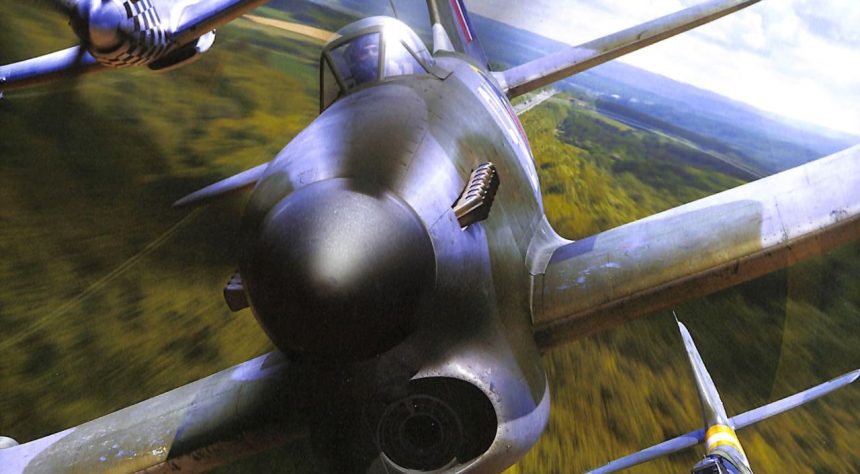

The Secret Horsepower Race: Western Front Fighter Engine Development by Calum Douglas, reviewed by Joe May, available on Amazon.
Author of The Secret Horsepower Race, Calum Douglas, is an expert with internal combustion engines, having a master’s degree in mechanical engineering and having studied under former chief motor racing designer for Cosworth, Geoff Goddard. He further enhanced his expertise while working for Toyota, studying Formula 1 engine technology. He also learned the German language, and more on that a bit later. Douglas opened with the in-your-face World War II daylight bombing raid by a trio of RAF Mosquitos meant to embarrass Herman Göring while giving a significant speech, setting the stage for the rest of the book.
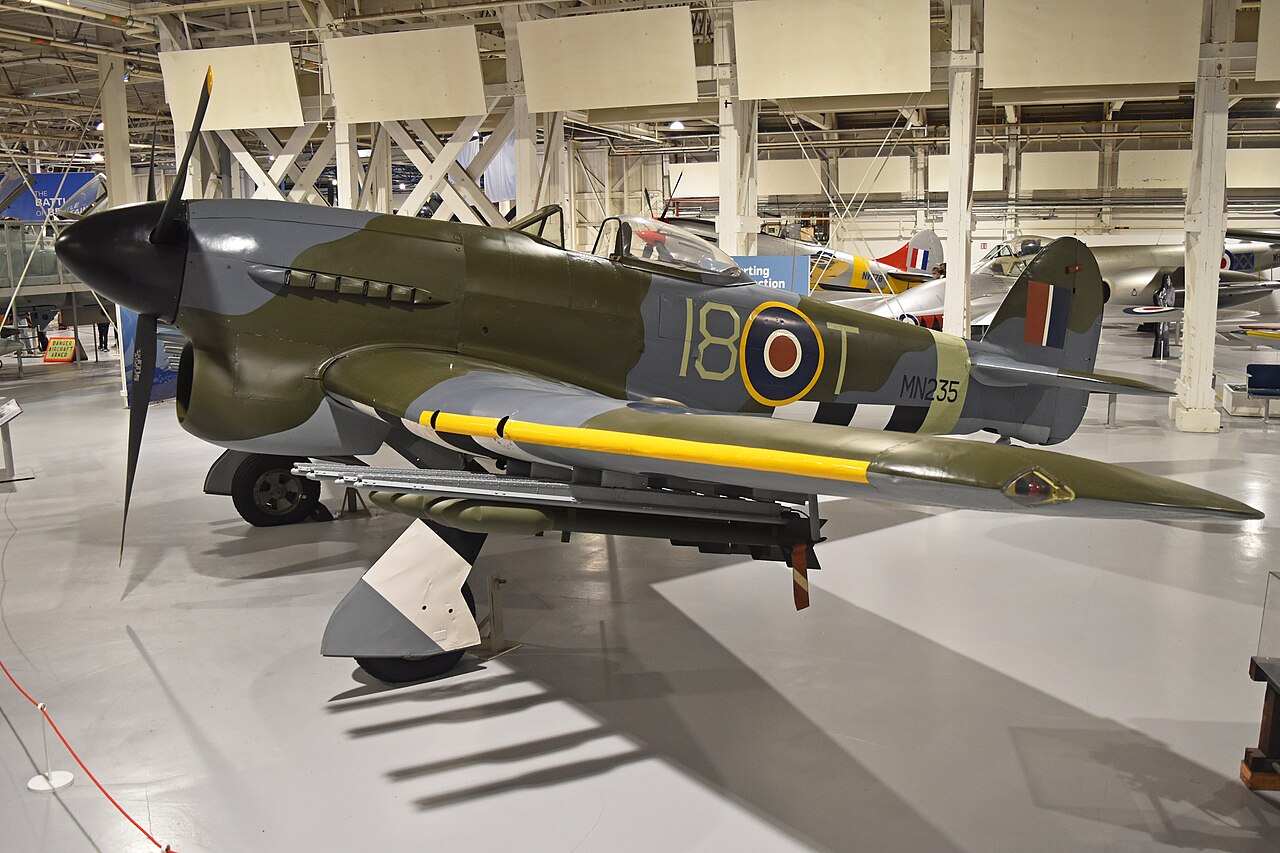
All the previously mentioned come together to produce this exciting story of five countries striving to develop the most powerful fighter engines possible in the ramp-up to World War II and its duration. In Europe, once World War II began, France dropped out after being invaded, and Italy, after a good start, faded—leaving Germany, Great Britain (now the UK), and the USA into increasingly urgent efforts to develop more powerful engines. A strategic race to supply more powerful engines in fighters for supremacy in the air.
Douglas presents the story, as the best writers do, by showing and not telling, which easily avoids what could have been a lengthy technical report. Instead, The Secret Horsepower Race—though full of understandings, knowledge, explanations, and illustrations—presents this undersold but fabulous tale in an exciting yet accurate and comprehensible way. Chapter Two is a needed read, though a bit dense, since this is where the reader comes to understand and appreciate the inner workings of powerful internal combustion aero engine design, testing, and production. Interestingly, each country both excelled and was left wanting in various areas of expertise compared to the others. Beginning with Chapter Three, the book figuratively takes off and becomes increasingly difficult to put down as the reader follows various engine types with their successes or failures. Along the way, Douglas also notes events of World War II influenced by these engines, as well as changes demanded of these engines. Many of these observations are revelatory, such as his view of the importance of a successful Operation Torch, which denied Nazi Germany its chief source of cobalt.
Lack of rare earth metal ores became increasingly problematic for Germany as the war progressed, since less and less of these precious ores were obtained. These metals were desperately needed to make the best corrosion-proof valves, especially the exhaust valves, as the reader learns. Douglas profoundly underscores the importance of these metals as well as why it was strategic for Germany to invade Norway early on in order to obtain nickel. During the war, the Allies enjoyed an abundance of rare earth metals, which went beyond nickel and cobalt to include indium as well, even silver and gold in bearing fabrication. While the Allies improved bearing life with exotic metal alloys using rare earths, the Germans were left to devise ways to simply keep their engines running without them. Chromium was substituted for cobalt, as an example, and it was a small technical miracle accomplished by German engineering, along with “economy steel” substitution for higher-grade alloys. Germany knew of Allied bearing technology intimately after analysis of crashed aircraft, but could not replicate it without the required rare earth metals.
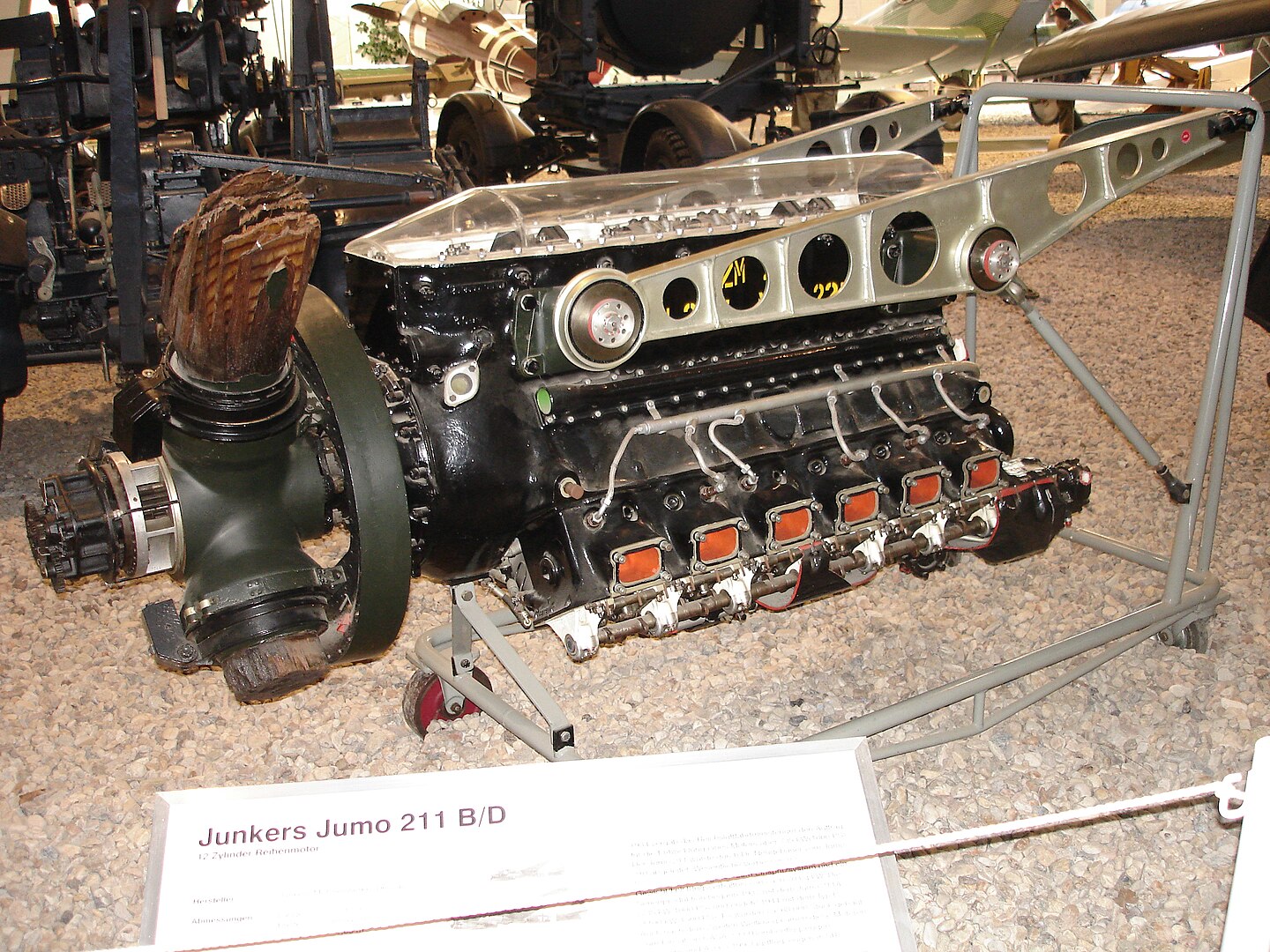
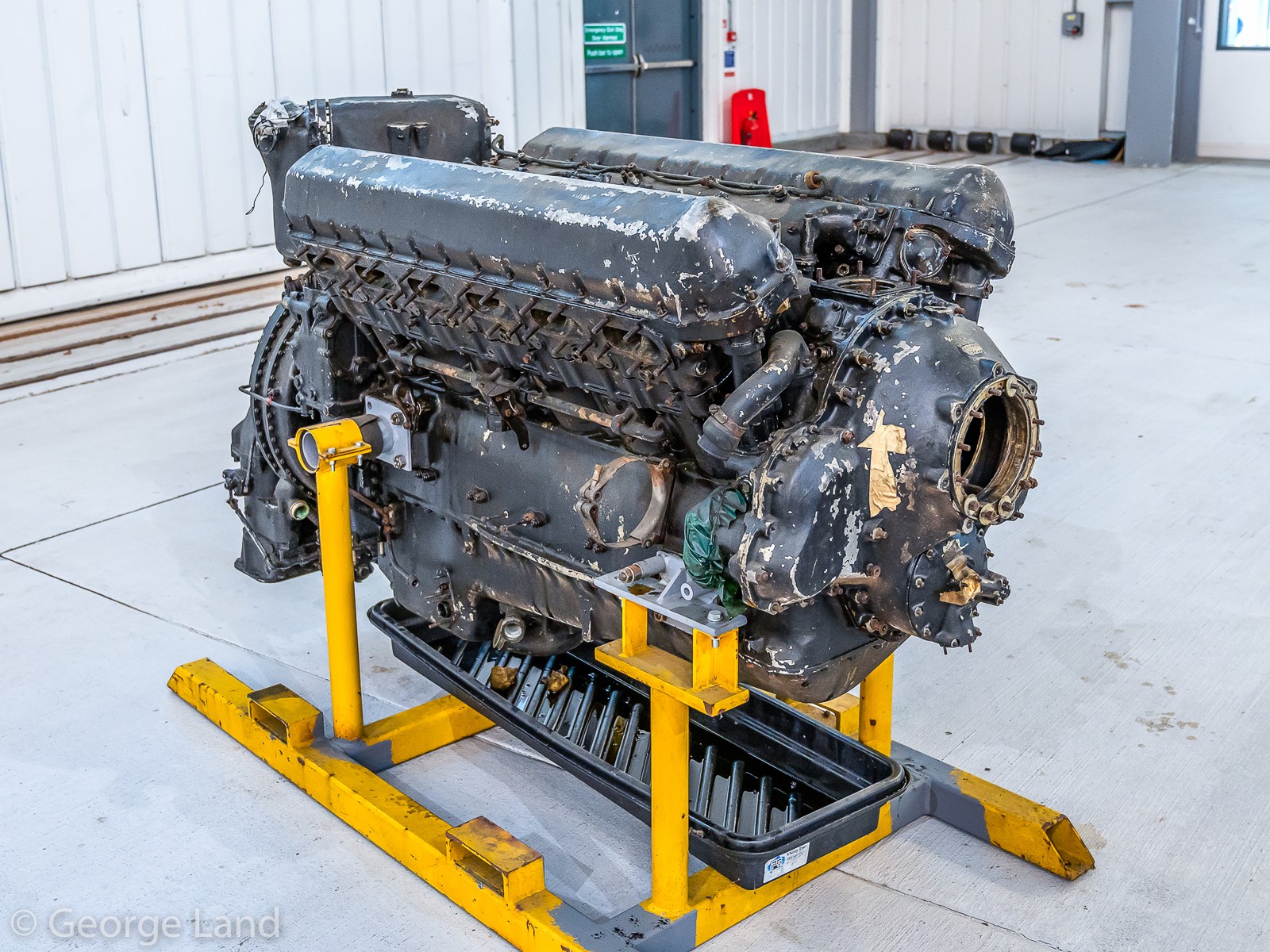
The physics behind partially filled sodium hollow-stemmed valves is fascinating to learn about, as is the imperative nature of rapid heat transfer away from the combustion chamber for thousands of instances during each minute of engine operation. There is nothing overlooked, as even the minute gaps where the threads of a spark plug do not contact the cylinder head, which impedes heat transfer, are addressed. The reader comes to appreciate the absolute harmony of a smoothly running yet powerful internal combustion engine.
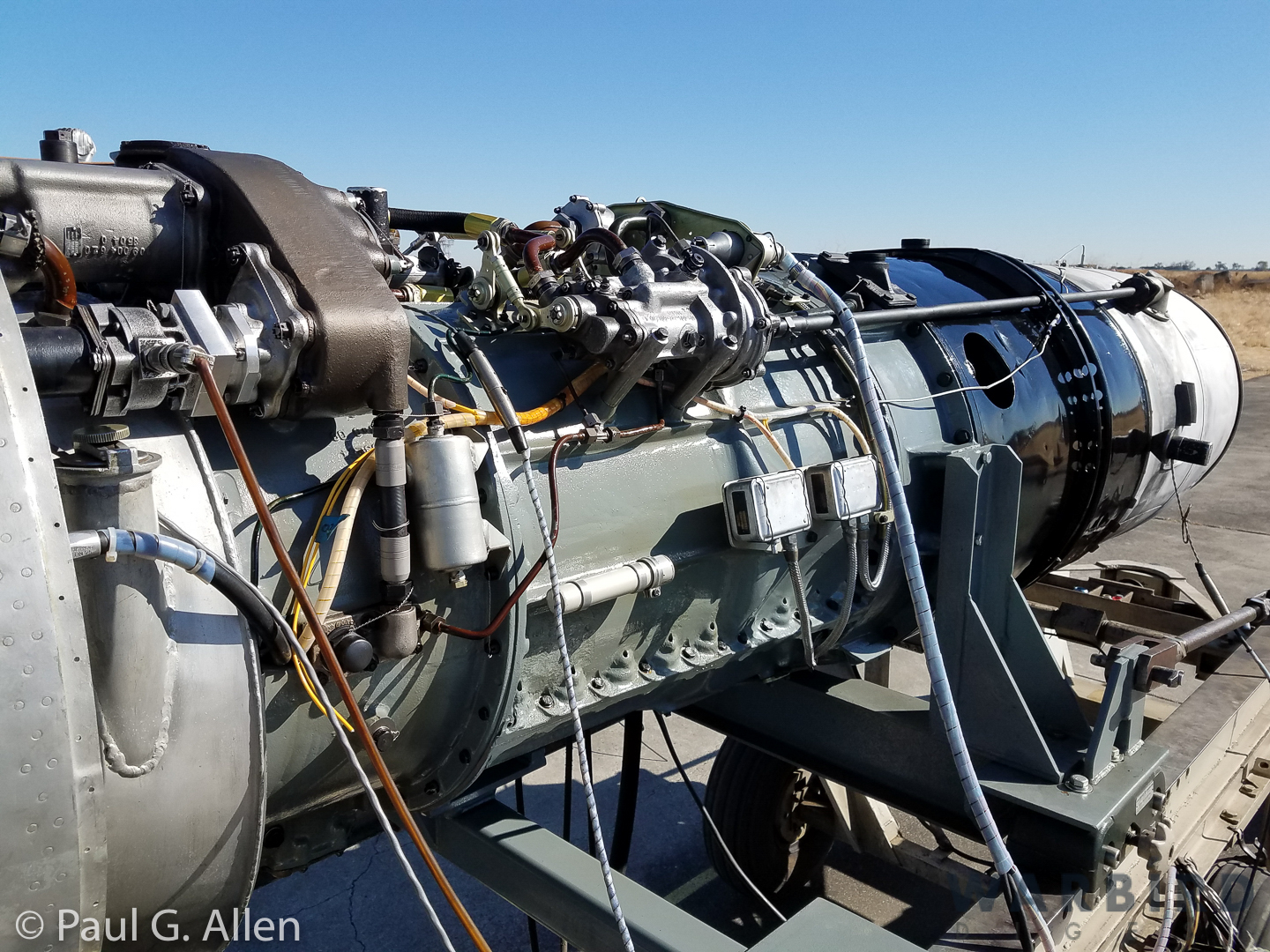
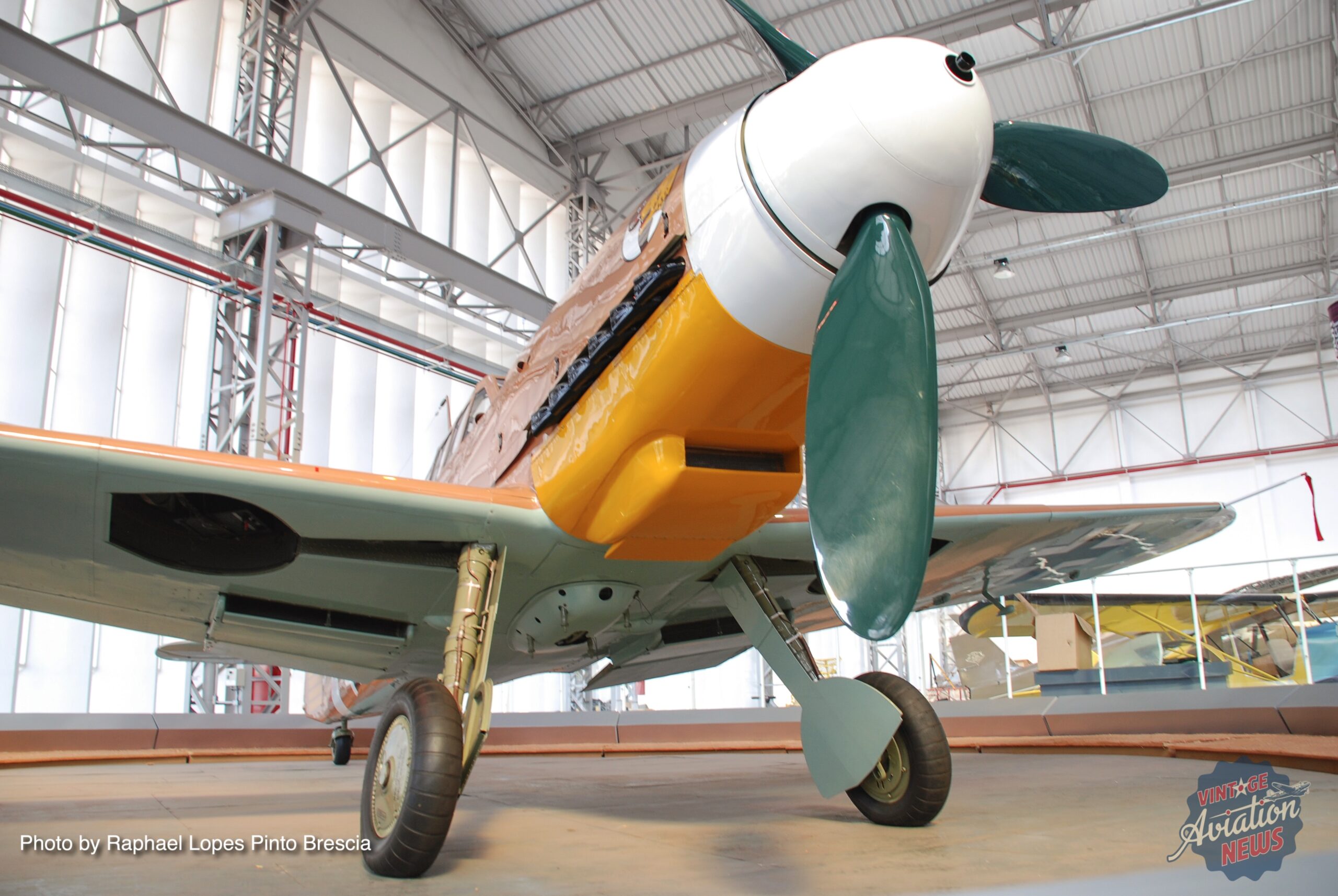
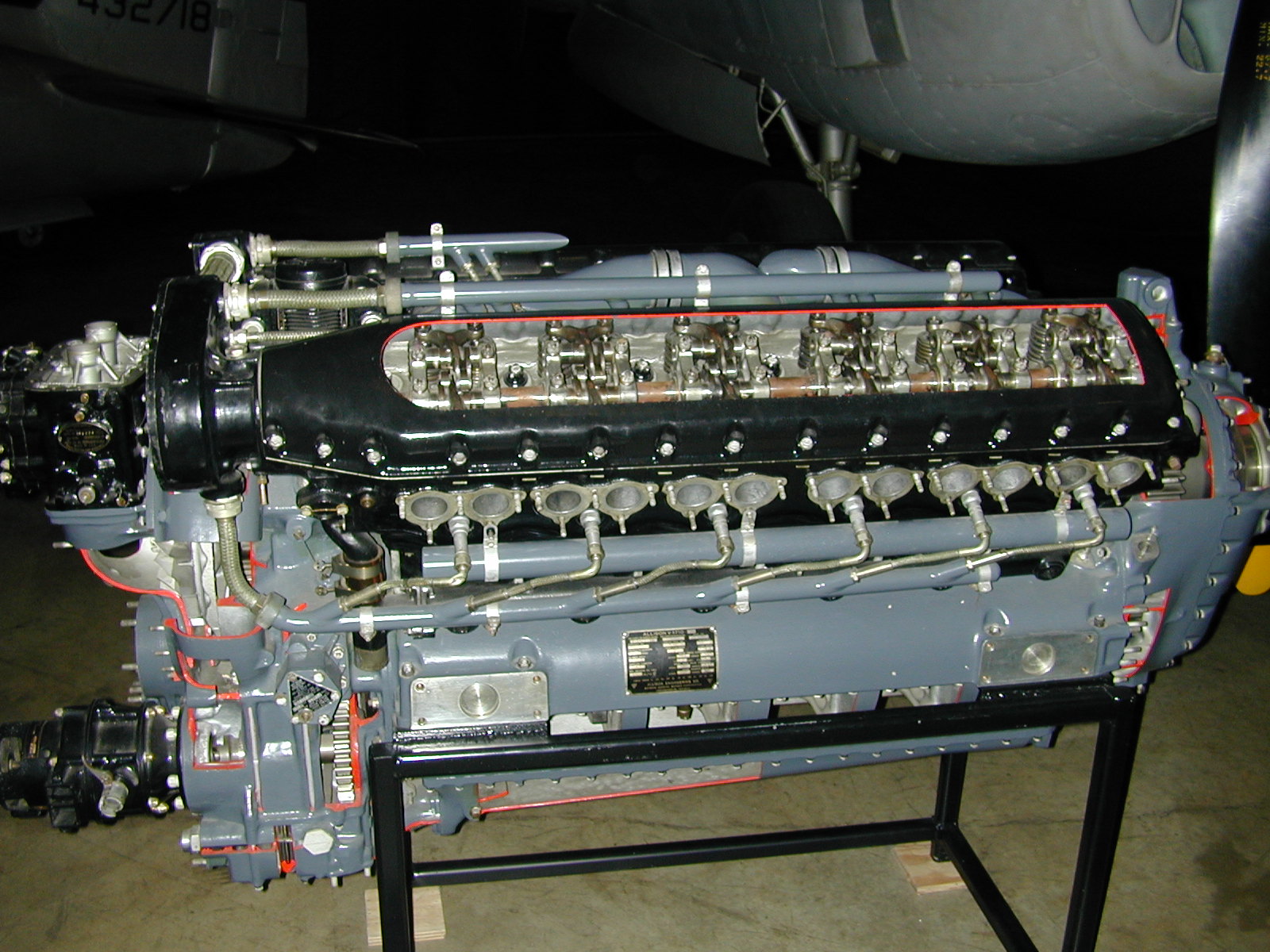
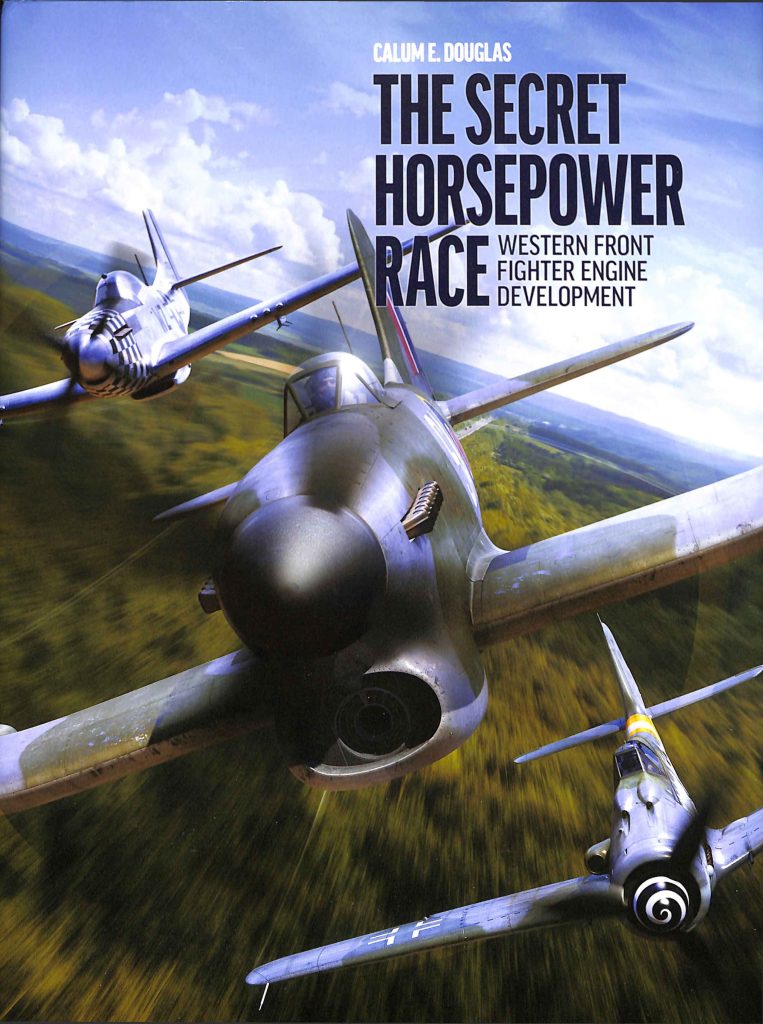
The Secret Horsepower Race mentions and describes several engines and makers, but emphasizes the Rolls-Royce Merlin and Packard-built Merlin V-1650 (e.g., Spitfire and Mustang), the Allison V-1710 (e.g., P-38), the Daimler-Benz DB 601 (Bf 109, later renamed Me 109) as well as the Jumo 213 (Fw 190 and Ta 152). Other engines are also described in some detail, like those produced by Pratt & Whitney, BMW, Napier, and Bristol. The three spotlighted engines, and their countries of origin, are cleverly (and subtly) represented on the book’s cover with the imaginative artwork of the renowned Piotr Forkasiewicz in his illustration of an RAF Spitfire, Luftwaffe Fw 190, and US Army Air Forces Mustang flying low and flying fast!
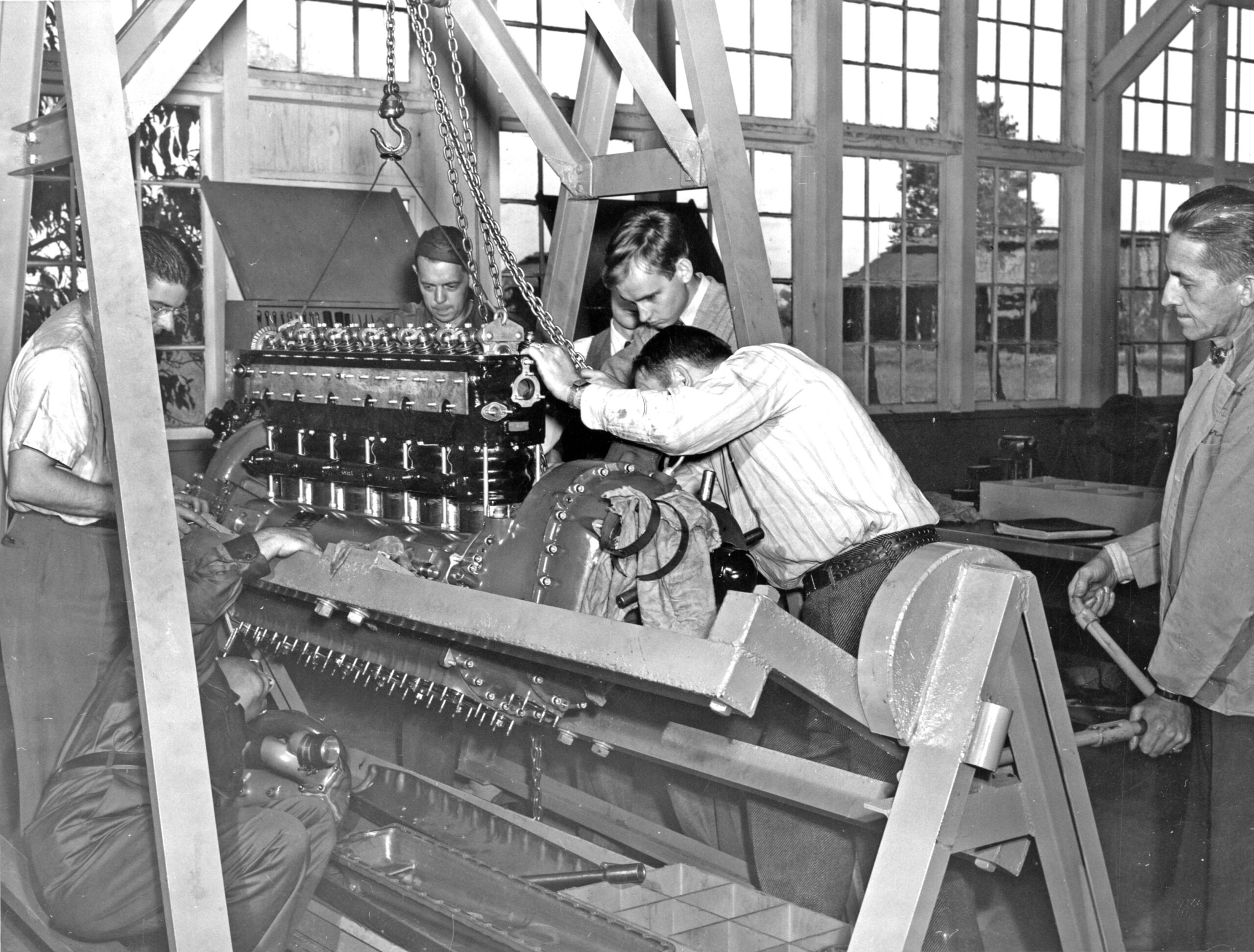
Readers also learn to appreciate that engine development is a years-long and iterative process. Back in the day, designers were simultaneously advancing engine development as well as devising new engine testing techniques while demands for more power and at higher altitudes quickly became paramount. Before the war’s outbreak, most planners did not envision 400 mph+ speeds at altitudes well above 20,000 feet. The story of Italy’s engine testing chamber is amazing. However, it is the engine testing facility at Farnborough that draws the most awe, with a dedicated engine to depressurise the testing chamber, and an additional four engines driving air to the test engine at speeds of hundreds of miles per hour, not to forget the test engine. So…as many as six high-powered engines running in unison—the inhabitants of Farnborough must have been more than aware of testing days.
Returning to the author’s understanding of German—Douglas translated, and included, many German messages and conversation transcripts. Because of this, the context of the time, as well as the deciding factors by the likes of Albert Speer (Nazi Minister of Armaments), Kurt Tank (Chief Designer at Focke Wulf), Erhard Milch (Luftwaffe chief), and Adolf Galland (famed and admired Luftwaffe leader), are represented as precisely as possible. For instance, Douglas cites Adolf Galland, who angrily stated his opinion that he was absolutely sure that the Luftwaffe’s most able pilot, Hans-Joachim Marseille, died because of engine failure due to faulty bearings (their overheating caused an engine fire). I’m not aware of this being cited in the two biographies of Joachim-Marseille I’ve read—it is the German translation which makes this type of difference. Galland was also underscoring the abysmal fighter engine life expectancy of less than 50 hours between major overhauls due to ill-manufactured engine bearings. Fifty hours when Allied engines would go for 300 hours! Additionally, Luftwaffe engines were continuously derated as the war advanced to its conclusion. In another revelatory observation, Luftwaffe mechanics replaced exhaust valves ten times more frequently than Allied aviation mechanics.
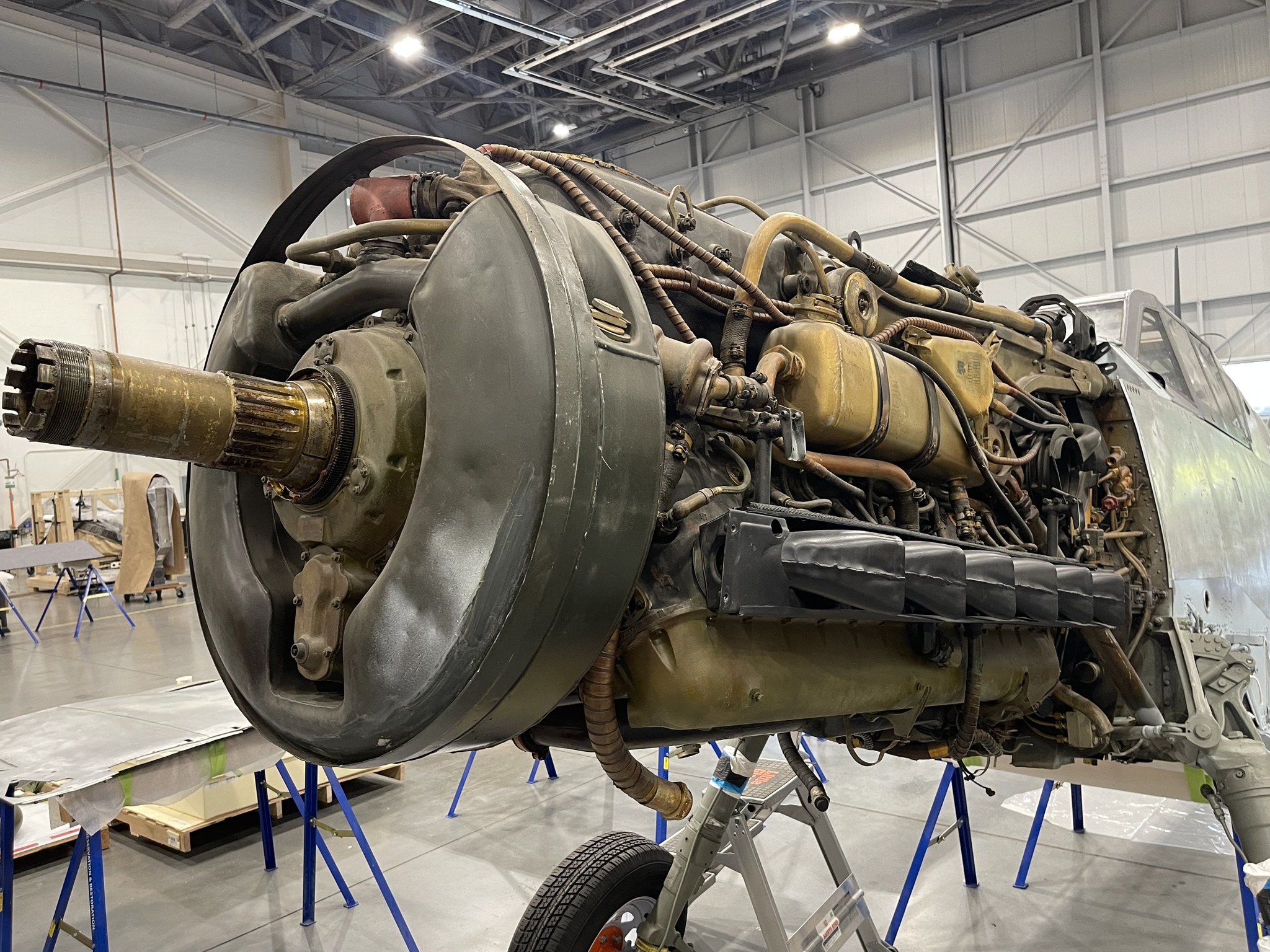
Douglas’s insights continue throughout The Secret Horsepower Race. Insights into flying the P-38 Lightning, advantages of fuel injection (as well as its main drawback), how an Allied scientist figured out an Achilles’ Heel regarding German aviation fuel that was not used for another year (at a cost of many lives), Speer’s 8000 aircraft number fudge…and much more. Supercharging and turbocharging become a significant part of this story, with their developments approached from different angles and with varied timing by each maker. Which brings into view the strategic nature of this usually underwhelmingly addressed part of aviation history—the close association between national testing facilities and privately owned engine designing/production firms. Amazingly, each country easily devoted hundreds of people to their efforts. Engine design and development ranged from octane enhancement to impeller vane design, valve overlap, various methods of boosting, and more.
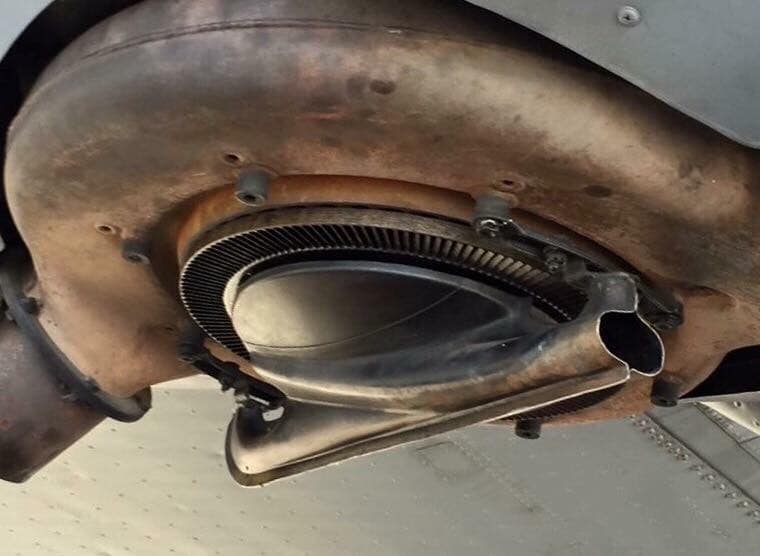
More surprises await! Great Britain’s slowness to adopt fuel injection, though many crashed Luftwaffe fuel-injected engines were analyzed and tested. The Allies knew of “Ha Ha” gas by name, but the story of its taking over a year to solve, as well as why Great Britain could only use it with the de Havilland Mosquito, illustrates the author’s range. Nazi Germans excelled in engine boost control, with the Allies late to catch up. German engineers developed the Kommandogerät mechanical computer, freeing Luftwaffe pilots to better concentrate during aerial combat since rapid changes in altitude required equally quick adjustment of engine boost pressure. Failure could result in engine destruction at worst, or certainly a critical loss of power. A P-38 pilot, for example, would have to constantly adjust throttle, mixture, and boost while keeping in mind his situational awareness, all while twisting, zooming, and diving in a fight—that is, until the P-38J model, as Douglas ably details.
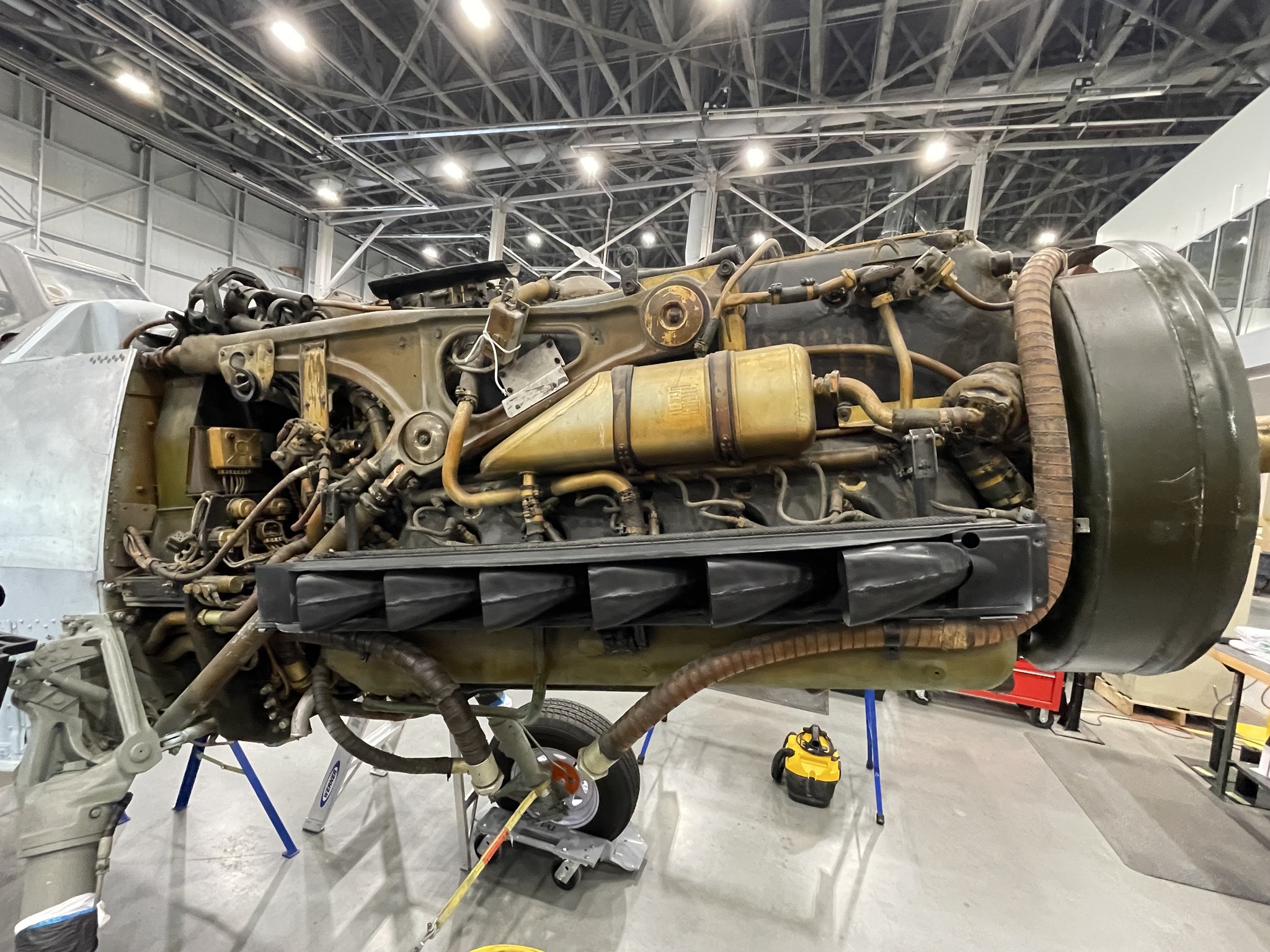
The use of tetraethyllead (TEL in the book) for octane control and valve overlap (measured as degrees of crankshaft rotation) is nicely told, as is the Allied mystery of why the Luftwaffe fighter engines used a higher octane than they could fully utilize. Another fantastic insight is the need for crankcase scavenger oil pumps to have much greater capacity than the oil pumps proper, and how some countries came to that realization before others, to their immense advantage. Why the inverted V engine design became standard is demystified, as is why air-cooled engines are run differently compared to liquid-cooled designs.
A plethora of sidebars describing pertinent personalities gives the human dimension to this historical and fantastic story. Learn about high-powered aircraft engines (many elements of which remain in today’s commercial engines). Learn about decision points in the history of World War II and the fate of aircraft designs. Learn about the people behind it all—the designers, testers, and users. Notably, The Secret Horsepower Race has also been translated into German and Italian. This book is equally at home on the aviation bookshelf, on the coffee table, and in the World War II history section.
| Hardcover
Publisher: Tempest Books Year published: 2020 11.5” x 8.5” Index ✔︎ Bibliography ✔︎ Notes ✔︎ Photos (many) Cost: £35/$49.99 ISBN 978-1-911658-50-4 479 pages Available on Amazon |












In what possible universe are nickel and cobalt rare earth metals?