
(Image credit: VAN)
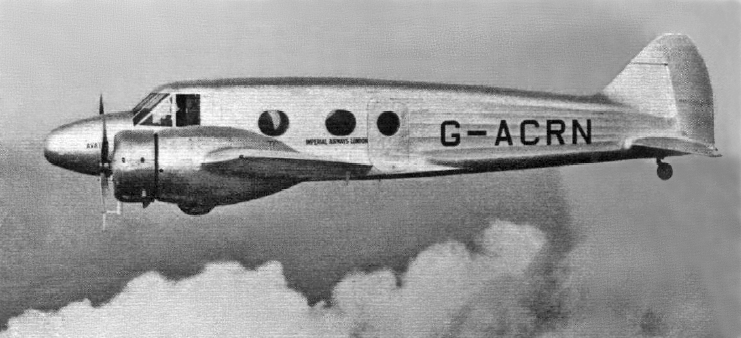
On this day in aviation history, 91 years ago (March 11, 1935), the Avro 652 officially began passenger-carrying service with Imperial Airways. An early British airline service, Imperial Airways, catered primarily to businessmen and colonial administrators. Suffering from early operational accidents, Imperial never matched their competitors in terms of technological innovation or passenger experience. In 1939, the airline was merged into the British Overseas Airways Corporation (BOAC). In 1974, BOAC merged with British European Airways (BEA) to form British Airways, which is a highly successful commercial passenger-carrying airline, still in operation today.
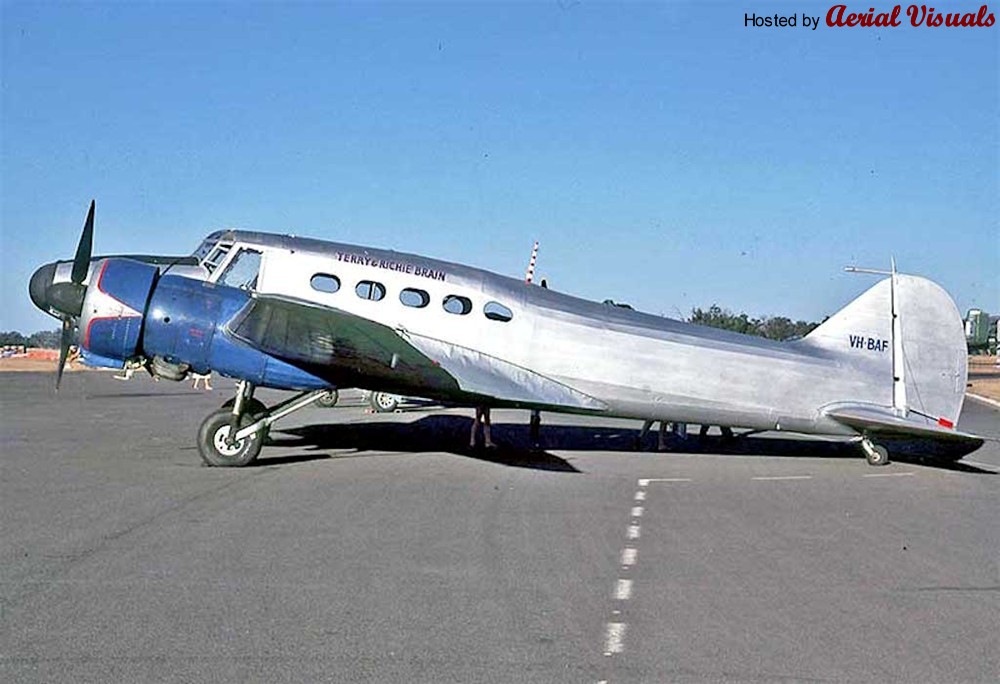
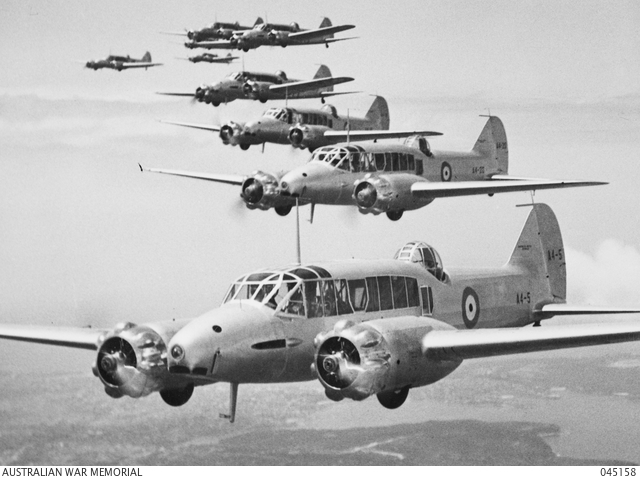
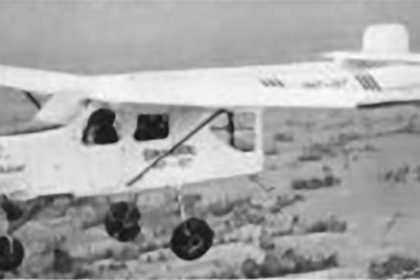
The Avro 652 was a light British airliner that was designed and built by A.V. Roe and Company (Avro). A twin-engined, low-wing monoplane with a tailwheel, the 652 was built only twice. Development of aircraft began in 1933, upon the issuance of a specification by Imperial Airways that sought a light airliner. Imperial needed the aircraft to be able to transport four passengers up to 420 miles, at a cruising speed of 130 mph. Early during the aircraft’s development, Imperial added a requirement to the specification for the ability to fly the Karachi-Bombay-Colombo night mail service.
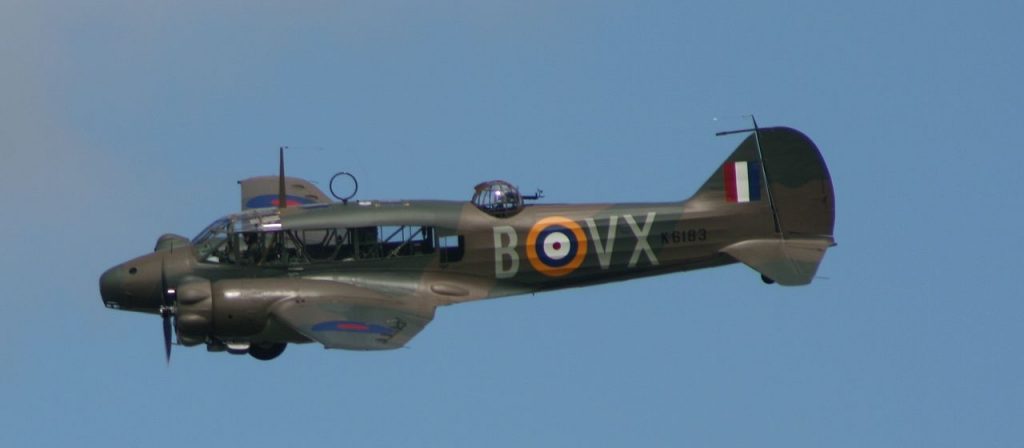
An amended design was completed by Avro and accepted by Imperial, who ordered two 652s in April of 1934. The Avro 652 first flew on January 7, 1935, and was certified in March of 1935. Both of the 652s built were delivered to Imperial on March 11, 1935, at Croydon Airport. The aircraft would fly passengers and mail on the route from Croydon to Brindisi. In 1938, both 652s were sold to Air Service Training Ltd, which operated under a contract with the Air Ministry. Based at Hamble Airfield, these 652s served as navigational trainers with the No.3 E&RFTS (Elementary and Reserve Flying Training School). In March 1941, both aircraft were pressed into World War II service with the RAF’s No. 1 School of Photography. In July 1941, the 652s were transferred to the Fleet Air Arm, and eventually struck off charge in March 1942. Avro’s 652 was powered by two 290-horsepower Armstrong Siddeley Cheetah VI 7-cylinder radial engines, which allowed the aircraft to attain a maximum airspeed of 195 miles per hour (though they would typically cruise at 165). The aircraft had a range of 684 nautical miles and a service ceiling of 21,500 feet. The 652 left a positive impression on the Air Ministry during its service, leading to the development of a successor, the Avro Anson. The Anson would be used in World War II as a bomber crew trainer and for aerial photography.