
(Image credit: VAN)
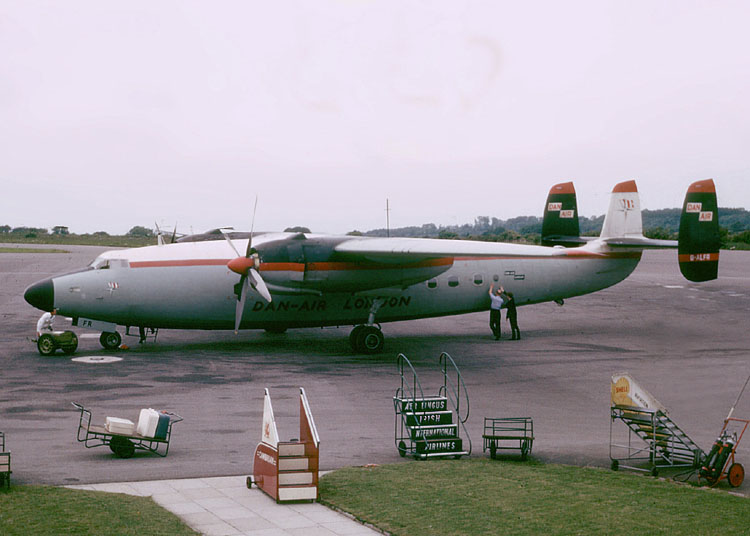
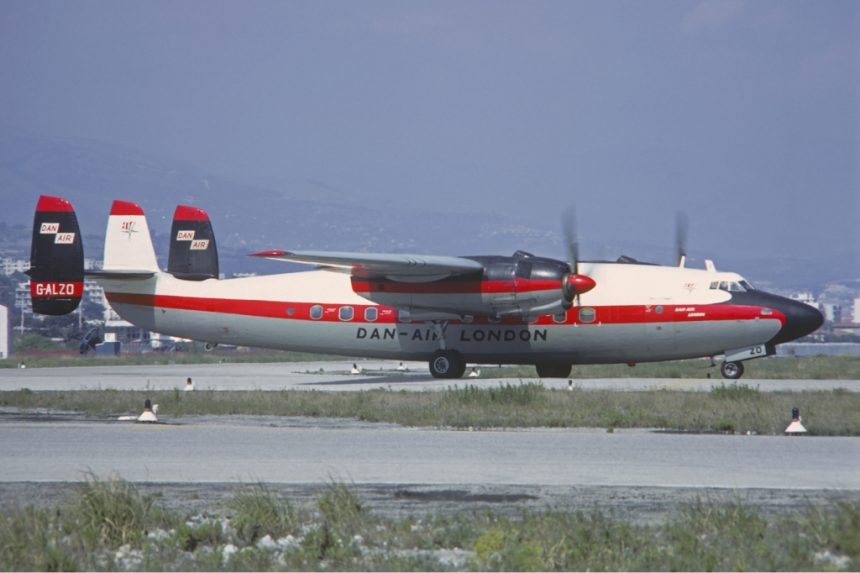
On this day in aviation history, 74 years ago (March 13, 1952), the Airspeed AS.57 Ambassador officially entered airline service with British European Airways. The AS.57 was a twin-engine piston-powered airliner designed and built by Airspeed Ltd., a British aircraft manufacturer. The Ambassador holds the distinction of being one of the first airliners to be produced post-World War II. The first scheduled flight of the AS.57 was from Heathrow to Paris Le Bourget.
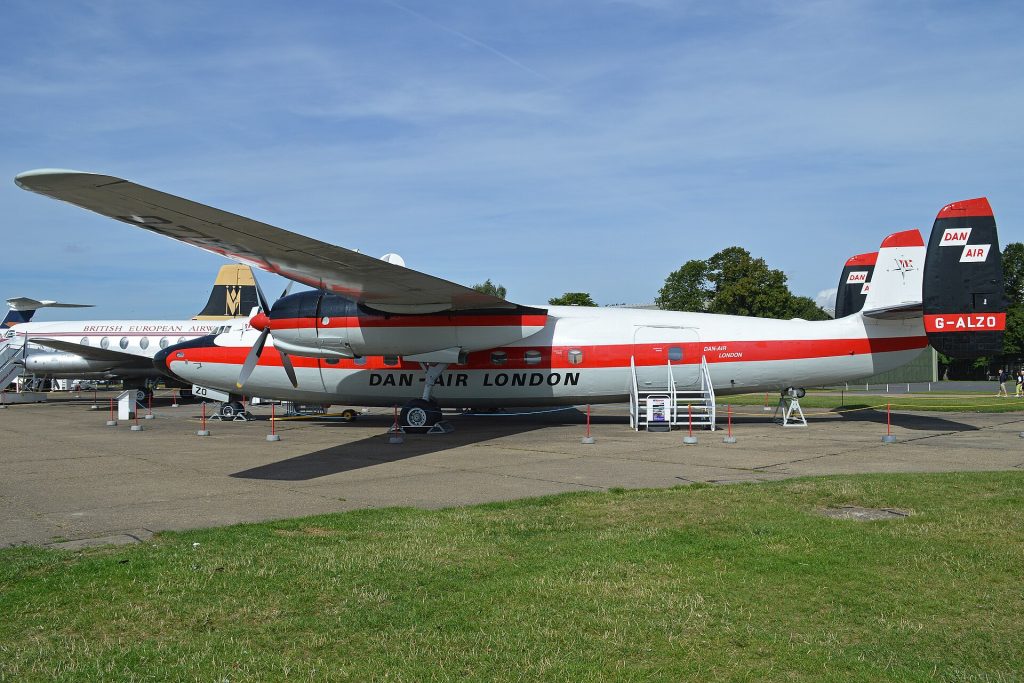
Airspeed began development on the AS.57 after the Brabazon Committee issued a requirement for a twin-engined short-to-medium-haul airliner. The Brabazon Committee was established by the British government in mid-World War II to monitor the possible future needs of the Empire’s civilian airliner market after the War’s end. The Committee’s intention upon releasing the requirement for a new airliner was to replace the Douglas DC-3s being flown at the time. A design team was formed and situated at Fairmile Manor, Cobham, in 1943 by Airspeed. The company faced much doubt from the public about their ability to produce and grow a successful airliner. Nevertheless, Airspeed pressed on with the AS.57’s development.
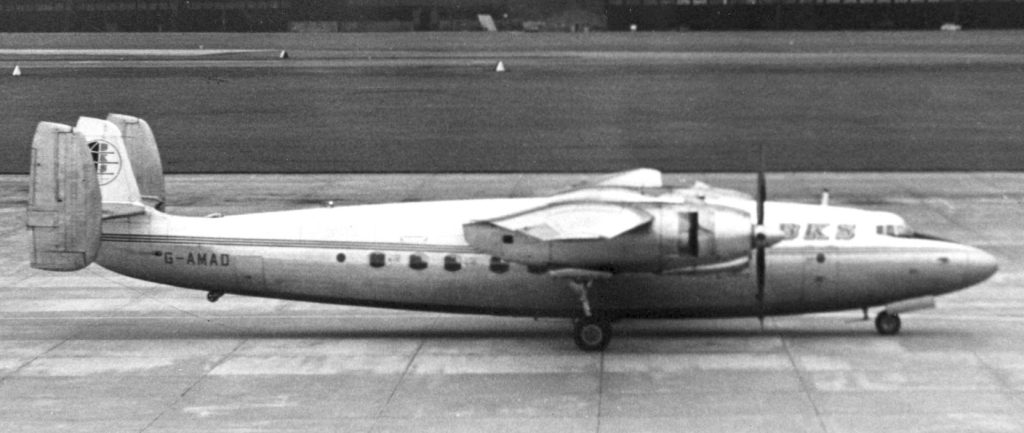
The AS.57 Ambassador first flew on July 10, 1947, at Christchurch, with chief test pilot George Errington at the helm. British European Airways (BEA) was keen to operate the AS.57, placing a £3 million order for 20 aircraft in September 1948. Upon receipt of the aircraft, BEA called the AS.57 fleet the “Elizabethan,” as they were used for BEA’s “Elizabethan Class” passenger service. Over time, the Ambassador proved to be less of a performer than her contemporaries, including the Vickers Viscount that BEA was also operating at the time. In 1958, British European Airways withdrew the Ambassador fleet from service.
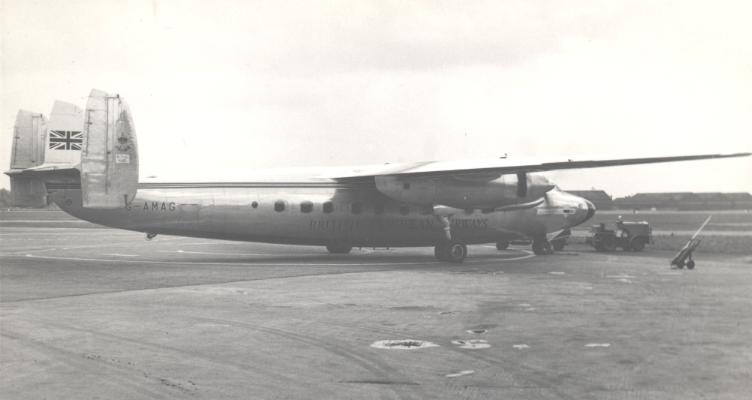
Airspeed provided the AS.57 with some innovative features, including a cabin that could seat up to 60 passengers, with optional pressurization, depending on customer preference. Airspeed placed much effort towards passenger comfort, also prioritizing soundproofing and comfortable furnishings. The AS.57 was flown by a crew of three and was powered by two Bristol Centaurus 661 18-cylinder radial engines, each with 2,625 horsepower. Cruise speed for the AS.57 was between 279 and 300 mph, depending on altitude and payload. The maximum airspeed for the Ambassador was not much higher at 312 mph. With 7,900 pounds of payload and max fuel, flying at 280 mph, the AS.57’s range was 1,360 nautical miles. Only 23 Airspeed AS.57 Ambassadors were manufactured between 1947 and 1953, and none survive today.