
By Randy Malmstrom
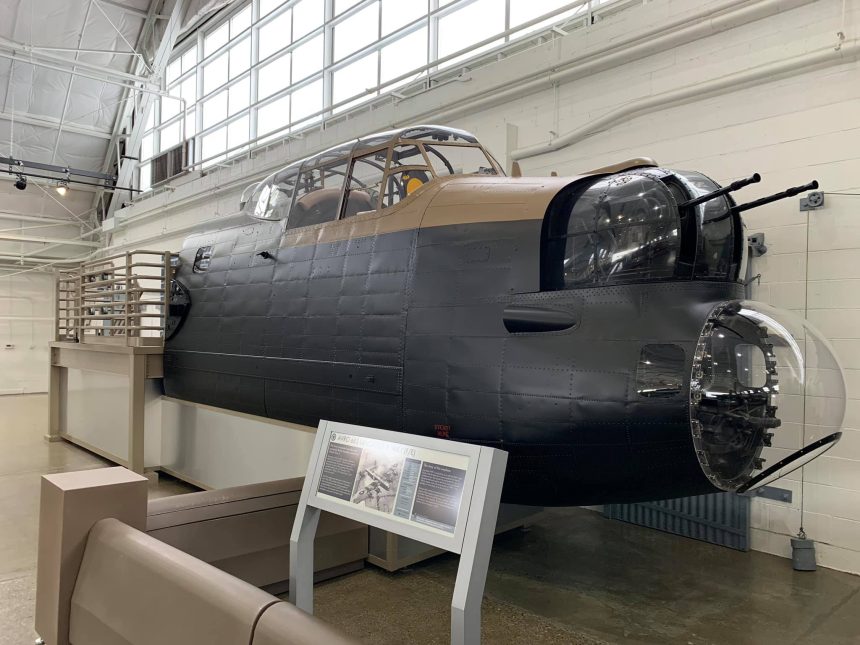
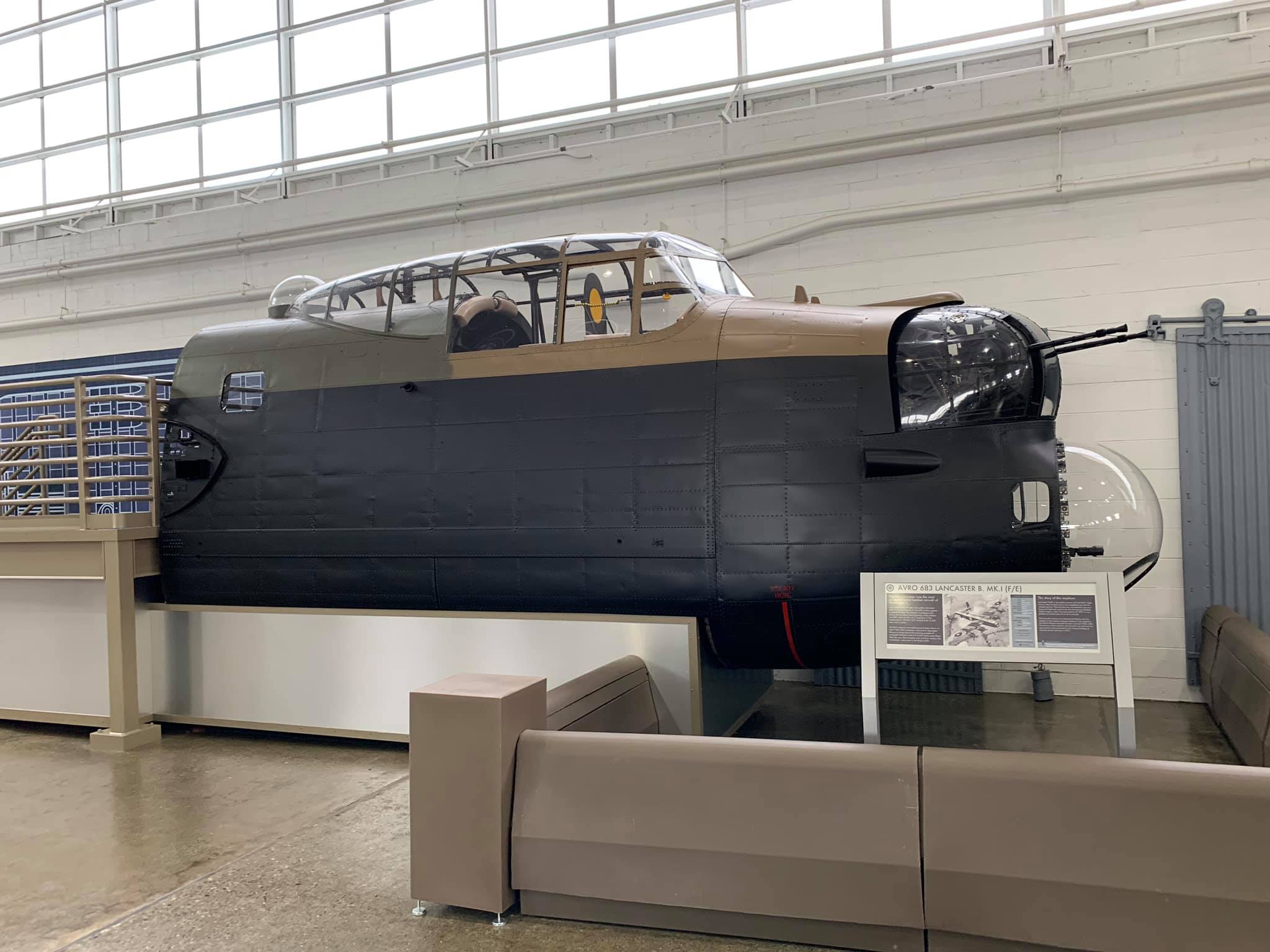
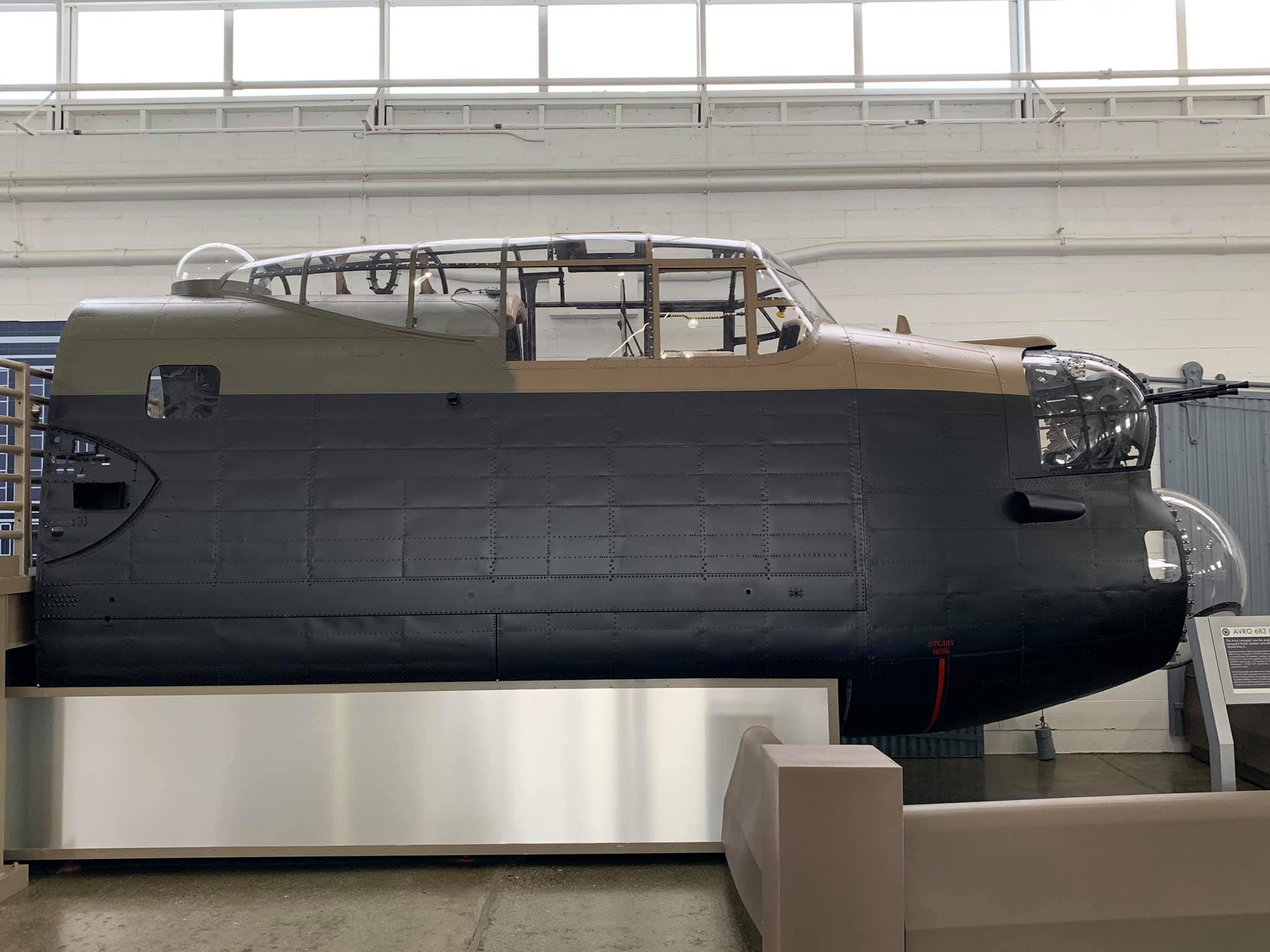
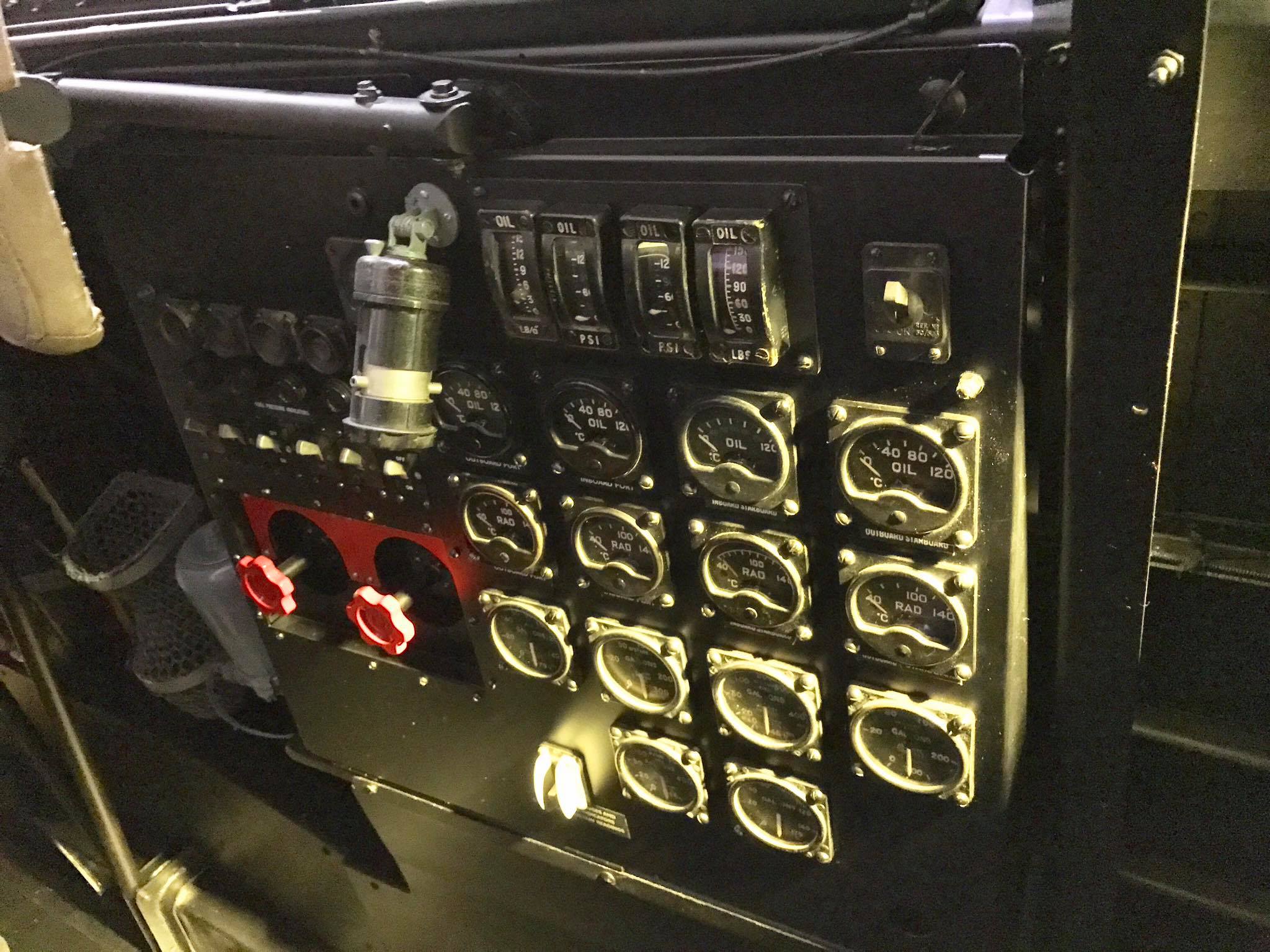
Avro 683 Lancaster B Mk. I (FE), serial no. TW911. This forward fuselage section is from a Lancaster that was the last of the ninth production batch of fifty aircraft (TW858 to TW873, TW878 to TW911) built by Sir W.G. Armstrong Whitworth Aircraft Ltd. at their Baginton, Warwickshire, plant between July 1945 and March 1946.
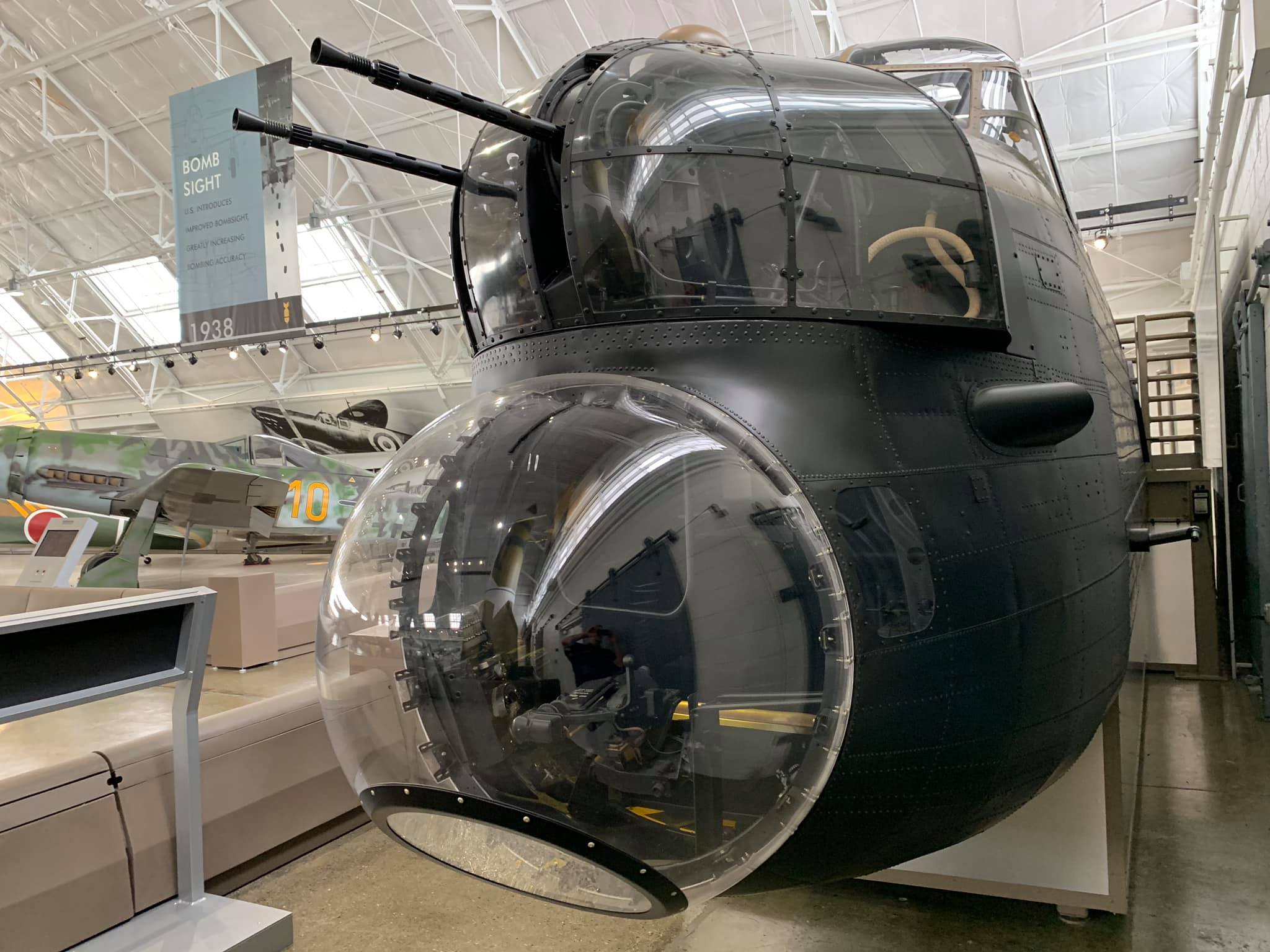
It was built as a B Mk. I (FE), for Far East, was designated to serve with the British Royal Air Force’s Tiger Force (Very Long Range Bomber Force) in the Far East, in preparation for the intended invasion of Japan. World War II came to a close before any of these aircraft were deployed. The FE variant carried an additional 400 gallons of fuel and had updated navigation equipment. The aircraft was converted by Armstrong Siddeley Motors Ltd. for testing of the Armstrong Siddeley Python turboprop engine; the two outboard Merlin engines were replaced by Armstrong Siddeley Python engines. In 1954, the aircraft was dismantled, but this forward section was fitted to the aft section of an Avro Type 694 Lincoln, #RF342, and as such, remained airworthy and carried out extensive flight tests before it was retired in 1962, after which it was housed at Southend Historic Aircraft Museum in the U.K. It was the test bed for the Armstrong Siddeley Python turboprop at RAF Bitteswell in the early 1950’s.
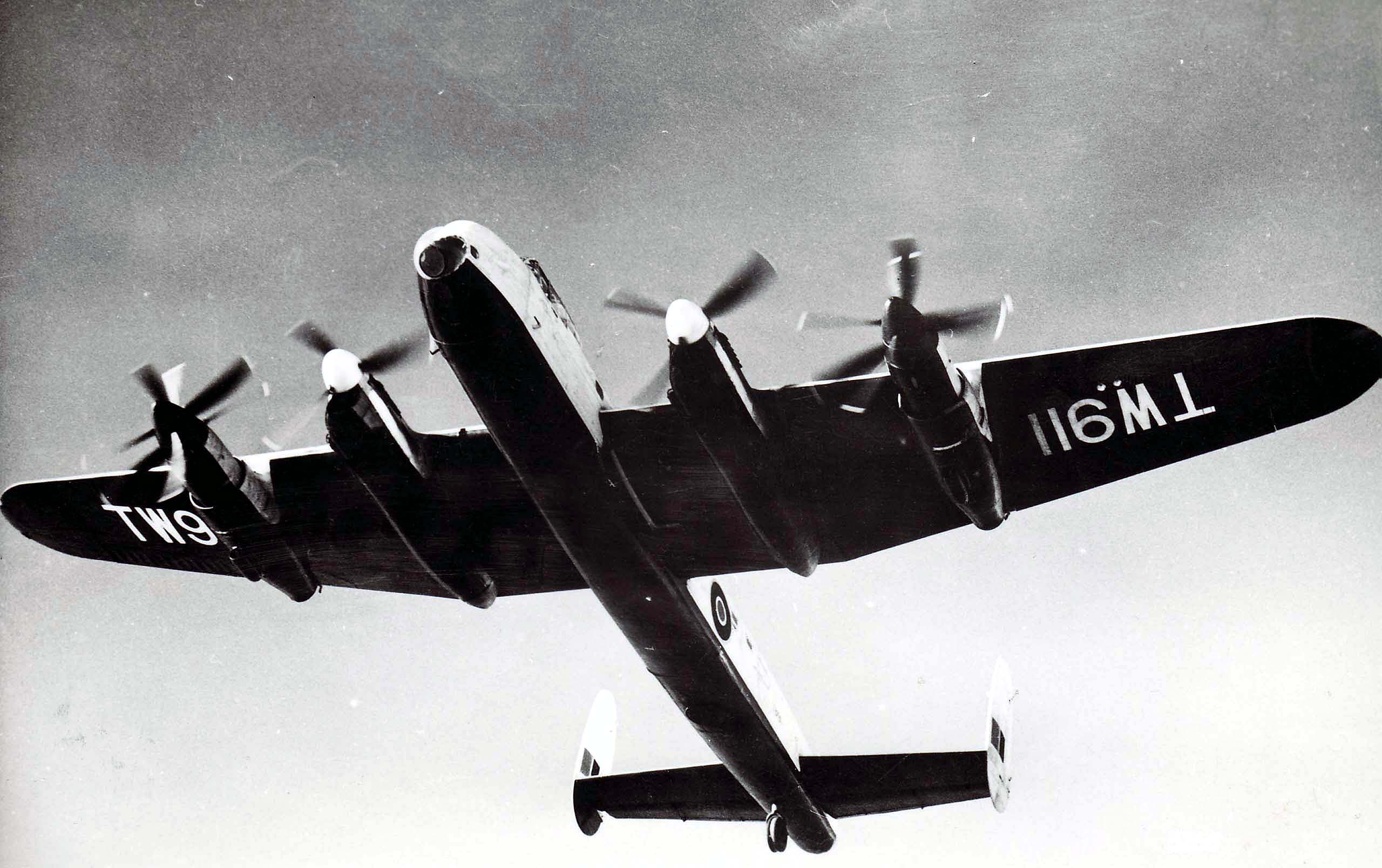
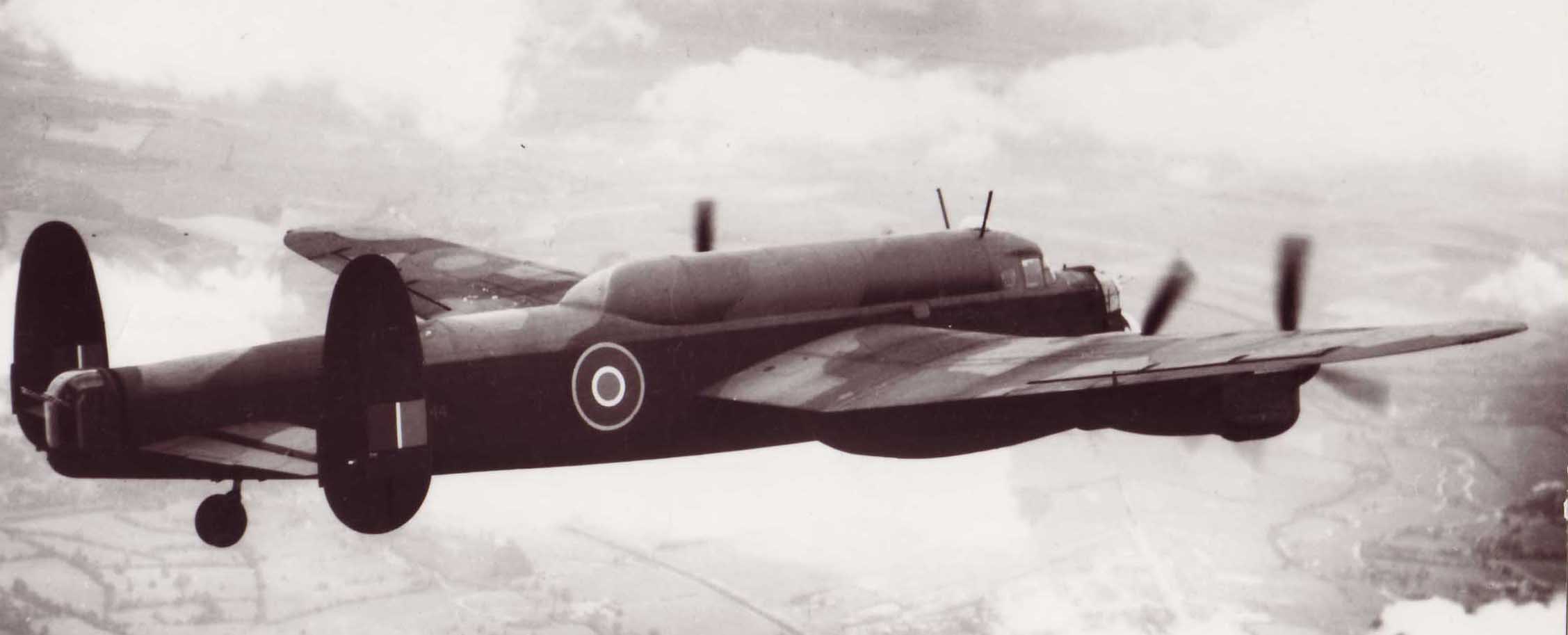
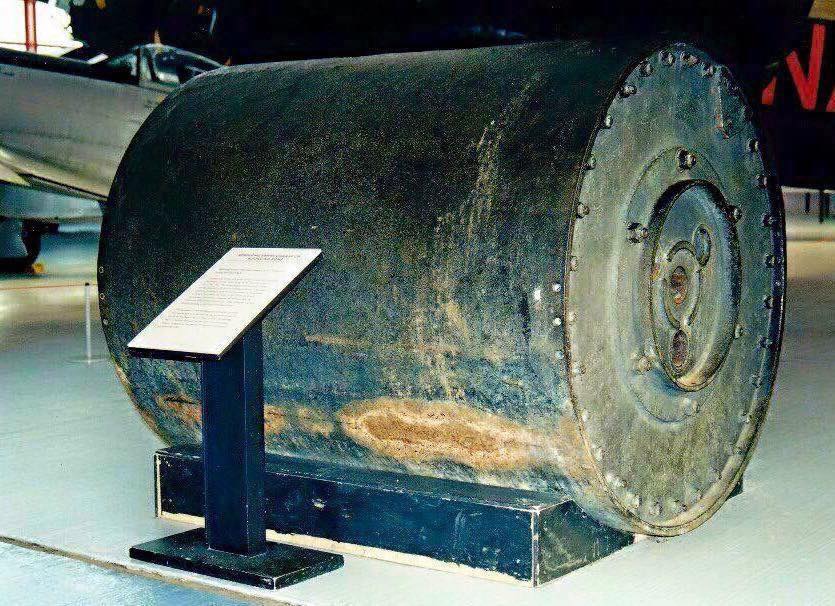
Beginning in 1963, RF342 flew as Lincoln B.2 G-APRJ owned by D. Napier & Sons of Luton and used for de-icing research, and was donated to the Southend Museum in 1987 when that museum closed. Restored it to bomber configuration; this forward section had been on display at Flying Heritage & Combat Armor Museum (FHCAM) until its closure in May 2020; the Wartime History Museum has acquired all of the collection. At last, I heard that the remainder of the RF342 Lincoln is now stored with the Australian National Aviation Museum in Melbourne, Australia. My photos, including the Vickers Type 464 bouncing bomb at Imperial War Museum, Duxford, and a walkaround clip at FHCAM.
The Lancaster British heavy bomber first flew in its prototype form on January 9, 1941 (the prototype was a rebuilt Avro Manchester and was designated the Manchester III), and was in production the following year. With a total of 7,377 aircraft built, it became the main World War II heavy bomber of the Royal Air Force, Royal Canadian Air Force, and other European countries’ RAF squadrons. A total of 59 squadrons flew the “Lanc” in over 156,000 sorties. RAF No. 44 Squadron was the first operational squadron to receive Lancasters, and it first flew them on March 3, 1942, to lay mines on Helgoland Bight. Named for the city of Lancaster, County of Lancashire, the Avro company’s main factory during the war was at Chadderton, Lancashire.
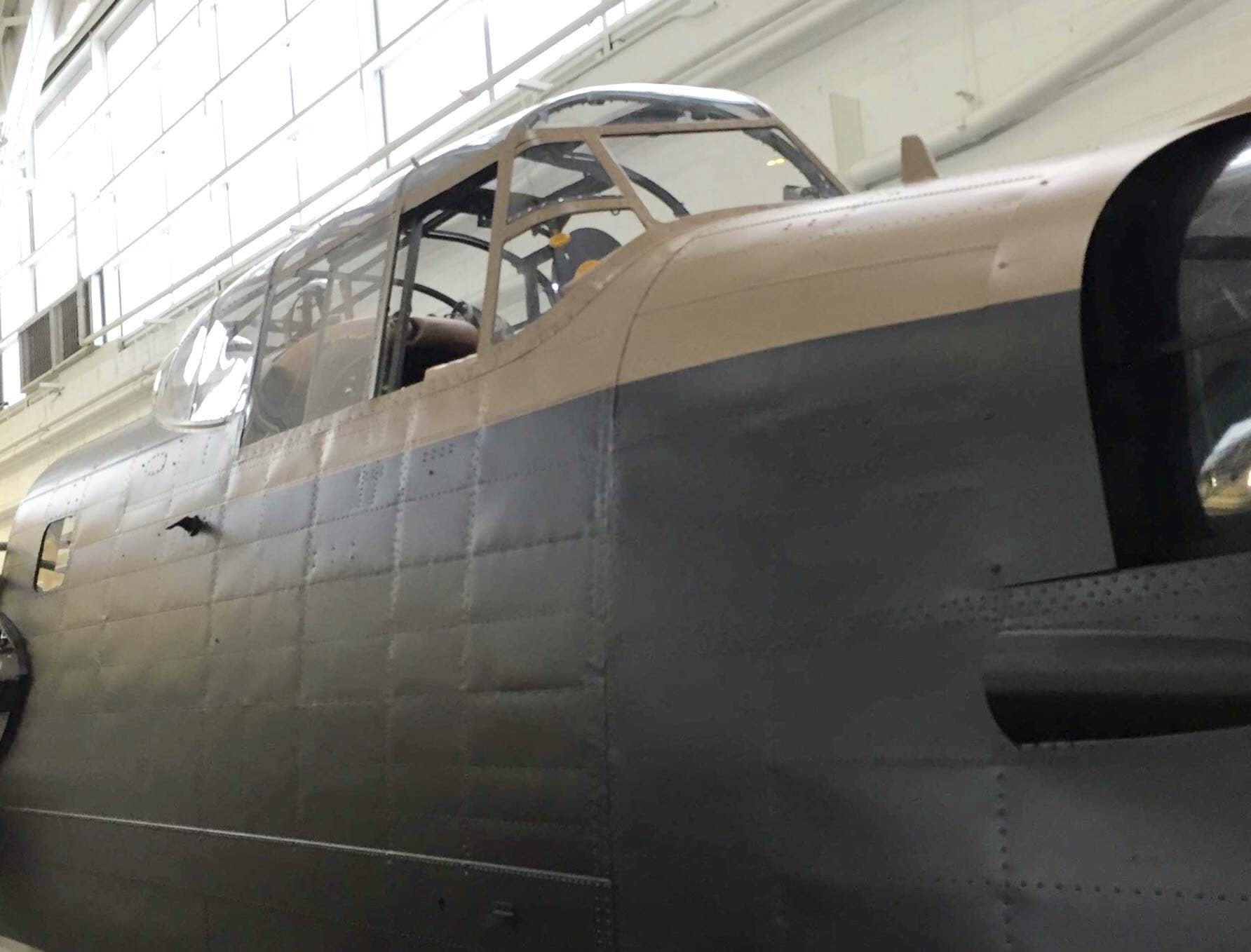
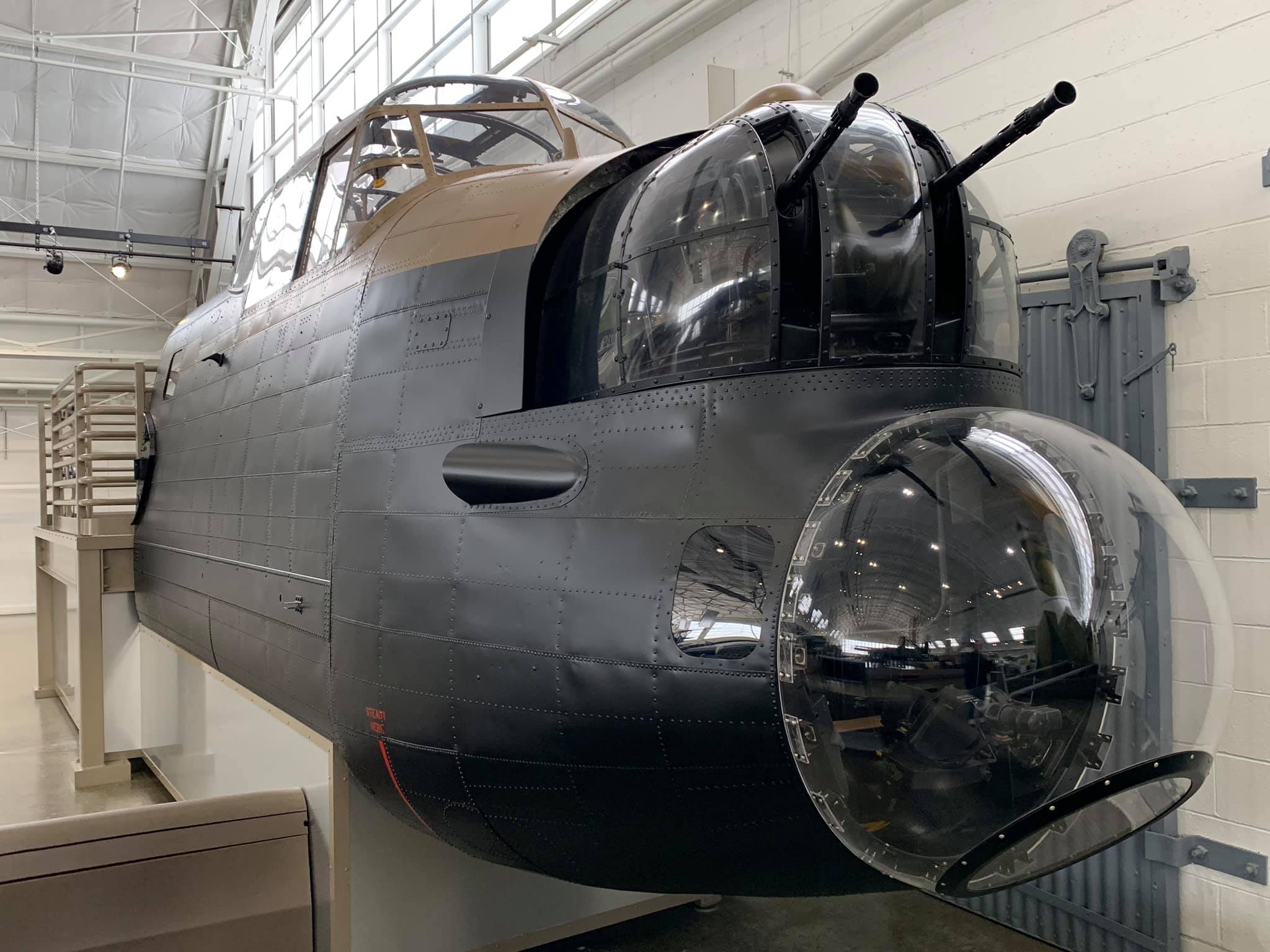
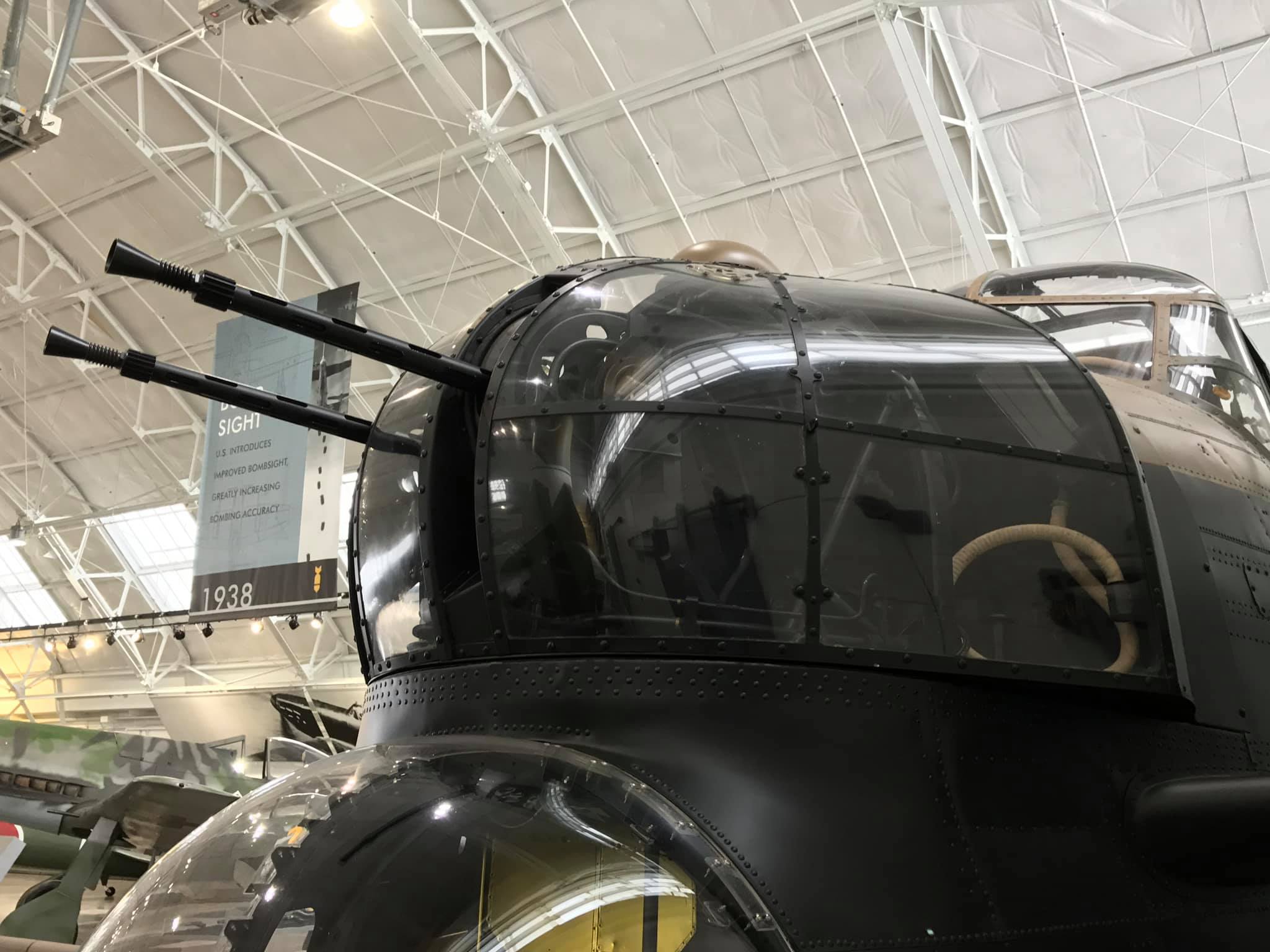
Powered by four Rolls-Royce Merlin XX engines. Typically armed with two Browning .303 Mark II machine guns in the hydraulically-powered Frazer Nash FN5 nose turret, two Browning .303 Mark II machine guns in the Frazer Nash FN50 or FN150 upper turret, and four Browning .303 Mark II machine guns in the Fraser Nash FN20 or FN120 “Rose Rice” rear turret, and fitted with a Mark XIV or Blackett bombsight (named for its primary inventor P.M.S. Blackett). Later, some aircraft and Canadian-built aircraft had .50 cal. machine guns. The rear turret was modified during the course of World War II, and some aircraft were fitted with the FN-121 Automatic Gun Laying Turret (AGLT) with gun-laying radar and fitted with a pair of .50 cal. machine guns – this significantly reduced losses from rear-attacking night fighters. The AGLT system, code-named Village Inn, allowed for enemy aircraft to be tracked and fired on in total darkness (the downside being that this system could be detected and tracked by the enemy).
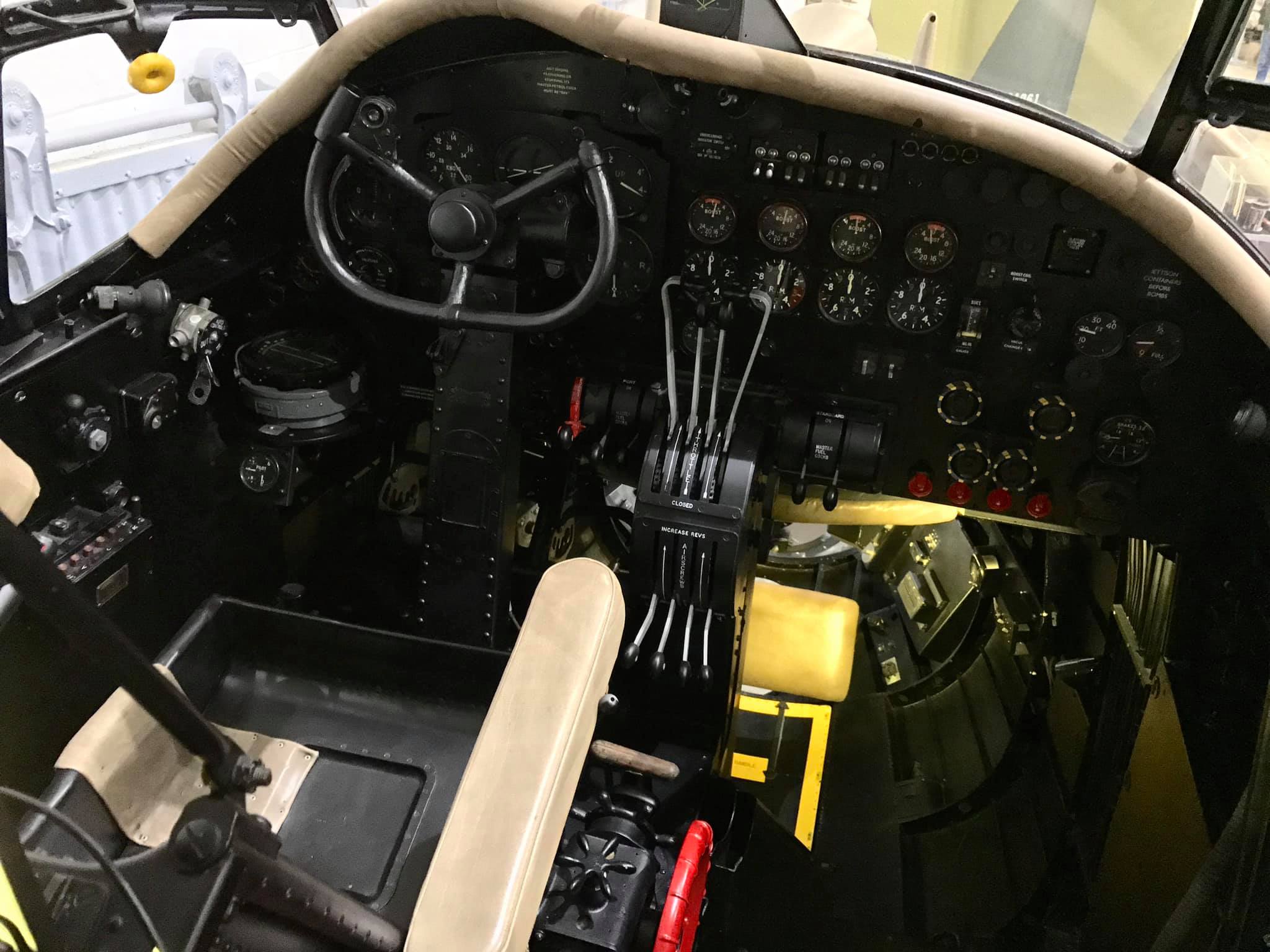
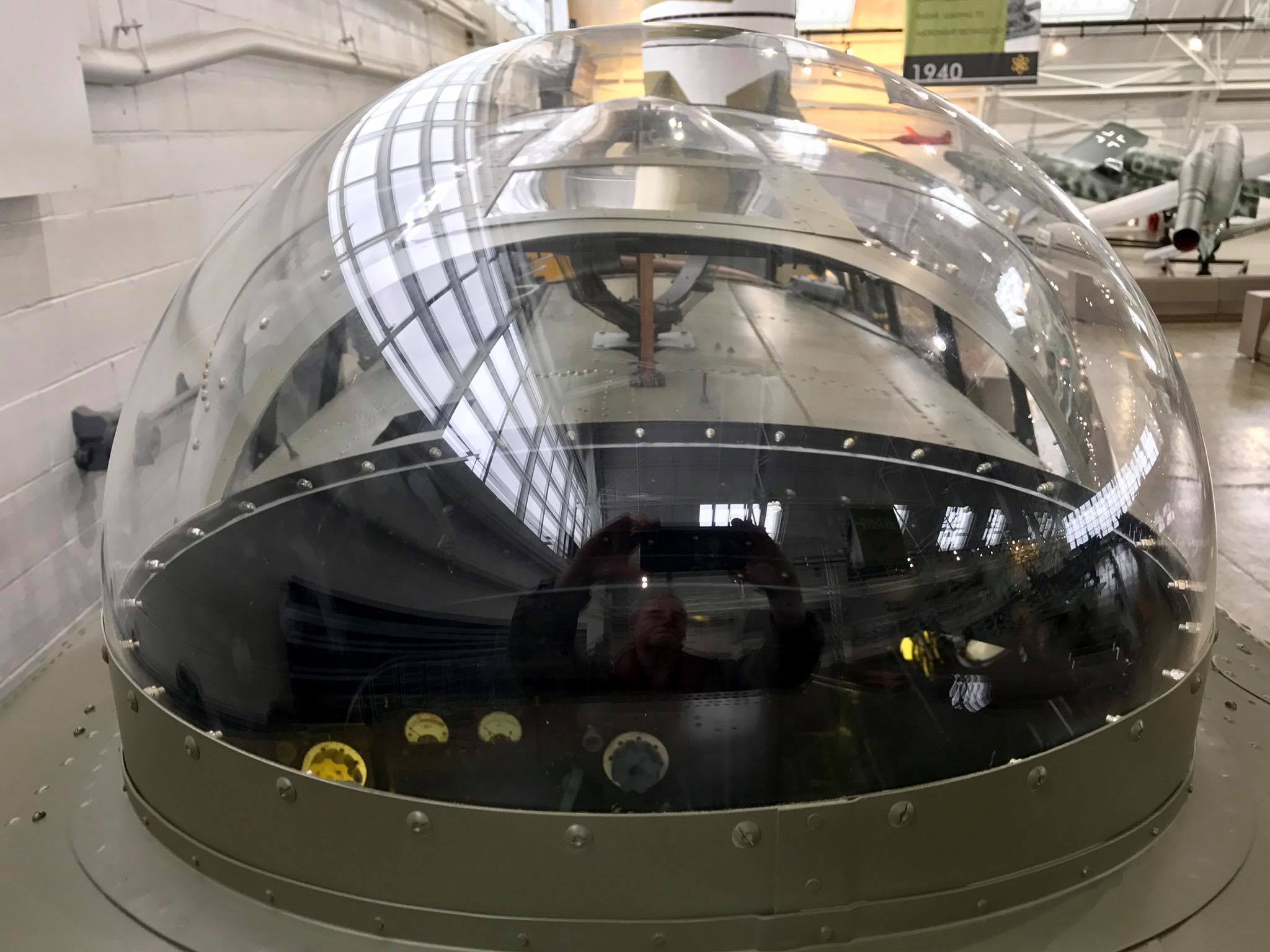
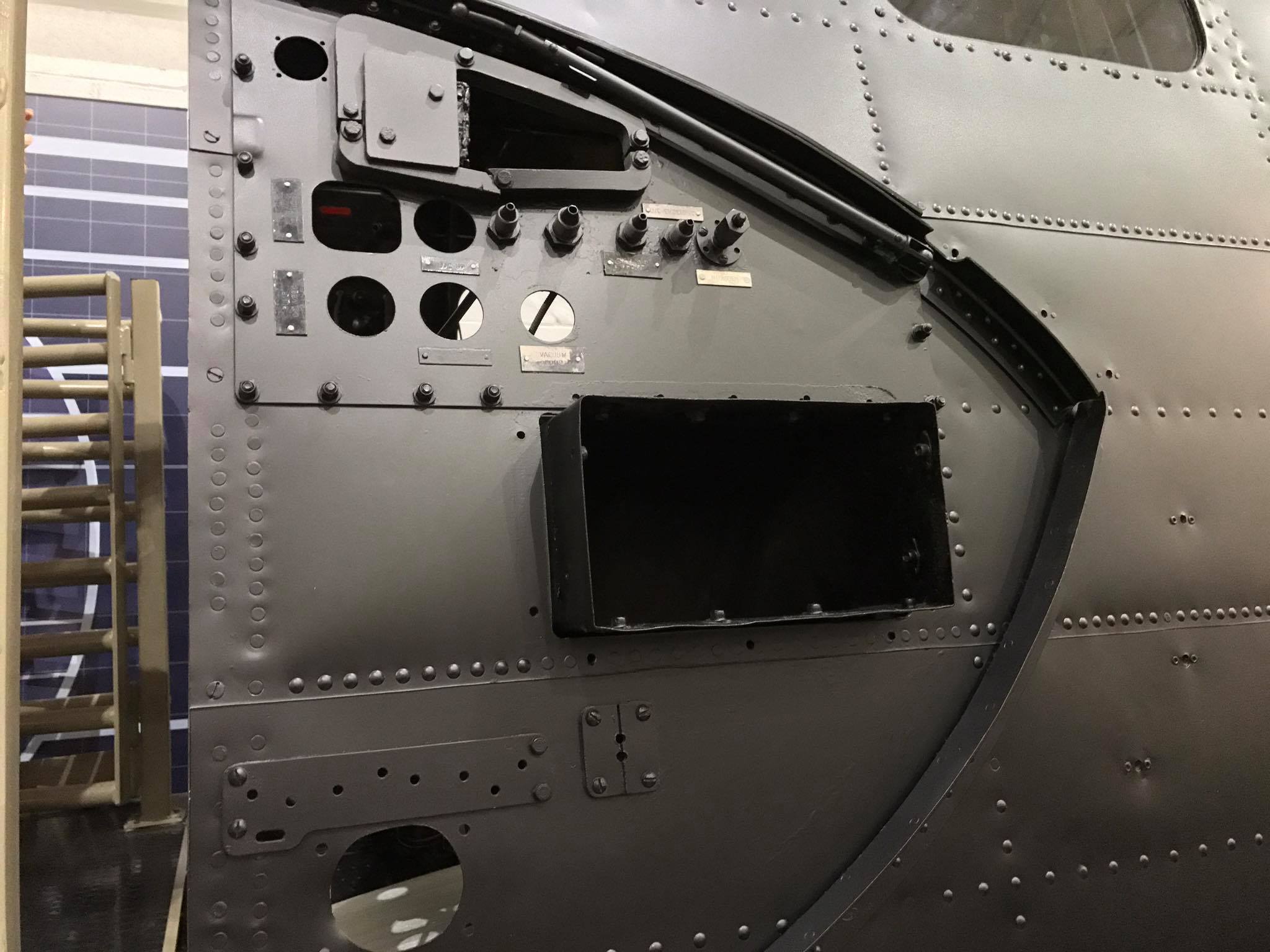
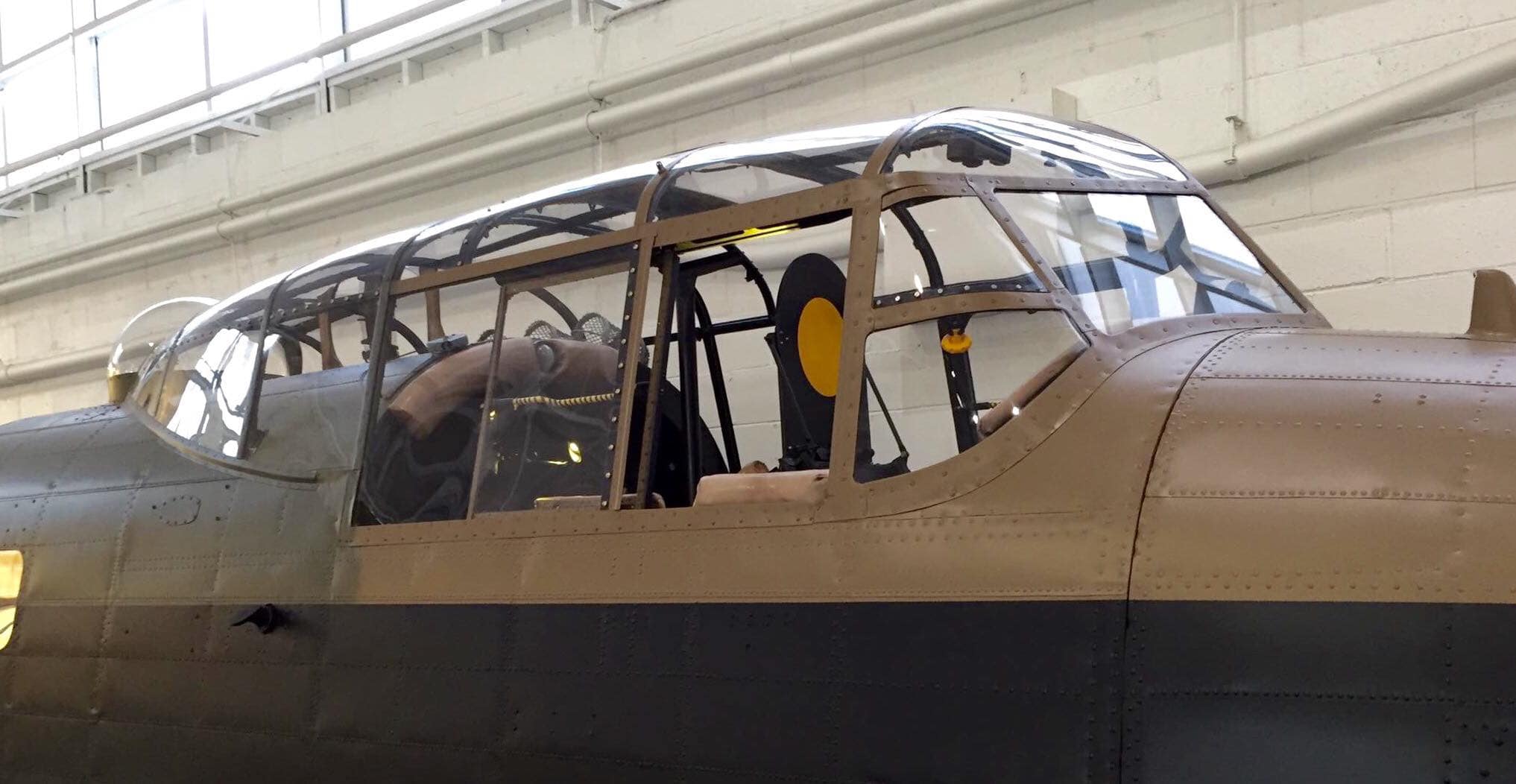
The standard 7-man crew consisted of one pilot. During World War II, it was common for British Commonwealth bombers to have just one pilot, yet not uncommon for the engineer and/or bomb aimer to learn to fly it straight and level or perhaps even land; flight engineer (seated next to the pilot in a collapsable seat known as the “Dickie Seat“), navigator (seated facing to port at a table behind the pilot), bomb aimer/nose gunner (who lay in a prone position when manning the bombsight), wireless operator (facing forward at a table behind the navigator), mid upper gunner (in the unheated waist of the aircraft), and rear gunner (“Tail End Charlie“) which was also in an unheated portion of the aircraft, and who was usually isolated from the rest of the crew for the duration of the mission. If it was determined that the nose turret needed to be separately manned, the mid-upper gunner was known to man that position. Lancasters were fitted with at least four different types of bombsights.
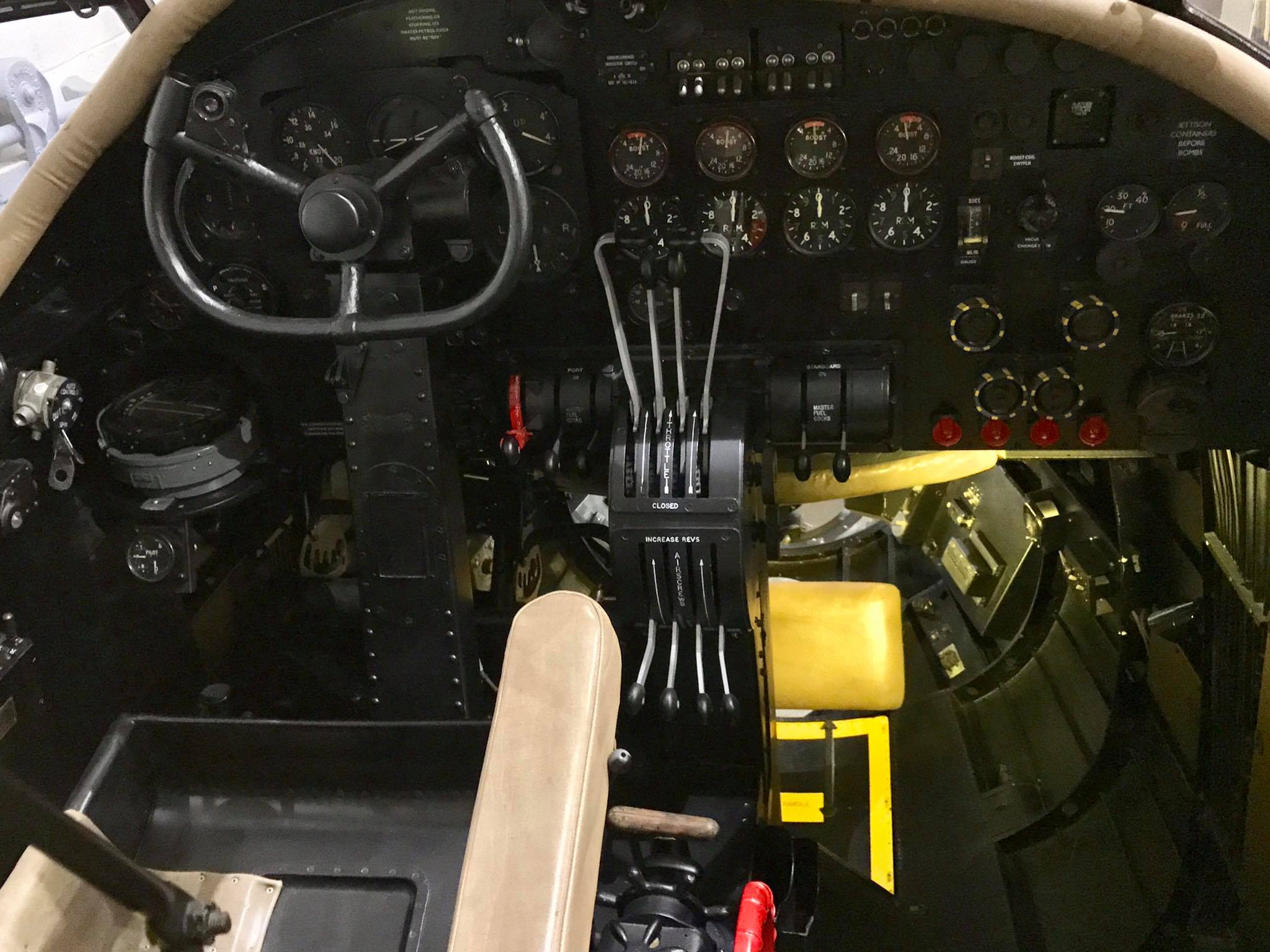
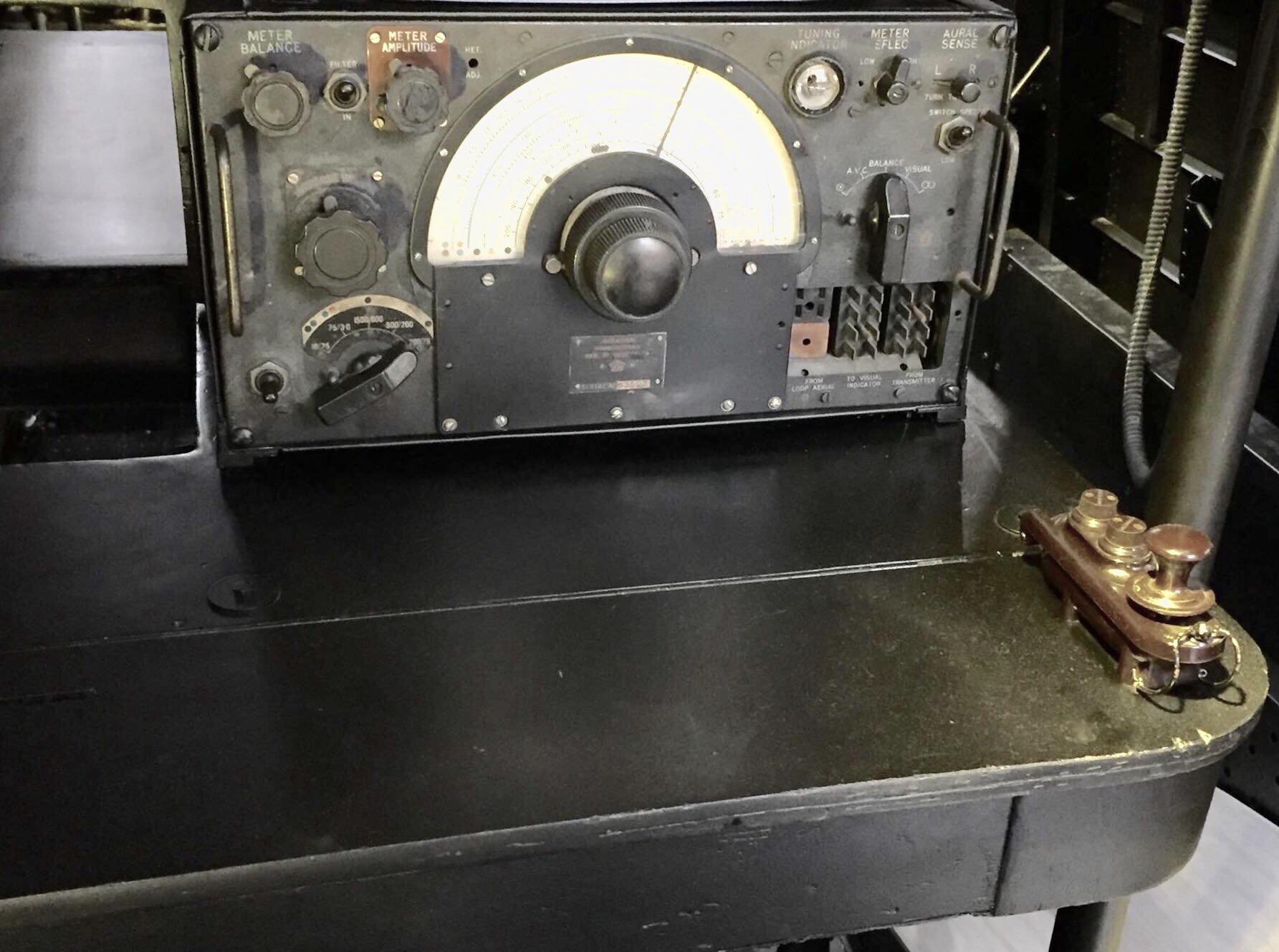
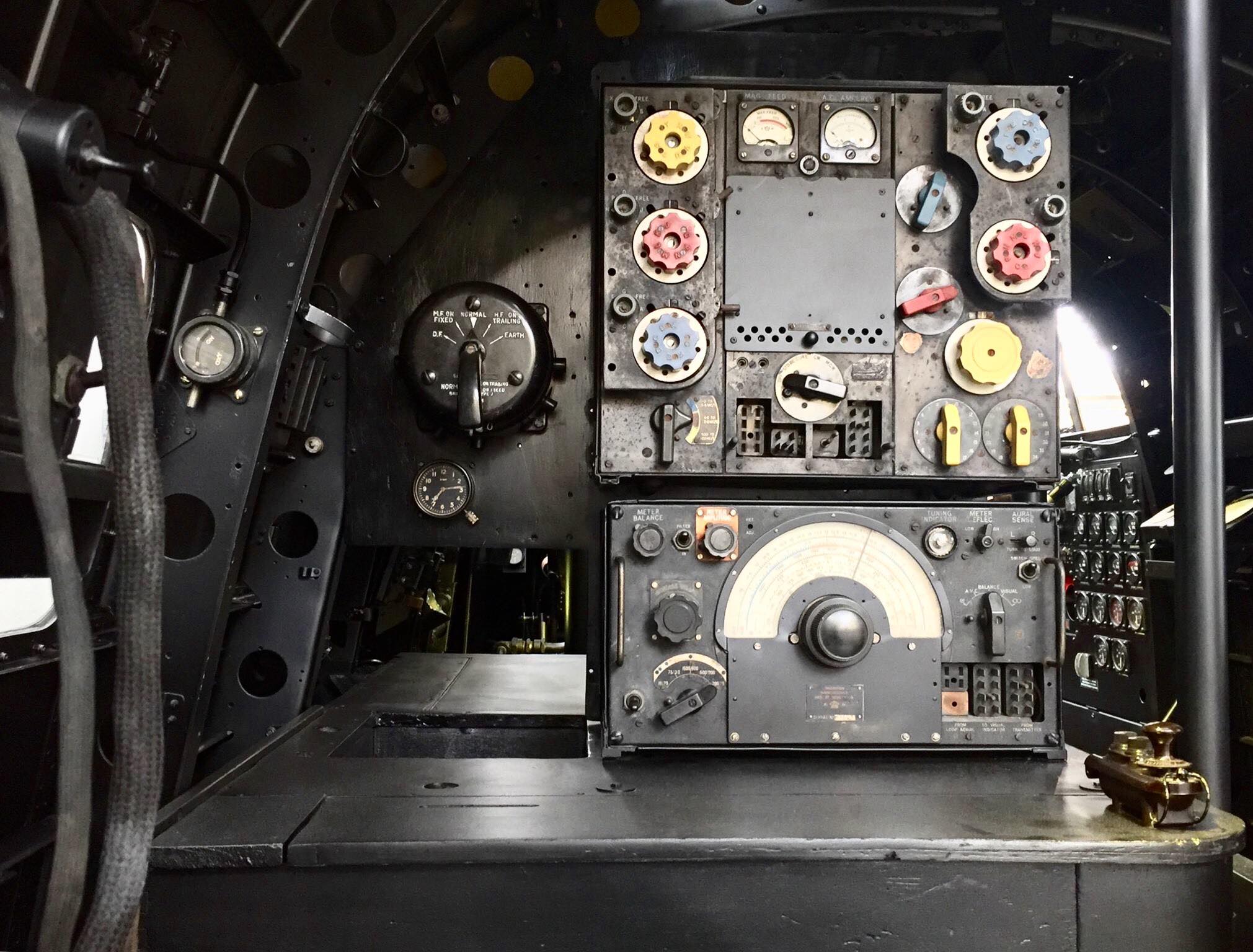
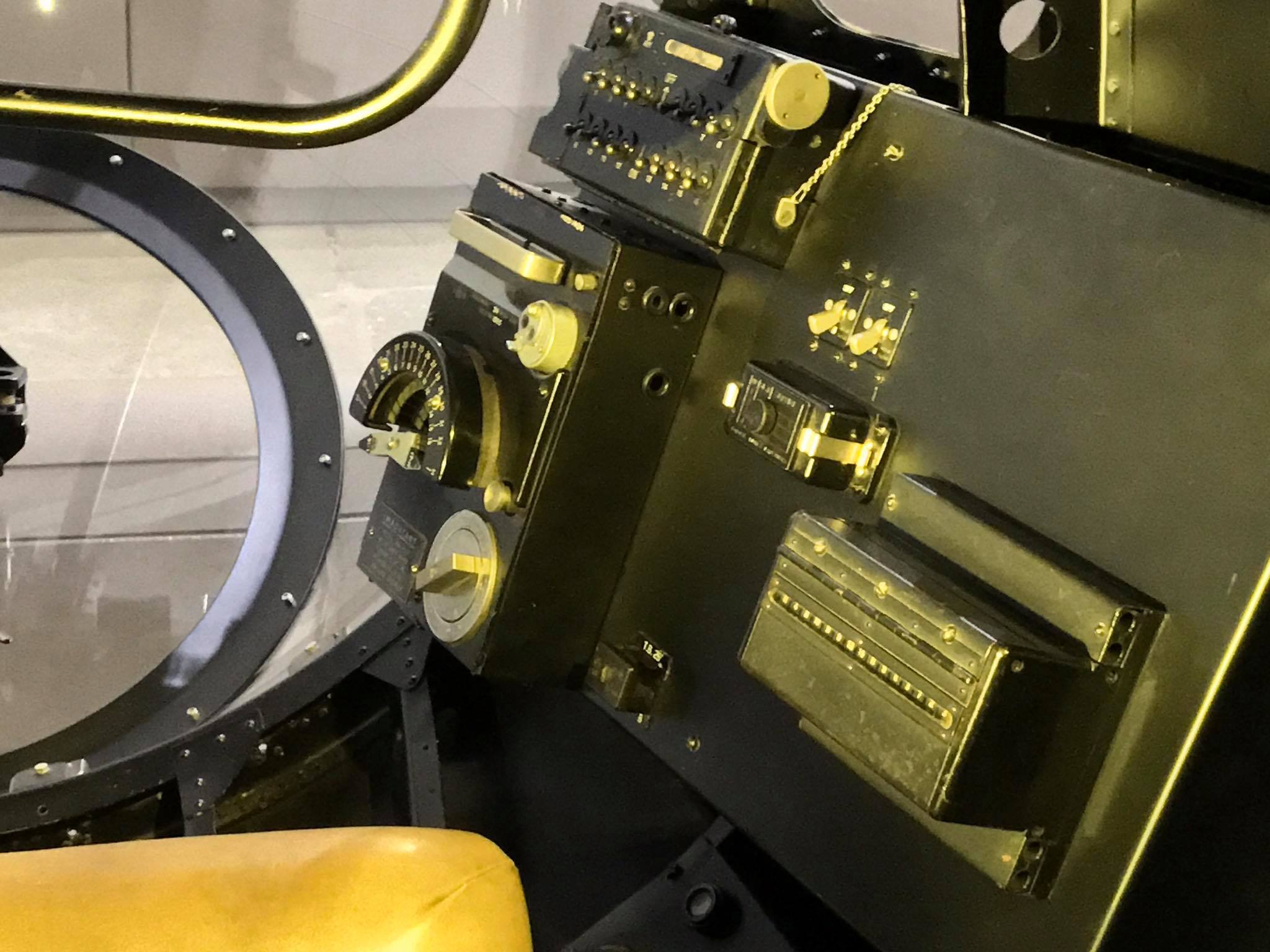
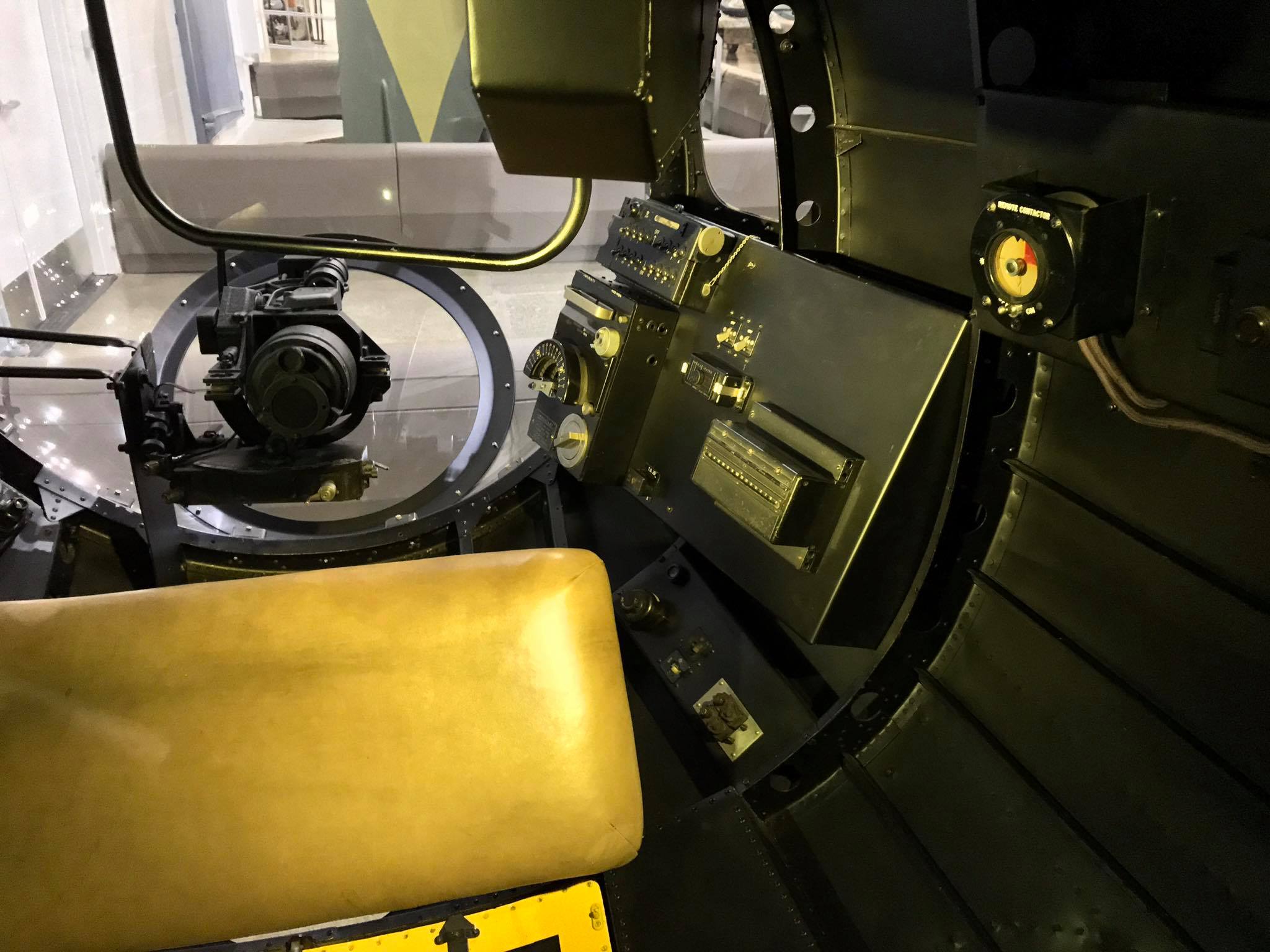
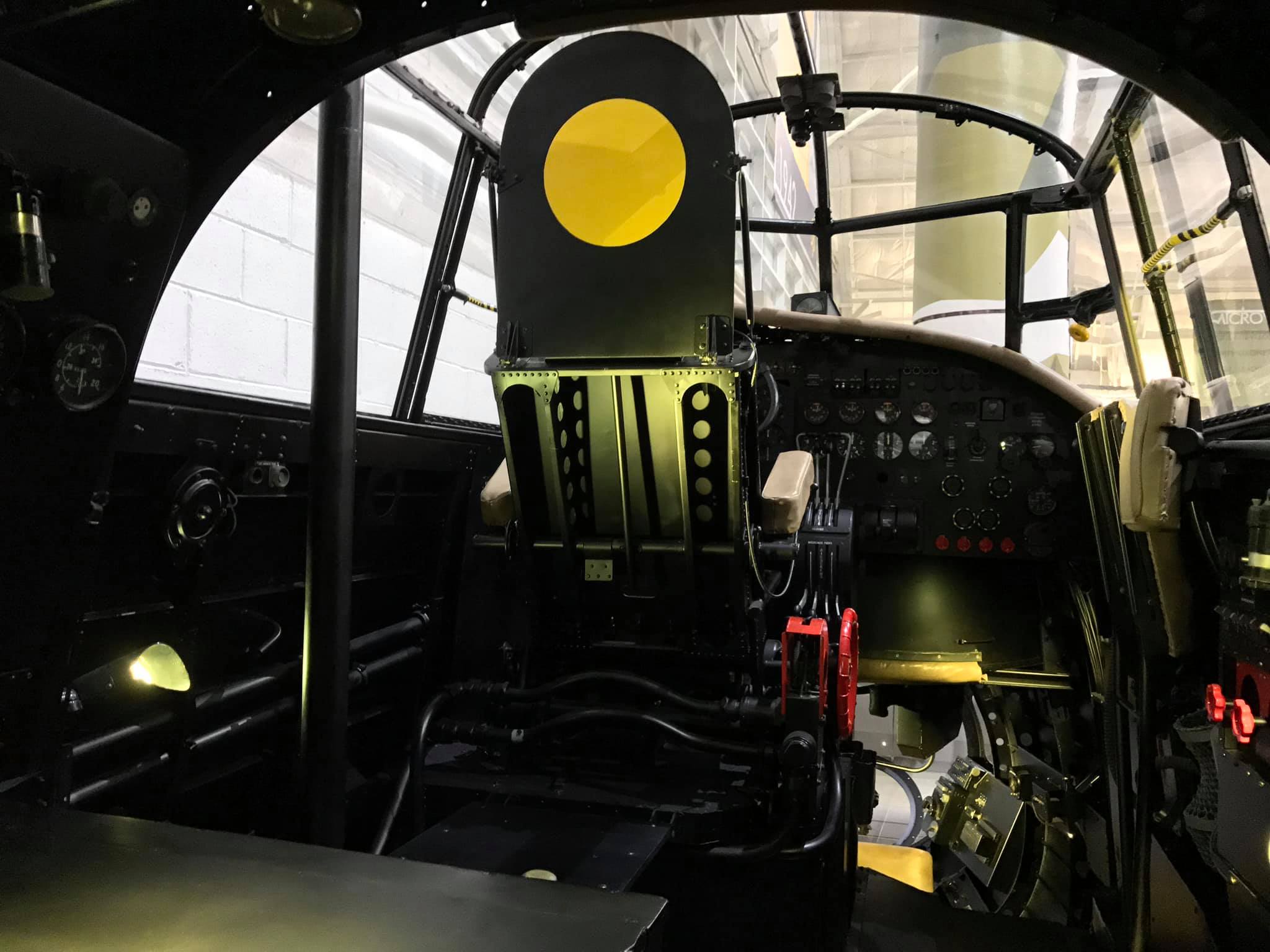
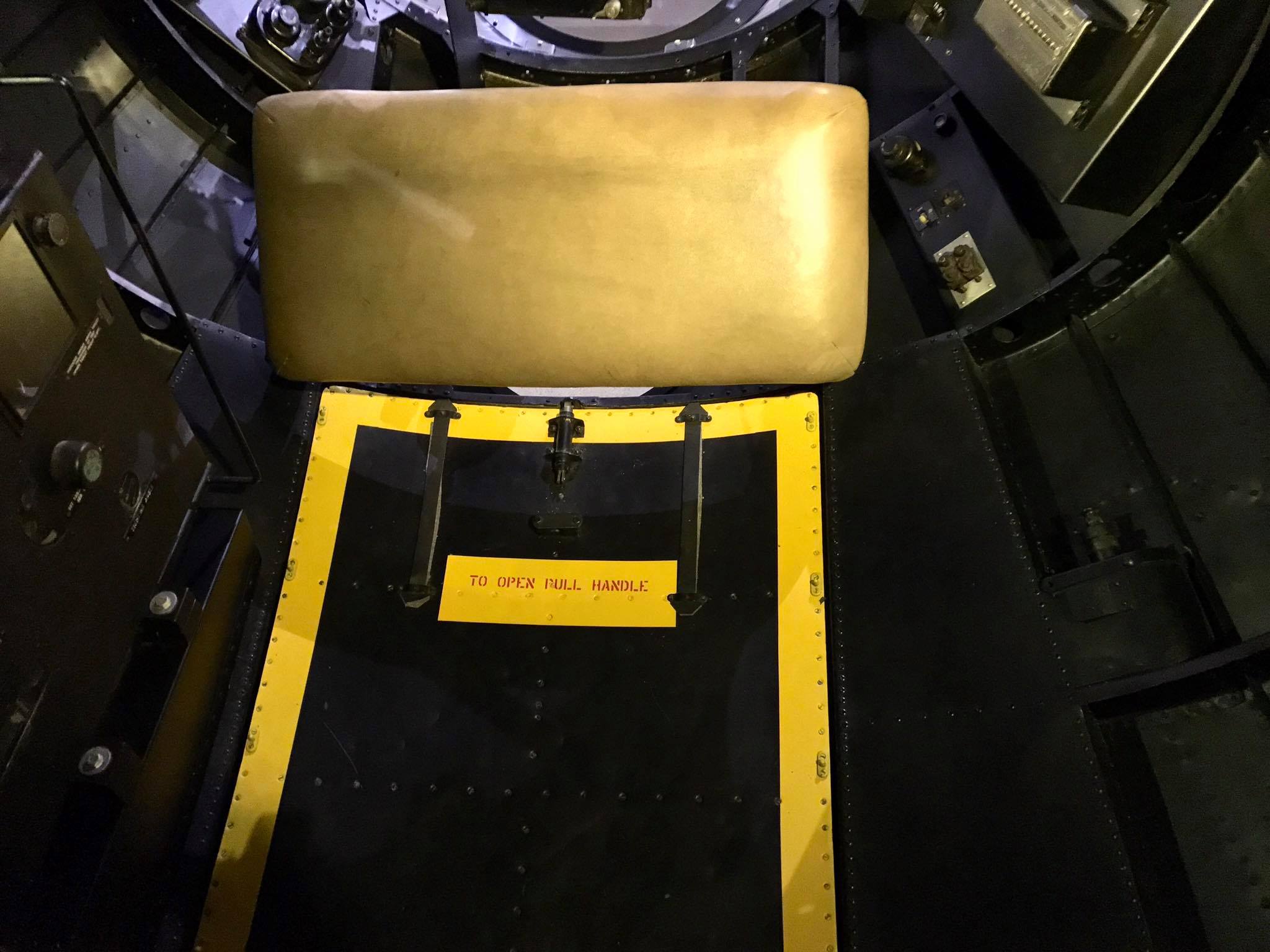
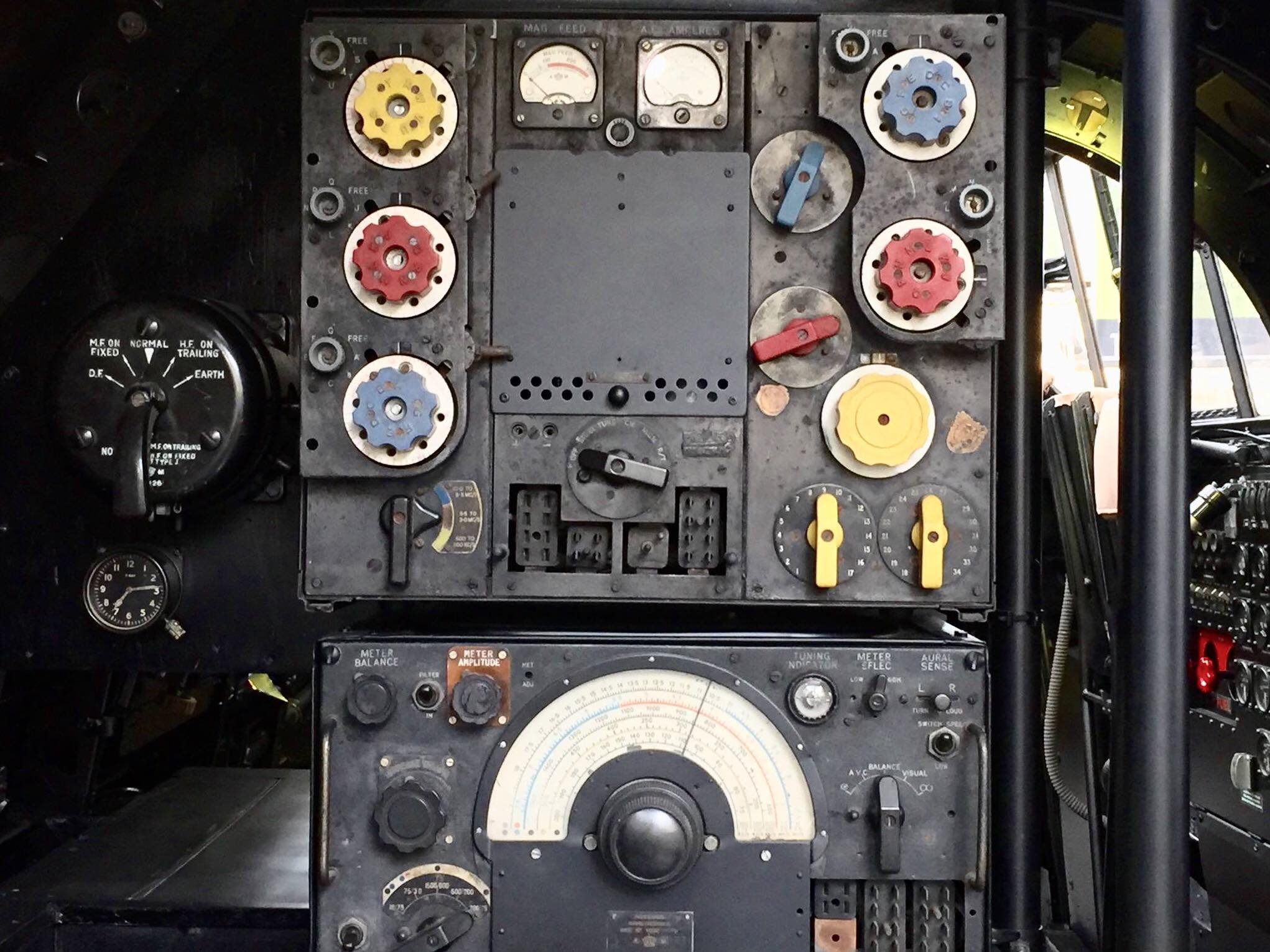
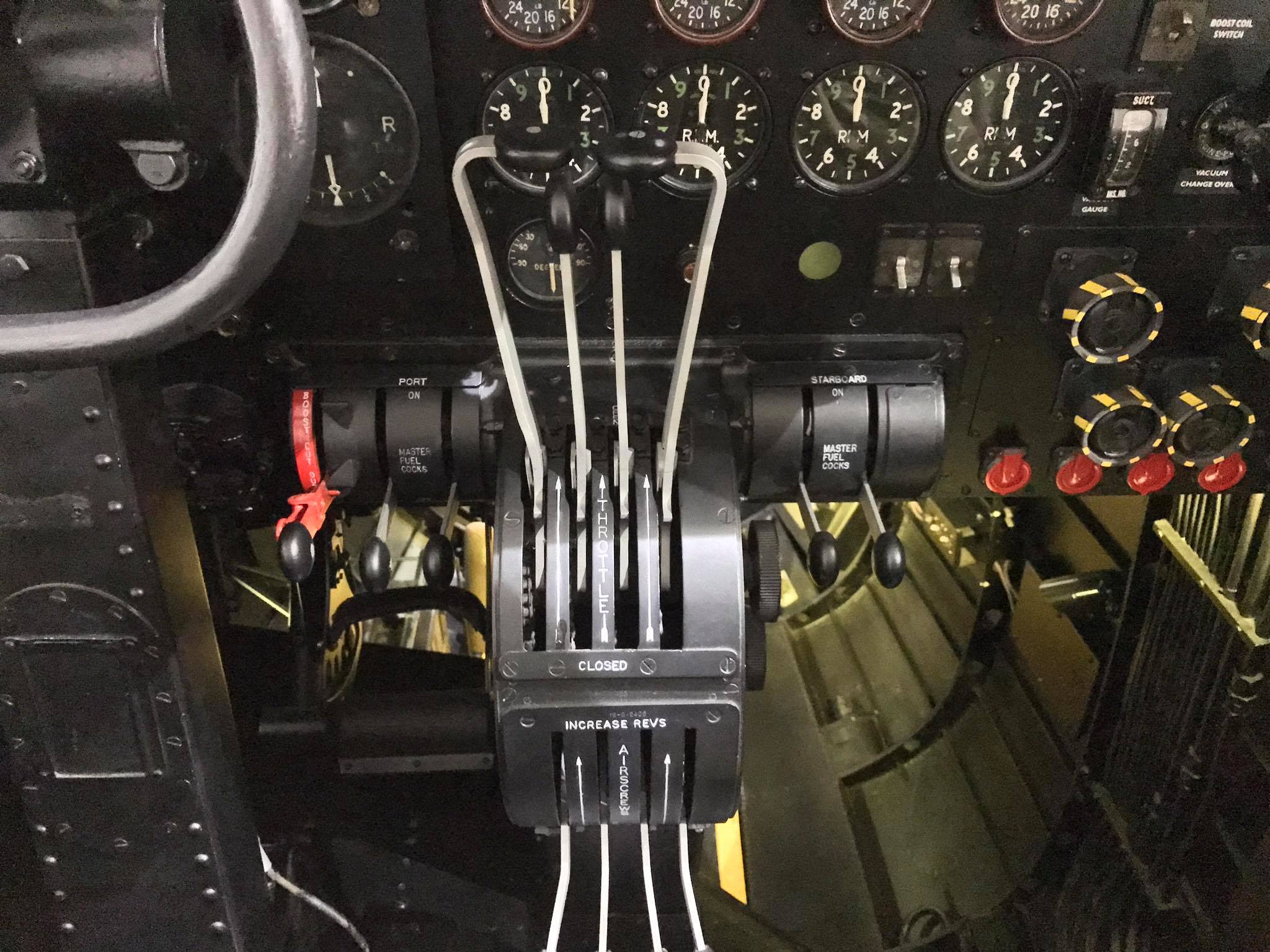
The crew size grew to eight or nine in some cases including: (a) a Pathfinder aircraft had an additional navigator/radio operator controlling the H2S blind bombing radar; (b) a Radio Counter Measure aircraft of 101 Squadron (solely) in which a German speaking radio operator known as a “Special Duty Operator” operated the Airborne Cigar system (ABC, so nicknamed because of its shape) to locate and jam German aircraft transmissions (air version of the Ground Cigar); (c) and all new pilots were required to fly their first or second combat missions or “Dickey Flight” as “Second Dickey” (although the first pilot was never called a first dickey). The Second Dickey sat in a folding right seat, which was nicknamed the “Dickey Seat” and was usually the flight engineer’s seat (the Second Dickey would stand behind the pilot when the flight engineer needed the folding seat). The “Dickey” term refers to the seat itself, not the crewman, named after the folding “Dickey Seat” of British pre-World War II automobiles (also known as “Rumble Seat” or “Mother-in-Law Seat“), and arguably, the “Dickey” reference comes from the term for well-to-do British men driving their cars through the countryside with their manservant (“Dickie“) in the Dickie Seat.
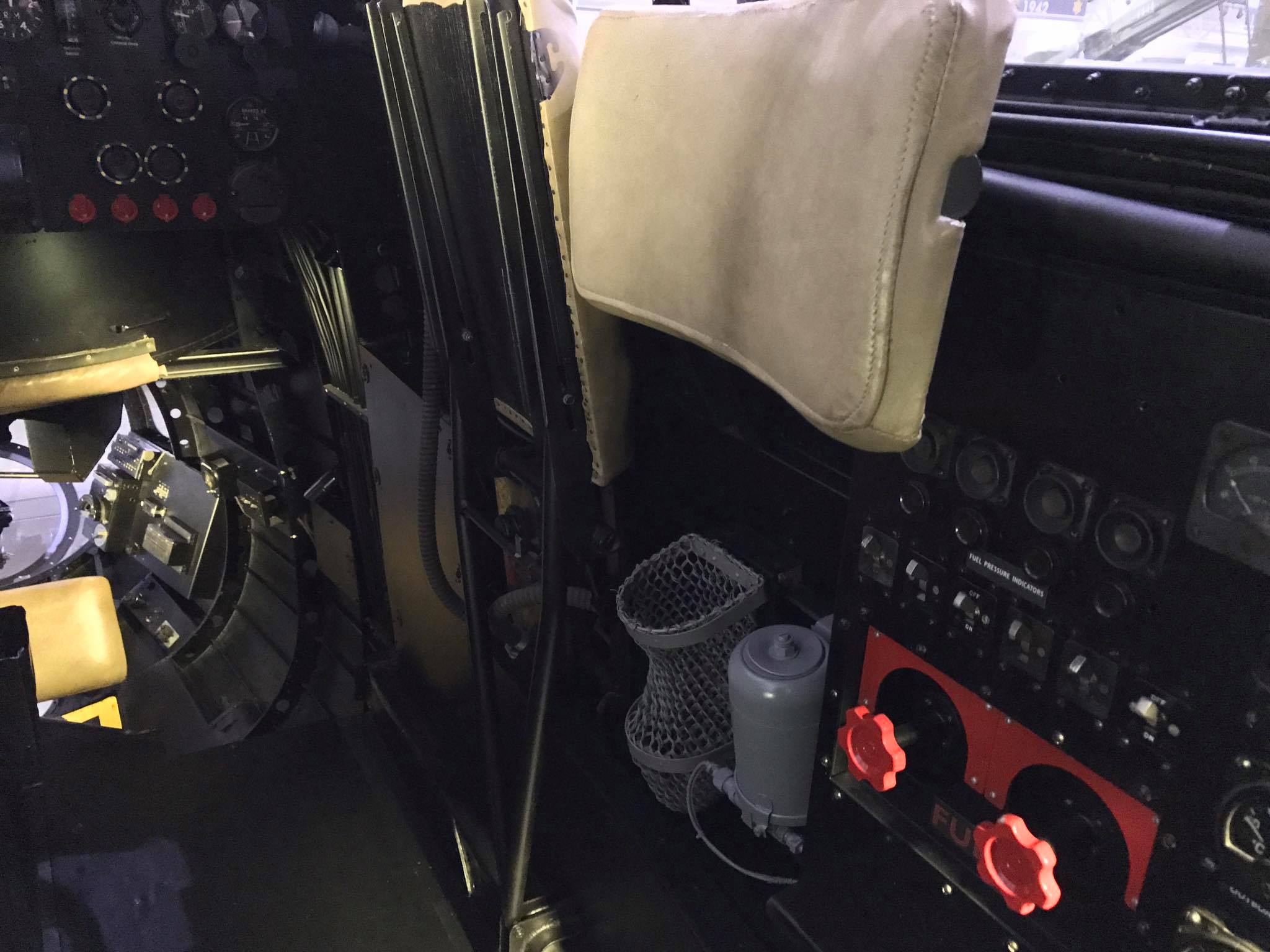
The yellow dot on the pilot’s armored headrest (the only armored position) is what I have thought to be a simple gas detection patch used on many RAF aircraft (see further below about this); the patch was designed to turn from yellow to pink in the presence of mustard gas (gas detection patches of paint or fabric were also used on ground vehicles and buildings). By September 1940, the RAF had as many as eleven bomber squadrons equipped with mustard gas bombs and/or spraying equipment intended for use in a retaliatory role should Germany resort to the use of chemicals (I know that many assert that the patches were a magnetic armor plate detector to warn of the need to correct possible compass deviation). Some aircraft had been fitted with an FN-64 periscope-sighted twin-mounted ventral turret with .303 machine guns.
There was also the option of a Preston-Green ventral blister with a pair of .50 cal. machine guns (used mostly by the RCAF), but the large bomb bay (especially the blistered type) made this position of little use. Nineteen Lancasters were used for the May 1943 attack in the Ruhr Valley on the Mohne, Eder, and Sorpe dams in “Operation Chastise” with the Vickers Type 464 (code name “Upkeep“) bouncing bomb. The Upkeep was actually a ricocheting aerial mine that was deployed from the modified bomb bays, and hydrostatic pistols in the barrel-shaped charges set off the explosives. Also, a “saddle tank” (similar to the conformal fuel tanks on the modern F-16 “Viper” fighter) with a 1,200 gallon capacity mounted along the dorsal portion of the upper fuselage and positioned just behind a modified cockpit glazing for longer range missions was test flown in India and Australia in 1945 for possible use in the Pacific, but it affected stability to such a degree that it was abandoned and the two aircraft were stored at RAF Hullavington near Chippenham, Wiltshire, before being scrapped.
About the author 
Randy Malmstrom grew up in a family steeped in aviation culture. His father, Bob, was still a cadet in training with the USAAF at the end of WWII, but did serve in Germany during the U.S. occupation in the immediate post-war period, where he had the opportunity to fly in a wide variety of types that flew in WWII. After returning to the States, Bob became a multi-engine aircraft sales manager and, as such, flew a wide variety of aircraft; Randy frequently accompanied him on these flights. Furthermore, Randy’s cousin, Einar Axel Malmstrom, flew P-47 Thunderbolts with the 356th FG from RAF Martlesham Heath. He was commanding this unit at the time he was shot down over France on April 24th, 1944, and spent the rest of the war as a prisoner of war. Following his repatriation at war’s end, Einar continued his military service, attaining the rank of Colonel. He was serving as Deputy Wing Commander of the 407th Strategic Fighter Wing at Great Falls AFB, MT, at the time of his death in a T-33 training accident on August 21, 1954. The base was renamed in his honor in October 1955 and continues to serve in the present USAF as home to the 341st Missile Wing. Randy’s innate interest in history in general, and aviation history in particular, plus his educational background and passion for WWII warbirds, led him down his current path of capturing detailed aircraft walk-around photos and in-depth airframe histories, recording a precise description of a particular aircraft in all aspects.