

(Image credit: VAN)
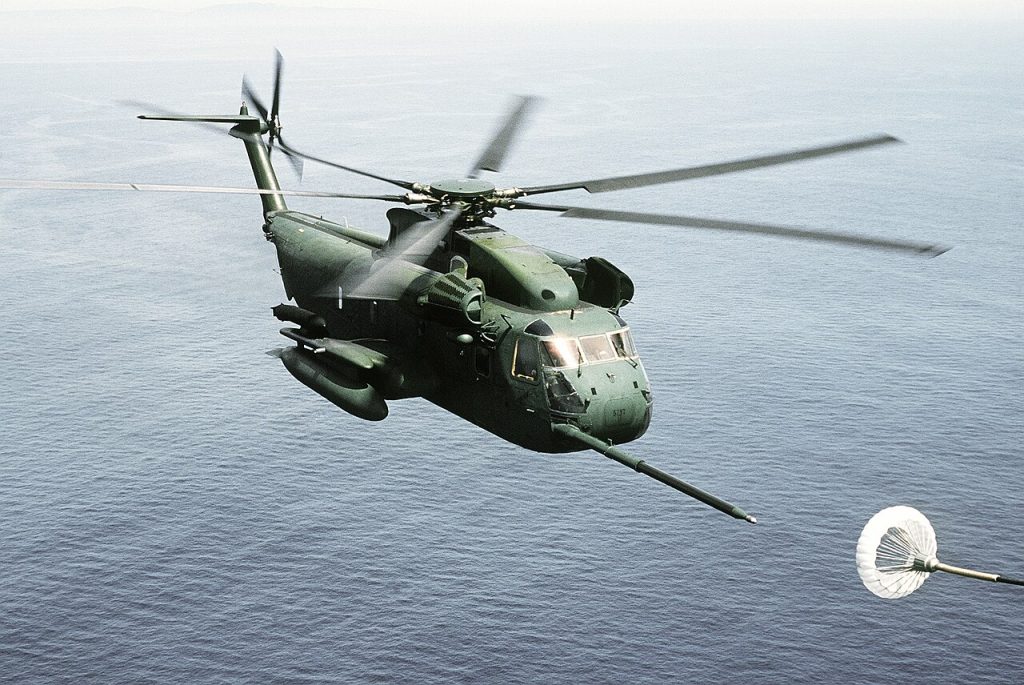
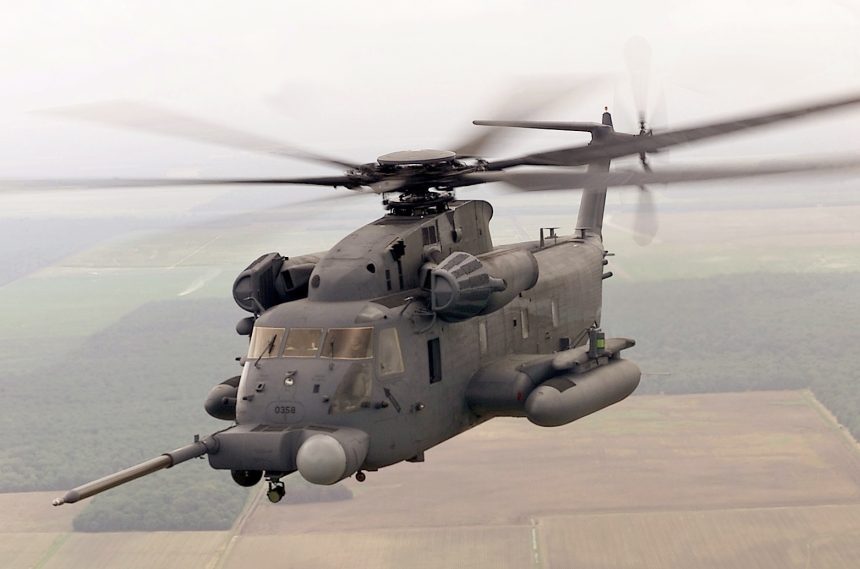
On this day in aviation history, 59 years ago (March 15, 1967), the Sikorsky MH-53 flew for the first time. Retired as of 2008, the MH-53 was a long-range Combat Search and Rescue (CSAR) helicopter. Also used for Special Operations missions, the Pave Low was developed from the Sikorsky CH-53 Sea Stallion. Development of the MH-53 began during the Vietnam War, as the United States Air Force’s need for CSAR helicopters increased.

The USAF initially ordered 72 HH-53B, CH-53C and HH-53C variants. These aircraft would serve in CASR and Special Operations roles. An all-weather Spec-Ops missions variant was later developed, known as the MH-53J Pave Low. The MH-53J’s missions were low-level and long-range. They were required to penetrate into “denied” areas day and night, and in all weather conditions. Once in the danger zone, the Pave Lows were tasked with infiltration, exfiltration and resupply of Spec-Ops forces. In combat, the MH-53Js typically worked in step with MC-130H Combat Talons and MC-130P Combat Shadows for nav/comm and refueling needs.

The Sikorsky MH-53J had a flight crew of 6 and a capacity for 37 to 55 troops, depending on layout. Pave Lows were powered by two General Electric T64-GE-100 turboshaft engines, each with 4,330 shaft horsepower. This CSAR helicopter could cruise at 170 mph and attain a maximum airspeed of 200 mph. The MH-53J had a range of 690 nautical miles (or more with in-flight refueling), and a service ceiling of 16,000 feet. Armament for the Pave Low included a combination of three 7.62×51 millimeter NATO M134 Miniguns and/or 12.7×99 millimeter NATO M2 Browning machine guns mounted on the left and right sides and ramp of the chopper.
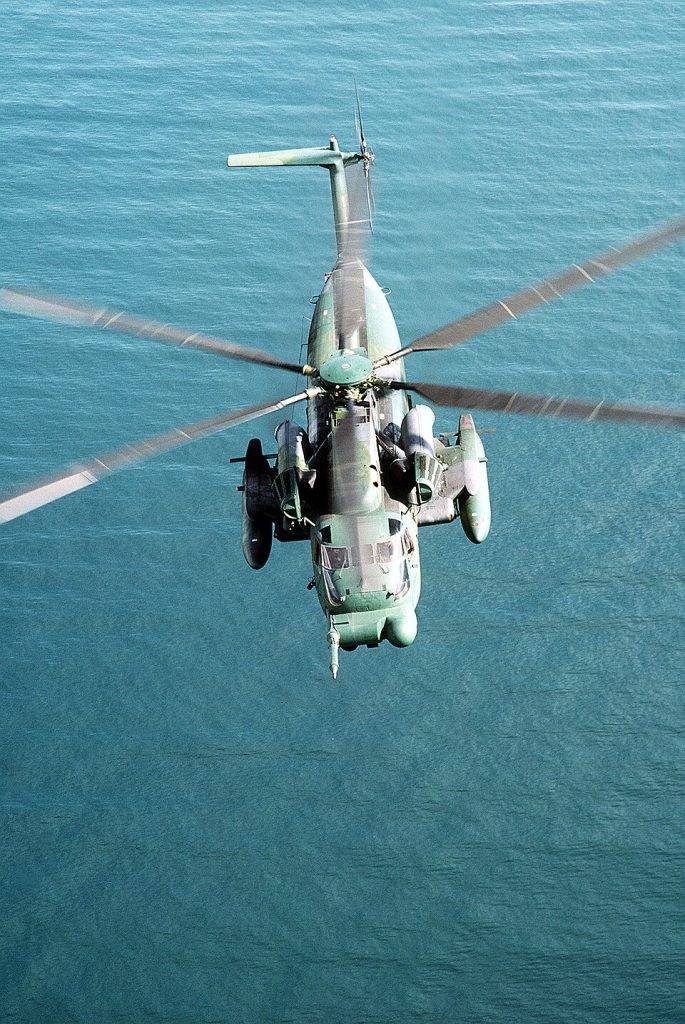
The sheer size and green paint scheme of the HH-53B earned it the nickname “Super Jolly Green Giant.” The smaller Sikorsky HH-3E the preceded the HH-53B was known as the “Jolly Green Giant.” The United States Air Force was the sole operator of the MH-53 throughout its years of service. Though now retired, close to a dozen examples of the Pave Low survive on display across the United States – including at the National Museum of the United States Air Force in Dayton, Ohio.