







By Kevin Wilkins
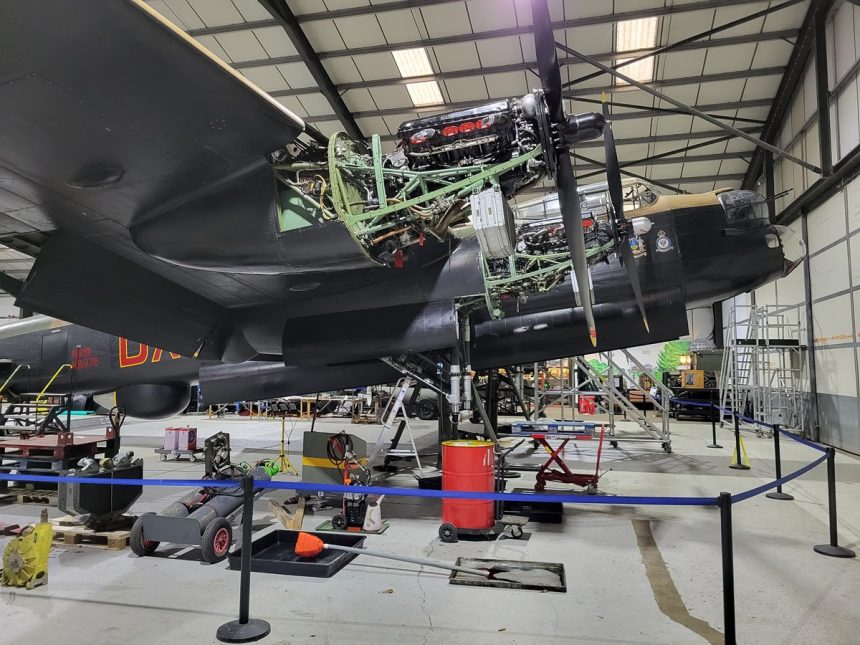
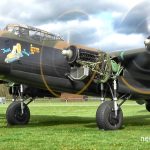
The restoration of Avro Lancaster B.VII NX611 “Just Jane” at the Lincolnshire Aviation Heritage Centre (LAHC) continues to advance steadily, with recent updates highlighting progress on the aircraft’s nose section, wing components, and the rear fuselage of the companion airframe NX664. The latest developments, covered in Restoration Updates 255 through 257, republished with permission, show the project moving closer to major structural assembly milestones.
Work in the hangar has continued across multiple areas of the restoration, although recent activity has occasionally slowed due to holidays, illness among team members, and even jury service. Despite these temporary disruptions, the restoration team has now returned to full strength and resumed progress on several key components of the Lancaster rebuild. Attention on NX611 itself has focused largely on the aircraft’s nose section and structural preparation for future wing assembly. Chris has continued the reskinning process on the forward fuselage, fabricating and fitting new aluminium skins around the nose. Several panels have now been formed and trial-fitted, including vented skins on both the port and starboard sides. Much of this work involves producing skins that do not require wheeling, allowing the team to steadily work around the nose section.
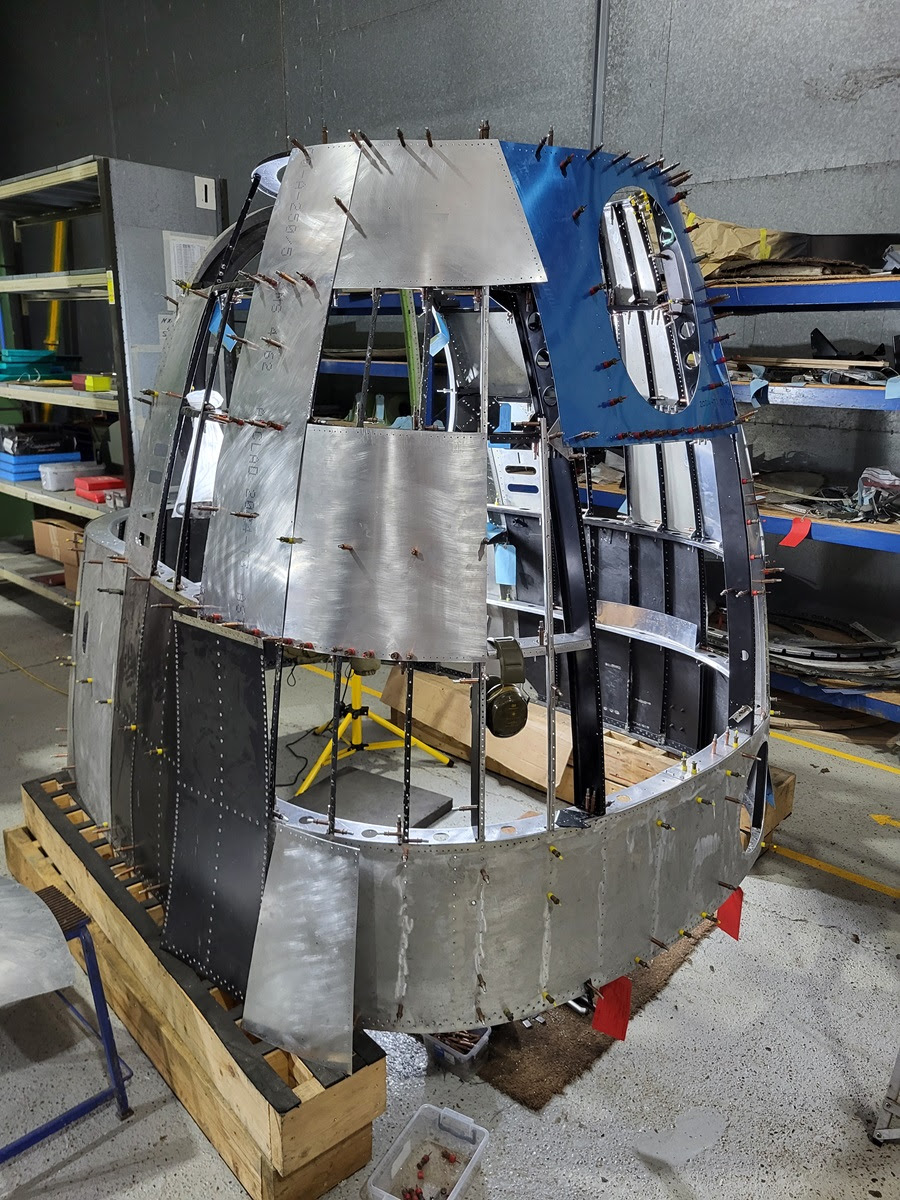
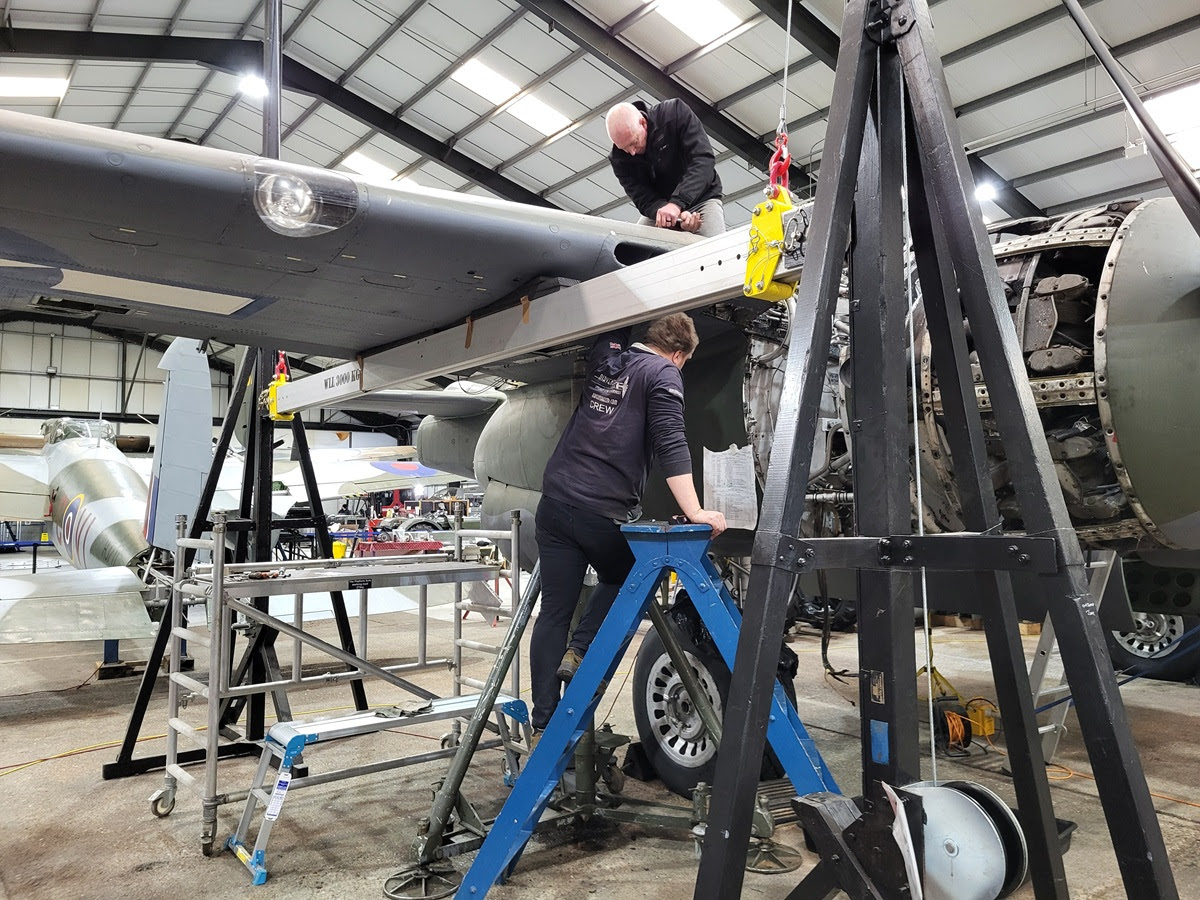
Maintenance work has also been carried out on the aircraft’s landing gear. The Lancaster was recently jacked up in order to remove the wheels for servicing. In addition to routine maintenance, the main wheels require new tires, which the team expects to install before returning the aircraft to its wheels. Meanwhile, significant progress continues on the components that will eventually support the reconstruction of NX611’s wings and tailplanes. Keith has been working on the ribs required for both assemblies, riveting strengthening plates and reinforcement sections to prepare them for installation once the new spar booms arrive. These ribs must be completed in advance so that wing and tailplane assembly can begin once the main structural components are ready.
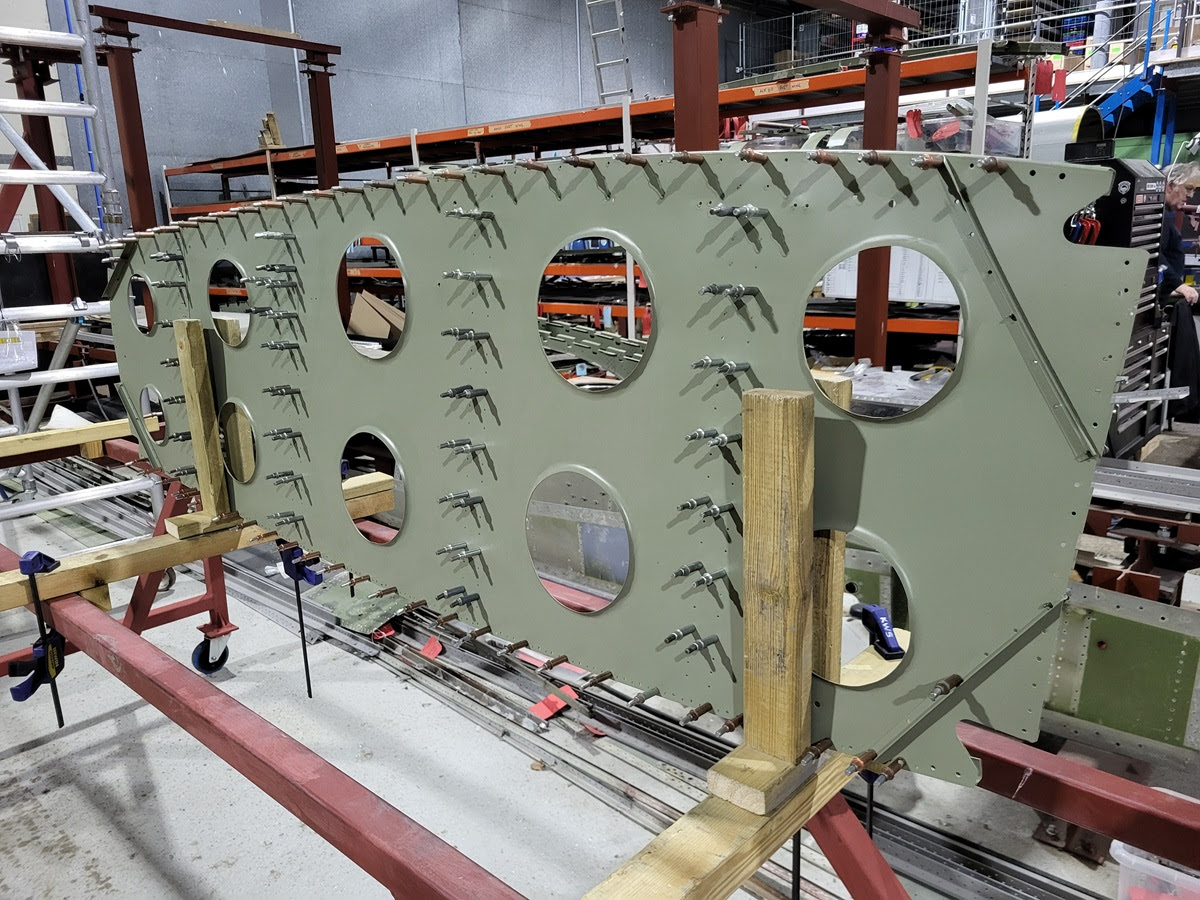
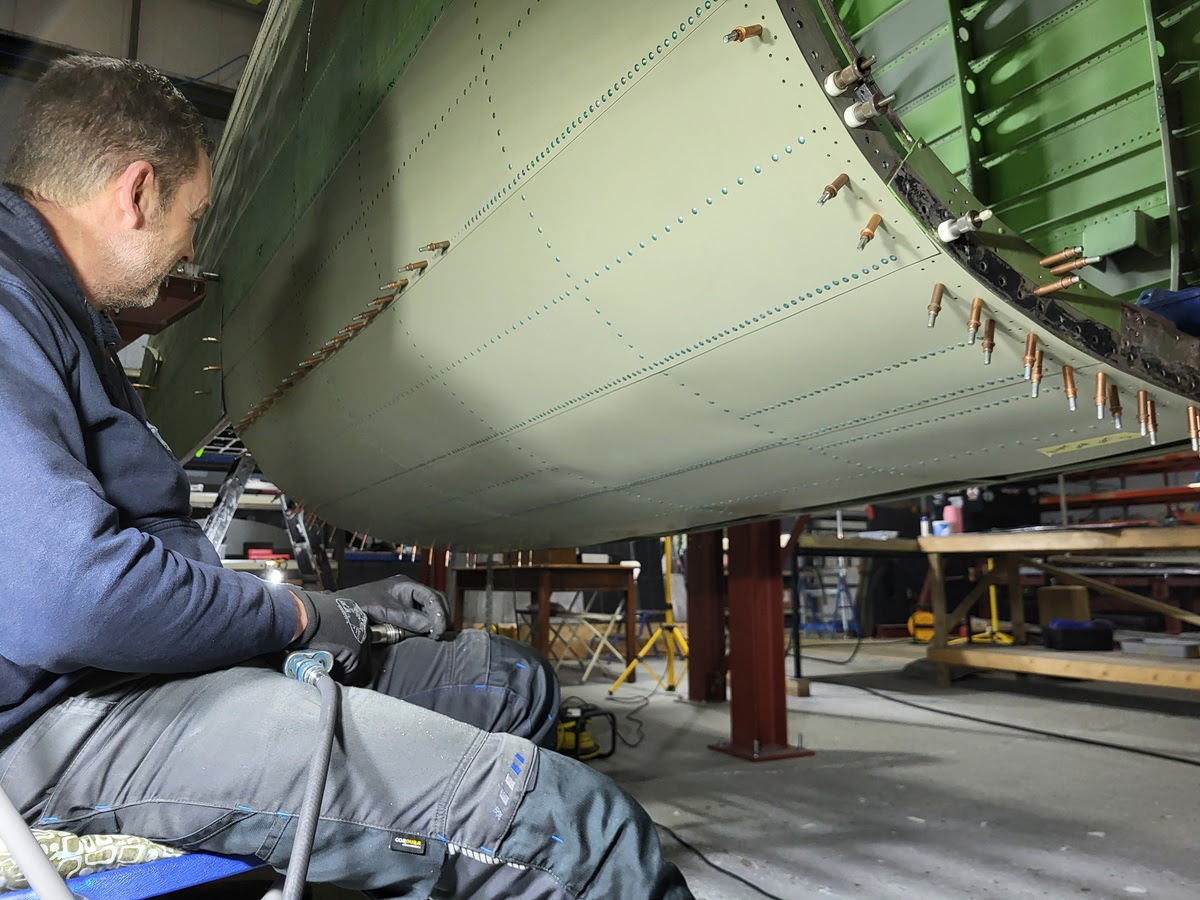
Those spar booms represent one of the most important—and costly—elements of the restoration. Manufactured in the United States, the new extrusions include main wing spar booms, tailplane spar booms, and additional structural extrusions used throughout the Lancaster airframe. The production run cost approximately $230,000, with shipping adding another $8,000. By the time of Update 257, the shipment had arrived in the United Kingdom and was expected to reach East Kirkby shortly. Once delivered, the main spar booms will be sent for machining before work begins on building the wings. Work has also continued on the second Lancaster fuselage involved in the project, NX664. This airframe provides major structural sections that will eventually be incorporated into NX611 as part of the long-term restoration plan. Dave and Jodie have been focusing on the rear-mid fuselage of NX664, where the installation of new skins has continued. The port side of the rear fuselage has now been fully skinned, with panels extending underneath the structure. With the skin riveting completed, attention has shifted toward repairing internal structural components identified during a recent inspection.
One area requiring attention involves the fuselage formers located above the bomb bay section. These components suffered damage in the past when control rods were removed, leaving cuts and tears through both the formers and their reinforcing plates. Jodie has removed the damaged plates and begun fabricating replacements so that the structure can be restored and eventually accept NX611’s control rods when the fuselage sections are joined.
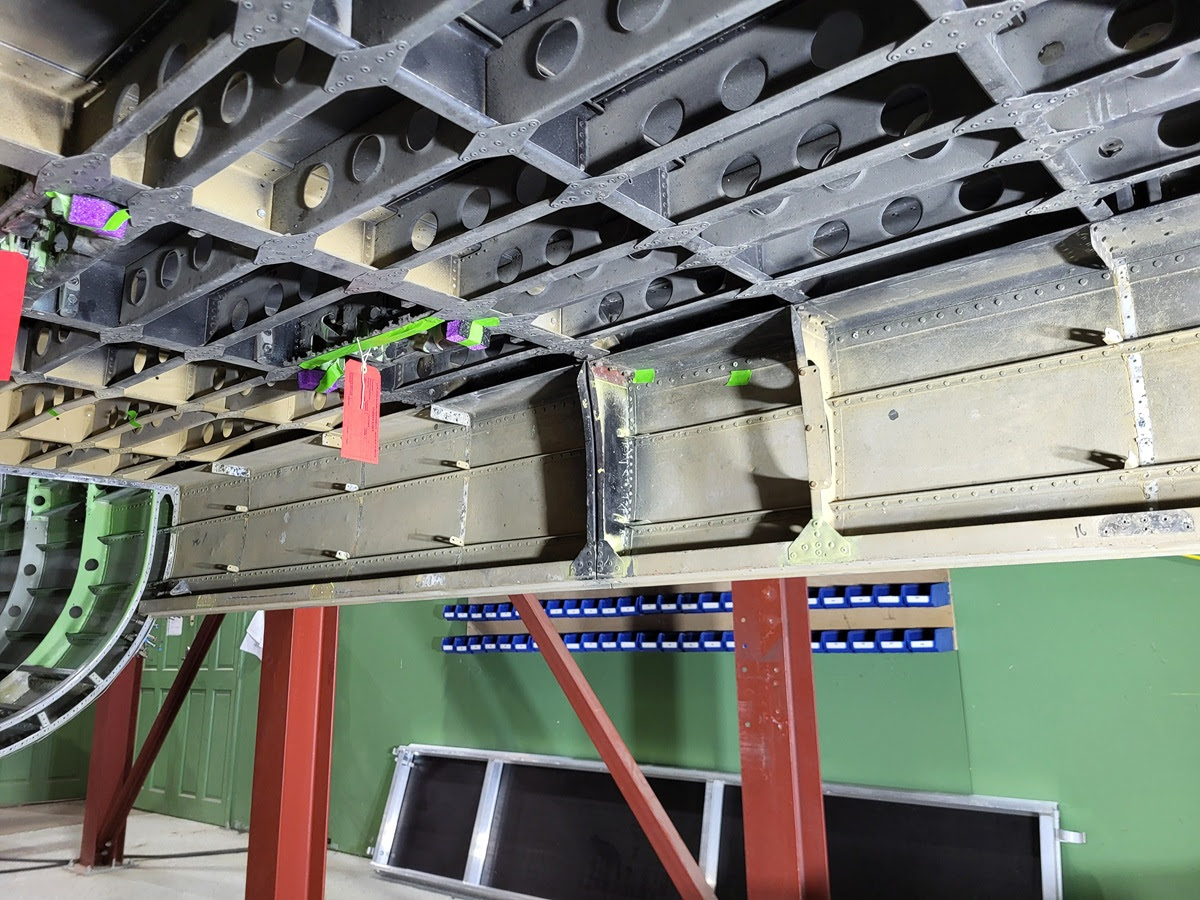
Additional work has focused on the bomb bay skirt ribs, which Phil has begun removing so that new replacements can be fabricated using the originals as patterns. Dave has also removed several ribs from the bomb bay skirt for the same purpose. Once these repairs are completed, the restoration team expects the rear-mid fuselage section of NX664 to be structurally ready to mate with NX611, a milestone currently anticipated for the winter of 2026. Beyond the Lancaster project itself, activity in the hangar has included work on other aircraft within the LAHC collection. Restoration efforts continue on a Percival Proctor being returned to wartime configuration as a Wireless Operator trainer, while a team from Airventure Ltd recently spent a week at East Kirkby assisting with work on the centre’s North American B-25. During that visit, the B-25’s outer wing panels were removed to allow inspection of wing attachment angles and replacement of deteriorated auxiliary fuel tanks.
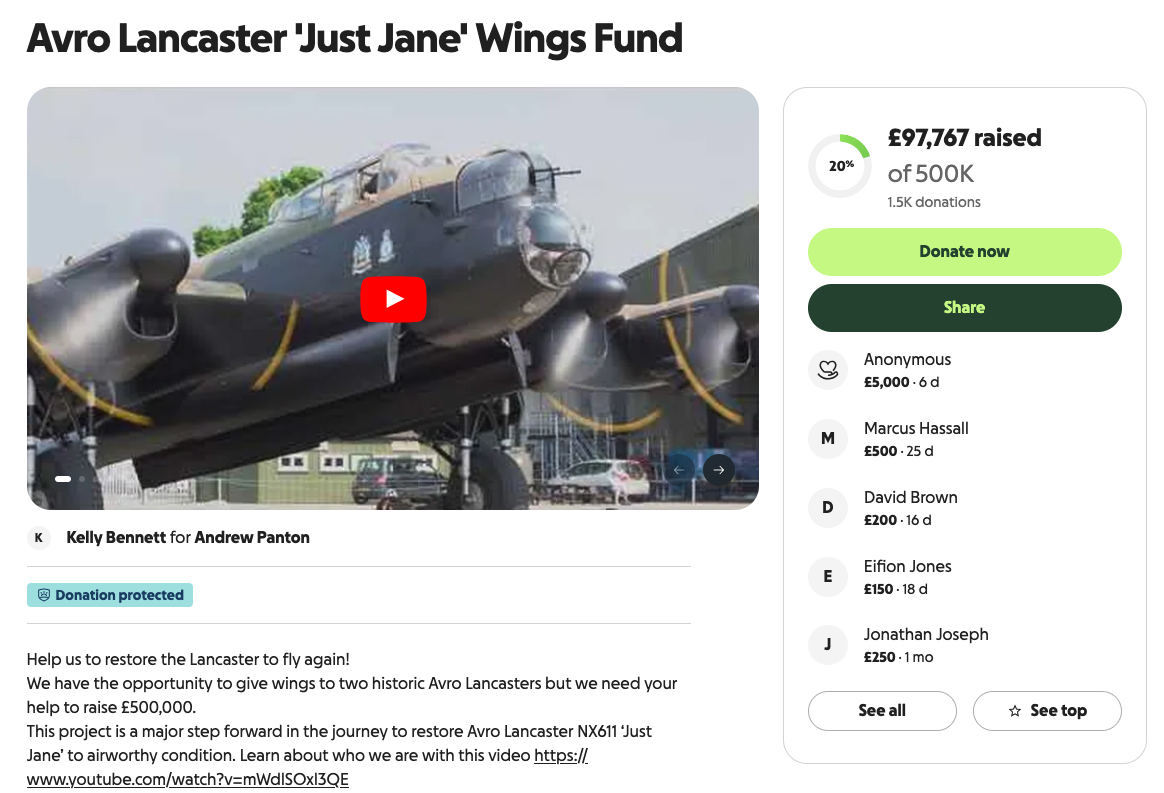
Financial support for the Lancaster project continues through the Wings Fund campaign, which helps cover the high cost of newly manufactured structural components. Support for the Wings Fund campaign continues to grow, with the Wings Fund campaign now exceeding £100,000 of its £500,000 target, with donations helping offset the cost of the newly produced spar booms and other major parts. With structural repairs progressing, critical components arriving, and preparations underway for wing assembly, the restoration of “Just Jane” continues its methodical march toward the long-term goal of returning the historic Lancaster to flight. To learn more and continue support this restoration, visit www.lincsaviation.co.uk.
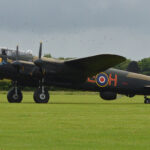
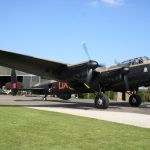
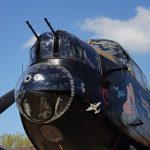
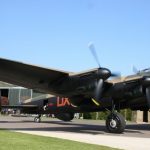






It will be worth the wait to see the Avro Lancaster ”Just Jane” flying once more. A very worthy memorial to the hundreds of Air Crew who died on Operations against Germany.
It greatly annoys me to hear the Russians, and some Western Apologists, continually talking of … ‘How Russia Defeated The German War Machine. ”
Which is to ignore Three Very Important Facts:
ONE – Until June 1941, the Russians & Germans … Stalin & Hitler … Were ‘Bosom Buddies’. With German Industry & Armed Forces receiving Russian Support, Materials and Training Facilities.
TWO – After June 1941, with the two now fighting each other, the 24/7 Daylight and Night Time Bombing carried on by both the U.S. & G.B Forces, tied-up THOUSANDS of Anti-Aircraft Guns, Crews/Support Staff and Fighters, which otherwise would have been deployed to the Eastern Front – Russia Would Have Lost The War.
THREE – A little thing called … ‘Normandy 1944’; which, I Hear, Had Some Small Impact On The War’s Outcome.
But the Russians, and their friends, were never going to let facts spoil a good Fairy Tale.
* A little known aspect of the Allied Bombing Campaign is the Highly Secret U.S. & G.B. Electronic Warfare carried on to disrupt the German Anti-Aircraft Defences.
Of the few books available, a good read is: ”Wings Over Wing”.
To declare an interest here; my Mother Served There (at Wing Village) As A W.A.A.F. And, although She Never Talked Of It, It puzzled me why U.S. & G.B Aircraft were Flying from the same ”Operational Training Unit (OTU)” !!!
And, though Secret to the GB Public, the Luftwaffe not only knew but sent out Night Fighters to spoil the activities – American & British Aircrew died in those desperate, Over The North Sea, Night Time Fights.