
(Image credit: VAN)
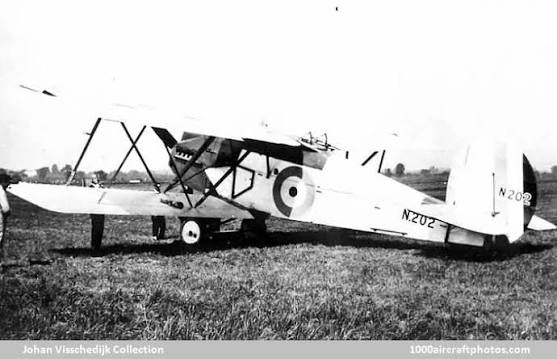
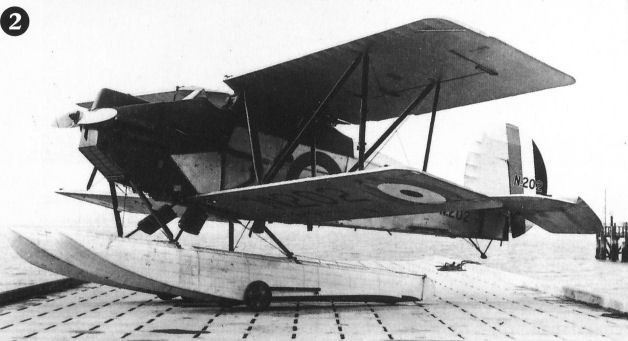
On this day in aviation history, 99 years ago (March 14, 1927), the Parnall Pike N202 flew for the first time. The Pike was a reconnaissance aircraft, one that could fly from water or carrier decks, depending on the need. A biplane design, the Pike was developed by British aircraft manufacturer George Parnall and Company in response to Air Ministry specification 1/24. This specification called for a three-seat reconnaissance aircraft that could operate from carrier decks or from the sea. The aircraft to be developed from this spec would be the ultimate replacement for the Fairey IIID.
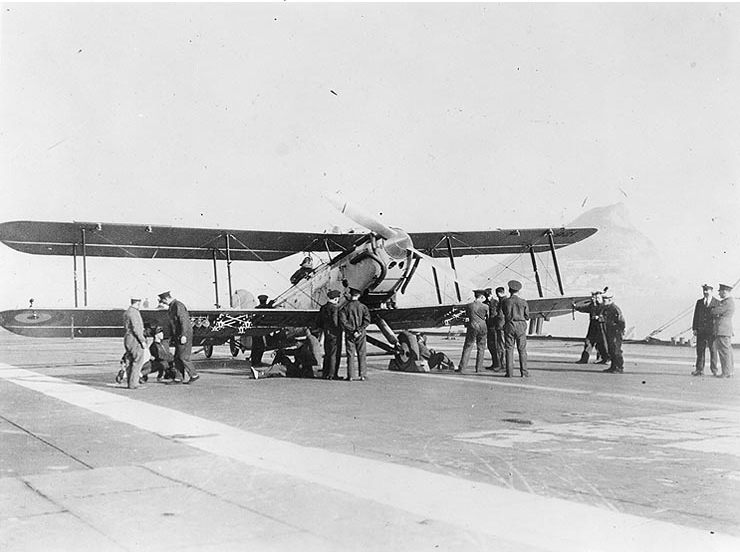
The Air Ministry ordered two prototypes from Parnall and another two Sturgeon prototypes from the Shorts Brothers aircraft company. Parnall opted to use mixed construction on the Pike. The wings were fabric-covered wooden structures, while the fuselage was a rectangular steel-tube structure, also covered with fabric. The radiator was mounted in a way that allowed for improved visibility down the nose – a real plus when attempting to make a carrier landing. Aft of the pilot’s cockpit was a spot for the gunner.
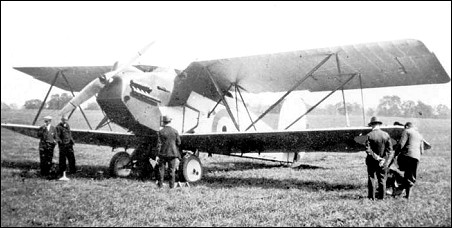
As part of the Air Ministry’s specs, the Pike was required to have the capacity to fly with both wheels and floats (separately). When equipped with a conventional undercarriage, the Pike’s wheel axle was connected to arrester hooks for the purpose of carrier landings. When equipped for sea ops, the Pike was fitted with long floats that had rudders attached. Both conventional gear and floats were connected to the Pike via the aircraft’s oleo struts. The aircraft was powered by a water-cooled 450-horsepower Napier Lion V W-12 engine (with 3 banks of 4 cylinders). The Pike could attain a maximum airspeed of 127 mph. Parnall armed the aircraft with one fixed/forward-firing 0.303-inch Vickers machine gun for the pilot, and another Lewis Mk III on a Scarff ring for the rear gunner. Additionally, the Pike could be fitted with up to four 112-pound bombs on underwing racks.
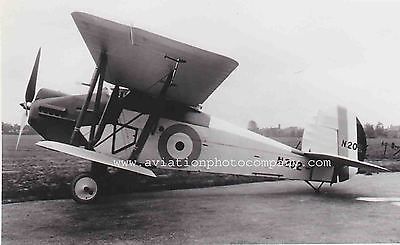
The first and only prototype of the Parnall Pike flew on March 14, 1927, with pilot Frank Courtney at the controls. Water trials would later take place at the Marine Aircraft Experimental Establishment (MAEE) at Felixstowe. Those who flew the Pike in testing were not overly enthusiastic about the aircraft’s handling. The aircraft was found to be sluggish, and the cockpit was uncomfortable. Forward visibility was good; downward and aft sight lines were poor. The space between the pilot and the gunner’s cockpit made communication poor. Any plans that Parnall may have had to build a second Pike were squashed by the Air Ministry’s rejection of the aircraft, alongside the rejection of the Shorts Sturgeon.