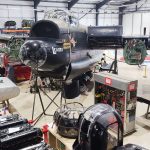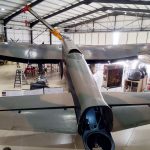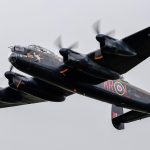


The Aircraft Restoration Company (ARCo) in Duxford, England, has shared a new look at the extensive work underway on the Battle of Britain Memorial Flight’s Avro Lancaster PA474. Its latest update follows the dismantling, inspection, and reassembly of the bomber’s tail, revealing the engineering involved in accessing flight control components deep inside the fuselage—and an unexpected reminder of an earlier generation of maintainers.
(Image credit: Aircraft Restoration Company)
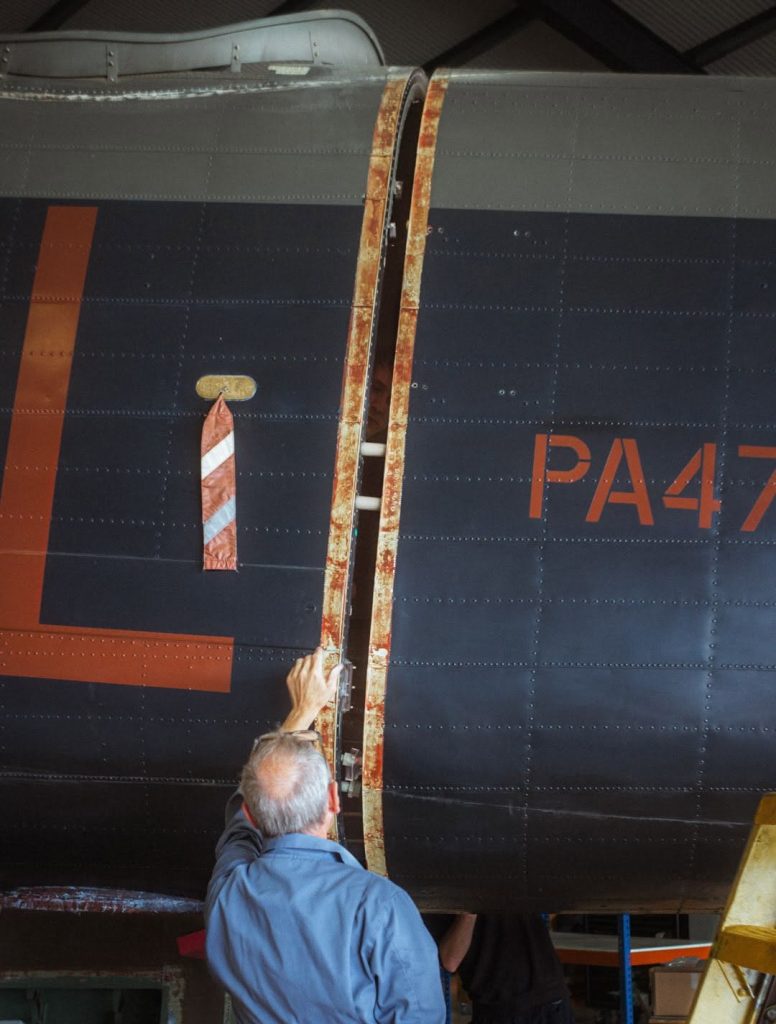
As covered in VAN’s previous maintenance report, PA474’s major maintenance program encompasses structural inspections, non-destructive testing, fuel tank replacement preparations, and undercarriage servicing. That report also documented the separation of the rear fuselage at the transport joint, just behind the mid-upper turret position, to provide access to the elevator and rudder control rods.
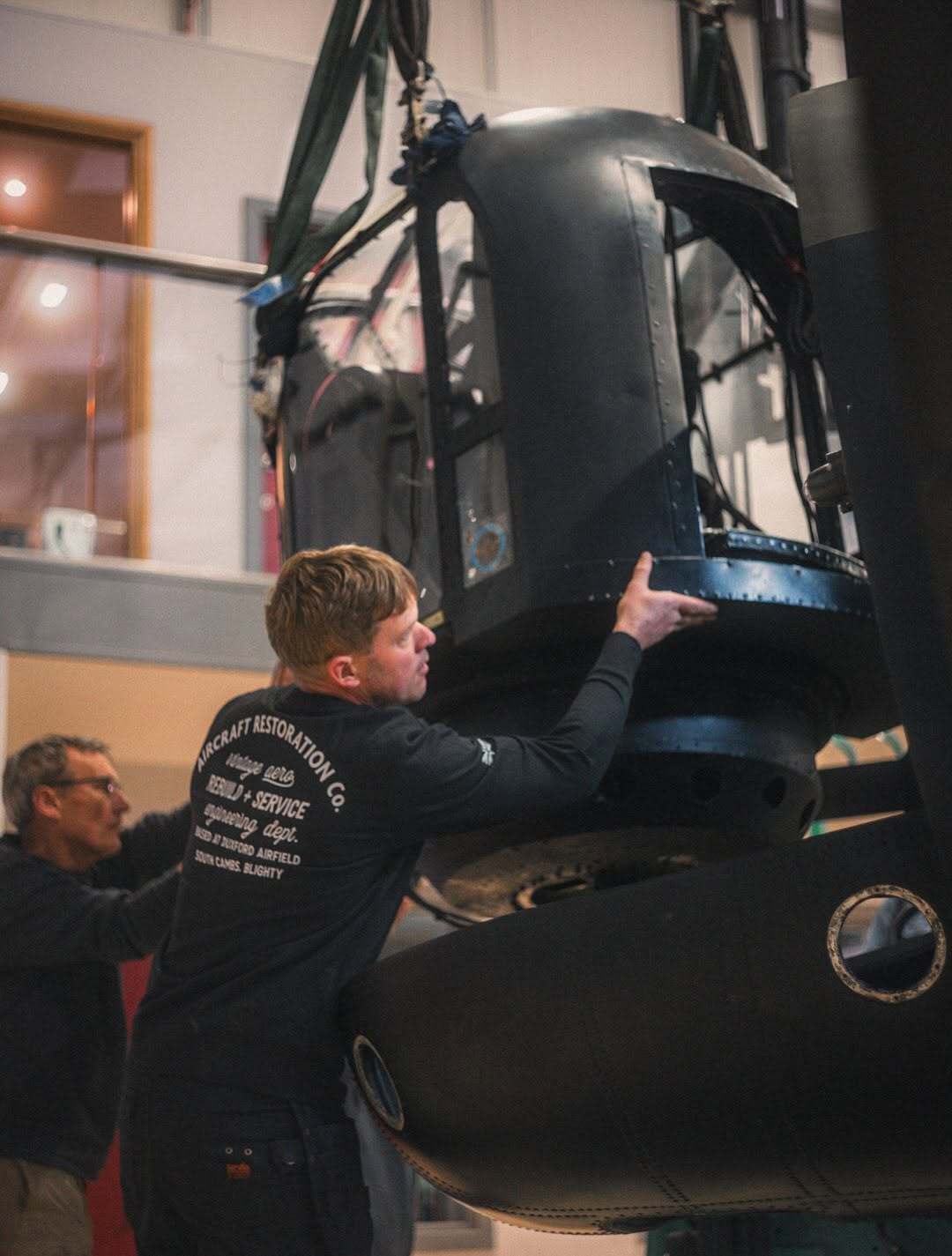
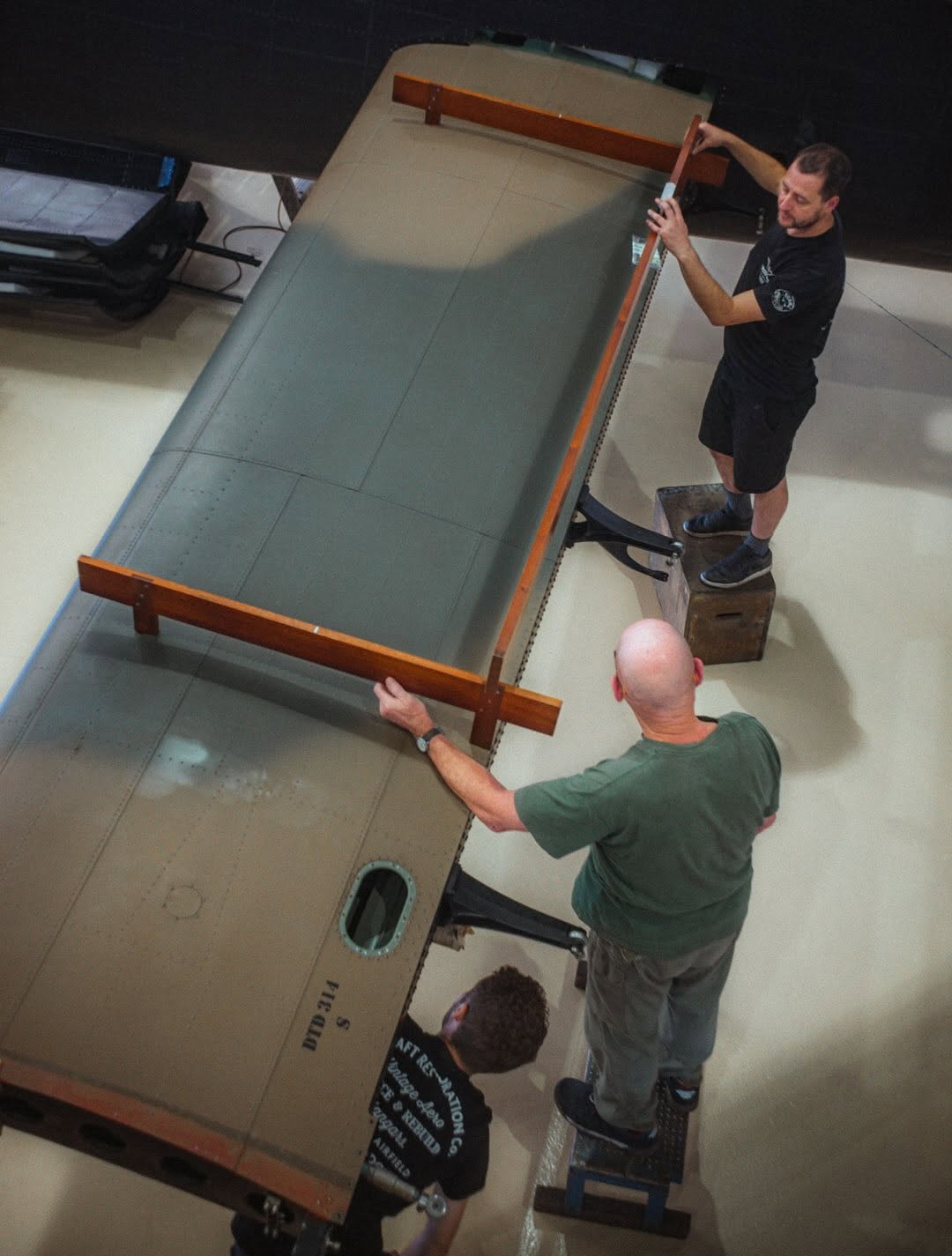
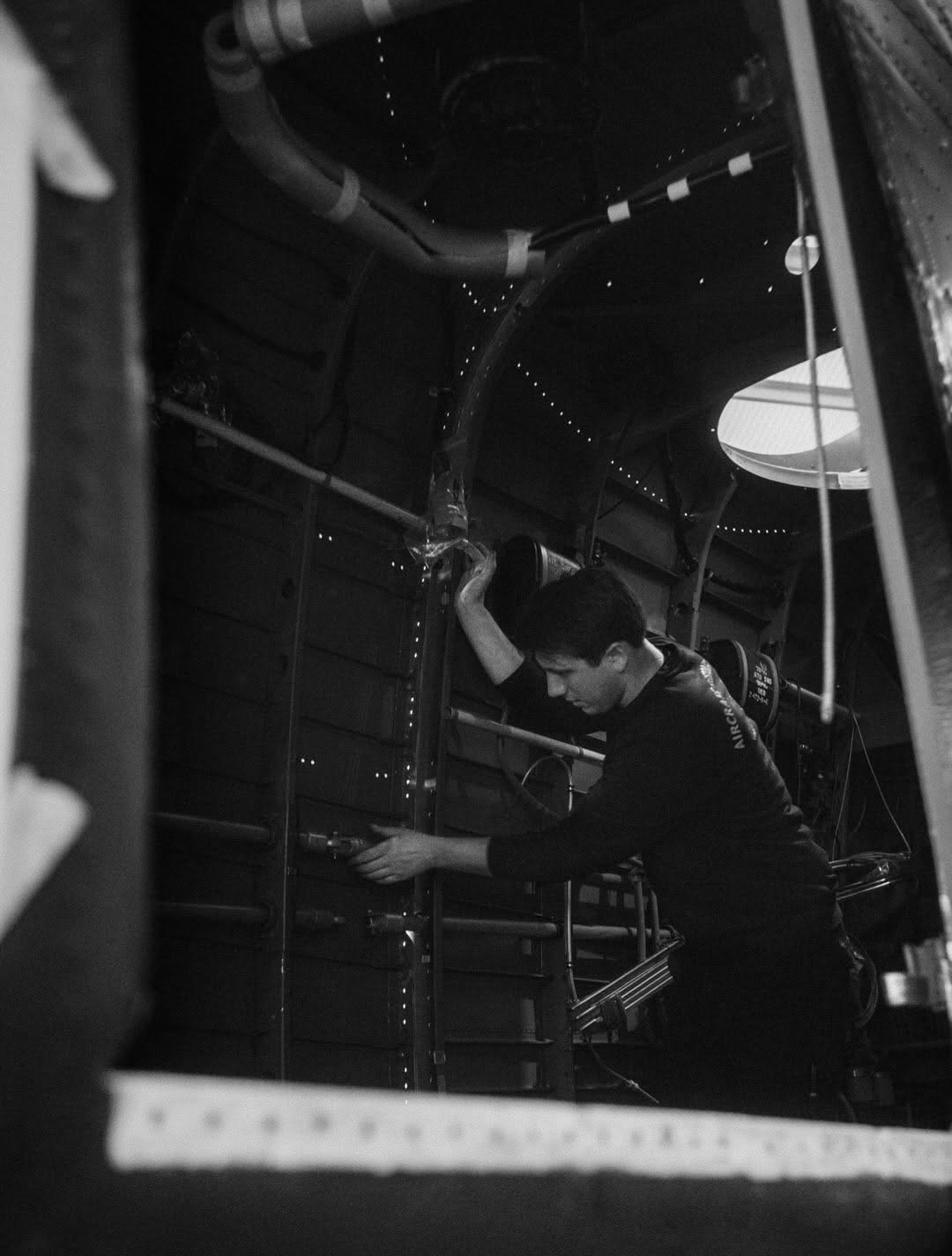
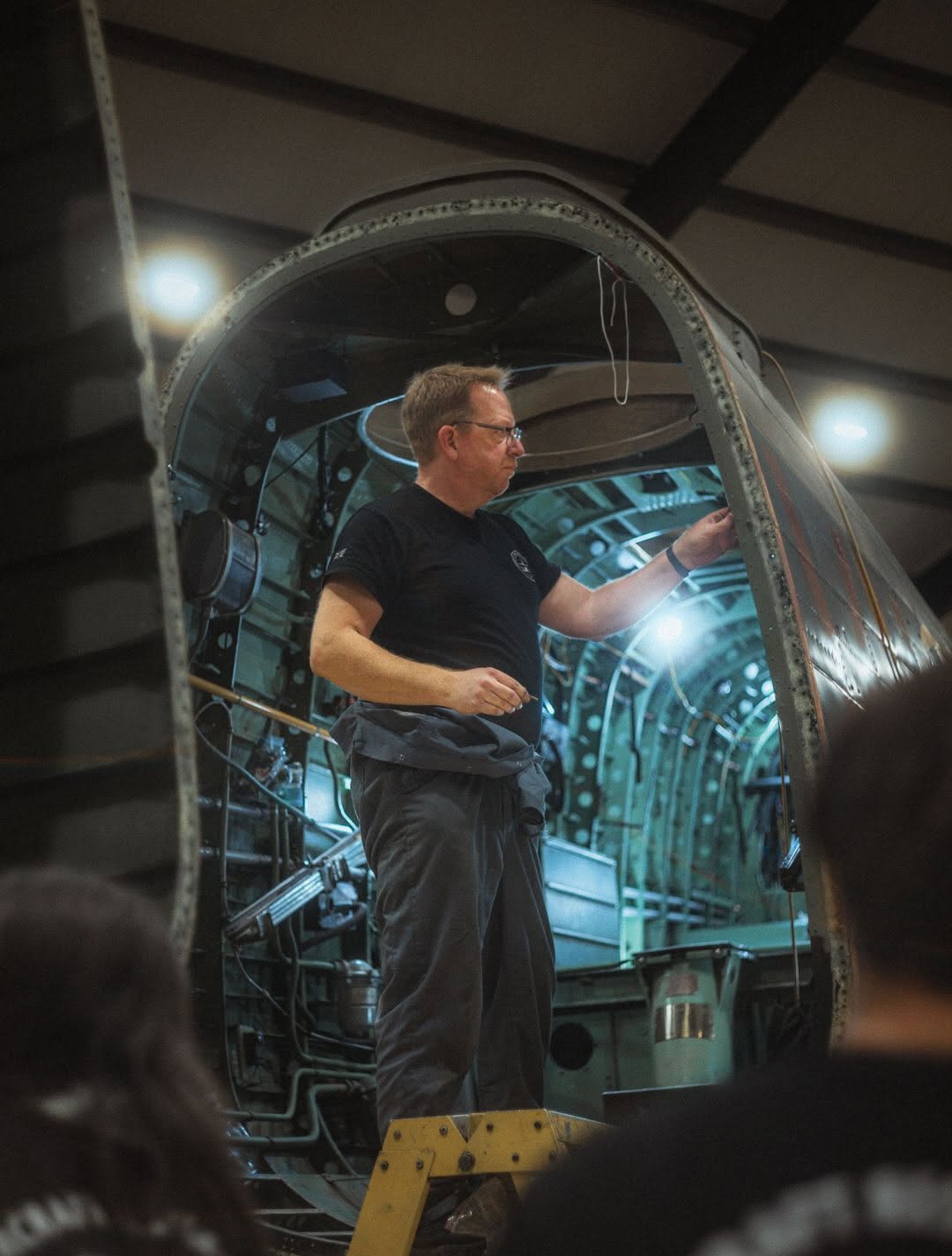
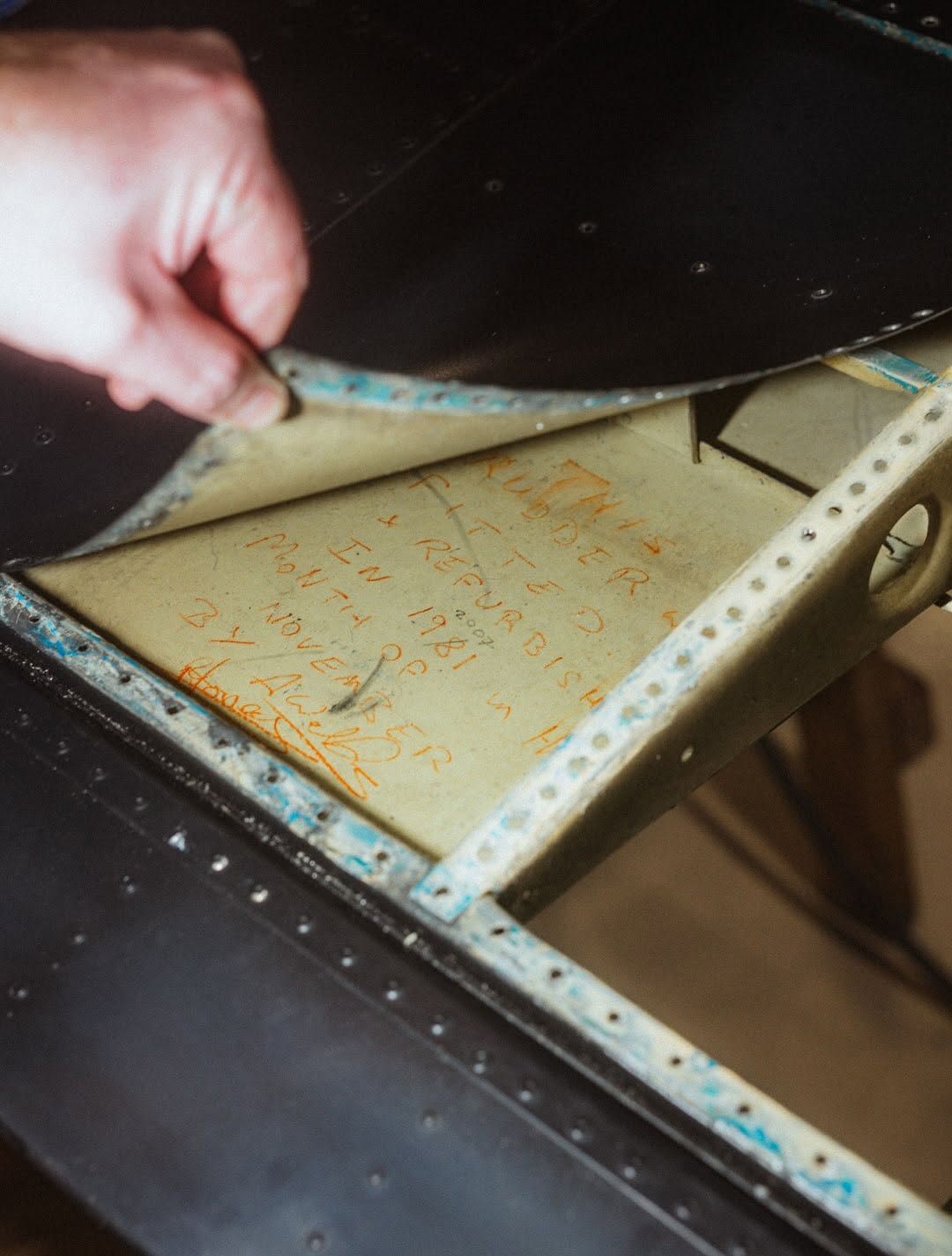
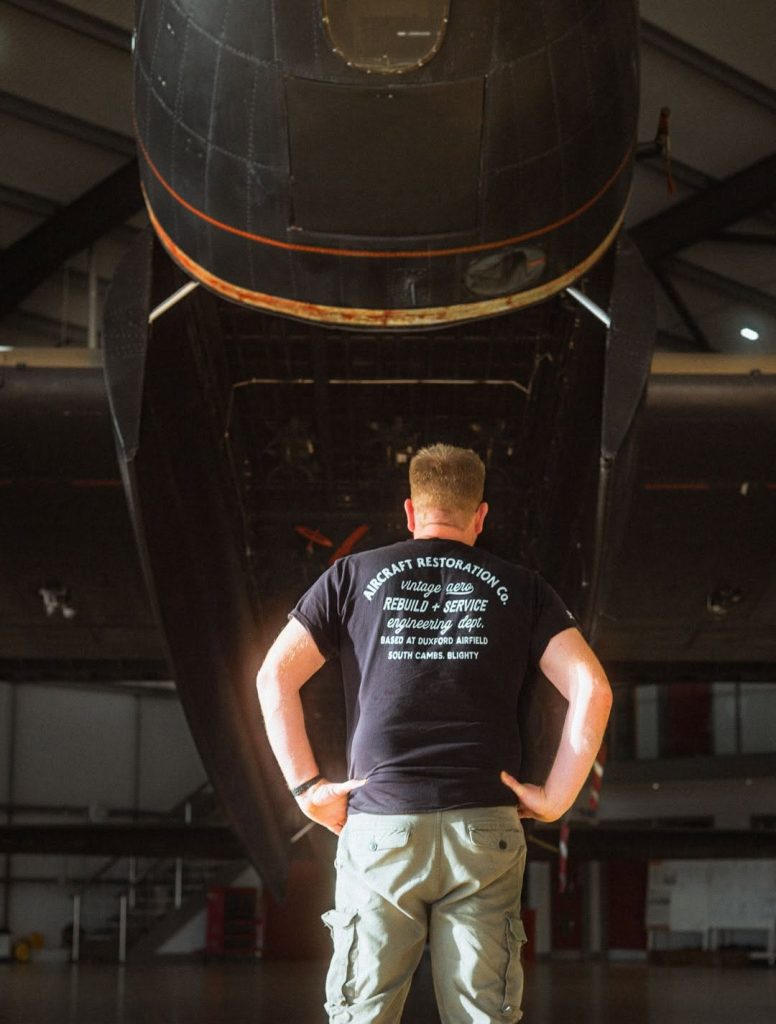
ARCo’s latest account explains the considerable dismantling required before the two fuselage sections could be separated. With the Lancaster stripped back to something approaching a bare shell, engineers first removed the rear turret, followed by the rudders, elevators, vertical stabilizers, and tailplane. Only after the entire tail assembly had been taken apart could the team proceed with separating the rear fuselage. The reason for this substantial undertaking was access. The flying control tubes running through the two fuselage sections were due for replacement, and separating the structure was the only way to reach them. Each component of the dismantled tail assembly underwent extensive non-destructive testing. One rudder also required internal repairs, during which engineers discovered signatures dating from 1981. The markings provided a small time capsule within the aircraft’s structure, and ARCo has invited anyone who recognizes the names to help identify the people who left them.
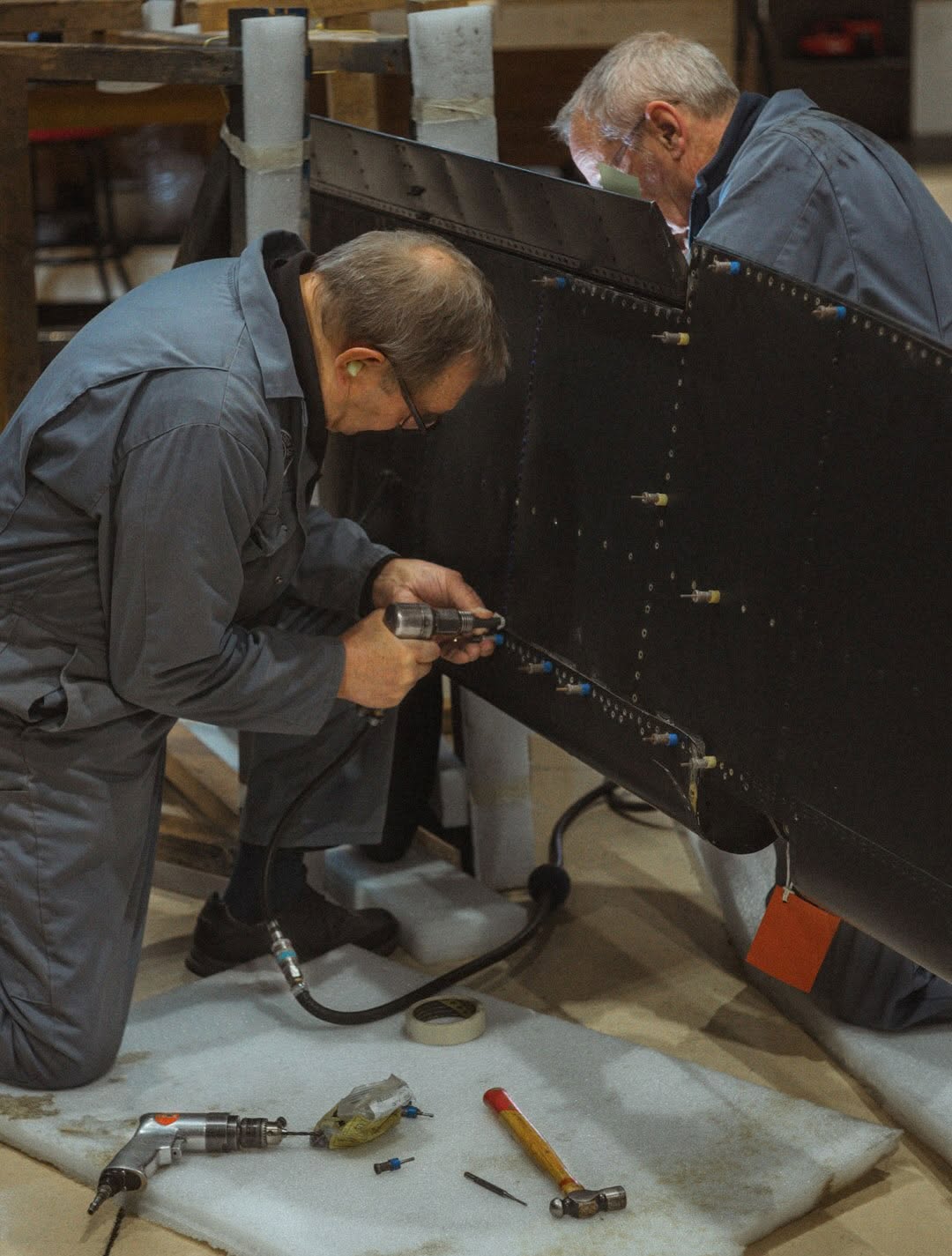
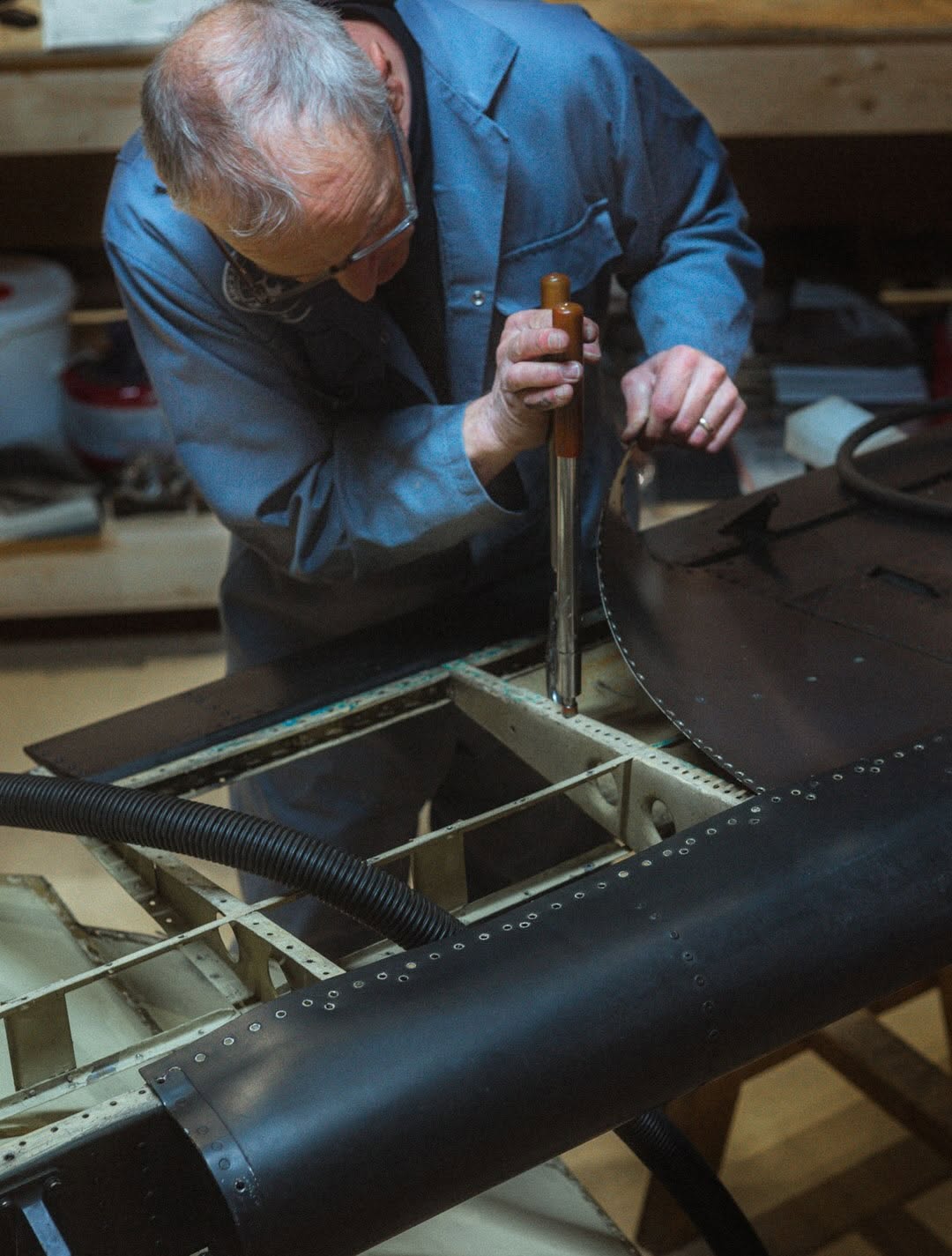
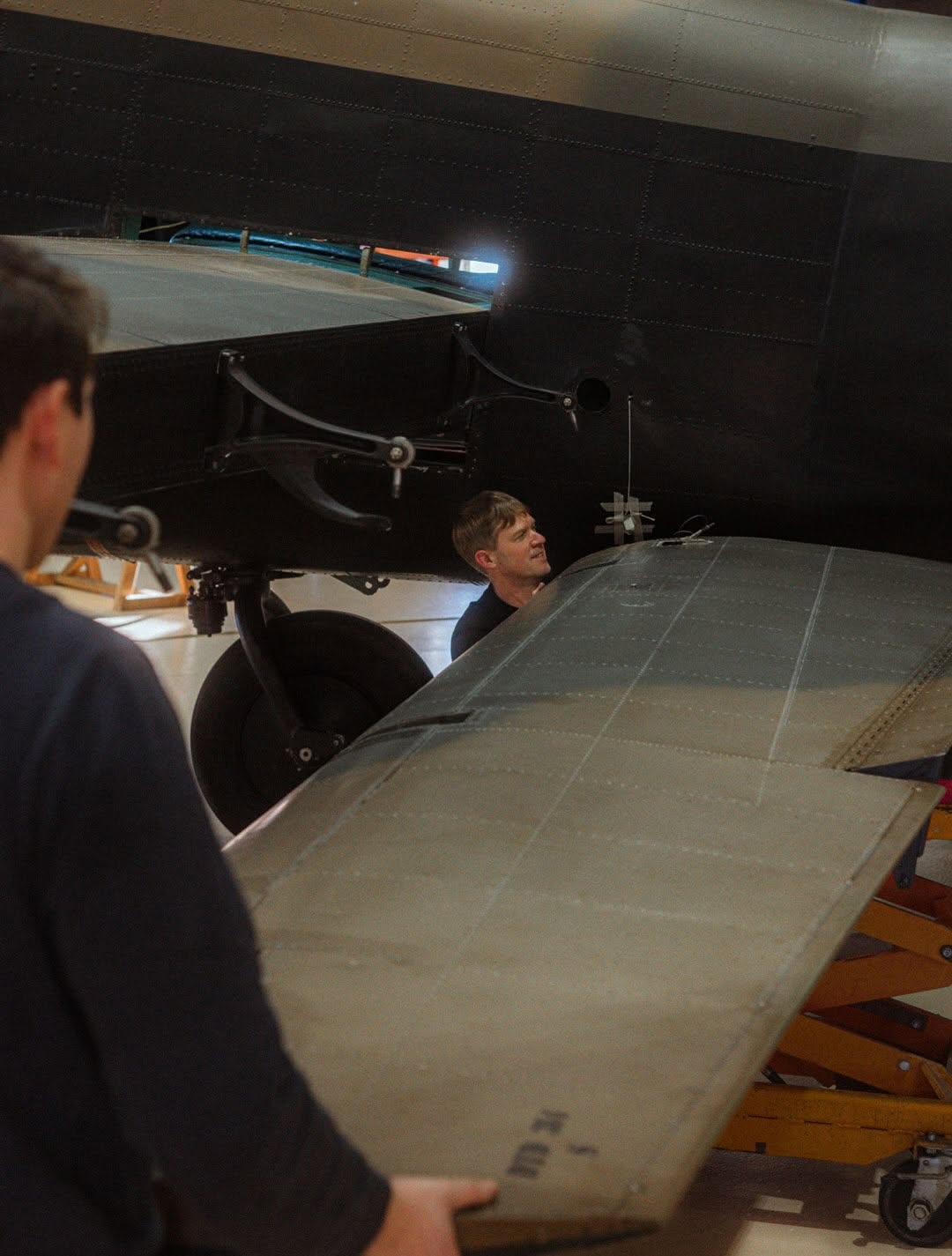
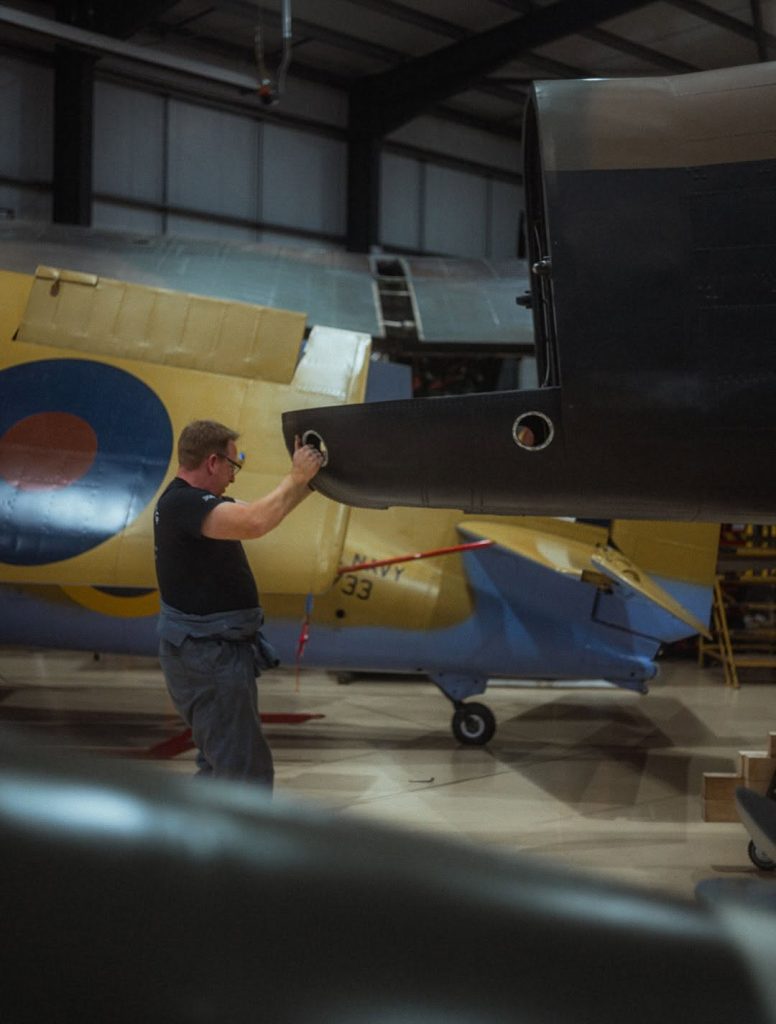
With the tail removed, the team positioned a purpose-built support frame beneath the rear fuselage. Engineers then released the hundreds of bolts joining the fuselage sections, allowing the rear portion to be wheeled away and exposing the otherwise inaccessible control components.Once servicing and repairs were complete, attention turned to rebuilding the Lancaster’s rear structure. The fuselage sections were brought together and secured with a fresh set of bolts, followed by the installation of the tailplane. That stage required newly manufactured strap bolts produced to the original drawings. With the tailplane secured, engineers set its dihedral—the upward angle of its surfaces—before reinstalling the vertical stabilisers. As the components returned to their positions, PA474 began to regain its familiar Lancaster profile.
(Image credit: Aircraft Restoration Company)
The reassembly represents another visible step in the aircraft’s major maintenance program, although the latest account focuses specifically on the rear fuselage and tail work rather than completion of the overall schedule. ARCo has indicated that its next behind-the-scenes update will cover re-covering the ailerons with fabric and fitting the large trailing-edge sections, offering another look at the detailed work required to keep the historic bomber flying. For more information about the Aircraft Restoration Company, visit www.aircraftrestorationcompany.com. For more information about the Battle of Britain Memorial flight, visit www.raf.mod.uk.
(Image credit: Aircraft Restoration Company)