






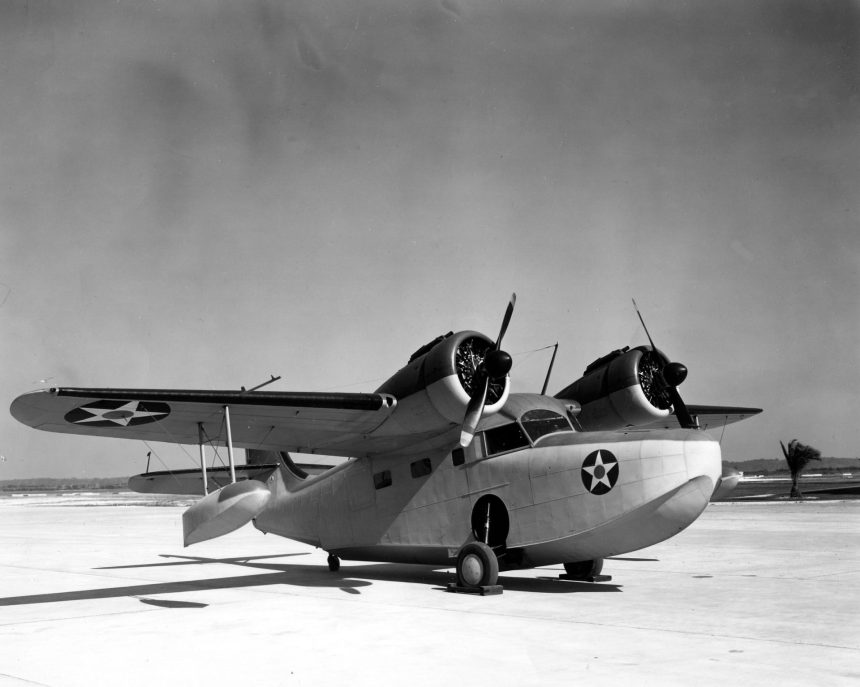


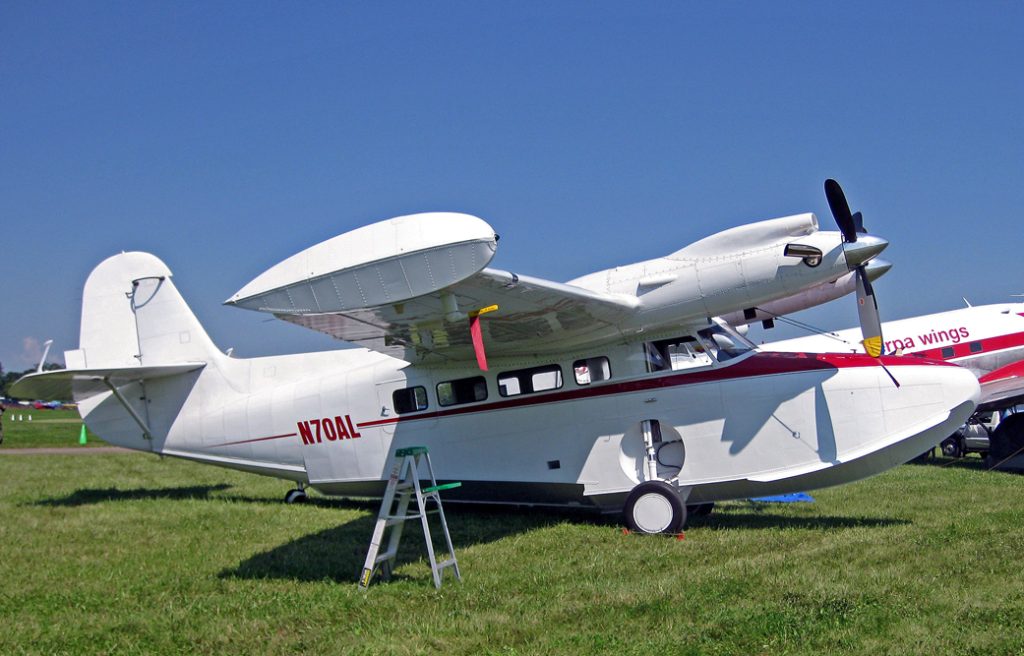
On this day in aviation history, 89 years ago (May 29, 1937), the first flight of the Grumman G-21 Goose took place. An eight-seat amphibious aircraft, this flying boat was initially designed with business travel in mind. Development of the G-21 began in 1936, after Grumman was approached by a group of local Long Island-based businessmen who sought a commuter to take them to New York City and back, with frequency. This group, including noted philanthropist E. Roland Harriman, commissioned Grumman to create a new flying boat to fill this need.
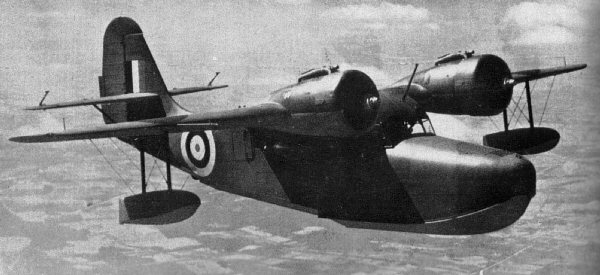
Grumman designed the G-21 as a light “amphib” with all-metal construction. The Goose featured a high-wing, fabric-covered control surfaces, and two 450-hp Pratt & Whitney R-985 Wasp Junior 9-cylinder radial engines. An ample-sized fuselage doubled as the flying boat’s hull, within which hand-cranked landing gear could retract into side-mounted recesses. The cavernous fuselage offered exceptional space for both transport and luxury, including space for a mini-bar and restroom. As a byproduct of the Goose’s utility, the G-21 was eventually pressed into military service with the US Navy, US Army Air Forces, Royal Air Force, and Royal Canadian Air Force during WWII.
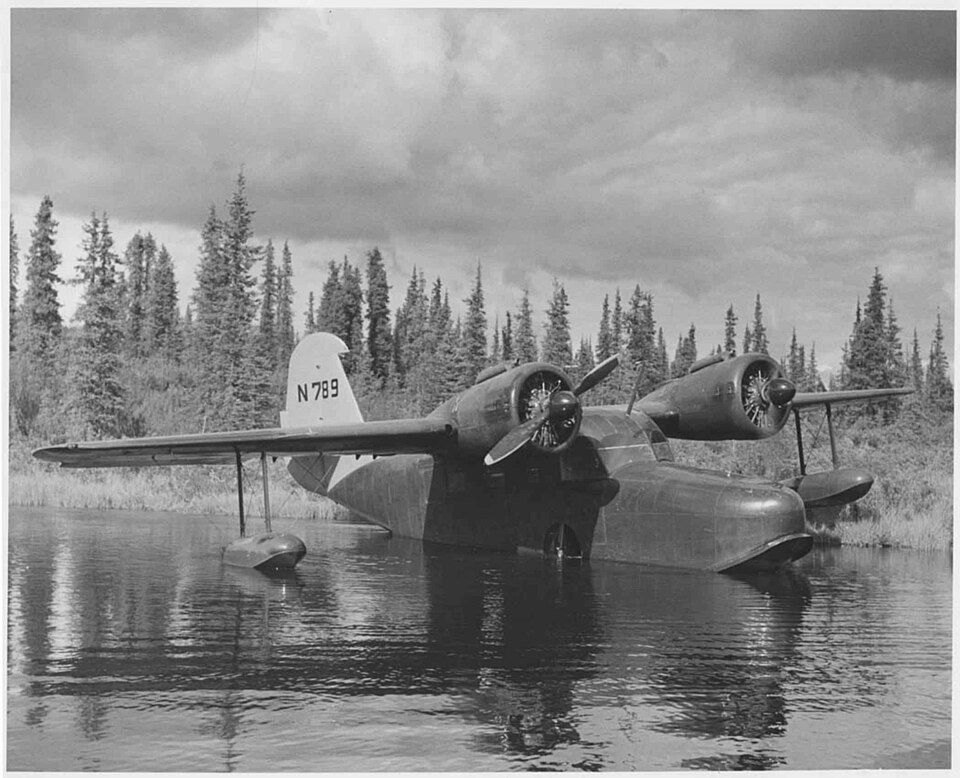
The Grumman G-21 could go just about anywhere, adding to the aircraft’s utility and favorability amongst armed forces and commercial operators alike. The Goose found a niche flying in Alaska with numerous small airlines. The G-21 remained such a stable and useful amphibious aircraft that in November of 2007, Antilles Seaplanes re-initiated production of a turbine-powered McKinnon G-21G Turbo Goose variant. Antilles has since been foreclosed on, leaving the future of turbine-powered G-21s in doubt. Originally, Grumman manufactured 345 G-21s.
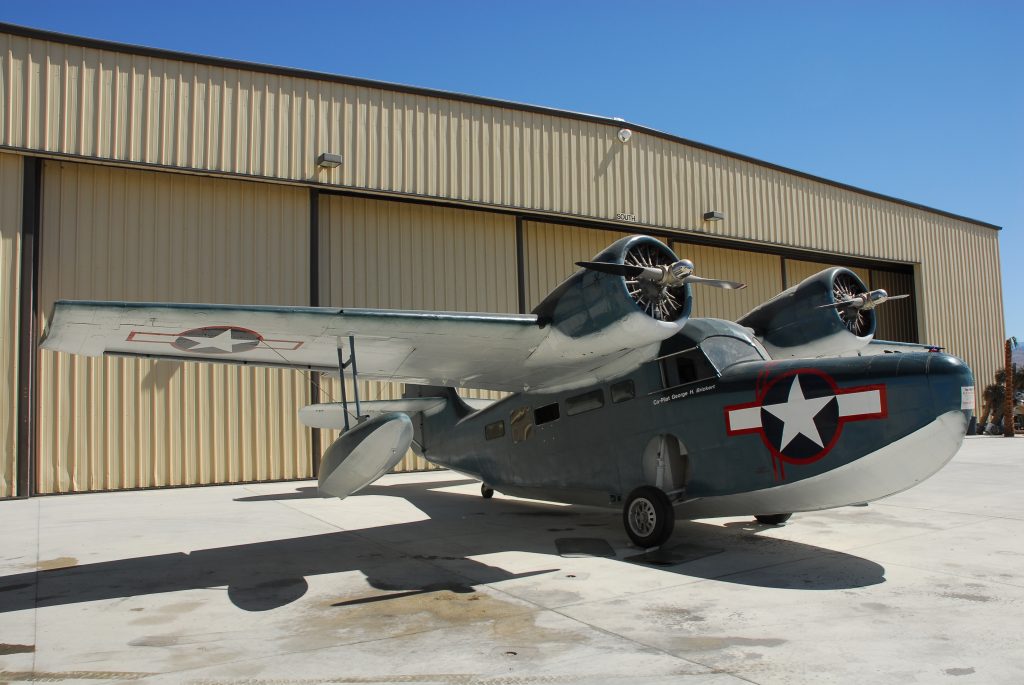
The Grumman JRF-5 Goose variant was used by the US Navy. This model was powered by the two original R-985s, around which the aircraft was designed. The JRF-5 could cruise at 191 mph and attain a maximum airspeed of 201 mph. The Navy appreciated the aircraft’s range of 560 nmi and service ceiling of 21,300 ft. The Goose could climb at a rate of 1,100 fpm. The JRF-5 was fitted with bomb racks capable of being armed with two 325 lb depth charges, or two 250 lb general purpose bombs. Target towing and camera gear were also installed. A handful of Grumman G-21s survive today; it’s estimated that around 30 are still airworthy and flying.











The Goose was featured in the short lived TV series Tales of the Gold Monkey.
The Goose was a classic utility aircraft with multiple uses. So too was the Catalina PBY amphibious aircraft. A modern version of the Catalina is being designed and will be built as a FAA clean sheet Type 25 aircraft in Vero Beach, Florida. The market lacks any modern versions of amphibious aircraft currently in production. We plan to change that.