





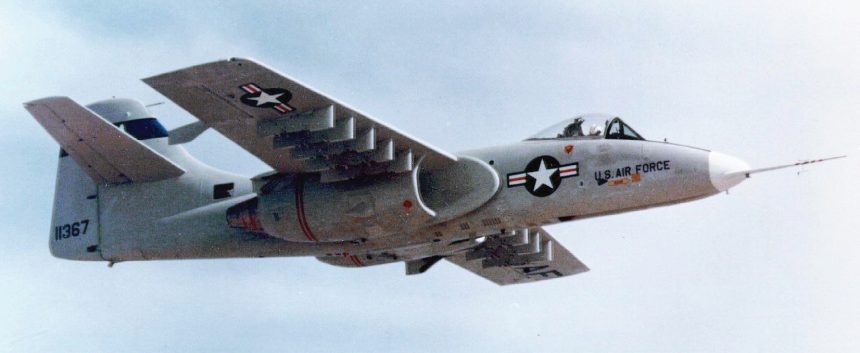

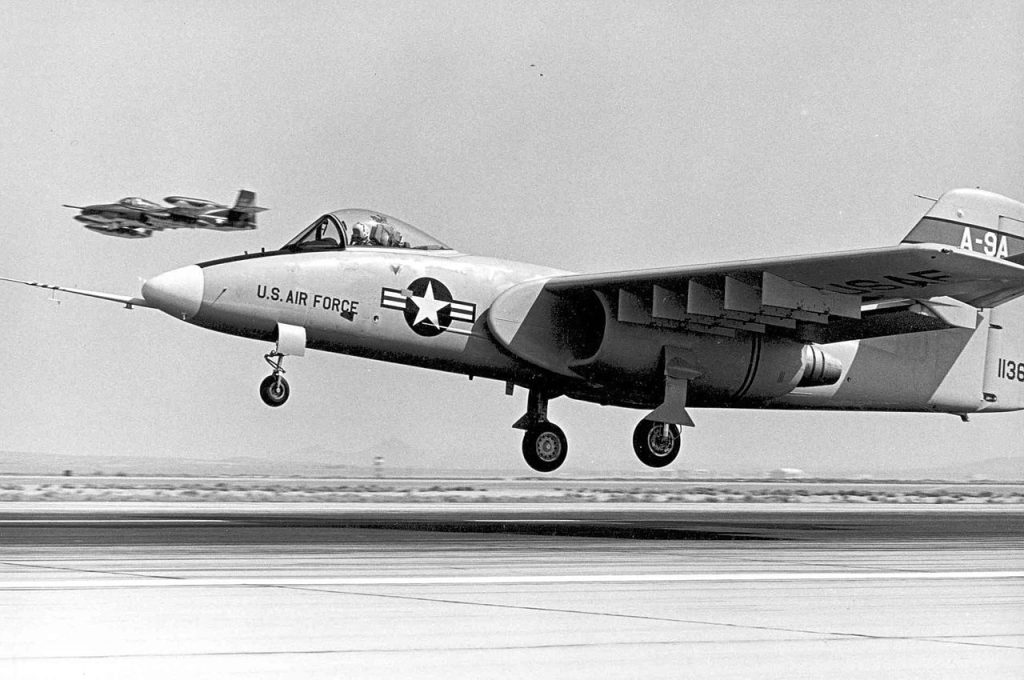
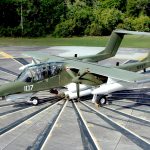
On this day in aviation history, 54 years ago (May 30, 1972), the Northrop YA-9 took flight for the first time. This prototype attack aircraft is often overshadowed due to the popularity of the plane; it ultimately lost out to the Republic A-10 Thunderbolt II. Regardless, the YA-9 was a promising combat aircraft. Northrop began development of the YA-9 as a possible solution to the United States Air Force’s A-X program, which sought a low-cost attack aircraft. Feedback was taken from A-1 Skyraider pilots who, at the time, were in the thick of the ground-attack operations in the Vietnam War. These first-hand accounts led directly to the design of the USAF’s next-generation attack platform.
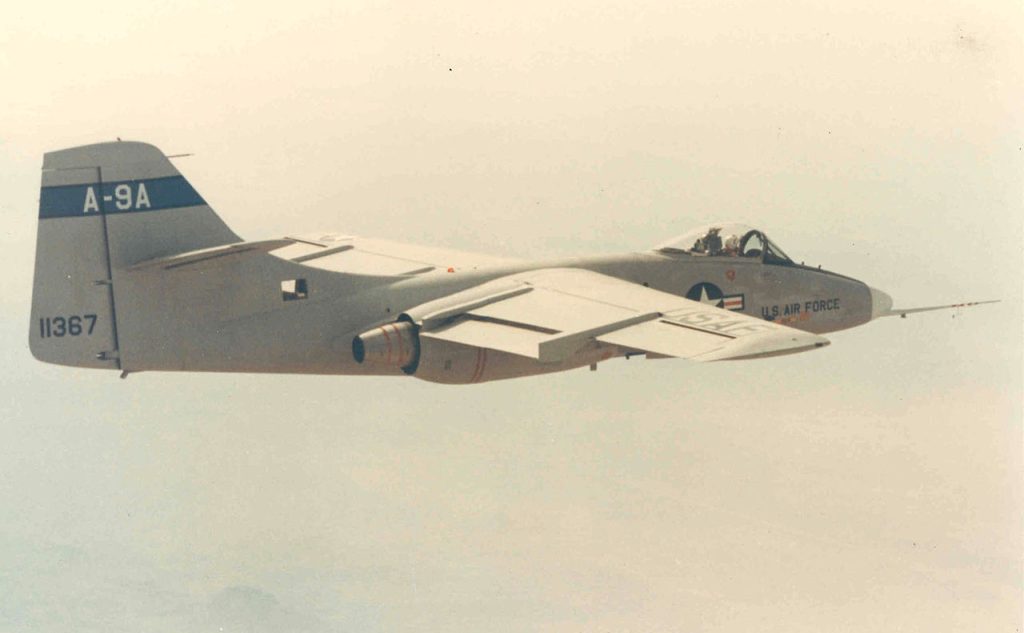
Northrop designed the YA-9 with shoulder-mounted wings, while the twin Lycoming YF102-LD-100 turbofan engines were fitted in nacelles within the wing’s roots. The team opted to use these 7,200 lbf engines rather than the more powerful 9,280 lbf General Electric TF34s being used by Republic on the competing YA-10, even though the YA-9 was designed to accommodate either powerplant. This decision was a major reason why the USAF selected the YA-10 instead, as the TF34 was more proven at the time. The YA-9 featured split ailerons that would double as speed brakes, which, when used in conjunction with rudder and yaw movements, improved accuracy when aiming the ship’s 20 mm M61 Vulcan Gatling gun. The YA-9A demonstrated a maximum airspeed of 510 mph and a 5,000 fpm rate of climb. In addition to the Vulcan gun, the aircraft had 10 underwing hardpoints with a capacity of 16,000 lbs.
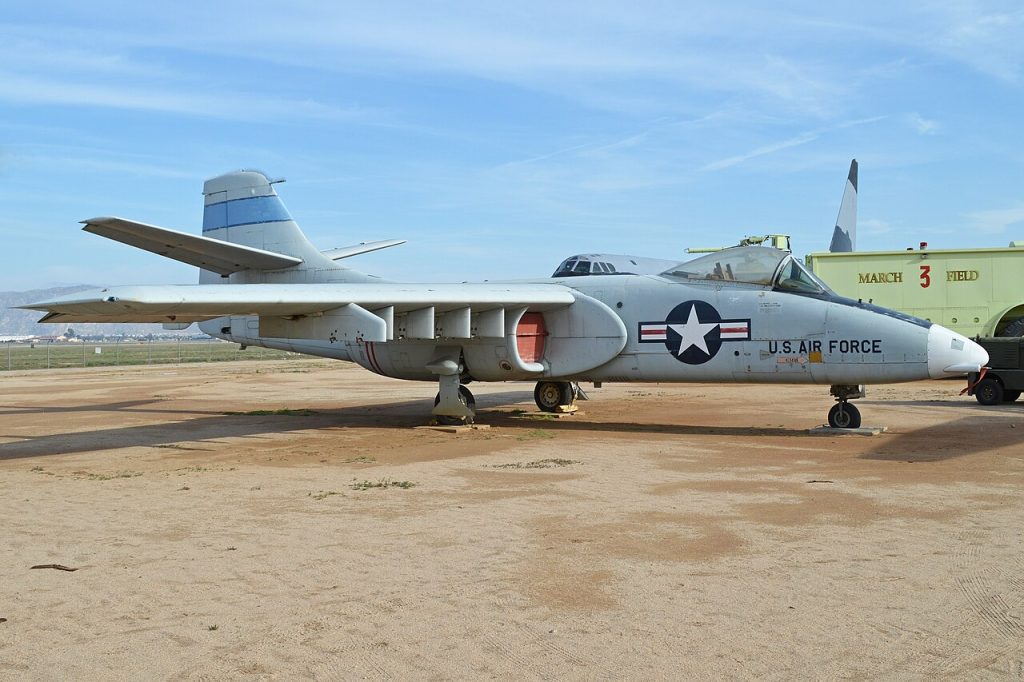
Much like the YA-10, the YA-9 placed the pilot in front of the wings in a bubble canopy, surrounded by armour for protection from anticipated ground fire. In a “fly-off” with the YA-10, the YA-9 showed promise with “fighter-like” flight characteristics. Additionally, Northrop’s design was found to be a stable weapons platform. The YA-9 met the USAF’s specification requirements in every regard, yet the unproven nature of the YF102 engine led to the YA-10 being favored. Both YA-9 prototypes went on to NASA for continued flight testing, and today, both aircraft survive. YA-9 71-1367 is currently stored at Edwards AFB in California, awaiting restoration. 71-1368 can be seen on display at the March Field Air Museum in California.






The company that built the A-10, was Fairchild Republic, by the time the USAF started formulating its AX Requirements, Fairchild had bought Republic, to created Fairchild Republic Corporation.
As a member of the Transient Alert team at Edwards AFB, I performed Last Chance end-of-runway inspections on both tail #367 & #368, as well as both YA-10 prototypes. Generally, as mechanics, we felt a lot more comfortable performing Last Chance on the A-10’s, with those turbofans way up high. We at EAFB were probably some of the earliest to hear that brrrrtpt of the 30mm cannon, as it dove on targets way out past South Base. 54 years??? That’d make me like 72 years old, wouldn’t it? A side note, after my first two weeks on the flight line, we got in a transient C-5A Galaxy. When the nose opened up, and the plane corkscrewed down, myself, my boss, and about 25 dignitaries watched the (wingless) prototype YF-15 (Tail #280) roll down the ramp. Watched both that program develop, as well as the YF-16 & YF-17 (now the F-18) fly-off, and the YA-9 & YA-10 fly-off competitions. Those were memorable days in aviation, for sure!
Thanks for sharing these memories!
This is awesome! Thanks for sharing your story. It’s always awesome to hear first hand accounts from readers.