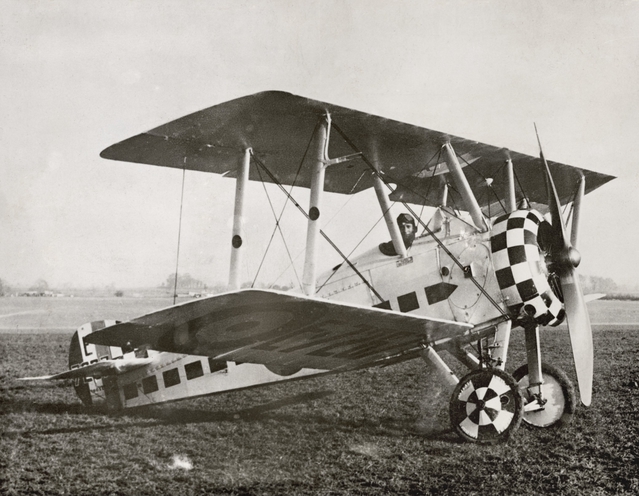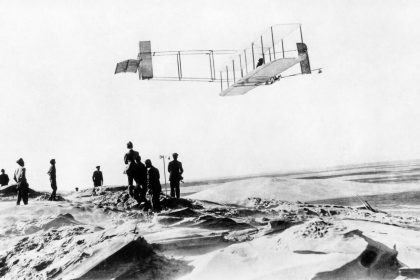
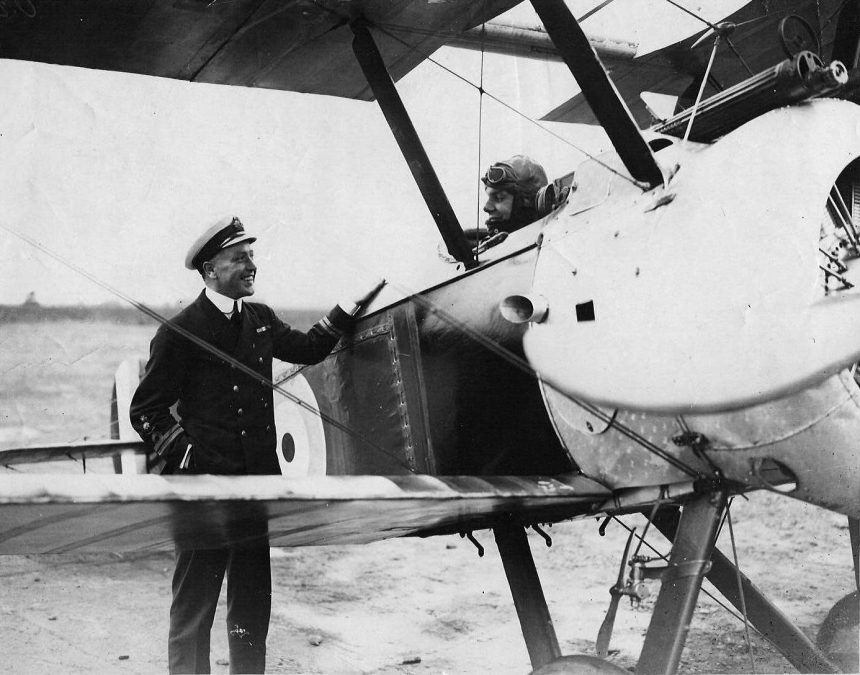

Many Canadian Aces in WWI began their careers as Army officers before switching to flying. But Arthur Whealy started his military journey as a pilot. Born on November 2, 1895, in Toronto, Whealy was a medical student before WWI began. He learned to fly at his own expense in the US. He got his Aviator’s Certificate on a Curtiss biplane at the Atlantic Coast Aeronautic School in Newport News, Virginia, on February 5, 1916. He was commissioned in the Royal Naval Air Service on February 29, 1916, and after training, assigned to No. 3 Naval Squadron on August 24, 1916. He flew a Sopwith Pup in this unit.
Ace Journey of Arthur Whealy
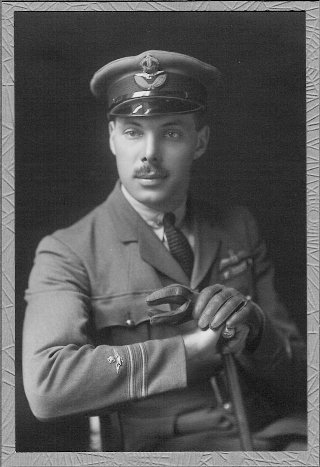
Arthur Whealy’s first victory came on April 12, 1917, when he shot down an Albatros D.III, followed by another victory on April 23. He scored his third victory on May 2, after which he was shortly transferred to the No. 9 Naval Squadron. He scored his first victory in this squadron on May 9, and on July 7, 1917, after shooting down an Albatros D.V, he officially became an ace. He received a Sopwith Triplane after becoming an ace and destroyed two more Albatros D.V with the new aircraft in July. Later, he was reassigned to No. 3 Naval Squadron and received a Sopwith Camel, which he flew until the end of his WWI pilot career. His last victory in 1917 came in September, bringing his score to eight. He had to wait for five months to shoot down another aircraft in February 1918, followed by five victories in March. After the Royal Naval Air Service and Royal Flying Corps joined together to form the Royal Air Force (RAF), Arthur Whealy’s 3rd Naval Squadron was redesignated as No. 203 Squadron RAF. Following this, Whealy shot down three aircraft in April, bringing his personal score to 17. In April, Arthur Whealy was also awarded a Distinguished Service Cross, with a citation, “For the most consistent determination, bravery and skill with which he has carried out numerous low flying harassing attacks on the enemy’s troops, transports, etc., inflicting heavy casualties and damage. By his splendid example and gallantry…many hostile operations were hampered and frustrated. He has further brought down many enemy machines.”
The Legacy
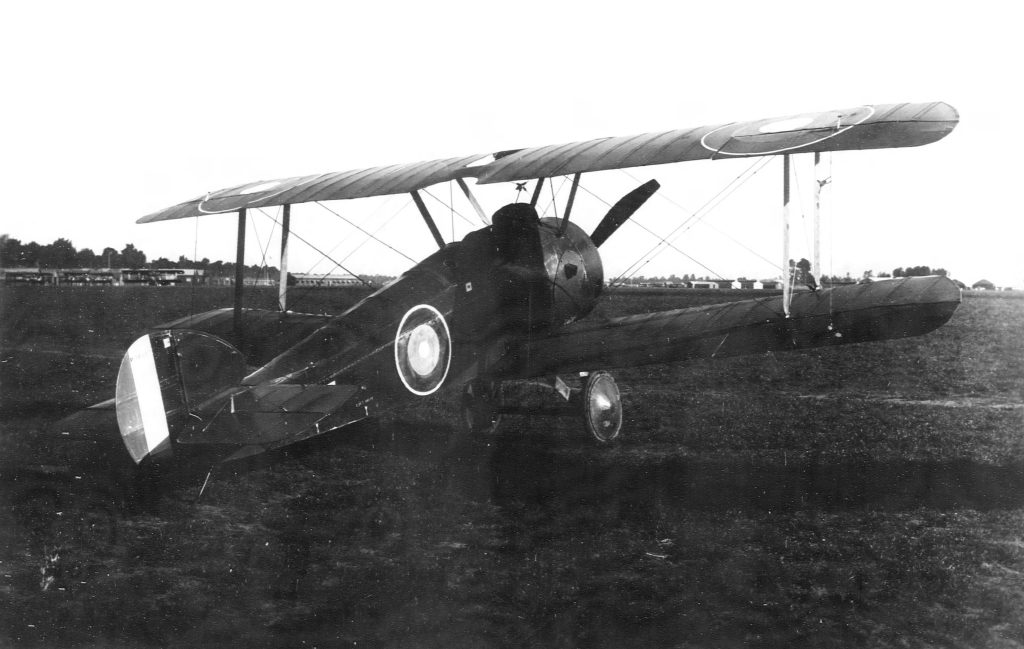
Arthur Whealy downed six more aerial targets in May, followed by one in June, bringing his score to 24. For this feat, he was awarded the Distinguished Service Cross (DSC) Bar, with a citation, “For conspicuous gallantry and devotion to duty. He has proved himself to be a brilliant fighting pilot. Under his able and determined leadership, his flight has engaged and accounted for many enemy machines, he himself being personally responsible for many of these.” Following this, Whealy scored two more victories in August and one in September, bringing his final score to 27. On September 24, he was assigned to the Home Establishment and did not have another chance to score. Out of all his 27 victories, 13 were Albatros aircraft, three each were C-type aircraft, DFW Cs and Pfalz D.IIIs, two were LVG Cs and Fokkers, and one was Halberstadt D.II. For his WWI efforts, in December 1918, Arthur Whealy was awarded the Distinguished Flying Cross, citing, “This officer has shown a very high standard of efficiency. Untiring and full of initiative, he sets a fine example to the younger pilots. During the recent advance, he has carried out daring reconnaissances at very low altitudes, invariably bringing back valuable information. He is a bold fighter in the air, having accounted for five enemy machines.” There is not much record about his life after the war apart from the fact that he died on December 23, 1945, at St. Marguerite, Quebec, Canada. In the Aces series, Arthur Whealy stands as a disciplined ace with good flying skills. Read stories about other aces HERE.