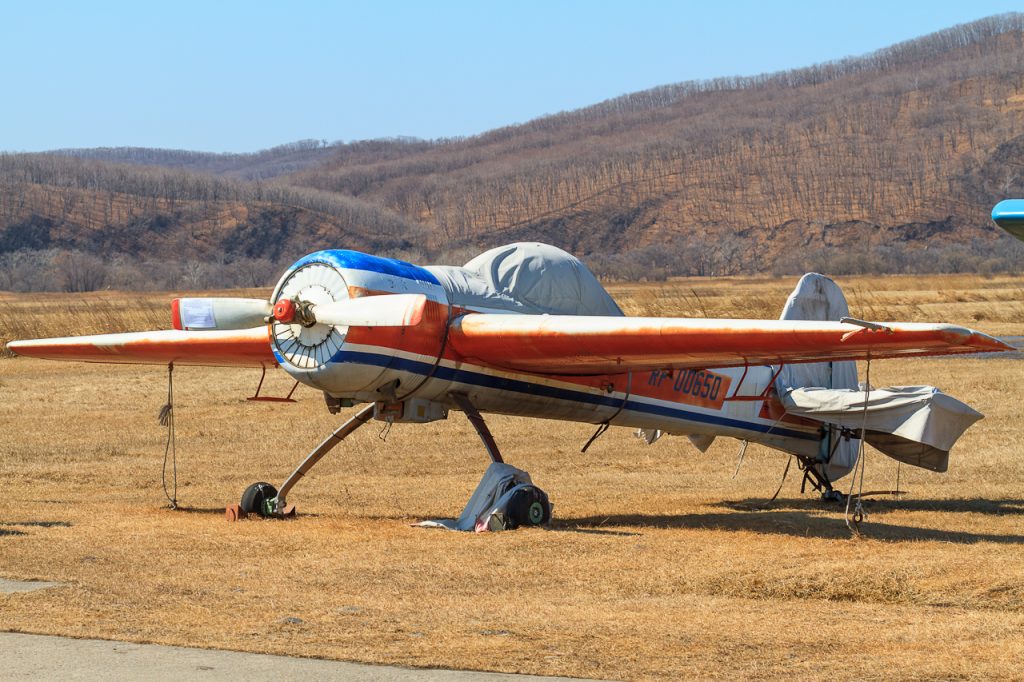
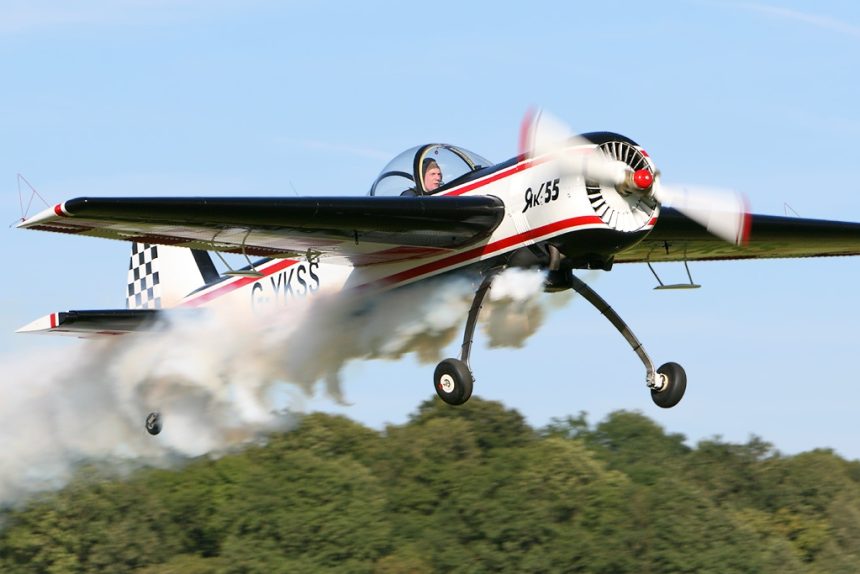


On this day in aviation history, 45 years ago (May 28, 1981), the Yakovlev Yak-55 took flight for the first time. A purpose-built aerobatic aircraft of Russian origin, the Yak-55 has proved itself in competition flying. At the hands of a well-trained aerobatic pilot, the Yak-55 can best even the stiffest of competition. Prior to the Yak-55, the Yak-50 was the premier Russian aerobatic platform. Soviet pilots dominated the 1976 World Aerobatic Championship while flying the Yak-50, placing 1st, 2nd, and winning the team competitions. Despite this success, the Soviet pilots were enthralled with the performance of the aerobatic planes from the West, which seemed to have an ability to maneuver within a tighter envelope than the Yak-50.
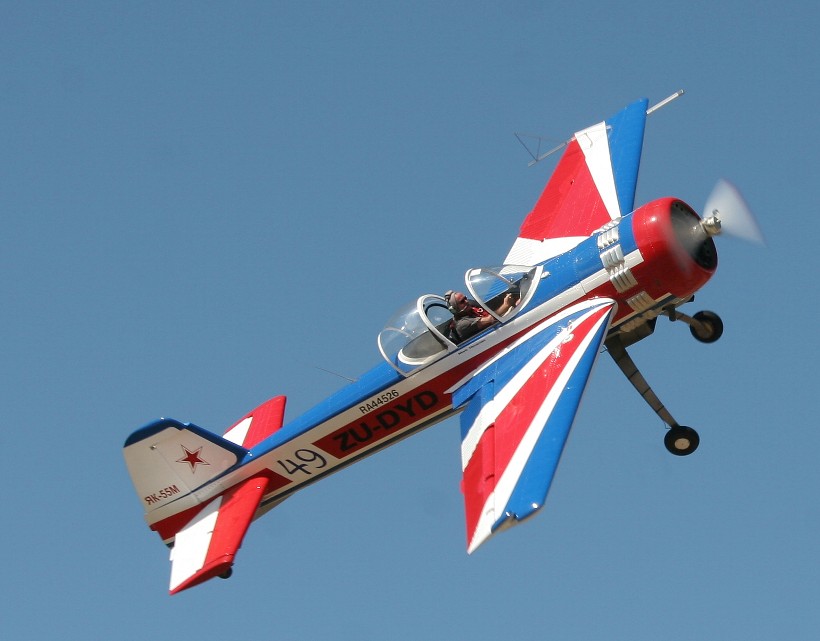
Not to be outdone by “the west,” the hivemind at the Yakovlev design bureau set to work on an upgraded aerobatic aircraft. The Yak-55 was an entirely new design, not based on the Yak-50. The new aircraft was of all-metal construction and featured a wing that was mounted mid-fuselage. This thick wing was symmetrical, improving inverted flight characteristics. The Yak-55 did retain the same 360-hp Vedeneyev M14P radial engine and two-bladed V-530TA-D35 propeller as the Yak-50, but it made better use of this equipment. Fixed titanium sprung main landing gear and a tailwheel gave the Yak-55 a sturdy means of coming back down to earth.
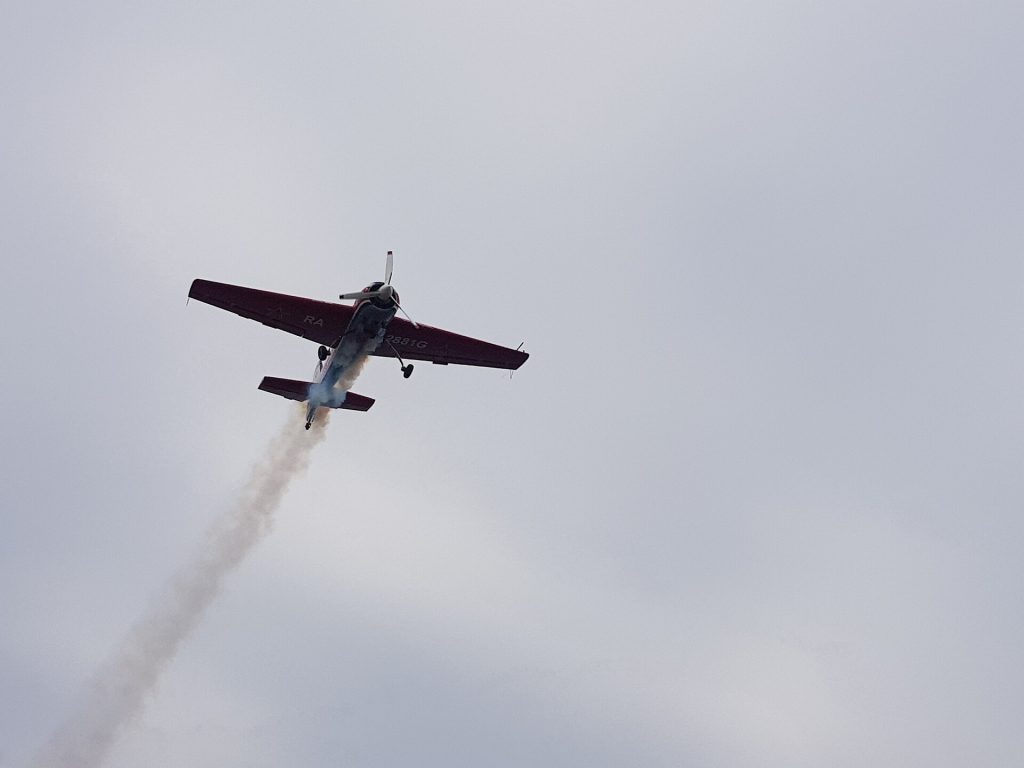
Following the Yak-55’s first flight in 1981, the aircraft was unveiled to the public at the 1982 Moscow Tushino airshow. When the time came for the Yak-55 to prove itself at the World Aerobatic Competition, the Soviet pilots rejected the opportunity to fly the new aircraft. The “style” of aerobatic flying had reverted to the maneuvers that the original Yak-50 was dominant at. Rather than attempt to shoehorn a new aircraft into the performances, the Soviet aerobatic team opted to remain loyal to the “tried and true” Yak-50. Yakovlev went back to the drawing board and made the wings thinner and shorter, thus improving roll rate and airspeed.
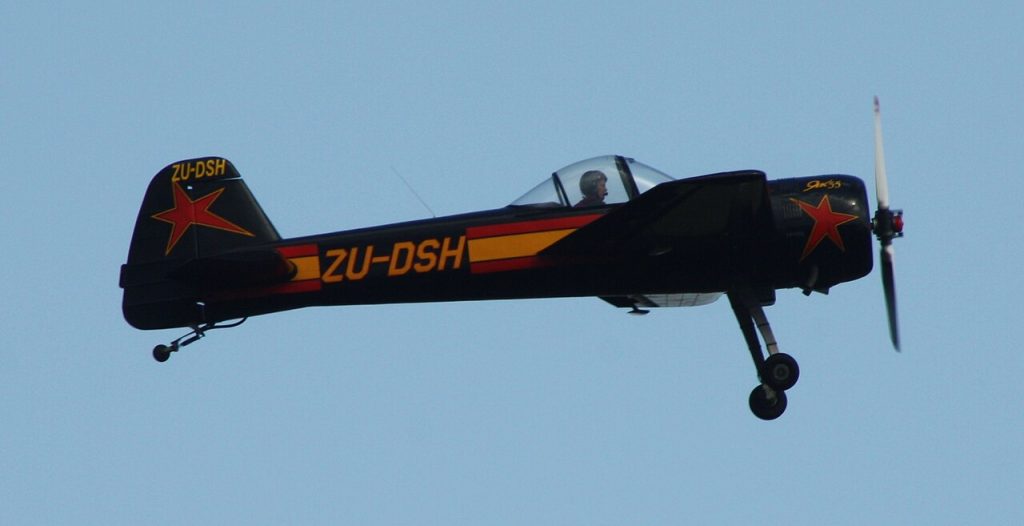
Production of the improved Yak-55 began in 1985, and 108 airframes were ultimately produced. Another modification was made, resulting in the Yak-55M. The M model had an even smaller wing and saw 106 aircraft being manufactured by the end of 1993. This improved variant had a maximum airspeed of 190 mph and a stall speed of 62 mph. Yak-55Ms can handle +9 and -6 Gs. A roll rate of 345 degrees per second, and a 3,050 fpm rate of climb make the Yak-55M an excellent aerobatic platform. Many Yak-55s continue to fly today in private hands and on the airshow circuit.