
By Luigino Caliaro
The history of aviation is filled with manufacturers that have written unforgettable chapters, creating iconic aircraft that stood the test of time. One of these manufacturers is the Republic Aviation Corporation of Farmingdale, Long Island, New York. Among their notable designs, the most famous is undoubtedly the P-47 Thunderbolt—the most produced American fighter of the Second World War, with 15,660 examples completed. Production ceased in November 1945, shortly after the war ended. It was perhaps because of this transition from wartime production that Republic test pilot Percival “Spence” Spencer was able to convince the company’s leadership that the future lay in personal aviation.

Spencer argued that returning military pilots would soon create a demand for small private aircraft—airplanes that offered freedom in the air and on water. He envisioned an “airplane for the American family” that could operate from land, lakes, or rivers, and do so at an accessible price point between $3,500 and $6,000. Initial projections were optimistic, predicting 5,000 units sold. While actual production stopped at 1,060 aircraft, it was still a notable achievement for the postwar market.
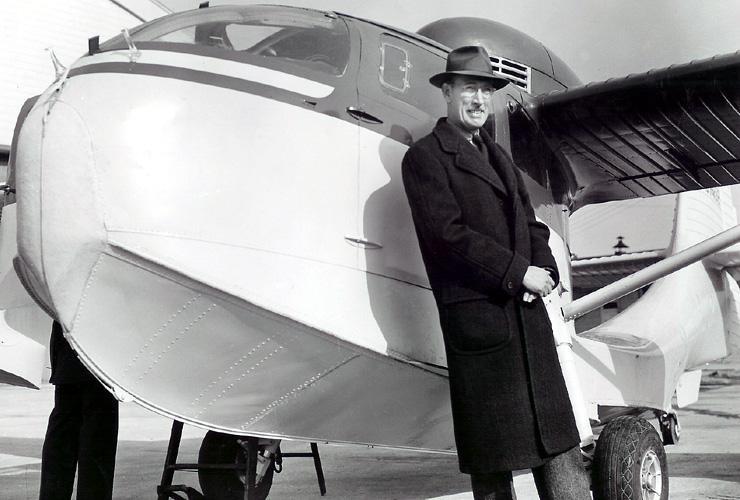
Spencer was more than a test pilot—he was also a lifelong designer. At just fourteen, he built his first hang glider, inspired by plans found in Popular Mechanics. In May 1914, he flew a powered aircraft for the first time—a Curtiss flying boat with a hull. By 1937, Spencer had partnered with Sikorsky engineer Vincent Larsen to design the Spencer-Larsen SL-12C, an early amphibious concept. In 1940, he set out on his own and developed the Spencer S-12 “Air Car,” a precursor to what would become the Republic Seabee. Republic acquired the rights to the S-12 and developed the RC-1 “Thunderbolt Amphibian,” which made its maiden flight on November 30, 1940, with Spencer at the controls. Registered NX41816, the RC-1 bore little resemblance to the combat-proven P-47 but shared its rugged construction. The prototype served as a test platform to refine the amphibious concept.
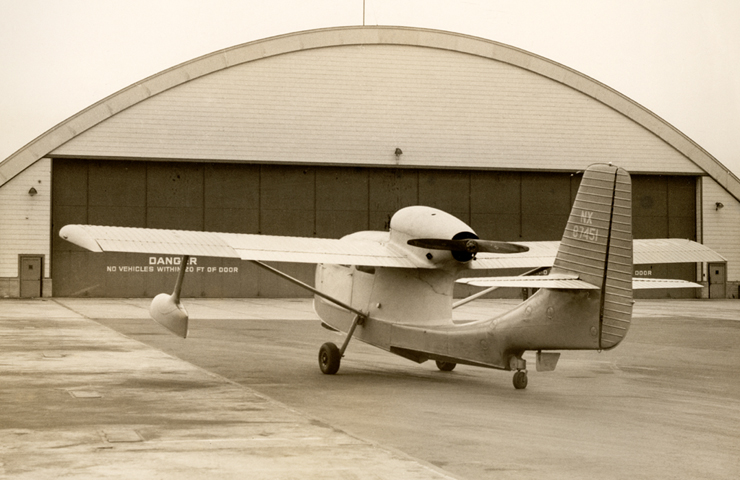
Interest came from both the U.S. Army Air Forces and the Navy. It was the Navy that approved the nickname “Seabee,” which formally replaced the “Thunderbolt” designation with the RC-3 prototype. This aircraft flew for the first time on December 1, 1945. Spencer and Republic’s production philosophy was rooted in practicality and affordability. Inspired by automobile manufacturing, they emphasized all-metal construction, minimal parts, tooling commonality with car manufacturing, a simple assembly line process, and only essential onboard equipment.
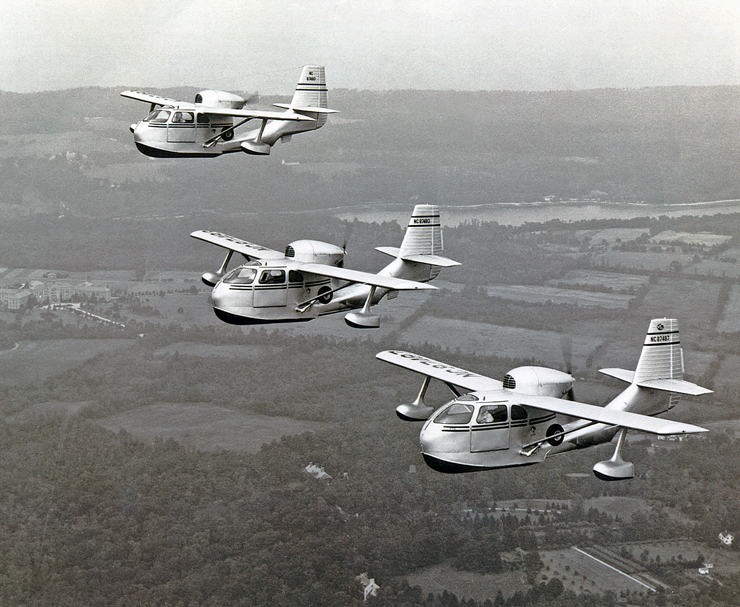
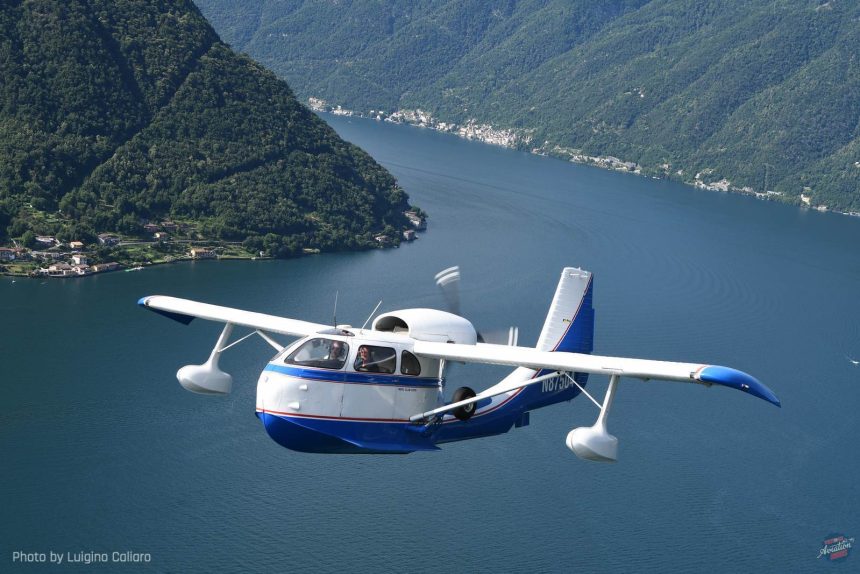
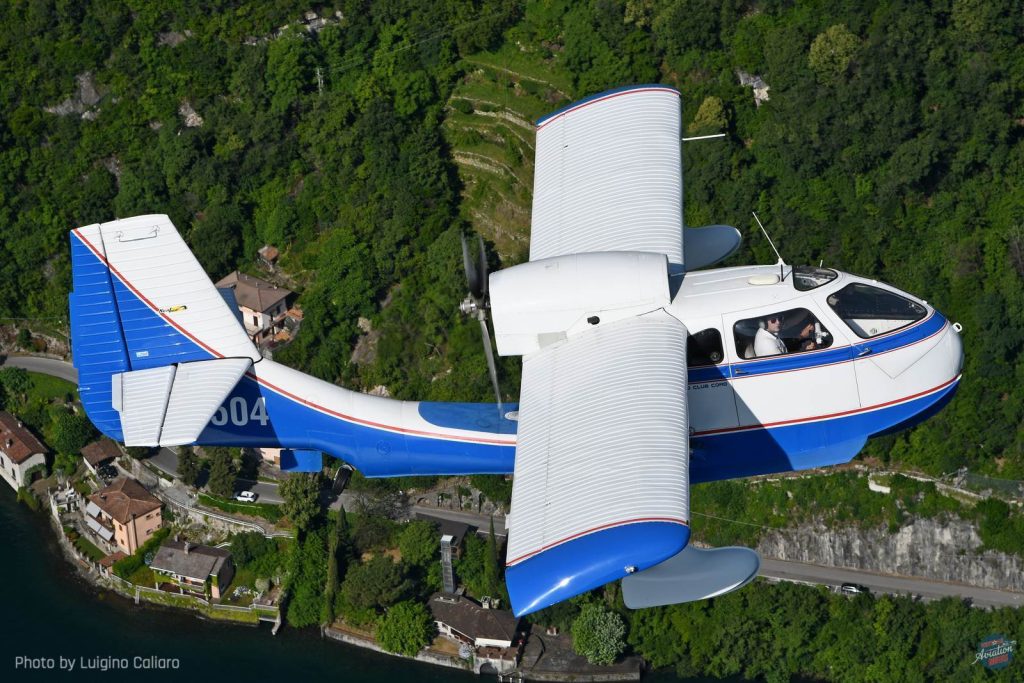
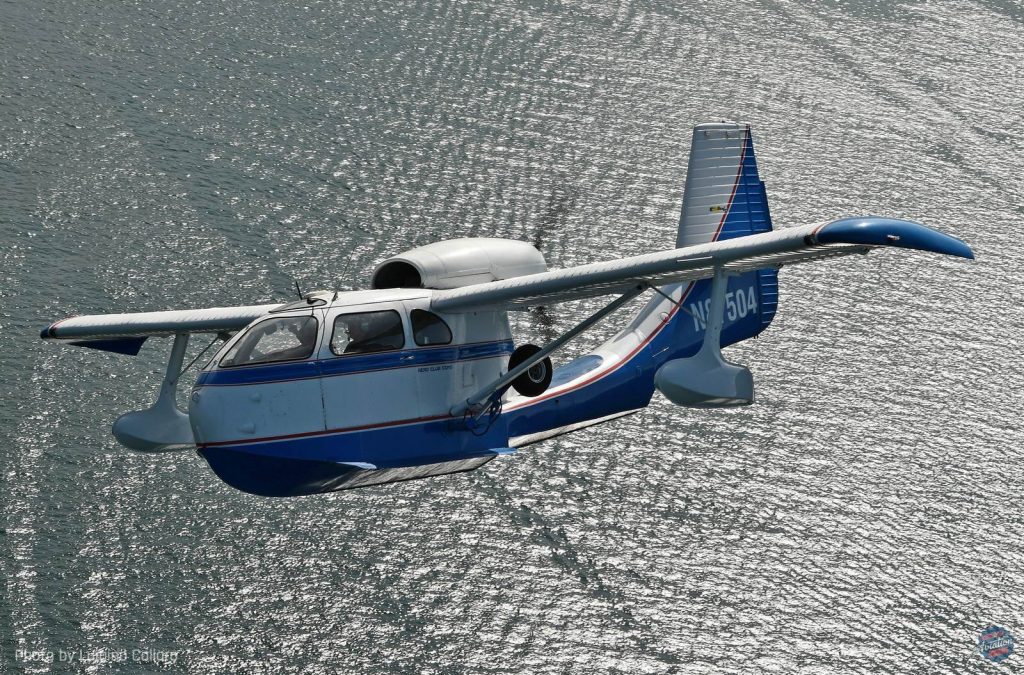
The result was the Republic Seabee—an amphibious, high-wing aircraft with a central hull, a pusher propeller mounted at the rear of the cabin, and a robust, retractable tricycle landing gear system. It featured wing-mounted stabilizing floats, a wide cabin, and all the utility a postwar family could want. With its broad curves and chrome trim, the Seabee resembled a 1950s Cadillac with wings. It was built to take adventurous families on weekend getaways by air and water.
The Aero Club Como of Italy
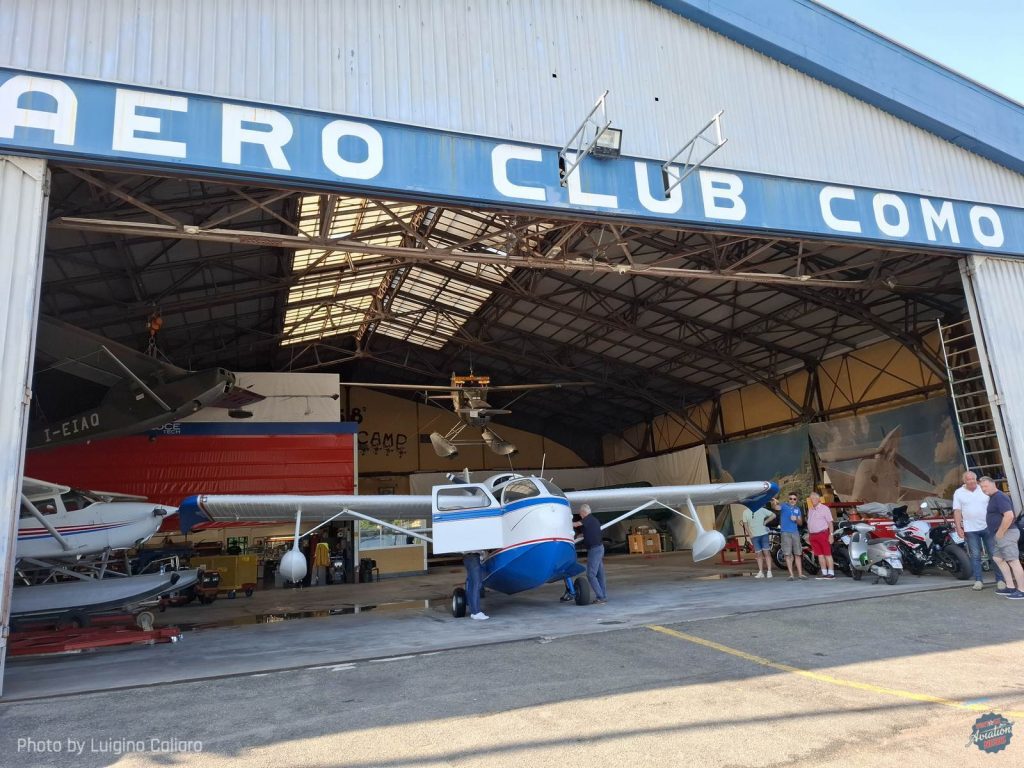
The Aero Club Como has always managed and operated hulled seaplanes and has a long tradition with Seabees. Two Seabees in fact were imported to Europe in 1947 by the UK Seabee distributor W. A. Rollason, but were sold on to Italy without taking up any UK registration marks. The two Seabees, I-AIAG and I-AIAH, were operated by the company AIAX for commercial utility flights from Milan – Linate Airport. The fate of these two Seabees are unknown. In 1949, thanks to subscription contributions from the club’s members a first Republic Seabee was acquired registered I-SIBI, which had previously been owner by the AIAX company, a post-war aerial work company based in Milano. It would be a protagonist in many flying adventures but predominantly featured in the colour film Gli Scarponi del Cielo, a review of aviation in Como over the years 1950–1960. The Seabee I-SIBI was used for pleasure and sightseeing flights from Lago di Como, one of the most popular and beautiful resorts in Italy. The Seabees, I-SIBI, today is reported to be stored in Trento, on behalf of ‘Museo Aeronautico Caproni di Taliedo’, Milano, Italy.
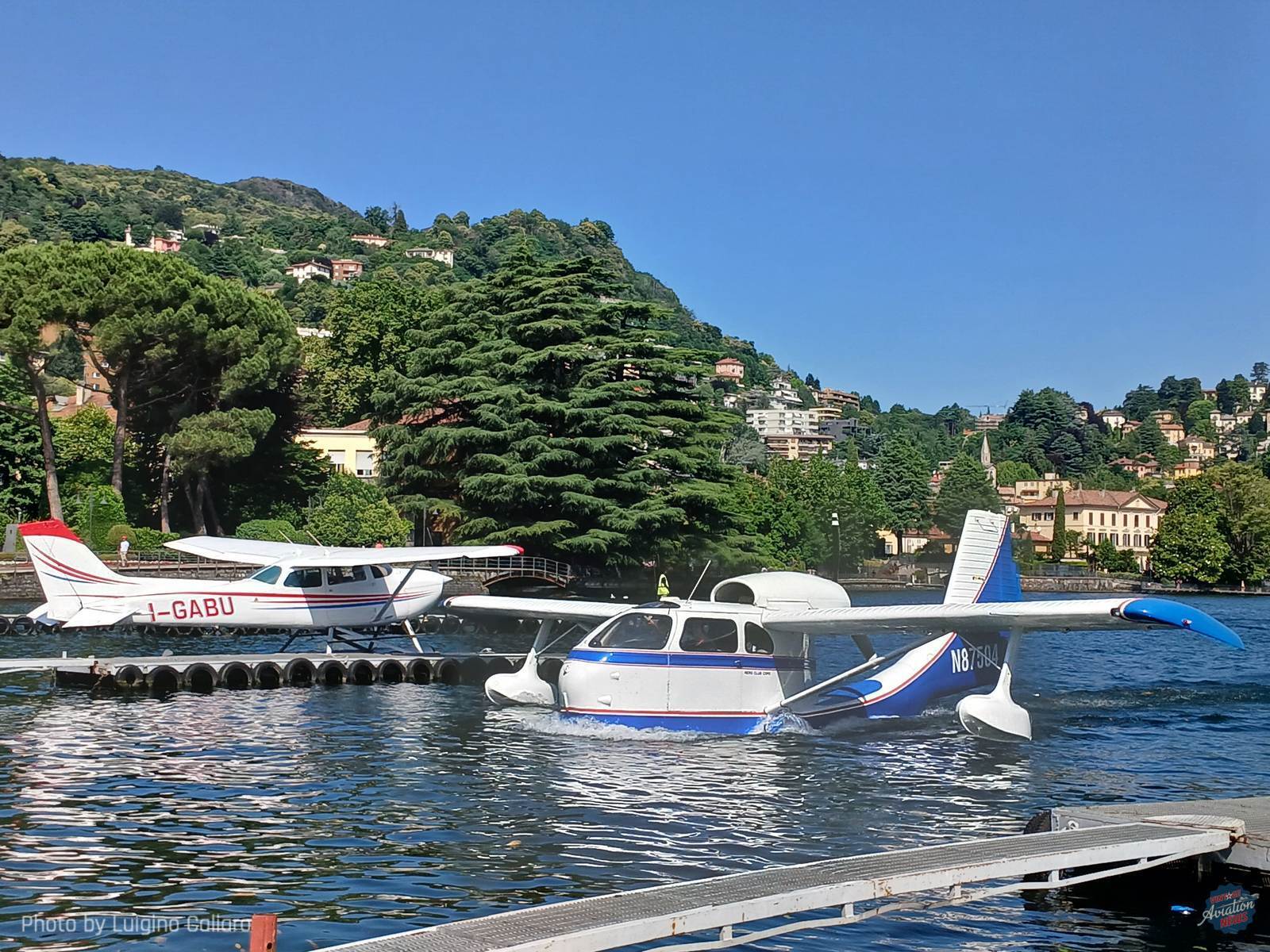
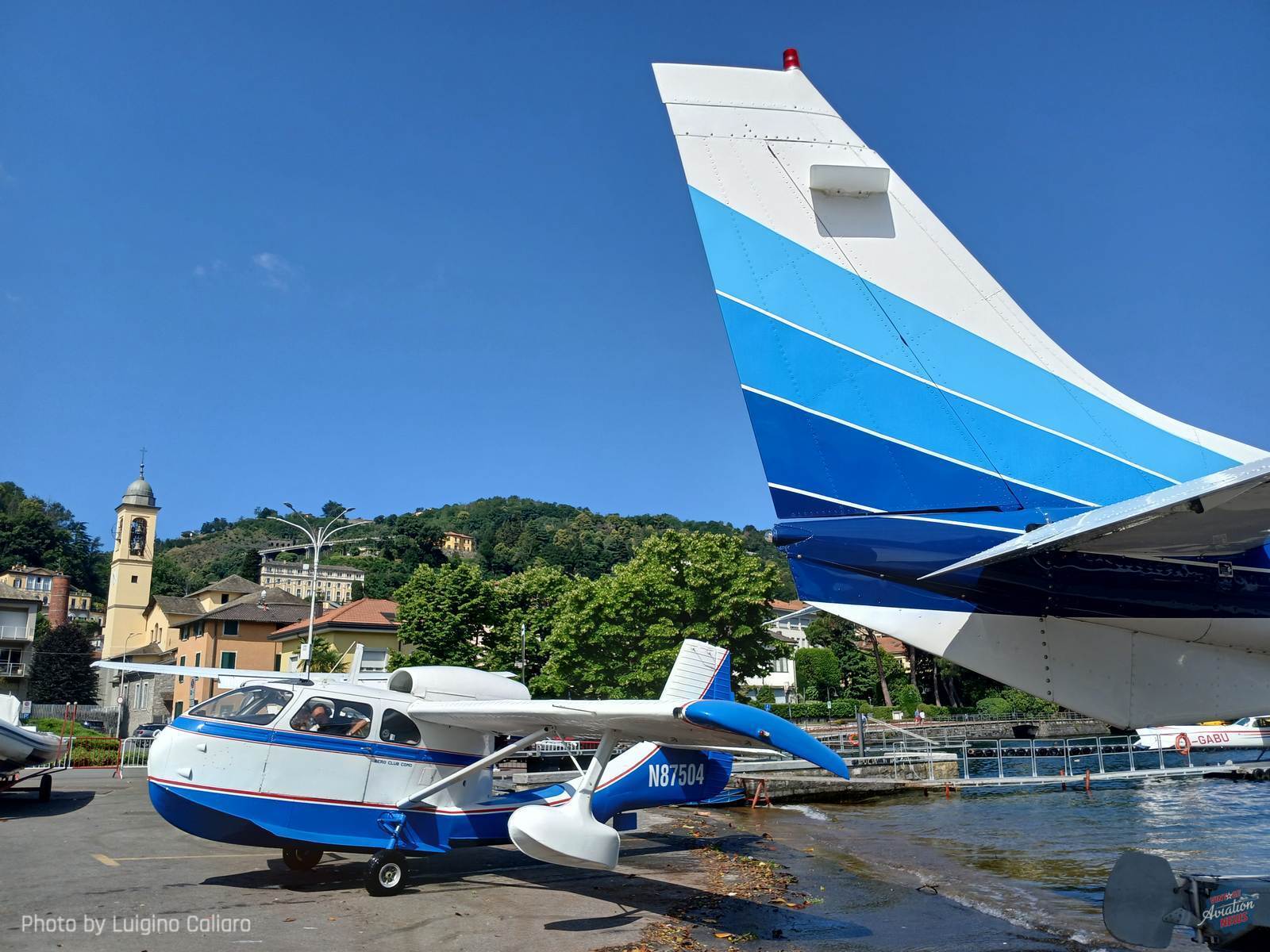
Seabee N87504: A Historic Amphibian Reborn
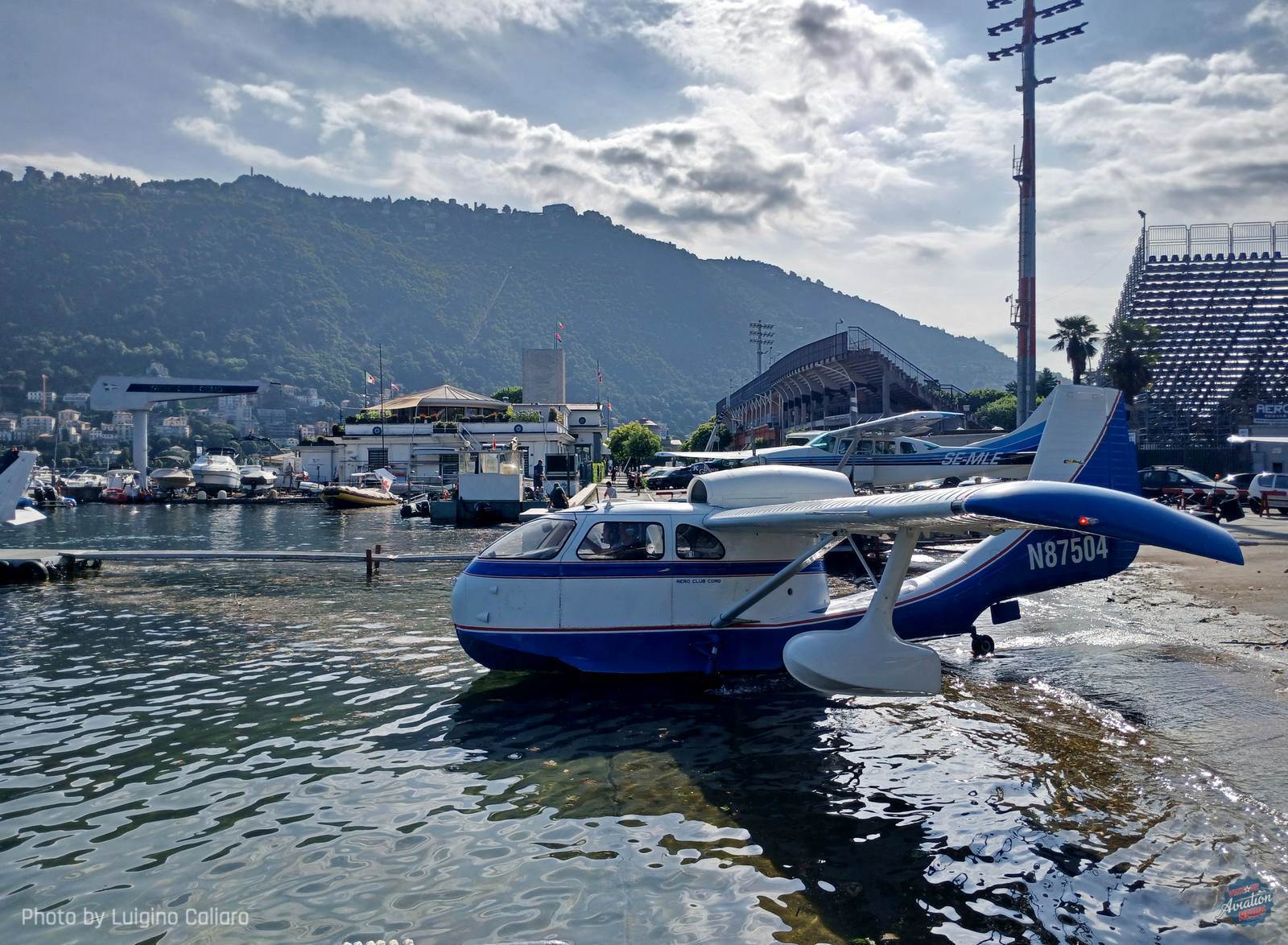
In January 2013, the Aero Club Como acquired Republic RC-3 Seabee N87504—an early production model discovered in excellent condition in Washington State. Serial number 56, the aircraft first flew in September 1946, the same year it rolled out of the Republic factory. It was originally powered by a Franklin 6A8-215-B8F engine, producing 215 hp at 2,500 rpm.
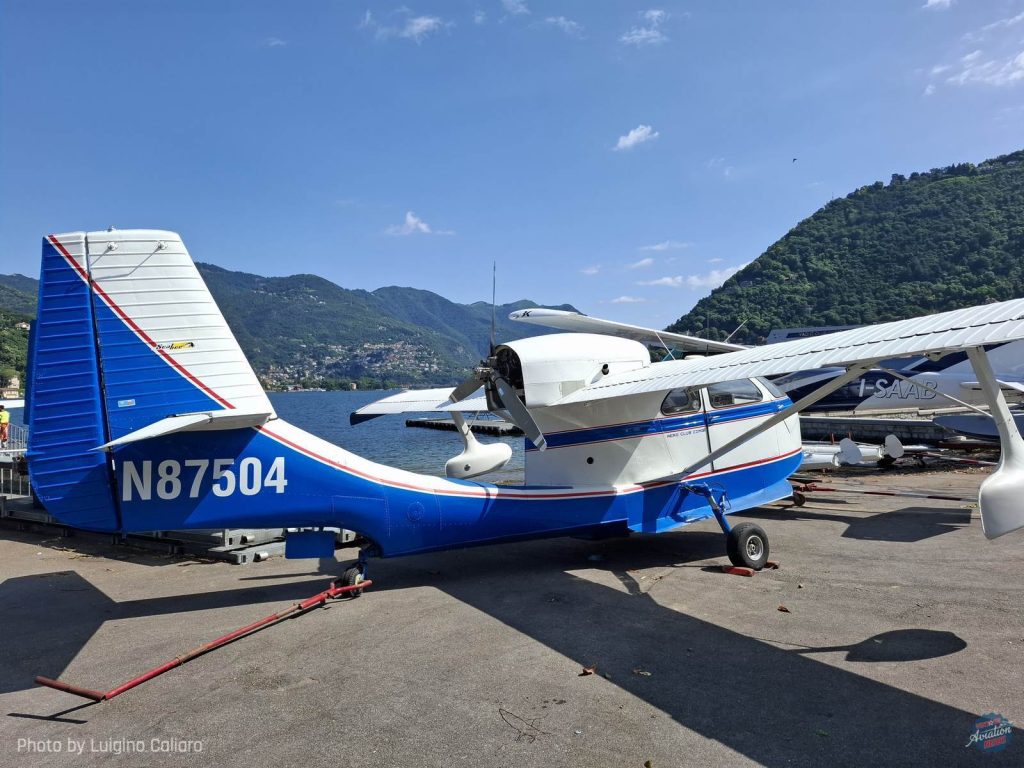
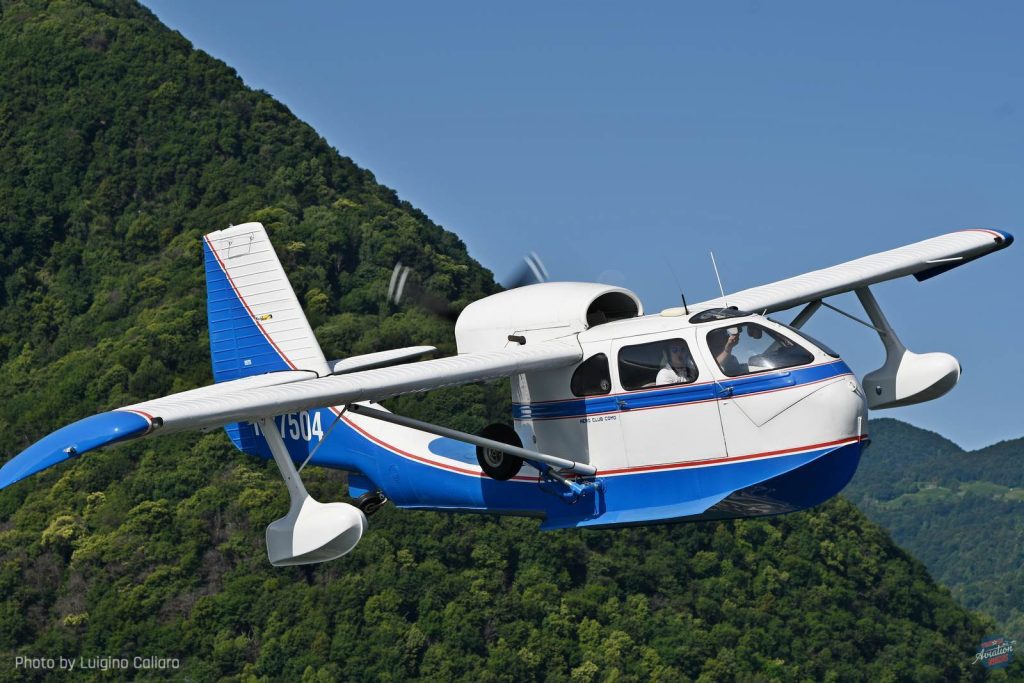
Like most Seabees, it passed through many hands over the decades, with successive owners installing various Supplemental Type Certificate (STC) modifications to improve performance and safety. Today, N87504 is powered by a Lycoming GO-480-B1A6 engine producing 270 hp at 3,400 rpm (limited to five minutes), and 260 hp at 3,000 rpm for continuous operation. A unique feature of this engine is that it was produced under license by Piaggio in Germany, as confirmed by the markings on the valve covers. It drives a Hartzell HC-A3V20-3L/LV9333C-5 three-bladed metal propeller modified with reverse thrust—a feature that greatly enhances maneuverability on water.
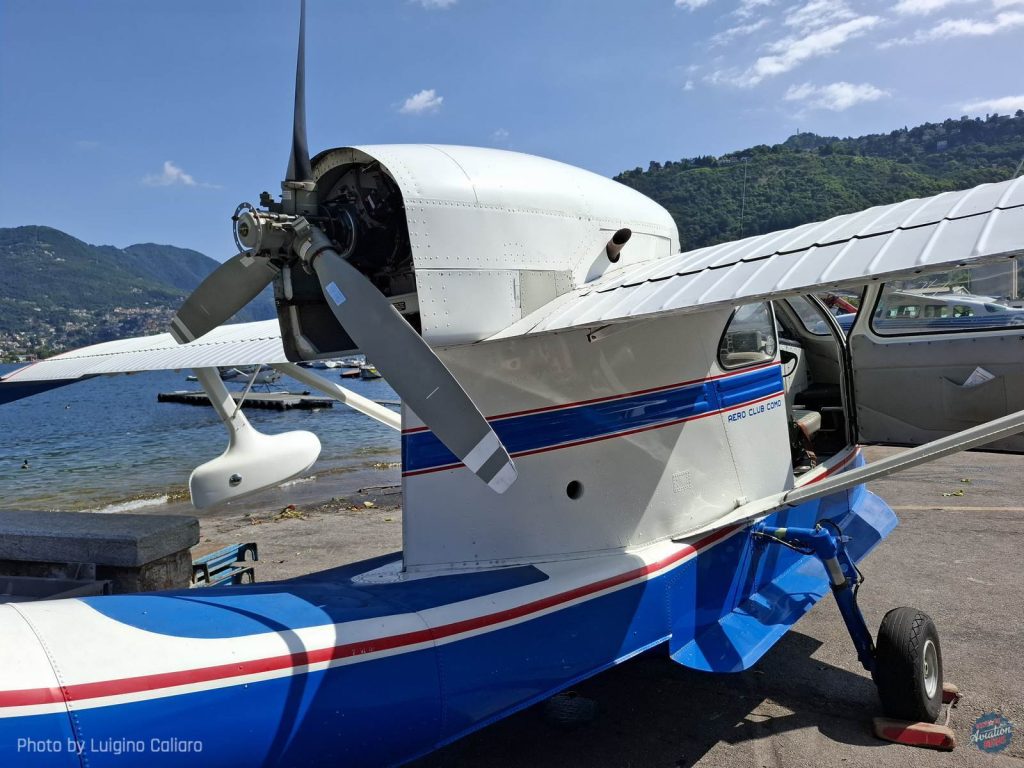
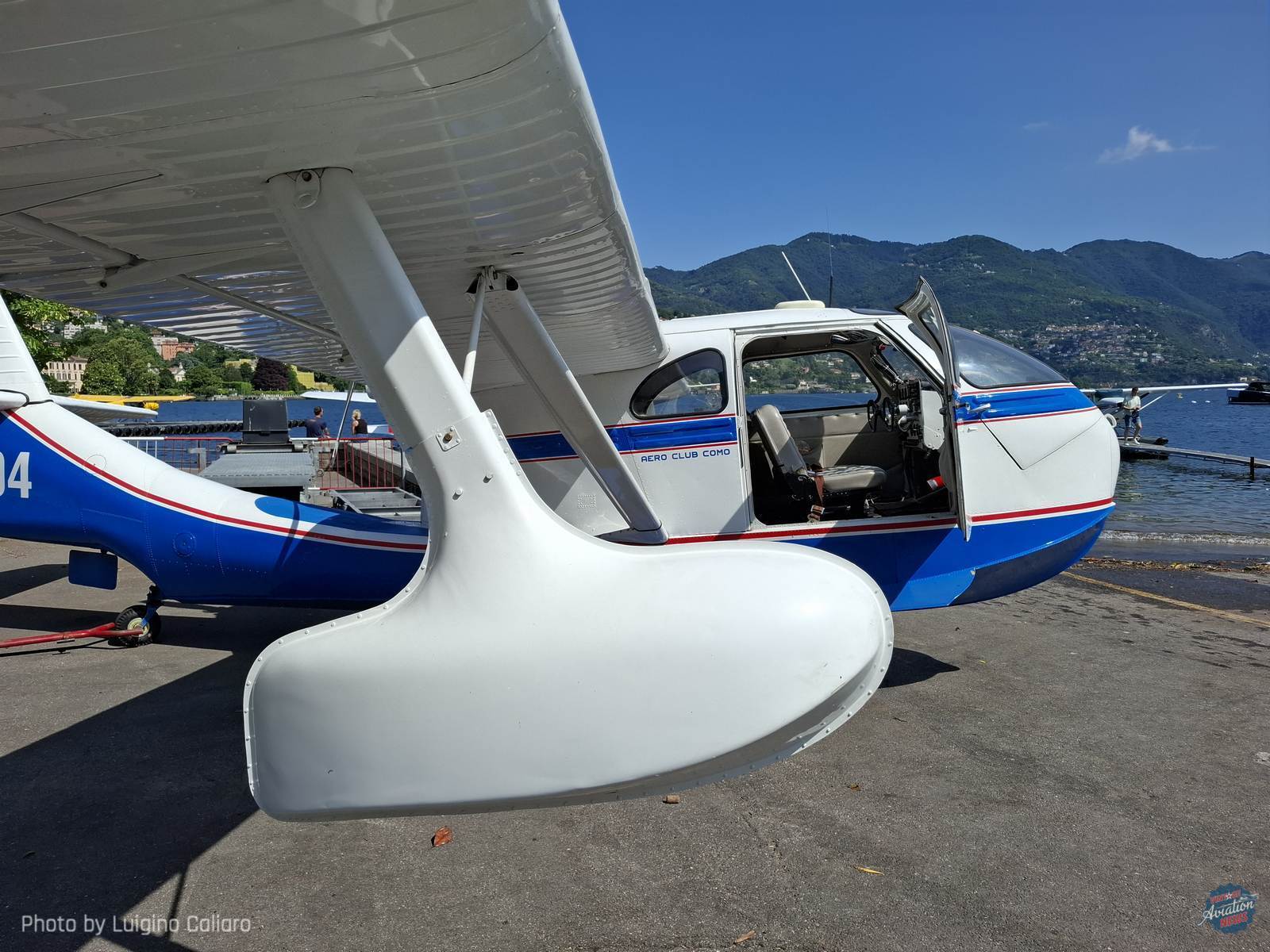
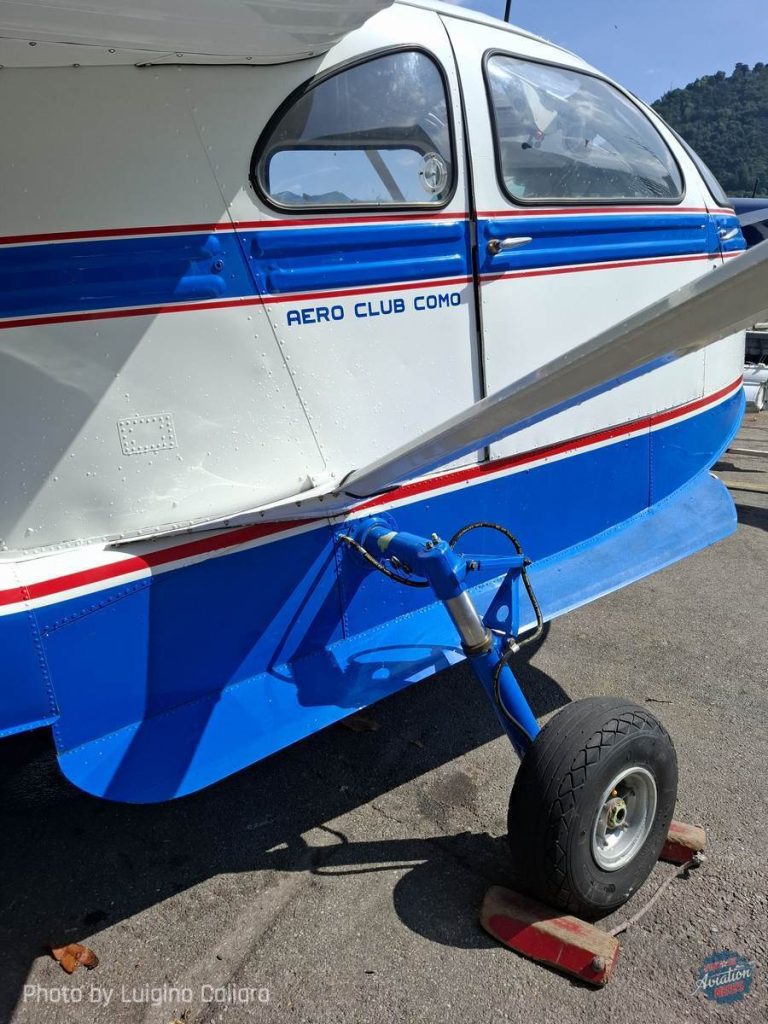
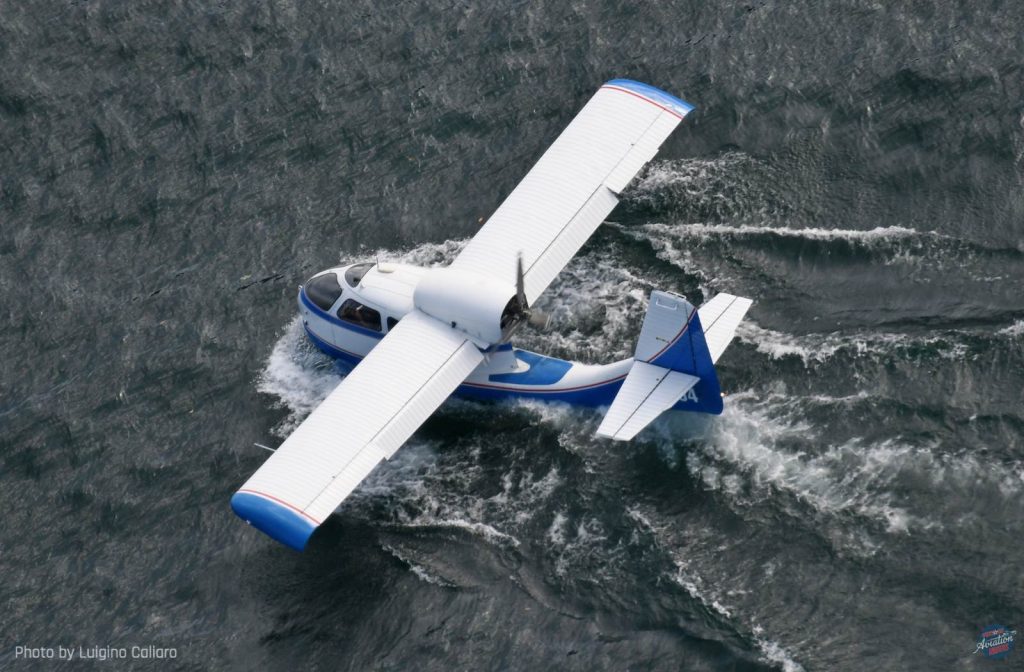
Several aerodynamic improvements are visible on the aircraft. Spray rails (or spray flaps) channel water laterally away from the propeller disc during water operations. The aircraft also features fiberglass wingtips that are larger and downward-curved, improving stall characteristics and reducing takeoff distance from water. Another key feature is the “step vent” system—a large opening at the rear of the hull that vents air beneath the redan (step), reducing water adhesion and aiding the transition from displacement to planing. Inside, the aircraft is heavily customized. The original Cessna-style engine controls on the instrument panel have been replaced by overhead controls mounted on the cabin ceiling—improving ergonomics for the pilot.
Flying the Seabee: Pilot Impressions from Carlo Novati
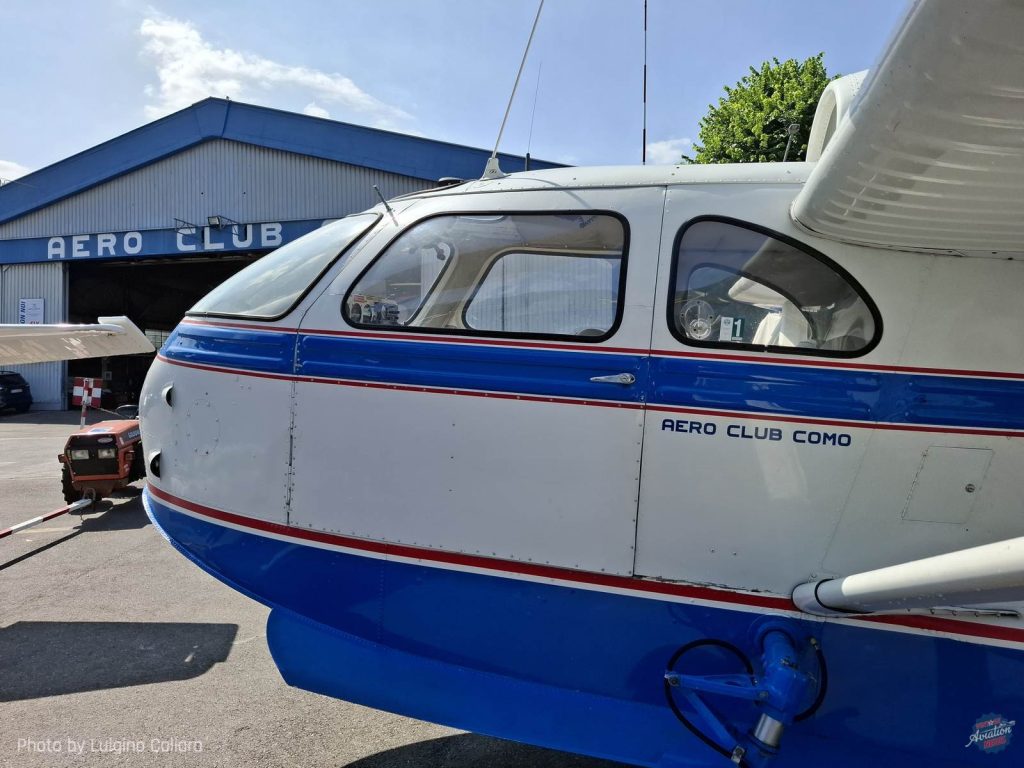
Professional airline pilot and Aero Club Como member Carlo Novati offers insight into flying N87504. Climbing aboard requires stepping on the main tire, and once inside, the cockpit reveals a wide front bench shared by both pilots. The instrument panel is well laid out and occupies the left-center portion of the cabin. The overhead console houses engine controls: throttle, prop pitch, mixture, alternate air, and manual reverse control.
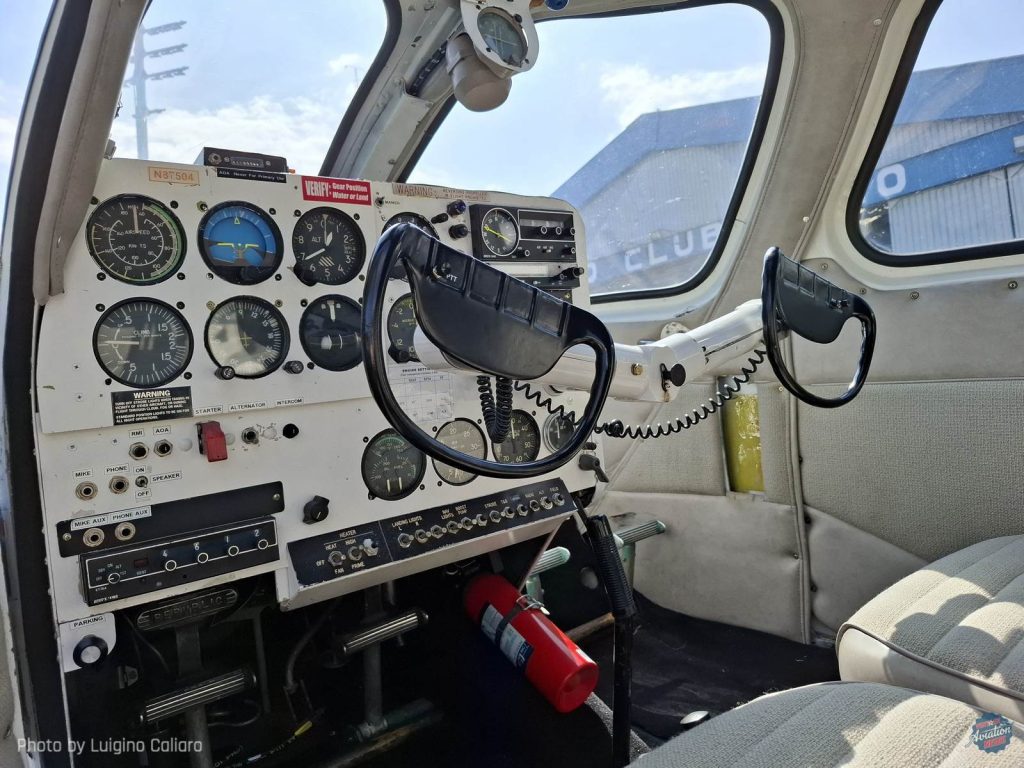
The right-hand cockpit window opens outward, forming a hatch useful for water mooring. The yokes are joined by a central shaft, with the right yoke removable to access the hatch. A wide bench in the rear offers plenty of passenger space and room for essential gear like life vests, ropes, and anchors. The airframe is clearly overbuilt and robust, resulting in a maximum weight of 3,250 lbs (1,474 kg).
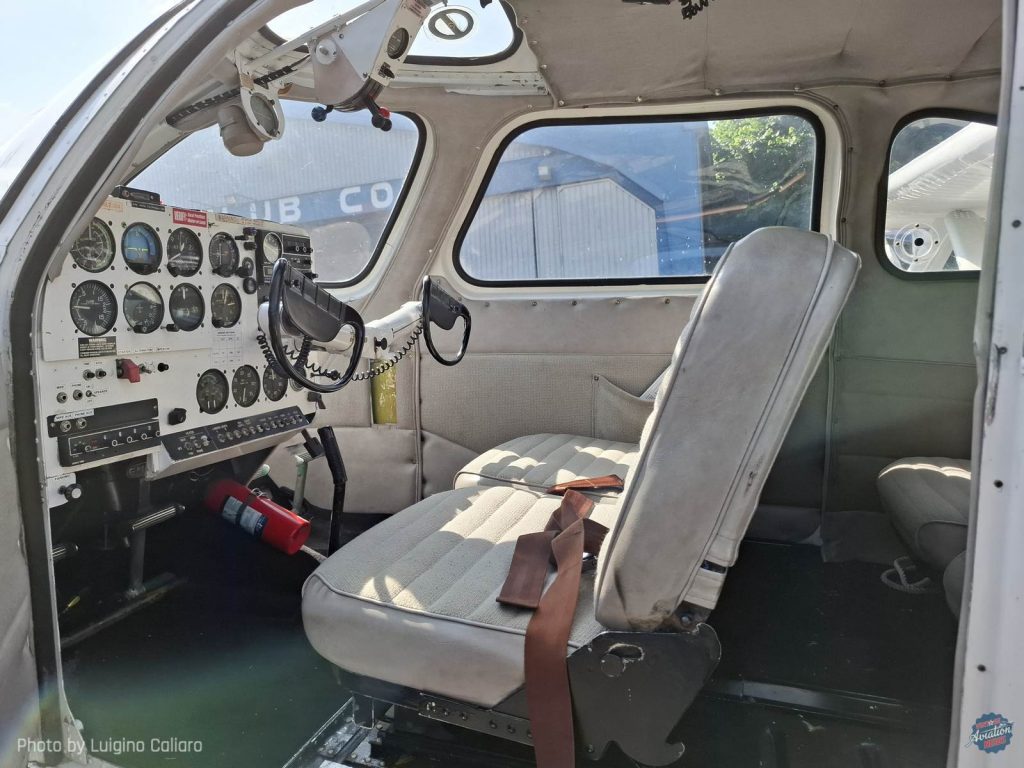
During preflight, the pilot checks drain plugs along the hull’s keel—threaded bolts that must be unscrewed with an Allen key to remove any accumulated water. The fuel system also requires bleeding the electric pump filter. Fuel is stored in a 75-gallon rubber bladder behind the passenger seat, and due to the engine’s height, it must be delivered under pressure. N87504 features a simple but effective hydraulic system for the landing gear and flaps—operated entirely by hand via two selector levers and a manual pump. Visibility from the pilot’s seat is excellent, thanks to extensive glazing that provides a panoramic view. Engine start-up is straightforward if procedures are followed precisely; otherwise, flooding can occur. The GO-480 is fed by a Bendix Stromberg PS-5BD pressure carburetor, an intricate 1940s design that optimizes mixture at high RPM.
Land and Water Handling
Taxiing on land is straightforward, especially with the tailwheel unlocked and differential braking. Water taxiing is stable—even in light chop or wake—and the spray rails keep the windshield mostly clear. Land takeoffs require locking the tailwheel, keeping flaps retracted, and smoothly applying power. The propeller rotates left, so rudder input must be learned and anticipated. Rotation occurs at 70 MPH, followed by climbout at 79 MPH (Vy). Water takeoffs are relatively easy. With flaps fully deployed, the Seabee quickly rises onto the step and lifts off around 60 MPH. The aircraft is stable on water and not prone to porpoising.
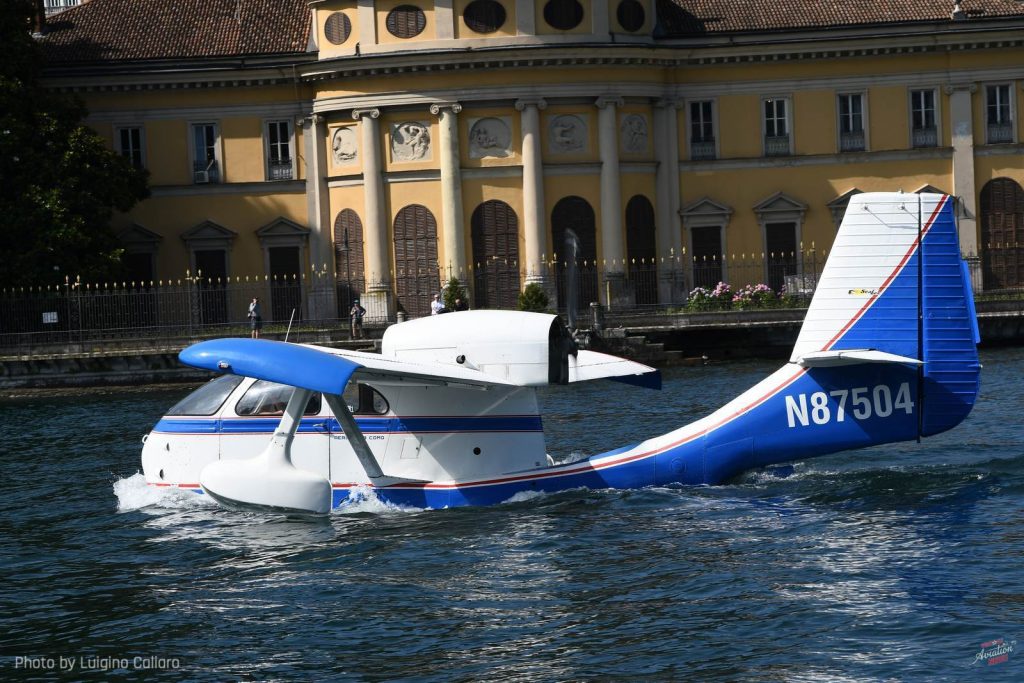
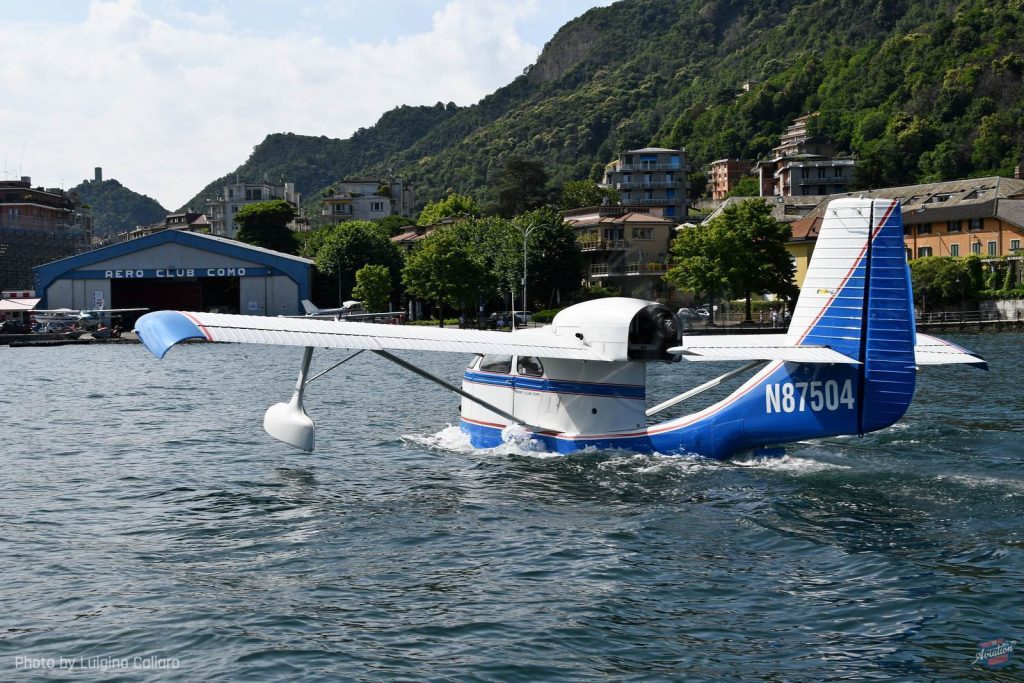
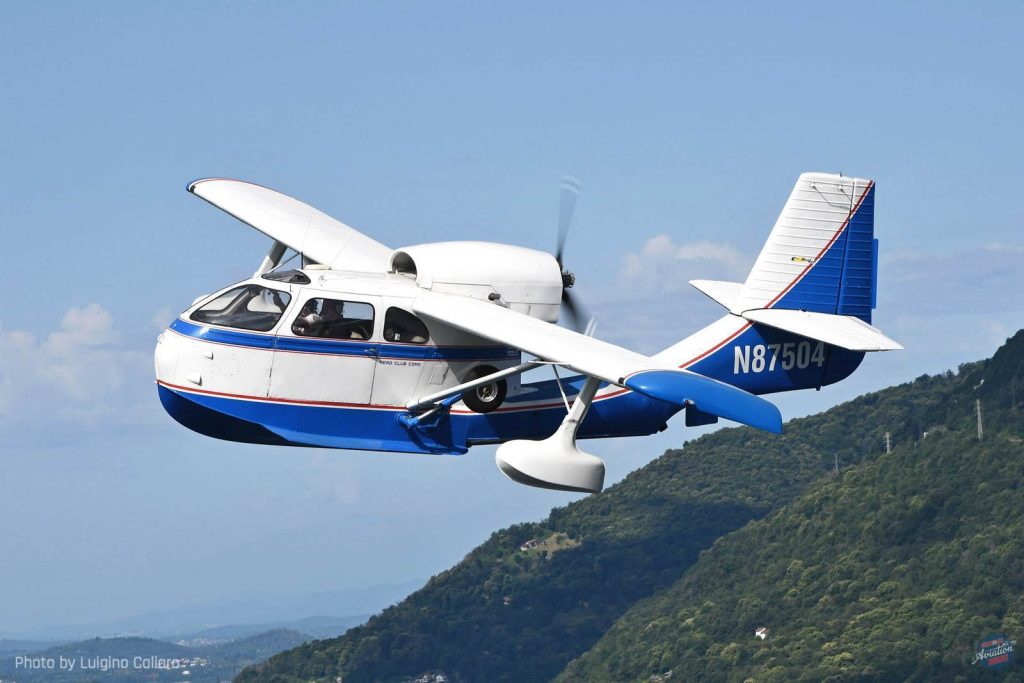
In flight, the aircraft feels solid and stable but not particularly agile—perfect for its intended role. Trim is set using a roof-mounted knob, and because the cockpit is far ahead of the wing, an LED-based angle of attack (AOA) indicator is installed above the panel. Stall speeds are 58 MPH (Vs0) and 61 MPH (Vs1). There is no stall horn—attitude awareness is essential. Cruising speed is modest at around 105 MPH. As Seabee pilots like to joke: “That overhead window isn’t for visibility—it’s for looking straight down when the engine quits.” Yet for all its drag, the Seabee delivers a deeply mechanical and connected flying experience. You can feel the lag in the propeller as the reduction gearbox adjusts to power changes—subtle shifts that move your body in the seat and remind you that you’re flying a true piece of postwar engineering.
Landing Considerations
Landings are where things get interesting. The aircraft should be flown onto the runway with a bit of power, never below 13” of manifold pressure, to avoid stressing the gearbox at idle. A two-point touchdown is ideal. With a crosswind, the rudder can feel undersized, and reduced airflow post-landing can easily induce a yaw or ground loop if not properly managed. Water landings, by contrast, are smooth and predictable. The aircraft is extremely seaworthy and easy to handle on the water.
A Seaplane Full of Soul
If you look beyond its quirky looks and modest speed, the Seabee offers something rare: mechanical honesty and amphibious freedom. With rugged landing gear, a hull that glides like a boat, and thoughtful pilot-centered design, it’s an aircraft that demands skill but rewards with adventure. In the case of N87504, its journey from Republic’s assembly line to the waters of Lake Como is a tribute to postwar optimism and the enduring spirit of flight.
Acknowledgments:
The author thanks the Aero Club Como President, Mr. Enrico Guggiari, and professional pilot Carlo Novati for their generous support, photo flights, and valuable technical insights during this report. Many thanks to Luigino Caliaro for this article and photos. For more information about the Aero Club Como, visit www.aeroclubcomo.com