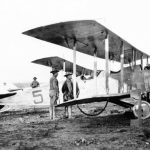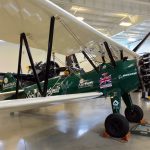
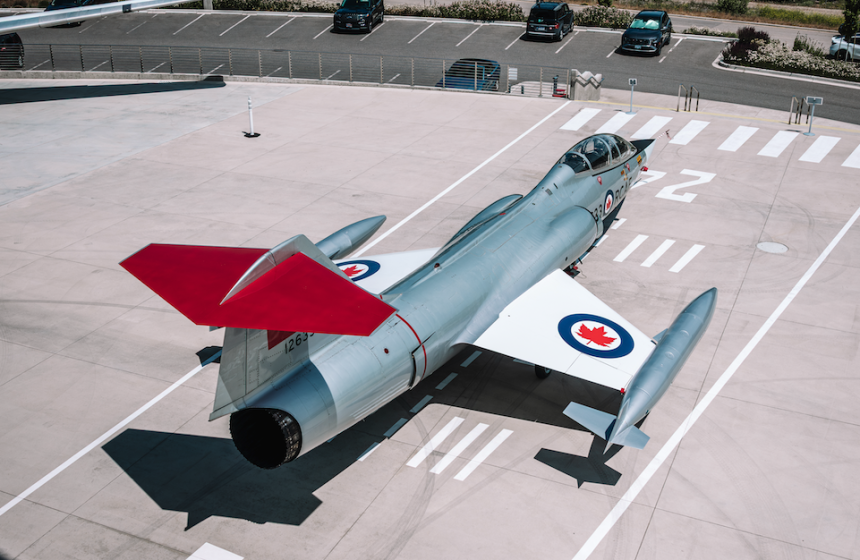

Aviation history in British Columbia (BC), Canada, traces its roots back to Minoru Park Racetrack in Richmond on Lulu Island. On March 25, 1910, Charles K. Hamilton performed the first airplane flight in BC when he took off from the brand-new one-mile oval track for a demonstration flight in front of 3,500 spectators. Located on the edge of Bear Creek, Myra-Bellevue Provincial Park in British Columbia, Canada, Kelowna International Airport (YLW) was established in 1946 with a 3,000-foot grass runway and a small terminal building. Today, it has evolved into the ninth busiest airport in Canada and is serviced by Air Canada, Alaska Airlines, and WestJet.
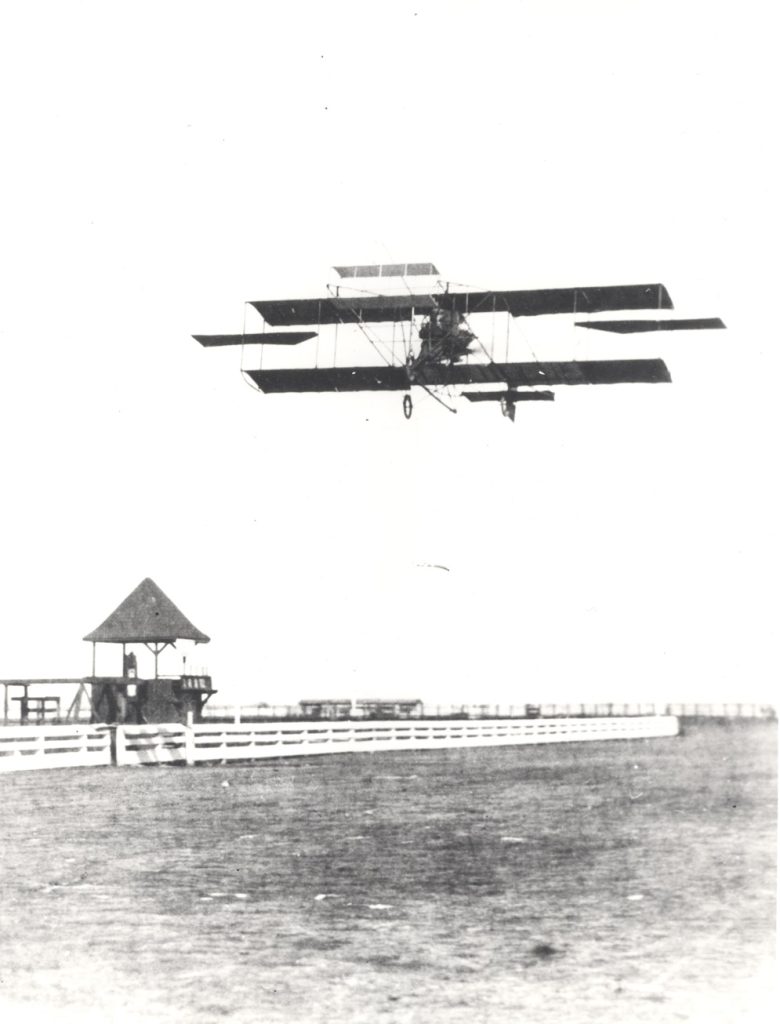
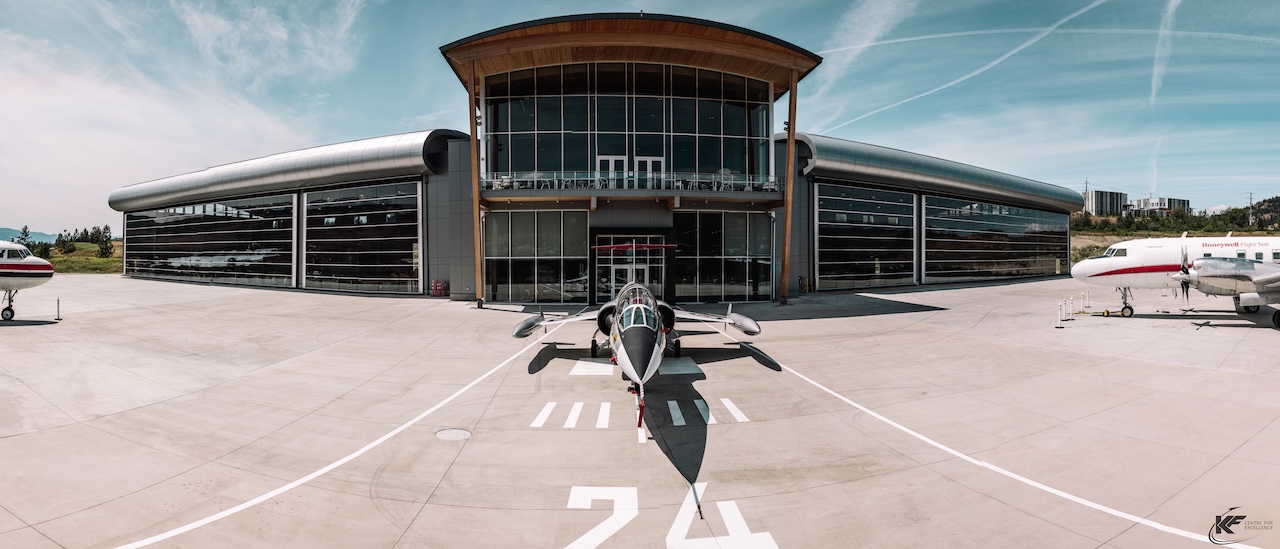
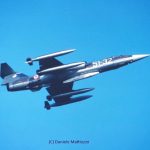
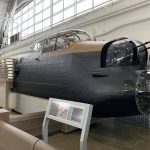
Across the street from YLW is the KF Centre for Excellence (the Centre), which tells the fascinating story of aviation in BC. Established in 2022, the Centre has rapidly become a destination museum and among the highlights are the aircraft on display. From a DeHavilland Chipmunk and Mosquito to a Convair CV580 and a DeHavilland DHC-2 Turbo Beaver. All the aircraft in the collection are prop-driven… until now. Last week, VintageAviationNews (VAN) spoke with Luke Staber about the Centre’s acquisition of a Lockheed F-104D Starfighter (CF-104). Staber is an Aircraft Maintenance Engineer (AME) who has been working across the street at KF Aerospace for the past two decades and joined the Centre in August 2025. Staber explained, “I’m proud to be part of the team that maintains and preserves these aircraft at the Centre. Our work ensures that the achievements and innovations that shaped the Okanagan’s aerospace industry are shared with our community. It’s hands-on, purposeful work that I love.”
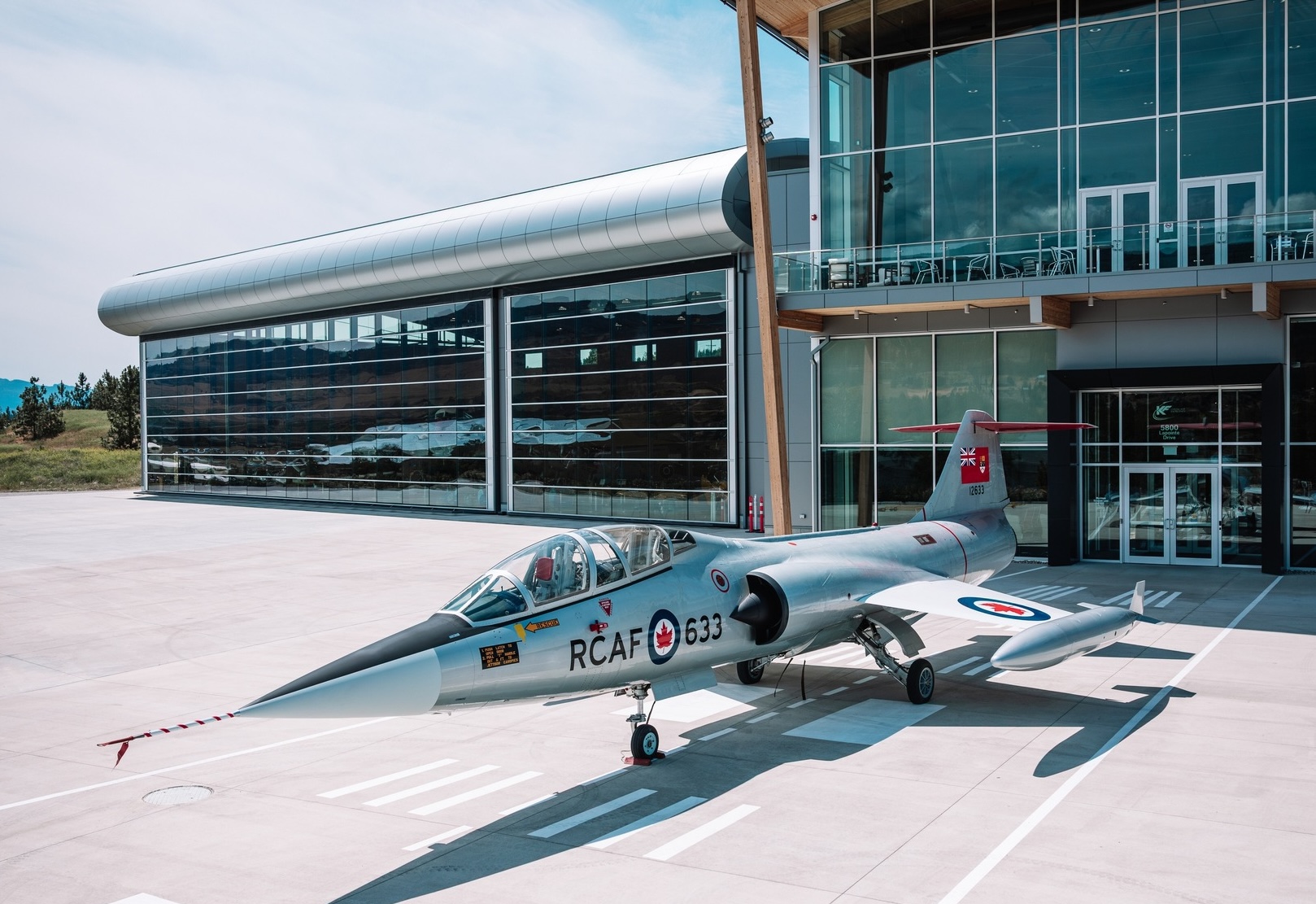
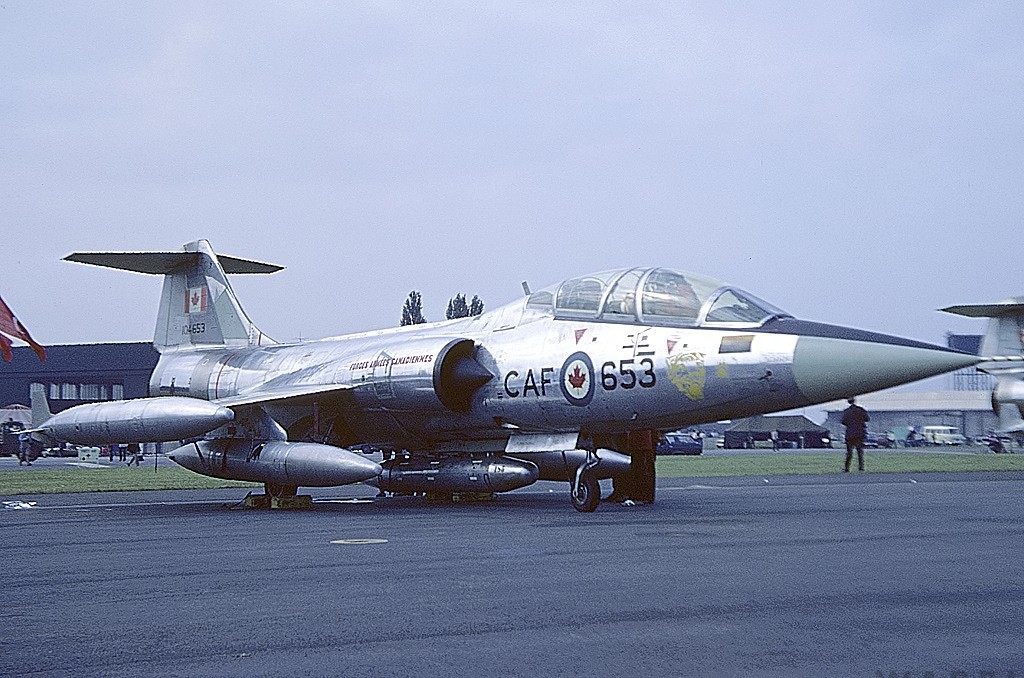
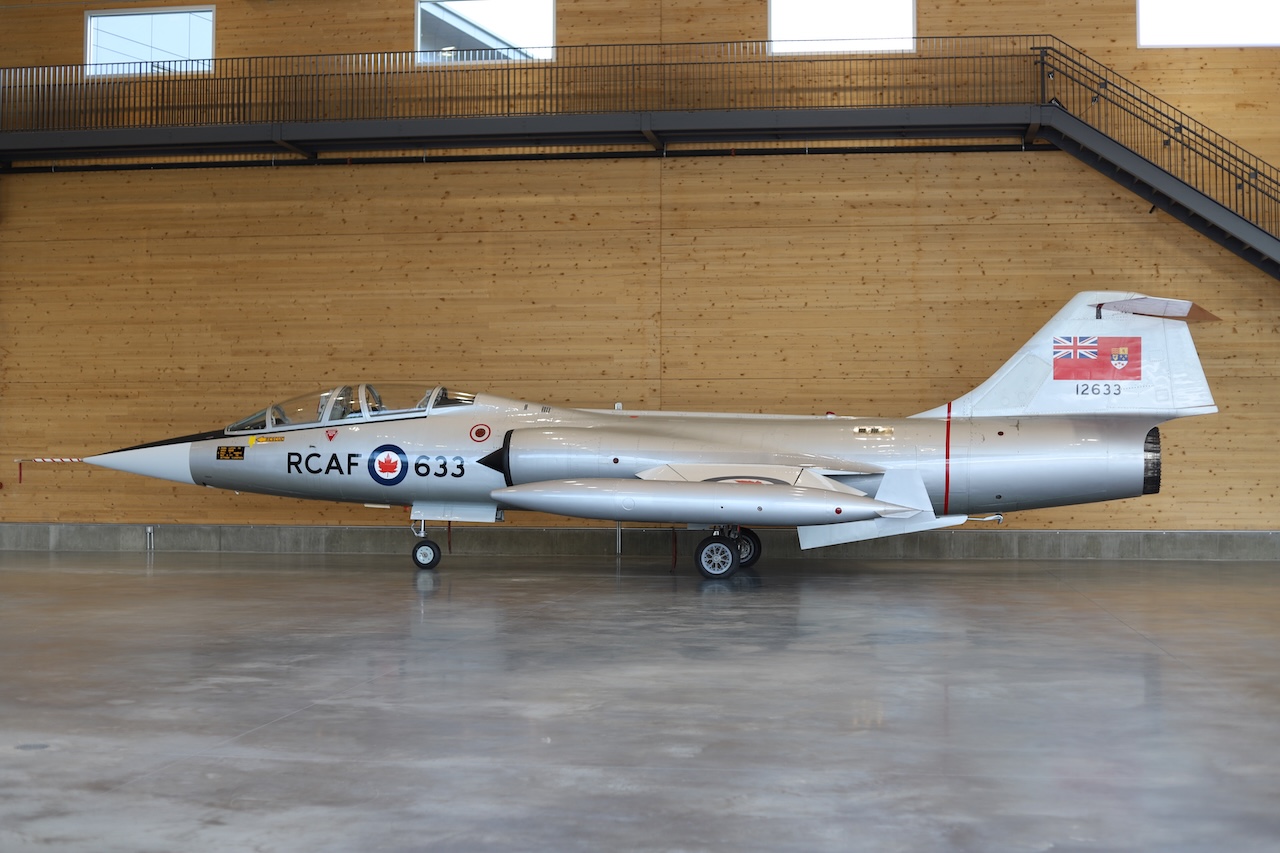
Rolling out the doors of Lockheed’s Palmdale, California, facility in 1961, this Starfighter was formally accepted by the Royal Canadian Air Force (RCAF) in March 1962. Assigned serial number 12633, the fighter was transferred to No.6 (Saint/R) Operational Training Unit at RCAF Station Cold Lake, Alberta. In May 1970, our subject underwent serial number changes and became 104633, after the merger of Canada’s military branches. On July 21, 1973, ‘633 was one of four trainers transferred to the Royal Norwegian Air Force (RNoAF), becoming 4633. Its first assignment was to No.334 Squadron (Sqn) in Bodø, north of the Arctic Circle, where it remained until it was retired on December 9, 1982. It was placed in storage, but two years later, it was on its way back to its native country when Bruce Goessling’s Combat Jet & Aerospace Museum (CJAM) in Chino, California, traded a Lockheed C-60A Lodestar to the Norwegian Armed Forces Aircraft Collection in Gardermoen.
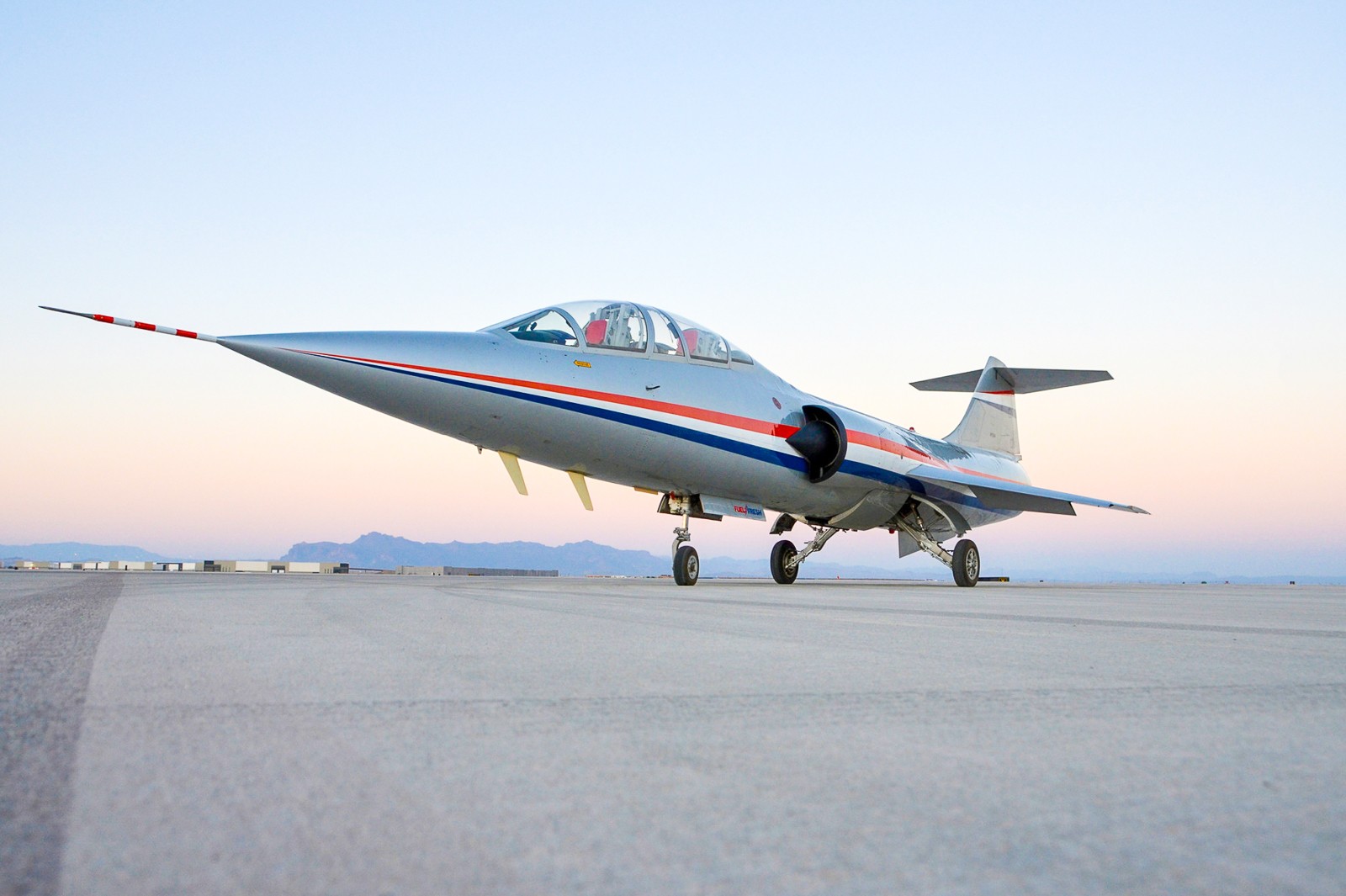
Once back in the U.S., the jet was registered as N104JR, and CJAM began to restore the aircraft to airworthy status. The restoration continued after Jim Robinson’s Combat Jets Flying Museum of Houston, Texas, acquired the project in 1987. The first flight took place on November 11, 1987, in Mojave, California, with NASA’s then-current Starfighter pilot, Ed Schneider, at the controls. After a few years with the Experimental Aircraft Association (EAA), Fuel Fresh Inc. acquired the aircraft in April 1996, re-registered it as N104 and relocated the aircraft to Williams Gateway Airport (IWA), formerly Williams AFB, in Mesa, Arizona. In 2021, the owners told Vintage Aviation News that the jet had flown just 200 hours in the preceding 22 years, with the last flight taking place in 2008.
Staber described the process of relocating the aircraft from Mesa to Kelowna, where preservation and preparation work began. “At the time, I was working for KF Aerospace, when D’Acry and the team at the Centre asked if I could come down and help. We travelled to Phoenix in the fall of 2022 to disassemble the aircraft for transport. We removed the wings, horizontal stabilizer and loaded onto a truck for the trip to Kelowna.” Staber said.
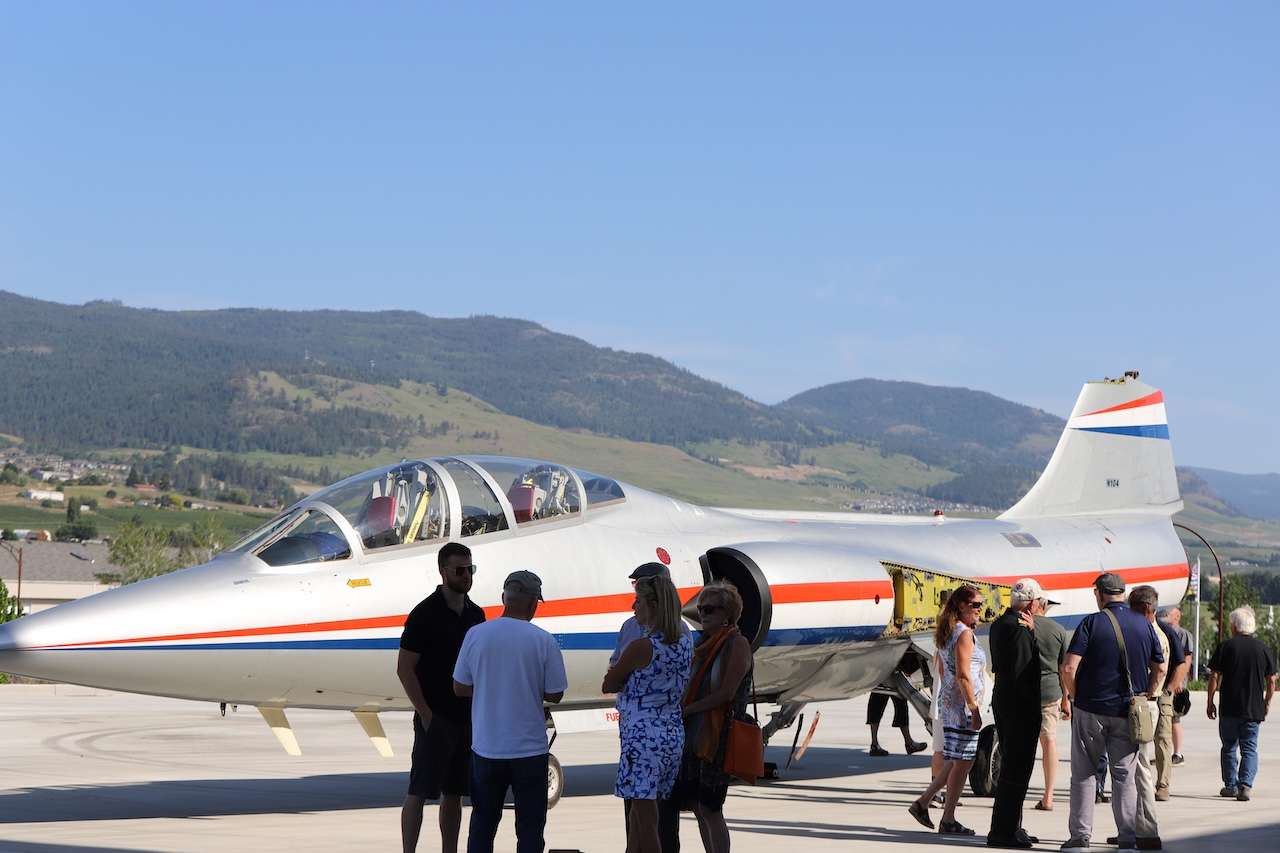
In the spring of 2023, the wings and horizontal stabiliser were reinstalled. At the time, the aircraft was still in the civilian paint scheme previously applied by Mark Sherman. The goal, however, was to return it to the RCAF livery it wore during its service years. “We did our homework,” Staber explained. “We searched through archival photos and reference material to accurately replicate the scheme it wore while assigned to Cold Lake in the 1960s. That’s how it remained until this past summer, when I joined the Centre full-time and was tasked with preparing the aircraft to the point where we could conduct engine runs and taxi tests.”
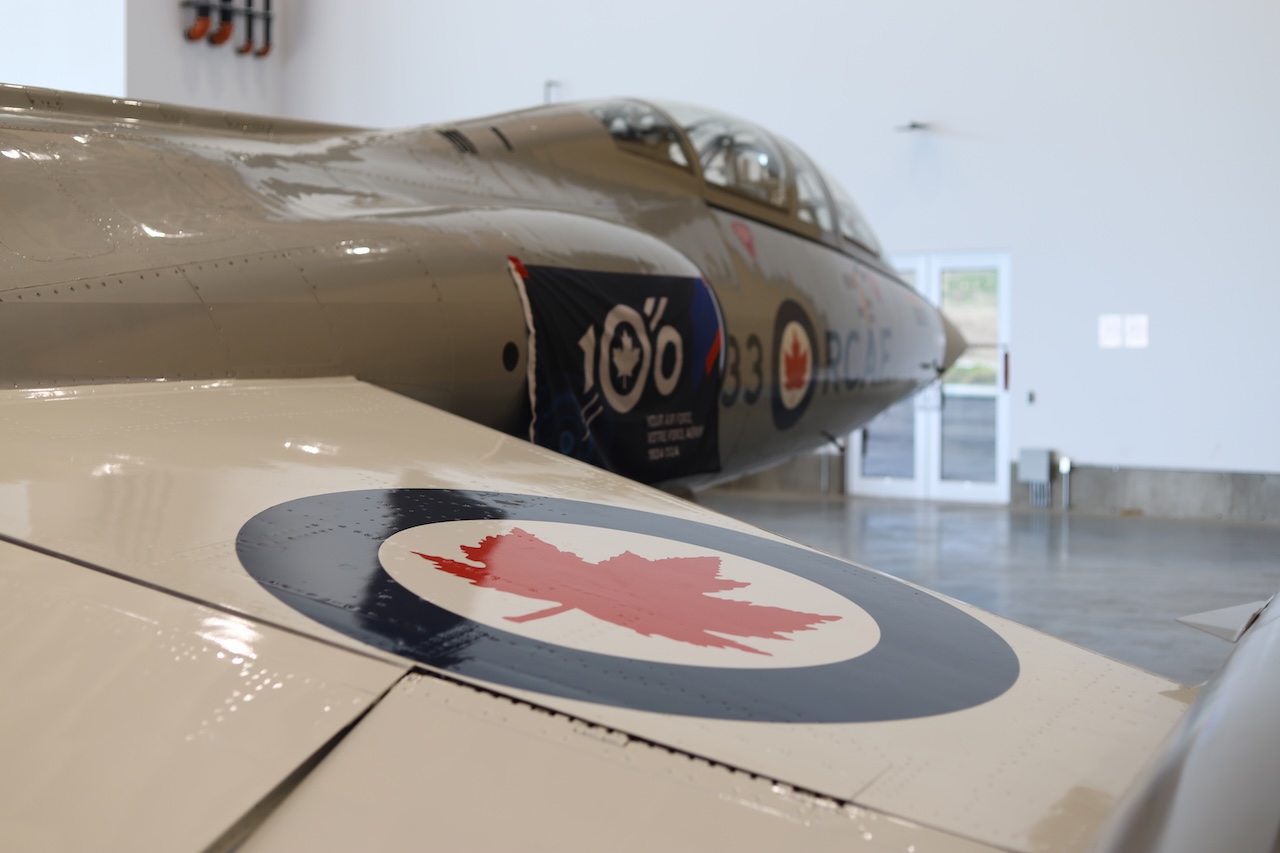
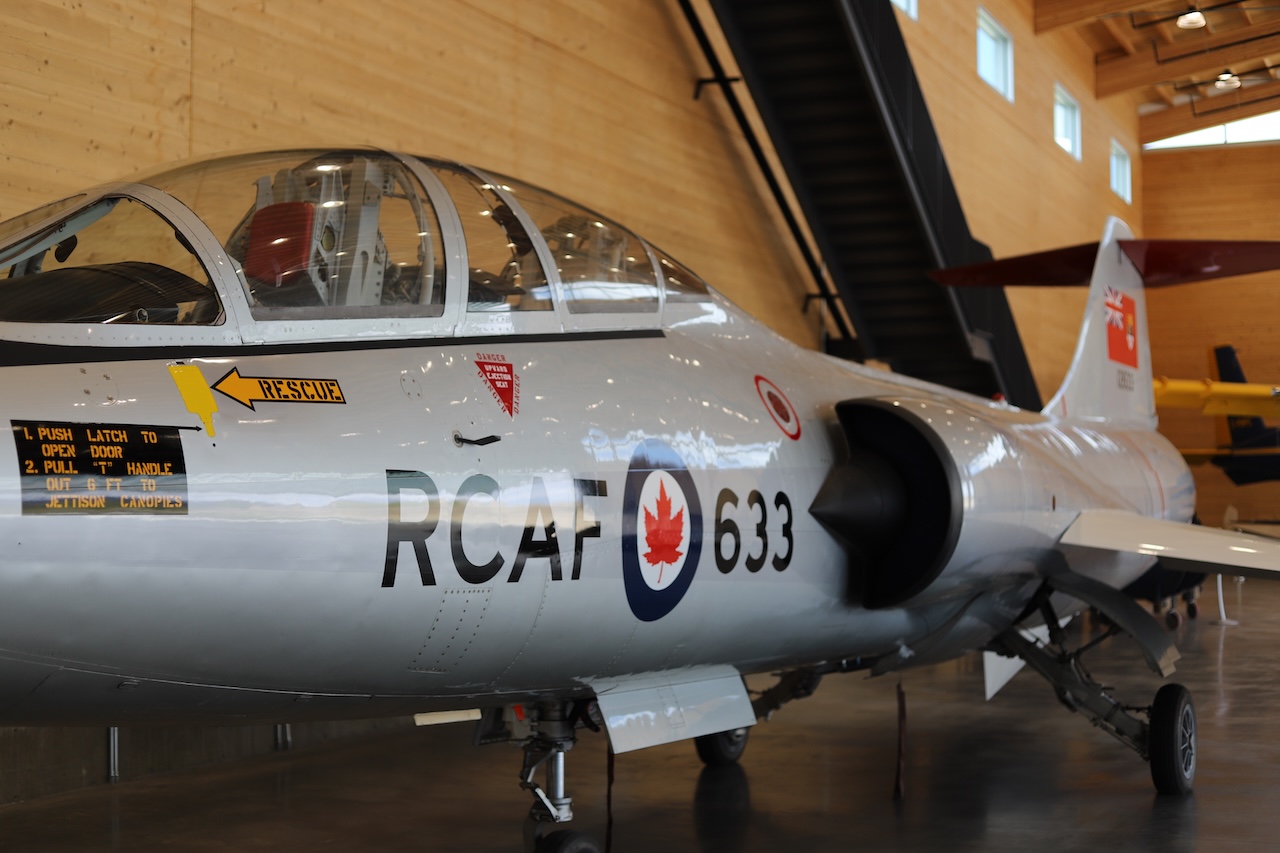
Although the aircraft was in good condition overall, the engine had not run in over a decade and required removal and inspection. “We had some concerns about the fuel nozzles potentially being contaminated after sitting for so long, especially without knowing the full preservation history,” he noted. “We sent them to S&S Turbine in Fort John, British Columbia, who specialise in J79 overhauls. Once those nozzles return and are reinstated, that will be a significant step toward completing our engine runs.” The team also conducted a borescope inspection, which revealed the turbine section and burner cans to be in excellent condition. “These engines have variable stator vanes, so we’ve been able to cycle that system and confirm there’s no binding,” Staber added. “Everything is moving freely, which gives us confidence heading into the next phase.”
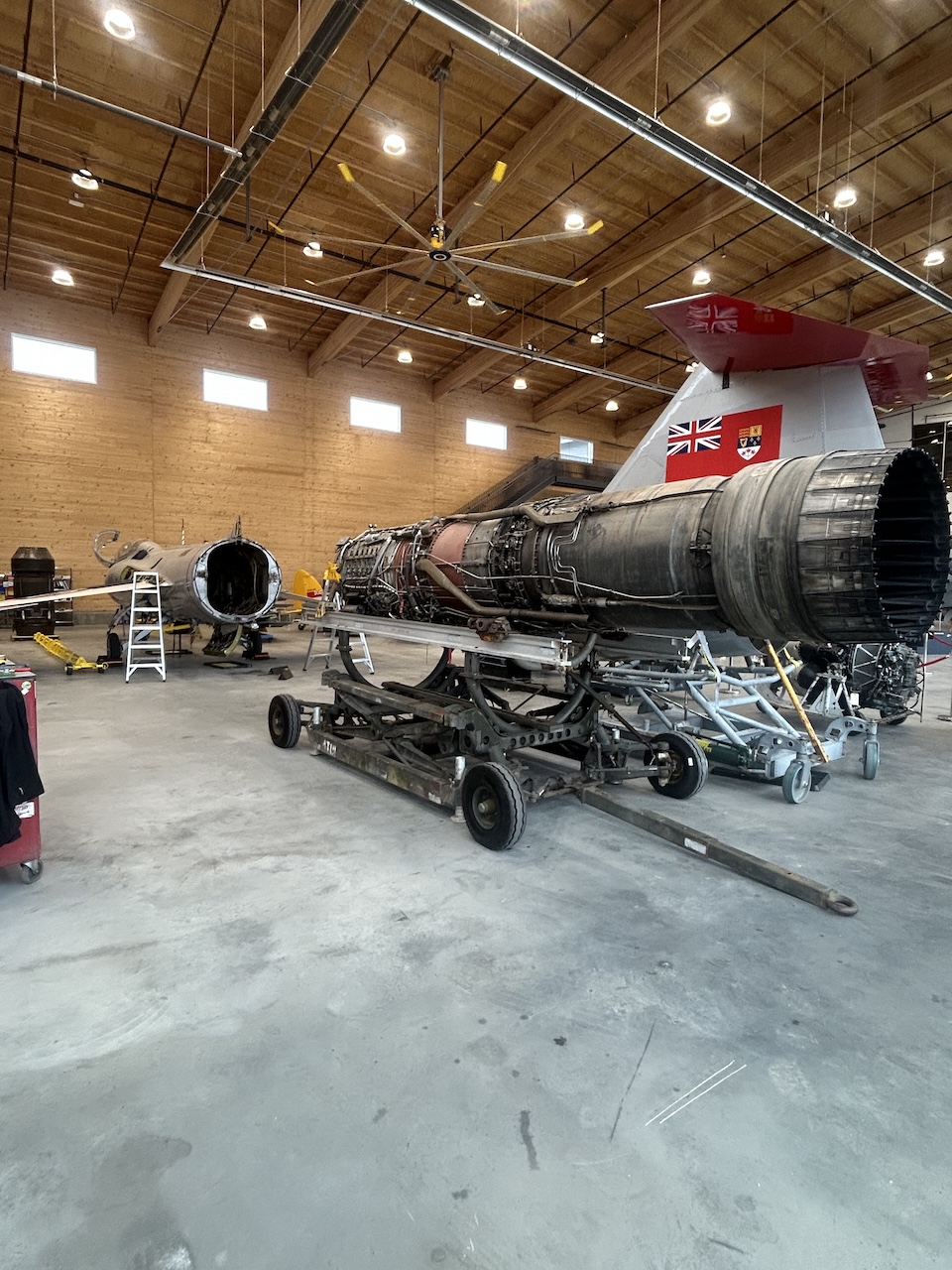
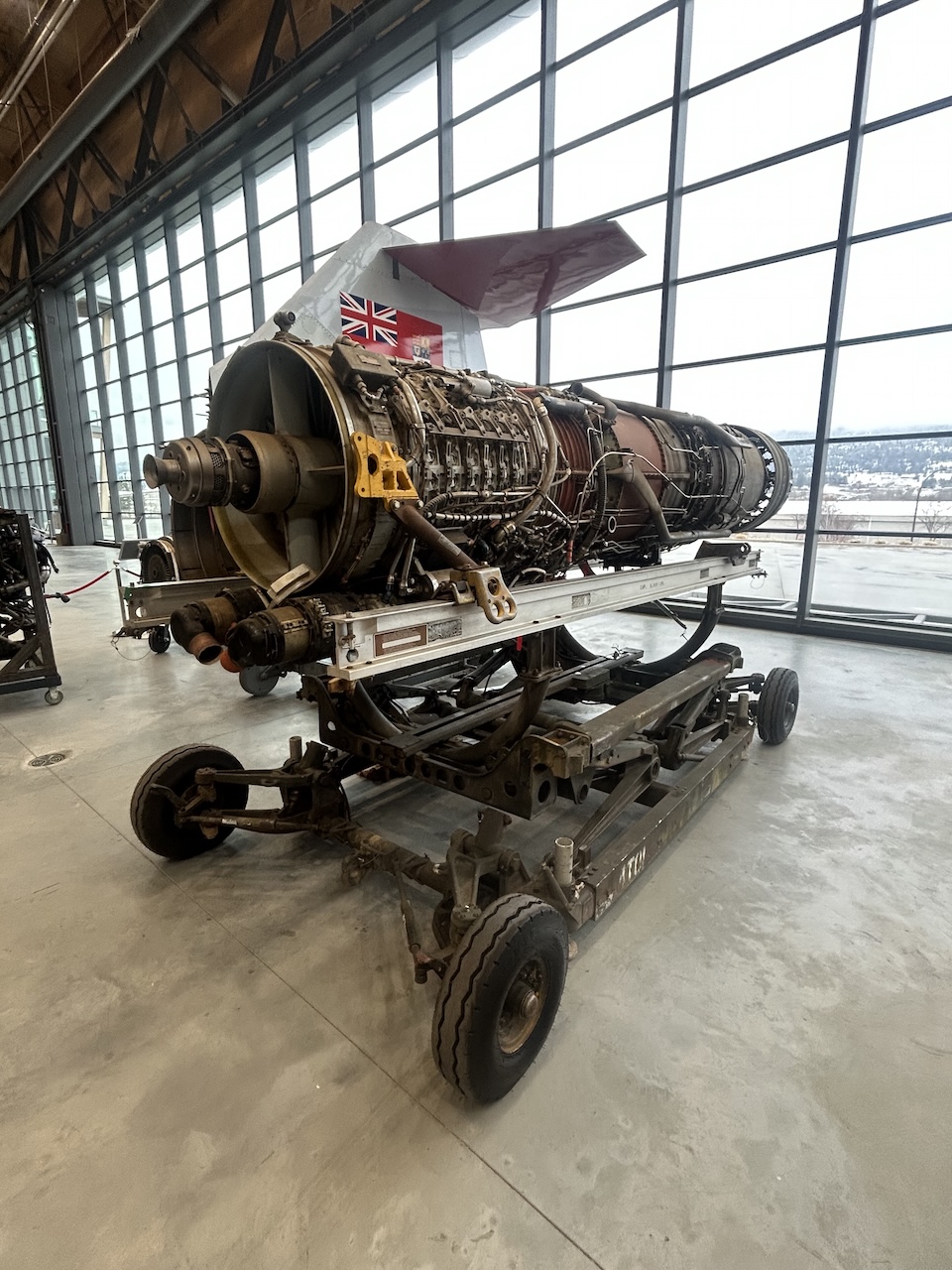
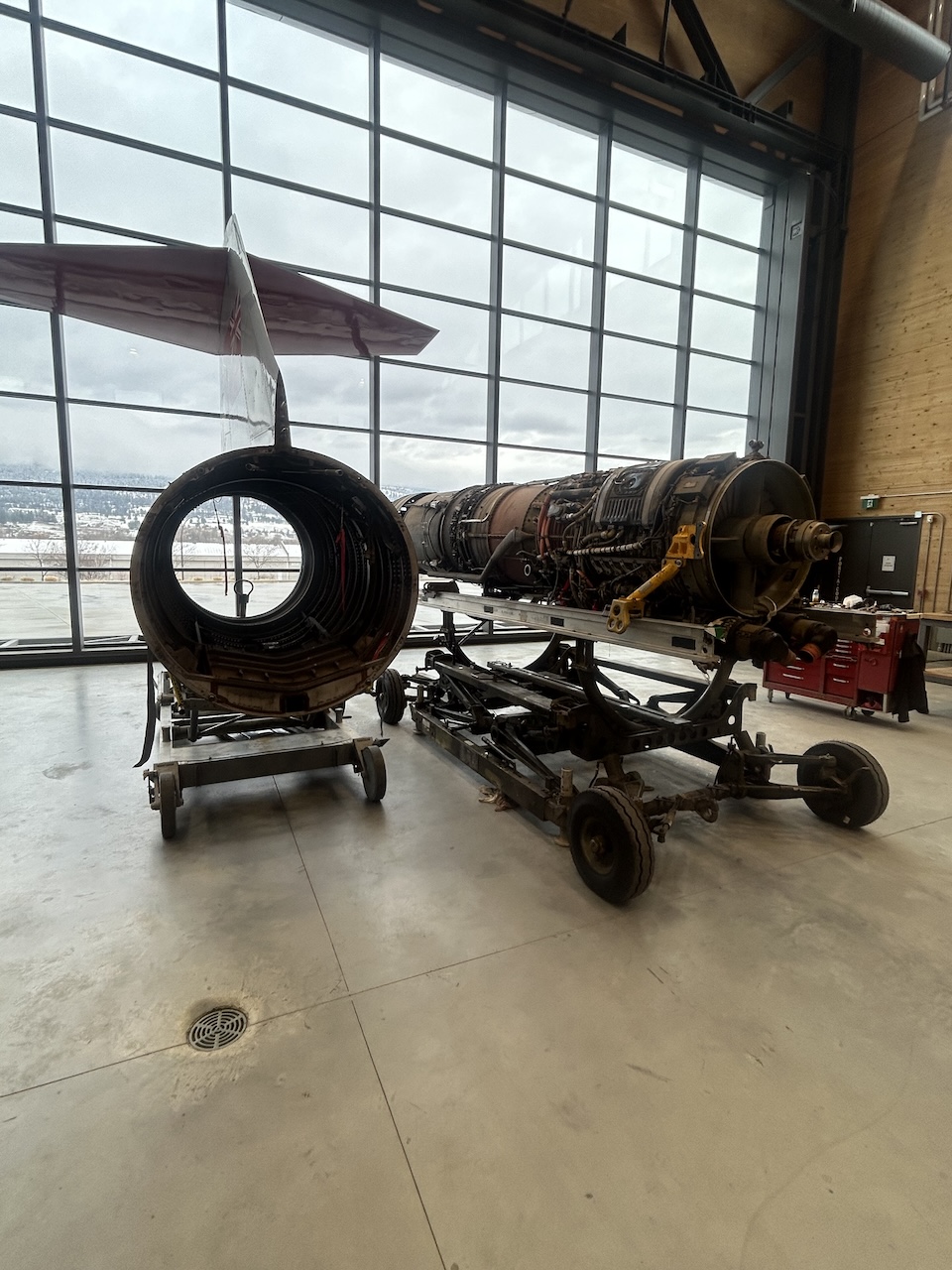
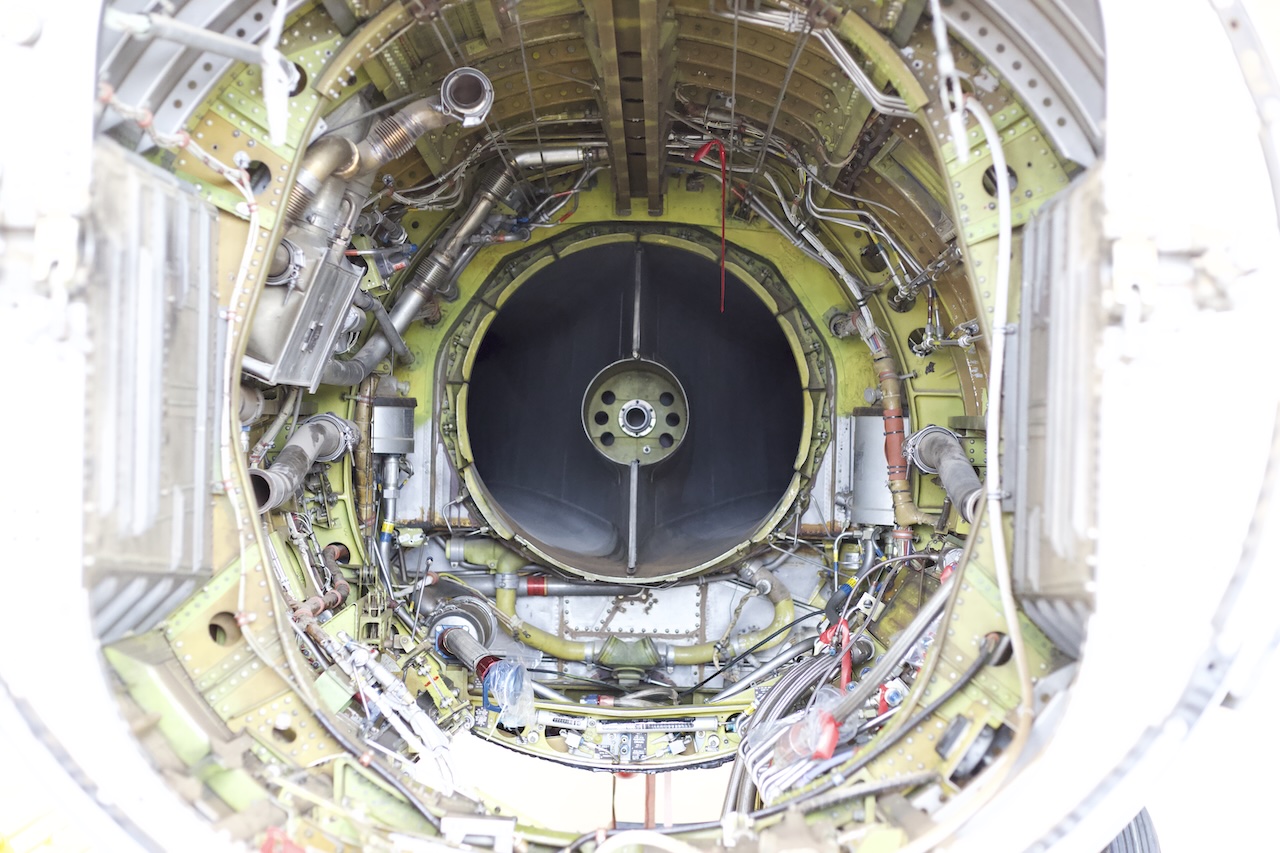
Having the engine out of the aircraft gave the group the opportunity to inspect the engine compartment and do some preventive maintenance, such as flushing the hydraulic system. Part of the latter involved putting the aircraft up on jacks to perform gear swings, and Staber described the process, “The landing gear is so cool. The way it retracts, the way that the wheels rotate as they come up, it’s the neatest thing to see. We’ve captured some great videos of it in action. Part of the reason we cycled the gear was to flush the hydraulic system, move the actuators, and get everything operating again. If the aircraft hasn’t flown since 2008, that’s nearly twenty years without the gear moving. It was a thorough process, and we experienced no issues – everything functioned as designed, with no leaks.”
One of the wonderful aspects of the warbird and vintage aviation community is the networking and willingness to help each other, and Staber credited the Kennedy Space Center-based Starfighters Space for their generous assistance in the Centre’s CF-104 project. The goal of running the engine could come as soon as this summer, with taxiing coming some time afterwards. At this time the only stumbling blocks Staber foresees are issues with the fuel nozzles. Staber said, “The aircraft is in such good shape that I have confidence that we’re going to meet our target.” If they do meet their target, the distinctive howl of the CF-104’s J79 will once again ring across the Okanagan countryside. It might be a good time to plan a trip to Kelowna, BC. For more information the KF Centre for Excellence, visit www.kfcentre.ca.