
(Image credit: VAN)
On this day in aviation history, 110 years ago (March 16, 1916), the first US Military aircraft mission over foreign territory occurred. Mexican revolutionary Pancho Villa crossed into Columbus, New Mexico, with over 500 troops, raiding the city while killing 17 Americans in the process. Brigadier General John J. Pershing was tasked with assembling a force to protect the border, which would become known as the “Punitive Expedition.” The 1st Aero Squadron, led by Captain B.D. Foulois received orders to join the effort.
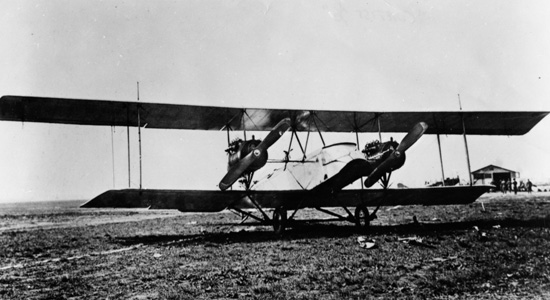
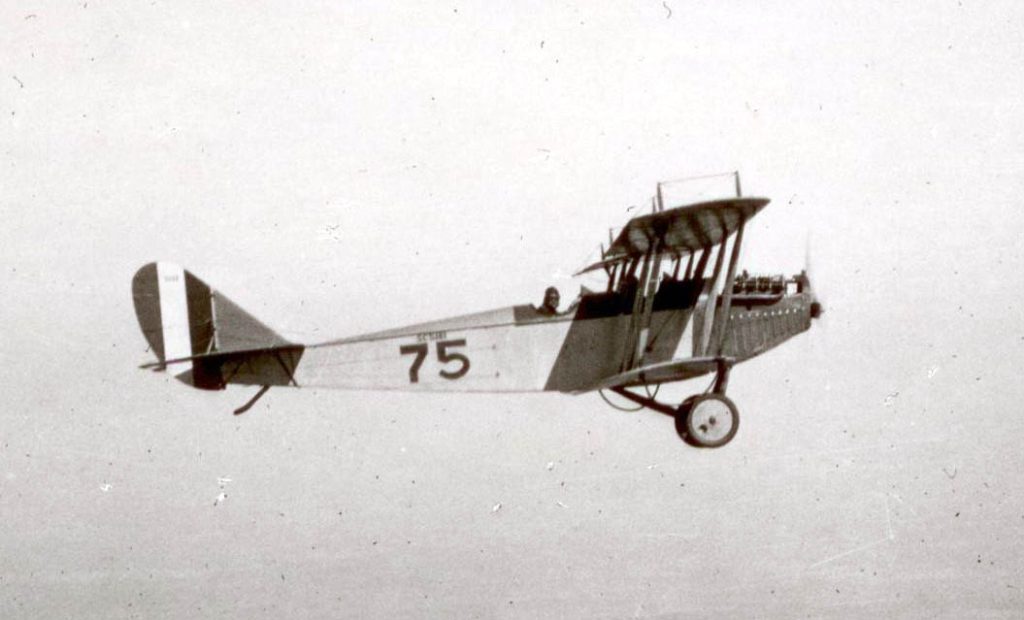
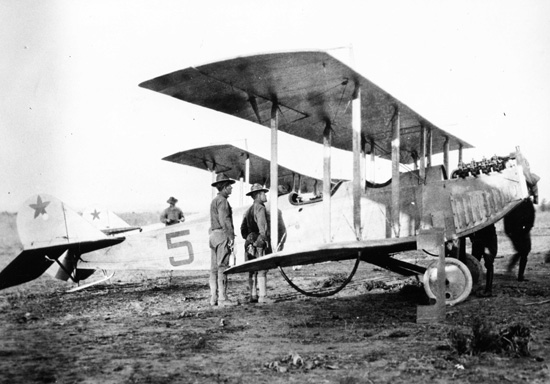
The 1st Aero Squadron departed their base at Fort Sam Houston, located in San Antonio, Texas, and arrived in Columbus 2 days later. This was the first time a “tactical air unit” had ever been placed in the field by the United States. When the 1st AS joined up with General Pershing’s forces, the unit consisted of 11 officers, 84 enlisted men, and one civilian mechanic. They had a total of 8 “well-used” Curtiss JN3 Jenny aircraft. The Curtiss JN Jenny was a single-engine training biplane that was built by the Glenn Curtiss Aeroplane Company of Hammondsport, New York. The aircraft was operated by the U.S. Army Air Service. Powered by a 90-horsepower Curtiss OX-5 V-8 water-cooled piston engine, the JN-4D Jenny could cruise at 60 mph and attain a maximum airspeed of 75 mph. The Jenny had a crew of two and a service ceiling of 6,500 feet.
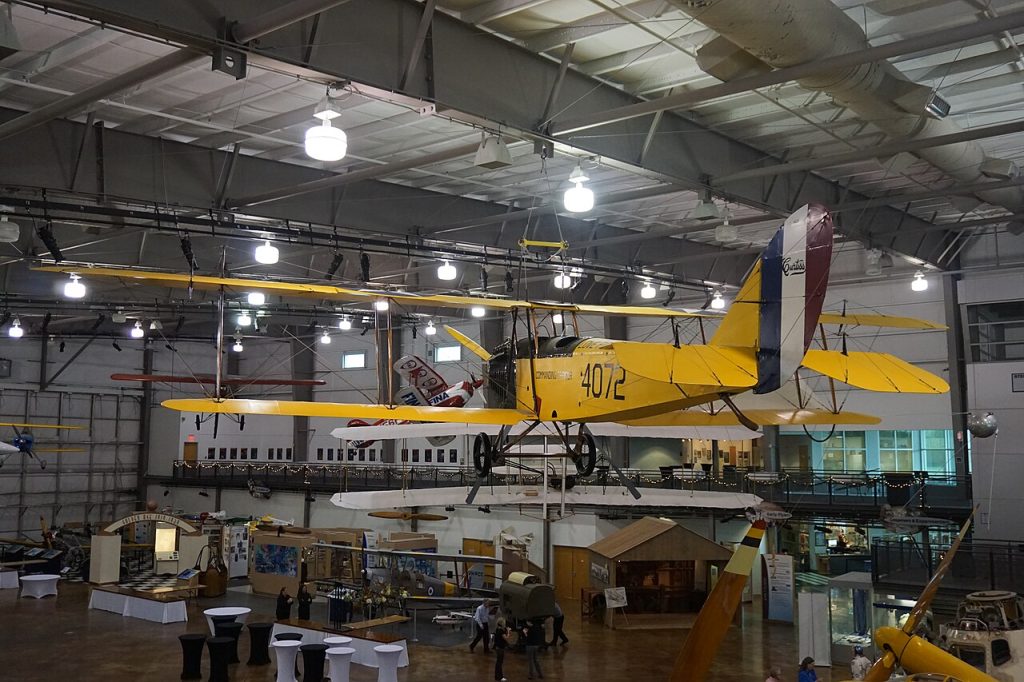
A forward base was established by the 1st Aero Squadron in northern Mexico, at Colonia Dublan. Beginning on March 16, 1916, the 1st began flying reconnaissance missions to locate Pancho Villa and his forces. The rugged conditions of the environment took a toll on the already worn Jenny fleet. Coupled with the aircraft’s naturally sparse performance, the JNs began to fall apart. By April 20, only 2 JN3s remained in service. The 1st AS would receive four new Curtiss NBs, which were later sent north to be used as trainers. Curtiss R2s were also delivered to the front, but the aircraft proved to be unsatisfactory for border patrol flights. The remainder of the 1st Aero Squadron’s time on the “front lines” was spent field testing new types of military aircraft that were purchased for the aviation section. By early 1917, the conflict had eased to a point where the 1st Aero Squadron’s services were no longer required. Although no major excitement occurred during the 1st AS’s time on the Mexican border, the unit gained valuable experience in combat preparedness.