

(Image credit: VAN)
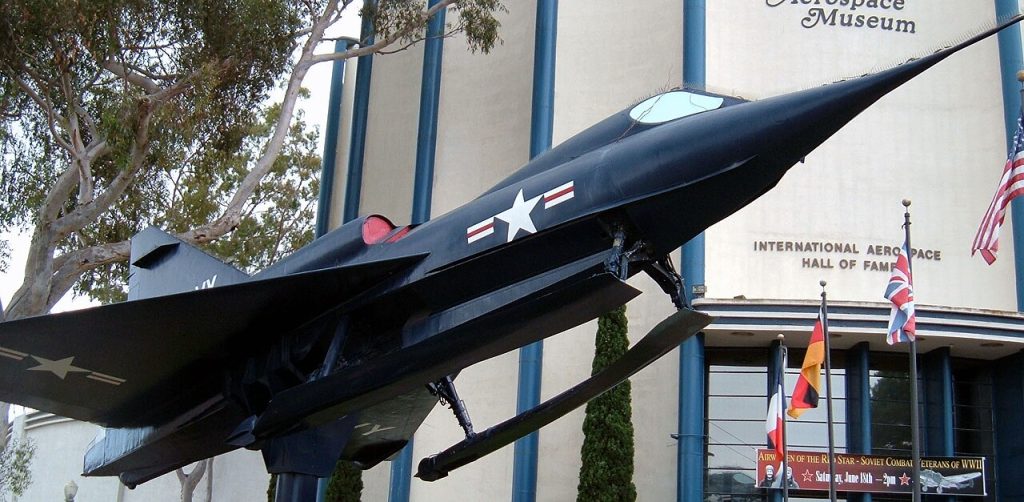
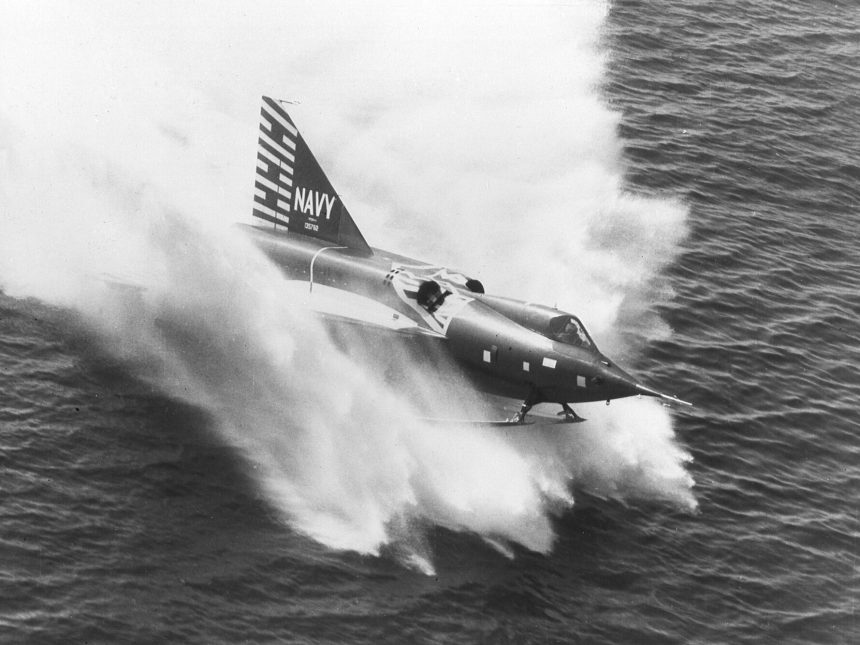
On this day in aviation history, 73 years ago (January 14, 1953), the first flight of the Convair YF2Y-1 Sea Dart took place. The F2Y was a prototype seaplane fighter aircraft that utilized hydro-skis for takeoff and landing. The Sea Dart holds the designation of being the only seaplane to have exceeded the speed of sound. The first flight of the Sea Dart, XF2Y-1 Bu. No. 137634, was inadvertent, occurring during a high-speed taxi test. The flight occurred at San Diego Bay, and Convair Chief Test Pilot Ellis Dent Shannon was at the controls.
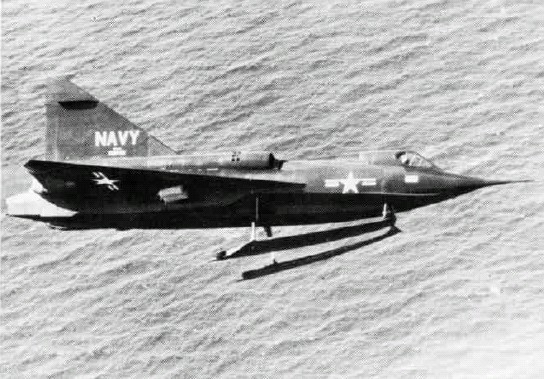
The YF2Y-1 was developed in response to issues being faced at the time with landing supersonic aircraft aboard aircraft carriers. High takeoff and landing speeds of supersonic fighters caused skepticism amongst Naval leaders, spurring Convair to further develop its F-102 Delta Dagger into a seaplane variant. The use of floats would negate the need to depart from or land aboard an aircraft carrier. In Late 1951, Convair’s proposal to develop two prototypes was accepted, and the first flight occurred two years later.
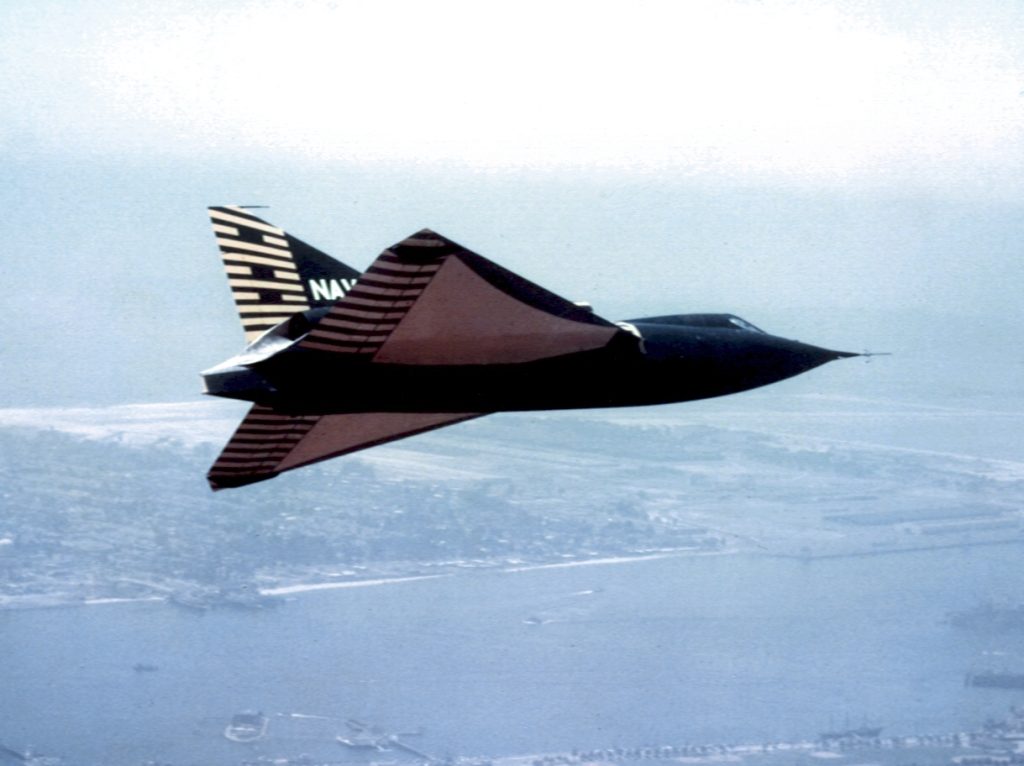
During flight testing, the F2Y Sea Dart proved to be underpowered, leading to sluggish performance for a proposed Naval fighter. Additionally, the hydro-ski floats did not operate as hoped, creating violent vibrations on takeoff and landing. The problems with supersonic fighters landing on aircraft carriers began to be solved, and the Sea Dart dropped down the US Navy’s priority list. An accident during flight testing sealed the F2Y’s fate, and the program was ultimately cancelled. Convair built five prototype Sea Darts in total. The four F2Ys that survived testing still exist today, housed in museums within the United States.
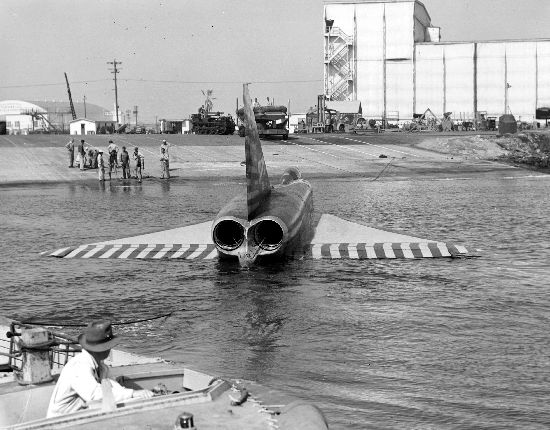
Convair’s YF2Y-1 prototype was powered by two Westinghouse J46-WE-12B afterburning turbojet engines. These turbojets provided 4,500 pounds of thrust each dry and 6,100 pounds each with afterburners engaged. The Sea Dart attained a maximum airspeed of Mach 1.25 (825 mph) in flight testing and proved to have a range of 446 nautical miles. The F2Y had a thrust-to-weight ratio of 0.56 (maximum loaded)/0.96 (empty), and a 17,100 feet per minute rate of climb. Had the Sea Dart been accepted for combat duty, the aircraft would have been armed with four 20 millimeter Colt Mk 12 cannons (production aircraft), fin-folding aerial rockets, and two air-to-air missiles.