
By Randy Malmstrom
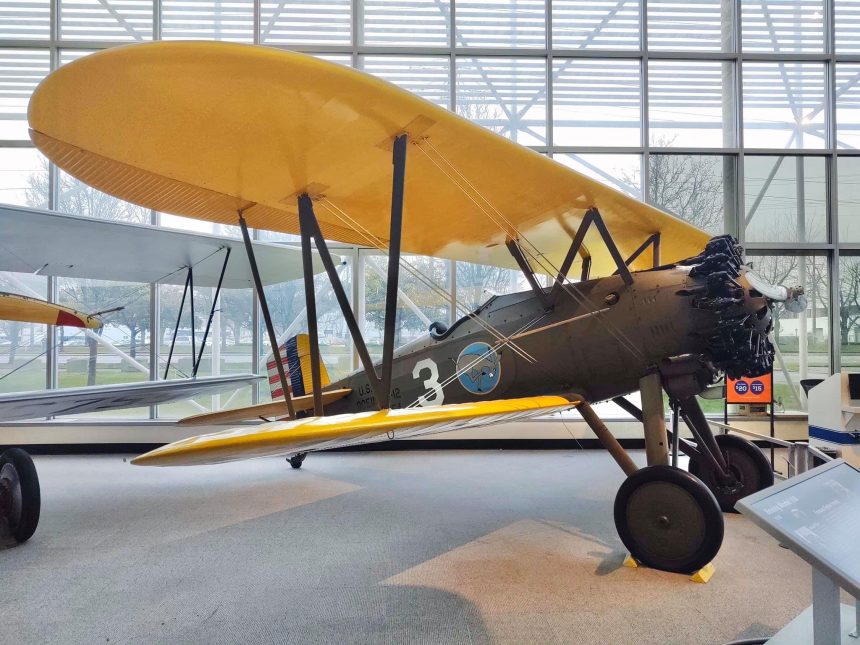
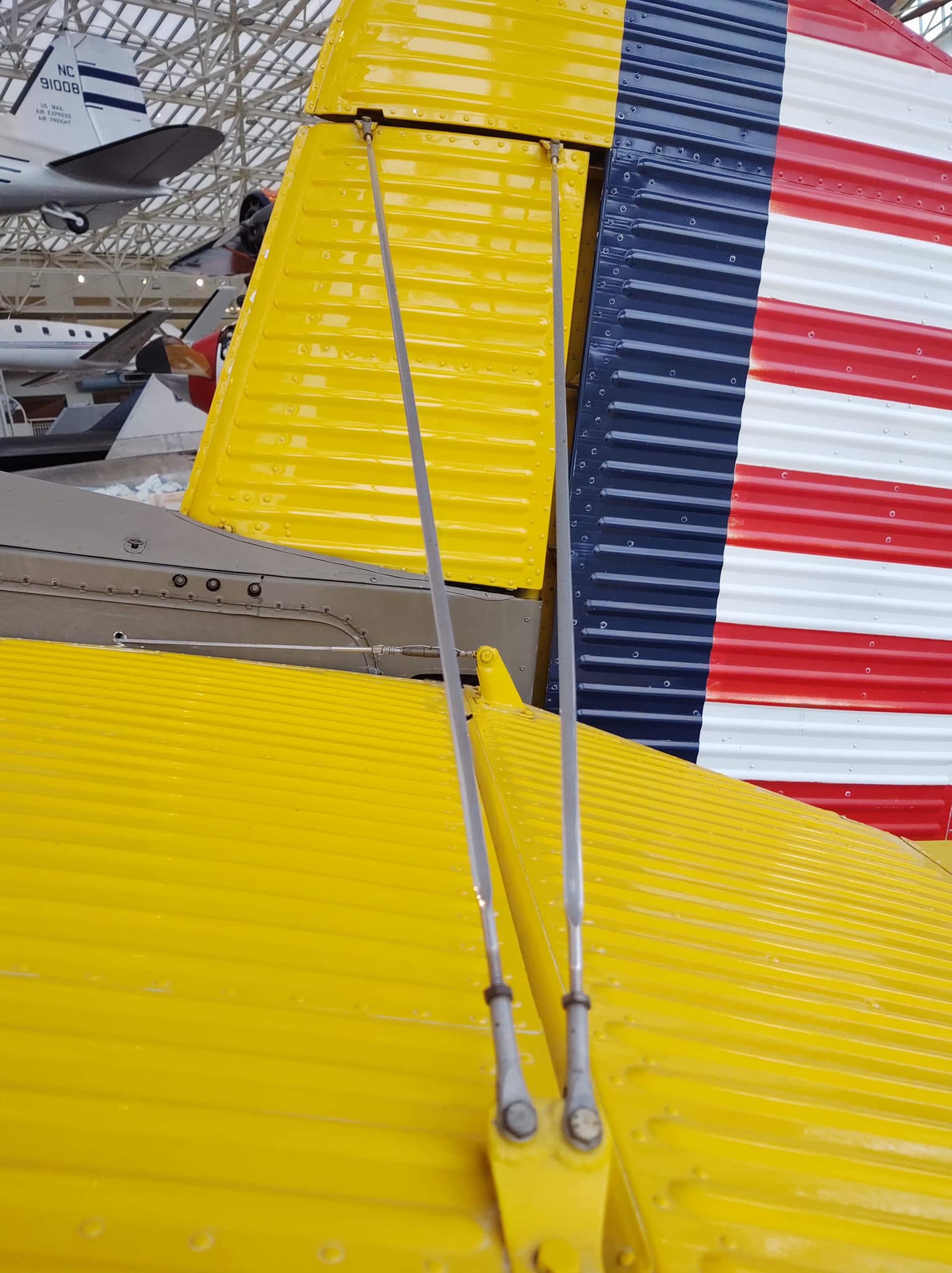
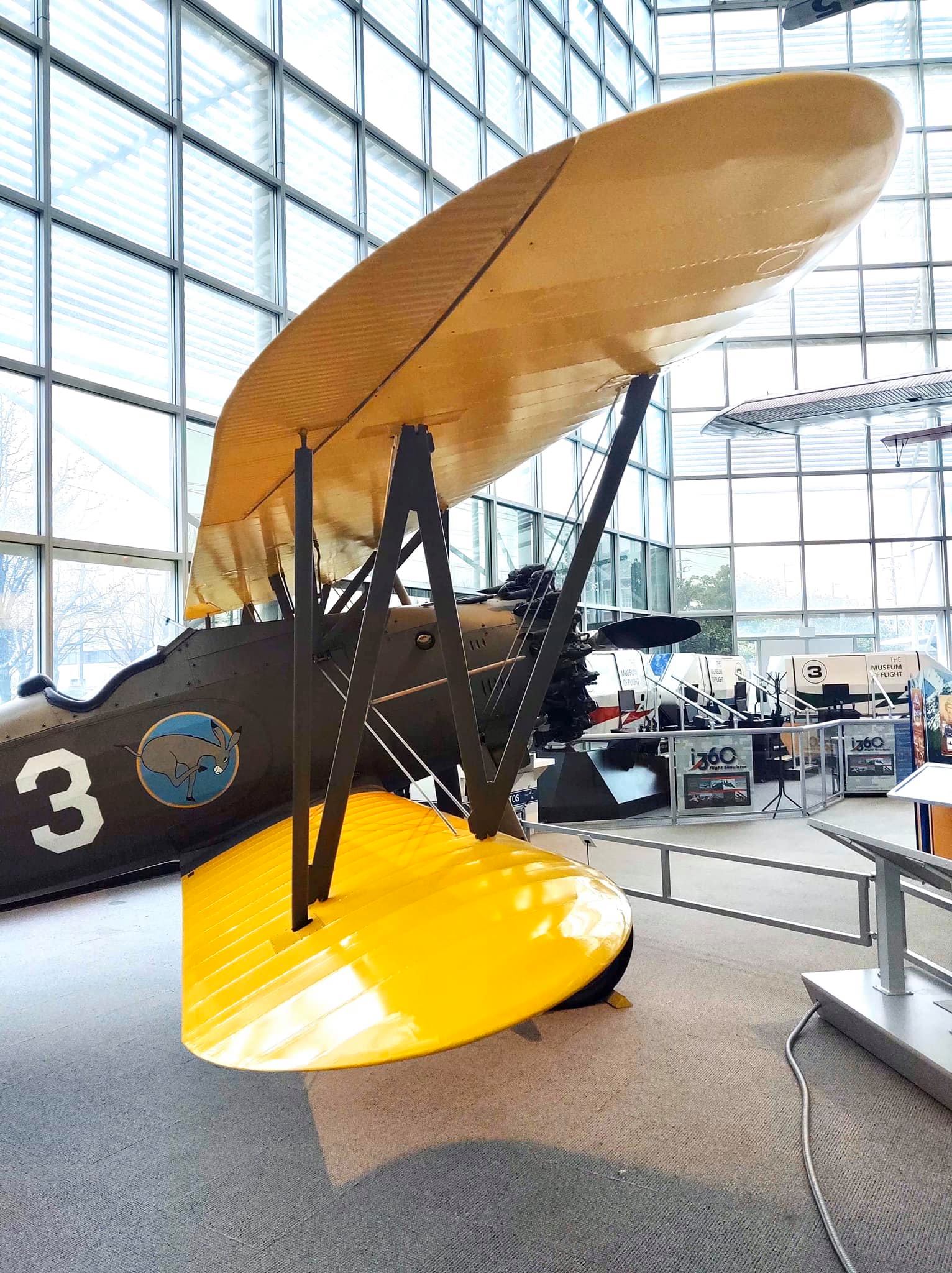
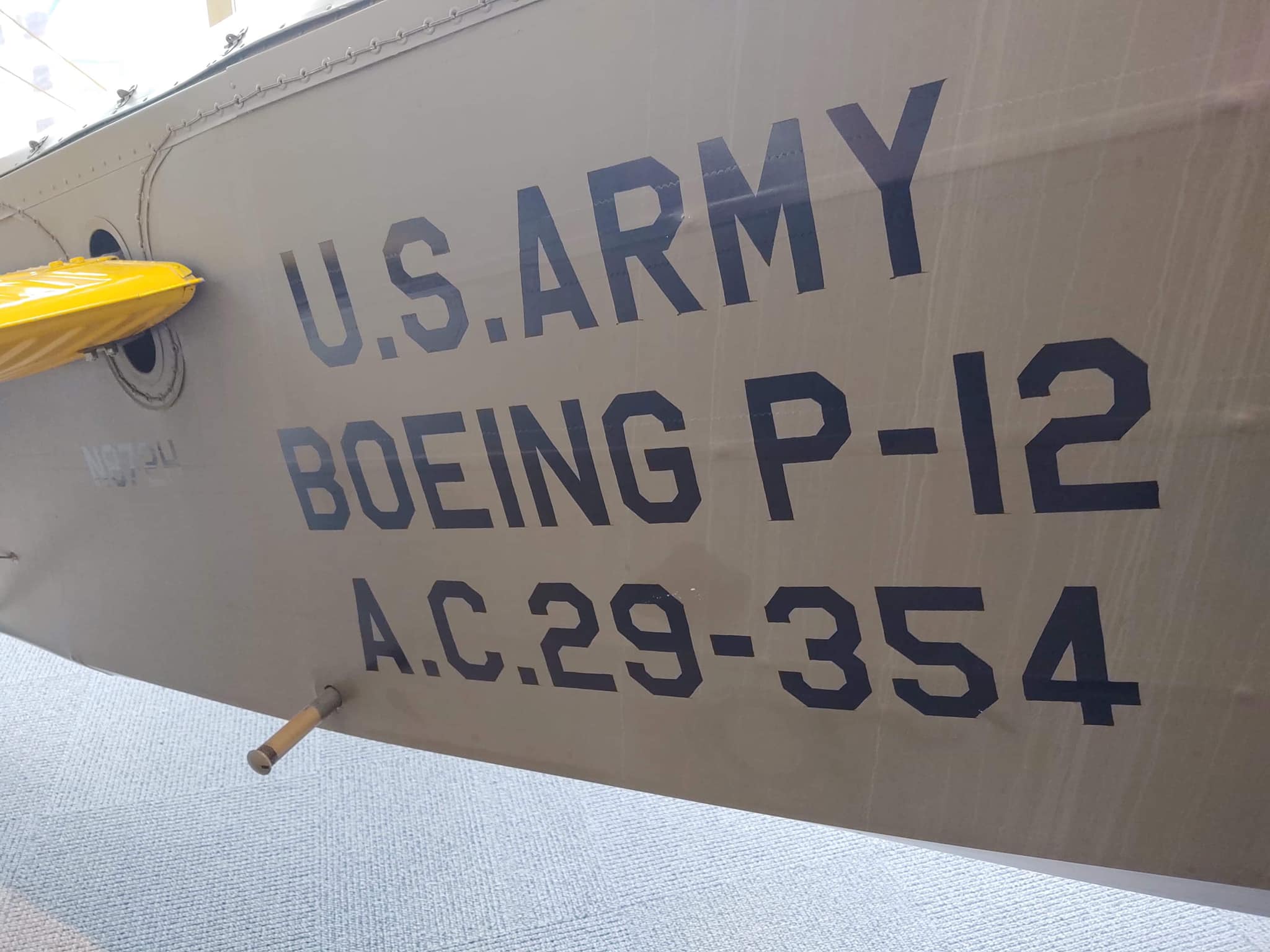
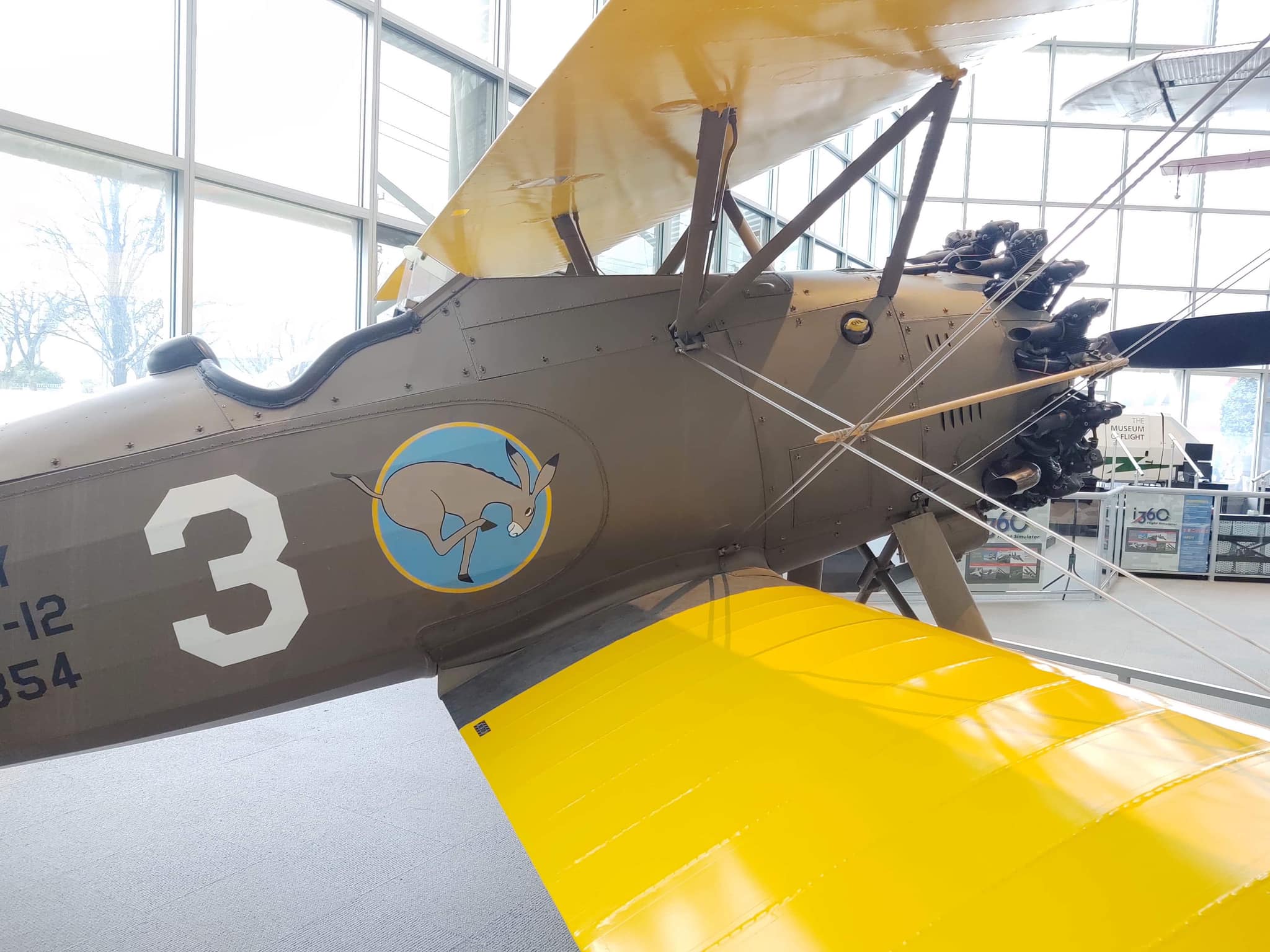
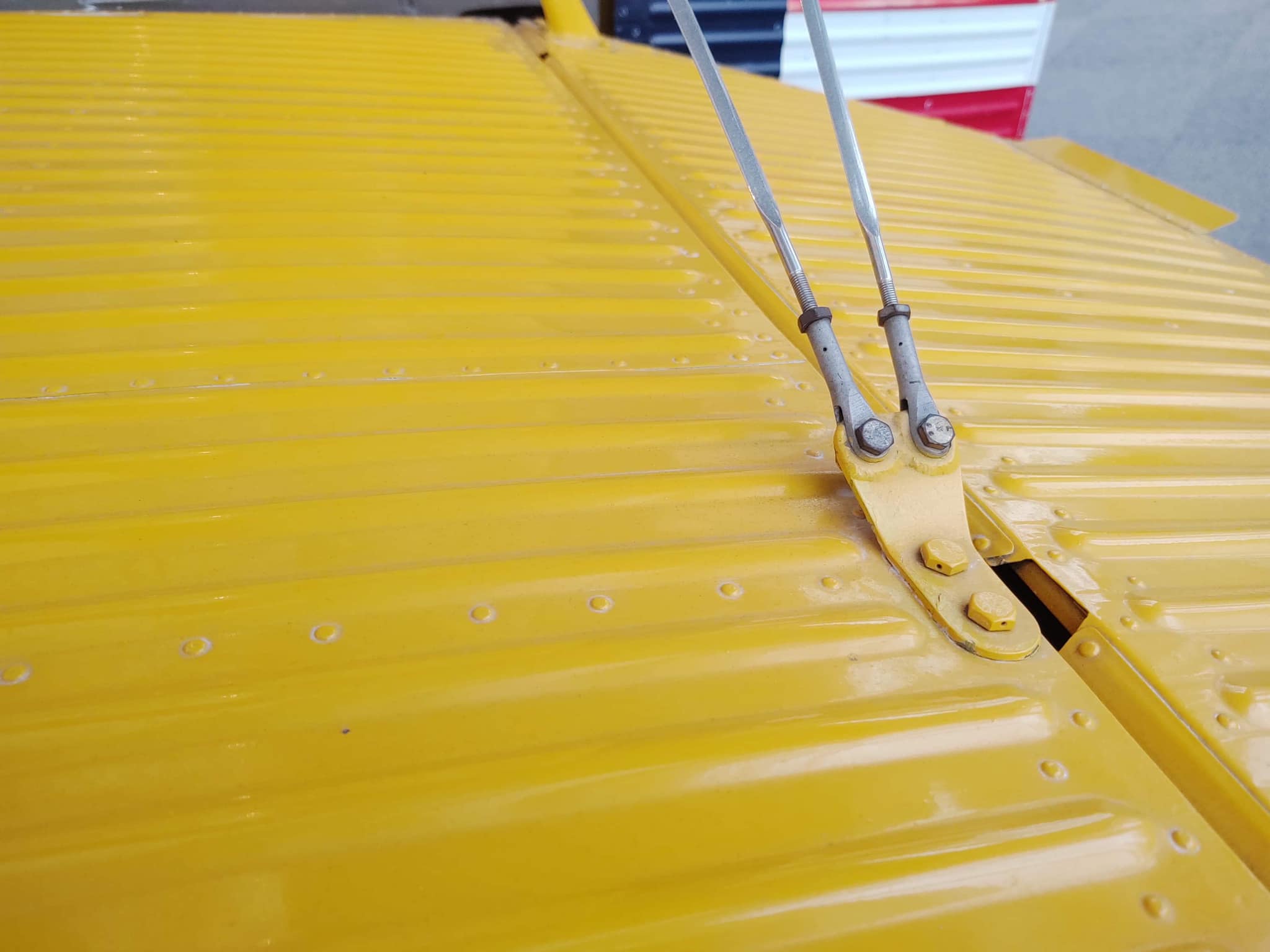
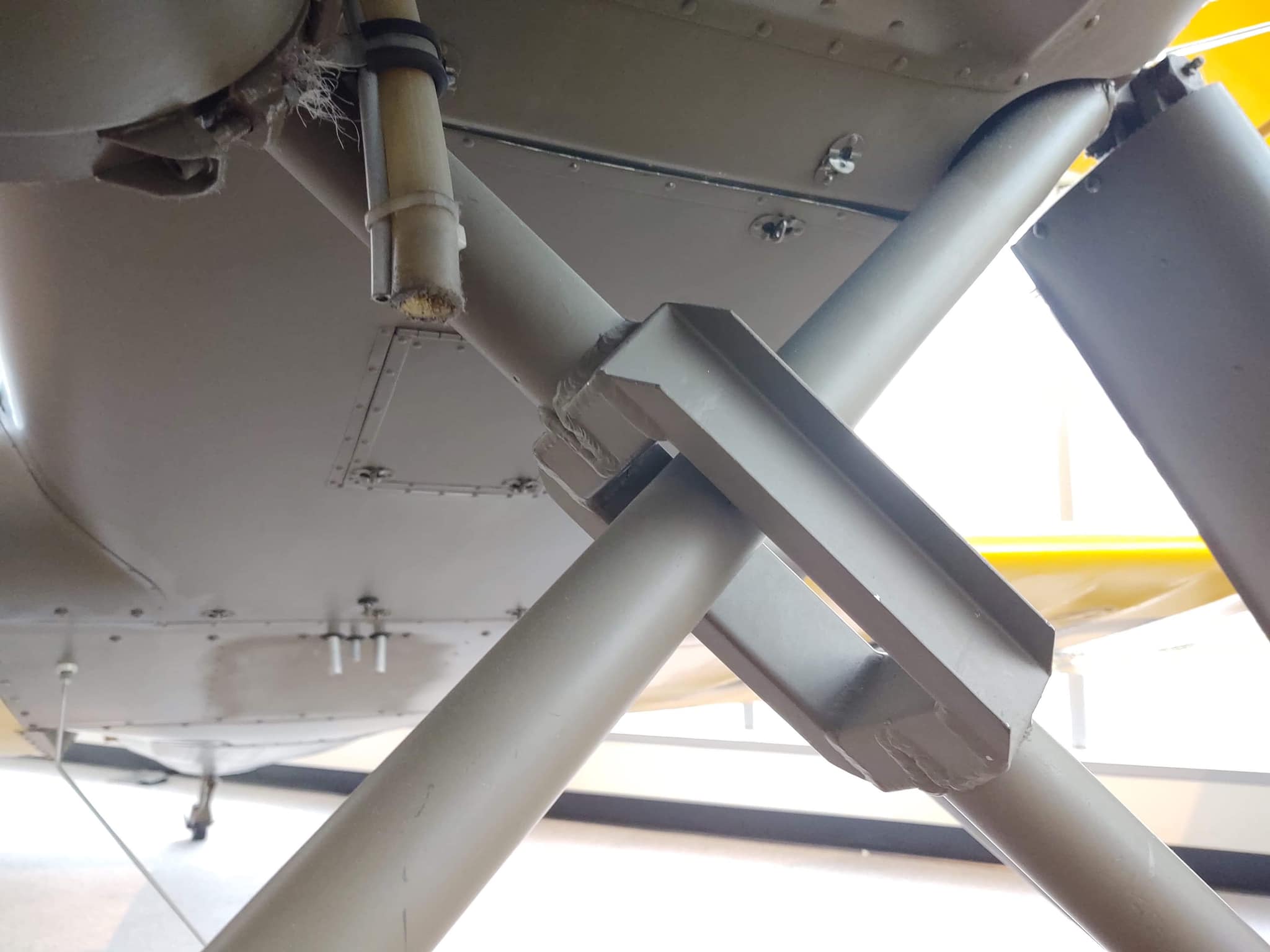
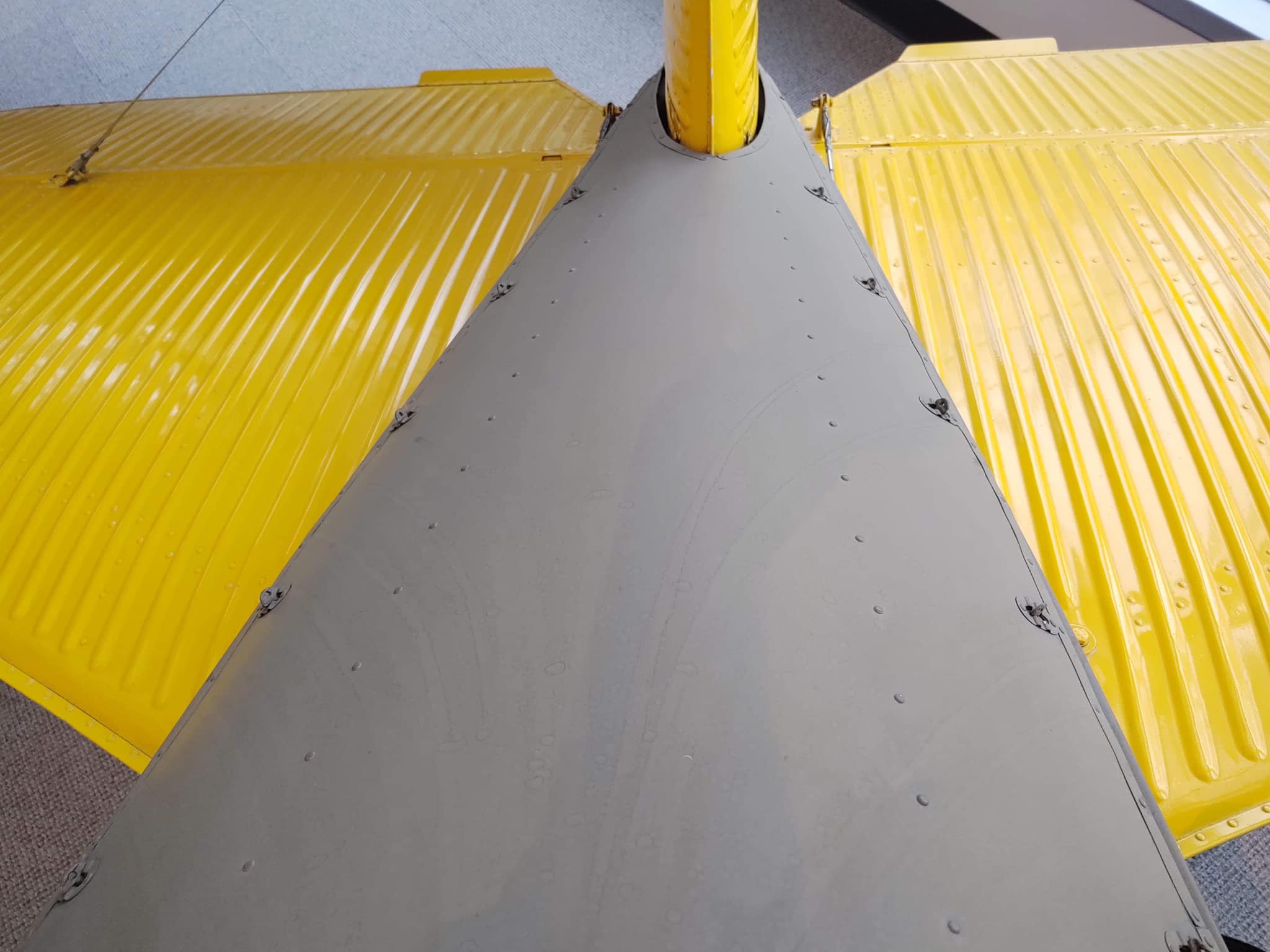
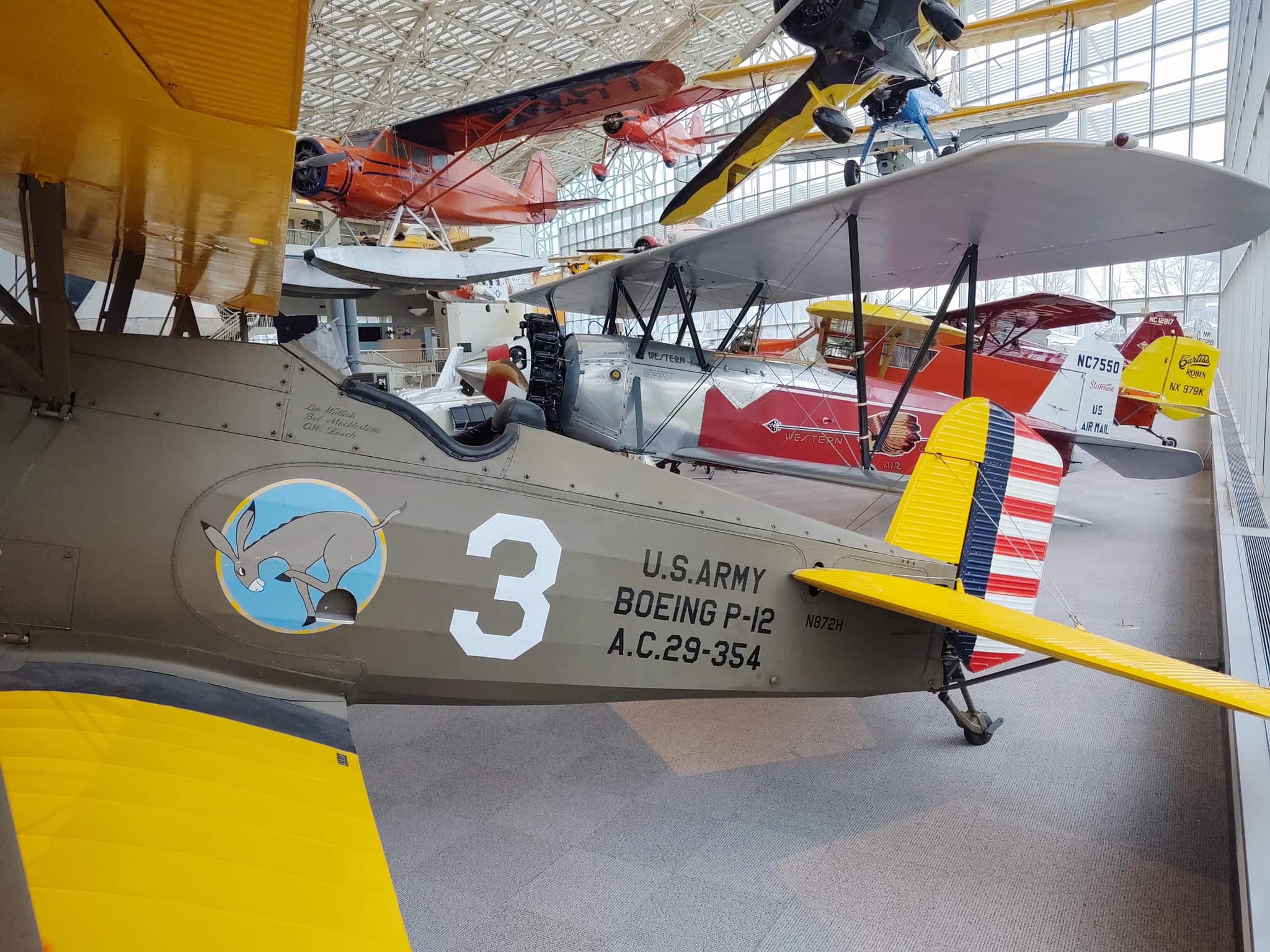
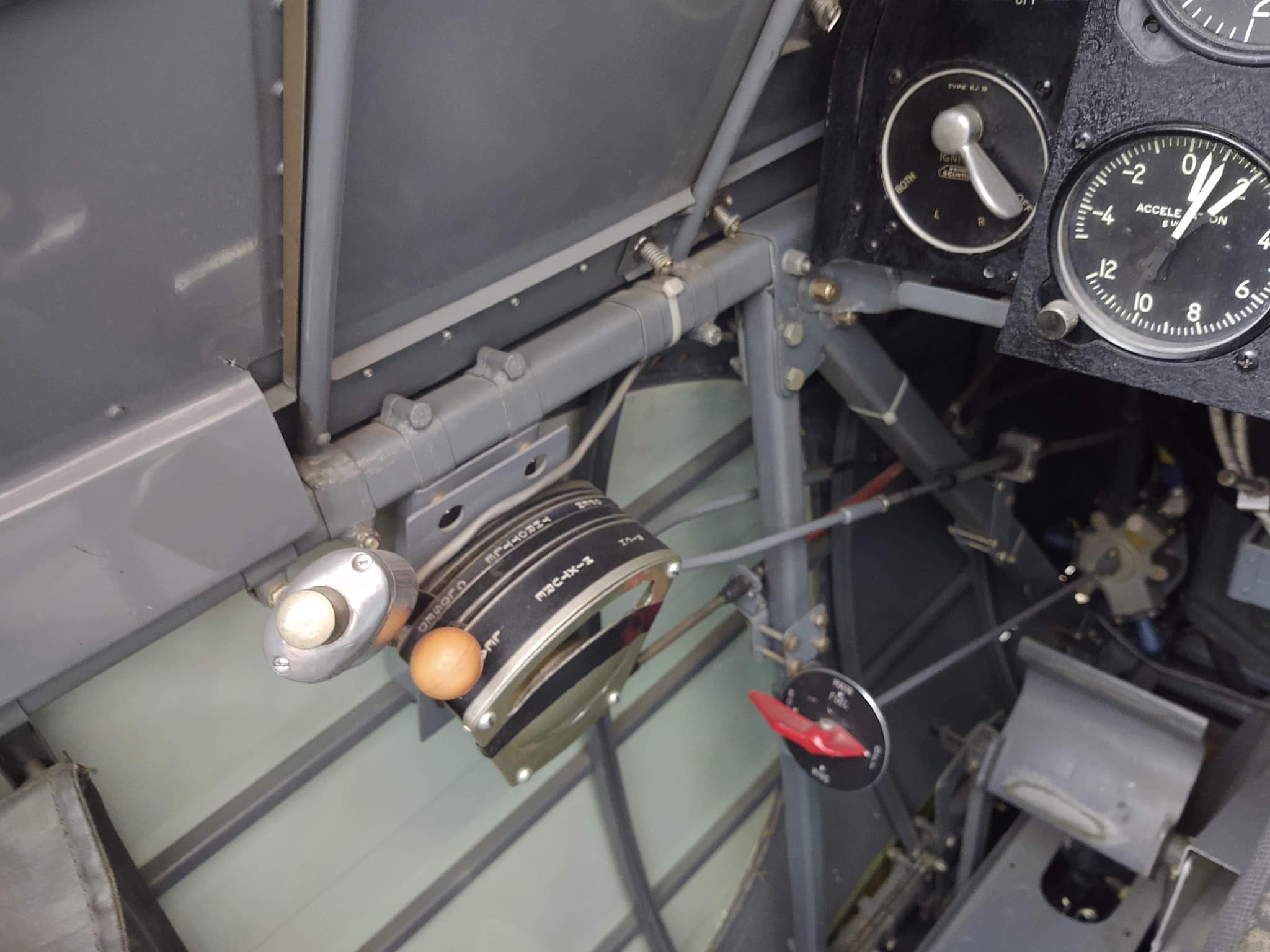
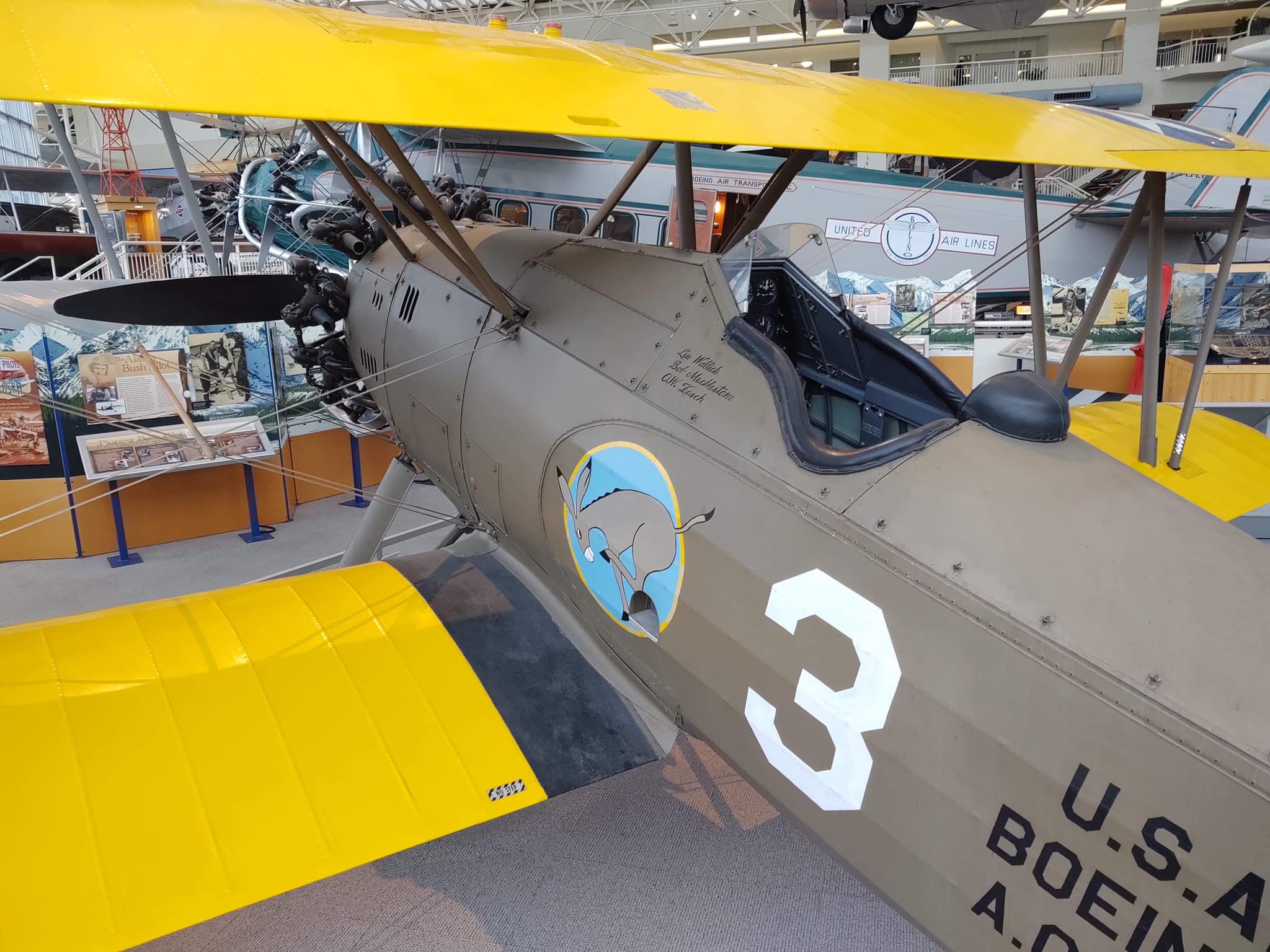
Boeing Model 100 painted as a P-12 on static display at the Museum of Flight in Seattle. Photos courtesy of Don England.
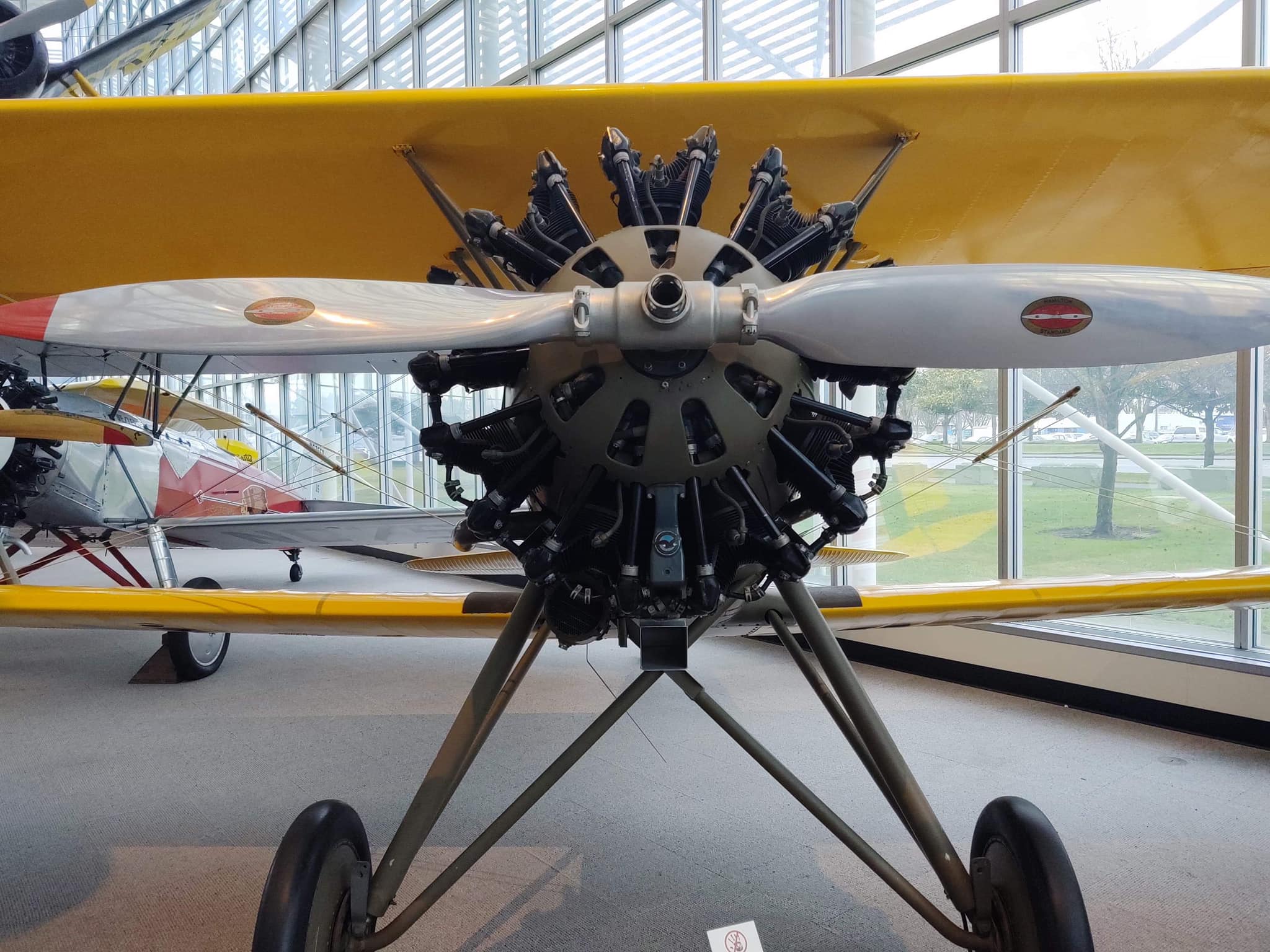
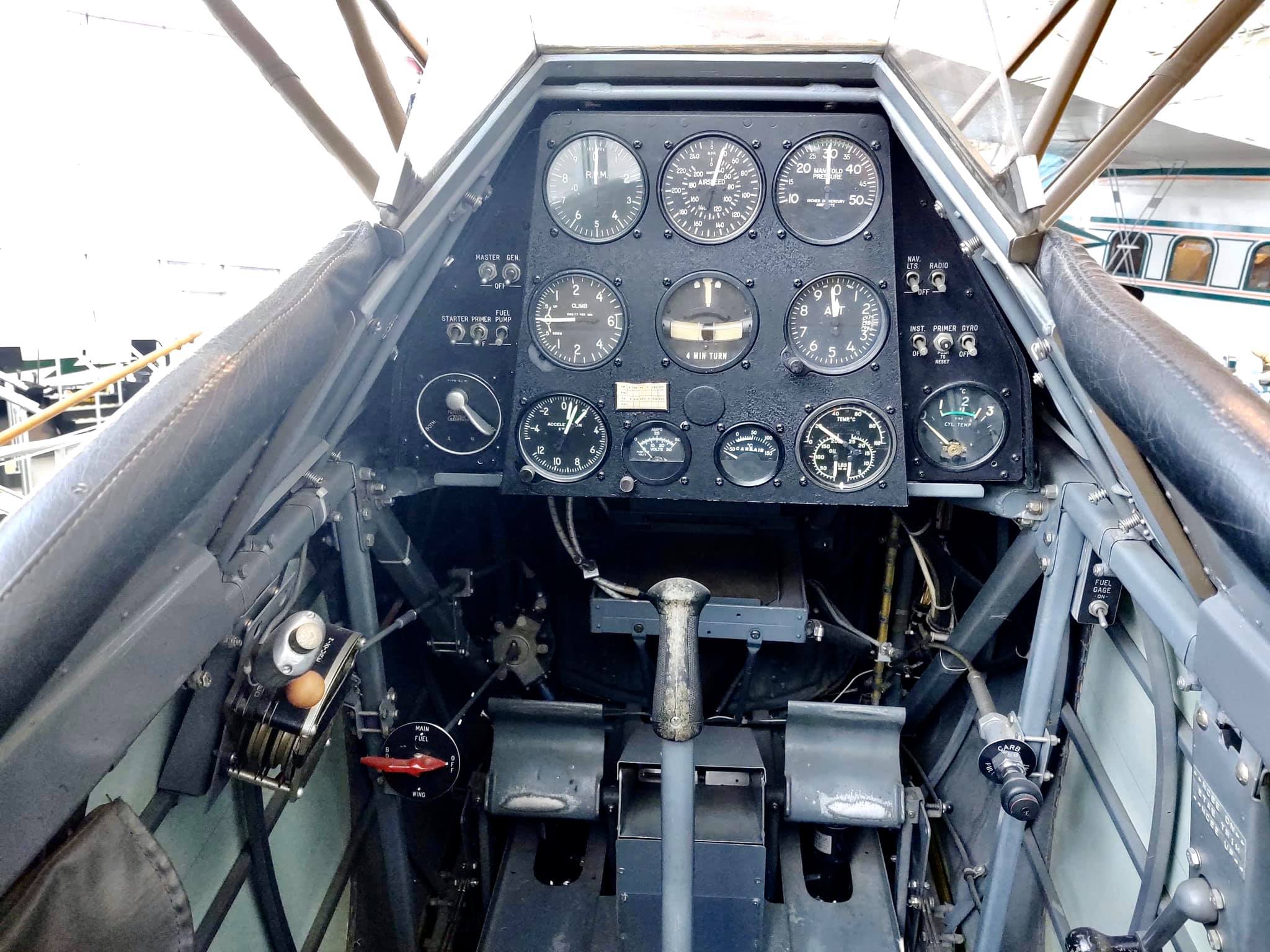
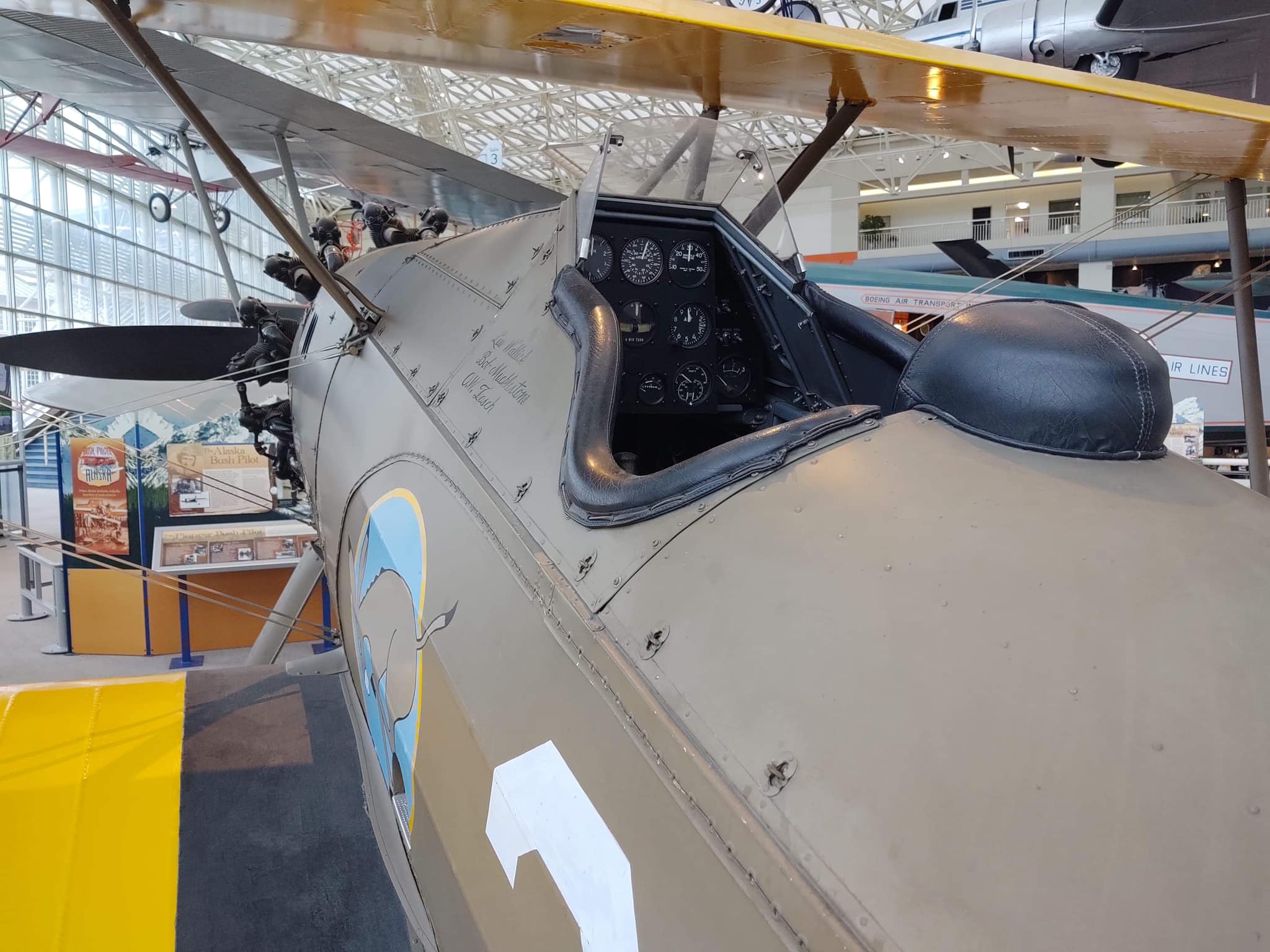
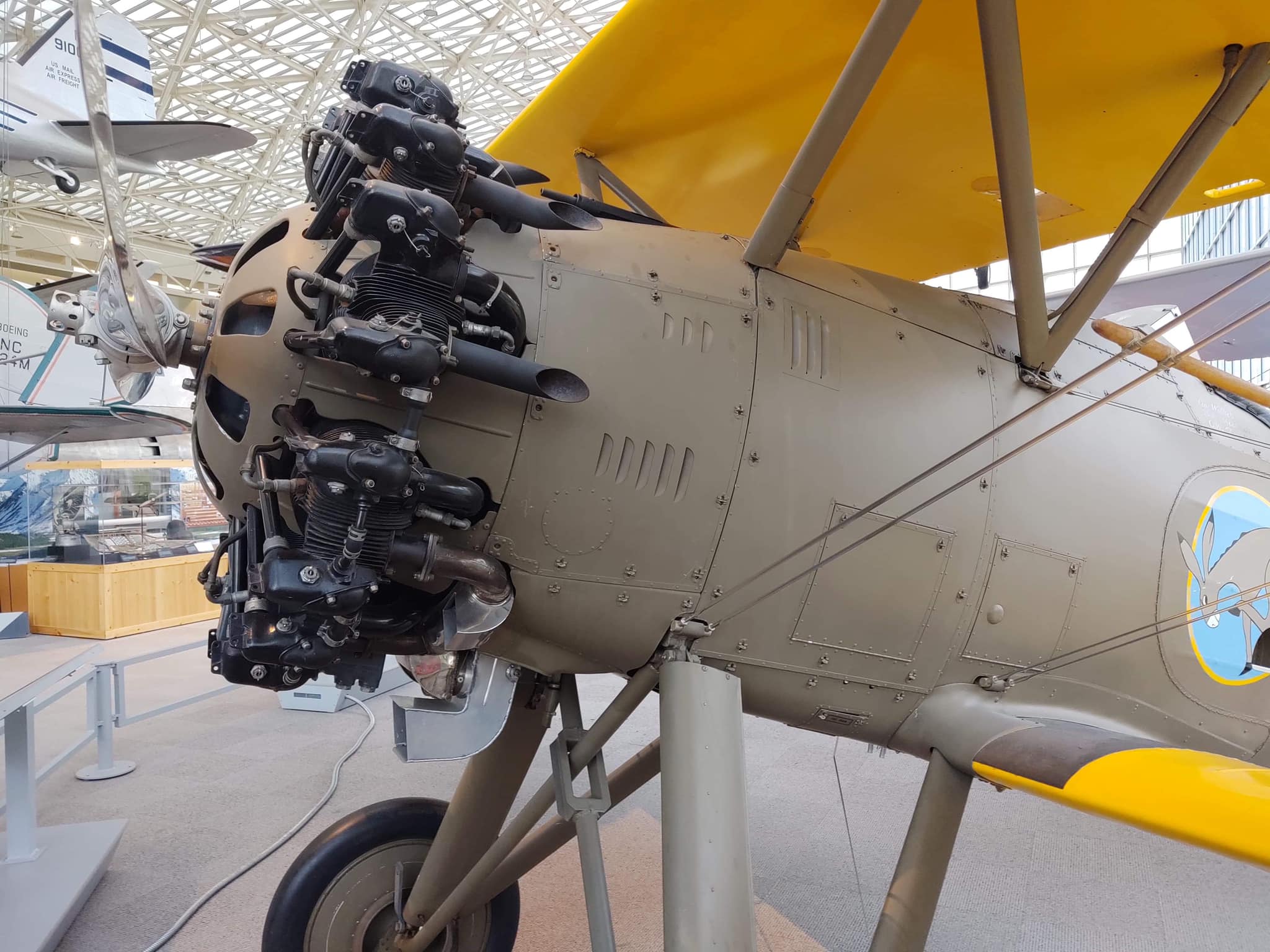
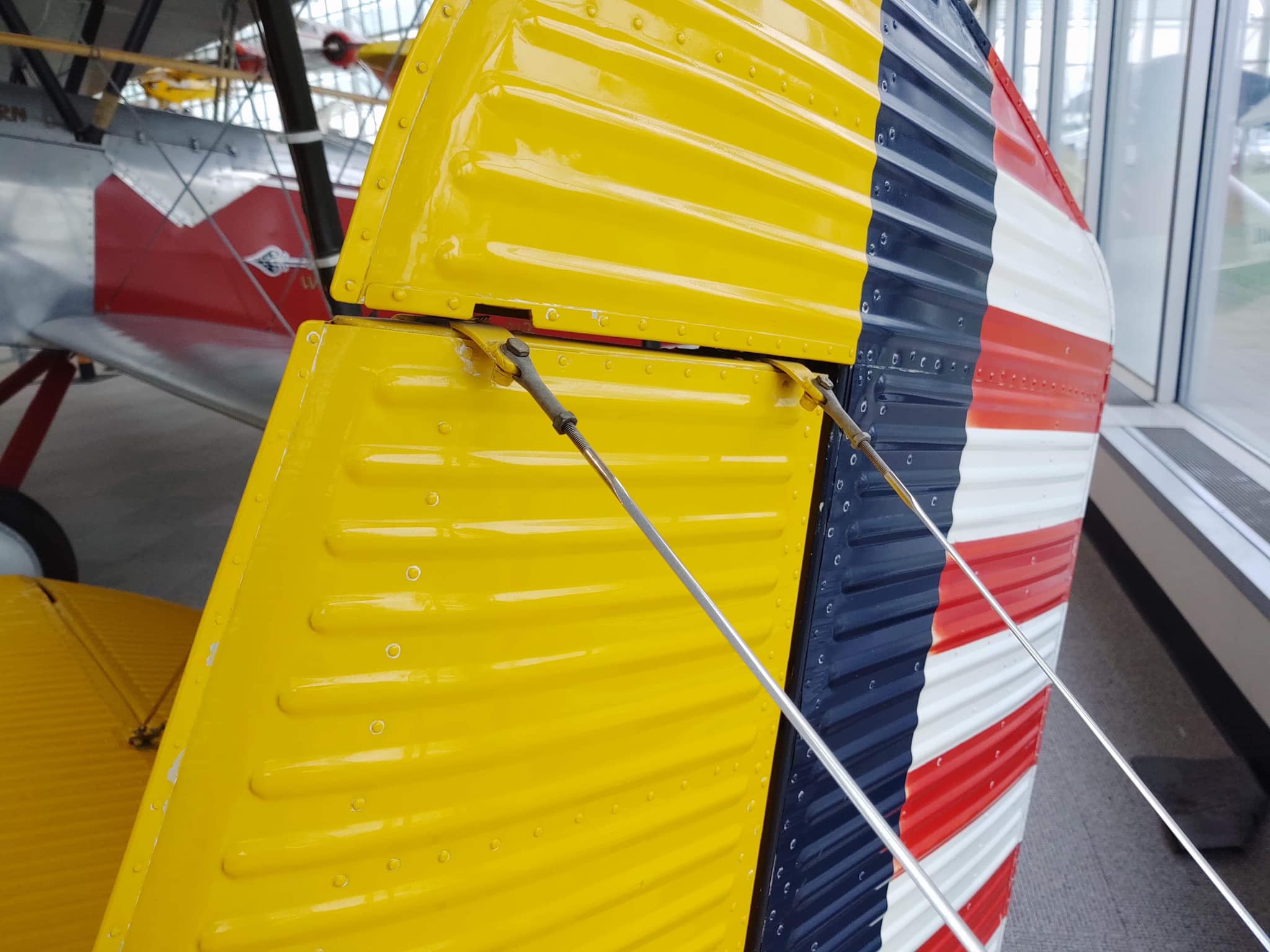
Editor’s notes: This aircraft was originally constructed in 1929 as manufacturer’s number 1143 by Boeing as a Model 100, a civilian version of the F4B/P-12 fighter (like the F4B-1/-2 and P-12/P-12D models, the rear fuselages of the Boeing Model 100s were covered in fabric), being equipped with a Pratt & Whitney R-1340 Wasp radial engine. On July 1, 1929, it was delivered to the Pratt & Whitney aircraft engine company in Hartford, Connecticut, as N-number NX872H to be used as an engine testbed, where it was used to test the R-985 Wasp Junior, the R-1535 Twin Wasp Junior, and the R-1690 Hornet engines.

On September 27, 1933, the aircraft was purchased by air show pilot Milo Burcham, who would set a new flight record three months later, on December 29, 1933, by flying upside-down for 4 hours, 5 minutes, and 22 seconds, a record that stood for nearly 60 years until it was broken by Joann Osterud on July 24, 1991. Burcham called his Boeing “Blue Flash” and performed aerobatics at airshows and air races such as the National Air Races held in Cleveland, Ohio, and Los Angeles. Flown as NR872H, Burcham also made further modifications to the aircraft, such as fairing over the space between the landing gear V-struts and replacing the fabric covering of the rear fuselage frame with sheet metal panels. In addition to his airshow routines, Burcham flew the aircraft in movies such as Men with Wings, released in 1938.

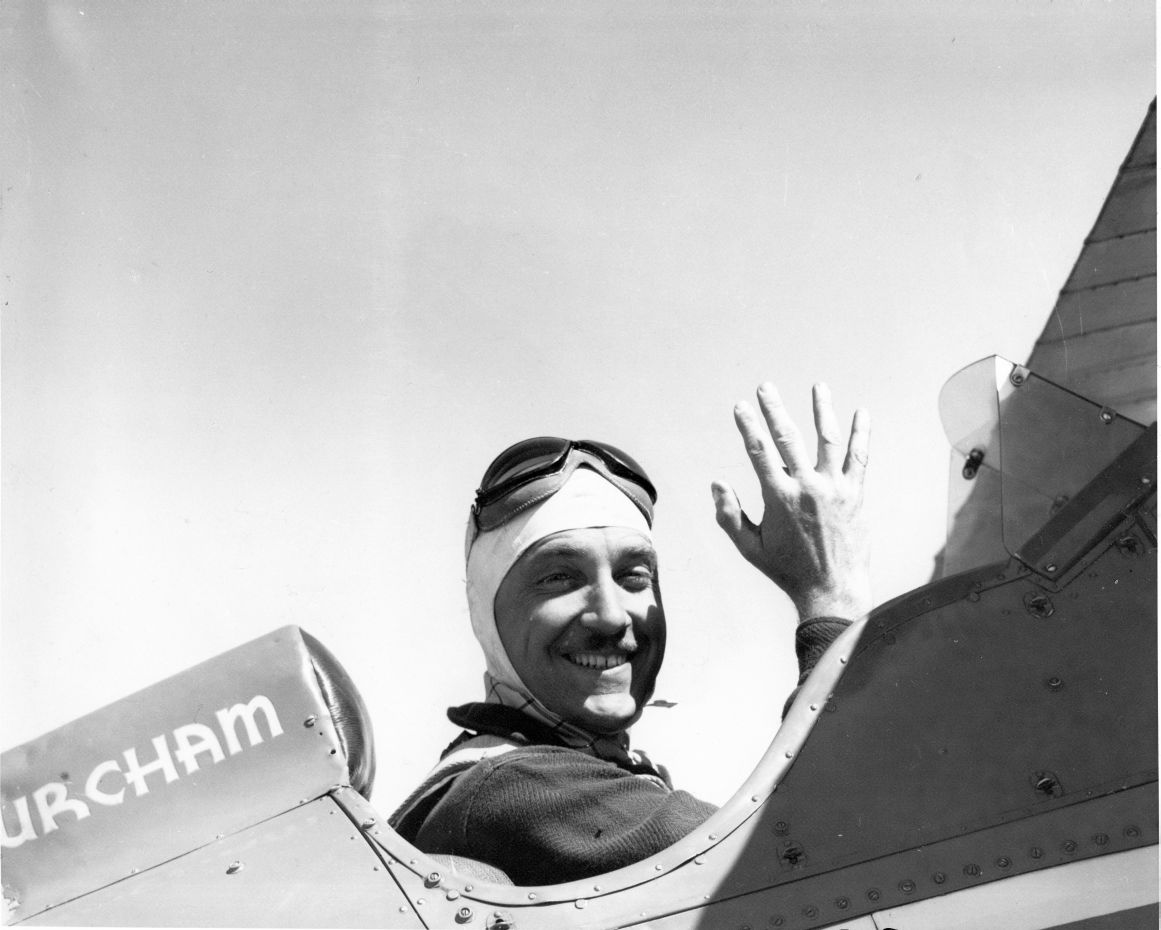
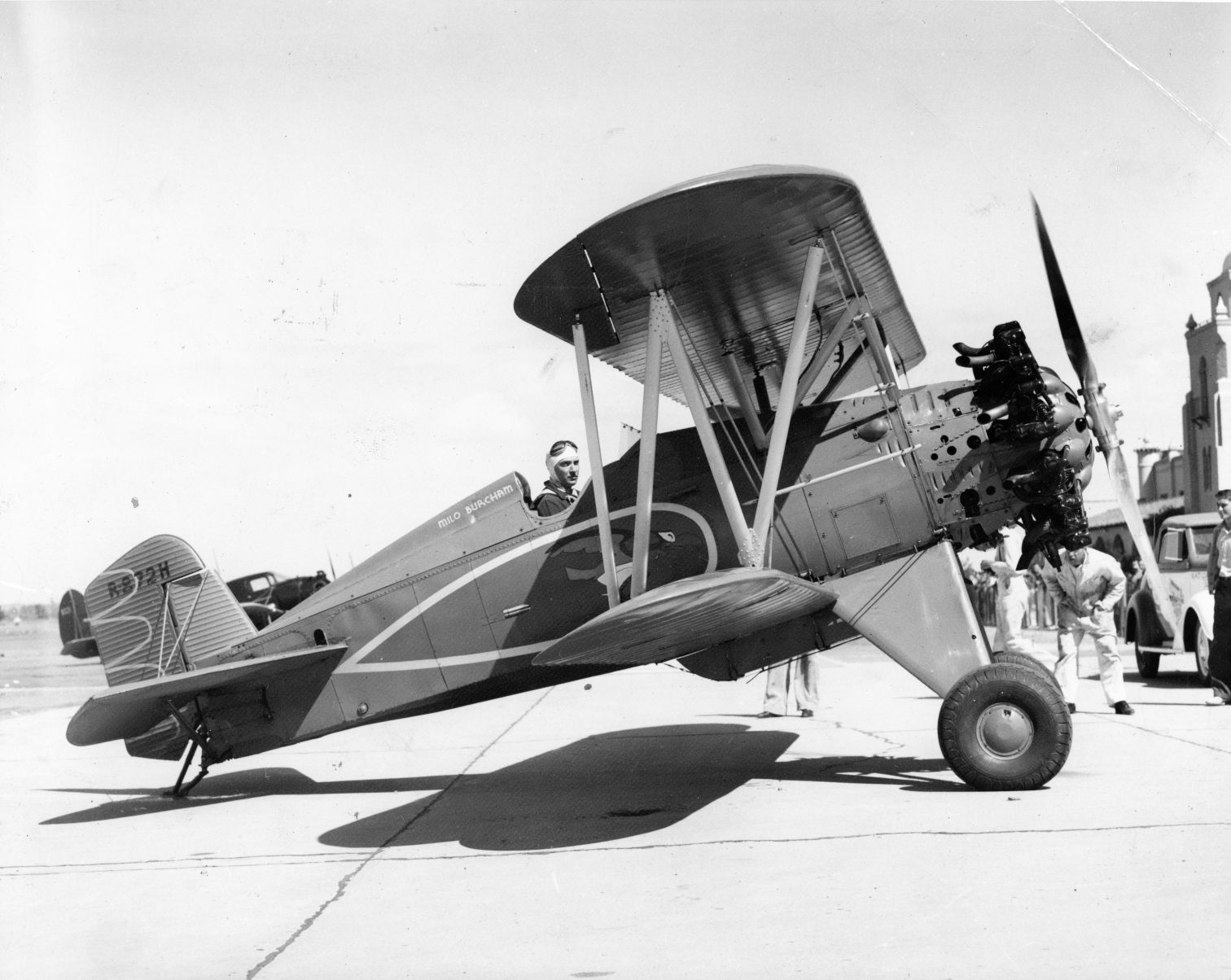
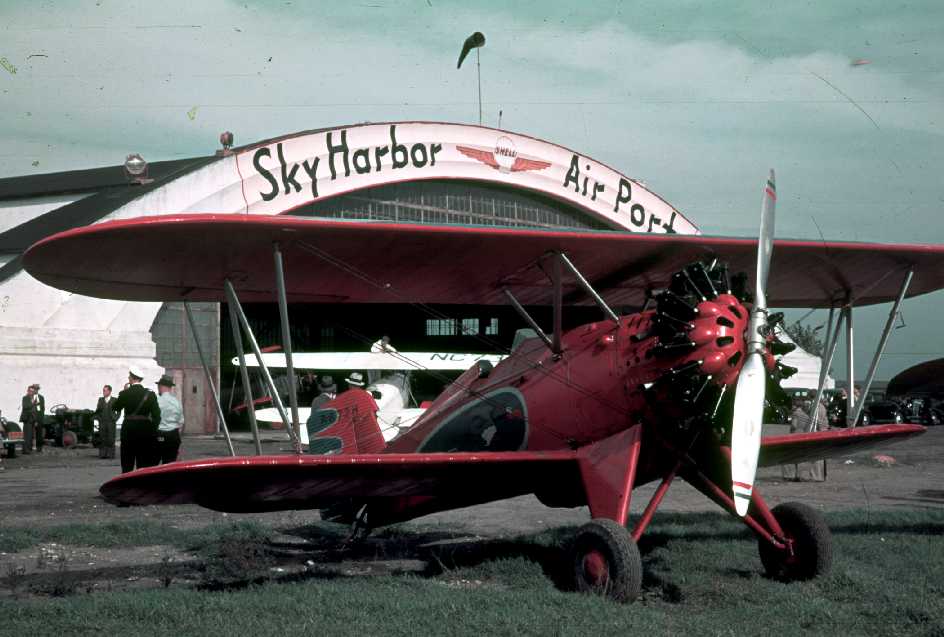
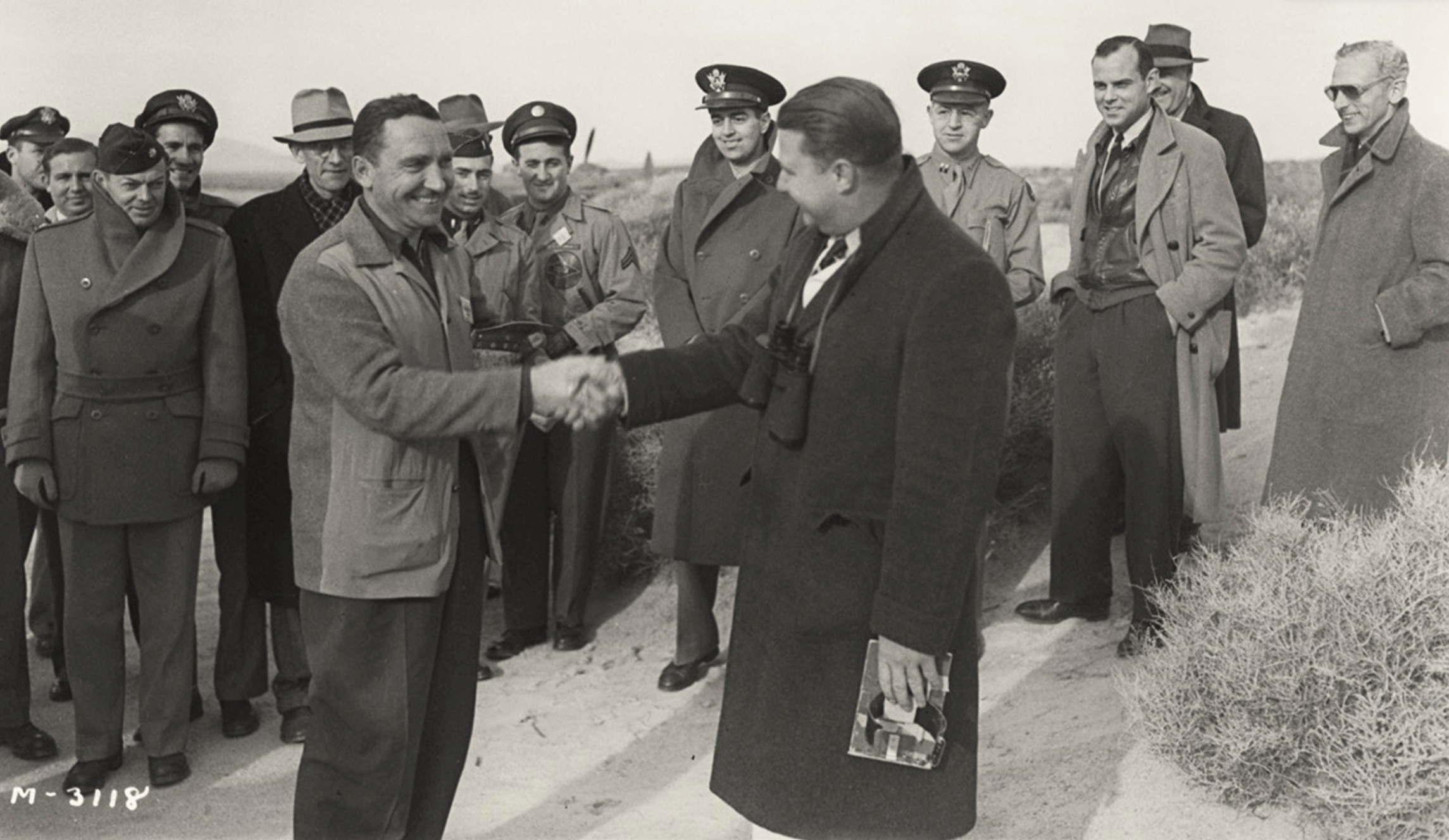
In WWII, Burcham worked as chief engineering test pilot for Lockheed Aircraft and was the pilot who made the first flights of the Lockheed Constellation and the Lockheed XP-80 Shooting Star. Sadly, Burcham was killed on October 20, 1944, during a test flight of YP-80A 44–83025, when the aircraft’s engine flamed out on takeoff from Burbank Airport due to a failure in the main fuel pump.
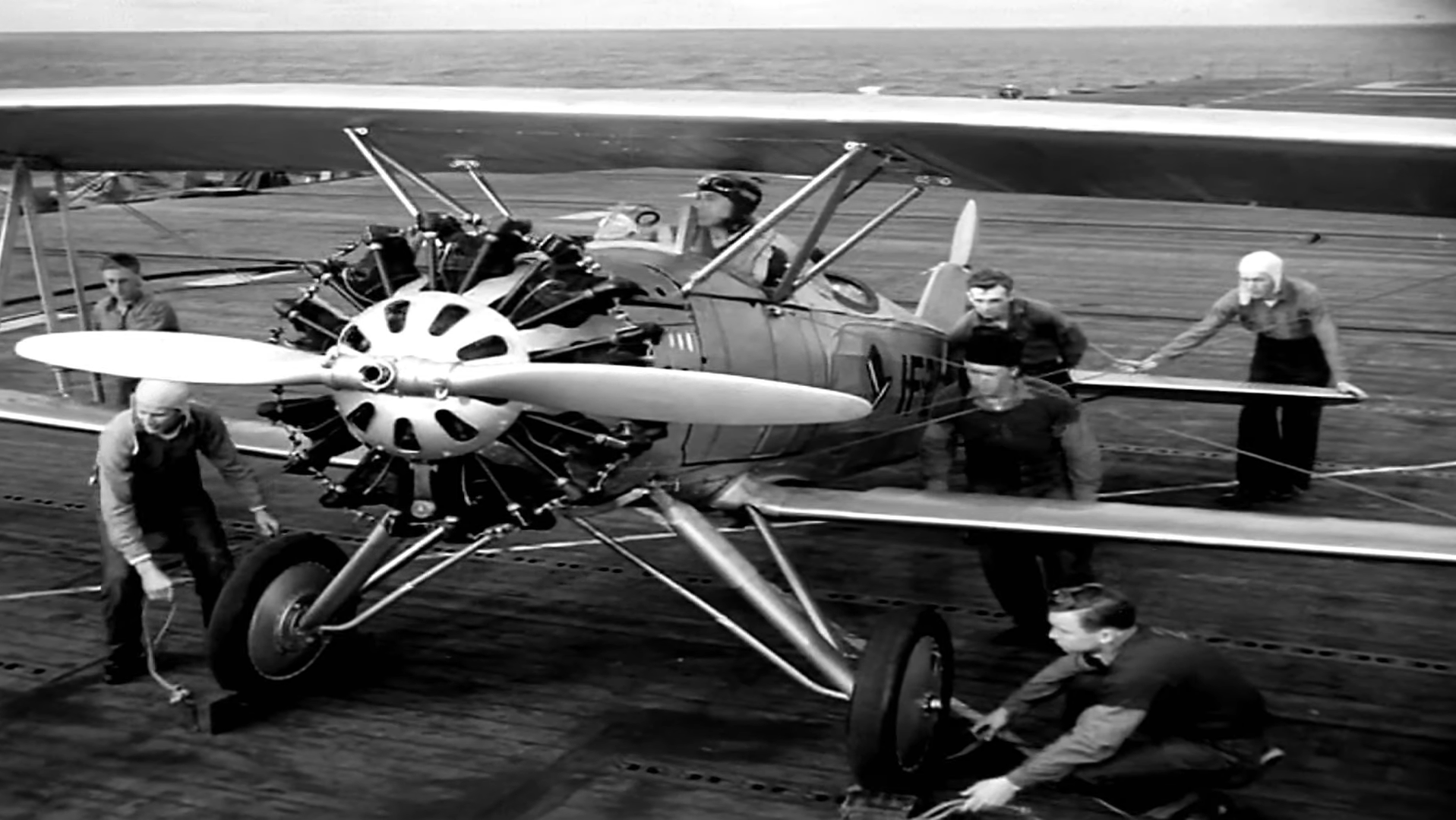
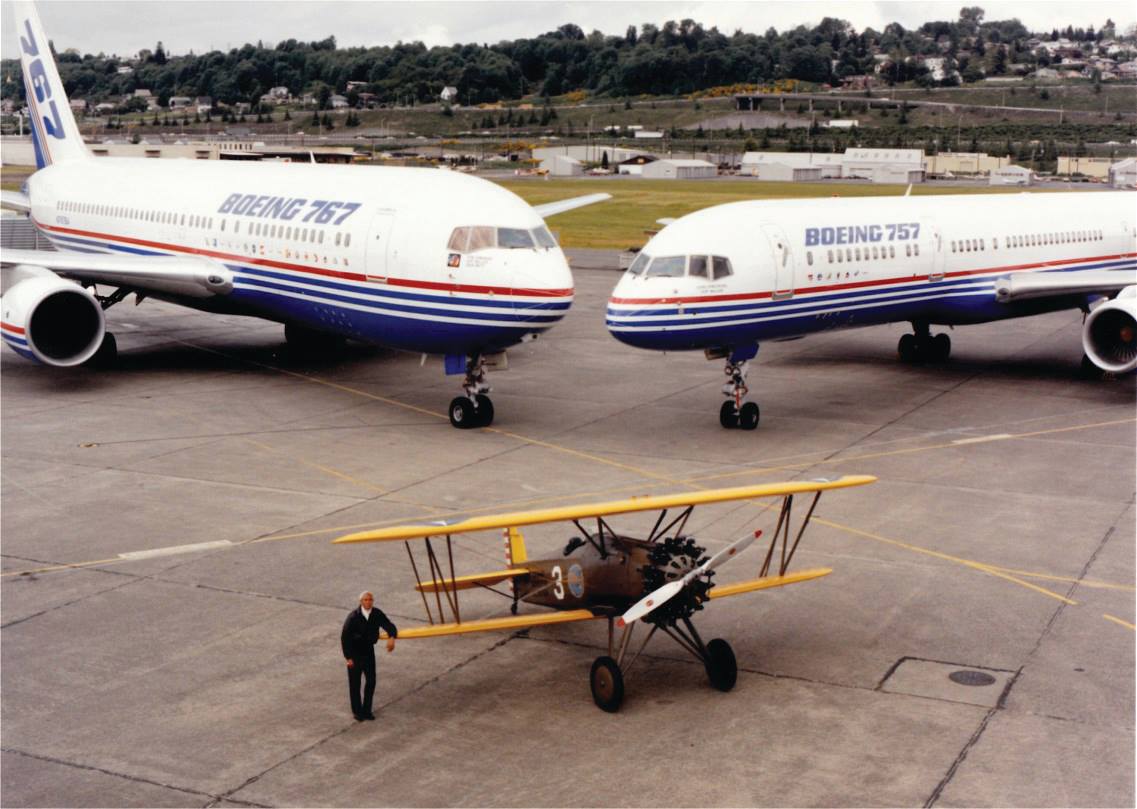
By the end of WWII, Boeing Model 100 N872H was acquired by movie pilot Paul Mantz, who also acquired Boeing Model 100 N873H. N872H was damaged by the time Mantz bought it, and had it modified to resemble a two-seat Curtiss F8C Helldiver flown on the USS Saratoga in the 1949 Gary Cooper film Task Force. Paul Mantz later merged his operations with those of fellow pilot Frank Tallman to form Tallmantz Aviation, but after Mantz’s death in 1965 during a filming sequence for the movie “Flight of the Phoenix”, a large part of the aircraft collection accumulated by him and Tallman was auctioned off in 1968. Among the planes that were auctioned was Boeing Model 100 N872H, which was in need of restoration.
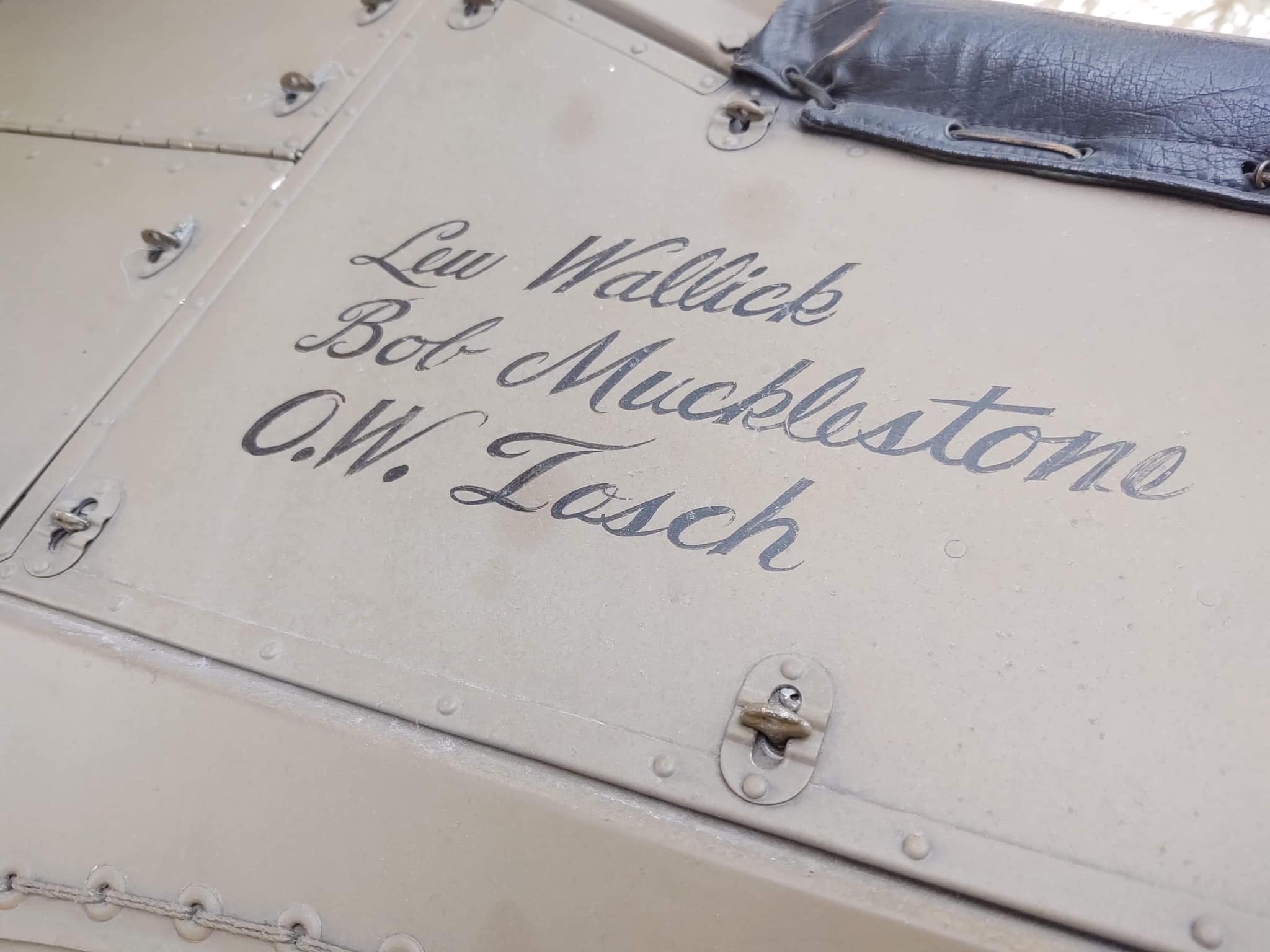
After passing through several owners, the aircraft was purchased in 1976 by Boeing chief test pilot Lew Wallick and Seattle-based attorney and pilot Bob Mucklestone. According to the November 1979 issue of EAA’s The Vintage Airplane, the aircraft was 85% complete when the two pilots bought it. The completion of the restoration was overseen by Orville Tosch of Aircraft Industries at Boeing Field (King County International Airport), Seattle.
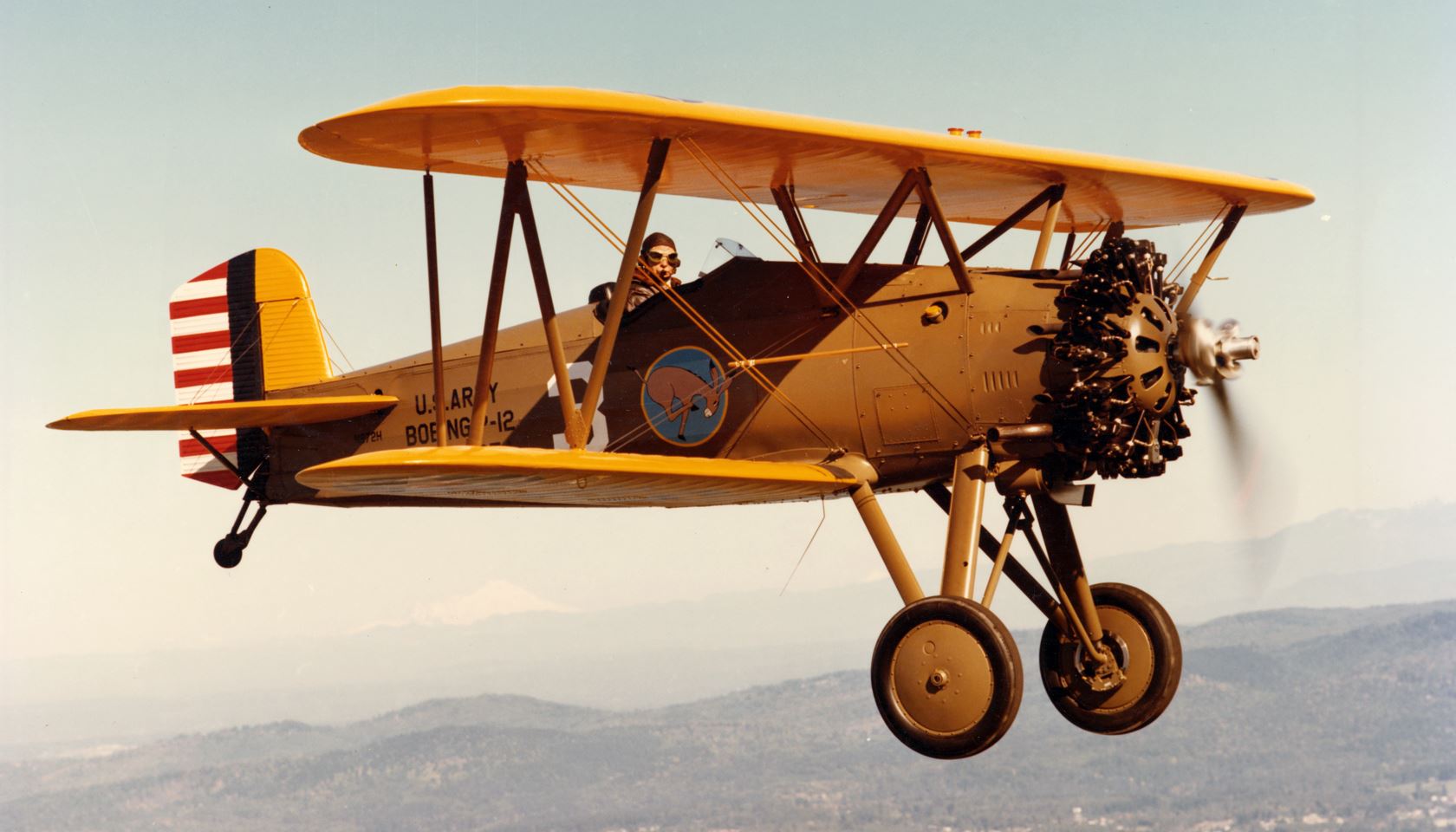
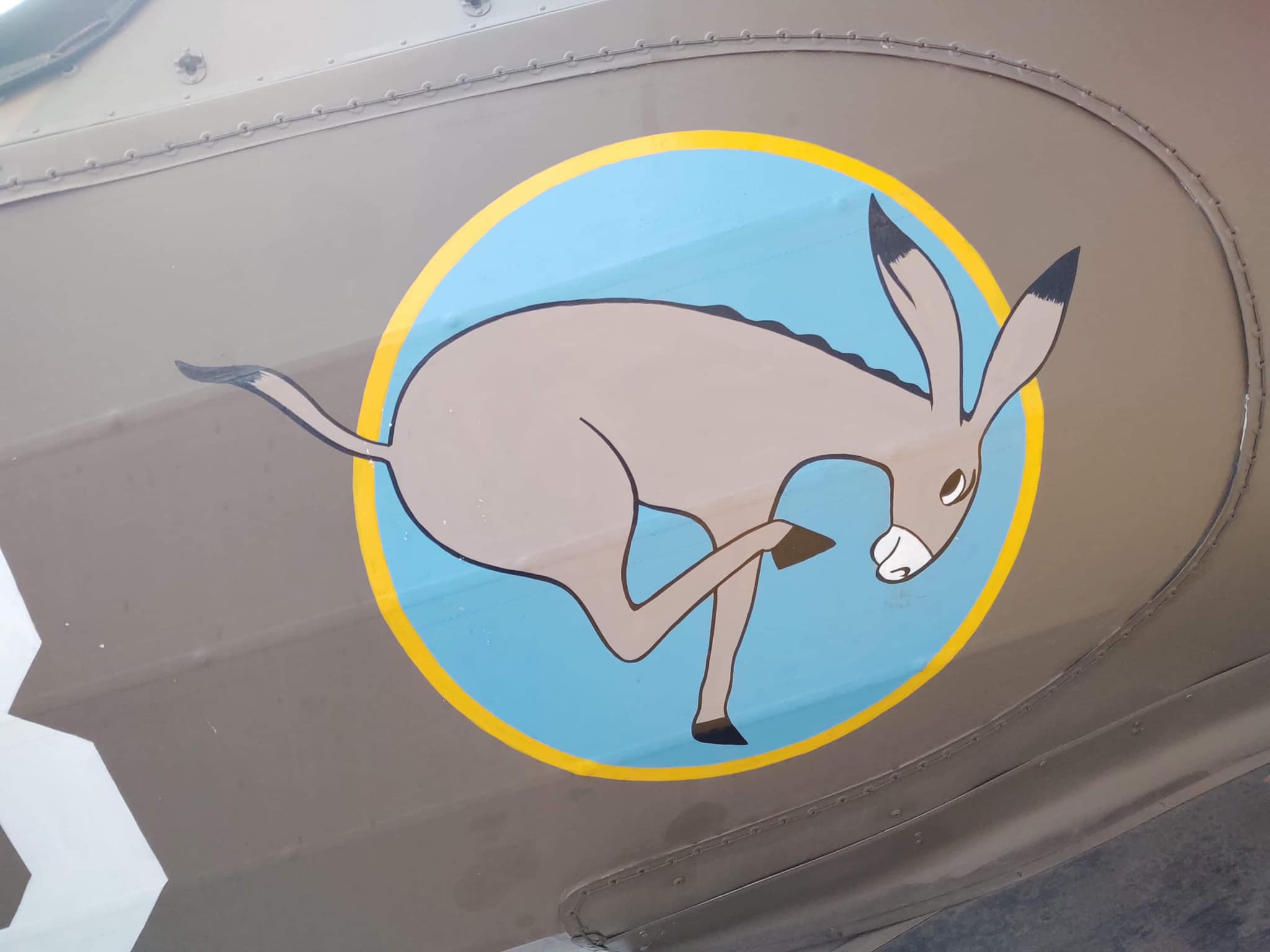
The aircraft was issued the U.S. Army Air Corps serial number 29-354, which had been assigned to a P-12 of the 57th Service Squadron at Selfridge Field, Michigan, before it was lost in an accident over Lake Erie near Cleveland on September 1, 1931. The aircraft also has the insignia of the 95th Pursuit Squadron, known as the “Kicking Mules”. Wearing USAAC colors, the aircraft made its first post-restoration flight on September 19, 1977. After its restoration, Wallick flew the aircraft to the Fairchild Air Force Base Open-House and fly-ins held at Watsonville, California and Oshkosh, Wisconsin. At the time, the aircraft was the oldest Boeing-built airplane flying.
In 1987, Wallick and Mucklestone donated the Boeing Model 100 to the Museum of Flight in Seattle, where it remains on display in the museum’s Great Gallery to this day.
About the author: 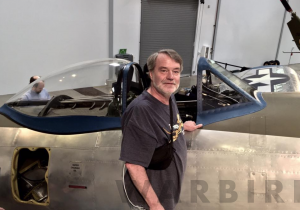 Randy Malmstrom grew up in a family steeped in aviation culture. His father, Bob, was still a cadet in training with the USAAF at the end of WWII, but did serve in Germany during the U.S. occupation in the immediate post-war period, where he had the opportunity to fly in a wide variety of types that flew in WWII. After returning to the States, Bob became a multi-engine aircraft sales manager and, as such, flew a wide variety of aircraft; Randy frequently accompanied him on these flights. Furthermore, Randy’s cousin, Einar Axel Malmstrom, flew P-47 Thunderbolts with the 356th FG from RAF Martlesham Heath. He was commanding this unit at the time he was shot down over France on April 24th, 1944, and spent the rest of the war as a prisoner of war. Following his repatriation at war’s end, Einar continued his military service, attaining the rank of Colonel. He was serving as Deputy Wing Commander of the 407th Strategic Fighter Wing at Great Falls AFB, MT, at the time of his death in a T-33 training accident on August 21, 1954. The base was renamed in his honor in October 1955 and continues to serve in the present USAF as home to the 341st Missile Wing. Randy’s innate interest in history in general, and aviation history in particular, plus his educational background and passion for WWII warbirds, led him down his current path of capturing detailed aircraft walk-around photos and in-depth airframe histories, recording a precise description of a particular aircraft in all aspects.