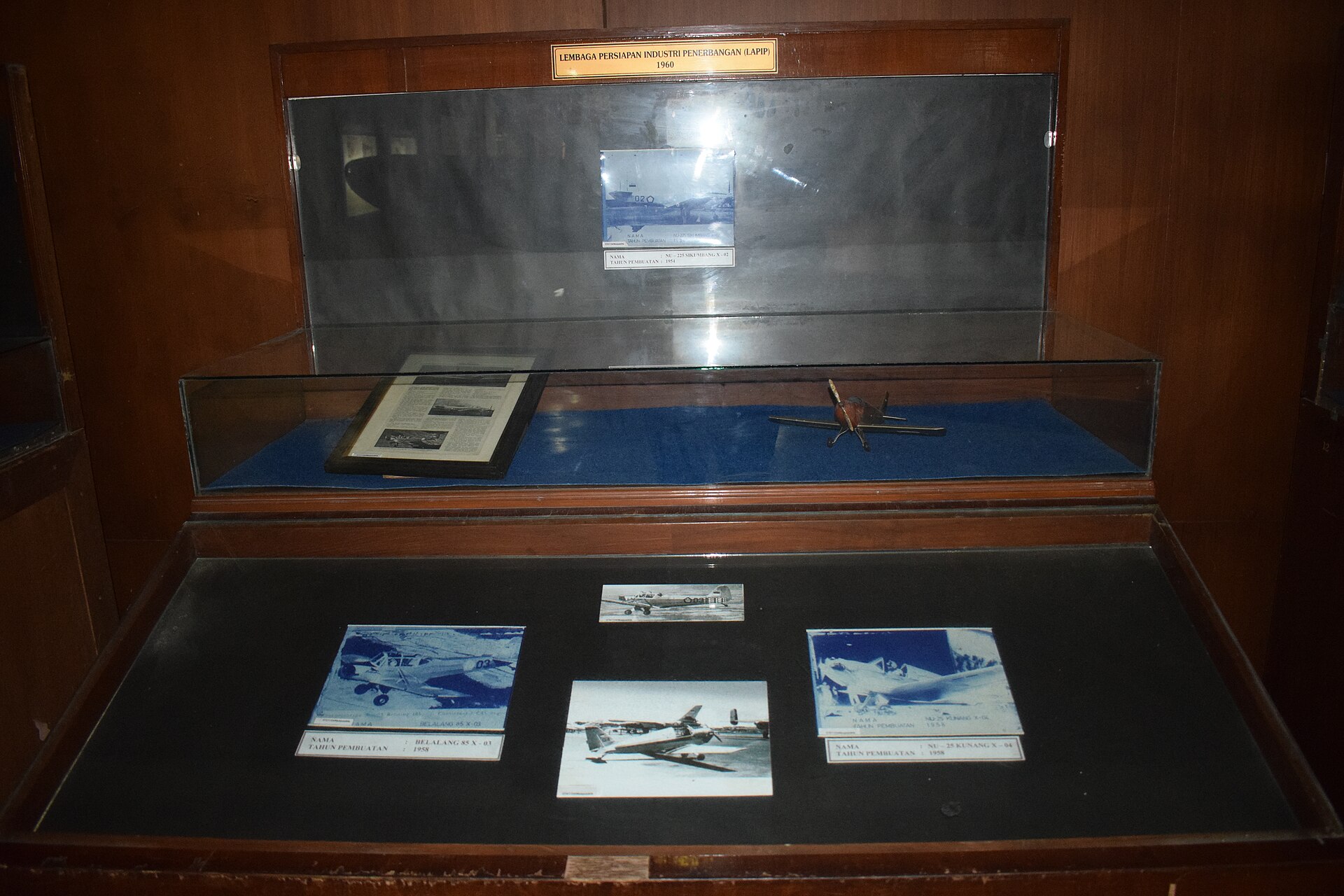
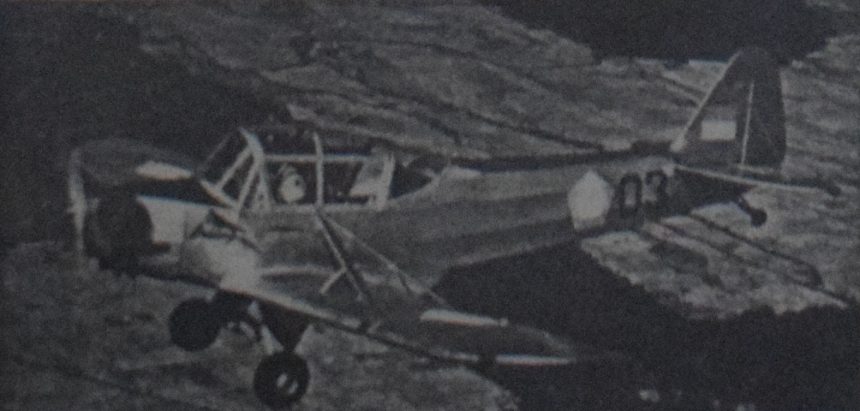


On this day in aviation history, 68 years ago (April 17, 1958), the LIPNUR NU-85 Belelang took flight for the first time. The NU-85 was a military trainer built in Indonesia during the late 1950s. Named the Grasshopper (Belalang), the NU-85 was essentially a converted Piper L-4J, hence the same moniker. The Indonesian Air Force (formerly called AURI) received nearly 60 Piper L-4J from the Royal Netherlands East Indies Air Force between 1949 and 1950. This was part of the transfer of sovereignty. AURI flew the L-4Js for seven years, then decided that the fleet was aging and needed to be upgraded. The head of AURI’s Research, Development, and Production Depot at Andir airfield in Bandung, Nurtanio Pringgoadisuryo, took the initiative to modify the already existing Piper L-4Js into a new aircraft. This move was seen as time-saving and low-cost, with the added benefit of not needing to develop or implement any new technology into the airframe. The L-4J was modified to have a low-wing with “V” struts and an 85-horsepower Continental C-85 four-cylinder horizontally opposed piston engine. The signature greenhouse canopy of the Grasshopper was retained, but modified with a hinge to open to the right.
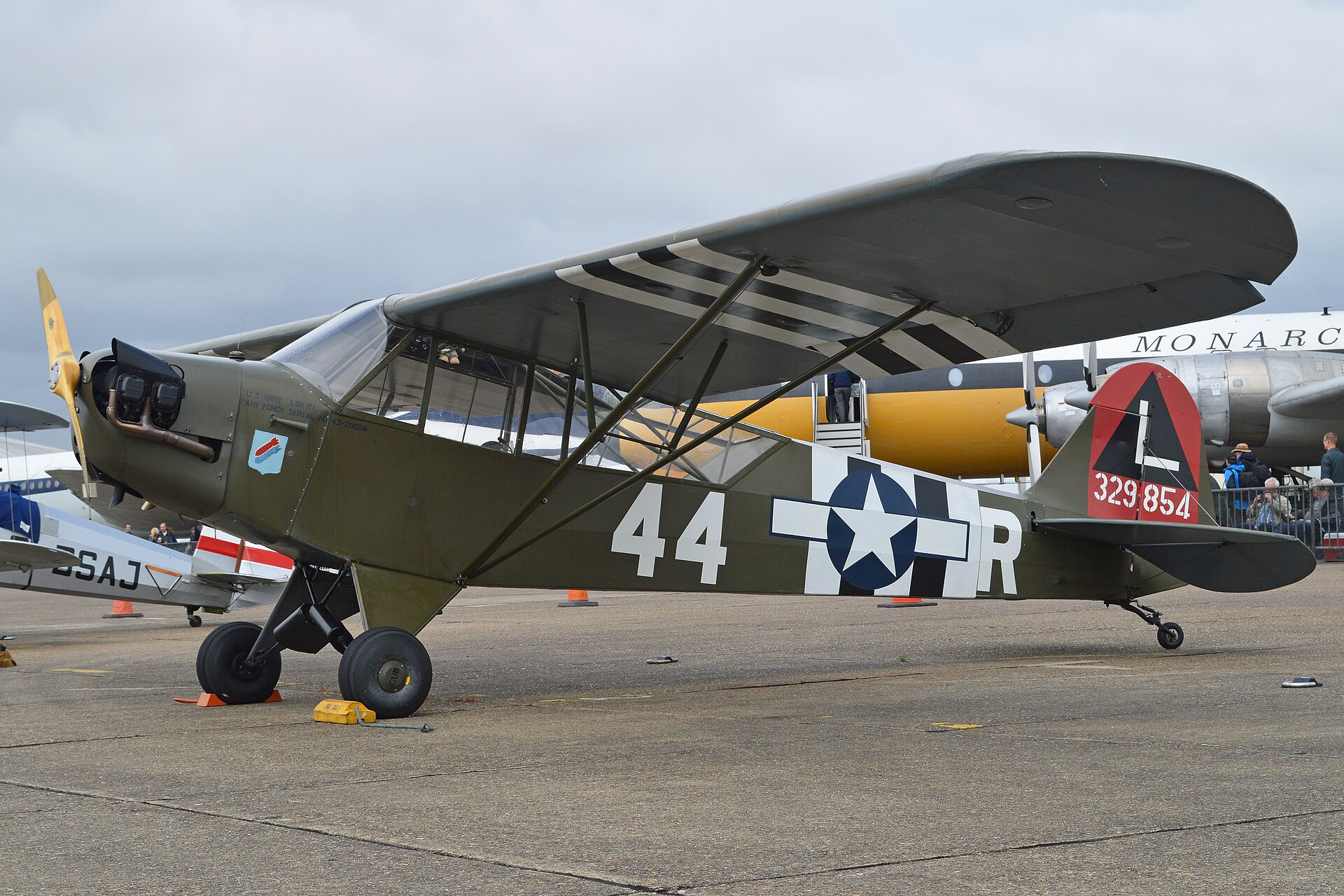
The newly modified L-4J prototype was designated as the NU-85m, the “85” in reference to the horsepower of the engine. Nurtanio Pringgoadisuryo himself performed the first flight of the Belalang. Upon the flight’s conclusion, it was clear that the new design would perform better than the L-4J in the role of primary trainer. Nurtanio was not completely satisfied, however, and would work to further refine the military trainer. In 1959, he completed the NU-90, featuring a more powerful 90-horsepower Continental C-90-12F flat-four direct-drive engine. Additionally, an NU-90A variant was built, powered with a 100-horsepower Continental O-200 engine and a sliding canopy. After initial testing was completed by the Indonesian Air Force, an order of 50 Belalang aircraft was placed to take over for the L-4J Grasshopper fleet. At the time of the order, LIPNUR lacked the tools to mass-produce the NU-90. The Indonesian Army Aviation Command wanted the Belalang, so five aircraft were built and sent to serve with Kalibanteng airfield in Semarang as primary trainers. As of 2017, one incomplete Belalang was still in existence. This aircraft had been used as a teaching tool at a vocational high school in Semarang.