






On this day in aviation history, 108 years ago (April 14, 1918), the first U.S. Army Air Service aerial victory of World War I was achieved. The tally was scored by Lt. Alan Winslow of the 94th Aero Squadron, the “Hat in the Ring” group. Lt. Douglas Campbell, also of the 94th, would score an aerial victory on this day, shortly after Winslow’s tally. Both Winslow and Campbell had recently been stationed at the front.
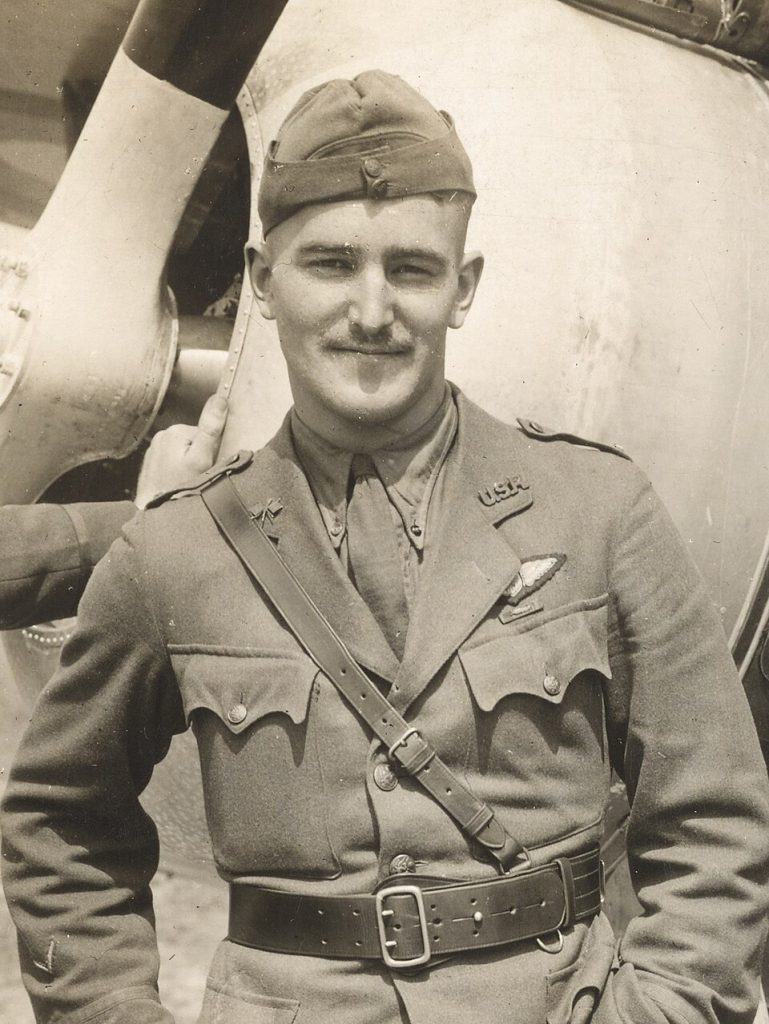
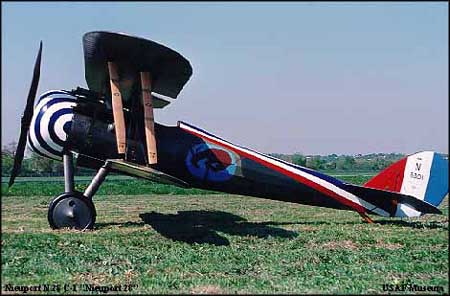
On the morning of Sunday, April 14, both men were alerted to German aircraft in the area. They leapt to action, taking off from the 94th’s runway at Gengoult Aerodrome, near Toul, France. Flying their Nieuport 28s, Winslow and Campbell immediately spotted the two German aircraft they had been forewarned about. They began the attack directly over Gengoult airfield, in the view of Americans at the base and the French citizens of Toul. Winslow struck first, quickly followed by Campbell. The two German aircraft were vanquished in short order, just a matter of minutes. The Nieuport 28 fighter was powered by a 160-horsepower Gnome Monosoupape 9N 9-cylinder air-cooled rotary engine. The aircraft could attain a maximum airspeed of 122 mph and had an endurance of 1 hour and 30 minutes. The Nieuport 28 had a service ceiling of 17,000 feet and could reach 9,800 feet in 11 minutes and 30 seconds. Two .303-inch Vickers machine guns provided the fighter with its punch.
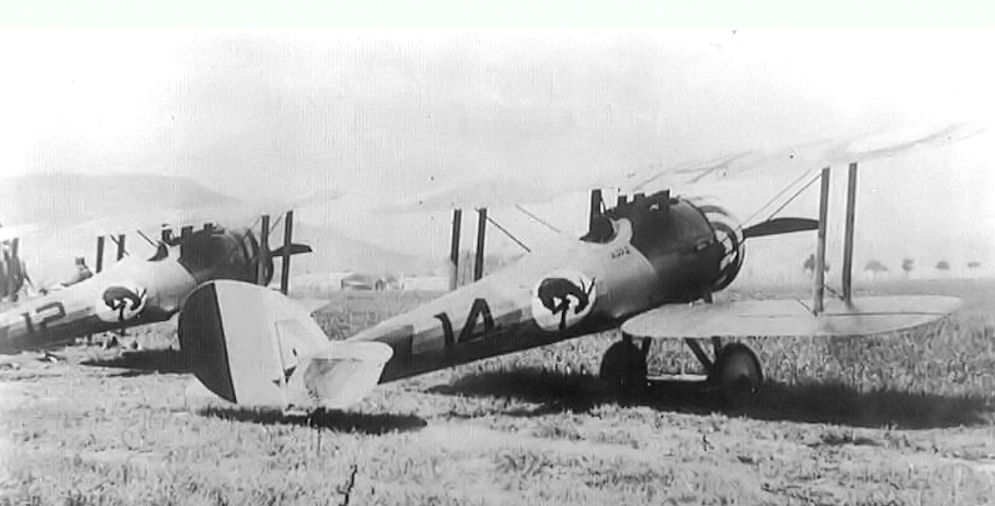
Prior to joining the U.S. Army Air Service, Alan Winslow had been a member of the Lafayette Flying Corps. After his initial aerial victory, Winslow was shot down on July 31, 1918, becoming a Prisoner of War for the duration of the conflict. His left arm was wounded and amputated by German doctors. After the Great War, Winslow became an executive for Pan Am Airlines. He also wrote articles for Liberty magazine about his experiences in the First World War’s Air War, titled “No Parachutes.” He now rests at Arlington Cemetery, near Washington, D.C.








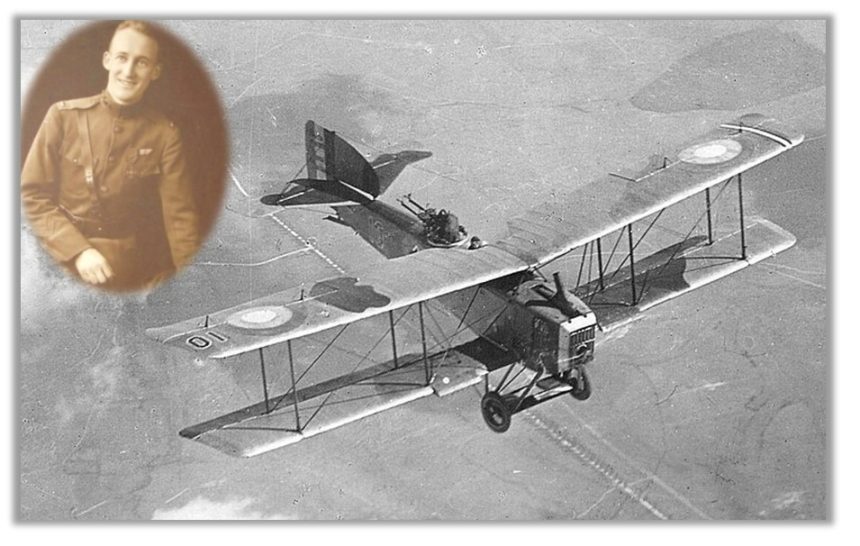
The airplane in the lead photo is a Breguet 14, not a Nieuport 28.
Thank you!