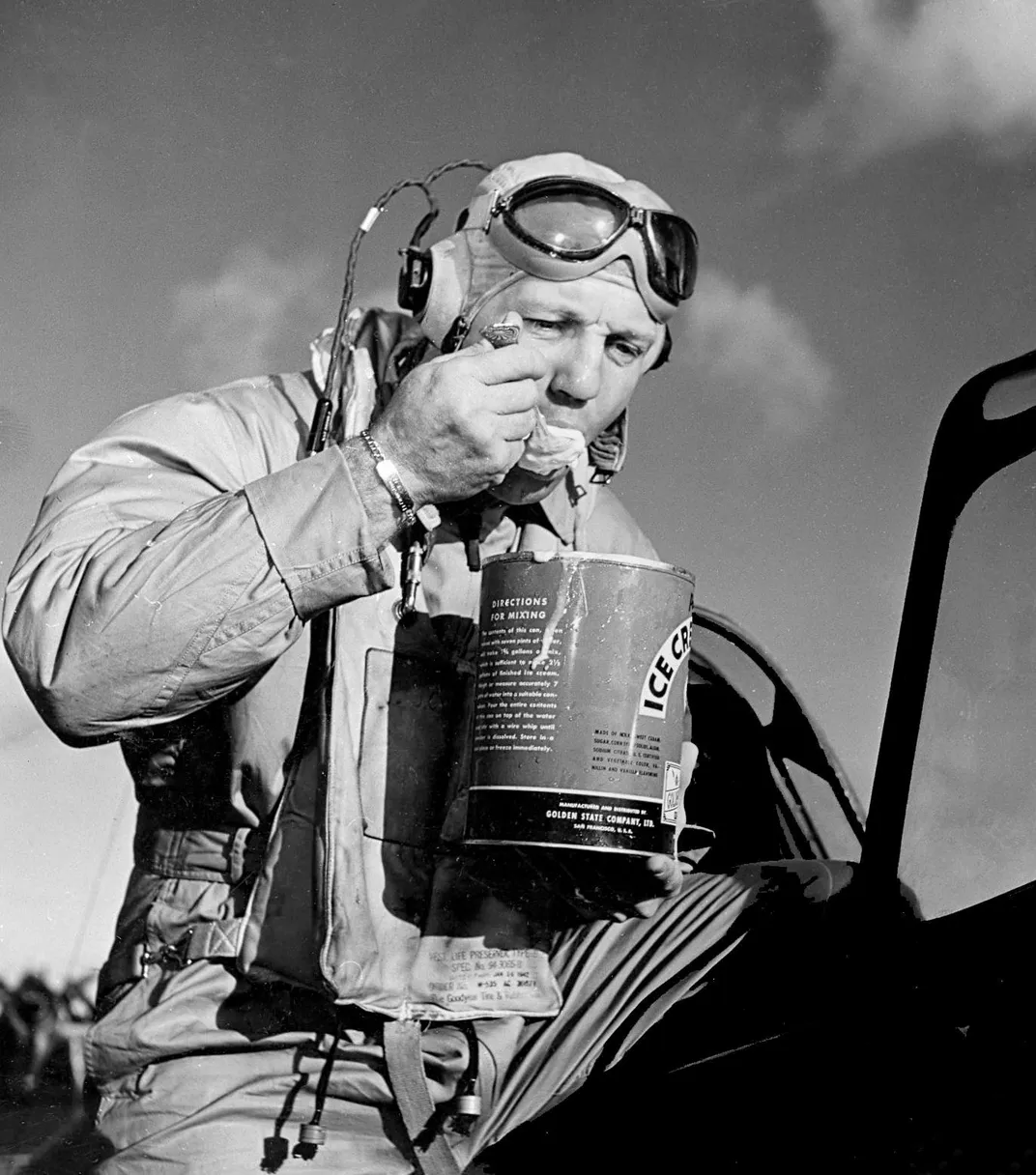
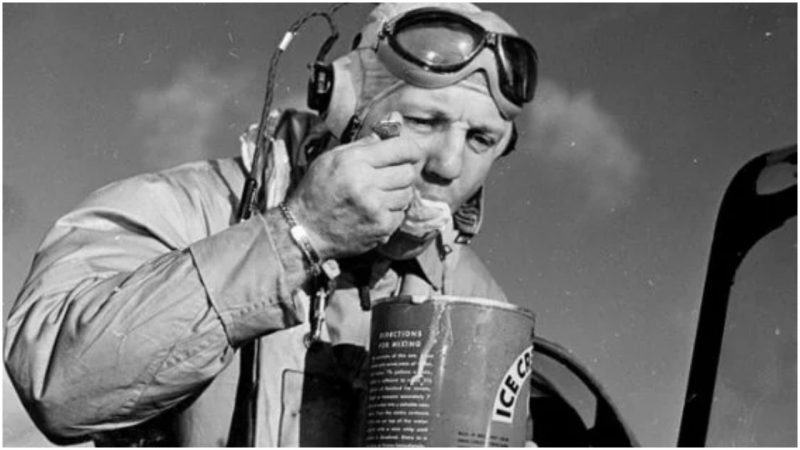

What do you get when you combine a squadron of bored Marine pilots and their support crews on a hot, humid island in the South Pacific, a Corsair, a few empty ammunition cans, a supply of powdered milk, and some cocoa? You make chocolate ice cream, of course. All of this happened on the island of Pelau in September 1944, when Major (eventually Colonel) J. Hunter Reinburg had an idea to help boost morale among his men.
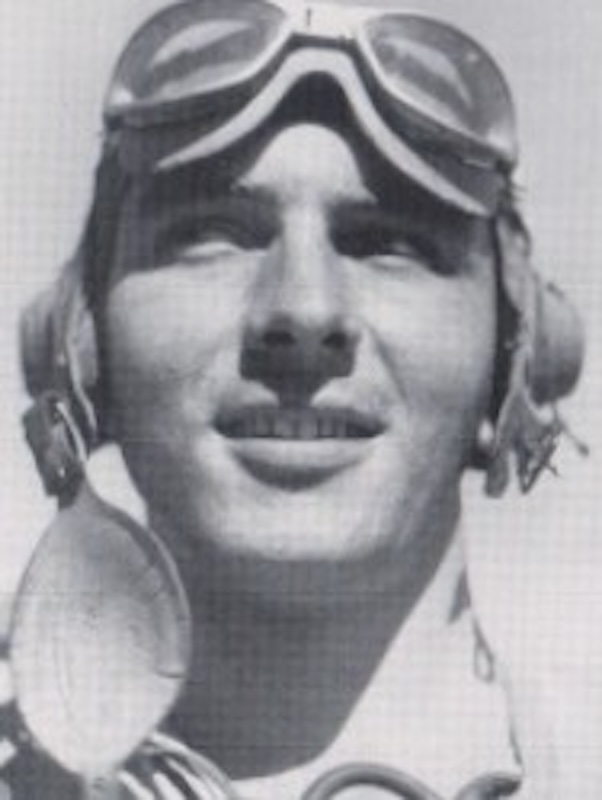
The old saying that combat is interminable boredom punctuated by sheer terror is true, since by this point in the war, Marine fighter squadron VMF-122 didn’t have much to do. The enemy was close by, but they posed little significant threat since their supply lines had been cut and could not come up to fight. As a result, Reinburg, along with his men, was bored, hot, and sticky, and was determined to do something about the situation. Reinburg devised a plan. Reinburg had his maintenance crew cut off the ends of his plane’s drop tank, string wire across it, and insert an ammunition can filled with a mix of powdered milk and cocoa powder. He then commenced a short trip at 33,000 feet to freeze the mixture into delicious chocolate ice cream. Nothing the Japanese could throw up at him could reach his altitude, so his purpose was fulfilled. Unfortunately, when he landed, he discovered that due to the close proximity of the ammo can to the engine, the finished product was more like thick chocolate milk, not ice cream. His men scarfed it up anyway.
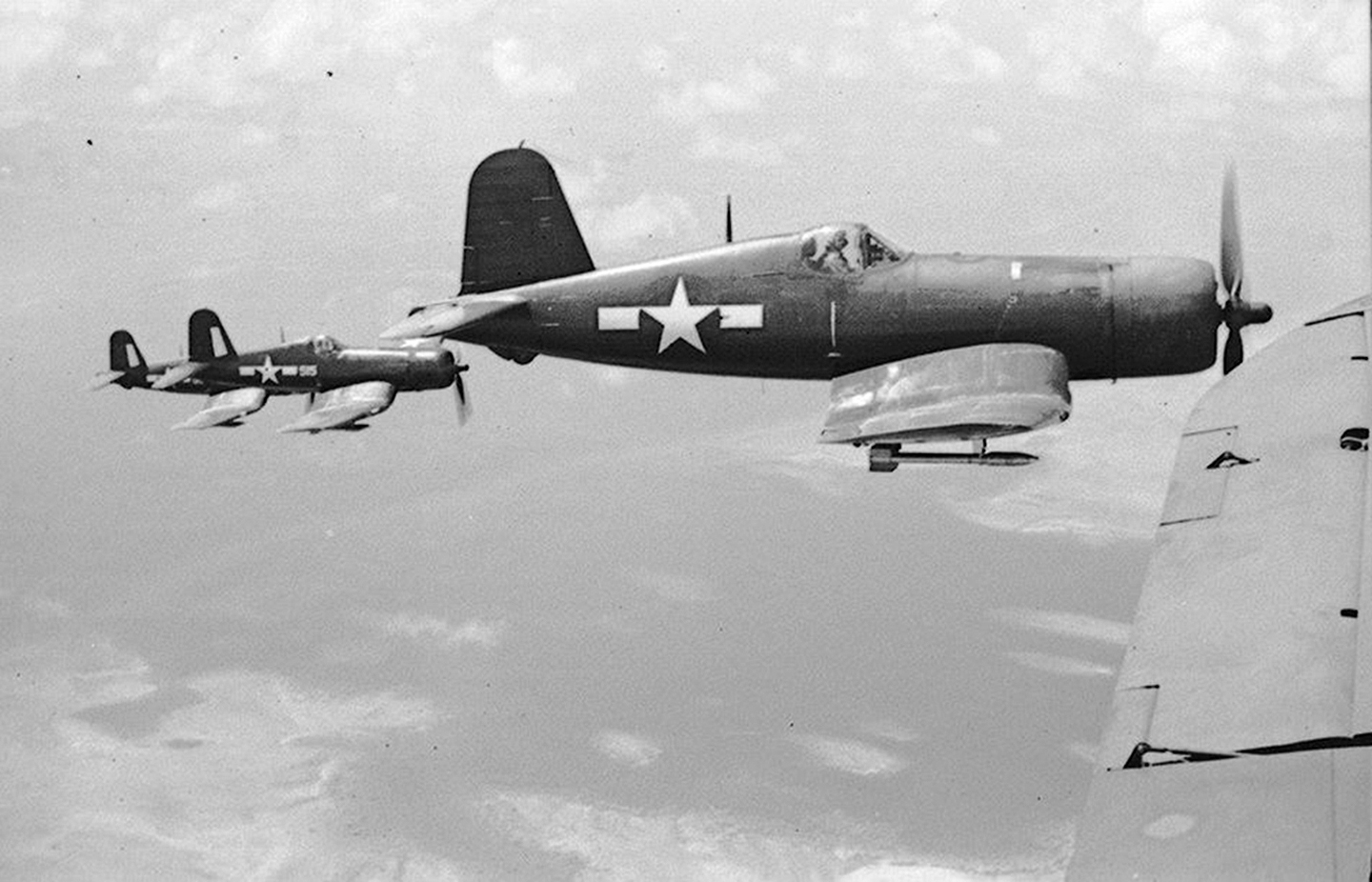
Reinburg decided to get a little more creative for his second attempt, so he had the ammo cans bolted to the detachable maintenance panel on each wing, further from the heat of the engine. The mixture froze. The result was about 10 gallons of ice cream, enough for 100 men, but Reinburg still wasn’t satisfied since, at least in his opinion, the finished concoction was too flaky. Whatever else you have to say about Reinburg, you have to admit he was determined, because he was soon at work on try number three. For his third effort, Reinburg had small propellers added to the ammo cans to churn the mixture as the wind blew. The third time was the charm since the final product was a smooth and creamy chocolate ice cream.
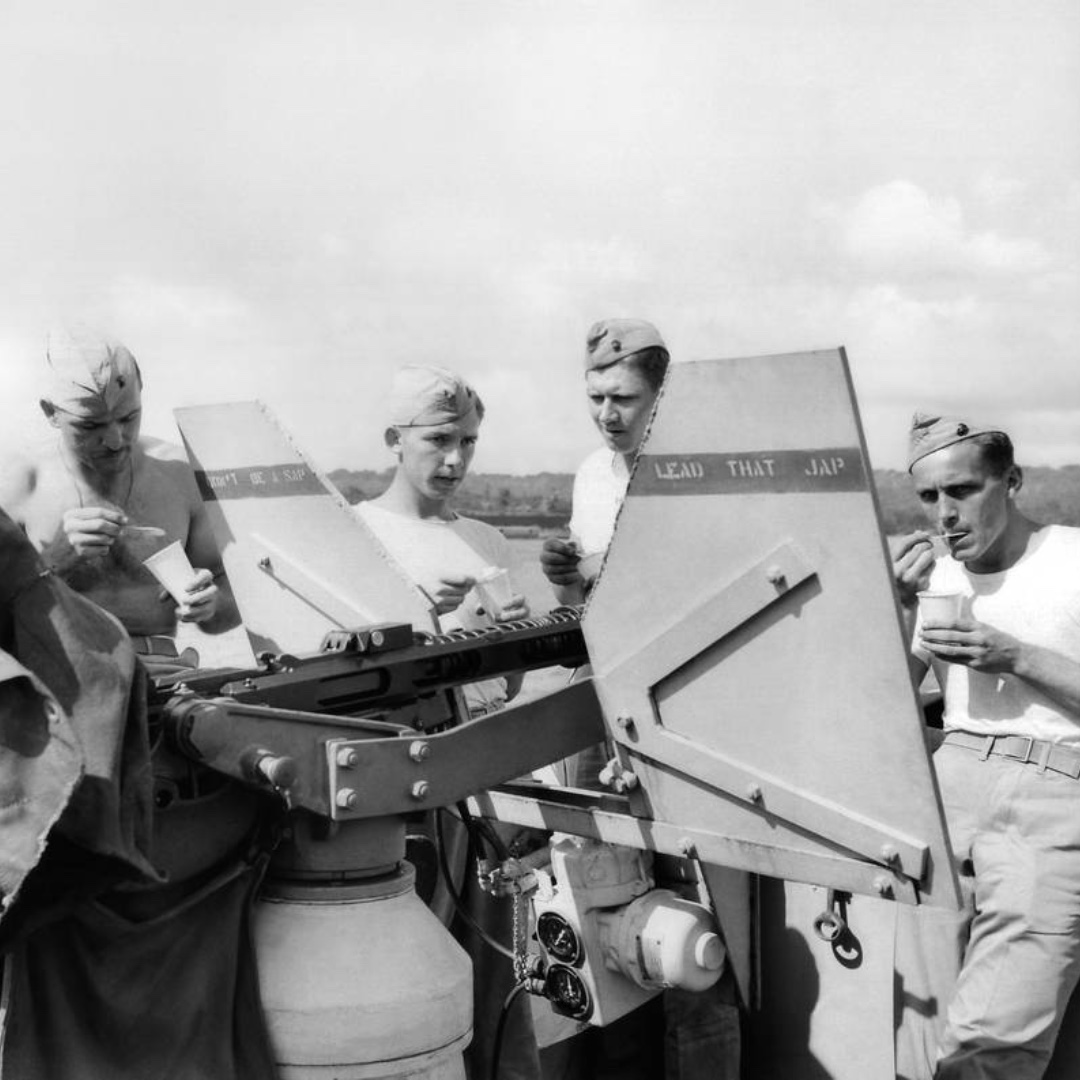
Operation Freeze soon turned routine (understandably). Word has it that group operations officer Colonel Caleb Baily (who apparently hadn’t been invited to the ice cream parties) caught wind that all these “test flights” were not really test flights. “Listen, goddammit, you guys aren’t fooling me. I’ve got spies. You tell [Reinburg] I’m coming over there tomorrow to get my ration.” – Colonel Caleb Bailey. Who could blame him? Also, these geniuses weren’t the only ones to try this. A 1943 New York Times article wrote about B-17 bomber crews making ice cream on their bombing missions, and at least one unit of P-47s also thought of doing the same.