
(Image credit: VAN)
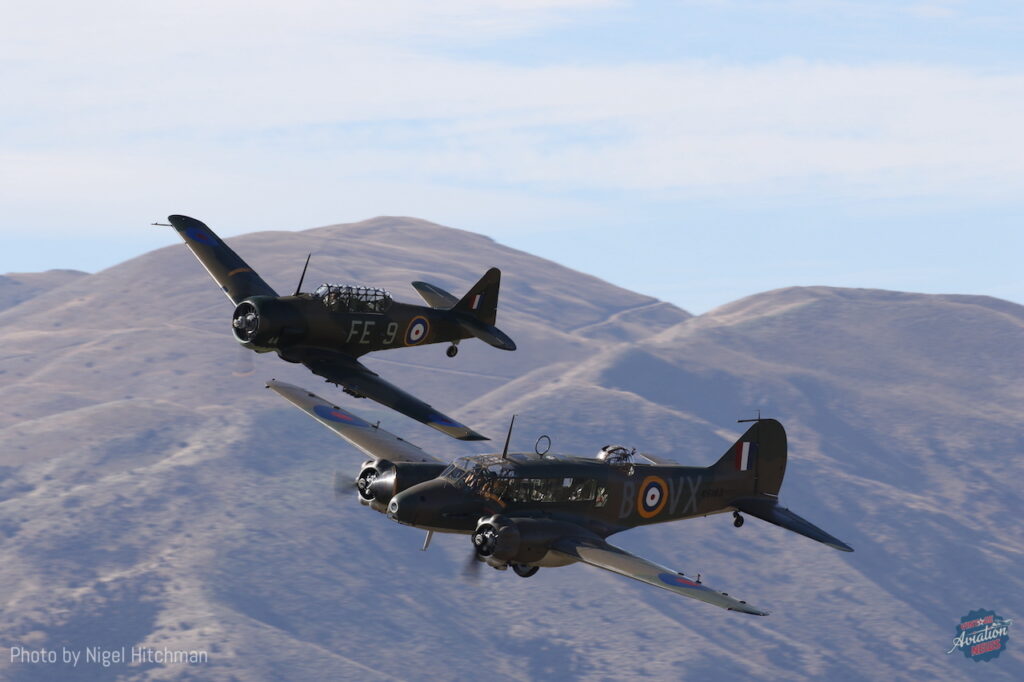
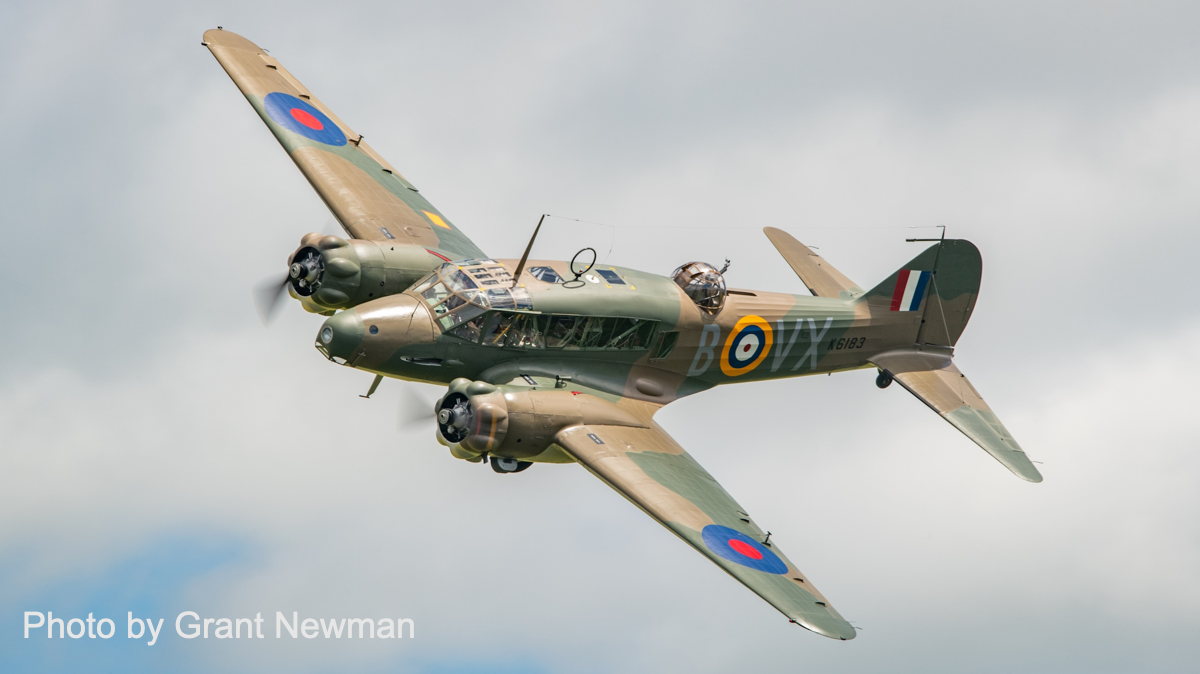
On this day in aviation history, 90 years ago (March 6, 1936), the Avro Anson officially entered military flying service. Royal Air Force No. 48 Squadron was the first unit to receive the aircraft. The Anson was a twin-engine, multi-role aircraft designed and built by A.V. Roe and Company (Avro) Before, during, and in the years immediately following World War II, the Anson served with the Royal Air Force (RAF), Fleet Air Arm (FAA), Royal Canadian Air Force (RCAF), and Royal Australian Air Force (RAAF) among others.

Development of the Anson 652A began in the mid-1930s from the earlier Avro 652 airliner variant. This was done in response to a British Air Ministry request for tenders for a coastal maritime reconnaissance aircraft. Avro’s design impressed the Air Ministry, and they would order a single prototype, which first flew on March 24, 1935. The 652A faced stiff competition from the de Havilland DH.89 Dragon Rapide, but was ultimately selected as the winner. Air Ministry Specification 18/35 was penned, and an initial order for 174 Ansons was placed in July 1935. Avro’s Type 652A was then named after British Admiral George Anson.
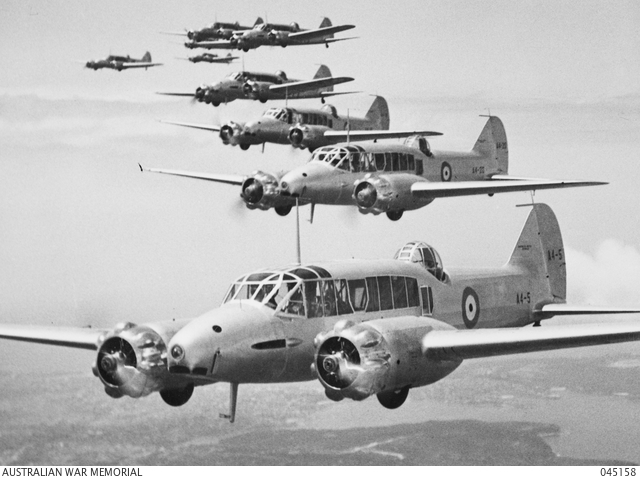
By the time the Second World War arose, the Anson was found to be obsolete in terms of front-line service. The aircraft was repurposed as a multi-engine aircrew trainer, helping foster the development of bomber pilots, bombardiers, navigators, radiomen, and gunners. Avro’s Anson would become the backbone of the British Commonwealth Air Training Plan during World War II, keeping the pipeline of bomber crews well prepared and stocked. This twin-engined trainer would remain in service with the Royal Air Force until June 28, 1968.
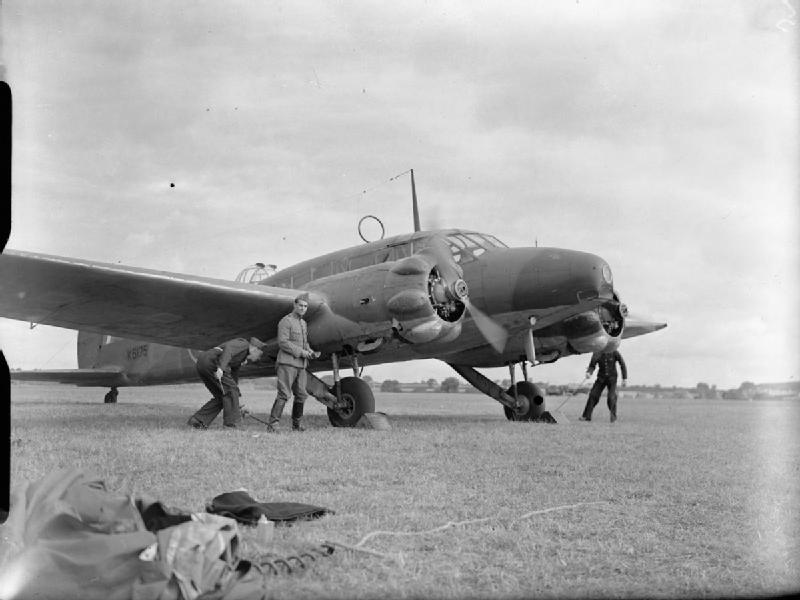
The Avro Anson GR Mk I had a crew of 3 to 4 and was powered by two 335-horsepower Armstrong Siddeley Cheetah IX 7-cylinder radial engines. A maximum airspeed of 188 mph was attainable for the Anson, though the aircraft would cruise closer to 158 mph during normal operations. The Anson had a range of 570 nautical miles and a service ceiling of 19,000 feet. Armament was installed on the aircraft for training purposes. Provisions included a .303-inch machine gun in the front fuselage, another Vickers K machine gun in the dorsal turret, and 360 pounds of bombs.
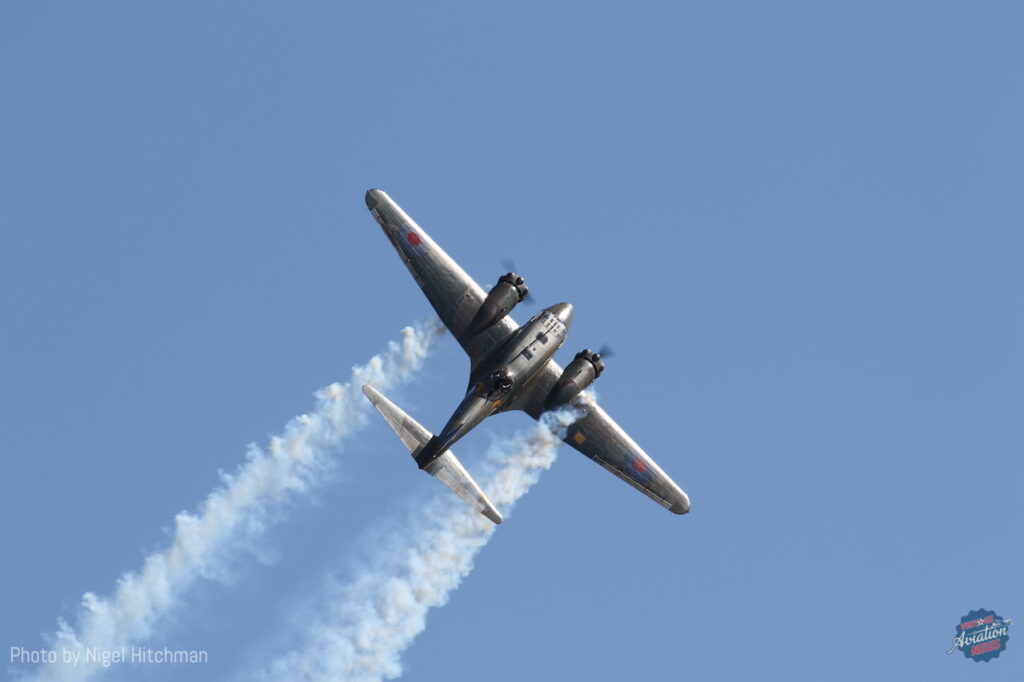
From the beginning of Anson’s production in the 1930s until the final variant’s construction in 1952, Avro built 11,020 airframes in total. Today, around two-dozen Ansons still survive. Three Avro Ansons are currently airworthy: one in New Zealand and two in the United Kingdom. Other examples stand proudly on display in museums.