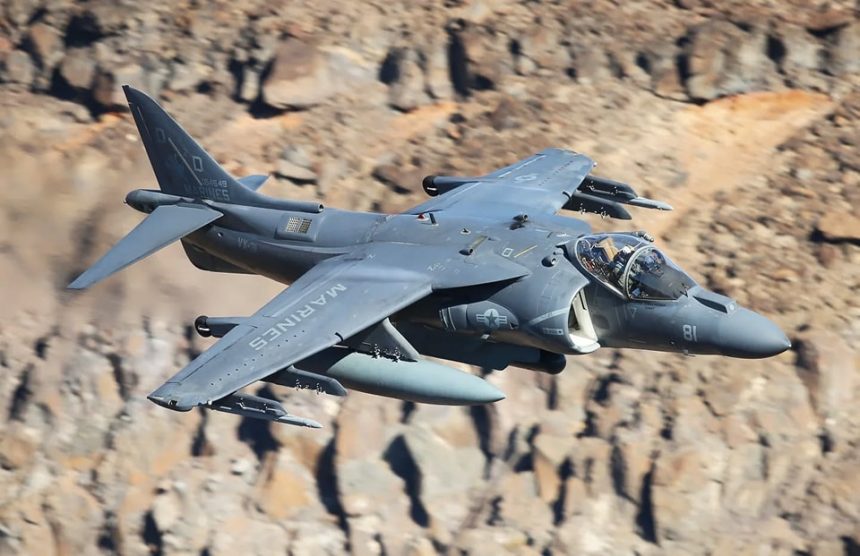

Castle Air Museum Welcomes Historic AV-8B Harrier II

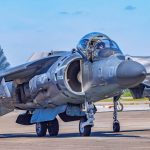
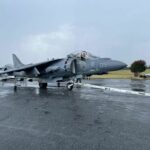
The Castle Air Museum has welcomed a former U.S. Marine Corps AV-8B Harrier II "jump jet" as the latest addition to its collection. Bureau Number 165579, once assigned to VMA-311 “Tomcats” and later VX-9 at China Lake, arrived following its demilitarization and will be unveiled during a public rollout ceremony on July 24. As the U.S. military retires its remaining Harriers by 2027, this aircraft stands as a lasting tribute to the unique vertical/short takeoff and landing legacy of the iconic jet.

Moreno Aguiari
Moreno Aguiari
The US Marine Corps is retiring its fleet of AV-8B Harrier II aircraft, with the last aircraft expected to be out of service by the second half of 2027.
Barnerstormer Hugault 729x90

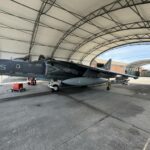
The final AV-8B Harrier II jump jets in U.S. military service are set to retire by 2027. While early production models have already been gradually phased out, demilitarized, and transferred to aviation museums across the country, another example of this iconic aircraft is now preparing for permanent display. Following in the footsteps of the CAF Arizona Airbase, the Hickory Aviation Museum, the Fort Worth Aviation Museum, and the Naval Air Station Wildwood Aviation Museum, Castle Air Museum in Atwater, California is the latest to receive an AV-8B Harrier II.
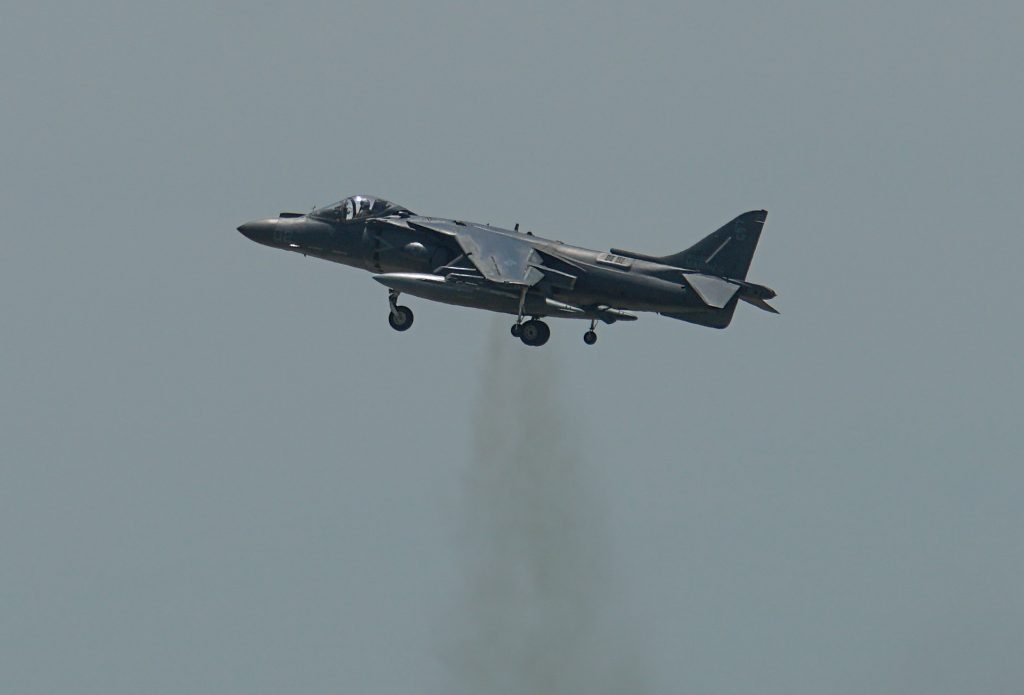
Harrier Finds Final Home in Fort Worth Aviation Museum 4
The Harrier landing at Dallas-Fort Worth Airport. Photo via Vintage Flying Museum

On July 11, the museum proudly announced the arrival of its Harrier: McDonnell Douglas AV-8B Harrier II, Bureau Number 165579, a former United States Marine Corps aircraft. This jump jet previously served with VMA-311 “Tomcats” and was later assigned to the operational test squadron VX-9 at China Lake. Notably, it participated in combat operations in the Middle East and will now continue its legacy as a display piece honoring Marine Corps aviation history.
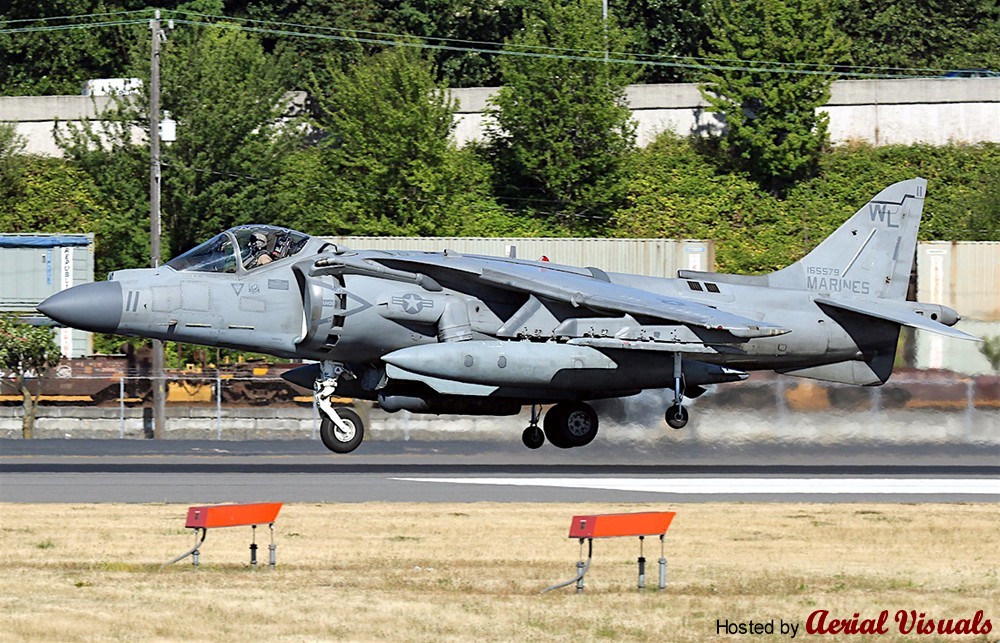
AV 8B Harrier II Bureau Number 165579
AV-8B Harrier II, BuNo 165579, arriving for Seafair at Boeing Field, Seattle. Photo by Aerial Visuals.

On July 17, the museum confirmed that the aircraft had been fully demilitarized by a specialized Marine Corps team from China Lake and relocated to its new home next to Castle Air Museum’s Cobra helicopter. A rollout ceremony will be held at the museum on Thursday, July 24, at 10:00 a.m., where the public will have the opportunity to see the Harrier up close and meet the pilot who flew the aircraft to the museum.
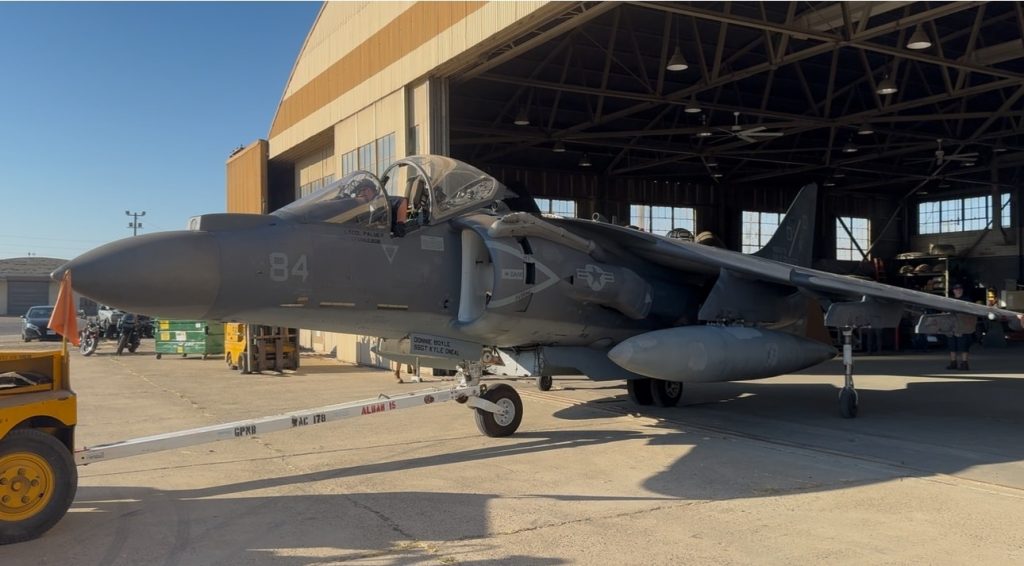
Castle Air Museum Welcomes Historic AV 8B Harrier II

As part of its continuing public engagement, Castle Air Museum will host its Open Cockpit Day on August 30, where the AV-8B Harrier II will serve as the marquee attraction. The aircraft’s arrival coincides with the U.S. Marine Corps’ ongoing plan to phase out the Harrier fleet. According to the Corps’ aviation strategy released on February 3, 2025, half of the remaining 39 aircraft will retire in 2026, with the rest withdrawn from service by late 2027. For more information about Castle Air Museum and upcoming events, please visit www.castleairmuseum.org
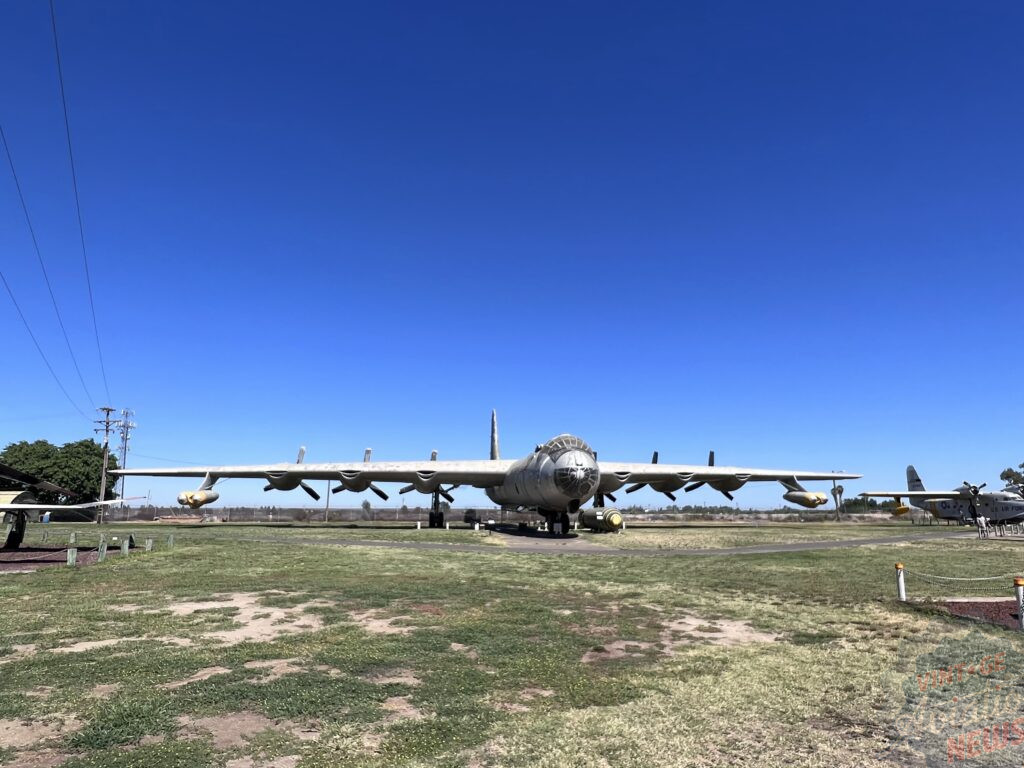
Castle Air Museums Convair RB 36H 30 CF Peacemaker USAF serial 51 13730 3
A head-on view of the RB-36. You can just see the forward dorsal defensive gun positions exposed in this view. (image by Adam Estes)
Aircorps Art Dec 2019
Share This Article
Follow:
Born in Milan, Italy, Moreno moved to the U.S. in 1999 to pursue a career as a commercial pilot. His aviation passion began early, inspired by his uncle, an F-104 Starfighter Crew Chief, and his father, a military traffic controller. Childhood adventures included camping outside military bases and watching planes at Aeroporto Linate. In 1999, he relocated to Atlanta, Georgia, to obtain his commercial pilot license, a move that became permanent. With 24 years in the U.S., he now flies full-time for a Part 91 business aviation company in Atlanta. He is actively involved with the Commemorative Air Force, the D-Day Squadron, and other aviation organizations. He enjoys life with his supportive wife and three wonderful children.