
(Image credit: VAN)
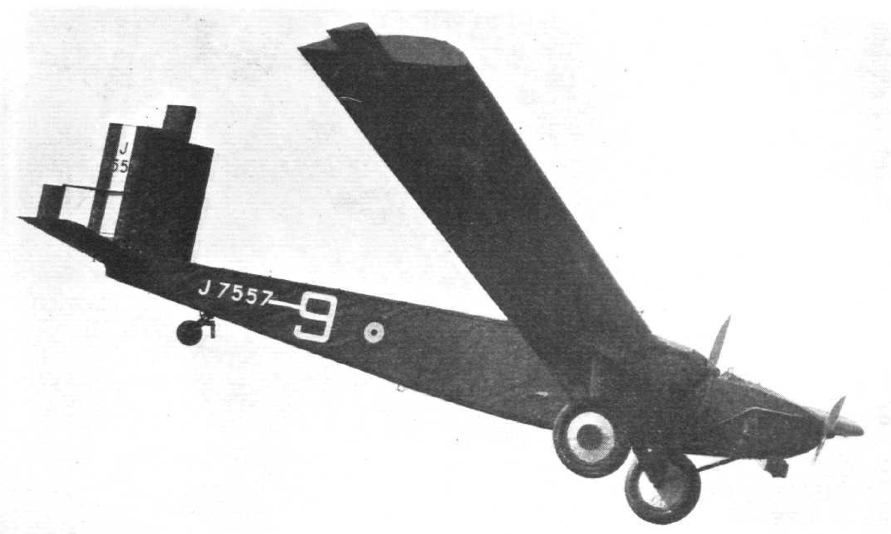
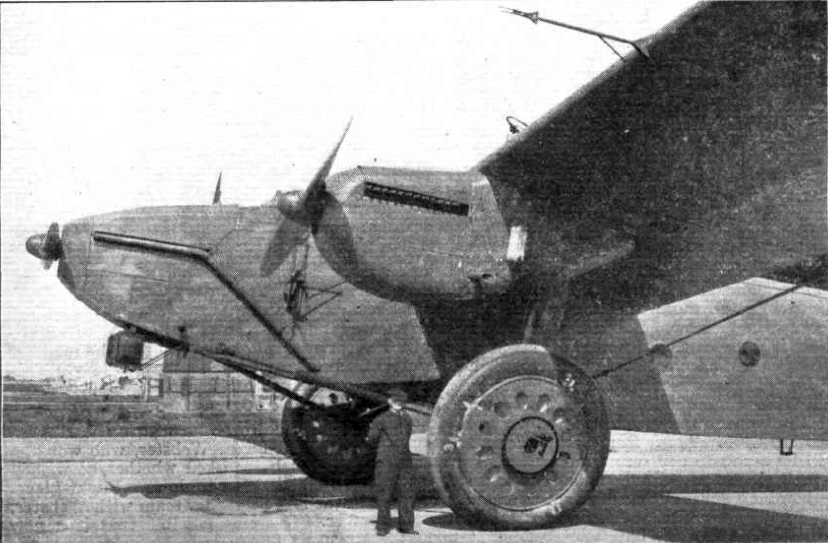
On this day in aviation history, 98 years ago (March 5, 1928), the first flight of the Beardmore Inflexible took place. Also called the Rohrbach Ro VI, the Inflexible was a tri-engined prototype transport aircraft. This aircraft was built by William Beardmore and Company at Dalmuir, Scotland. The company began development of the Inflexible after obtaining a license to use the “Rohrbach principle,” which was a specialized method of stressed-skin aircraft construction. Rohrbach Metall-Flugzeugbau was a German aircraft factory, located in Berlin, that was well known for its pioneering construction method. Upon receipt of Rohrbach Ro VI aircraft principles and drawings, the team at Beardmore got to work developing their own transport aircraft. Between 1925 and 1927, the Inflexible was built in sections in Dalmuir, Scotland, northwest of Glasgow. The completed sections were sent to Felixstowe via ship, and then by road to the Aeroplane & Armament Experimental Establishment (A&AEE) at Martlesham Heath Airfield. It was from this airfield that the Inflexible first flew. Later in the year, the aircraft would make an appearance at the Hendon RAF Display.
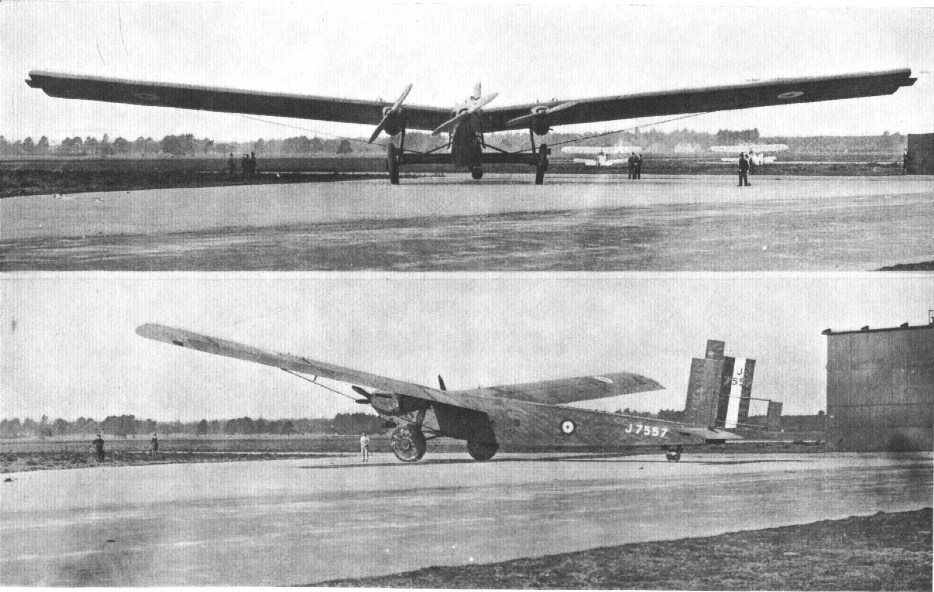
Considering the time period it was manufactured during, the Inflexible was structurally a step-above other aircraft of the same role. Additionally, the Inflexible was noted for having good flight characteristics. The aircraft was quite large, with a wingspan of 157 feet, 16 feet greater than that of a Boeing B-29 Superfortress. The Inflexible’s crux was its “all-up” weight of 37,000 pounds. The all-metal airframe was underserved and underpowered by its three 650-horsepower Rolls-Royce Condor II V12 piston engines. With a maximum airspeed of 109 mph and a service ceiling of 9,350 feet, the Royal Air Force had little interest in offering a production contract to Beardmore. The sole Inflexible prototype was dismantled at Martlesham Heath in 1930. The airframe was then used to test the effects of corrosion on light-alloy stressed skin structures. Both main wheels of the one-of-a-kind Beardmore Inflexible survive today, one on display at the Science Museum, London, and the other at the Midland Air Museum.