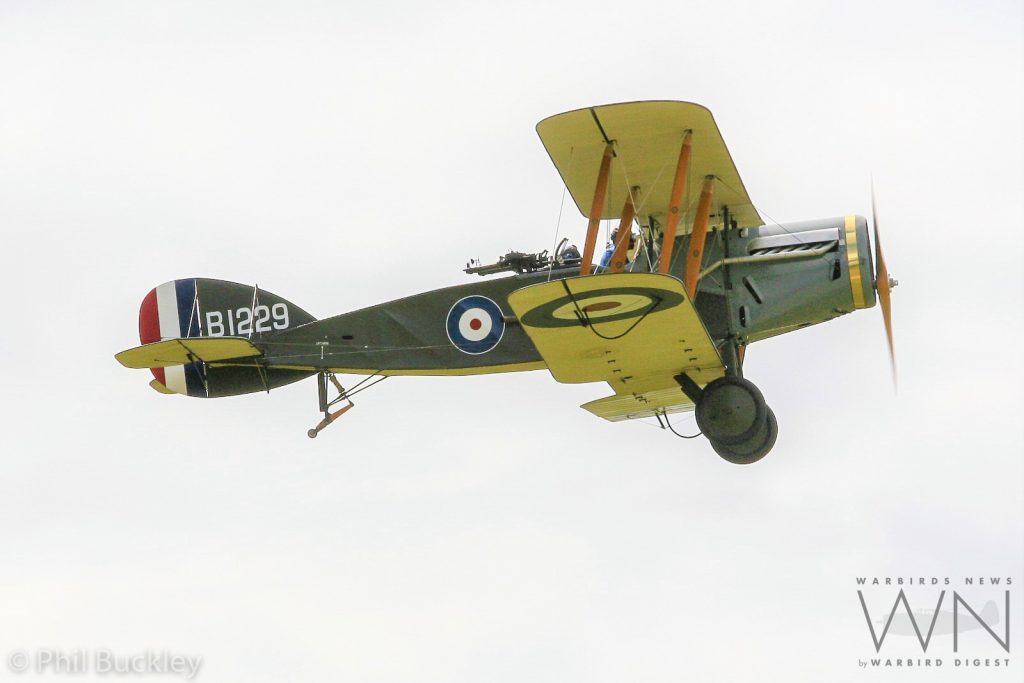
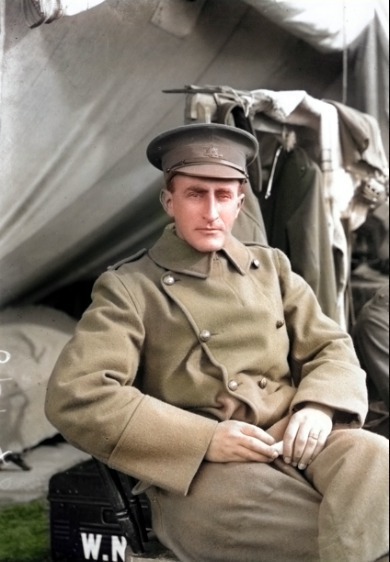

Many aces fought in World Wars. Some fought in both World Wars. But there might be a very small number of aces who fought in World War I with the British Royal Air Force and in World War II as American fighter pilots. One of them was Wilfred Beaver. Born on May 10, 1897, in Bristol, England, he moved to Montreal, Canada, in 1911 after his parents divorced. He wanted to become a dentist, but when World War I began in 1914, he enlisted in the 1st Canadian Heavy Battery of the Canadian Expeditionary Force on August 7, 1914. For the next two and a half years, he handled artillery, including firing howitzers, and served on the Western Front in France from 1915 to early 1917. In early 1917, Beaver requested a transfer to the Royal Flying Corps (RFC) and was successfully accepted into the service on February 28, 1917. He underwent his flight training at the RAF Training School at Oxford, where he developed combat aviation skills and handling two-seater fighters such as the Bristol F.2. After his training, he joined No. 20 Squadron on October 22, 1917.
Ace Journey of Wilfred Beaver
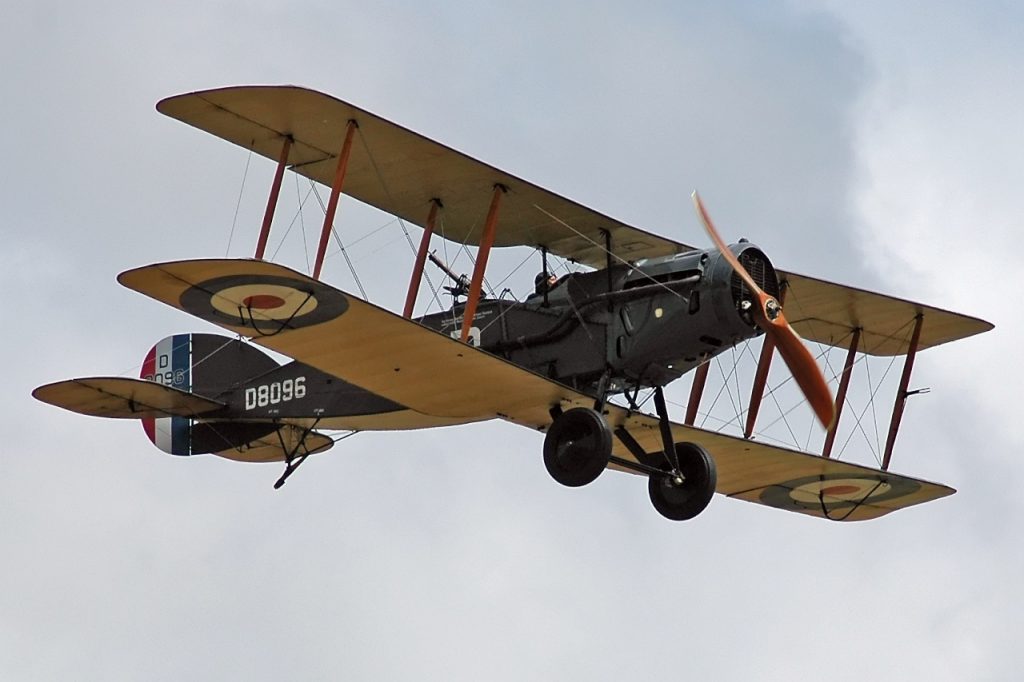
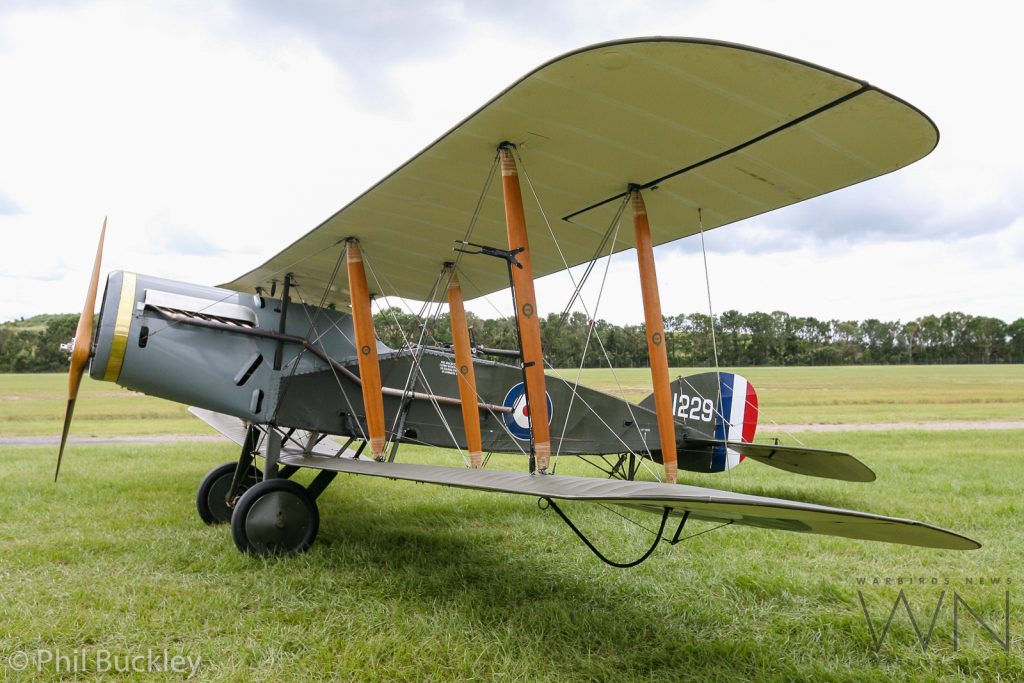
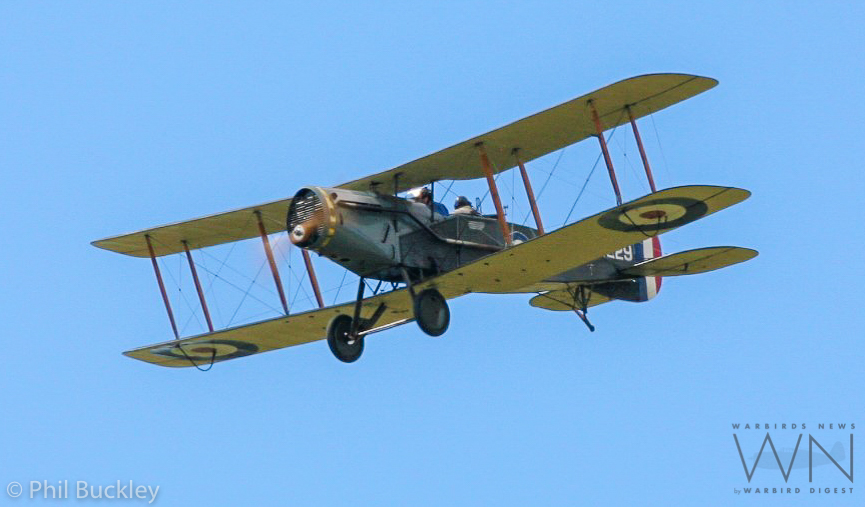
At No. 20 Squadron, one of the highest-scoring and most decorated British fighter-reconnaissance units on the Western Front, Wilfred Beaver had to fly a Bristol F.2B fighter. In less than a month after joining his first-ever air combat squadron, he scored his first victory when he destroyed an Albatros D.V on November 13, 1917. He kept scoring, with two kills in December and one on January 3, 1918. He achieved ace status with his fifth kill on January 6, 1918, when he drove an Albatros C out of control. He achieved five aerial victories in February with two strikes in a single day. In March and April, he managed to secure only one victory each month. In May, he made a strong comeback with six victories, including three kills in a single day. His final victory came on June 13, 1918, and he ended his World War I campaign with 19 confirmed aerial victories. He downed 11 Albatros D.Vs, three Albatros Cs, three Fokker DR.Is, an Albatros D.III, and an unidentified two-seater. He scored all his victories flying Bristol F.2b aircraft.
Gazetted on June 21, 1918, Wilfred Beaver was awarded the Military Cross by the British government for conspicuous gallantry and devotion to duty. It added, “During the last five months, he has destroyed five hostile machines and has brought down completely out of control six others. During the recent operations, he has performed exceptionally well in bombing and firing upon hostile troops from very low altitudes. He has displayed marked gallantry and resource, and has proved himself a patrol leader of great dash and ability.” Following the Armistice, Beaver returned to Canada, from where he migrated to the US in search of better opportunities. Though it is not well known what he did in the US as a civilian till mid-1942, when he was commissioned as a captain in the US Army Air Forces, marking his re-entry into military aviation after over two decades in civilian pursuits. He contributed to operational and training activities from mid-1942 until July 1943.
Service in World War II
In July 1943, he continued his service in World War II and was promoted to major. He was the executive officer of the 447th Bombardment Group, starting on June 25, 1943. Unlike World War I, his duty in World War II was not flying as a pilot, but ensuring smoother strategic operations. He didn’t get a chance to improve his score in this war, but he still proved valuable due to his prior field experience. He received a Bronze Star for his service, a US Armed Forces decoration awarded to members for either heroic achievement, heroic service, meritorious achievement, or meritorious service in a combat zone. He was promoted to lieutenant colonel and took command of the group from July 1, 1945, until August. He stayed on active duty until January 15, 1946. After that, he served in the US Air Force Reserve until 1957, when he retired as a colonel. He died on August 19, 1986, in West Point, Mississippi, at the age of 89. The journey of Wilfred Beaver is different from many aces who had an interest in aviation or machines from the start. Coming from a humble background and a troubled childhood, he wanted to become a dentist, but destiny had something else planned for him. Even joining the war, firing artillery on the land, he never thought he would fly an airplane to fire from the sky. Not only did he prove his skills in the air, but also as a leader in World War II, where he successfully led his unit into combat. In the Aces series, Wilfred Beaver stands out as an ace with a deep interest in military affairs, having covered both World Wars. Read about more Aces HERE.