

In the middle years of the Cold War, the Soviet Air Force wanted a jet-powered, armored ground-attack aircraft. Fighters and bombers were valuable but could not replace such armored planes in attacking ground targets like tanks and infantry from low altitudes while withstanding intense anti-aircraft fire. So, in 1967, the Soviet Air Force asked the industry to submit designs. For this program, the Sukhoi Design Bureau designed a single-seat aircraft, the Su-25. At the same time, the Ilyushin Design Bureau proposed the Il-42, a major modernization of the Il-40. This two-seat attack aircraft was intended to have two AM-5F turbojet engines and a maximum takeoff weight of nearly 38,500 pounds. It was envisioned to reach a maximum speed of 620 mph, a ceiling of 38,000 feet, and a range of nearly 700 miles.
Ilyushin Il-102’s Design
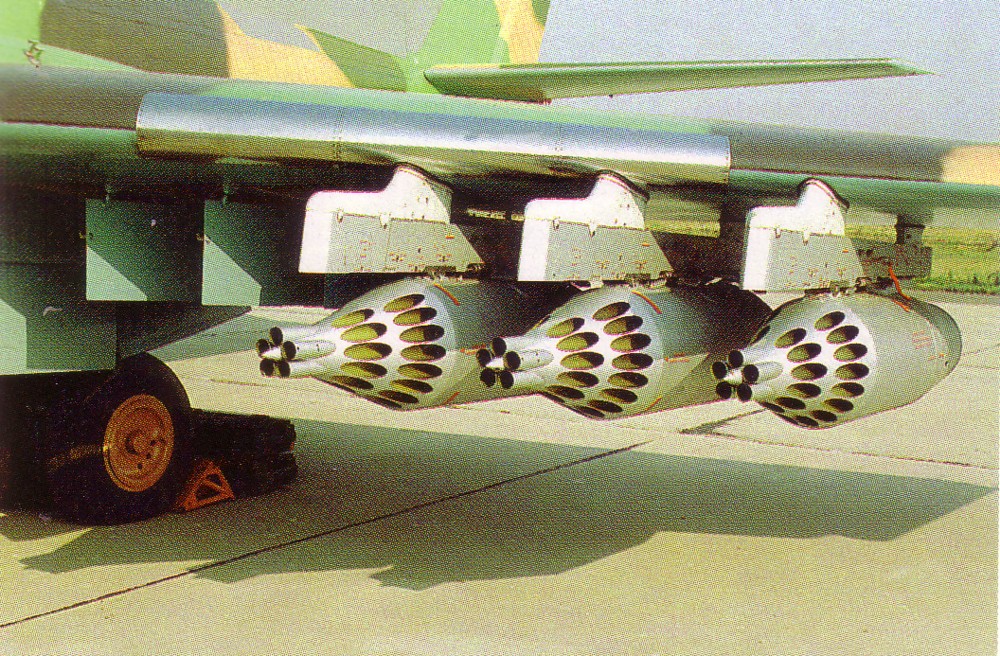
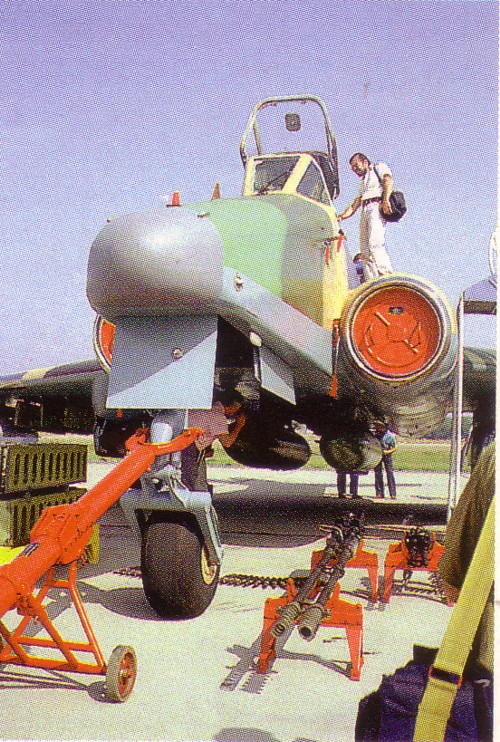
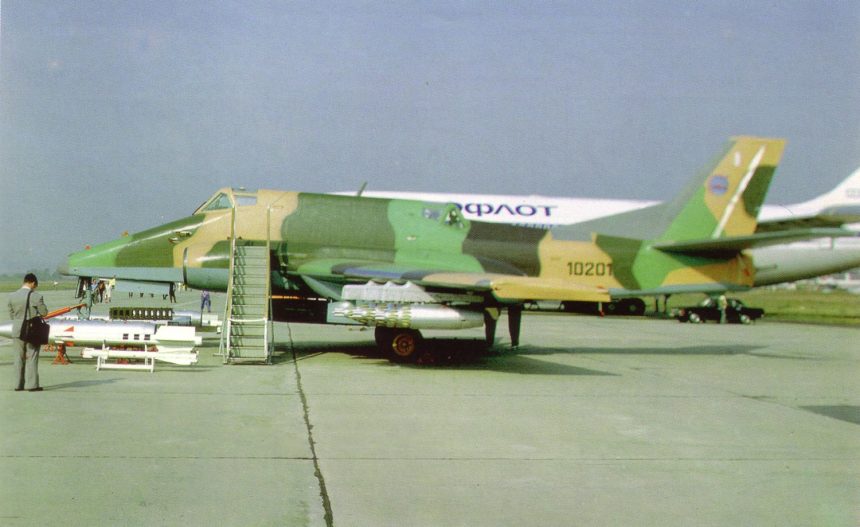
The Soviet Air Force rejected the design, but Ilyushin kept working on it. The bureau renamed it Ilyushin Il-102 and gave it a redesigned forward fuselage for better forward and downward visibility, more powerful engines, and stronger armament. The Il-102’s layout matched the Il-40, but it was a new aircraft. The Il-102 had a redesigned main landing gear that retracted into fairings under the wings, rotating upwind. This freed space for more external weapons. The new aerodynamic wing layout no longer needed wing fins. It was powered by the RD-33I turbojet engine, which provided 60% more thrust, achieving a maximum takeoff weight of 48,500 pounds. Armor protected the crew cabins and, to some extent, the engines and fuel supply system. The fuel tanks were stripped of armor and concentrated in the central fuselage. They were shielded front and rear by the crew cabins and defensive gun mount, on the sides by the engines, and ventrally by the cannon.
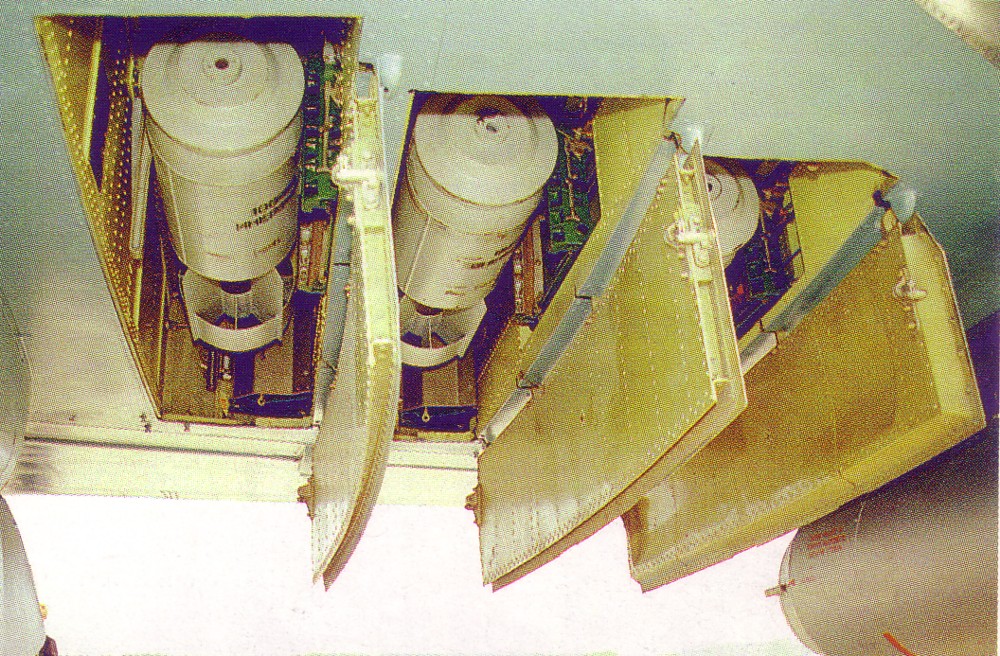
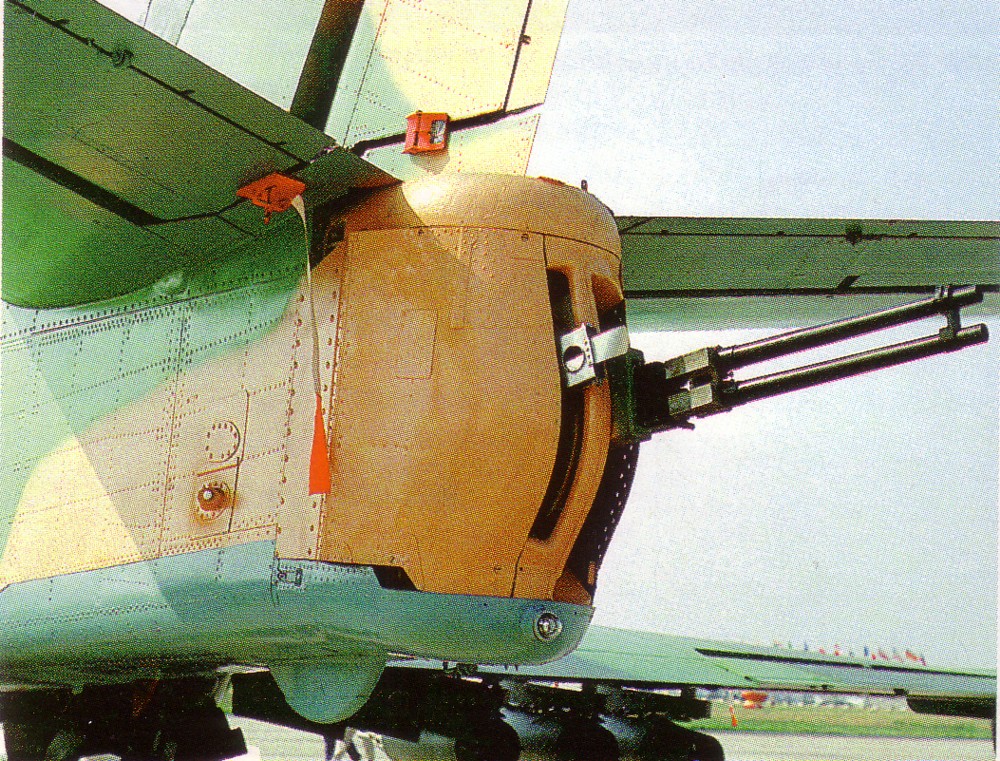
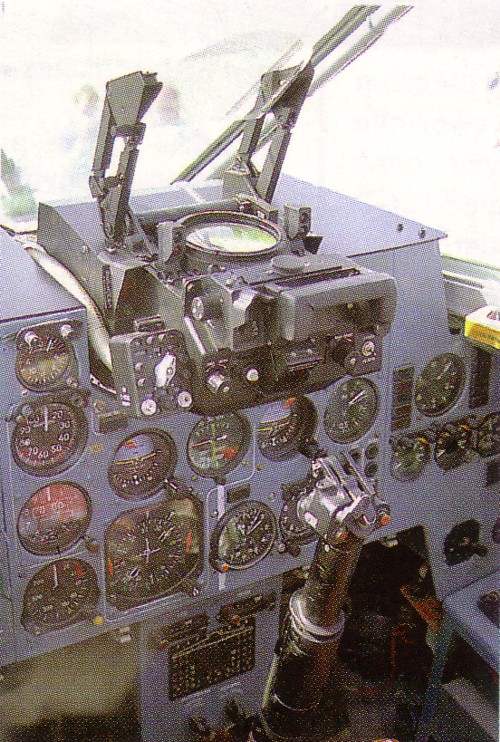
A sponge-filled fuel tank increased the aircraft’s combat survivability. Like earlier Soviet attack aircraft, the Il-102 received a rear defensive cannon mount. The plane also had IR decoys and active jamming. These helped monitor the rear hemisphere and quickly alert the pilot to threats, reducing enemy missile effectiveness. The Ilyushin Il-102 used a conventional aerodynamic setup with a low-slung, swept wing. Eighty percent of its skin was made from single-curvature sheets, and its air intakes were circular. The semi-monocoque fuselage’s central part held the pressurized cockpits for the pilot and gunner. Two small aerodynamic brakes were mounted on each side of the rear fuselage. The swept, two-spar wing was thick enough to fit bomb bays and had a flap covering about two-thirds of its span. A twin-barreled 30mm 9A-4071K cannon with 500 rounds sat on a ventral, oscillating mount, which could be locked in two positions. The rear fuselage housed a turret with a twin-barreled 23mm GSh-23L cannon. Its ammunition boxes were in the forward part of the tail fuselage, about 3 meters from the cannon.
Cancellation of Program
Work on the Il-102 program moved slowly due to a lack of funds and its semi-legal status. The Ministry of Defense leadership opposed the new Ilyushin attack aircraft. They saw its development as a waste of resources, given the more advanced Su-25 program. Still, by early 1982, construction of the Il-102 prototype was finished. On January 20, Air Force Commander-in-Chief P.S. Kutakhov inspected the plane and supported its development. Aviation Industry Minister I.S. Silayev also showed support for the Ilyushin Il-102. However, the Ministry of Defense’s stance stayed negative. The Ilyushin design bureau continued work. The Il-102’s maiden flight took place on September 25, 1982. From 1982 to 1984, the prototype conducted 250 flights with no onboard failures. The attack aircraft proved highly maneuverable, with a minimum turn radius of just 400 meters (1,300 feet).
In 1984, despite strong test performance, the Il-102’s development was abandoned. By then, full serial production of the Su-25 attack aircraft had already begun, and the Il-102 offered no major advantages over it. In 1986, there was another push to revive the program. However, the domestic political situation had changed, and defense funding was now being cut. A decision was also made to withdraw Soviet troops from Afghanistan. Under these circumstances, the Il-102 lost all prospects. Later, it appeared at the 1992 Moscow Air Show, where it was presented for export. The Ilyushin Il-102 was not a bad design, and in fact, it had a much better payload capacity, approximately 7.2 tons, than the Su-25. Its rear-hemisphere defense, featuring a radar-aimed tail gun, was also better than that of the Su-25. Compared to the Su-25, it offered greater non-afterburning power, similar maneuverability, and potentially lower cost. It never failed or showed problems in any of its 250 test flights. Still, a change in doctrine and officials’ negative attitude towards the aircraft, despite Ilyushin’s proven reliability in the past, had cost the world what could have been an excellent attack aircraft. Like other aircraft in the Grounded Dreams series, Ilyushin Il-102 never saw combat, never saw itself to be associated with the Air Forces, and never utilized its huge payload capacity. Read other Grounded Dreams articles HERE.