
(Image credit: VAN)
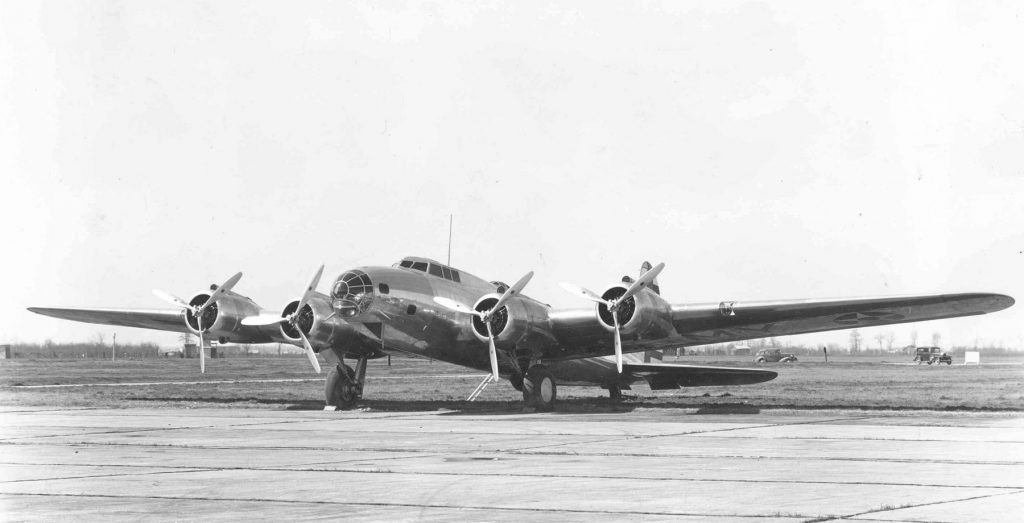
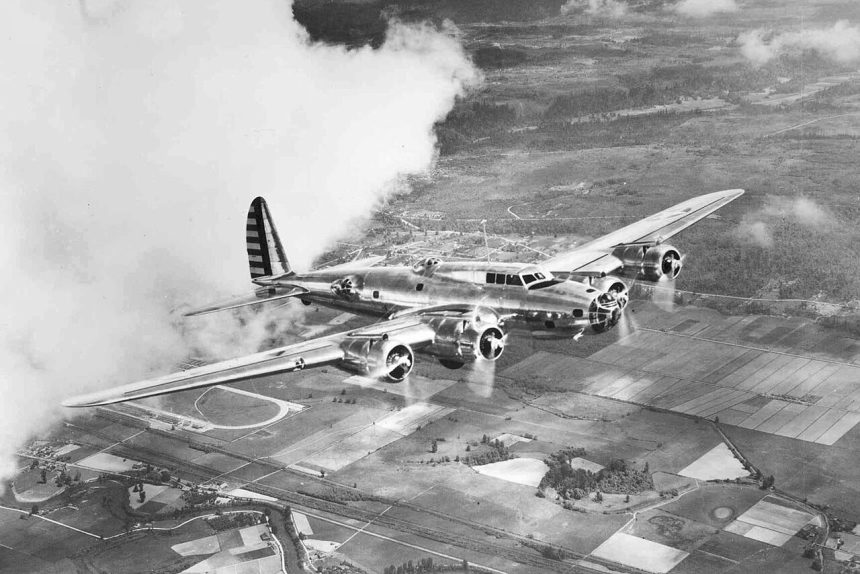
On this day in aviation history, 89 years ago (March 4, 1937), the first Boeing Y1B-17 Flying Fortresses officially entered service with the 2nd Bombardment Group. Based at Langley Field (now Langley Air Force Base) in Hampton, Virginia, the 2nd Bomb Group was the first to accept the new heavy bomber. Twelve production model Y1B-17s were delivered to the group, who then flew the Fortress for evaluation and tactical planning. In parallel, more Flying Fortresses would undergo testing at Wright Field (now Wright-Patterson Air Force Base).
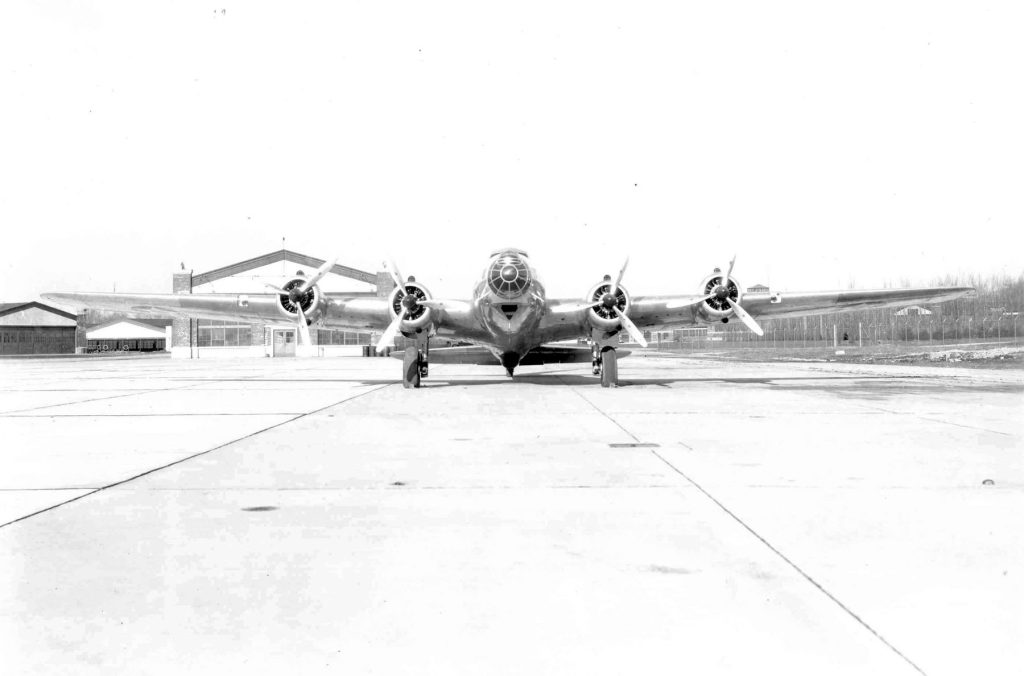
Boeing introduced the “15-ton Flying Fortress,” then designated the Model 299, to the press on July 16, 1935. Powered by four 750-horsepower Pratt & Whitney R-1690 Hornet radial engines, the Model 299 would fly for the first time twelve days later, on July 28. Boeing experienced a minor setback with the Fortress on October 30, 1935, when the aircraft crashed shortly after takeoff due to pilot error. The US Army Air Corps still proceeded to order thirteen YB-17s, which were later redesignated as Y1B-17s, following successful initial flight testing.
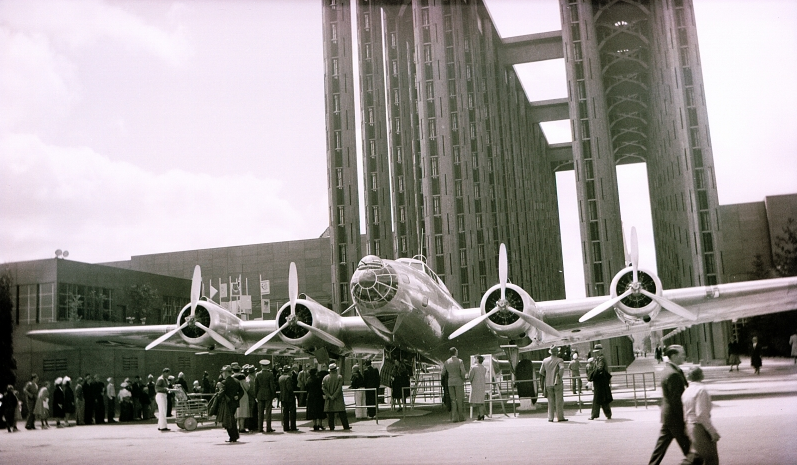
The B-17 would fly its first combat mission on July 8, 1941, as a Fortress Mk I with the Royal Air Force. The Fortress Mk. I, equivalent to the USAAC B-17C, was powered by four 1,200-horsepower Wright R-1820-65 radial engines. This variant had a maximum airspeed of 323 mph, a range of 3,400 nautical miles, and a service ceiling of 37,000 feet. Armament came via six 0.50 caliber machine guns, an additional 0.30 caliber gun, and a bomb load of 4,800 pounds. This first combat mission was flown by the RAF’s No. 90 Squadron and targeted Wilhelmshaven unsuccessfully.
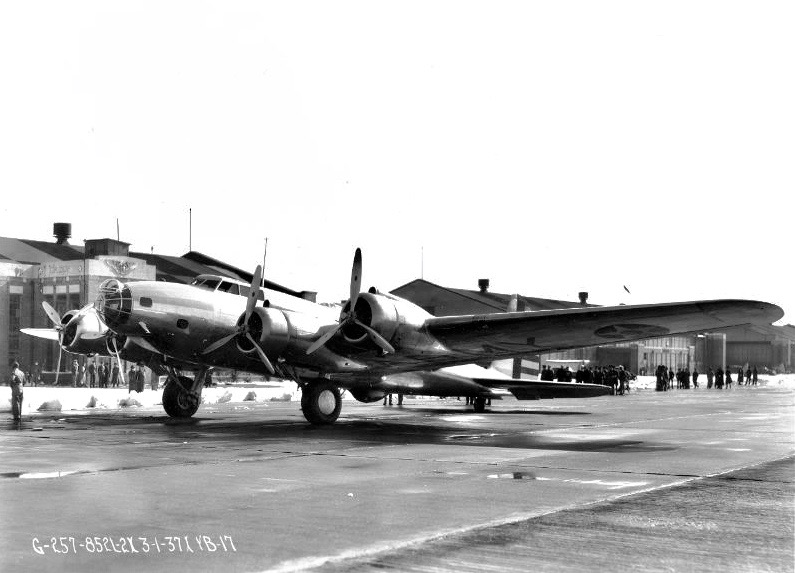
Boeing’s B-17 would continue to evolve as the Second World War raged on, giving birth to the B-17E, F, and G models. These definitive Fortress variants would serve a crucial role in the daylight bombing of German factories, rail yards, and oil refineries, depriving the Third Reich of their intended war machines. Without the rugged B-17, the outcome of World War Two may have been somewhat different.