
For almost 100 years, the Spartan College of Aeronautics and Technology (originally the Spartan School of Aeronautics), founded in Tulsa, Oklahoma, has been one of the most reputable institutions in the United States for students to acquire skills in aerospace, from flight training and aviation maintenance to aviation electronics and technology management. Though Spartan now has branches in Broomfield, Colorado, Inglewood, Los Angeles, and at the historic Flabob Airport near Riverside, California, its roots remain firmly in the Tulsa community, as it was an outgrowth of the Spartan Aircraft Company based there and the founder of both the aircraft company and the college, oil executive William Skelly, helped to establish the Tulsa Municipal Airport, which has now developed into Tulsa International Airport, one of the biggest hubs for commercial aviation in the United States.
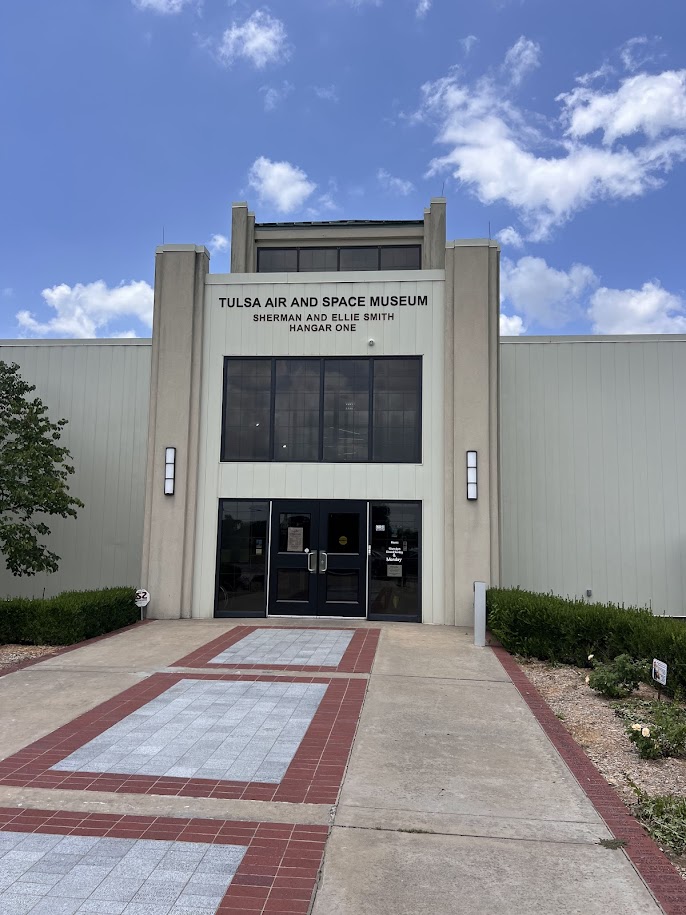
As a part of Tulsa’s long aviation history, both the history of the Spartan Aircraft Company and Spartan College form integral links in the historical narrative told by the Tulsa Air and Space Museum and Planetarium, one of the Sooner State’s largest aviation museums. Here, the museum features no less than three aircraft built in Tulsa by the Spartan Aircraft Company, each with its own story that makes it stand out, with one of these being quite literally one of a kind.
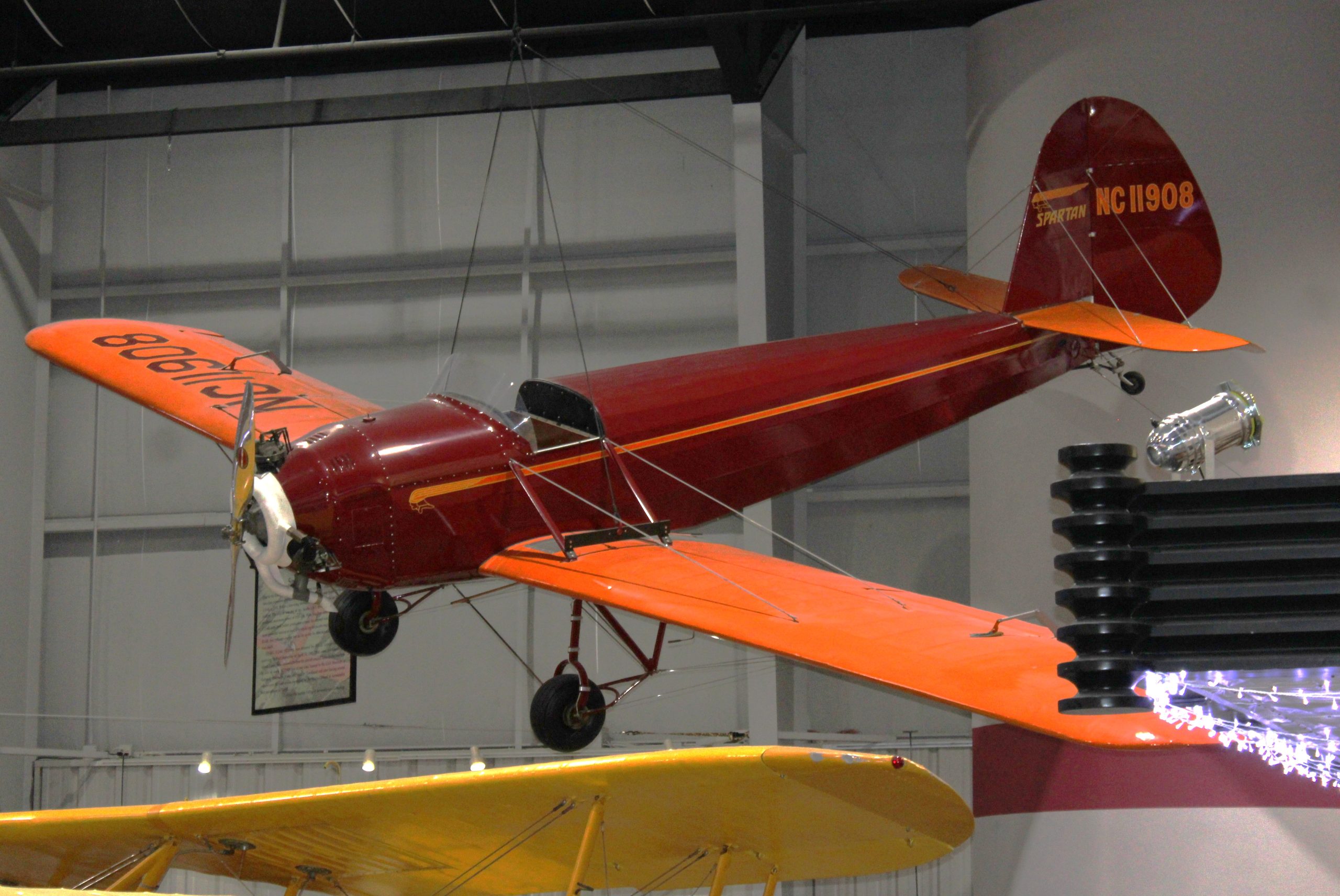
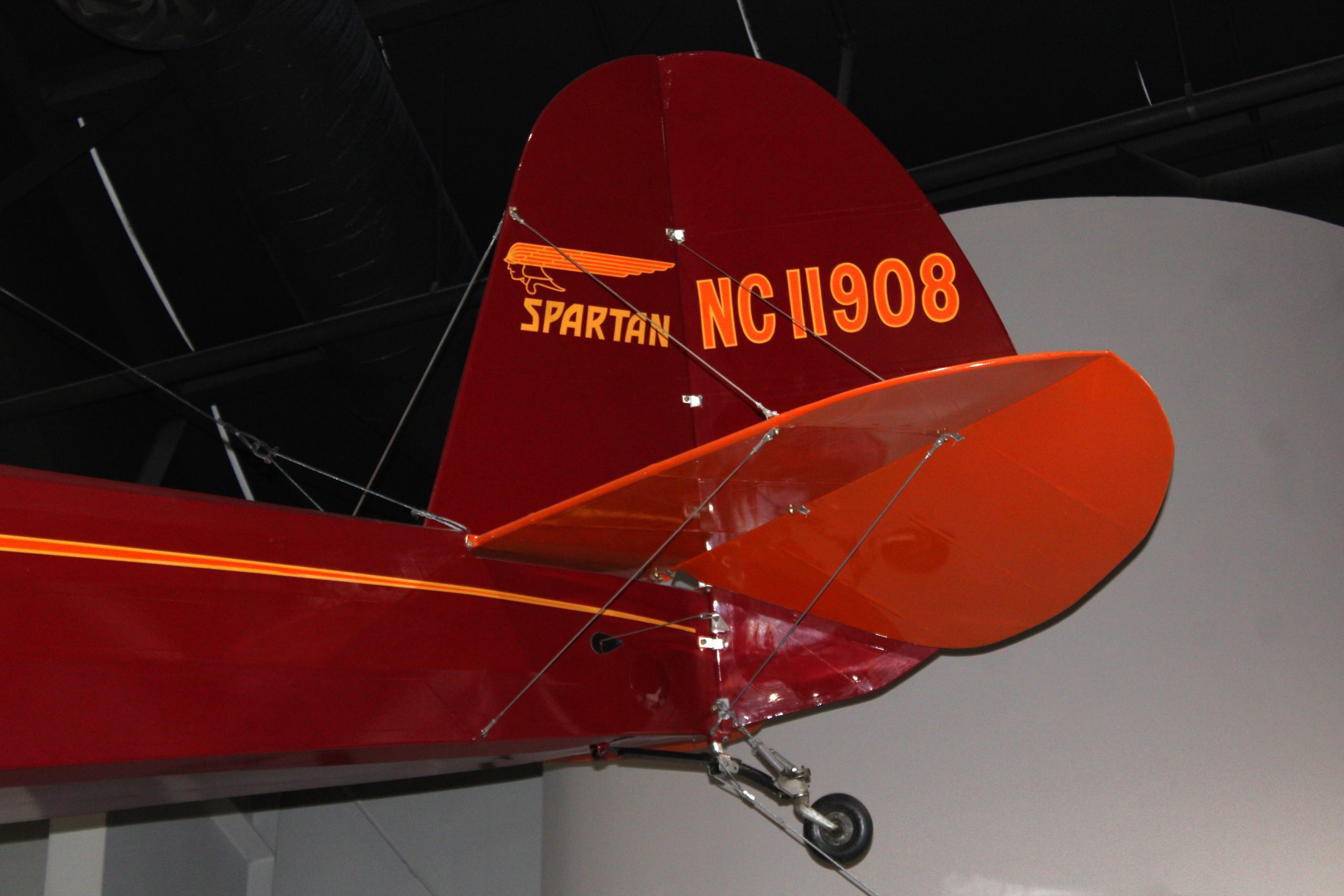
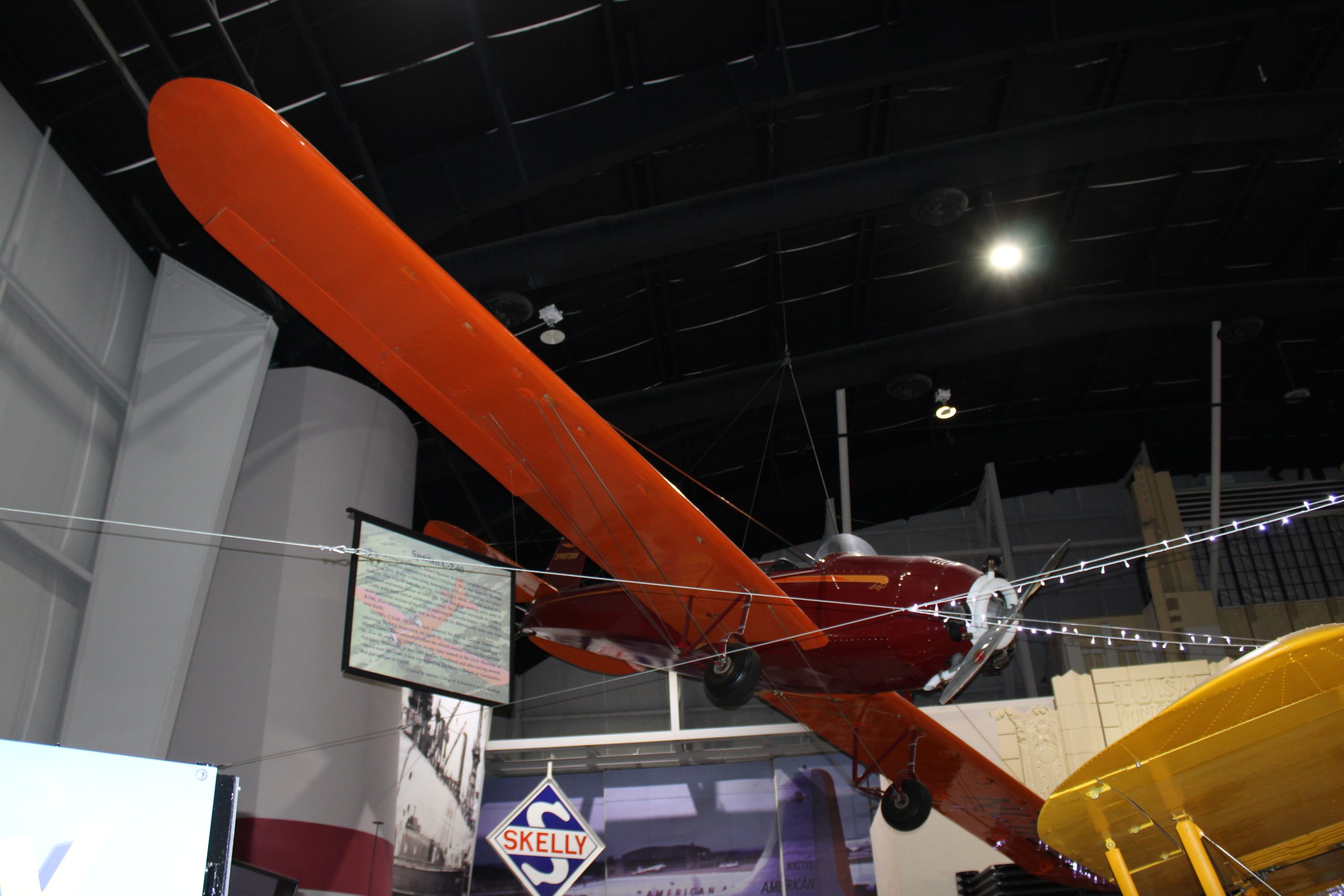
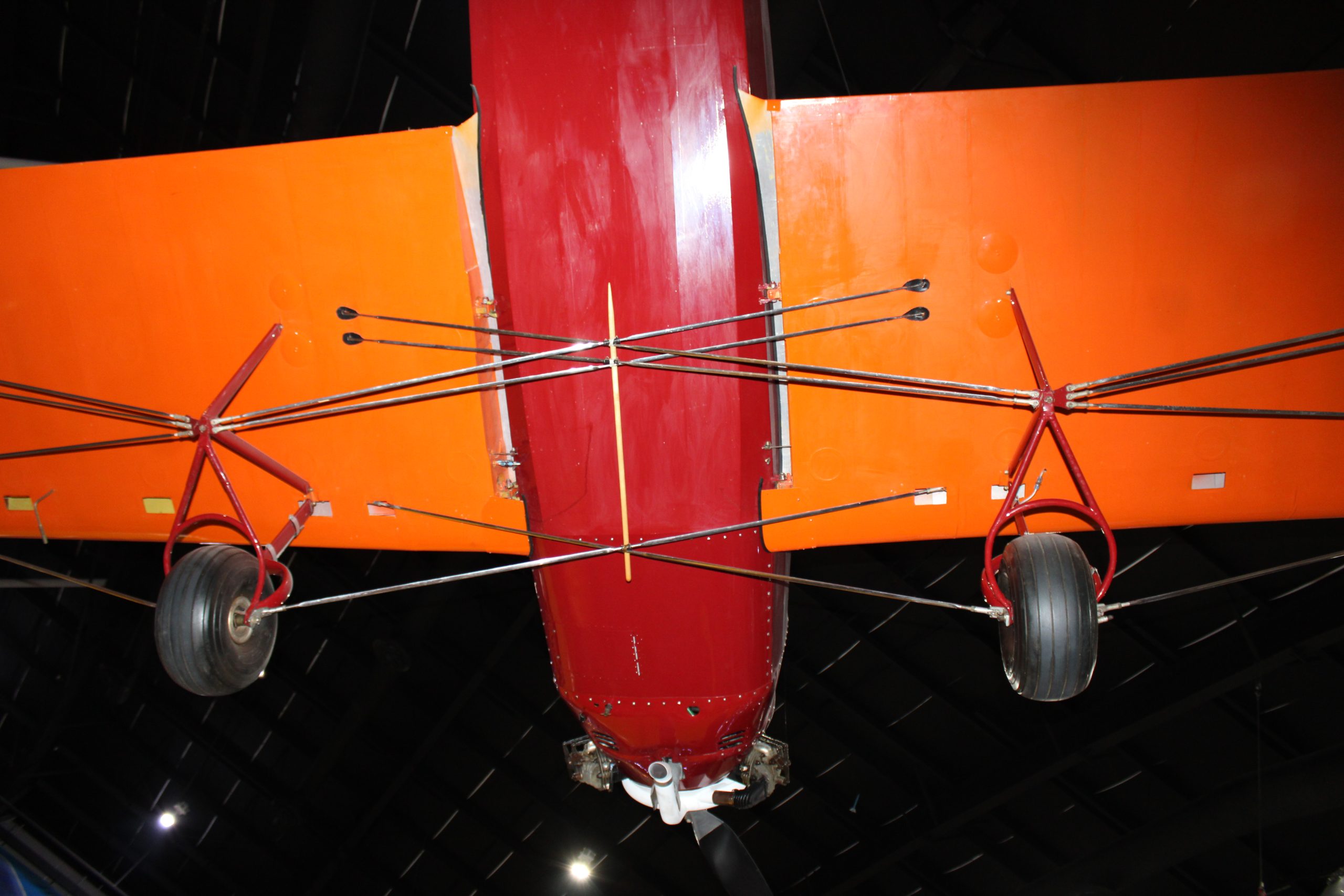
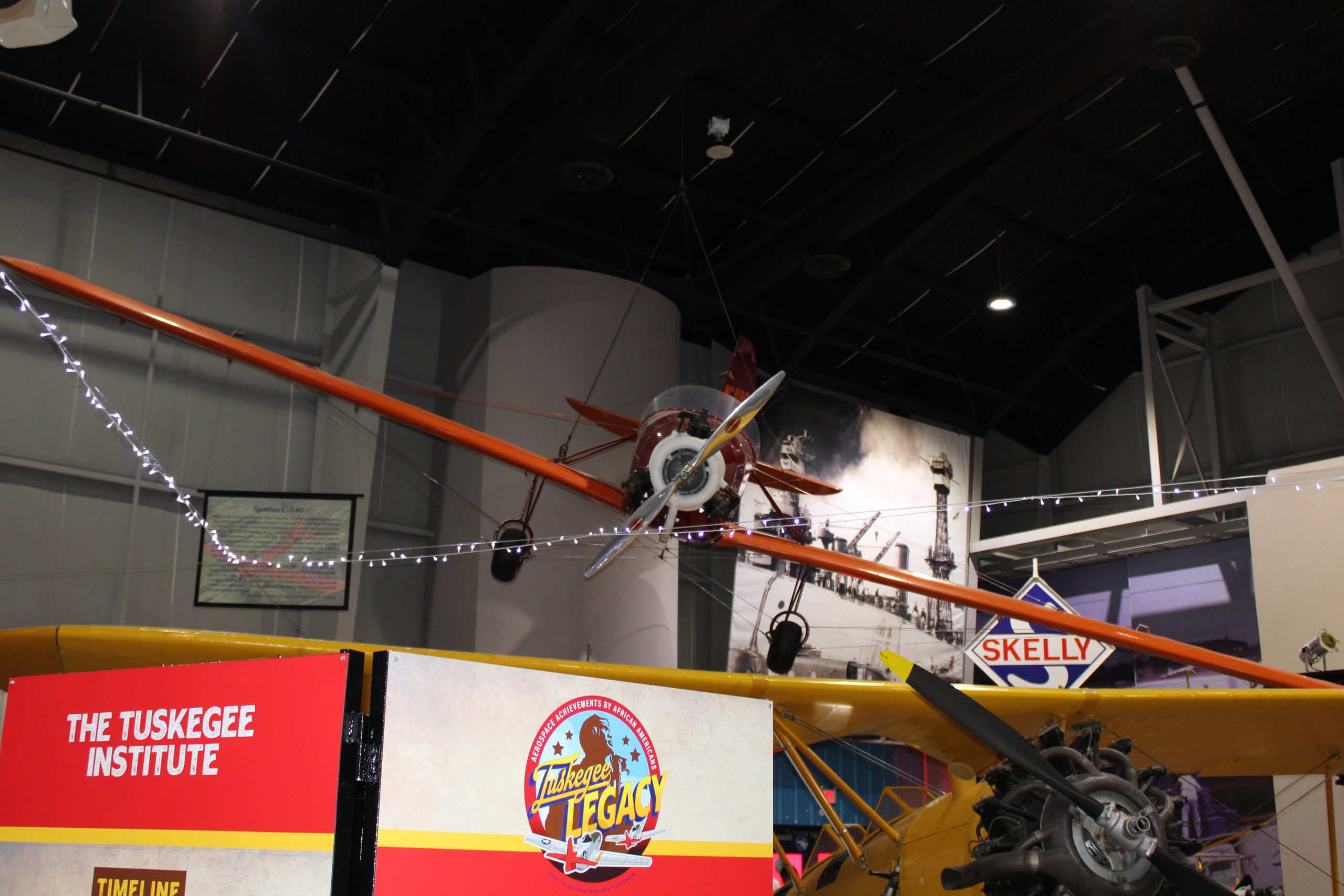
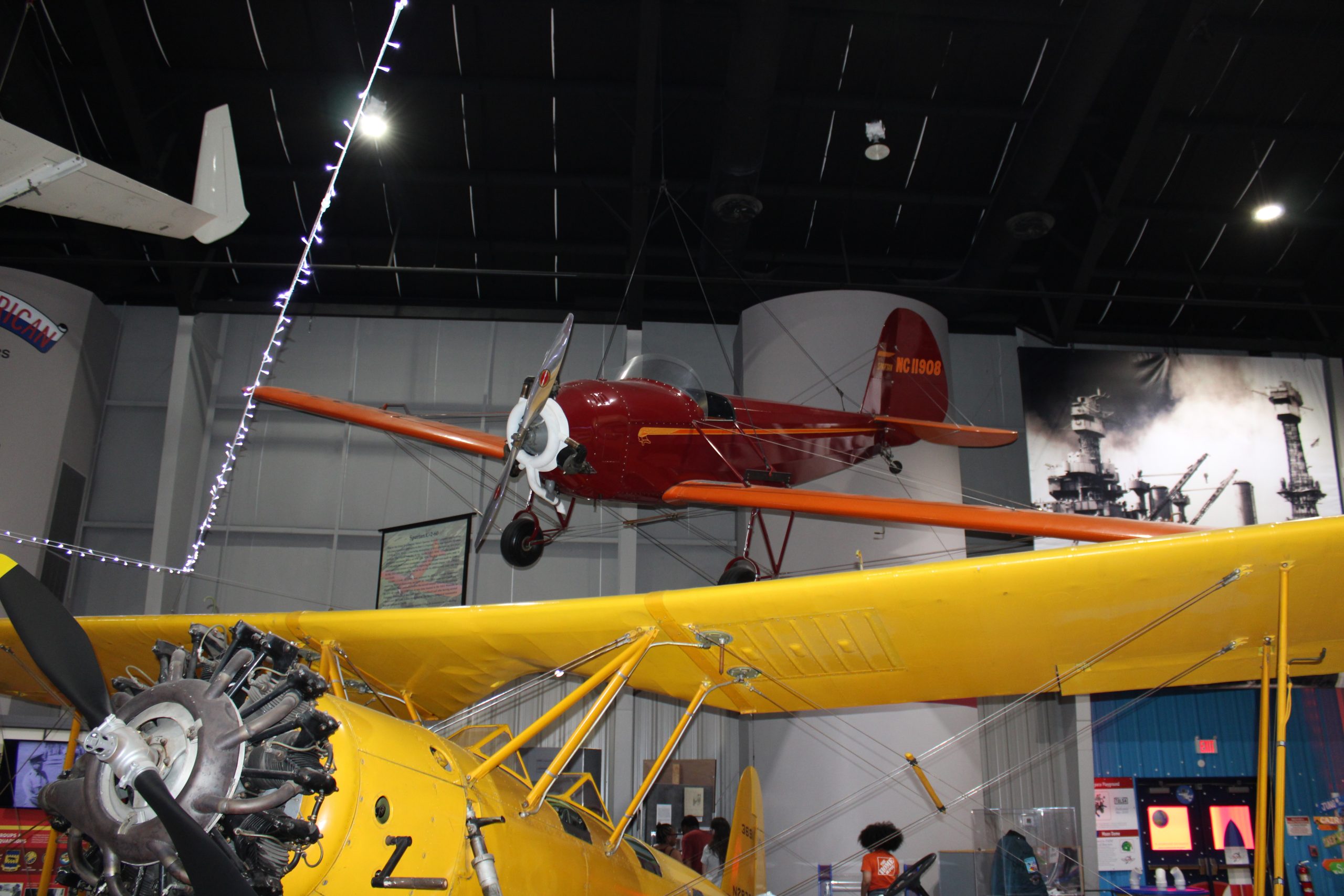
Spartan C2-60 NC11908 (s/n J-15)
The oldest of the Spartan aircraft on display at the Tulsa Air and Space Museum is a small maroon and orange-colored monoplane of the early 1930s, a Spartan C2. Prior to the development of the C2, the most successful design from the Spartan Aircraft Company (originally founded in Tulsa as the Mid-Continent Aircraft Manufacturing Company) was the Spartan C3, an open-cockpit biplane designed for flight training, and used as the Spartan School of Aeronautics primary training aircraft, with the company constructing about 122 examples of this type. Spartan attempted to follow up the C3’s modest success with the C4 and C5 cabin monoplanes, but because of the financial constraints of the Great Depression, only 7 Spartan C4s and 4 Spartan C4s were ever built. Realizing that a smaller aircraft designed for sport pilots had a greater potential for success, the company introduced the Spartan C2 in 1931. Powered by a Jacobs L-3 3-cylinder air-cooled radial piston engine with an output of 60 hp, the output of this engine gave the aircraft the company designation C2-60. Production began on both the C2-60, and a more powerful variant, the C2-165, which was powered by a 165 hp Wright J-5 Whirlwind radial engine. However, the economic hardships of the Great Depression ensured that production came to a with only around 16 C2-60s and two C2-165s built, but both the Spartan Aircraft Company and the Spartan College survived and moved on to new designs.
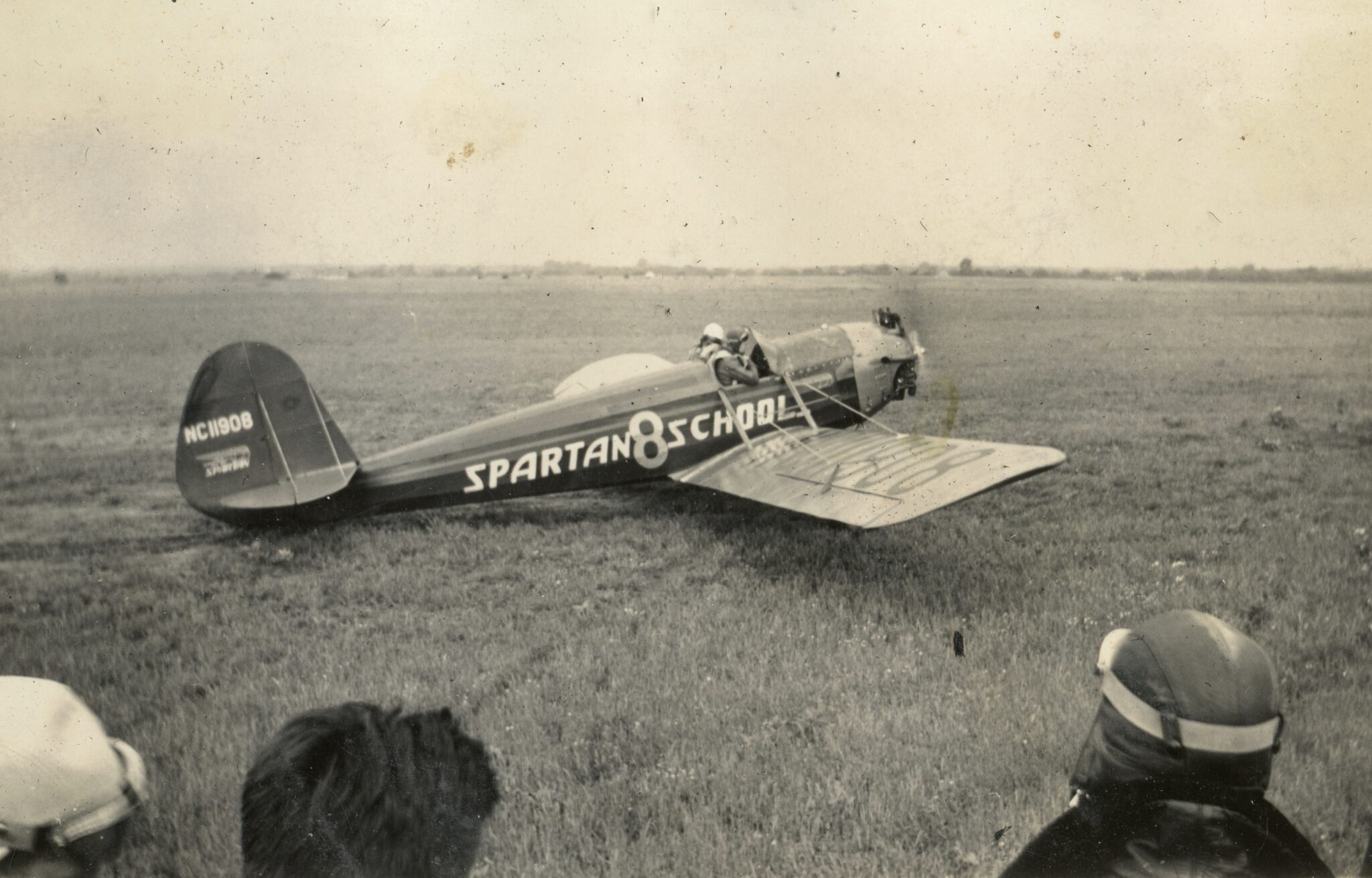
Built as construction number J-15, the Tulsa Air and Space Museum’s Spartan C2-60 is one of only two examples of the type known to exist today. It was rebuilt by a member of the Antique Airplane Association (AAA), George Goodhead, who in 1937 had been a graduate of the Spartan College of Aeronautics at Tulsa, and had acquired two hours of flight time in a Spartan C2-60 before completing his flight training in a Piper J-3 Cub. Nevertheless, Goodhead always wanted to have his own Spartan C2-60, and in 1958, began working on acquiring or restoring a C2-60. He first went back to the Spartan College, and though the original drawings had been discarded, Goodhead found a wing assembly tracing and some fitting tracings. An inquiry with the FAA’s was less fruitful, so Goodhead wrote an ad titled “C2-60 Wanted” in American Airman, the official magazine of the Antique Airplane Association, Later, Goodhead got a letter from an Eastern Airlines pilot named Bob Beitel, who mentioned he had a Spartan C2-60 fuselage and assorted parts stored at his parent’s basement in Tiffin, Ohio. Goodhead and his wife Betty, returned home to Tulsa with the fuselage, plus the landing gear, engine mount, wing fittings, and the tail, where Goodhead would later sandblast the metal parts and apply a protective coating of zinc-chromate before he and his friend, Encel Kleier constructed new fuselage fairings, new elevator and rudder control cables, and a new instrument panel. With that, the fuselage was certified to be ready to be covered in doped fabric. With the fuselage rebuilt, Goodhead began his search for a Jacobs L-3 engine, which by the late 1950s was as rare as the Spartan C2. On a hunch, he contacted the Jacobs Aircraft Engine Company in Pottstown, Pennsylvania, to see if they had an L-3. By this point, the company was shutting down its operations, which included a museum of engines built by the Jacobs company. Among their collections was a zero-time L-3 engine that had been displayed for 25 years in the company’s museum. From a starting price of $500, Goodhead acquired the Jacobs radial engine for $400 (worth about $4,495 in 2025). After bringing the engine to Tulsa, it was run for the first time on November 25, 1960. After acquiring a Hamilton ground-adjustable propeller from M.V. Williams of Gibson City, Illinois, the last thing Goodhead needed to do was build a new set of wings for his aircraft. It was then that he found that another pilot, Bruce Molleur of Greenland, New Hampshire, was restoring the only other surviving Spartan C2-60, construction number J-3, NC11016. In exchange for allowing Goodhead to use Molleur’s wing spars as patterns for his own project, Goodhead built a new set of landing gear fairings for Molleur’s C2-60 project, which was completed and flown before Goodhead’s C2-60. Though Spartan C2-60 was getting closer to completion, Goodhead decided to focus on other aircraft restoration projects and entrusted the completion of the airplane to his friend J.O. Payne of the Spartan School of Aeronautics. Goodhead arranged to have the C2-60 brought back to the Spartan College to have the students complete the project by installing the Jacobs radial engine, constructing a new engine cowling, completing the wings, installing the wheels and brakes of a Piper Cub for safety reasons, and applying fabric on the aircraft.
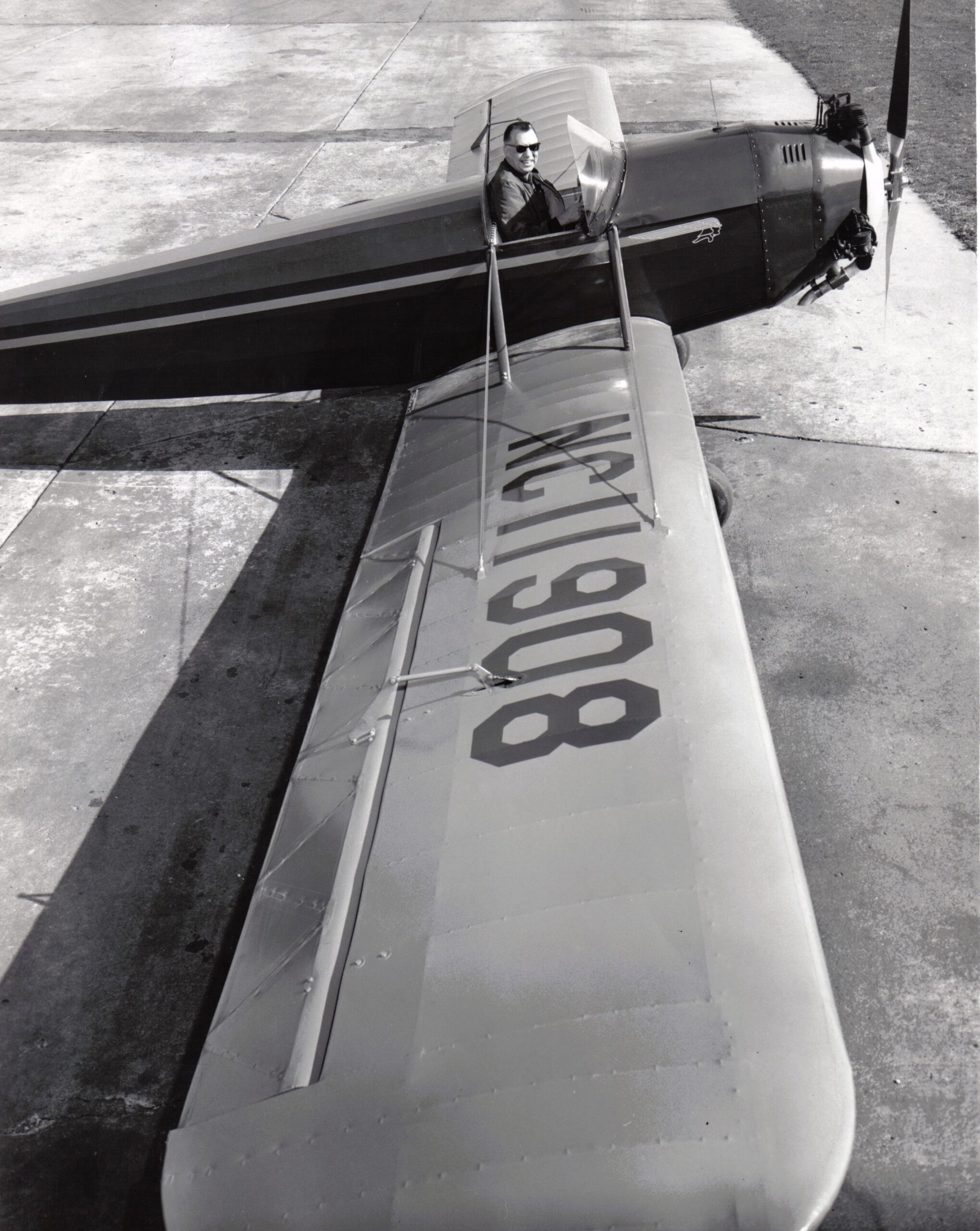
On April 24, 1967, the FAA officially licensed the Spartan C2-60 built from the airframes of J-9, J-13, and J-15 as N11908. That same day, George Goodhead’s friend and fellow pilot Gene Chase took the aircraft on its first post-restoration flight. Chase would later note of his early evening flight that “The only faults I uncovered were that the airplane was a little out of rig and the engine had a rough spot between 1,100 and 1,500 rpm. Straight-and-level flight could only be accomplished by holding considerable back pressure on the stick, maintaining moderate right rudder, and holding a little left aileron.” On May 2, 1967, Goodhead took flight in N11908, the first time he had flown a Spartan C2-60 in 30 years. The aircraft would spend some time on display at the Experimental Aircraft Association (EAA) Museum, then located in Hales Corners, Wisconsin, before returning to Oklahoma, and later being sold to Bert and Mary Mahon, who later took the airplane with them to Justin Time Airport near Justin, Texas. All of these details can be read in Jay B. Miller’s article for the January 1981 issue of AOPA Pilot, The Other Spartan, which can be accessed HERE, and in Gordon Goodhead’s article for the August 1967 issue of EAA Sport Aviation HERE.
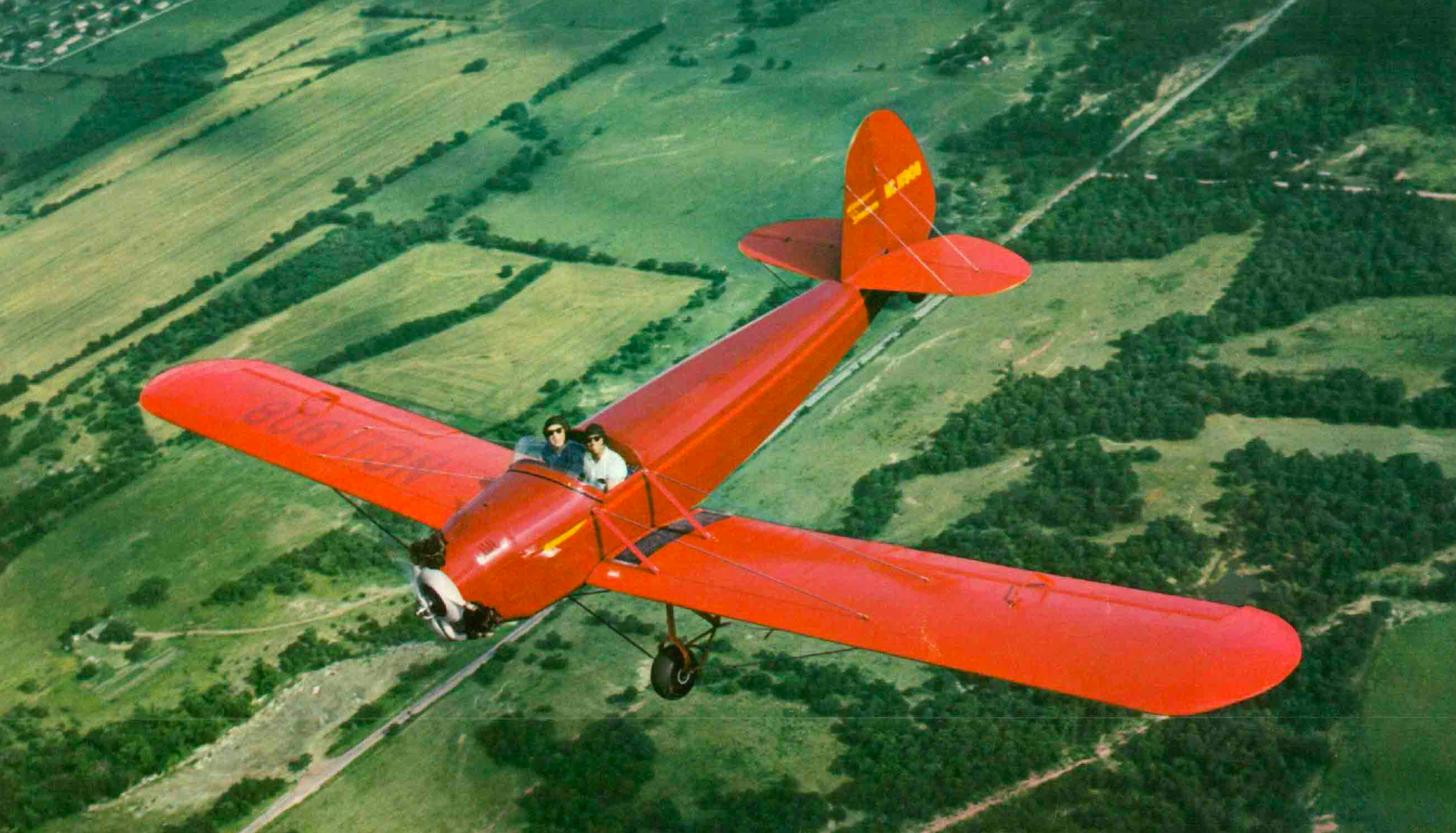
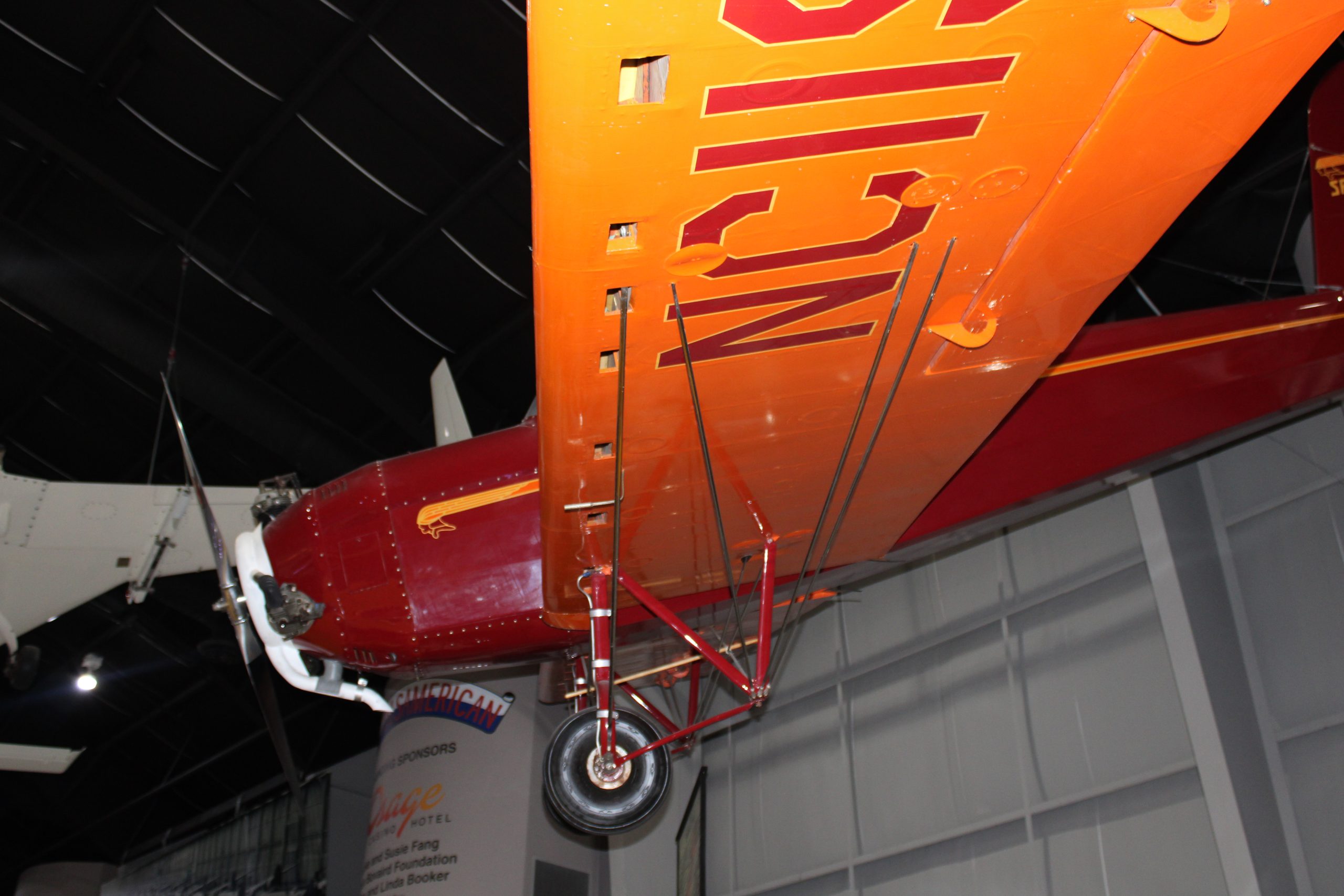
After going through several owners over the years, Spartan C2-60 NC11908 was acquired by the Spartan College of Aeronautics and Technology and is now on loan by the college to the Tulsa Air and Space Museum, where it is suspended from the ceiling of the museum. The only other Spartan C2-60 on public display, construction number J-3, N11016, is currently maintained in airworthy condition at the Western Antique Aeroplane and Automobile Museum (WAAAM) in Hood River, Oregon, while another C2-60, N11904 (c/n J-11), is listed to a private owner in Wyoming.
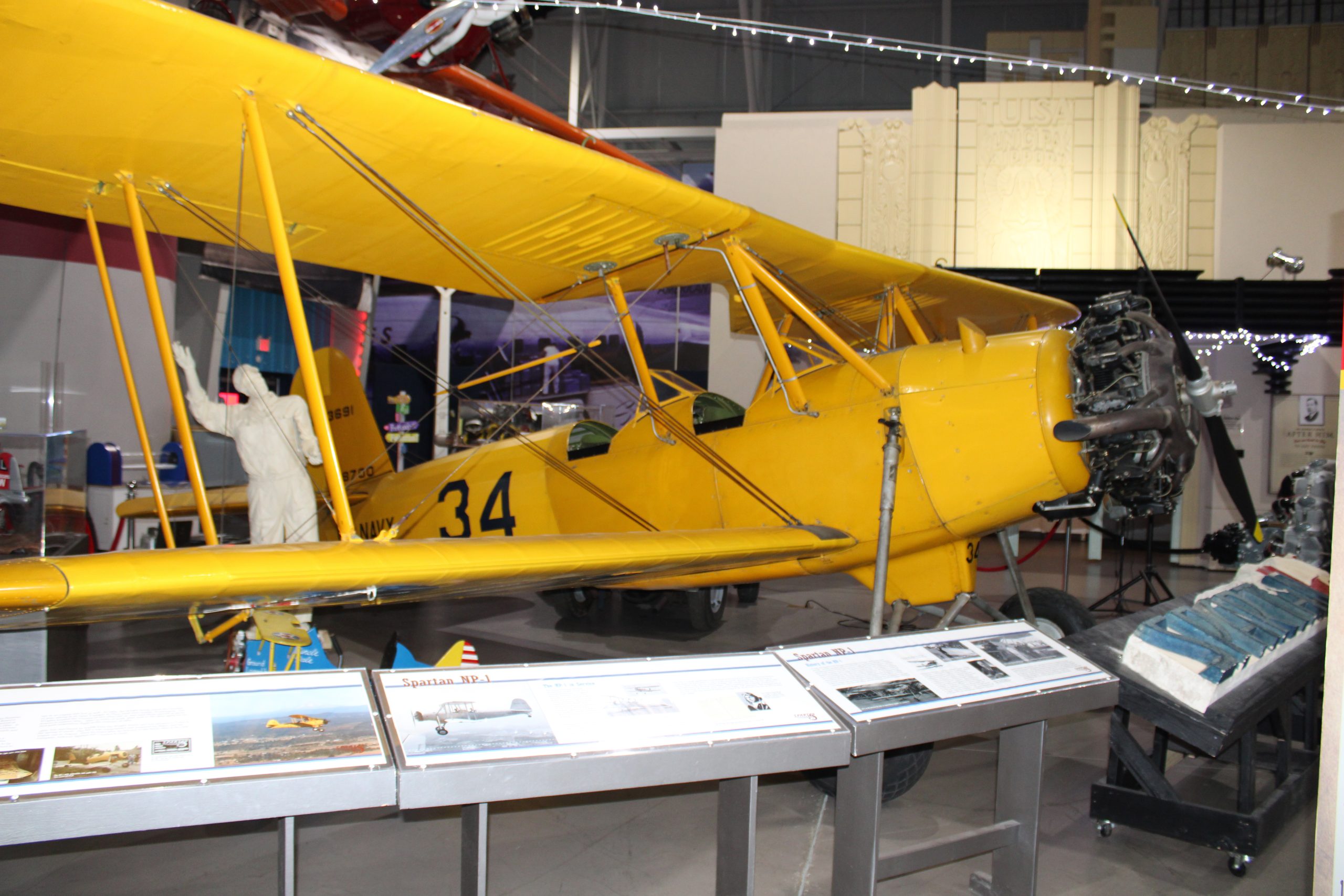
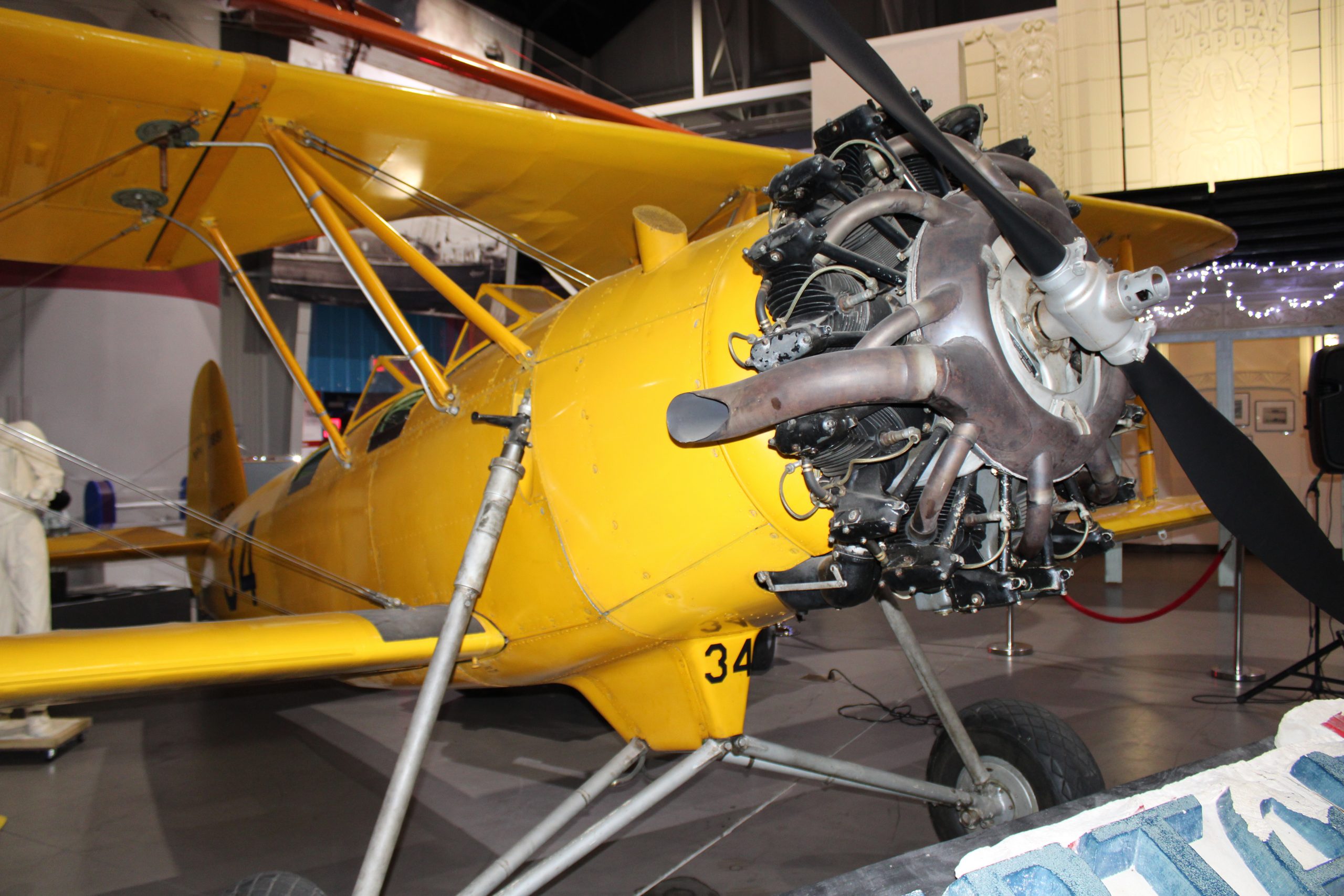
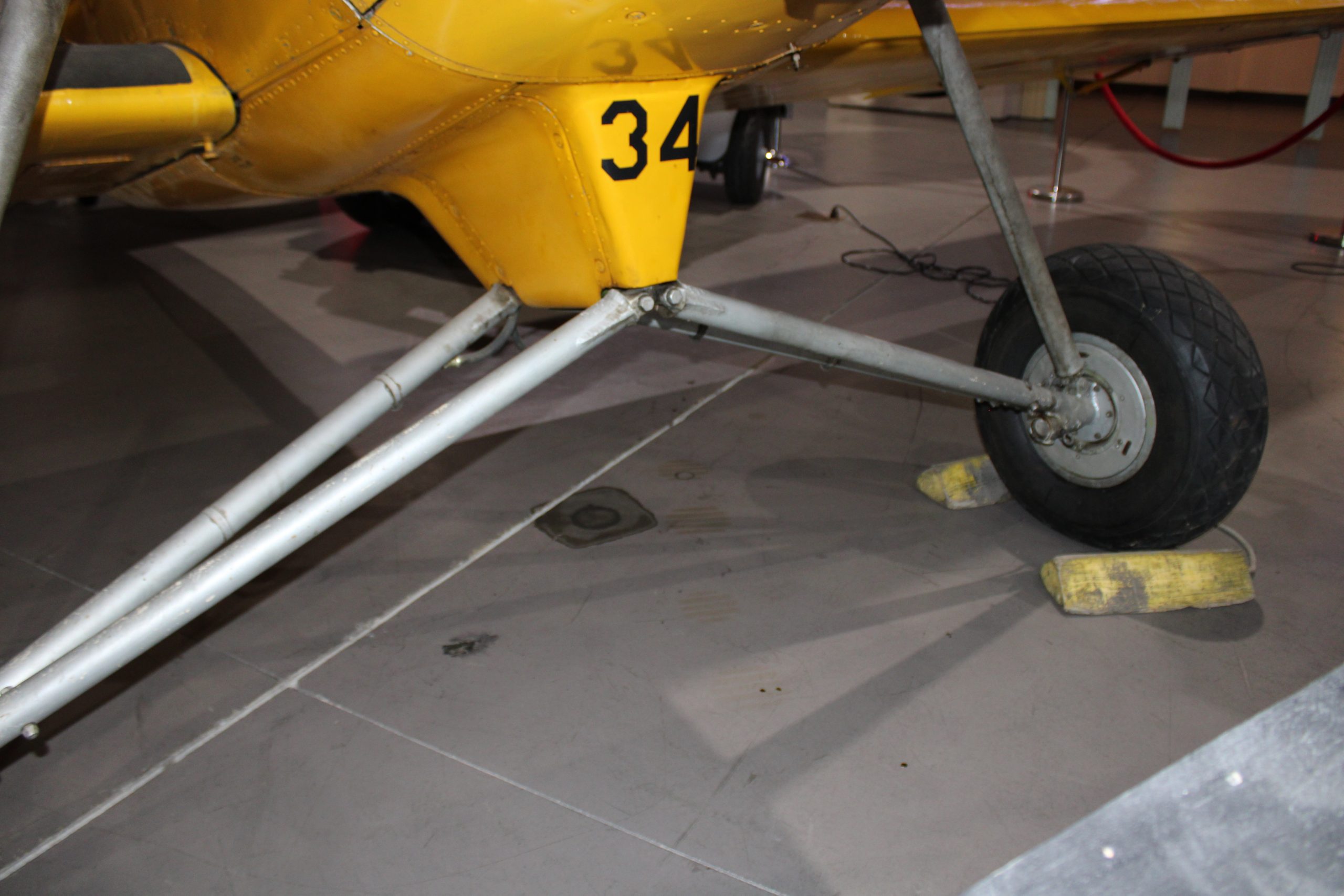
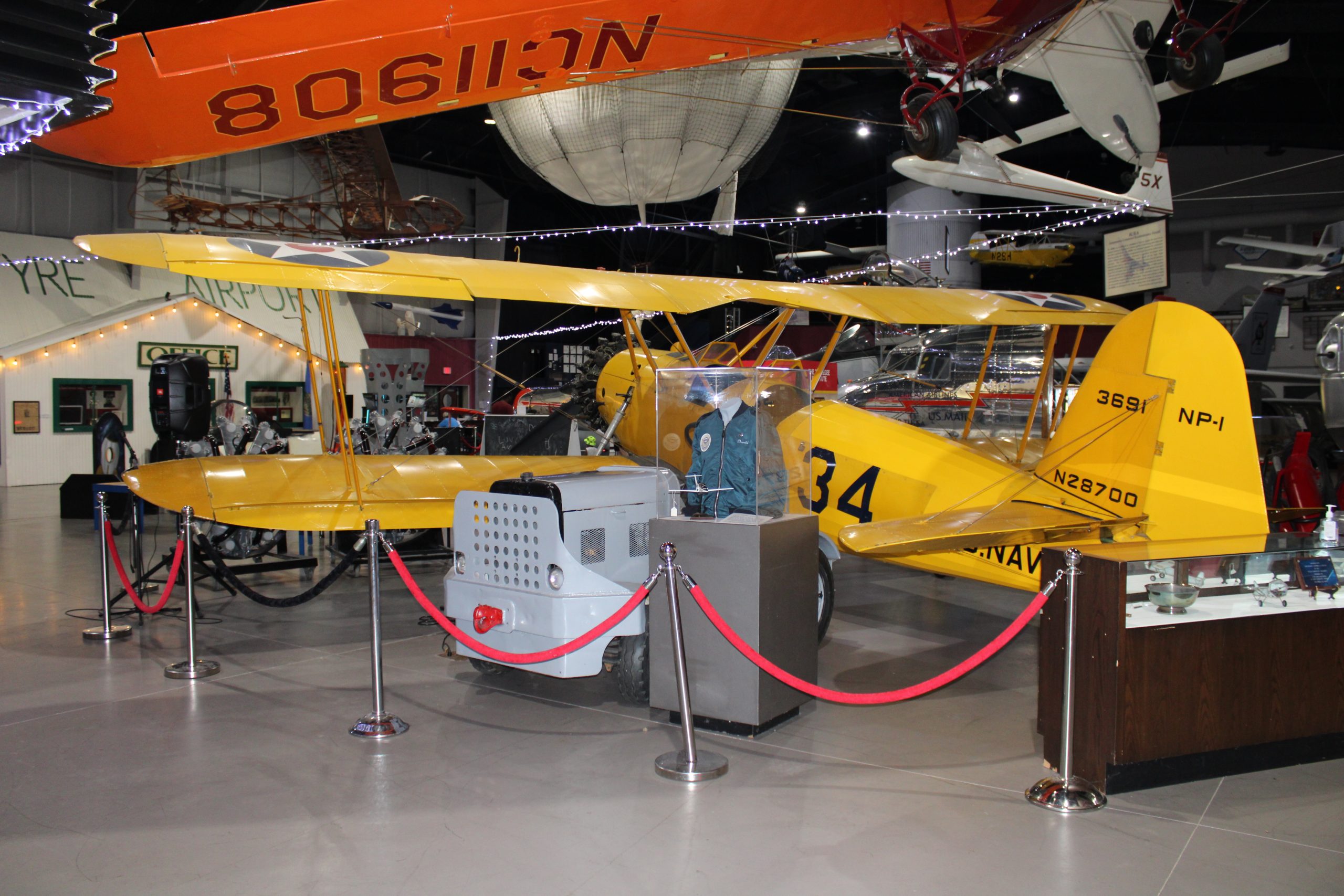
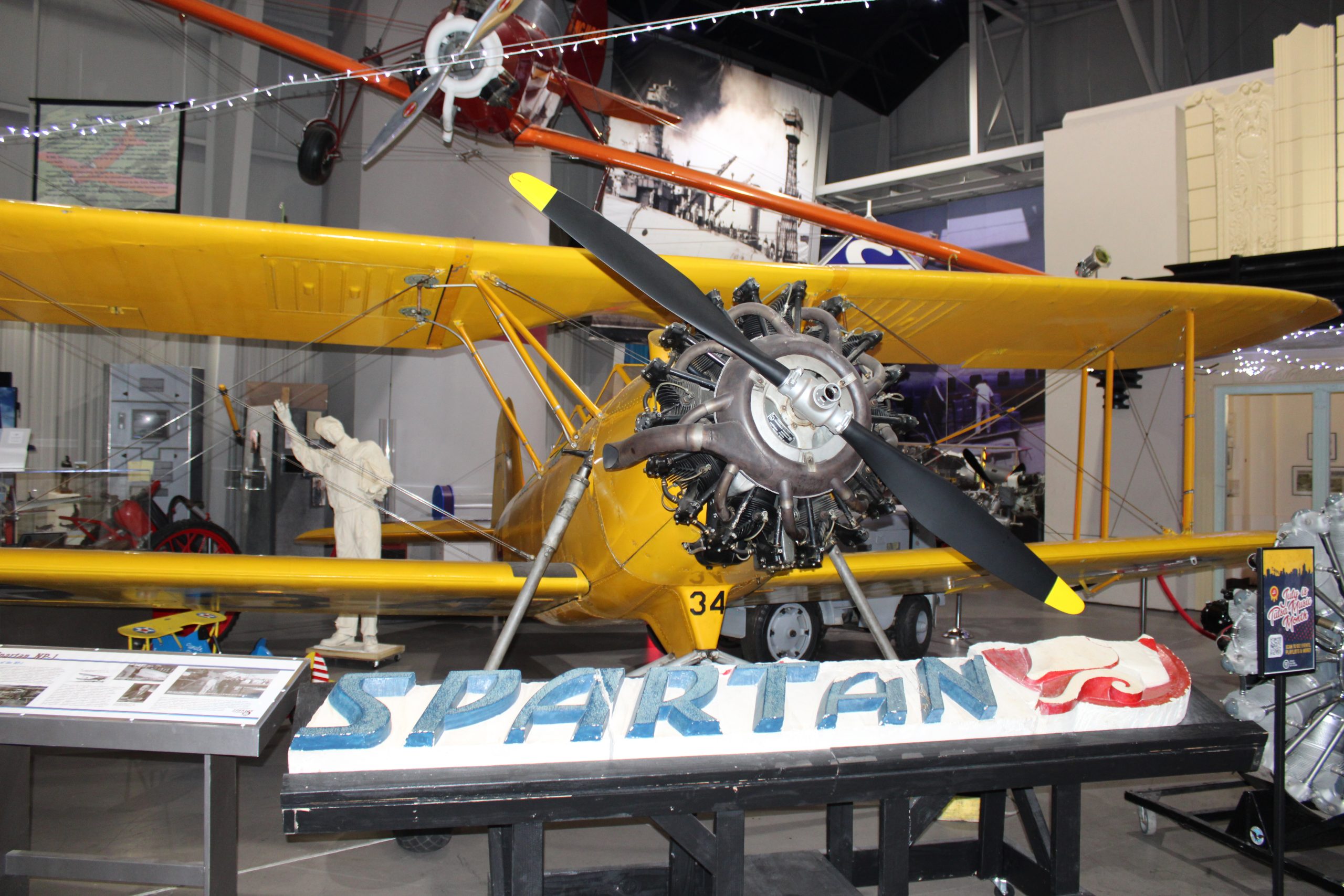
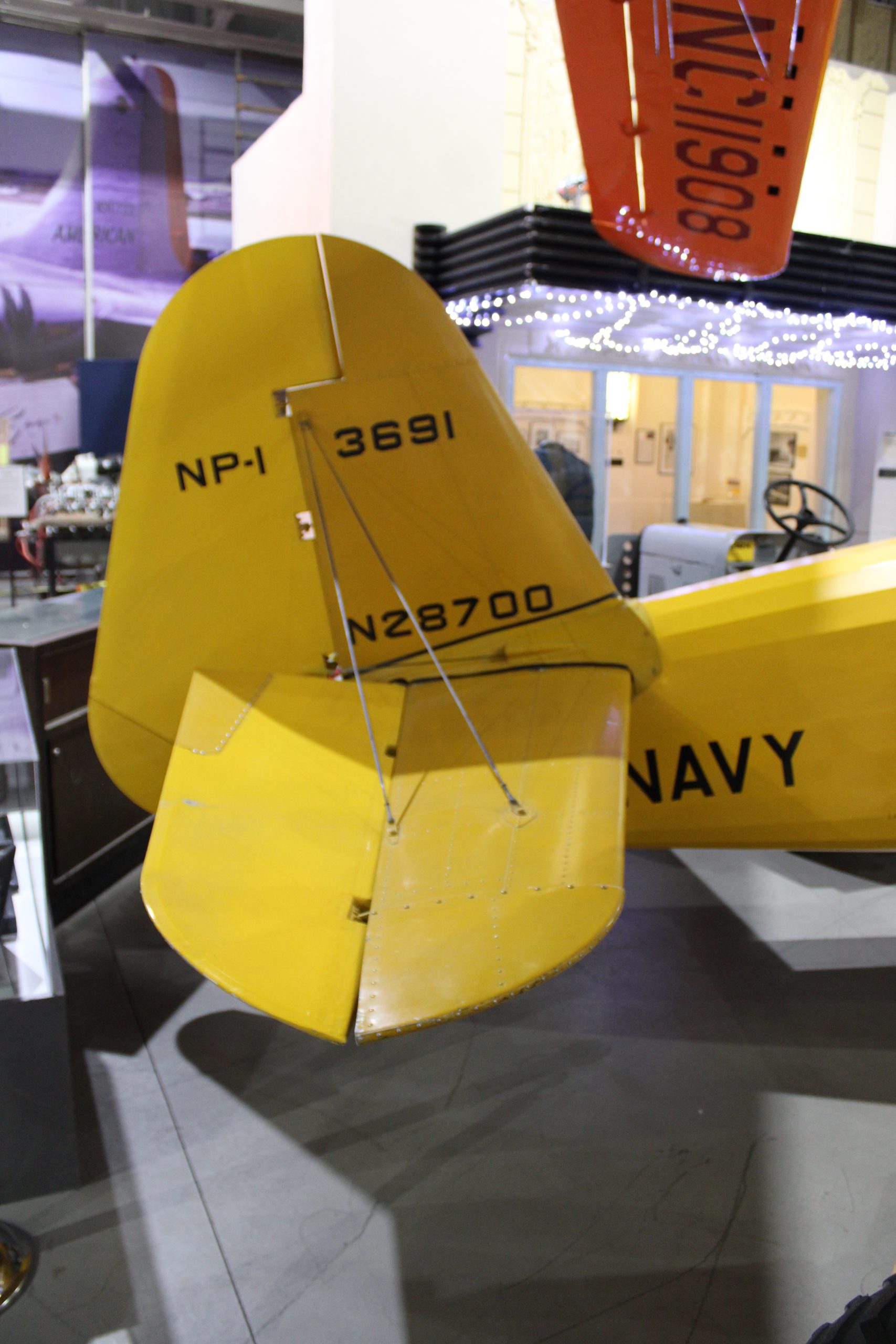
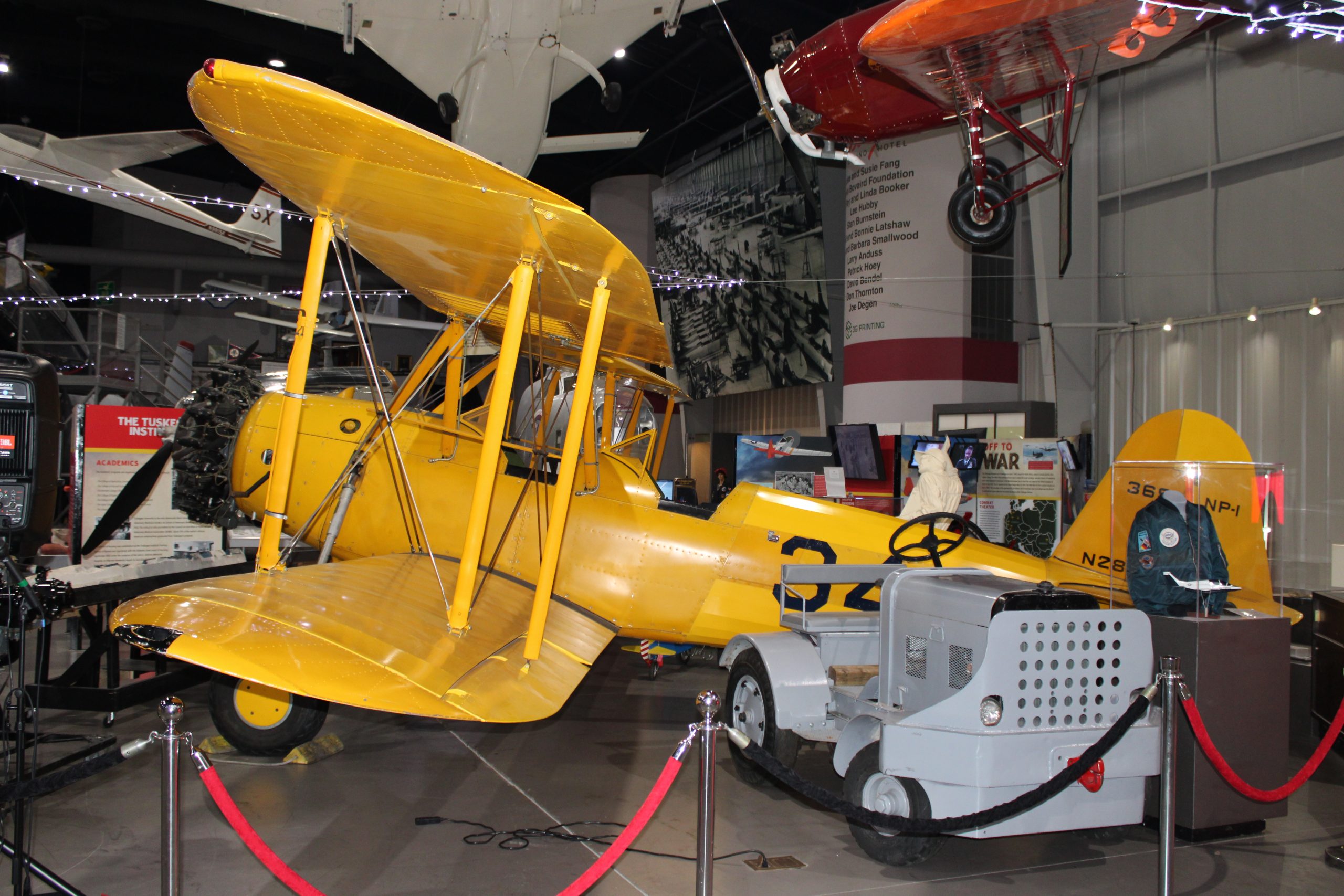
Spartan NE-1 BuNo 3691, c/n 47
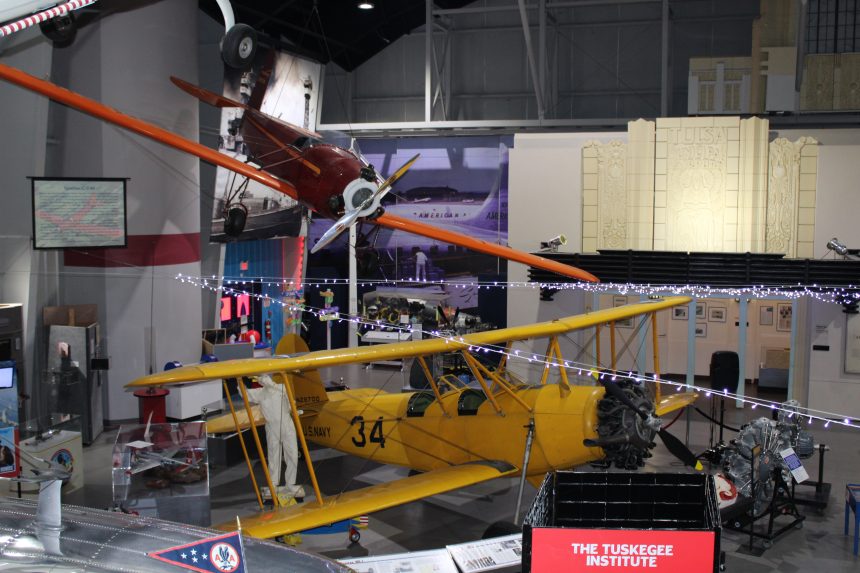
During the Second World War, thousands of aircraft were constructed for the purpose of training aviation cadets into becoming military pilots, and the Spartan Aircraft Company sought to contribute to the war effort in this regard. The Spartan College of Aeronautics began using its facilities to instruct Army Air Corps cadets in 1939 in its 1920s-era C3 biplanes, but soon realized a new design would be required. That year, Spartan engineers Fred Stewart and Lloyd Pearce began design work on a new military biplane trainer based on the C3’s design. This aircraft would incorporate a narrower fuselage for two occupants rather than three on the C3, an additional 18 inches of wingspan, the addition of easily replaceable aluminum wingtips in case of damage from ground loops, and a Lycoming R-680 radial engine. The result was the Spartan NS-1 prototype, which made its first flight at Tulsa on September 23, 1939.
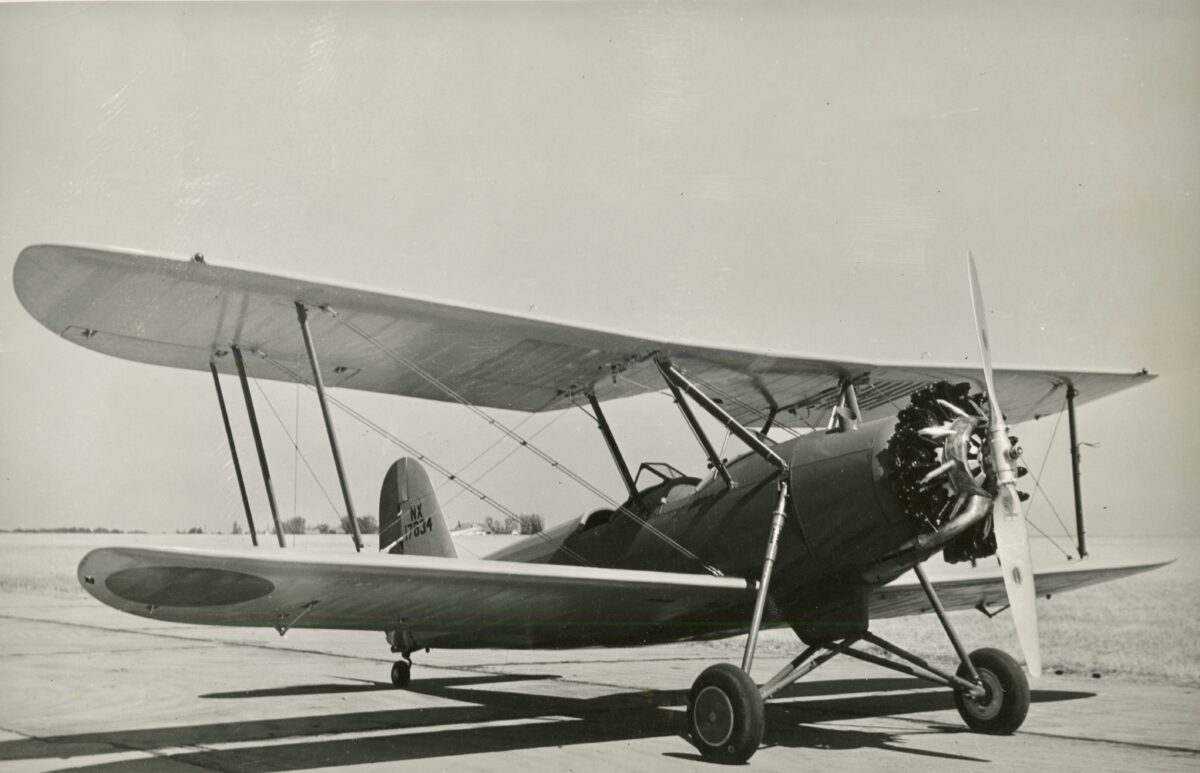
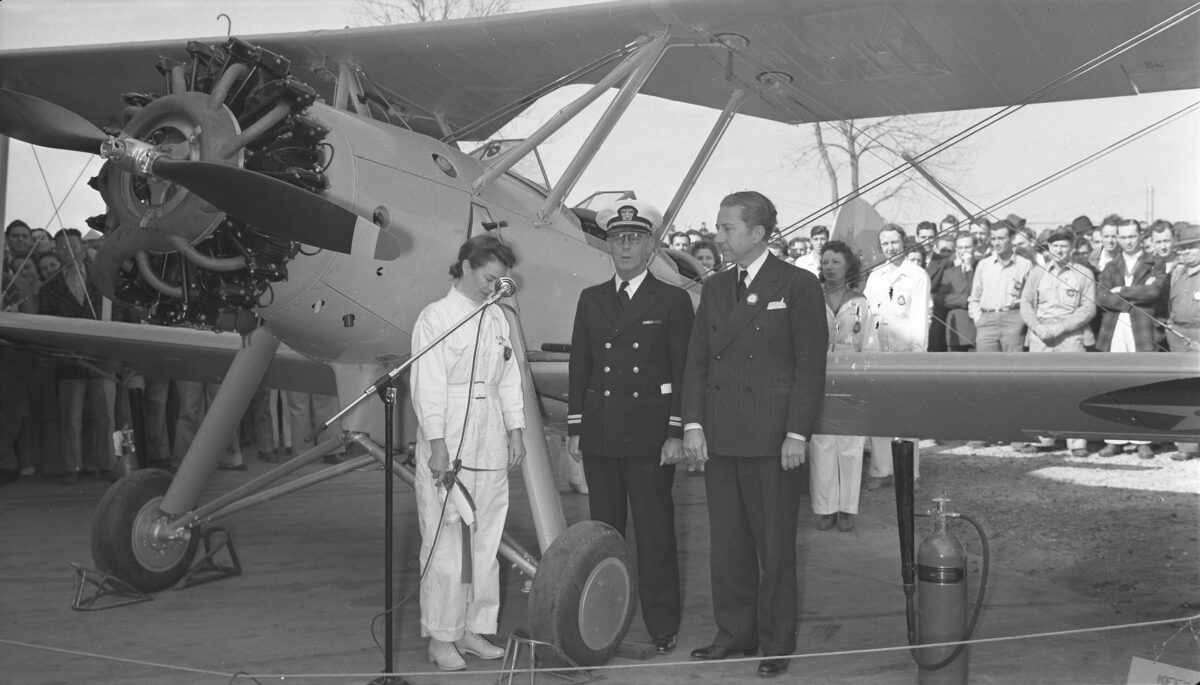
On offering the design to the USAAC, the Army Air Corps rejected the aircraft, but found success with the US Navy, which issued a contract for 200 airframes on July 5, 1940. Since the Stearman Aircraft Company was already classified as “S” in the manufacturing code for Navy aircraft, Spartan’s new trainer was to become the Spartan NP-1. By the time of the Japanese attack on Pearl Harbor, Spartan had already produced around half of their production order for the NP-1, yet they would not be issued any further orders due to other companies, such as Stearman, Fairchild, and the Naval Aircraft Factory, being able to manufacture more aircraft than Spartan could. However, the company would come together on Sunday, March 29, 1942, to manufacture an extra NP-1 based on donated materials and labor, the 201st and last Spartan NP-1 to be built. One day later, on March 30, 1942, the aircraft was at the center of a public ceremony where employee Marguerite Williams dedicated the last NP-1 as “The Spirit of Spartan”, with the President of Spartan Aircraft, oil magnate J. Paul Getty, presenting the aircraft to Navy Lt. W.F. Marriner on behalf of the company. All 201 Spartan NP-1 aircraft manufactured would be used for primary flight training at Naval Air Stations across the continental United States, such as Atlanta, Dallas, Glenview, Illinois, Grosse Ile, Michigan, Kansas City, Minneapolis, New Orleans, St. Louis, and Olathe, Kansas. Among the naval aviation cadets who made their first flights in the Spartan NP-1 was future U.S. president George H.W. Bush, who used NP-1 BuNo 3830 to make his first solo flight at NAS Minneapolis on November 30, 1942. By the end of the war, most Spartan NP-1s had been written off, whether due to accidents or to general wear and tear, with many airframes being scrapped or ending their service lives as instructional airframes in ground schools for mechanics and crew chiefs. More on the history of the Spartan NP-1 HERE.
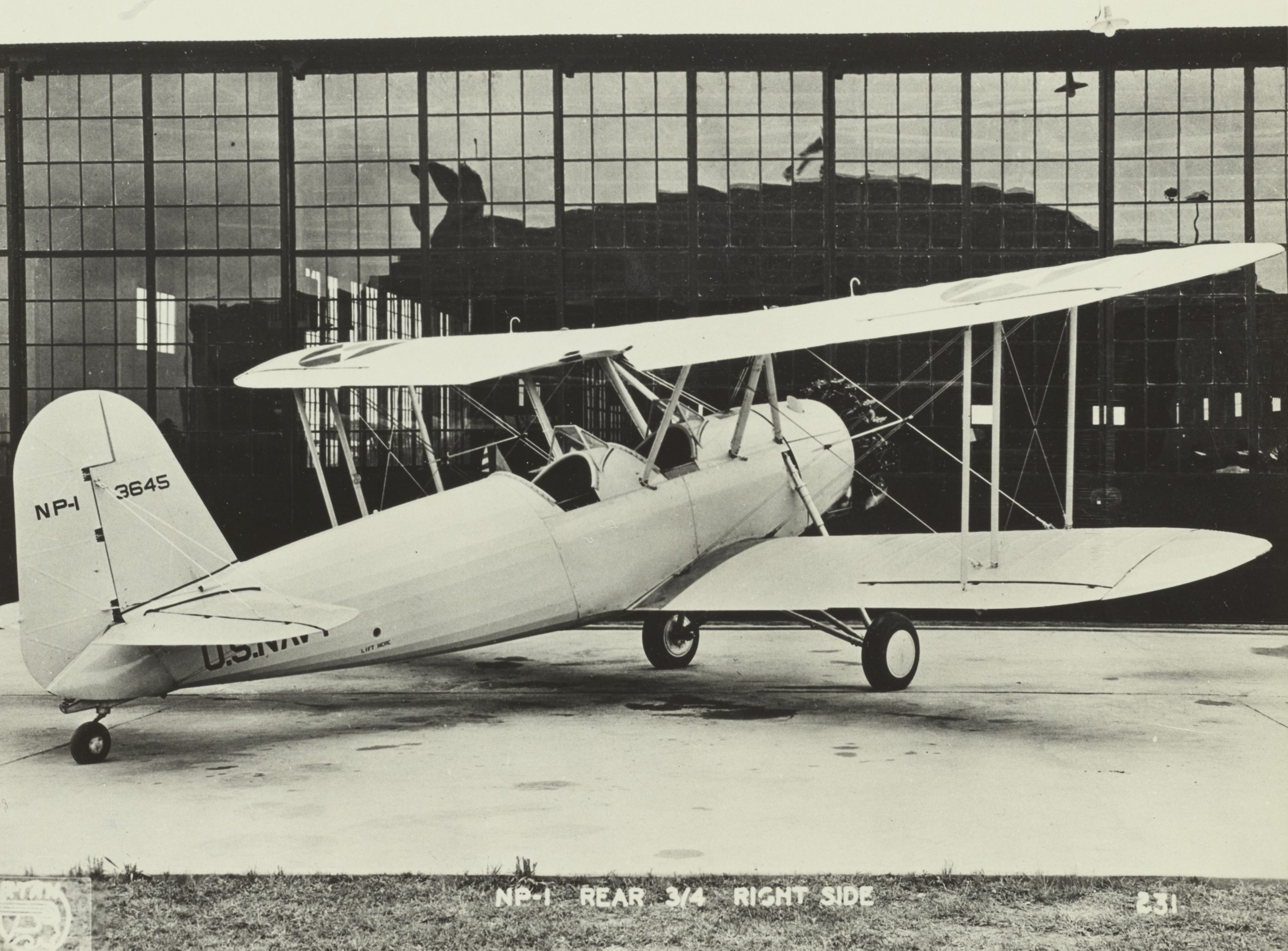
The example on display at the Tulsa Air and Space Museum was built in the Spartan plant as construction number 47, and was completed on November 17, 1941, being accepted into the USN as Bureau Number 3691. On November 21, 1941, the aircraft was shipped to Naval Air Station Grosse Ile, near Detroit, Michigan, arriving there on November 24. BuNo 3691 served at Grosse Ile until March 31, 1943, when it was stricken from the Navy on March 31, and donated to the College of Wooster in Wooster, Ohio as a training aid. Later on, the aircraft was transferred to Clover Park Trade School (Clover Park Technical College) in Lakewood, Washington, as a rigging trainer, where students in mechanics courses would detach and reattach the wings as part of their instructional period. Following this use, the school would use the airframe as an engine testbed before selling the old Spartan off to a crop duster, who also used the airframe as an engine testbed. In 1969, pilot Walter Wright found the remains of Spartan NE-1 BuNo 3691 in an open T hangar at Thun Field near Seattle, Washington. Wright would later locate the remains of two other NP-1s, and over the next 15 years, Wright and his sons would restore the aircraft in his hangar in Oregon, using BuNo 3691 as the basis for an airworthy example. Restored to airworthy condition in the 1980s, the last surviving Spartan NP-1 was maintained in airworthy condition over the next 20 years as N28700 before the Wright family donated the aircraft to the Tulsa Air and Space Museum in 2008, where it remains the only example of its type on display.
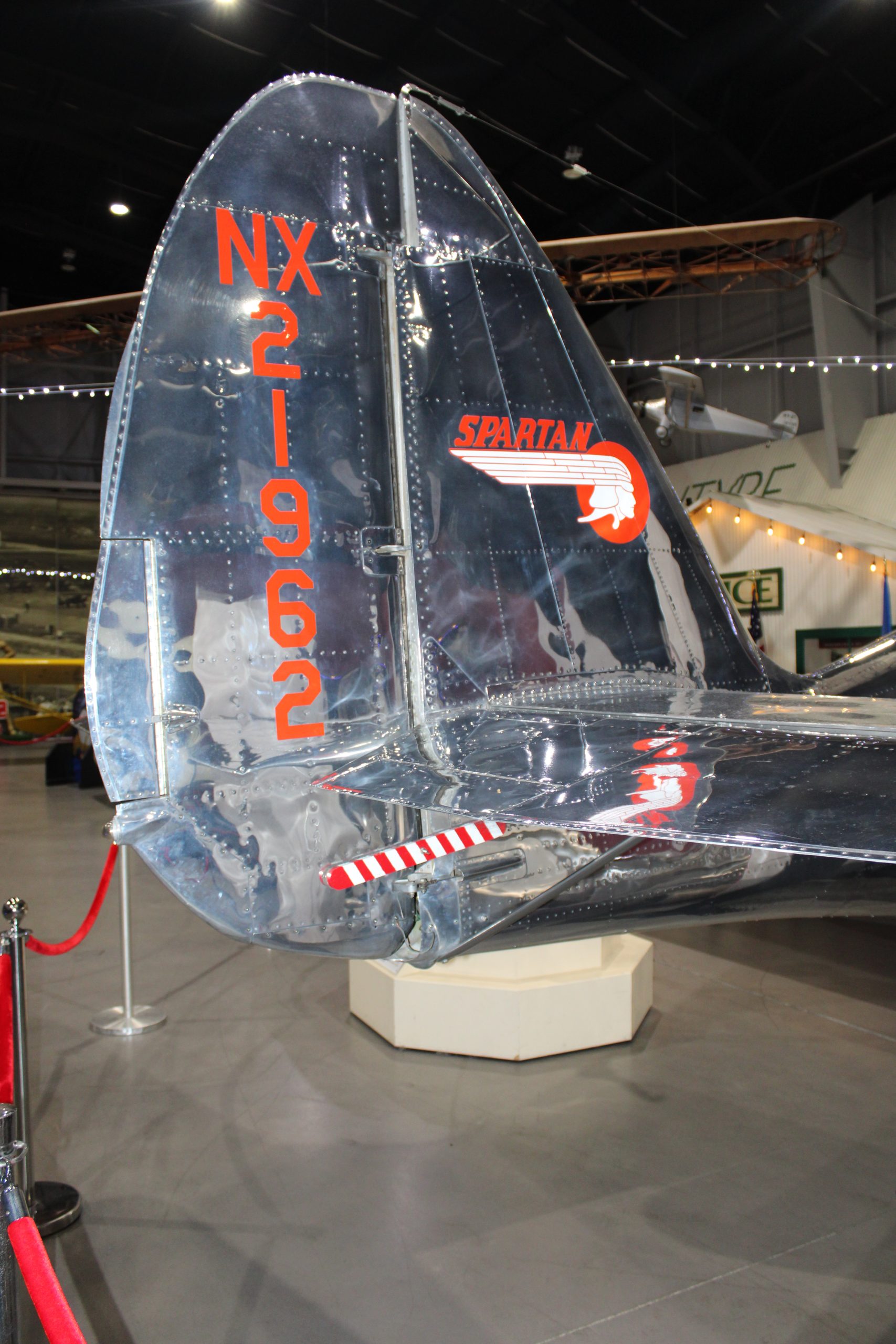
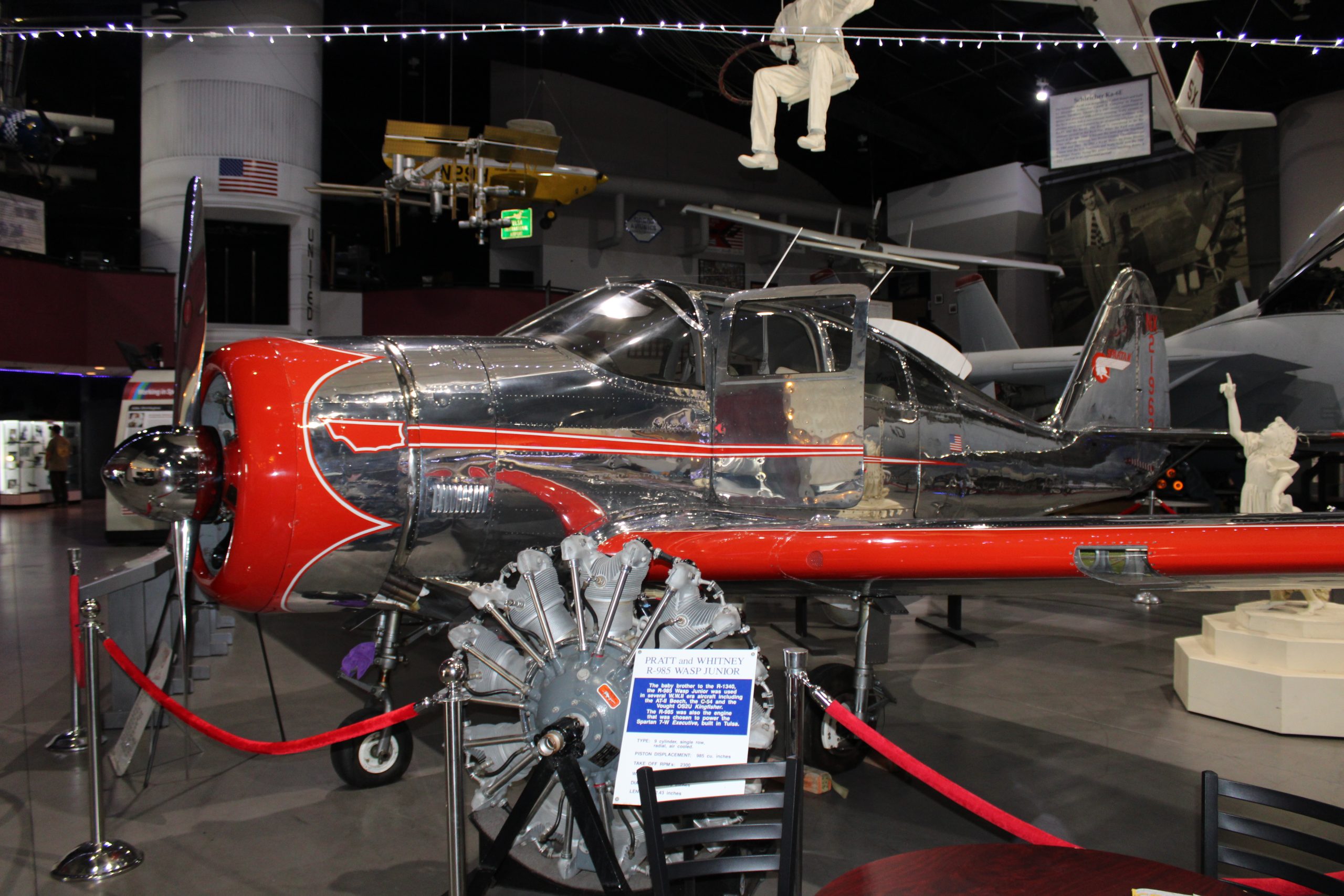
Spartan Model 12 Executive NX21962, c/n 1
If there is one aircraft for which the Spartan Aircraft Company was most well-known, it would be the Spartan Executive. This low-wing, all-metal monoplane was intended to provide oil executives with a comfortable private transport aircraft that was analogous to today’s Gulfstream and Bombardier business jets. With a capacity of between four to five passengers plus a single pilot, the Spartan Executive, particularly the 7W variant, would see limited success during the Great Depression with a small production run of 34 production aircraft plus two prototypes. With the outbreak of WWII, however, the production of the Spartan 7W Executive came to an end in September 1940, and 16 airframes were requisitioned for use in the US Army Air Force as UC-71 utility transports, while four were flown by the RAF for training use. Today, some 19 Spartan Executives remain and are valued in the vintage aviation community for their rarity and their beauty.
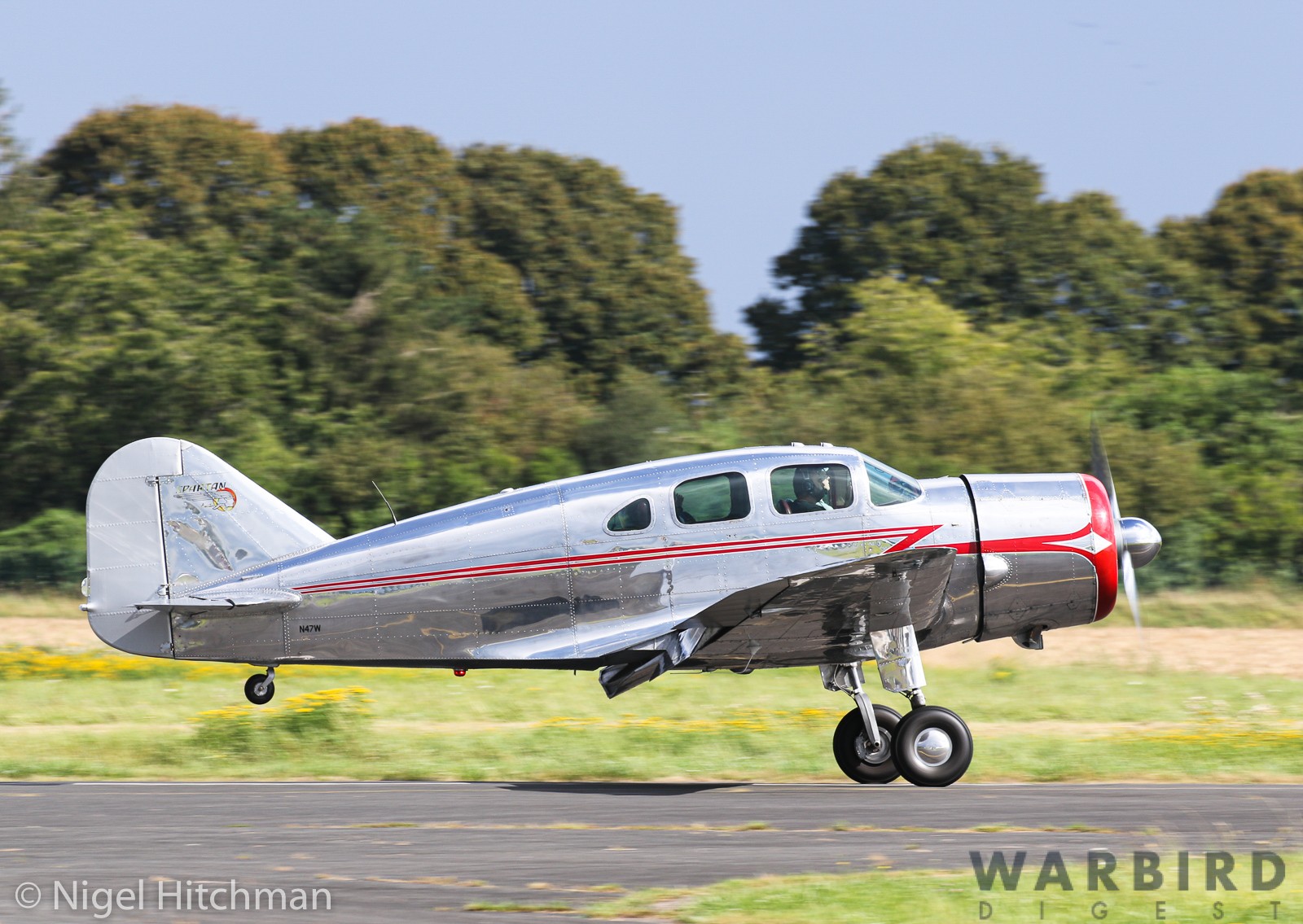
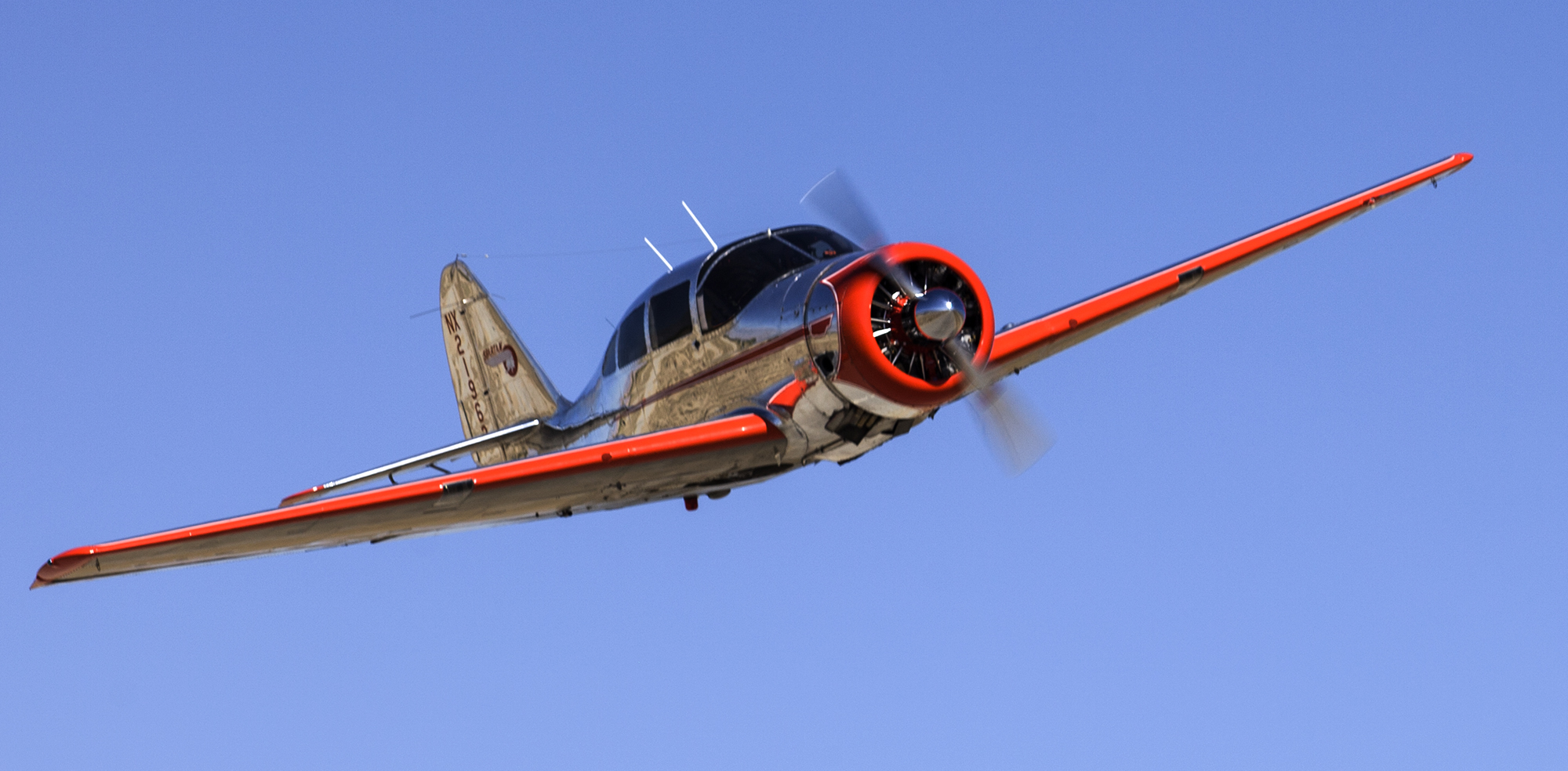
Fittingly, the Tulsa Air and Space Museum is home to the very last Spartan Executive ever built, which was also the final airplane built by the Spartan Aircraft Company, the unique Spartan 12W Executive. The 12W was intended to be a modernized version of the prewar 7W Executive. The tailwheel configuration was abandoned in favor of a tricycle landing gear design, which allowed the rear fuselage to be used for cargo space. However, J. Paul Getty, Spartan’s biggest stockholder, felt the market for postwar aircraft was no longer sufficient for the Spartan Aircraft Company to make a profit with thousands of surplus military aircraft flooding the market, and the Spartan 12W Executive would never go into production. Spartan would instead transition into building travel trailers for families across the United States, using the same methods of monocoque manufacturing in these trailers as their Executive aircraft had once used.
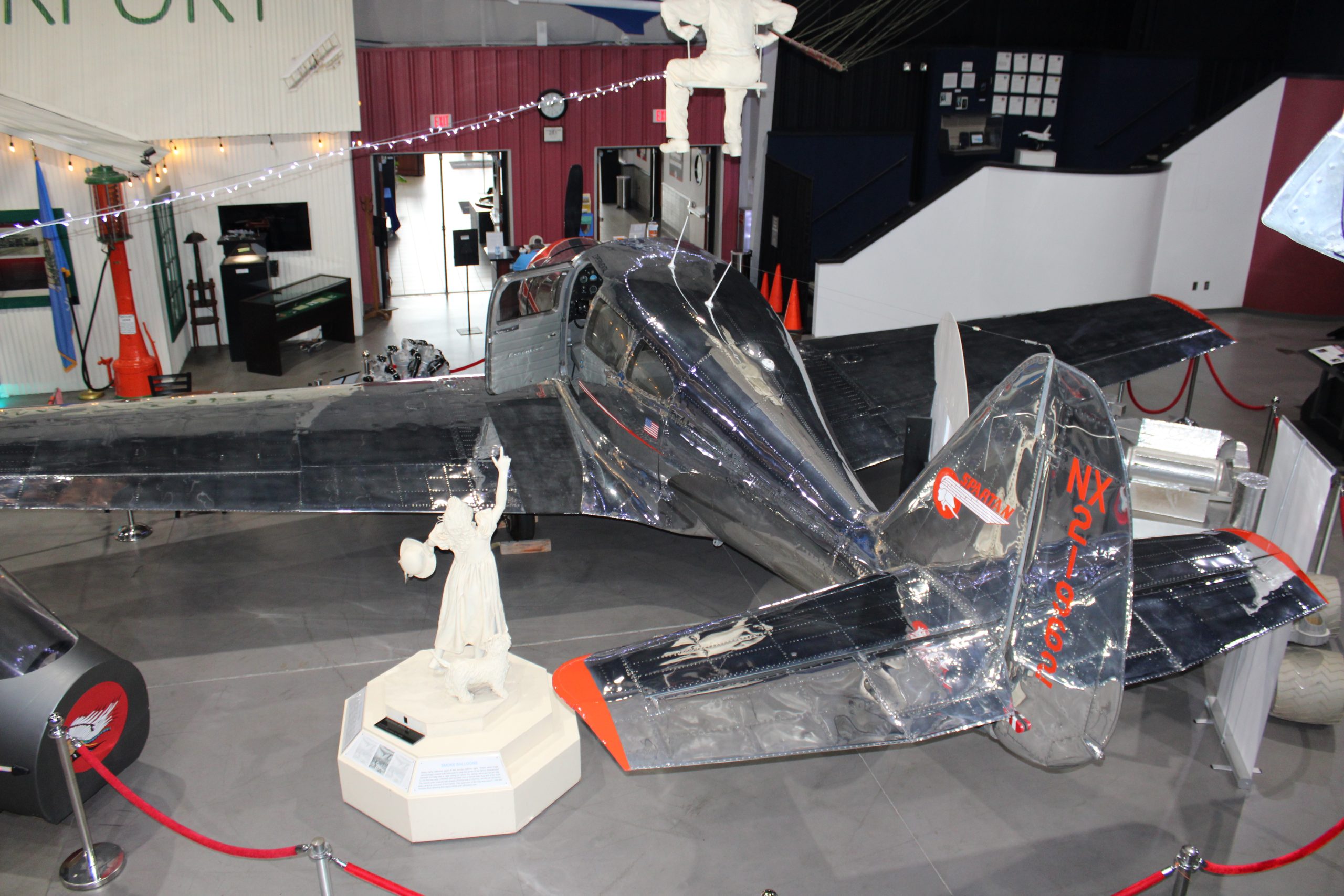
However, a single 12W Executive, NX21962, would be manufactured, with construction starting in July 1945, and on May 26, 1946, the sole example of the Spartan 12W Executive, NX21962, would make its first flight as the very last airplane ever built by Spartan, with pilots Maxwell Balfour and Earl Ortman at the controls. It would remain in use as a company aircraft for corporate executives until 1959, when it was retired to the Spartan company’s repair hangar. During the 1960s, word spread among the local aviation community in Tulsa that the Spartan company would be scrapping the 12W Executive to save space in their hangar. It was then that Gordon Goodhead, the same pilot who restored the Spartan C2 mentioned earlier in this article, spoke with Maxwell Balfour, now Vice President of Spartan Aircraft, about the aircraft, and on September 24, 1963, Balfour sold the aircraft to Goodhead for the symbolic price of one dollar, on the condition that the aircraft be maintained in airworthy condition and remain in Tulsa. However, Goodhead would make a deal with pilot Ed Wegner of Plymouth, Wisconsin, who would also restore a Spartan C3 biplane. According to the Tulsa Air and Space Museum, when Wegner began working on the Spartan, it had a burned out engine, no interior, and no instruments, but by 1966, the aircraft was restored, and for the next six years, Wegner would fly the 12W Executive at fly-ins held by the Experimental Aircraft Association (EAA) until he sold off the aircraft in 1972.
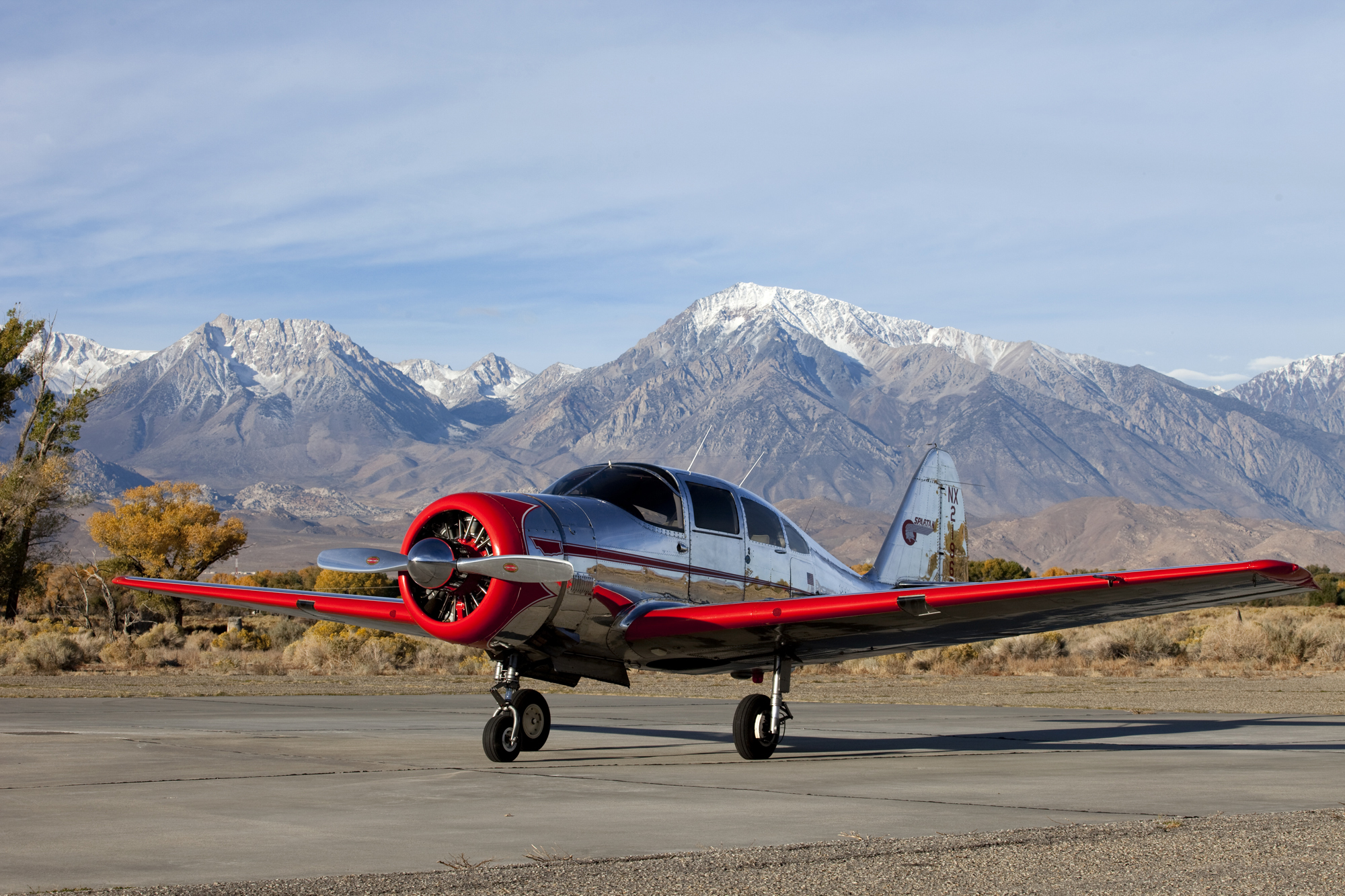
After Wegner sold off the Spartan 12W Executive, the unique aircraft was passed from owner to owner, and flew across the United States attending airshows and fly-ins, and even once flew over the Wright Brothers National Memorial at Kill Devil Hills, North Carolina, and by 1999, the aircraft was owned by Dennis and Linda Nikolaus of Bishop, California, who continued to maintain it in airworthy condition. In 2012, Linda Nikolaus, who had previously toured the Tulsa Air and Space Museum and Planetarium, reached out to the museum about the Spartan 12W Executive. Since the leadership of the museum had been unsure of ever getting a rare Spartan Executive, they enthusiastically jumped at the opportunity to secure the last airplane ever built by the Spartan Aircraft Company to their collection. On September 26, 2012, ferry pilot Ken Morris flew the Spartan 12W Executive into Tulsa International Airport for it to become a permanent part of the Tulsa Air and Space Museum’s collection.
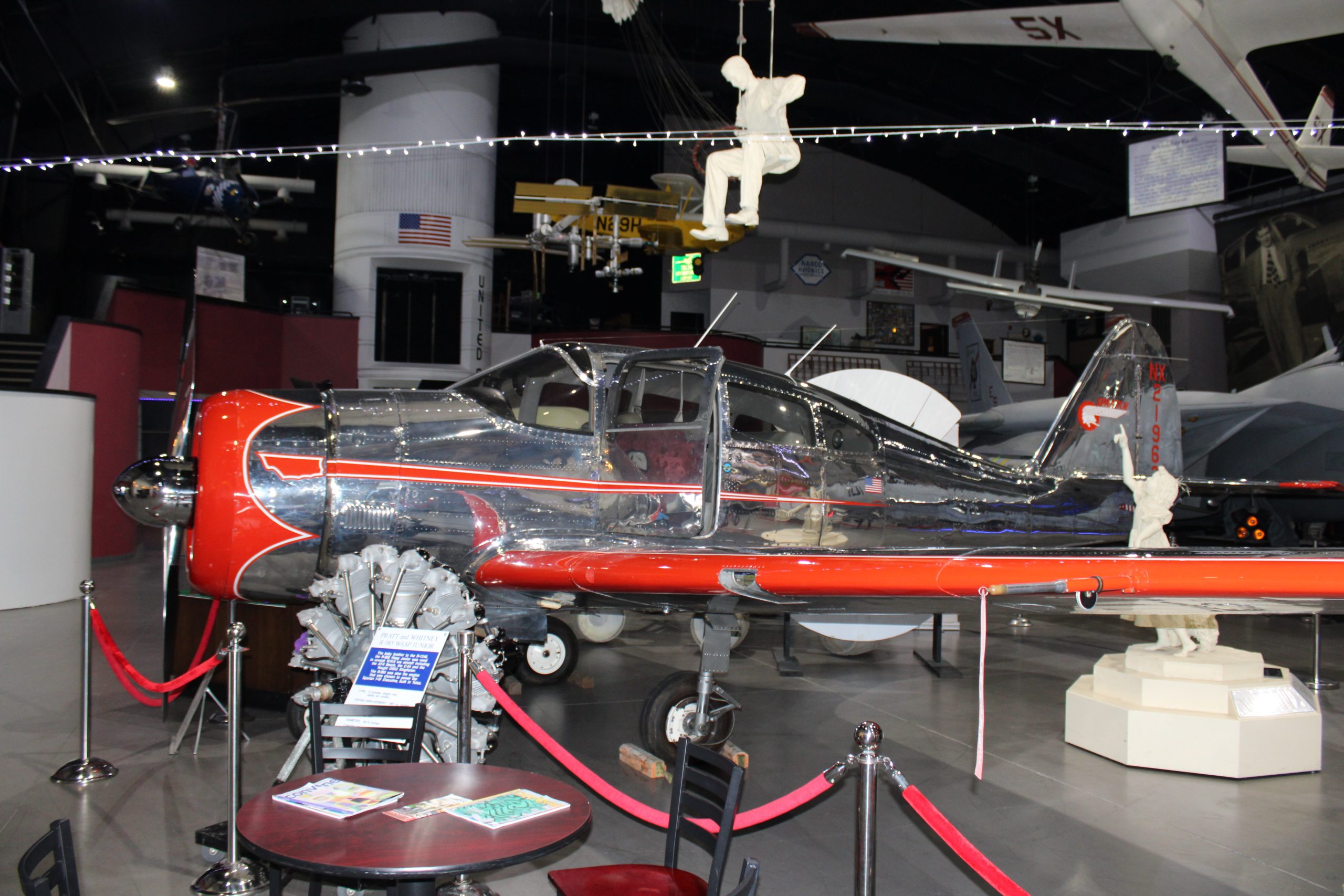
Today, these three aircraft, all built in Tulsa by the Spartan Aircraft Company, remain as permanent reminders of the contributions the city of Tulsa has made to the aviation industry, and the Tulsa Air and Space Museum stands as one of the most prominent aerospace museums in Oklahoma, inspiring future generations of aviators, and providing a place for the city to remember its past in the air.