We appreciate the support from readers like you at Foxiz. Through your purchases using the links on our site, you empower us with affiliate commissions.
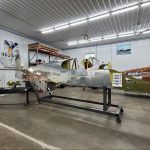
AirCorps Aviation continues work on the rare P-51B Mustang Shillelaugh for the Dakota Territory Air Museum. In this latest update, Chuck Cravens details the progress being made by the Bemidji, Minnesota–based restoration team since the last report in January 2026.
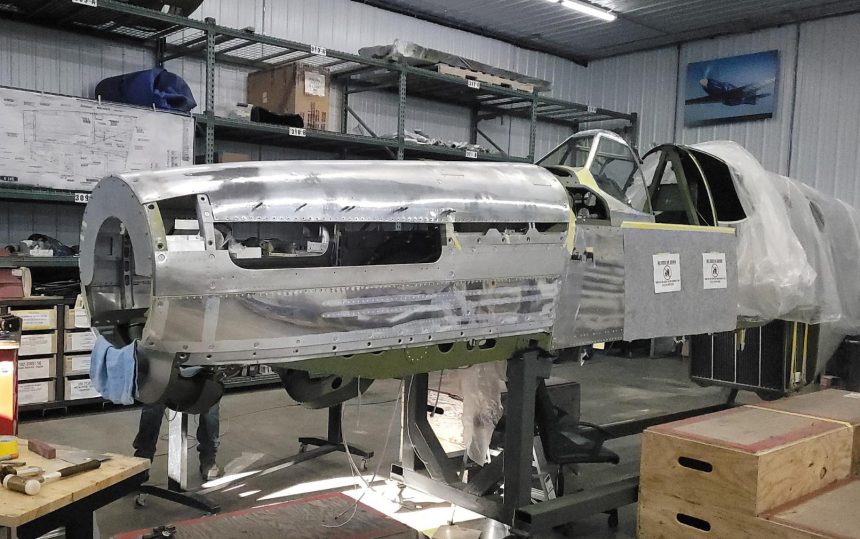
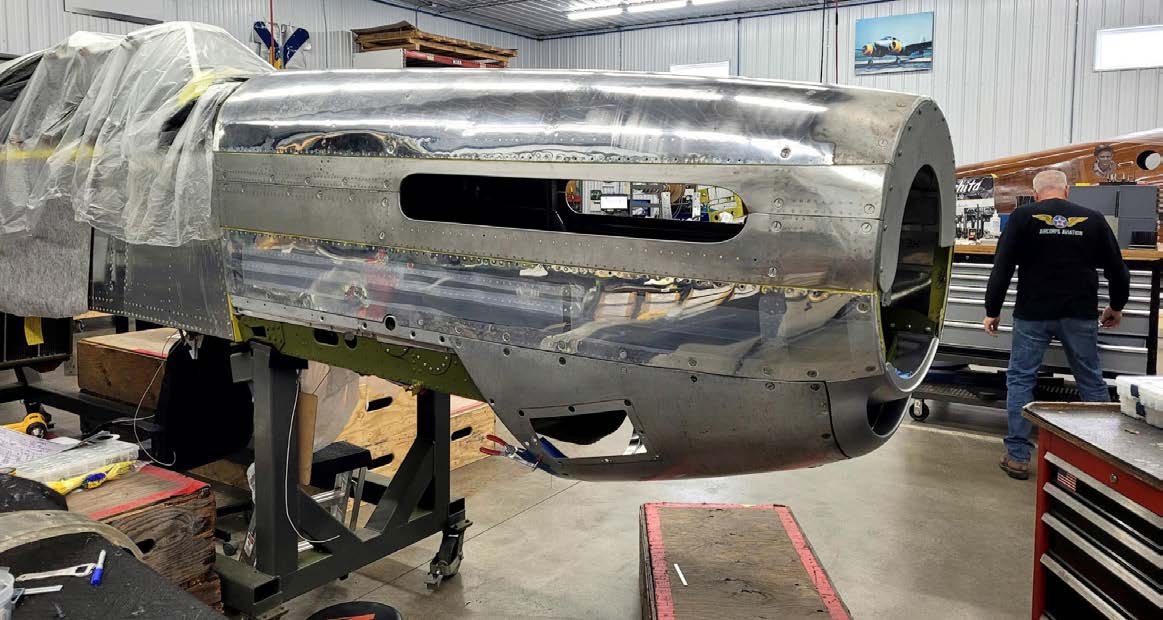
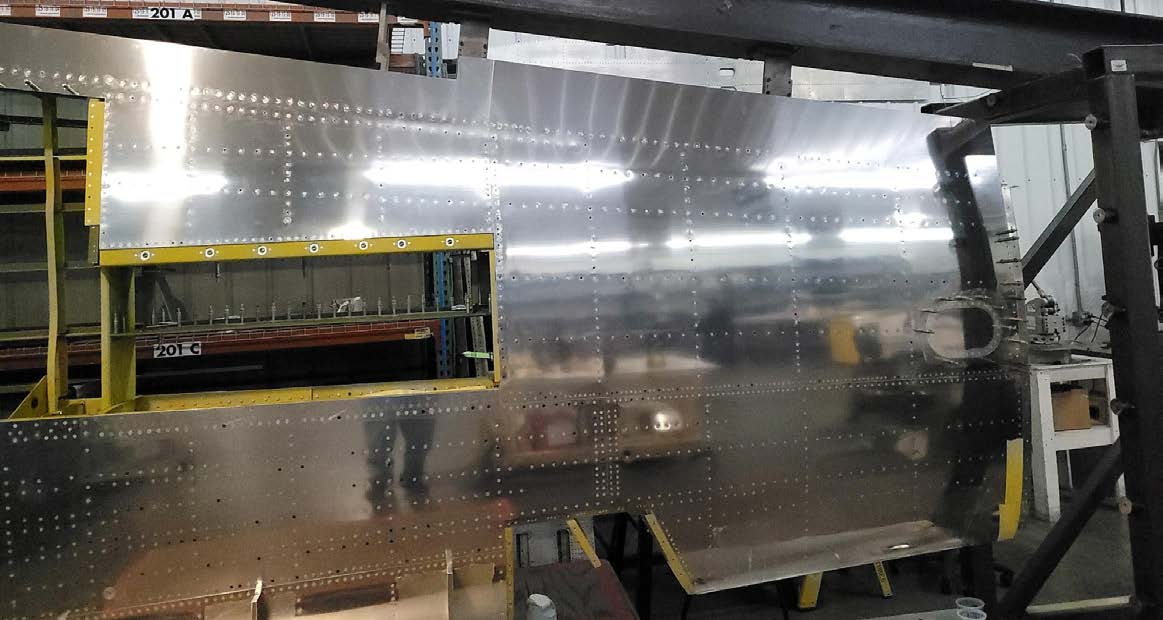
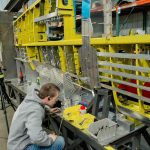
The lower right side cowl panels are seen here after being riveted together. (image via AirCorps Aviation)
SHARE
As most readers will be well aware, AirCorps Aviation has completed numerous world-class aircraft restorations over the past decade or so at their now-famed workshop in Bemidji, Minnesota. They are working on several different projects at present, with one of these being the rare P-51B Mustang known as Shillelaugh, which they are rebuilding for the Dakota Territory Air Museum. Chuck Cravens has provided us with several updates on this marvelous project over the past few years, and this is his latest. We feel sure that our readers will enjoy learning what the master-mechanics at AirCorps Aviation have been up to since our last report in January 2026.
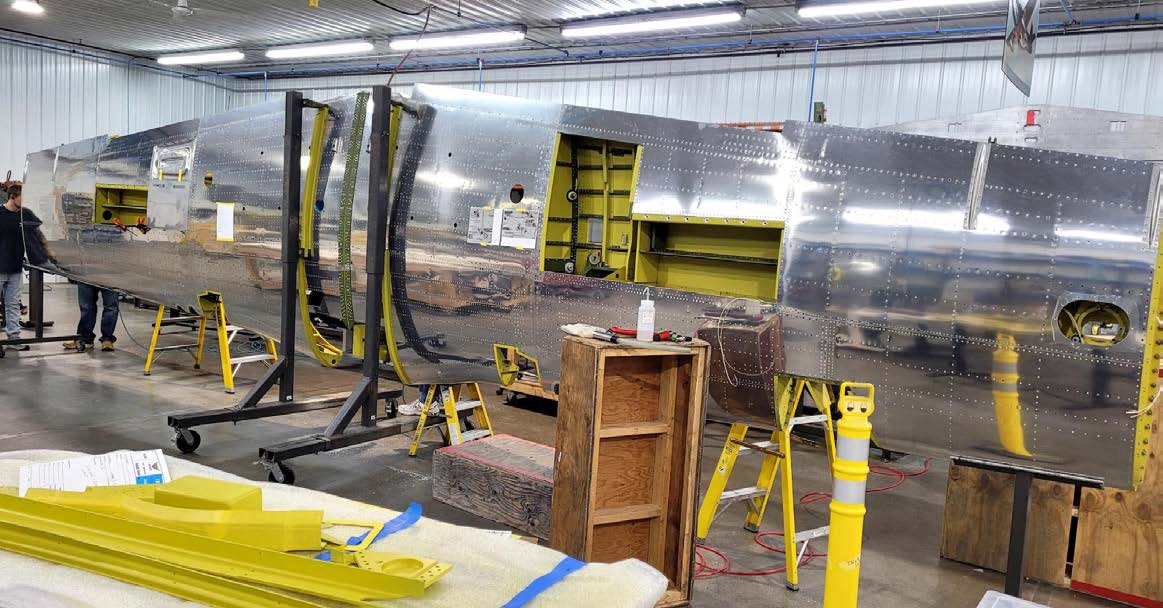
The Mustang’s wing is now out of the fixture! (image via AirCorps Aviation)
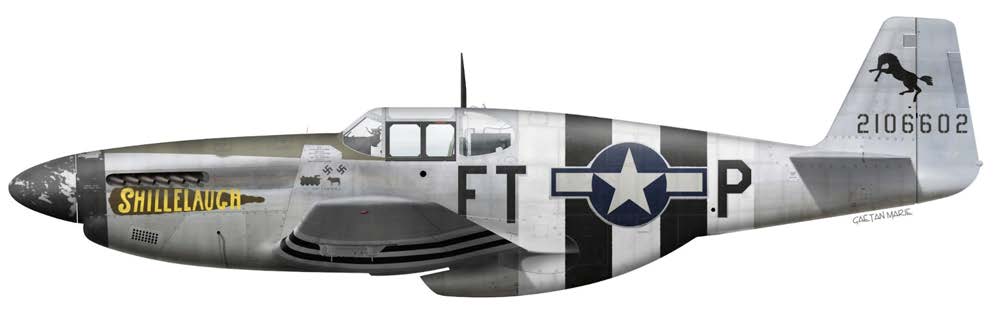
Great progress has taken place since the Fall update. The Mustang’s nose section is coming together, but perhaps most significantly, the wing’s restoration has advanced sufficiently to allow removal from its assembly jig. As longtime readers will know, David O’Hara, whose combat legacy this aircraft represents, flew several P-51s during WWII, each bearing slightly different nose art and spelling variations of its nickname. The Dakota Territory Air Museum recently decided that it wants the restored Mustang to feature the livery it wore during the D-Day invasion of June 6, 1944. That aircraft’s nickname was spelled Shillelaugh, so that is the way we shall refer to it from now on.
Fuselage
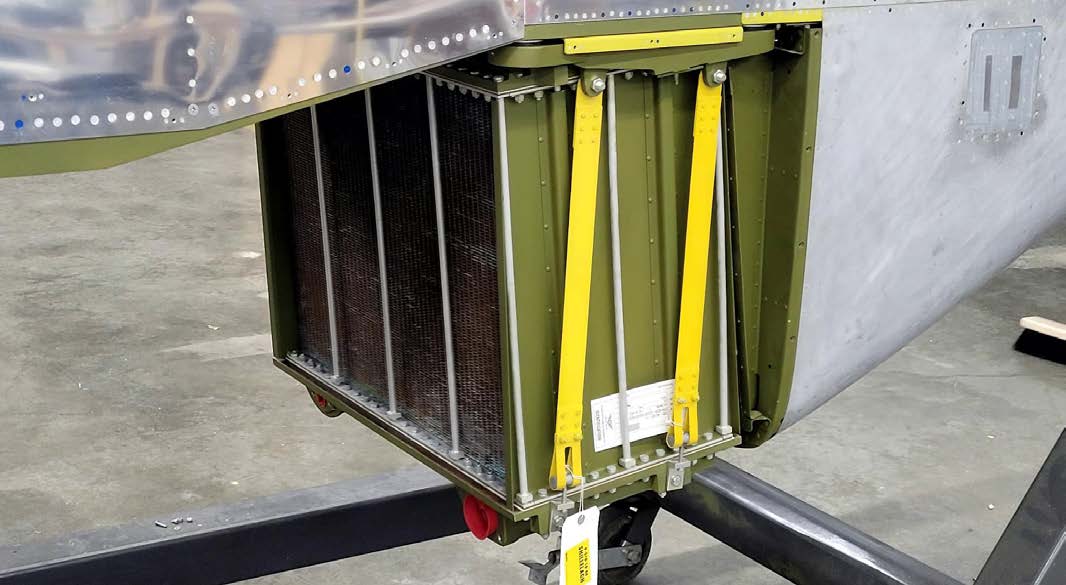
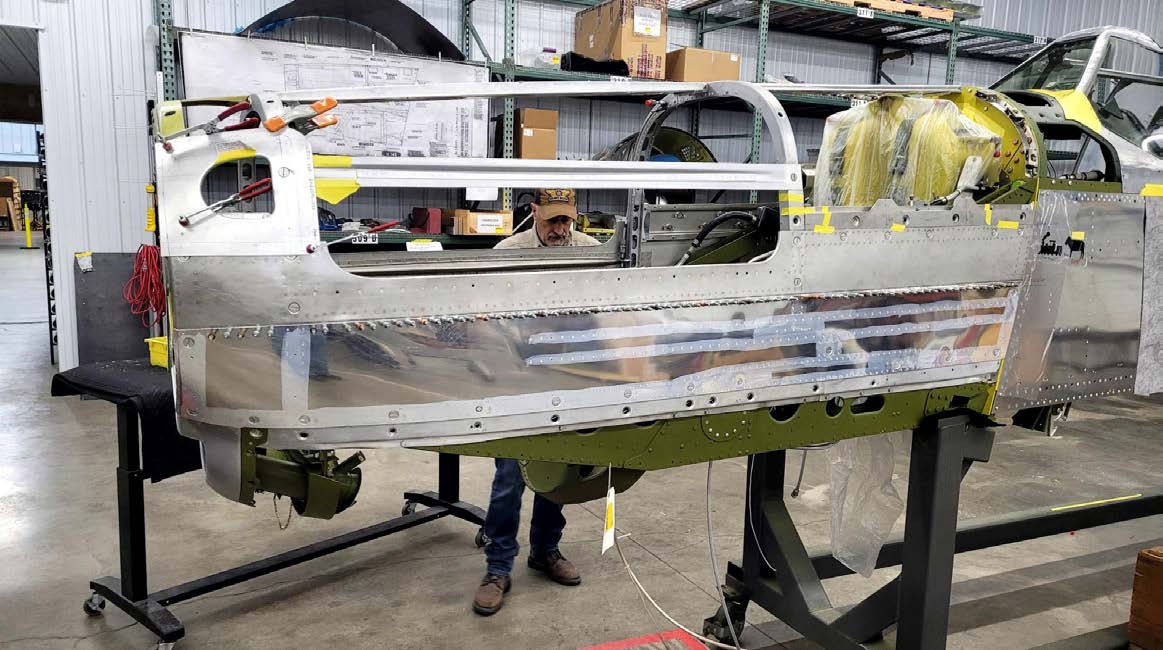
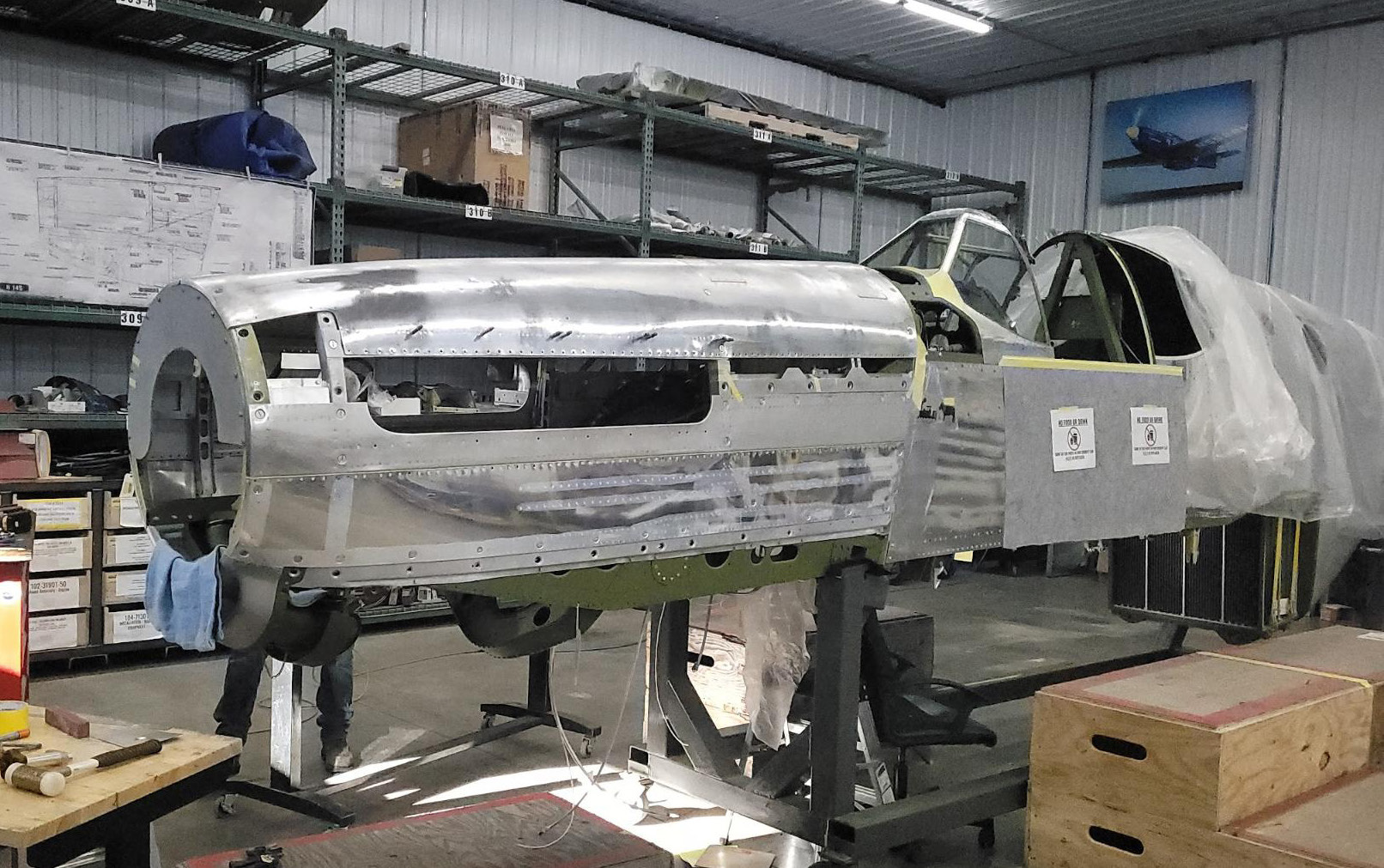
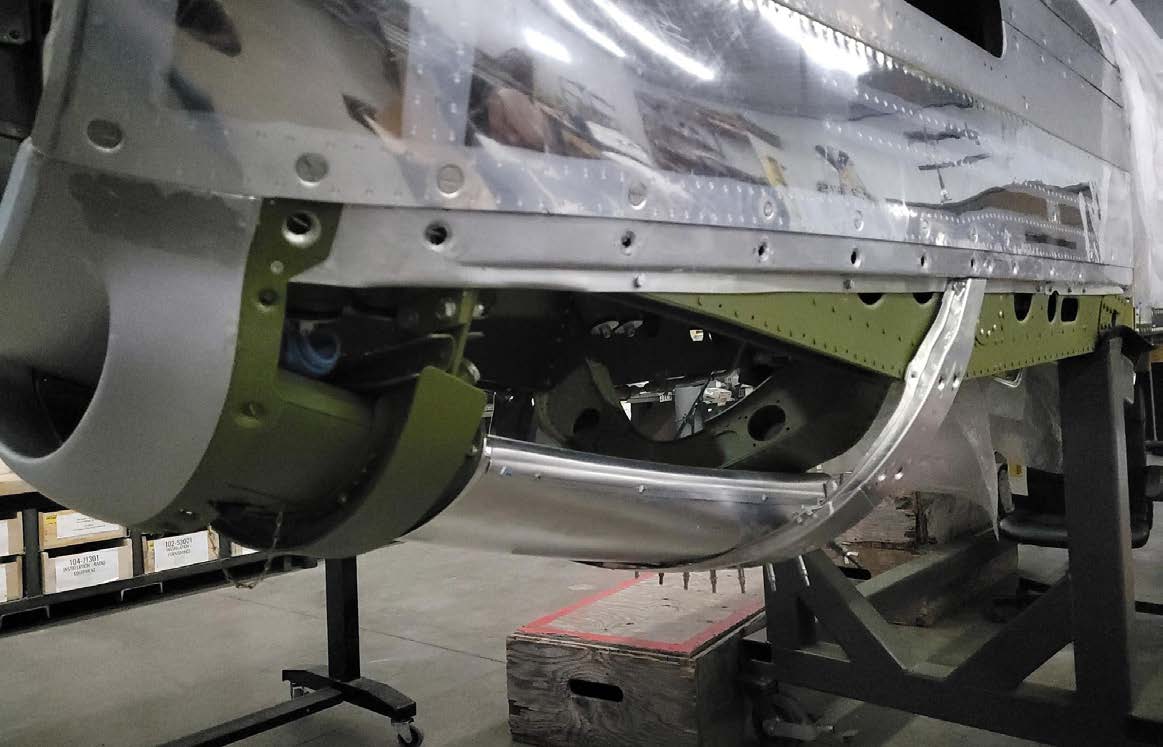
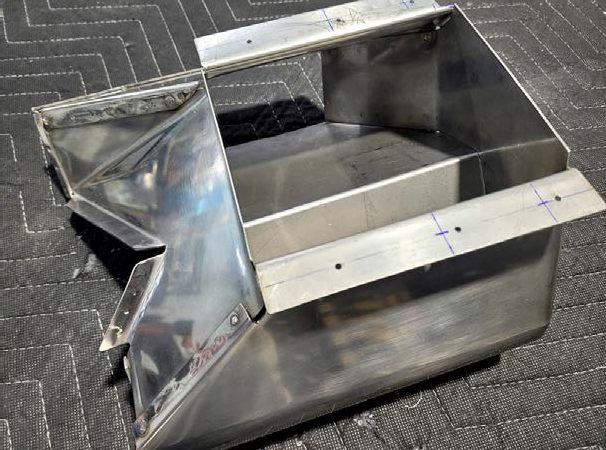
The restoration team trial-fitted the radiator to ensure it fitted correctly. Significant progress also took place on the cowl skin panels. The carburetor air duct installation is now underway, too.
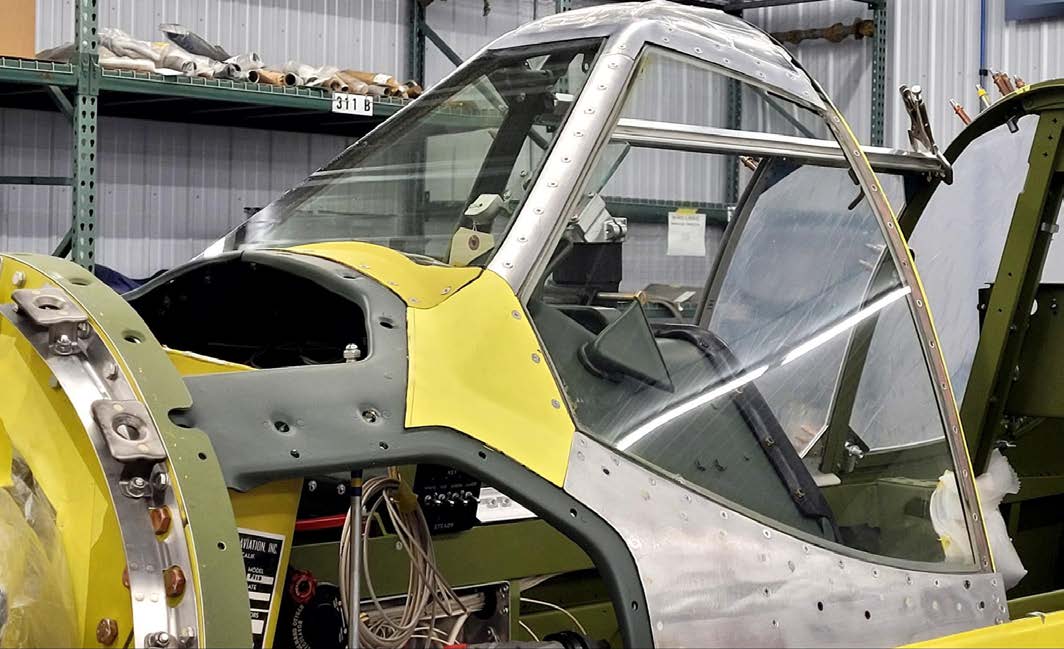
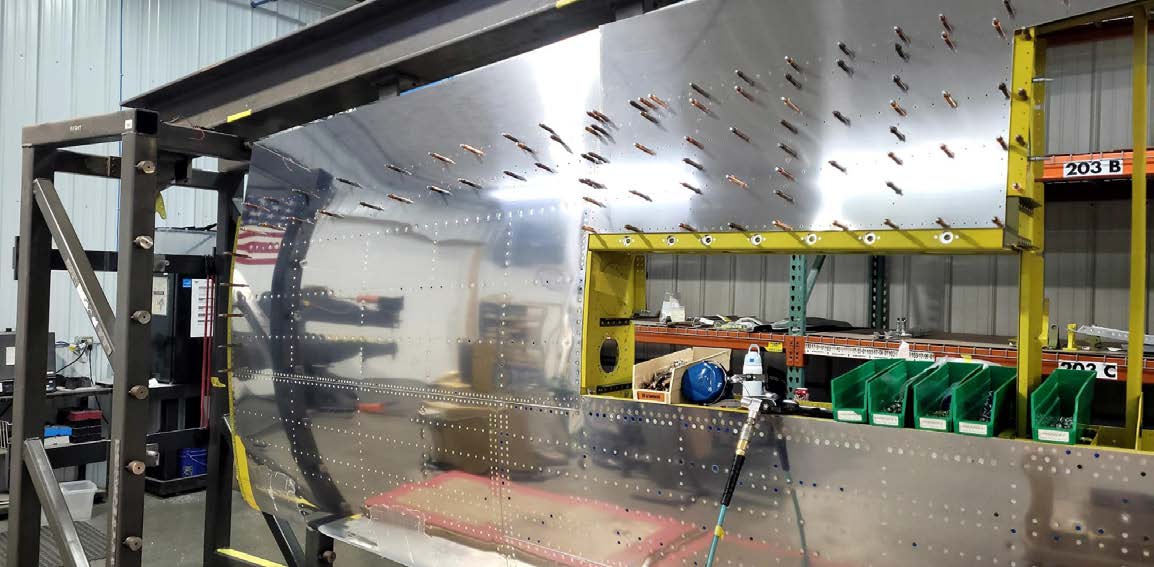
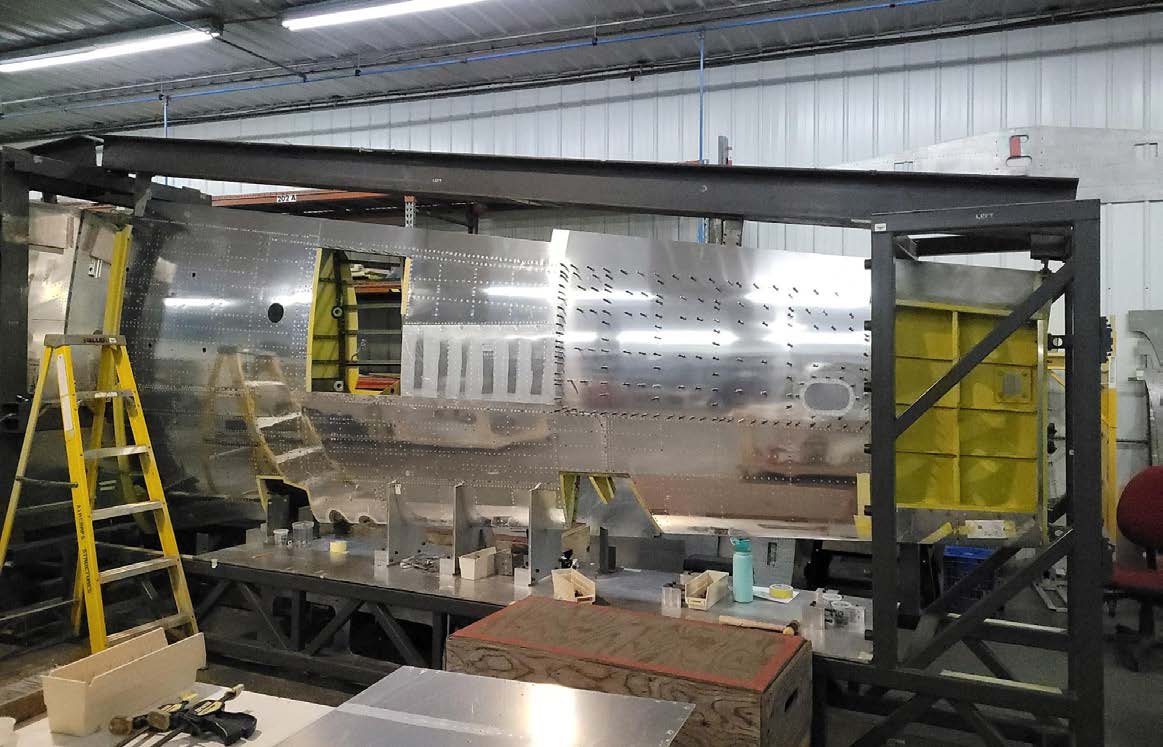
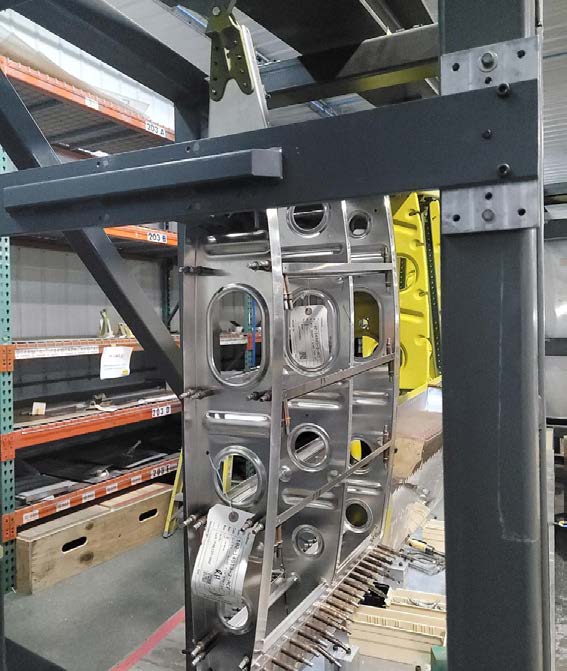
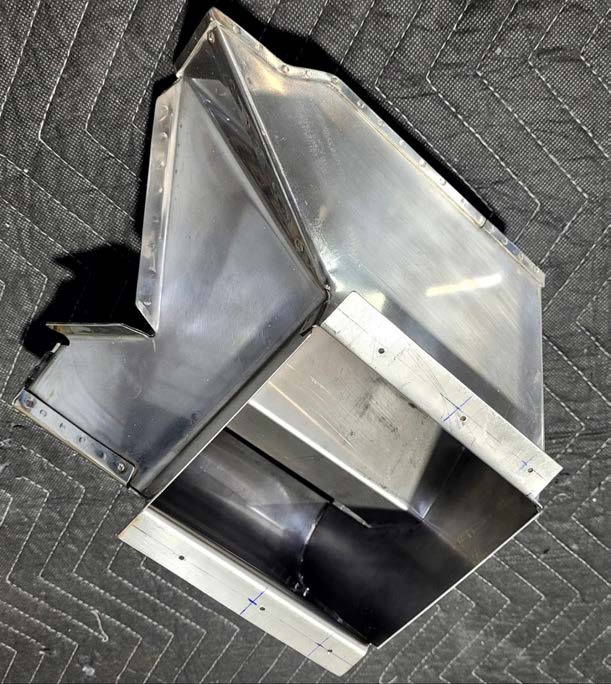
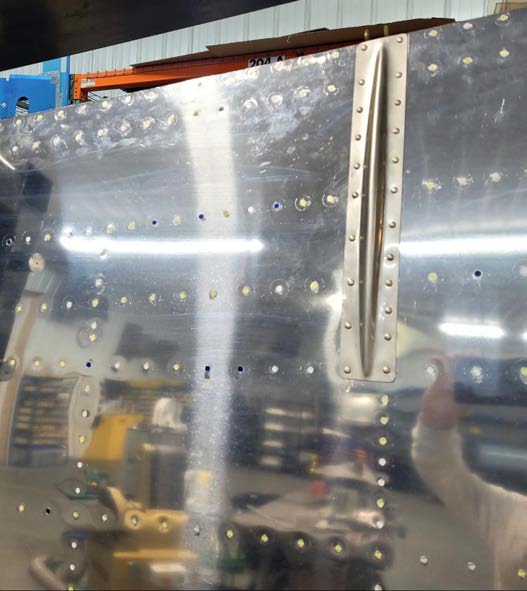
The radiator is test-mounted. (image via AirCorps Aviation)The windshield and access cover openings are seen here. The panel for the lower opening is where Shillelaugh’s pilot and crew names were painted. (image via AirCorps Aviation)The lower cowl panel is seen here, clecoed on for trial-fitting. (image via AirCorps Aviation)The lower right side cowl panels are seen here after being riveted together. (image via AirCorps Aviation)The forward section of the carburetor air duct is seen here during trial-fitting. (image via AirCorps Aviation)The Mustang’s nose is beginning to assume its familiar shape here as cowl panels are added to its righthand side. (image via AirCorps Aviation)
Cockpit
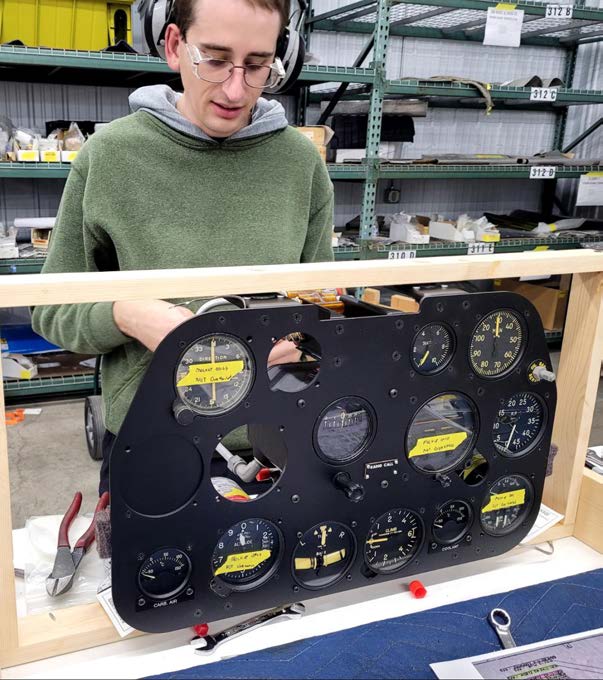
Systems installation and testing were important areas of effort in the cockpit. The instruments were installed in the panel. The electrical system was powered up, and lights and instruments were tested for proper functioning.
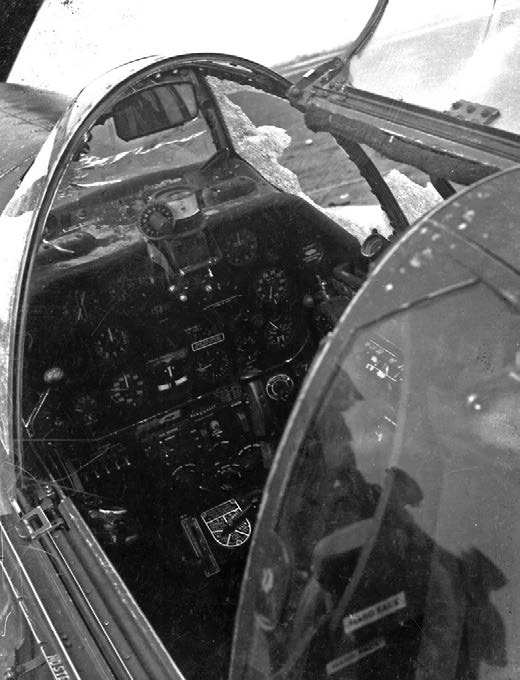
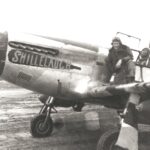
Shillelaugh’s cockpit would have been in the same configuration as depicted in this wartime image. (image via AirCorps Aviation)
Aaron is seen here fitting instruments to the Mustang’s cockpit panel. (image via AirCorps Aviation)
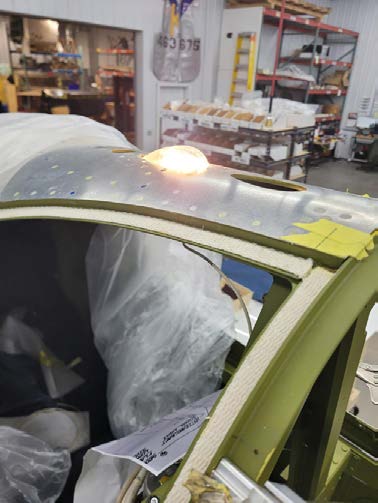
In this image, Aaron has powered up the
electrical system, with the formation light having been lit. Also visible is the cotton webbing seal
for the window. (image via AirCorps Aviation)
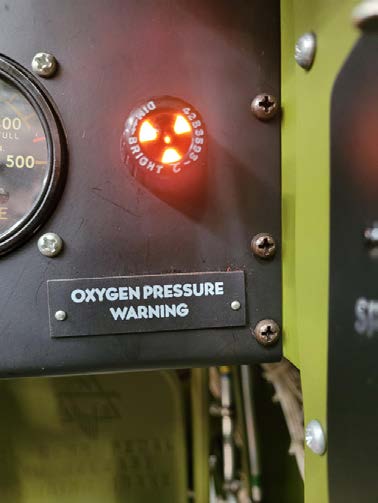
Another electrical test shows the oxygen pressure warning light lit up. (image via AirCorps Aviation)
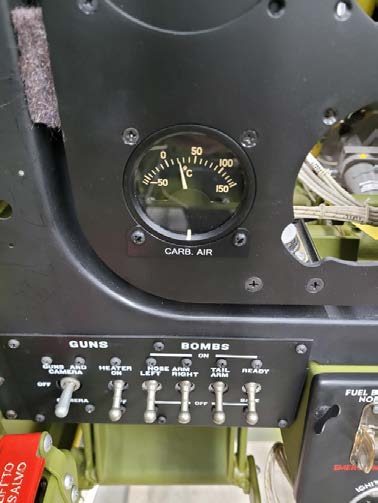
Although it is difficult to tell in this image, the carburetor air gauge is lit up. Below that is the armament switch panel. (image via AirCorps Aviation)
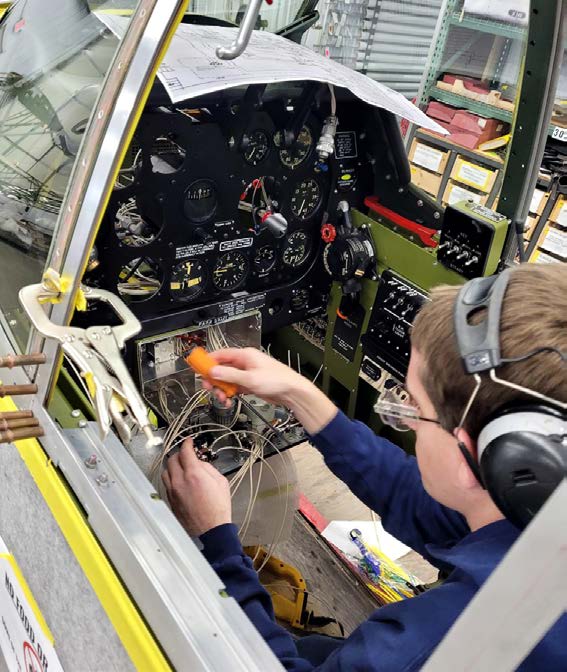
Aaron is seen here working on wiring up the pilot’s main switch panel. (image via AirCorps Aviation)
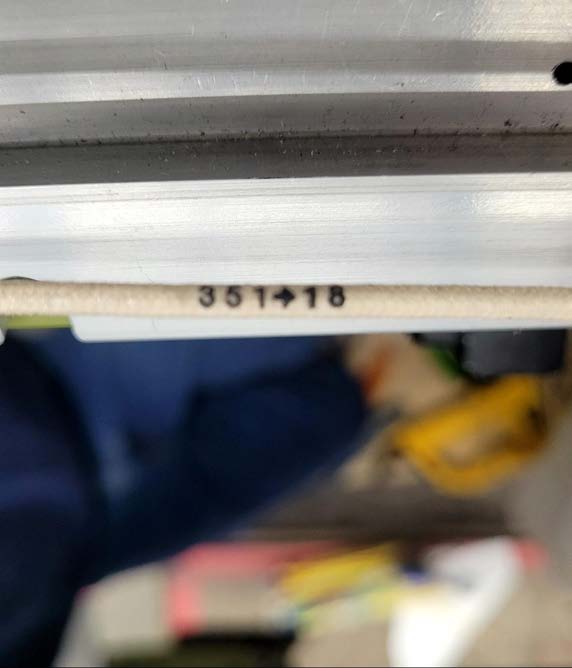
All of the wiring for the Shillelaugh restoration carries period-correct markings in the appropriate font. (image via AirCorps Aviation)
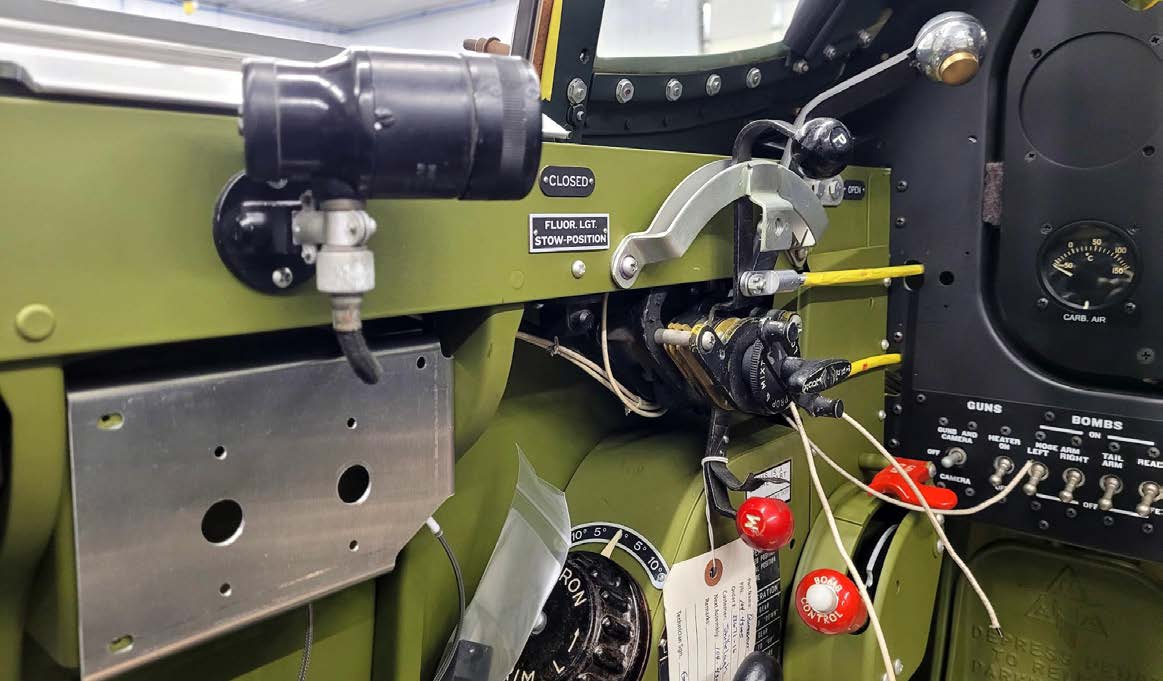
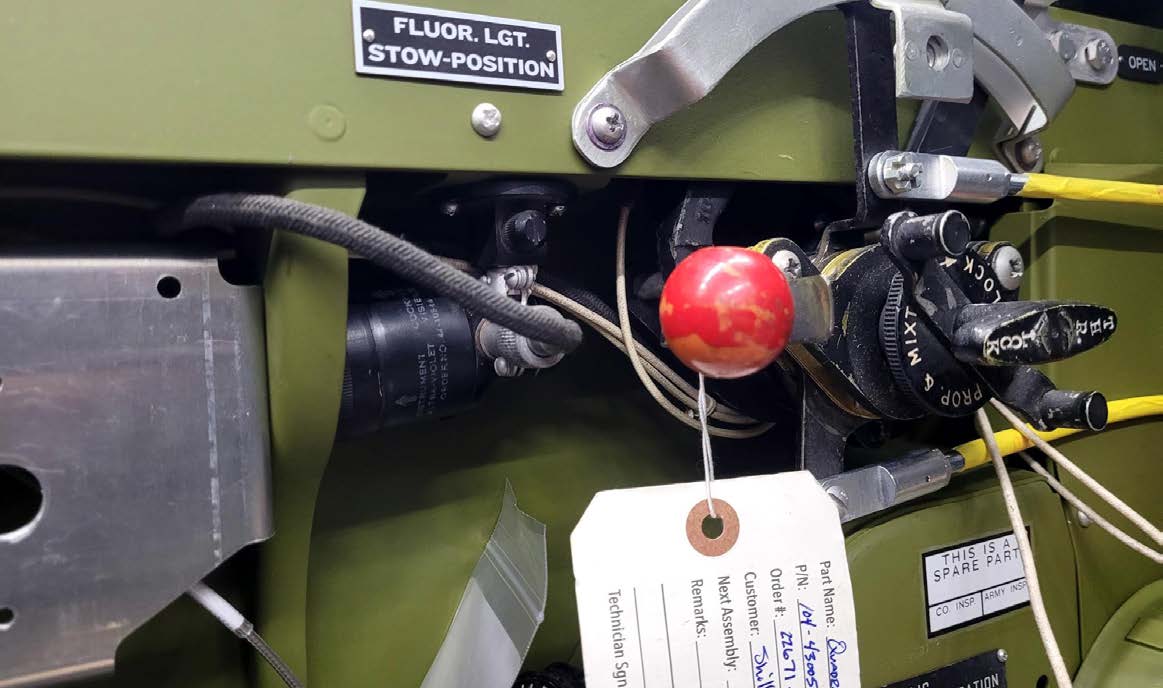
The black cylindrical object slightly to the left and above the center of this image is the map-reading light. (image via AirCorps Aviation)When not in use, the light can be stowed in a bracket against the left side of the cockpit. (image via AirCorps Aviation)
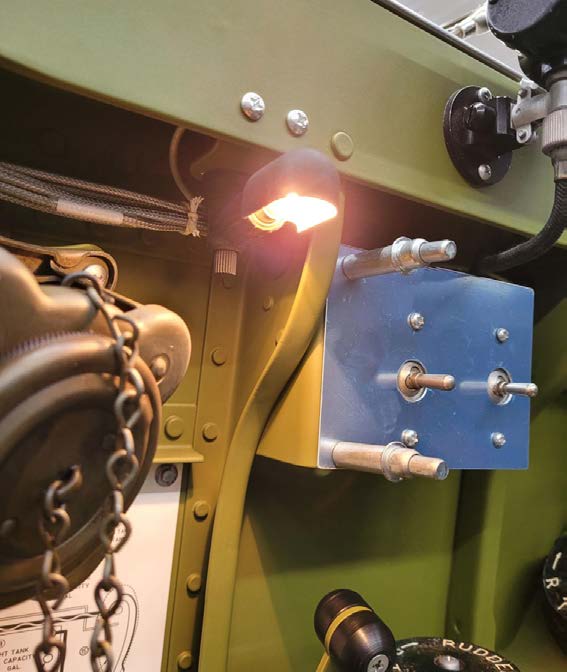
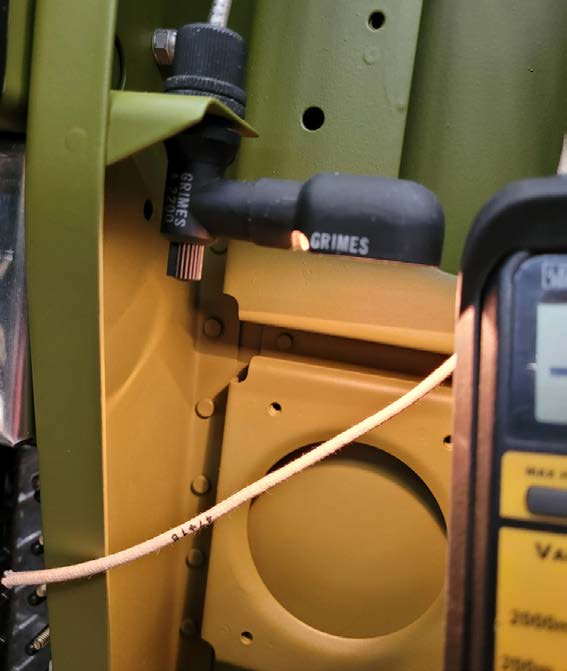
North American Aviation called these illuminations ‘cockpit lights’, placing one on each side of the pilot’s ‘office’. (image via AirCorps Aviation)
The practical function for these lights was to illuminate the fuel
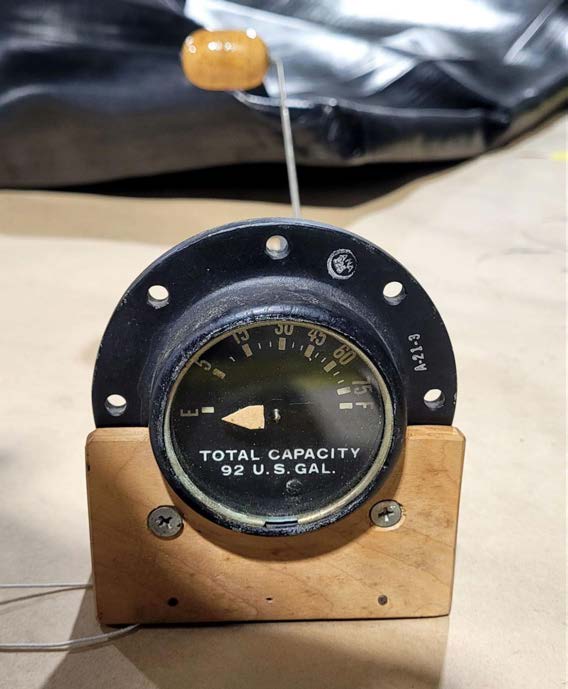
gauges. Those gauges (shown below) mount on top of the wing, but within the cockpit. (image via AirCorps Aviation)
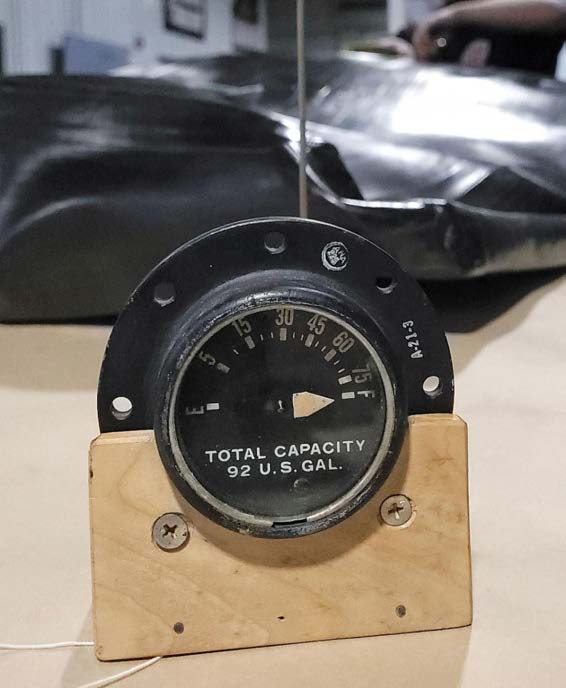
When installed, this wing tank fuel gauge face is oriented horizontally and is visible to the pilot on his lower right or left. When the float is positioned as shown, the gauge indicates a full tank. (image via AirCorps Aviation)
When the fuel in the tank is used up, the float drops to this
position, the gauge indicating an empty wing tank. (image via AirCorps Aviation)
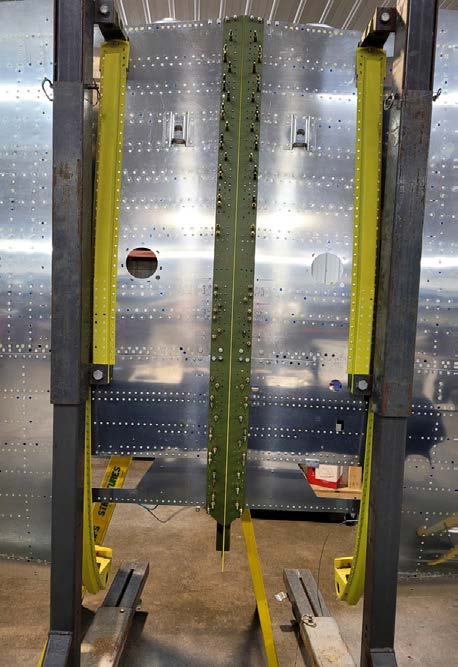
The two large holes seen here in the upper wing skin are where the fuel gauges mount roughly beneath the pilot’s feet. (image via AirCorps Aviation)
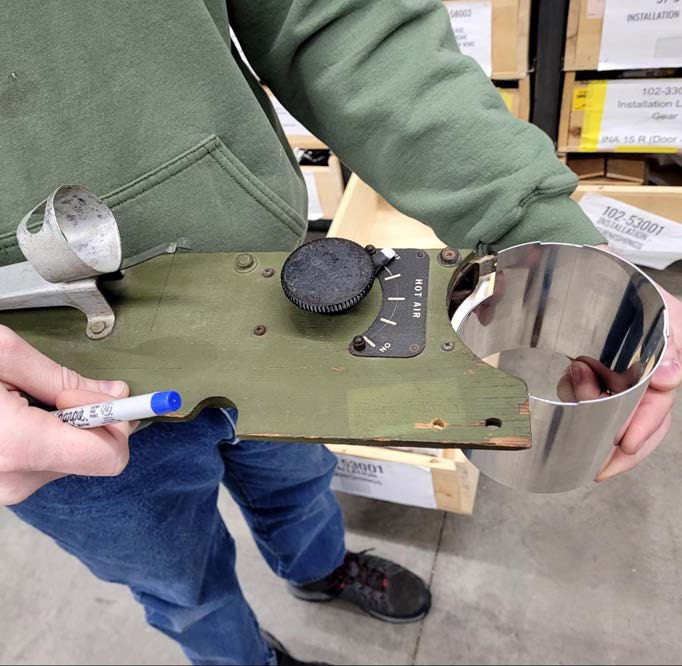
The cockpit floor has wells in it which extend down to the gauges. This makes the gauges difficult to see, because they are in shadow near the pilot’s feet. The
unfinished well is in Aaron’s left hand. (image via AirCorps Aviation)
Wings
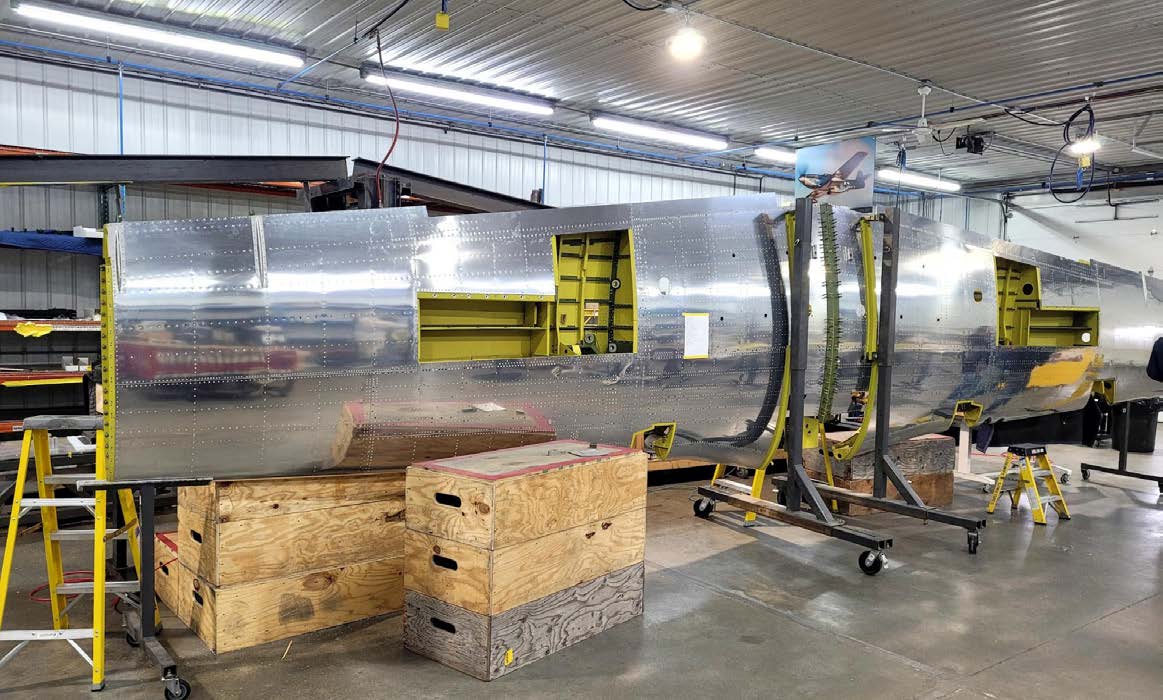
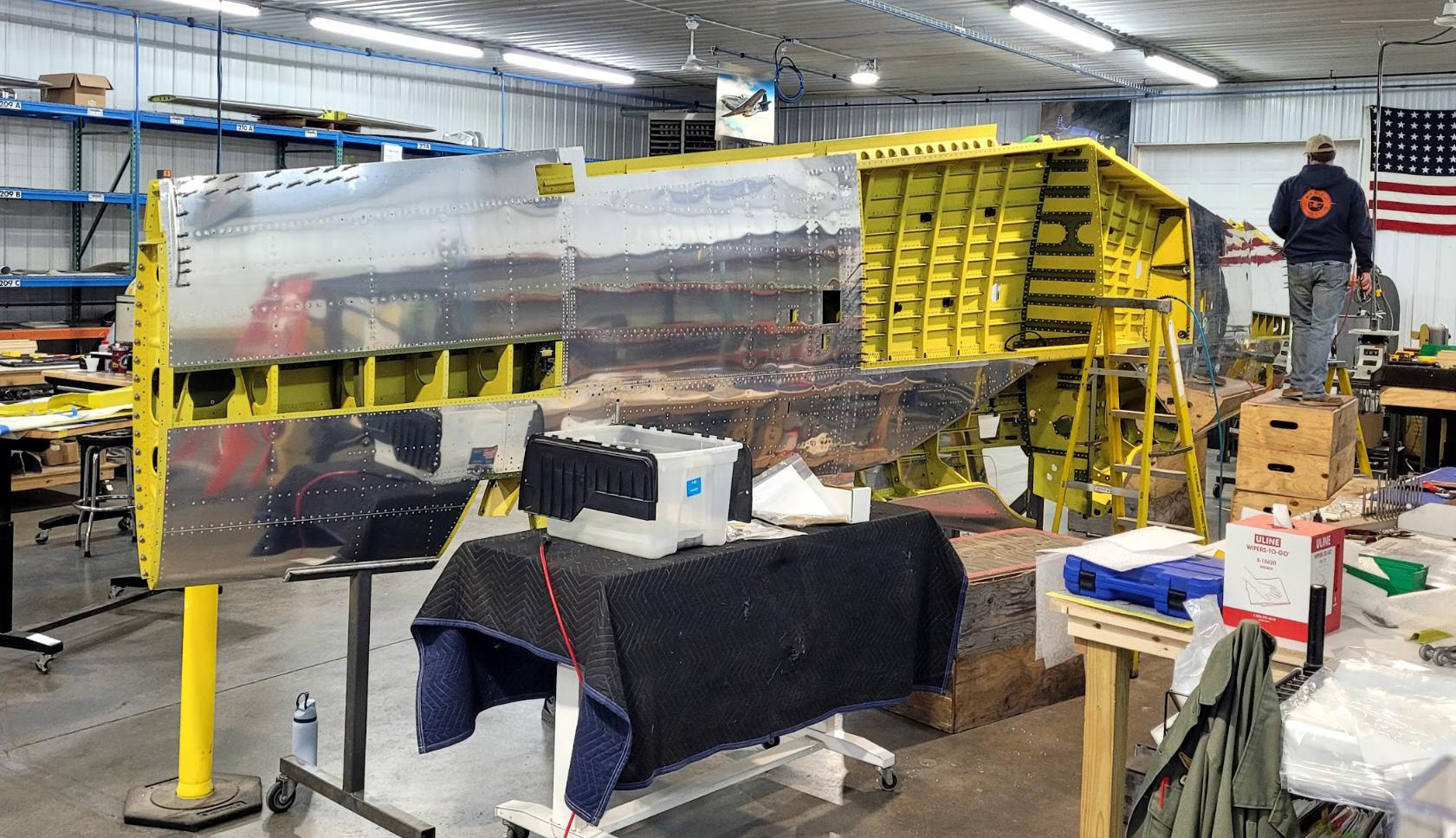
The wings are progressing nicely; in fact, a major milestone occurred recently when AirCorp’s restoration team removed the wings from its reassembly fixture and mounted it on rolling dollies to add the final components and undercarriage.
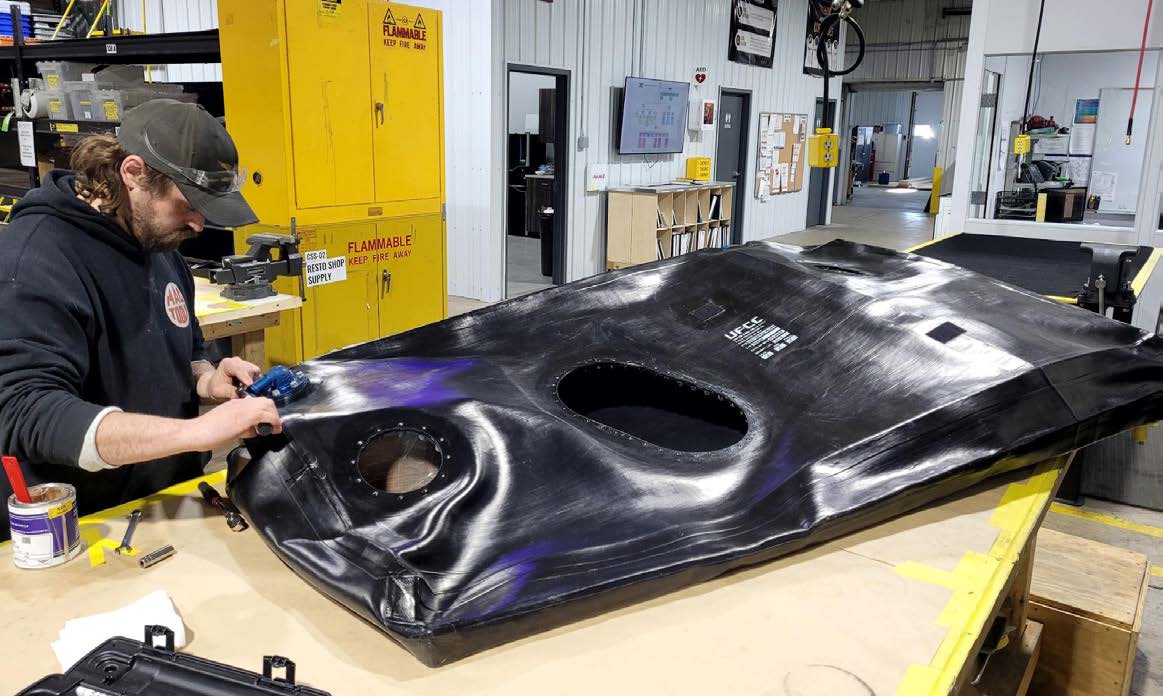
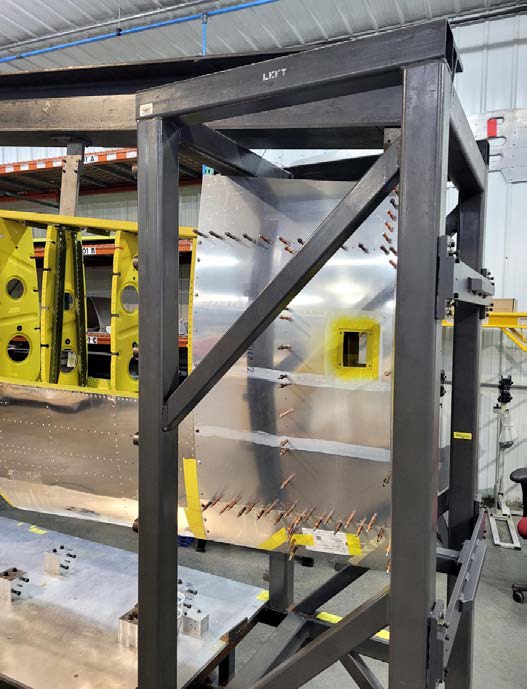
Brad is seen here trial-fitting sections of wing skin in place as the process of trimming, drilling, and riveting began. (image via AirCorps Aviation)The righthand rear section of the wing skin is seen here clecoed in place for drilling out the remaining mounting holes. (image via AirCorps Aviation)The lefthand wing skins are progressing in parallel to those on the right. (image via AirCorps Aviation)Clecoes have been replaced with rivets on the left wing. (image via AirCorps Aviation)Steve is seen here working on the wing fuel tank. (image via AirCorps Aviation)The ribs and other frame pieces for the wing extensions are seen here being assembled in the wing fixture. (image via AirCorps Aviation)
Attached to the rest of the wing in the fixture, the upper skins for the wing extensions are in the fitting process. (image via AirCorps Aviation)
North American Aviation’s name for this structure is the chute assembly-wing gun case ejection. (image via AirCorps Aviation)
Stiffeners have been added to both wings, just inboard of the wing extensions. (image via AirCorps Aviation)
This item is part #102-61111-1. The final dash 1 in this number indicates that the assembly is belongs in the righthand wing. The equivalent assembly for the lefthand wing would not have a dash 1 at the end, being simply #102-61111. (image via AirCorps Aviation)
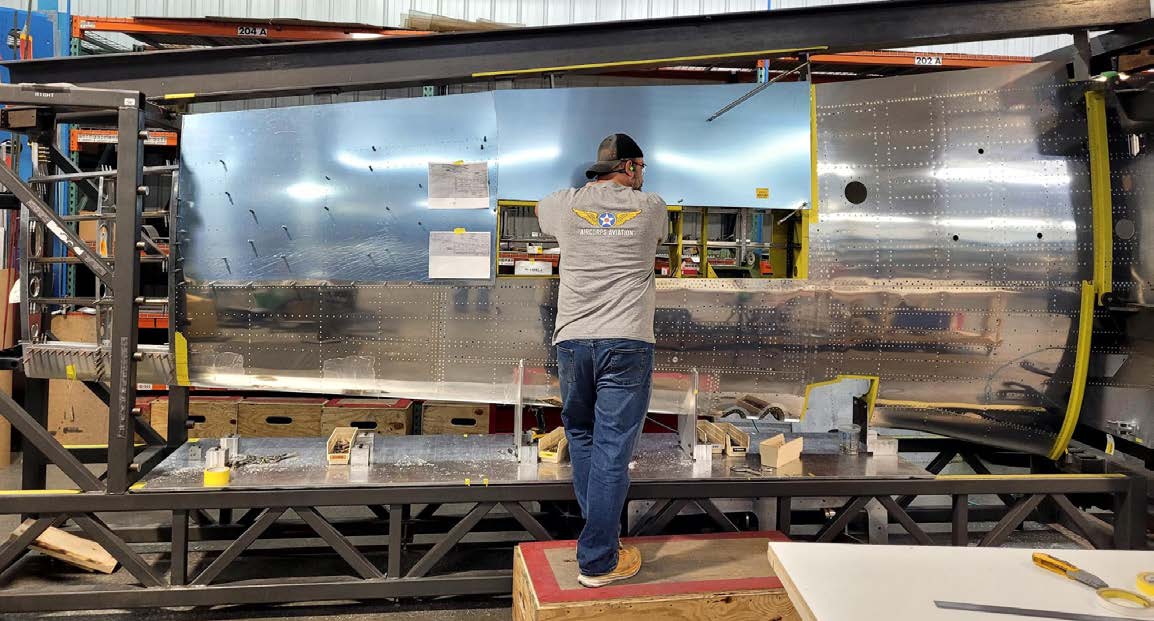
The Mustang’s wing is now out of its fixture and seen here mounted on rolling dollies. The fixture used during the wing’s construction is visible just behind it. (image via AirCorps Aviation)Neil is seen here working on the wing’s underside. (image via AirCorps Aviation)
Colors and Markings
One of the most challenging, but enjoyable tasks in any restoration is choosing and documenting the aircraft’s final livery. For WWII fighters, it is essential to know precisely which time period will be represented, because markings—like invasion stripes and victory symbols—changed more frequently than many might imagine. Sometimes aircraft paint was refreshed and/or changed at the depot level, and this is what happened with Shillelaugh/Shillelagh. The Mustang, coded FT-P, did not fly in combat between August 7 and August 10, 1944—a period which is most probably when Shillelaugh visited a repair depot for maintenance. This would also have been when both the nose art changed and the upper invasion stripes were removed from its wings and fuselage.
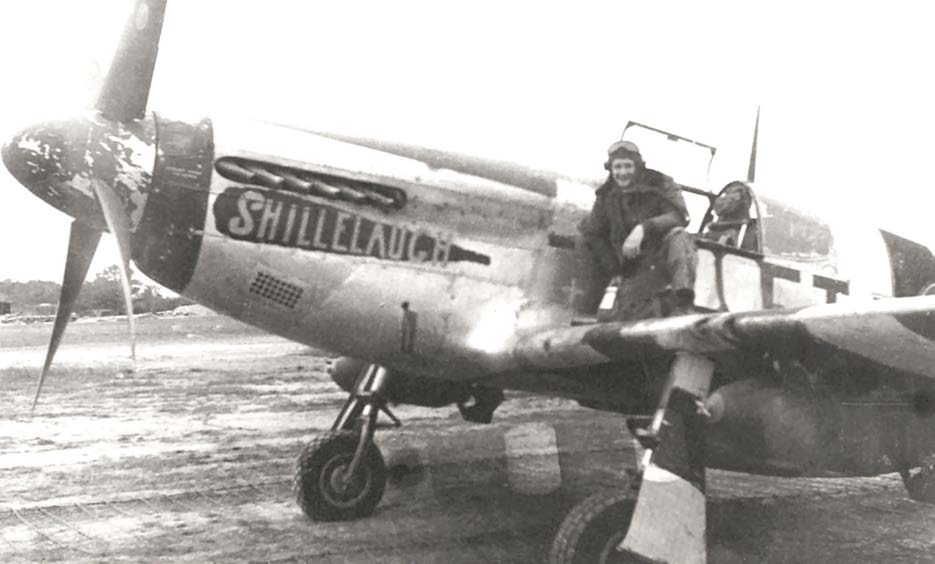
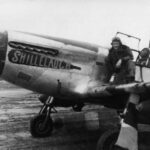
This image is an important resource in determining the final appearance of the Shillelaugh restoration. (image via AirCorps Aviation)
As mentioned earlier, the restored Mustang will carry the markings it wore from D-Day until the invasion stripes were removed from the upper surfaces (late June/early July ‘44). On July 7, 1944, the US Army Air Forces issued their first order in Europe directing their personnel remove Invasion Stripes from the upper surfaces to make it harder for enemy pilots to spot American aircraft from above. It took some time to fully comply with these orders, but by the time Shillelaugh crashed on August 16, 1944, the majority of US fighters in the European theater had lost their upper stripes.As already intimated, Shillelaugh was written several different ways on David O’Hara’s various Mustangs, but this is the spelling we shall use from hereon in, because that is what O’Hara used during the time period this P-51 is intended to represent.
Artist rendering by Gaetan Marie. (image via AirCorps Aviation)
And that is all for Chuck Craven’s latest update on AirCorps Aviation’s restoration of P-51B Mustang Shillelaugh. We look forwards to hearing more in the near future! Many thanks to Chuck Cravens and especially to AirCorps Aviation for their continued, long-standing support! For more information about AirCorps Aviation, visit www.aircorpsaviation.com.
Richard Mallory Allnutt's aviation passion ignited at the 1974 Farnborough Airshow. Raised in 1970s Britain, he was immersed in WWII aviation lore. Moving to Washington DC, he frequented the Smithsonian’s National Air & Space Museum, meeting aviation legends.
After grad school, Richard worked for Lockheed-Martin but stayed devoted to aviation, volunteering at museums and honing his photography skills. In 2013, he became the founding editor of Warbirds News, now Vintage Aviation News. With around 800 articles written, he focuses on supporting grassroots aviation groups.
Richard values the connections made in the aviation community and is proud to help grow Vintage Aviation News.
Vintage Aviation News now offers an ad-free reading experience. Enjoy faster-loading pages, uninterrupted stories, and the satisfaction of helping us preserve aviation history.