Text & photos: Kris Christiaens Aviation Photography
Tucked away on Berlin’s western edge, where the district of Spandau meets the quiet banks of the Havel River, stands one of Germany’s most remarkable tributes to aviation history: the Militärhistorisches Museum Flugplatz Berlin-Gatow. What sets this museum apart from many of its counterparts is its setting. Rather than a purpose-built exhibition hall, the museum occupies a genuine former airbase whose runways and hangars once witnessed some of the most turbulent chapters of twentieth-century Europe. Today, the historic military airfield has been reinvented as a sprawling complex of outdoor displays and indoor galleries that trace the development of German military aviation from its earliest years through the final decades of the Cold War. The museum first opened its gates at Gatow in 1995, although the origins of its collection date back several decades earlier. In the late 1950s, German historian and collector Helmut Jaeckel began quietly assembling uniforms, equipment, and military memorabilia. Over time, the collection expanded to include aircraft and aviation artifacts, eventually evolving into a private military museum. As the holdings grew beyond what a private institution could realistically maintain, the Bundeswehr assumed responsibility for the collection in 1987, ensuring its long-term preservation and development. The timing proved fortunate. Following German reunification, Allied forces began withdrawing from Berlin. The former British airbase at Gatow, long operated by the Royal Air Force, suddenly became available and offered the expansive and historically appropriate setting the growing collection required. When the RAF formally closed the base in 1994, the museum quickly relocated to the site, opening to the public the following year.
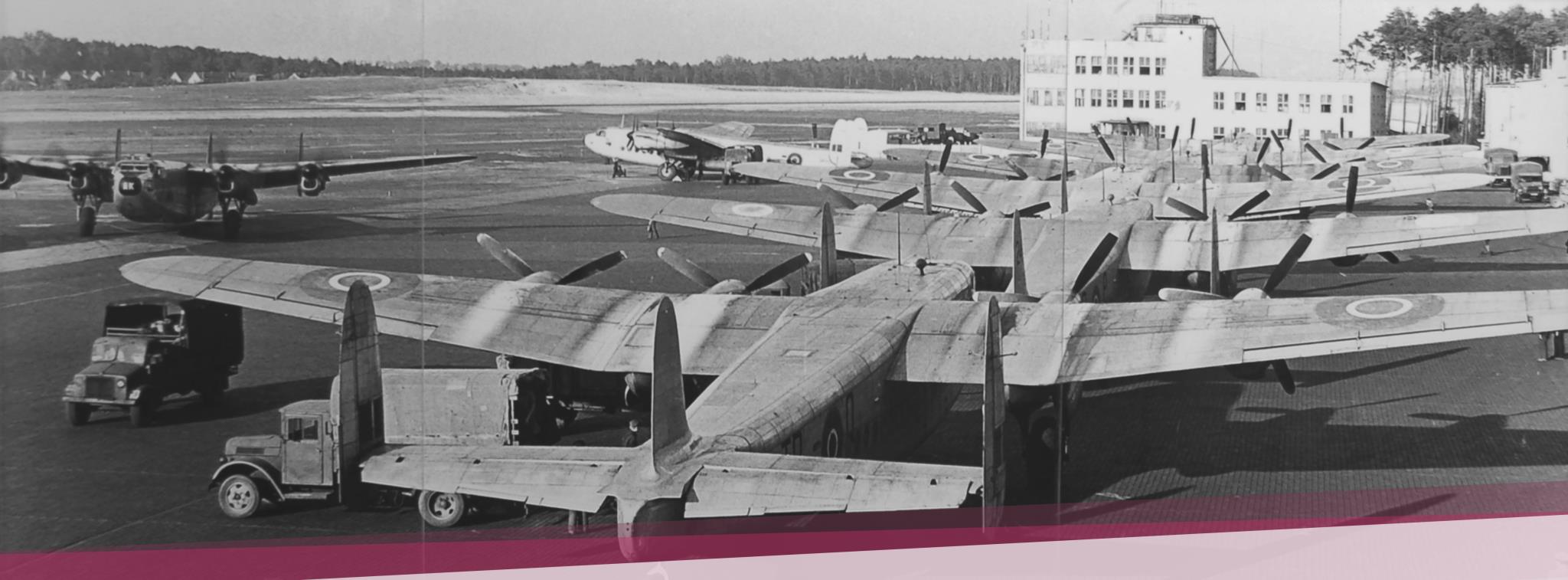
Today, the museum occupies a significant portion of the former airfield and ranks among the most comprehensive military aviation collections in Europe. More than 200 aircraft are displayed alongside helicopters, missile systems, radar installations, and aero engines, complemented by thousands of archival documents, uniforms, photographs, and technical artifacts. The Gatow site forms part of the wider Bundeswehr Military History Museum network, whose main branch is located in Dresden. The story of Gatow airfield itself is inseparable from the political history of Germany. Established in 1935 during the rapid expansion of the Luftwaffe under the Nazi regime, the airfield initially served as a training base and aviation school. Throughout the Second World War it continued operating in this capacity, supporting Luftwaffe training units behind the front lines. The defeat of Nazi Germany in 1945 brought an abrupt change. Soviet forces first occupied the airfield, but control soon passed to the British sector of a divided Berlin. The site was then transformed into RAF Gatow, becoming one of the most strategically significant Allied air bases in West Berlin. Its most historically significant role came during the Berlin Blockade of 1948–1949. When the Soviet Union sealed all land routes into West Berlin, the Western Allies responded with the Berlin Airlift, supplying the city entirely by air. Gatow served as one of the principal landing fields for the constant stream of cargo aircraft delivering food, fuel, coal, and other essentials. During those demanding months, the airfield became far more than a military facility—it became a symbol of the West’s determination to sustain the isolated city. RAF Gatow remained in service for nearly five decades after the airlift. Its proximity to the East German border made it an important observation point and operational base throughout the Cold War. German reunification in 1990 eventually brought an end to the Allied military presence in Berlin, and by 1994 the base closed permanently, paving the way for its new role as a museum dedicated to aviation history.
Hangar Collections
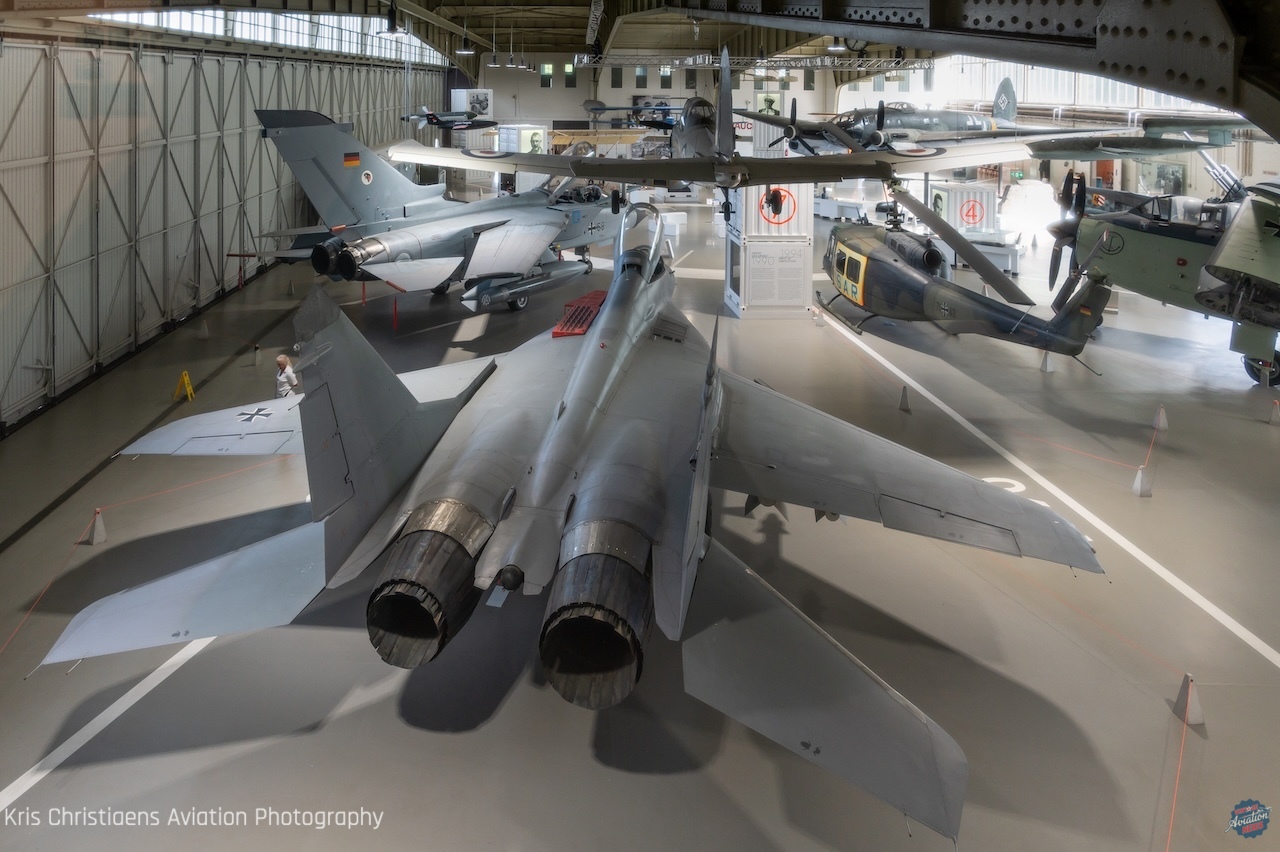
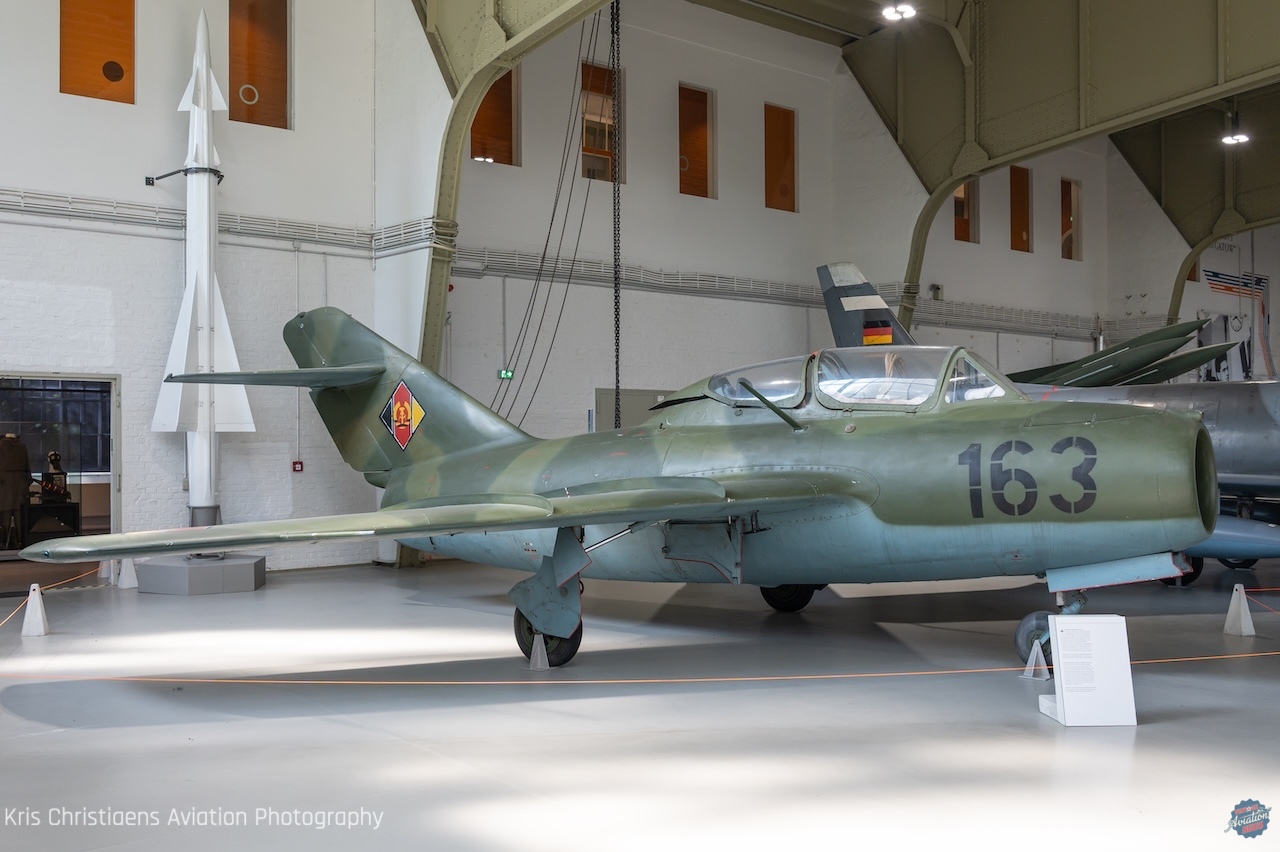
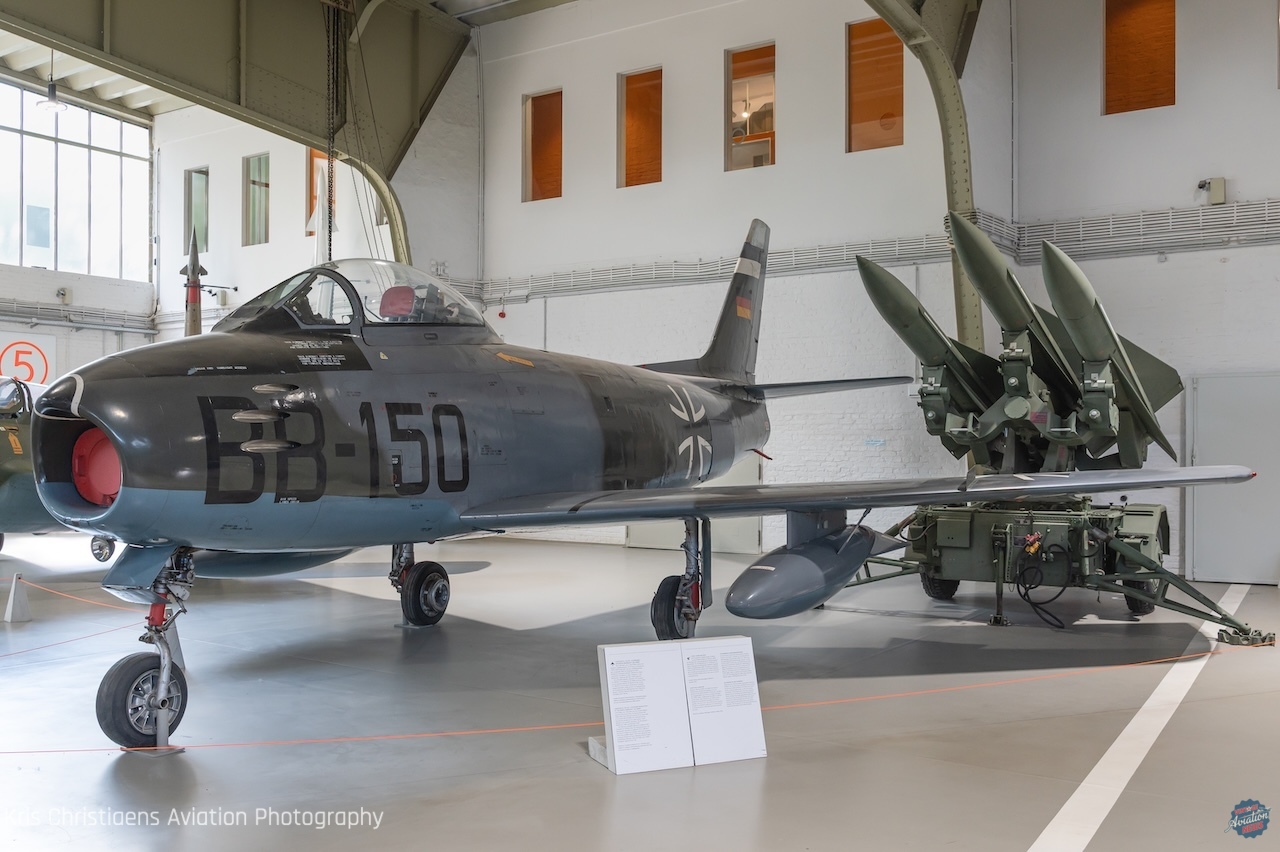
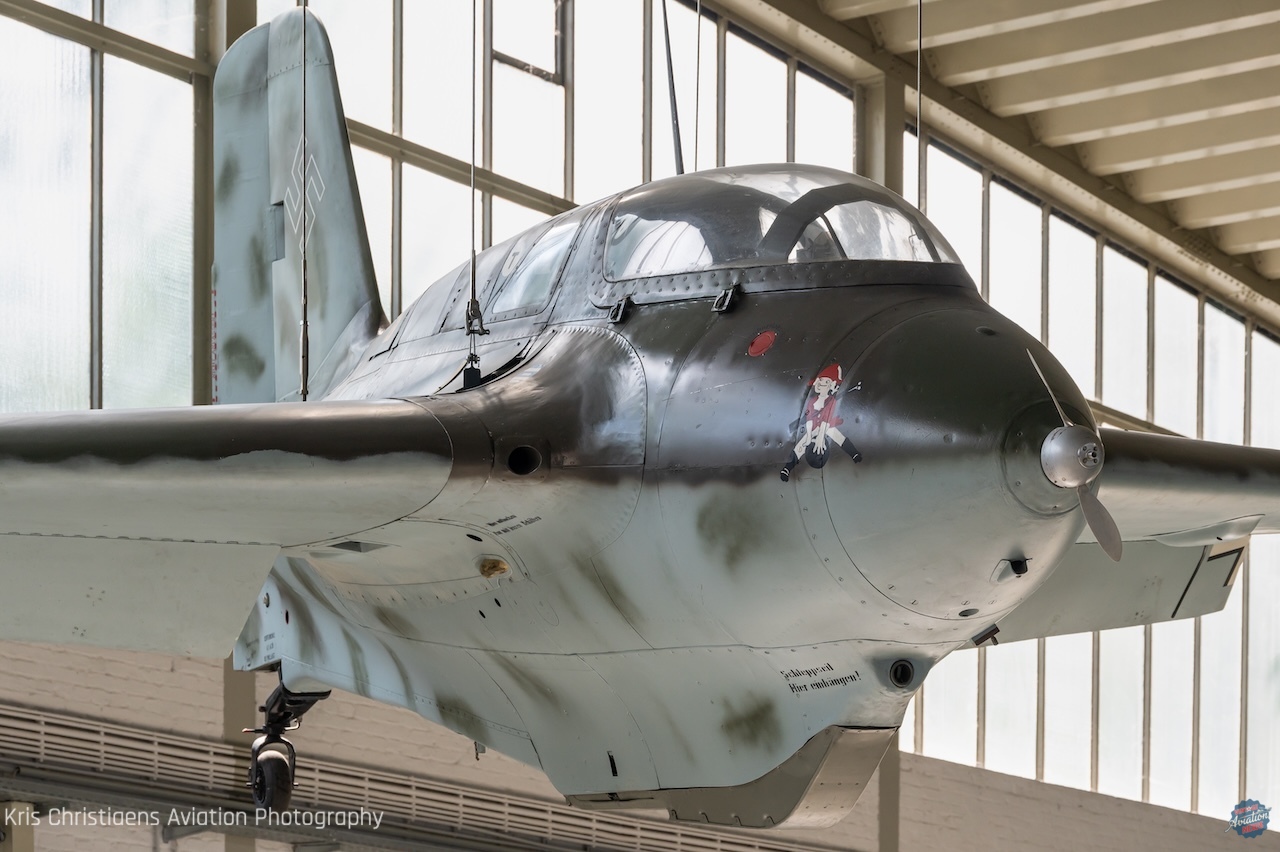
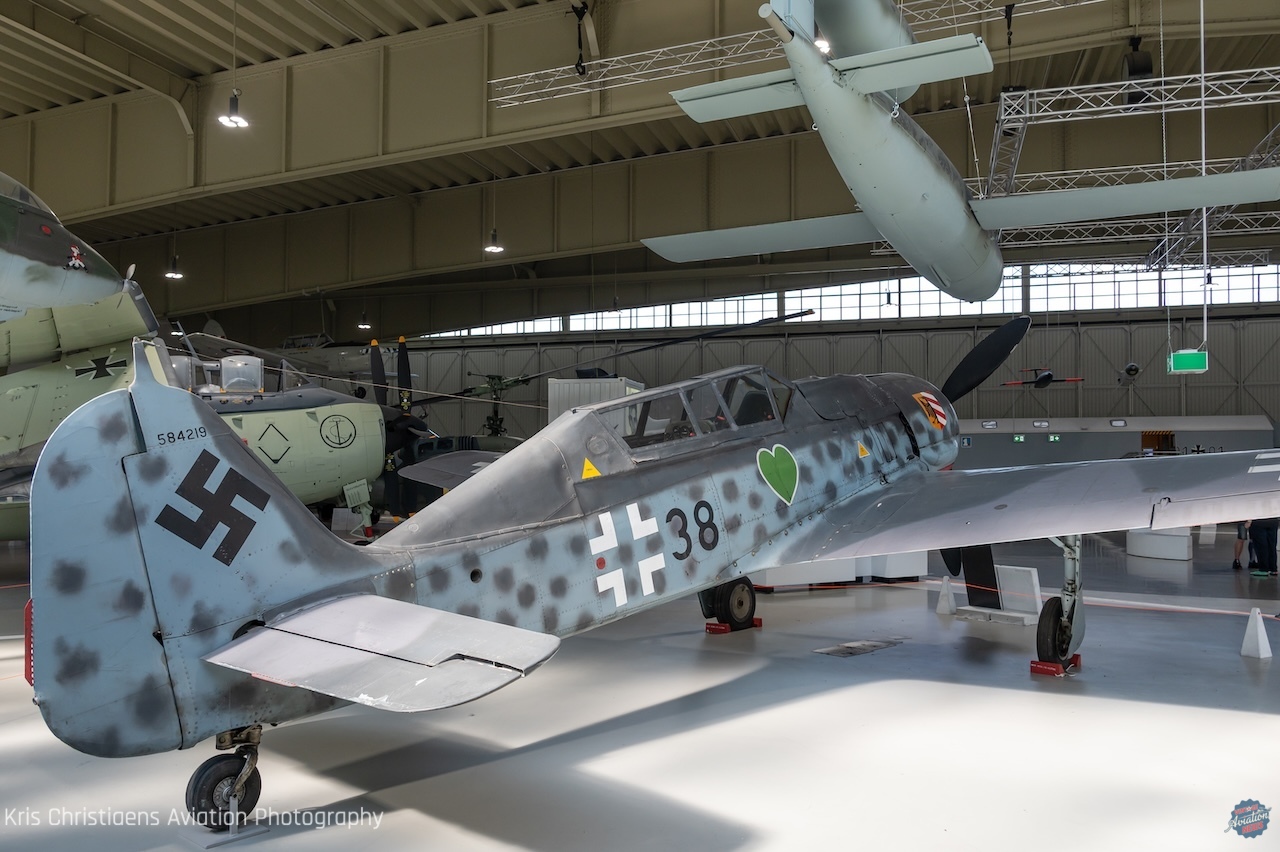
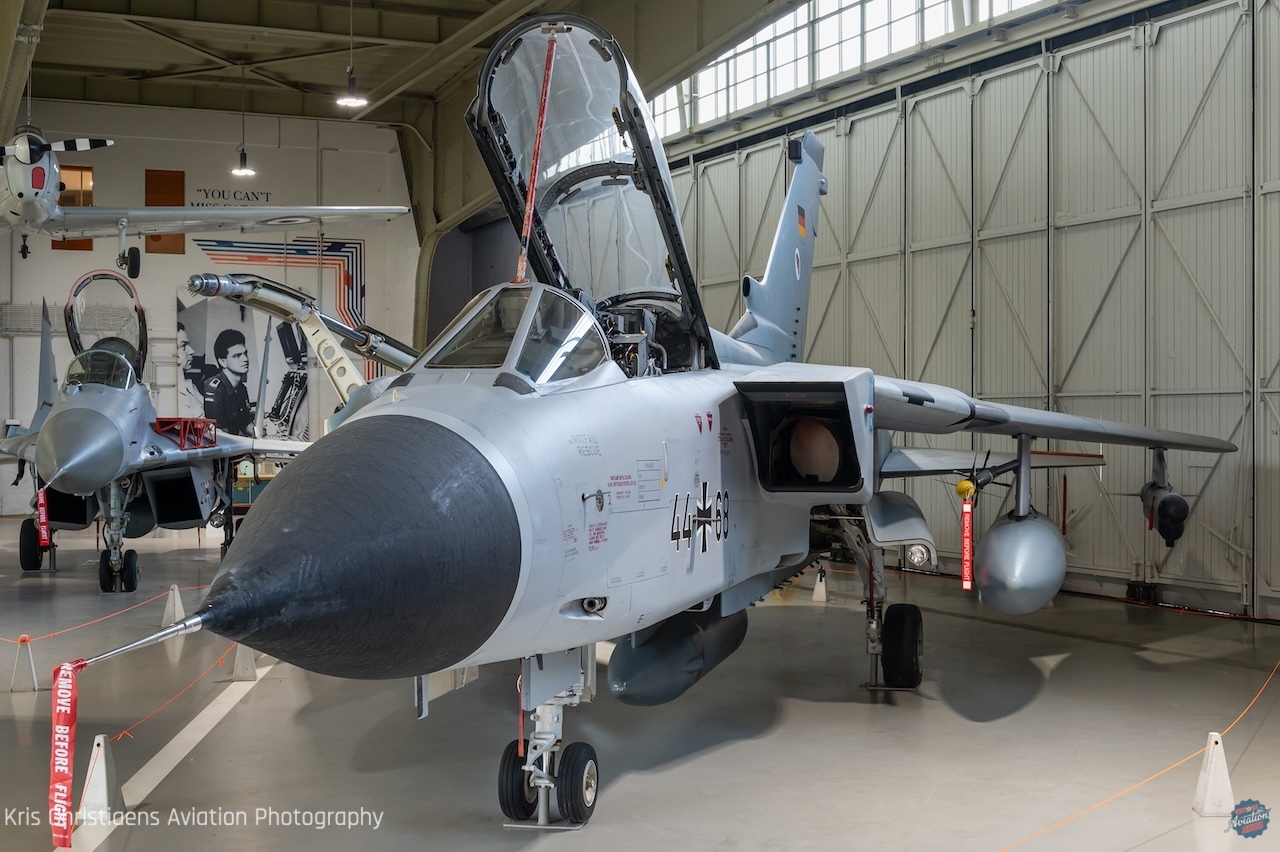
At the heart of the museum’s indoor exhibitions are two converted hangars—Hangar 3 and Hangar 7—which provide something the outdoor displays cannot: context and depth. While the runway exhibits convey the physical scale of the aircraft, the hangars invite visitors to explore the technological and historical narratives behind them. Several original RAF-era structures have been preserved and adapted into exhibition halls. Their expansive interiors house carefully curated displays combining aircraft, engines, weapons systems, radar equipment, and extensive archival material, including flight suits, instruments, photographs, and documents. The museum’s curatorial approach emphasizes more than simply displaying aircraft. The exhibits trace the technological evolution of aviation while placing each development within its broader political and military context, exploring not only how the machines worked but why they were built. One of the most striking aircraft displayed indoors is the Messerschmitt Me 163 Komet. Even decades after its creation, the rocket-powered interceptor still appears startlingly futuristic. As the world’s only operational rocket-powered fighter aircraft, the Komet represented one of the most radical technological experiments of the Second World War. Its compact fuselage, swept wings, and volatile rocket propulsion system demonstrate the extreme engineering ambition pursued by German designers during the war’s final years. The hangars also present a fascinating juxtaposition between Cold War adversaries. NATO aircraft stand near those operated by the former East German air force, including examples from the Mikoyan-Gurevich MiG family. This arrangement invites visitors to compare the technological philosophies of Western and Soviet aviation industries during the same decades, offering two different approaches to the same geopolitical challenge.
Runway Collection
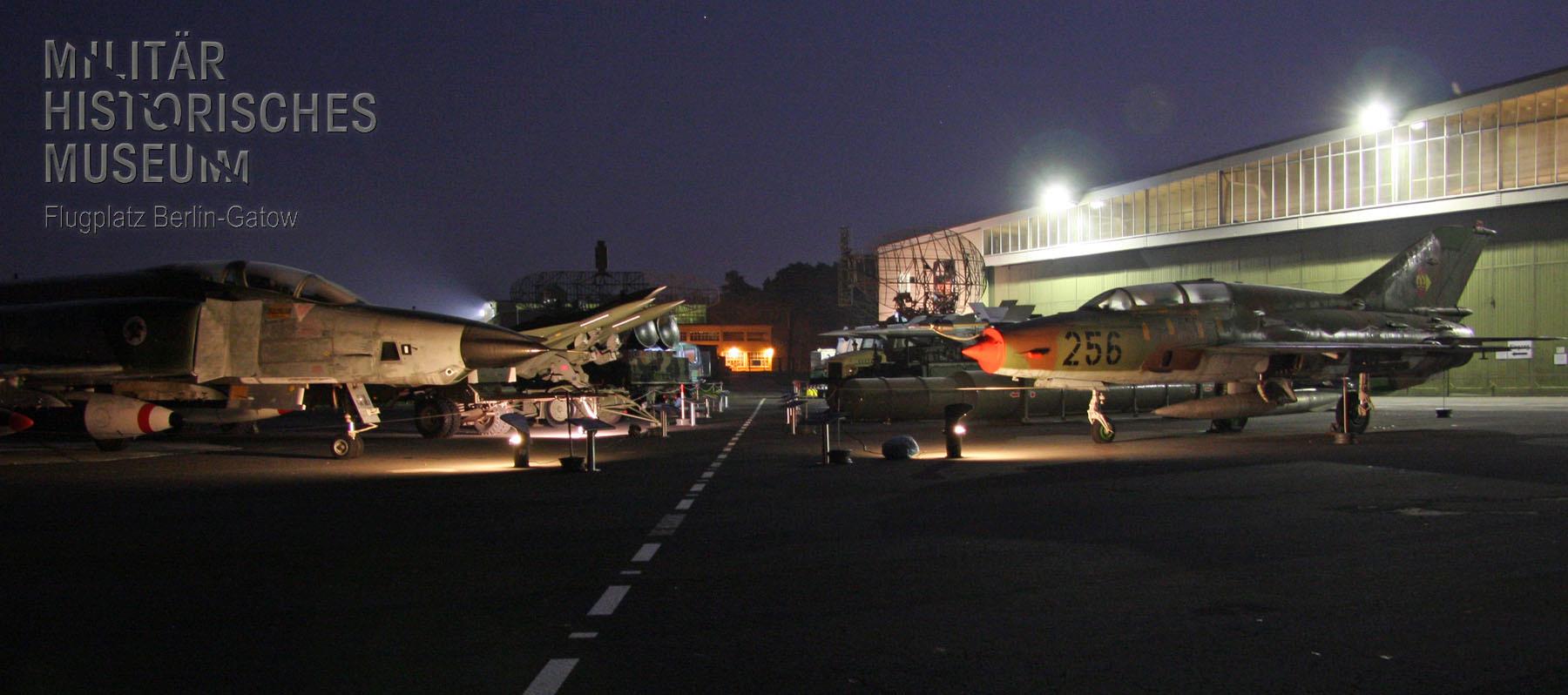
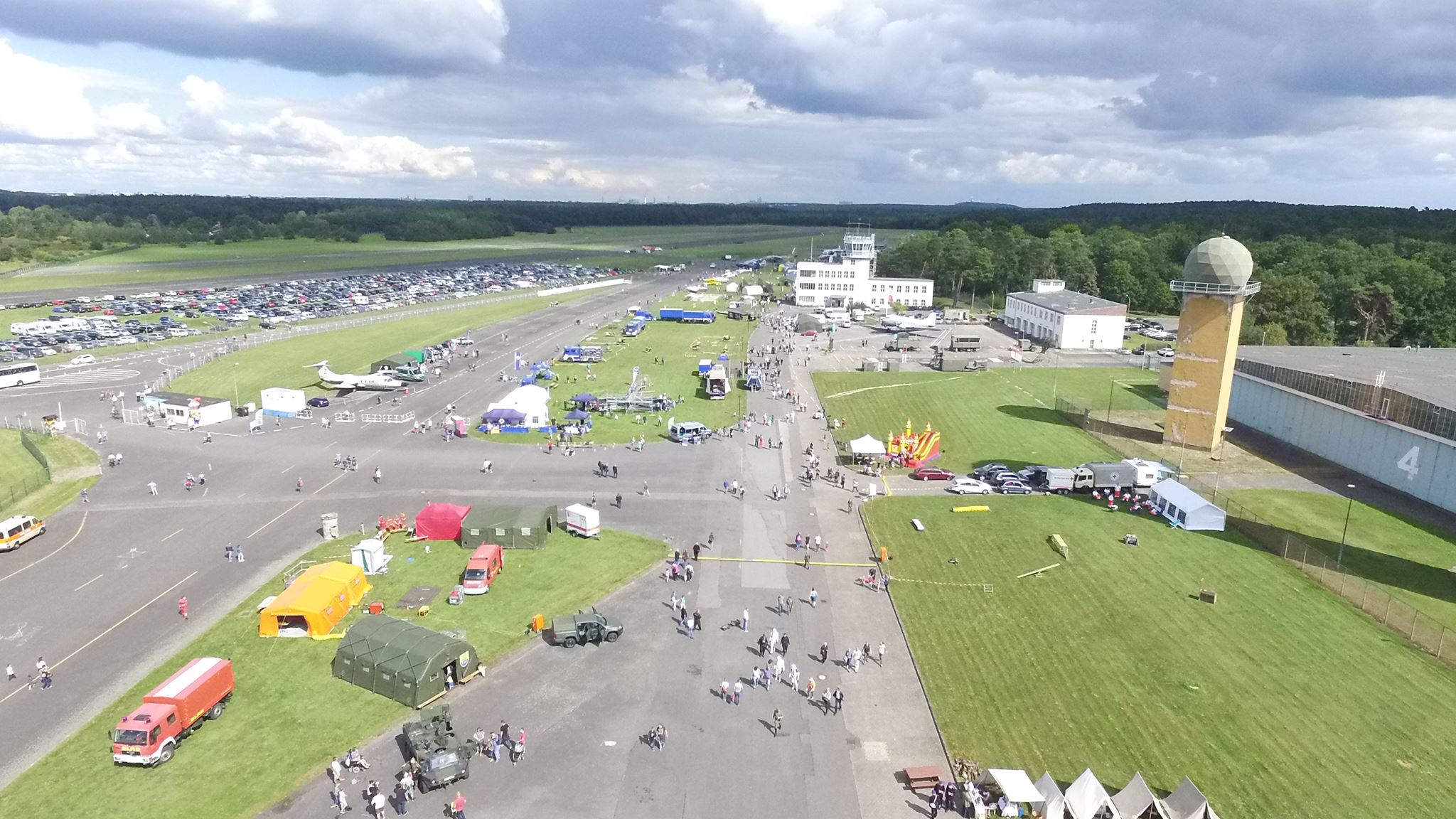
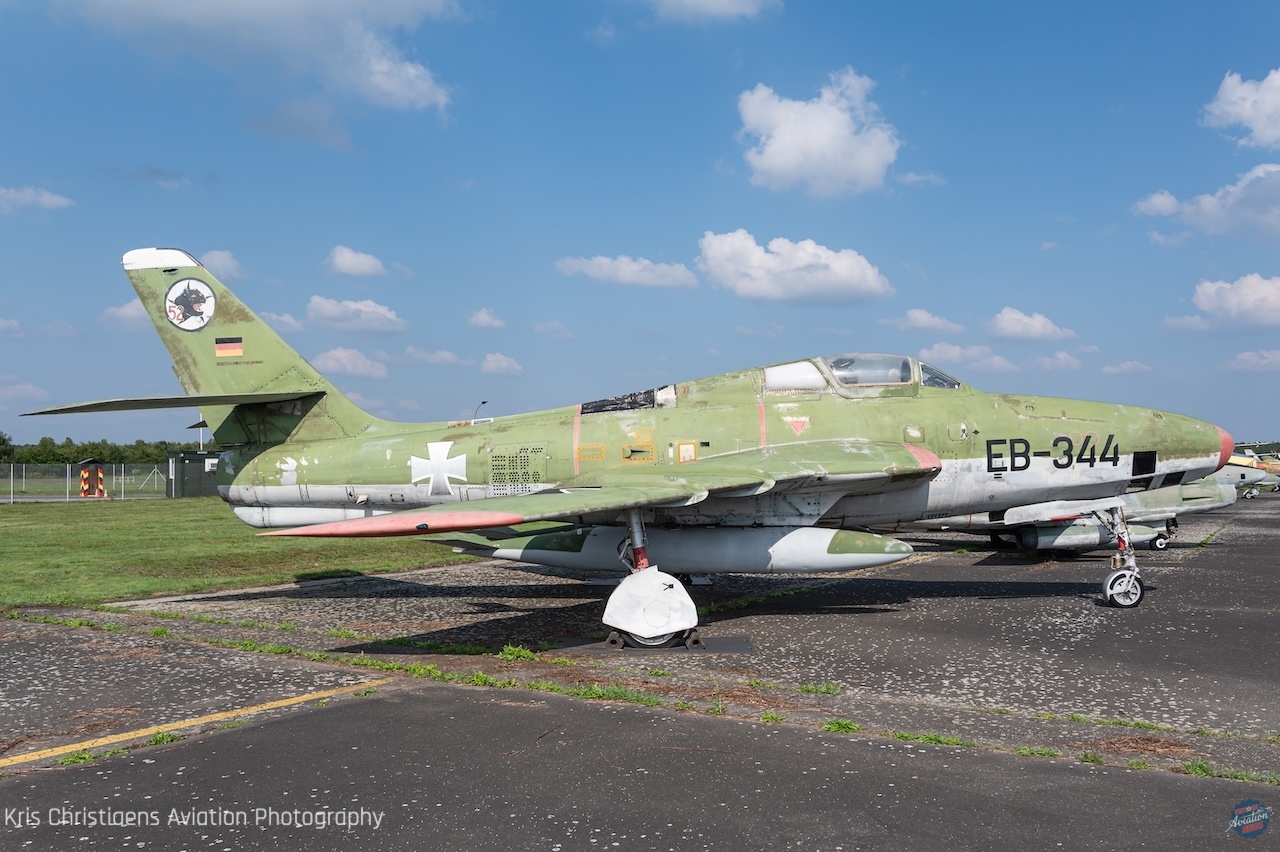
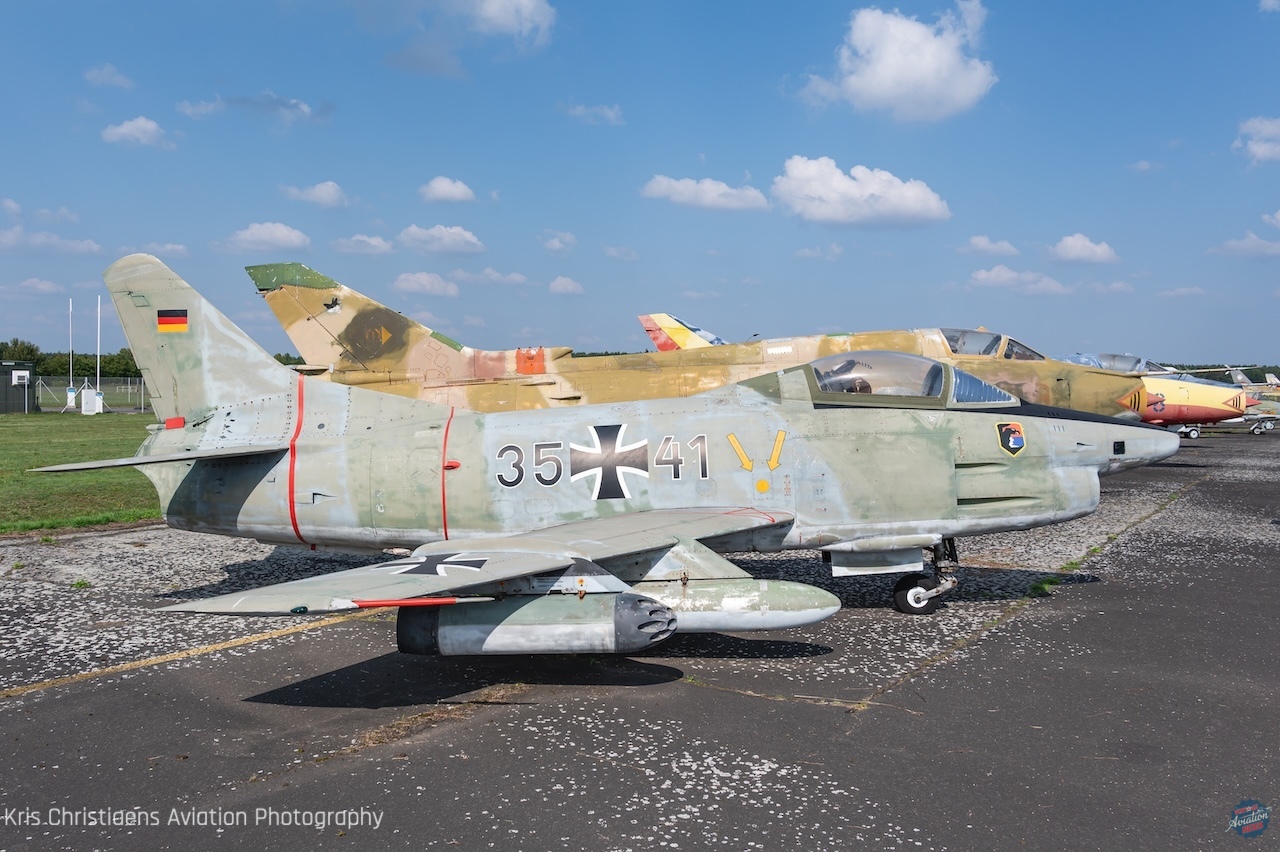
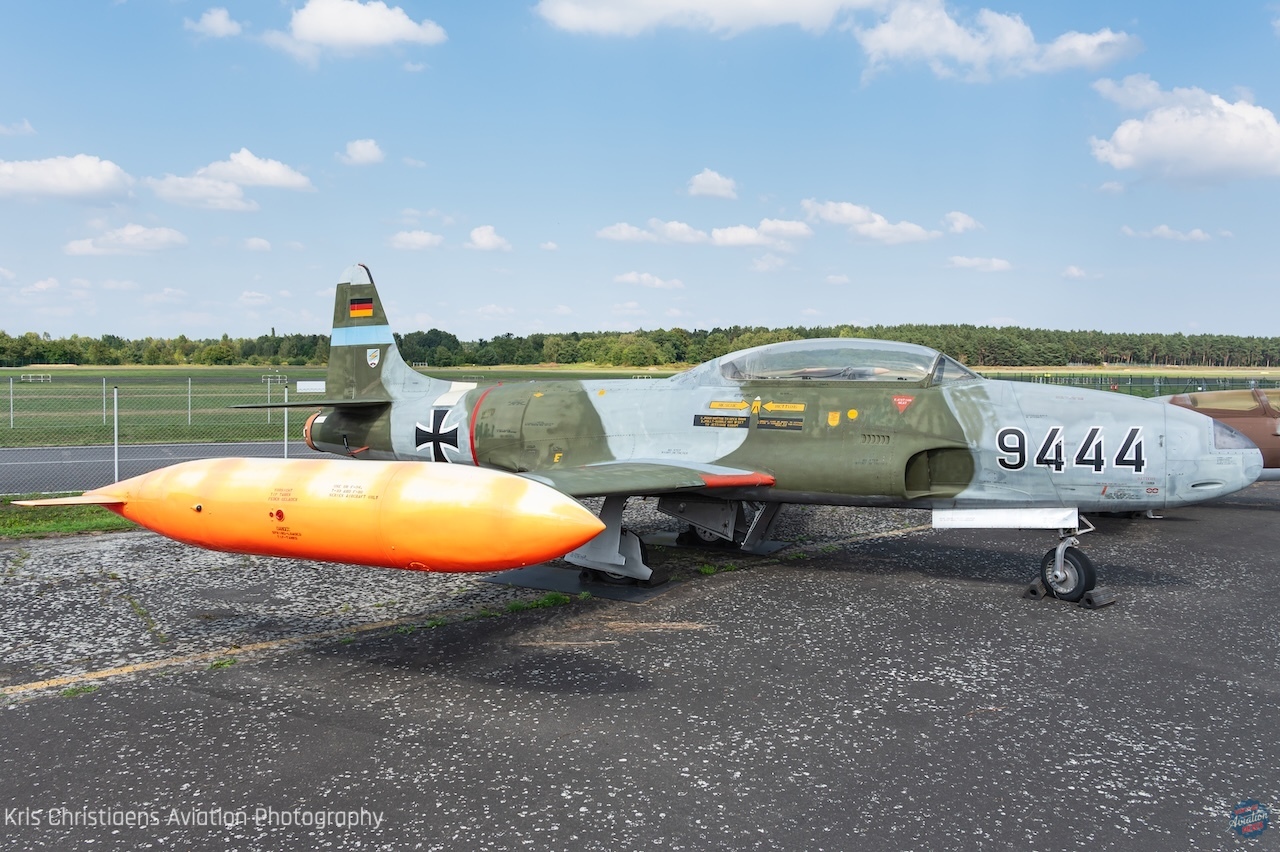
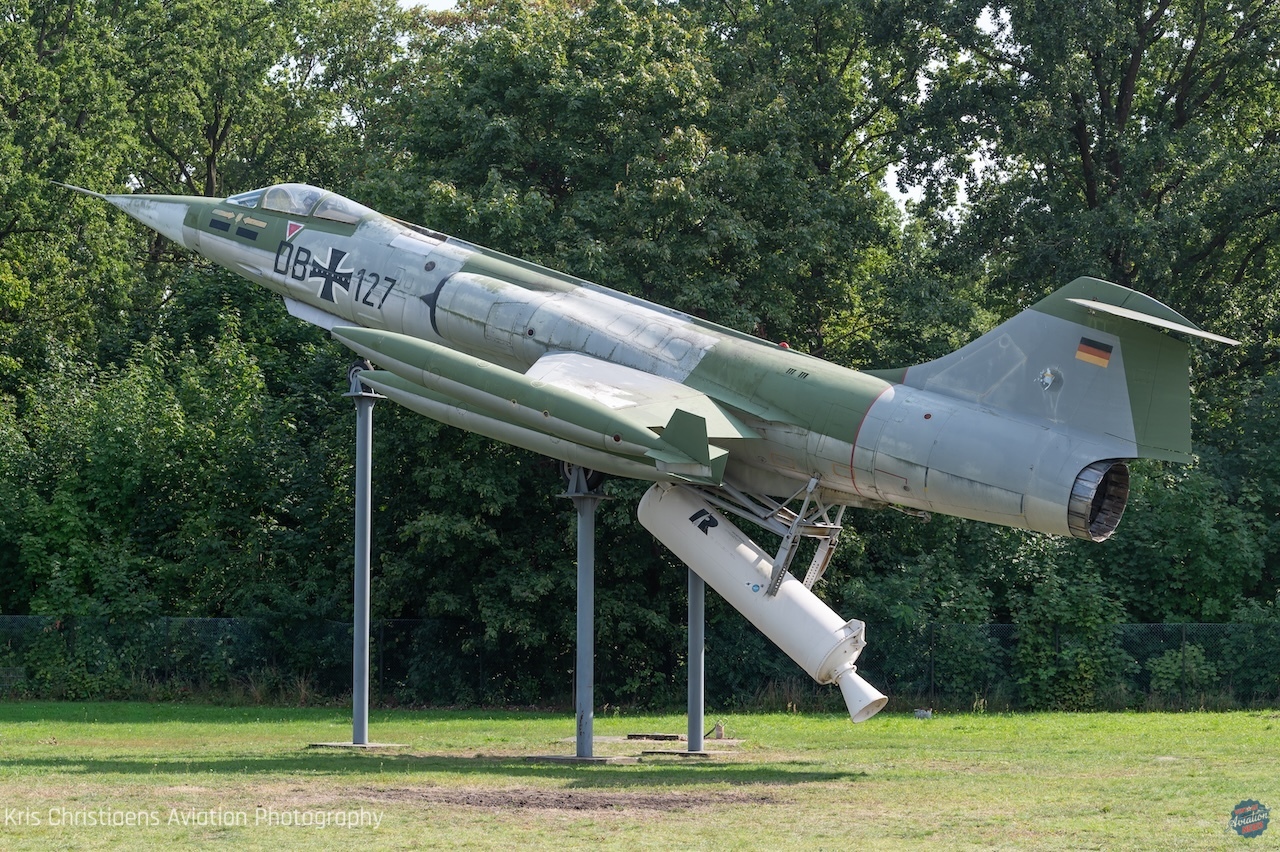
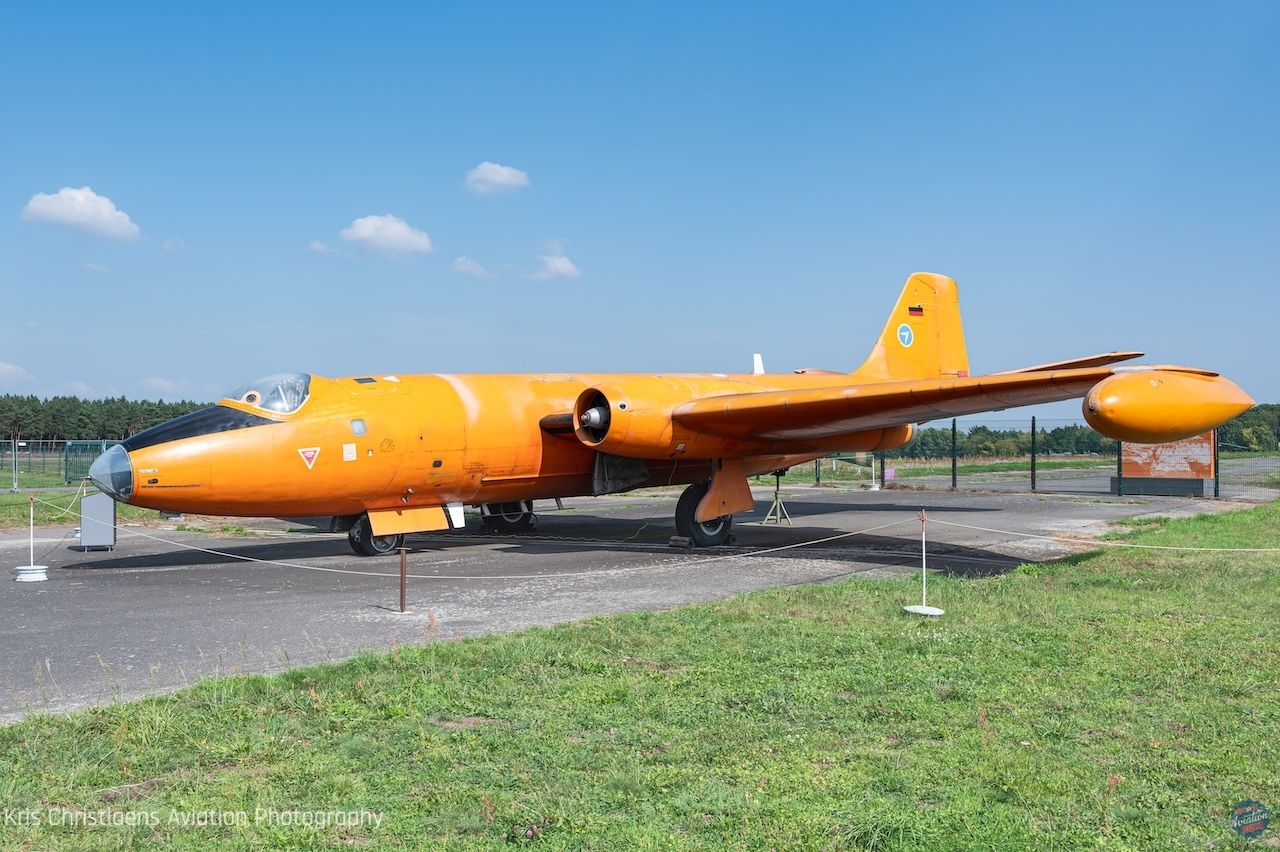
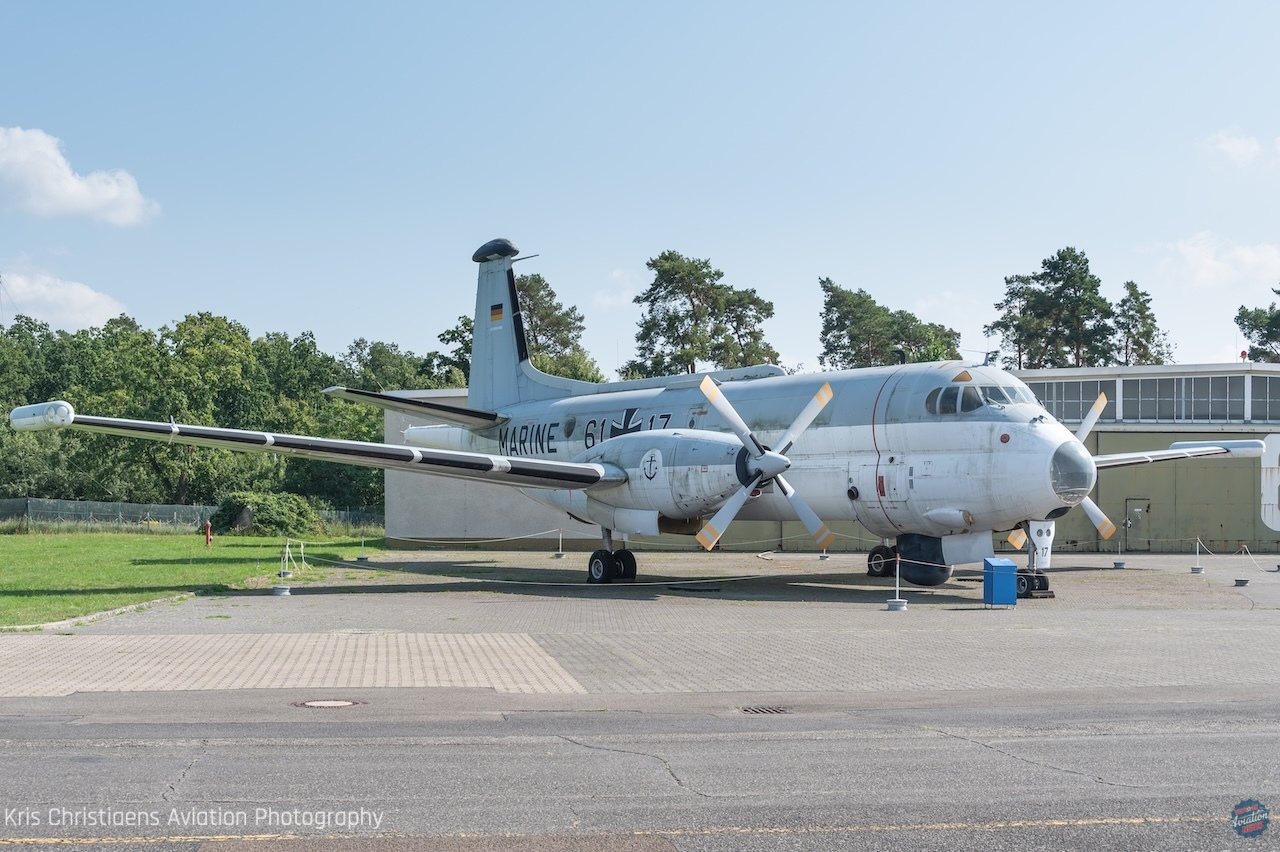
Perhaps the most visually striking element of the Militärhistorisches Museum Flugplatz Berlin-Gatow is its runway aircraft park. Dozens of aircraft are displayed directly on the original concrete runways and taxiways, arranged across the same ground once used by operational squadrons. Unlike traditional museums, there are few barriers or enclosed galleries here. Visitors walk among the aircraft in the open air, creating the sensation of stepping onto a dormant but still recognizable airbase rather than a conventional exhibition space. The aircraft collection spans a broad spectrum of Cold War aviation. Fighter aircraft dominate the display lines—machines once operated by the air forces of East Germany, West Germany, and the United Kingdom—but transport aircraft, trainers, and helicopters are also present, illustrating the many roles military aviation fulfilled during decades of geopolitical tension. Walking between the aircraft offers visitors an opportunity rarely available in indoor settings. The geometry of air intakes, the engineering complexity of landing gear assemblies, the sweep of a wing, and the cramped pragmatism of cockpit design can all be appreciated at close range. Against the open sky, the scale of these aircraft becomes especially striking.
Helicopters
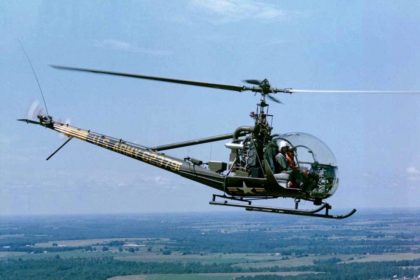
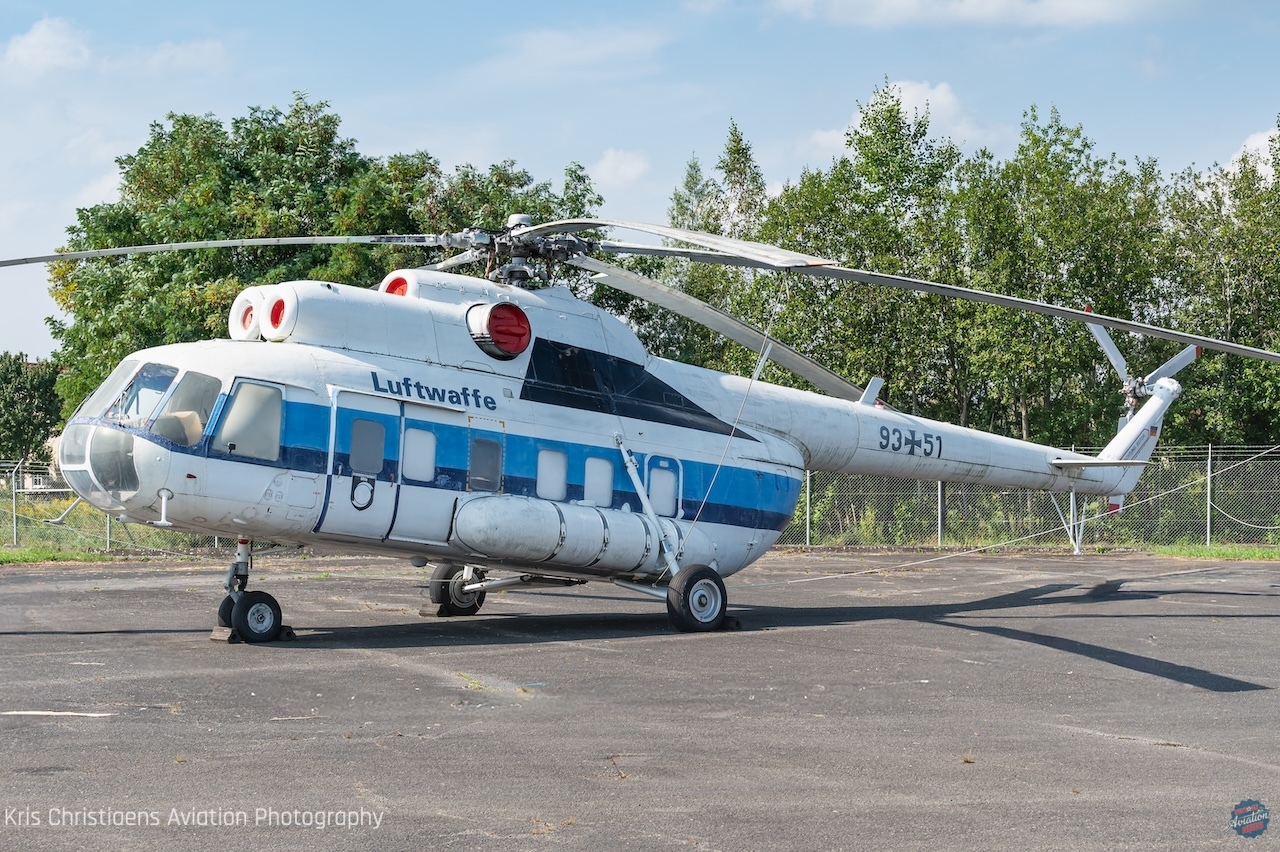
The museum’s helicopter collection provides another compelling look at Cold War military aviation, bringing together rotary-wing aircraft from both sides of the Iron Curtain. Among the Soviet-designed machines are the Mil Mi-4 and Mi-8S transport helicopters and the formidable Mi-24 attack helicopter, whose large size and heavy armament make it one of the most imposing aircraft on display. Western designs are equally well represented. The iconic Bell UH-1 Huey—instantly recognizable from its widespread military service—stands alongside aircraft such as the Sikorsky H-34G and the Boeing Vertol/Piasecki H-21. Additional international designs further broaden the collection, including the French Sud Aviation Alouette II, the British Bristol 171 Sycamore, and the German-designed MBB Bo 105. Together these aircraft highlight the multinational nature of Cold War aviation development.
Missiles and Air Defense Systems
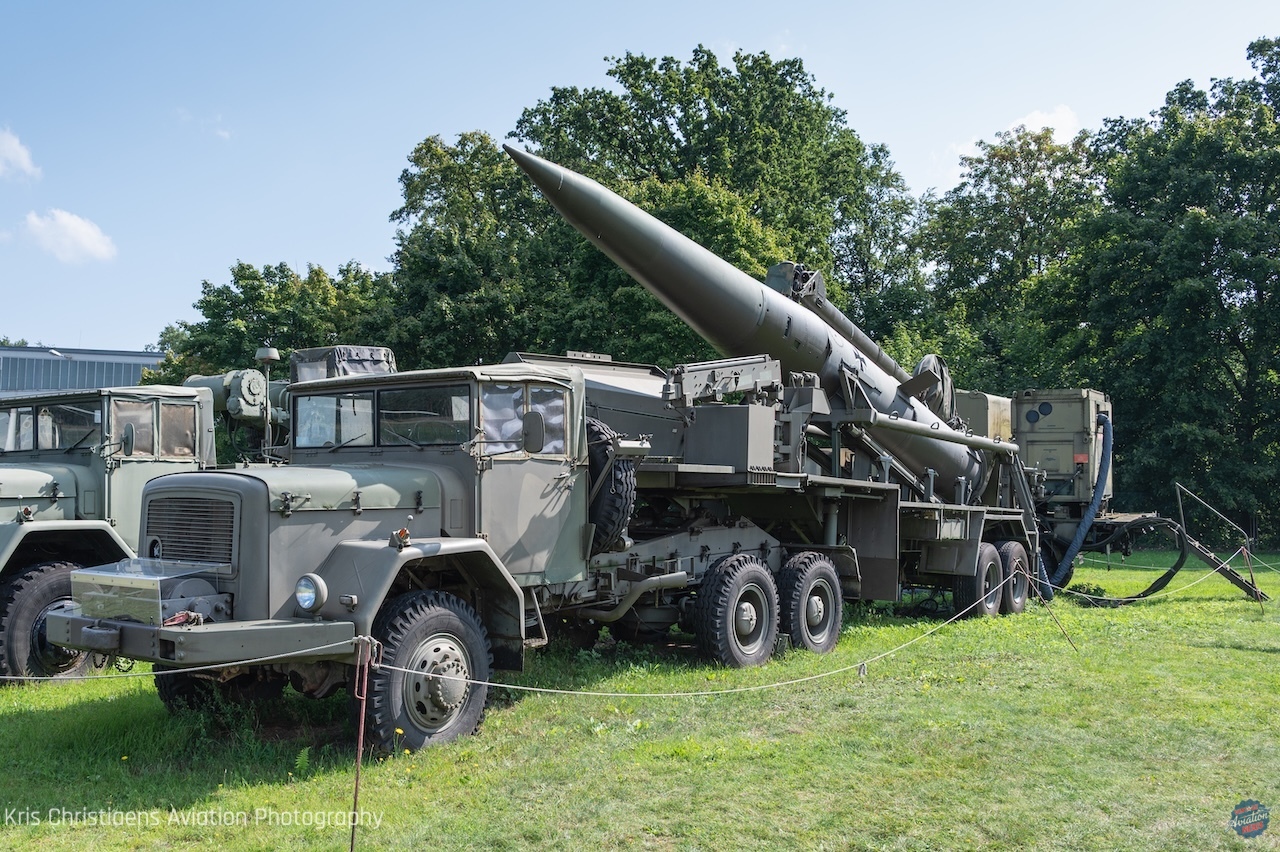
Aircraft alone tell only part of the story of modern aerial warfare. The museum’s extensive collection of missile systems, radar installations, and military support vehicles illustrates the broader infrastructure that defined the Cold War air-defense environment. During this period both NATO and Warsaw Pact nations invested heavily in surface-to-air missile technology, transforming European airspace into a highly contested environment where aircraft constantly operated under threat from ground-based defenses. The exhibits present systems from both sides of the Iron Curtain. Soviet-designed missile systems used by the former East German military are displayed alongside Western air-defense technologies employed by NATO forces. Among the most significant weapons represented are the American MIM-104 Patriot and MIM-23 HAWK systems, the formidable Nike Hercules missile, the Soviet S-200 long-range system, and the MGM-31 Pershing ballistic missile. Informational displays explain how these systems functioned, from radar detection and target tracking to missile guidance and interception. Supporting these systems is a collection of military vehicles that rarely receive attention in aviation museums but were essential to air-defense operations. Radar trucks, mobile command posts, transport vehicles, and specialized maintenance equipment demonstrate the logistical network required to support both missile batteries and aircraft operations.
Why Visit This Museum?
For anyone interested in aviation, military history, or the story of Berlin during the twentieth century, the Militärhistorisches Museum Flugplatz Berlin-Gatow offers a uniquely compelling experience. Unlike most aviation museums, which occupy purpose-built buildings, Gatow is itself a historic artifact. Visitors walk the same runways and enter the same hangars once used by Luftwaffe trainees, RAF personnel, and Cold War military units. This airfield witnessed some of the defining moments of modern European history—from the training operations of the 1930s to the dramatic months of the Berlin Airlift and the tense decades of Cold War confrontation. Experiencing the museum within this authentic setting adds a powerful dimension to the visit. The collection itself is equally impressive. With more than 200 aircraft and helicopters representing both NATO and Warsaw Pact forces, the museum offers one of the most comprehensive Cold War aviation displays in Europe. Few moments are as thought-provoking as standing between aircraft such as the Lockheed F-104 Starfighter, once flown by West German pilots, and a Mikoyan-Gurevich MiG-29 that served with the former East German air force. These machines once symbolized opposing political systems, yet today they stand side by side as historical artifacts. At Gatow, aircraft, architecture, and history converge in a way that very few museums anywhere in the world can replicate.
Practical Tips
A visit to the Militärhistorisches Museum Flugplatz Berlin-Gatow is highly rewarding, but planning ahead will help make the most of the experience. The museum covers a large portion of the former airfield, combining extensive outdoor displays with multiple hangar exhibitions. Visitors should plan to spend at least two to three hours exploring the site, while aviation enthusiasts or those who enjoy reading the detailed exhibit panels may easily spend half a day. Because much of the collection is displayed outdoors, weather conditions can greatly affect the visit. Comfortable walking shoes are essential, as the site involves considerable walking across open ground. On warm days it is advisable to bring water and sun protection, while cooler months may require extra layers due to wind across the open airfield. Photographers will find the museum particularly appealing. The outdoor layout allows visitors to photograph many aircraft from multiple angles and distances, often without the restrictions common in indoor museums. The open runway environment also makes it possible to capture full aircraft profiles against an unobstructed sky. A good strategy is to begin inside the hangars before exploring the outdoor displays. The indoor exhibits provide valuable historical context about German military aviation, the Cold War, and the history of the airfield itself, enriching the experience of viewing the aircraft outside. The museum provides restrooms and a small gift shop, though food options on site can be limited. Visitors may wish to bring snacks or plan to enjoy a meal in nearby Spandau before or after their visit. For more information, visit www.mhm-gatow.de/de.