
(Image credit: VAN)
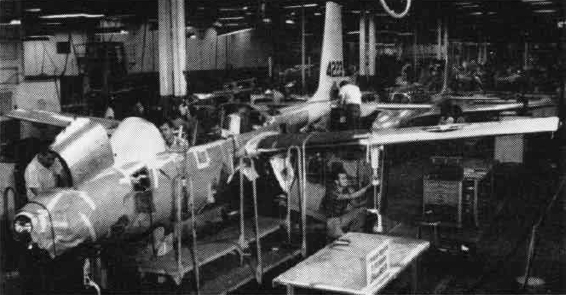
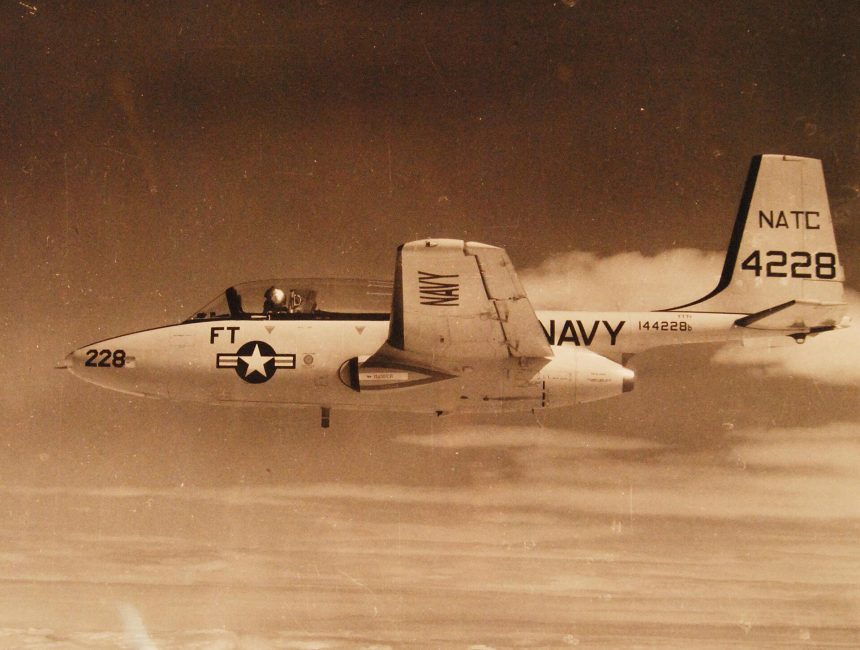
On this day in aviation history, 70 years ago (March 26, 1956), the Temco TT Pinto flew for the first time. The Pinto was a primary jet trainer built by Temco Aircraft for the United States Navy. Design of the Temco TT began in response to a US Air Force competition that sought a jet-powered primary trainer. Temco proposed the Model 51 to the Air Force, but the Cessna T-37 Tweet was ultimately chosen. Temco named the Model 51 the Pinto, an aircraft that was mid-wing and featured tandem ejection seating, oxygen equipment, and speed brakes.
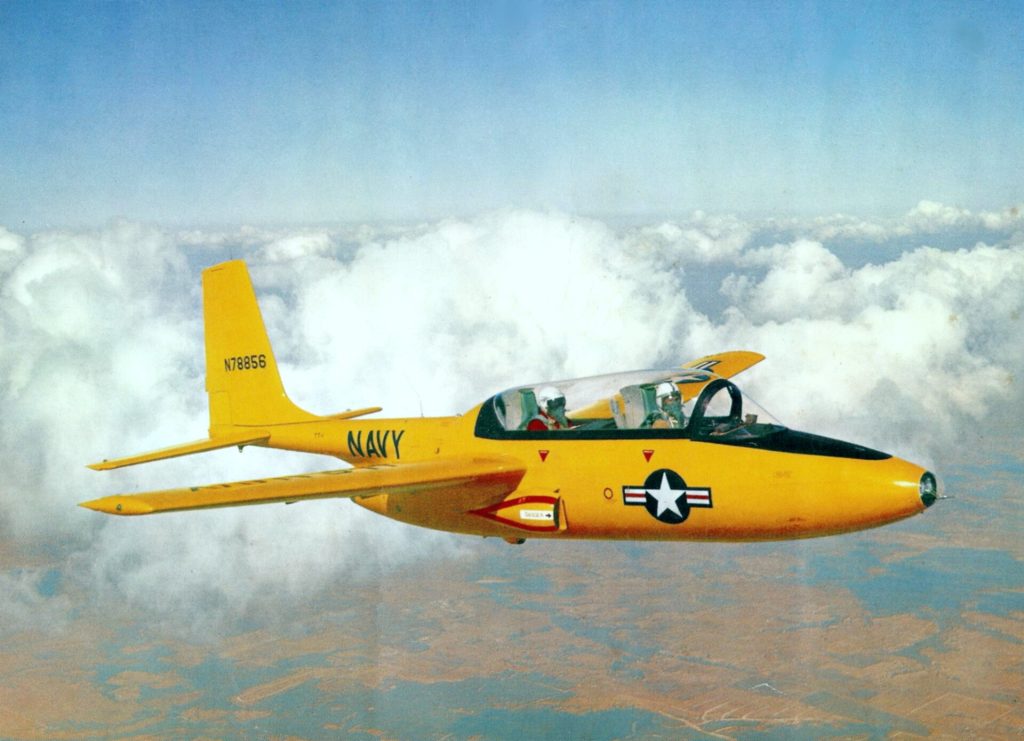
The Temco TT-1 was found to have good flight characteristics; the lack of power on “wave-offs” affected performance on go-arounds. The Pinto was evaluated at Naval Air Test Center (NATC) in Patuxent River in the weeks following its first flight. Ultimately, 14 TT-1s were produced by Temco between 1955 and 1957. The TT-1 was re-engineered by American Jet Industries (AJI) in 1968. The Continental Motors J69-T-9 was replaced with the General Electric CJ610 (civilian version of the J85) jet engine with 2,850 pounds of thrust. Named the T-610 Super Pinto, this modified jet trainer would first fly on June 28, 1968.
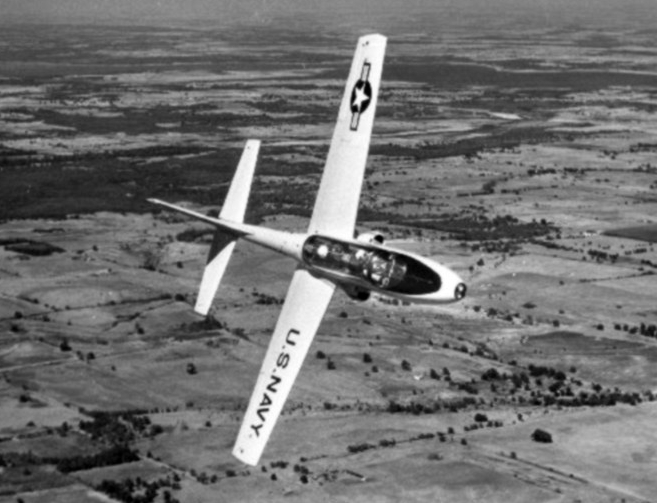
The T-610’s upgraded engine significantly boosted overall aircraft performance. The T-601’s production rights were purchased by the Philippine Air Force, which planned to build the aircraft as the T-610 Cali. Unfortunately, the collapse of the Marcos administration brought the Cali project to a halt. A joint venture to manufacture a new version of the Super Pinto, named the T-100 Super Mustang, was announced in 1988. The T-100 was to be built in a joint venture between American aircraft manufacturer Avstar, Inc., and the Chinese Shenyang Aircraft Corporation. A prototype is said to have been test flown in the US, powered by a General Electric J85 turbojet engine. Beyond this supposed test flight, nothing more ever came to be from the project.
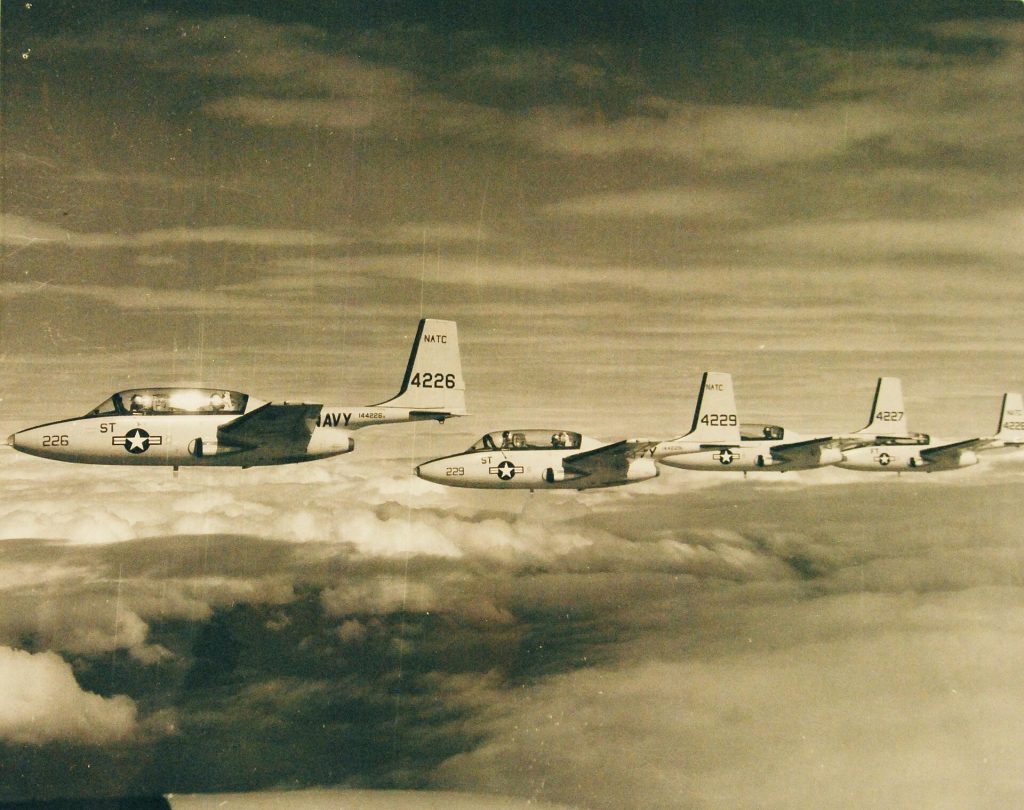
The Temco TT-1, under the power of the 920 lbf Continental YJ69-T-9 turbojet, could cruise at 247 mph and attain a maximum airspeed of 345 mph. The aircraft had a training endurance of 1.5 hours, a 30,000-foot ceiling, and a 1,900-foot-per-minute rate of climb. Pintos were unarmed and built solely for the purpose of building jet-specific fundamental skills in the primary flight training phase. TT-1s began to serve in 1959 at Air Training Command at Pensacola, Florida. The aircraft was used to test the feasibility of using a jet-powered trainer for primary flight training. Ultimately, the TT-1’s performance was deemed insufficient for the mission, and the Pintos were sold as surplus. A handful of TT-1’s and Super Pintos remain airworthy today, as many as 5 according to the US Civil Registry. The T-610 prototype still survives, on display at the Philippine Air Force Museum.