
This year marks the 100th anniversary of Pratt & Whitney, a name that has become synonymous with excellence in aircraft propulsion. Founded on July 22, 1925, in Hartford, Connecticut, the company began with a bold vision from a 37-year-old aviation enthusiast and engineer, Frederick B. Rentschler. What started as a daring idea has evolved into a century of technological achievement that continues to shape the future of aviation.
Rentschler, an Ohio native with a deep passion for flight, had grown disillusioned with the leadership at Wright Aeronautical, where he held a senior role. He believed that true progress in aviation required visionaries—not financiers—and made the bold decision to chart a new course. Despite having the option to return to the family business in Ohio, Rentschler chose to pursue his passion for aviation, even though it meant starting from scratch. In early 1925, Rentschler presented his idea to a Navy admiral in Washington, proposing a revolutionary 400- to 500-horsepower air-cooled radial engine. While the admiral expressed interest, he explained that no funds were available. However, he left the door open, assuring Rentschler that if he could build such an engine, the Navy would pay attention.
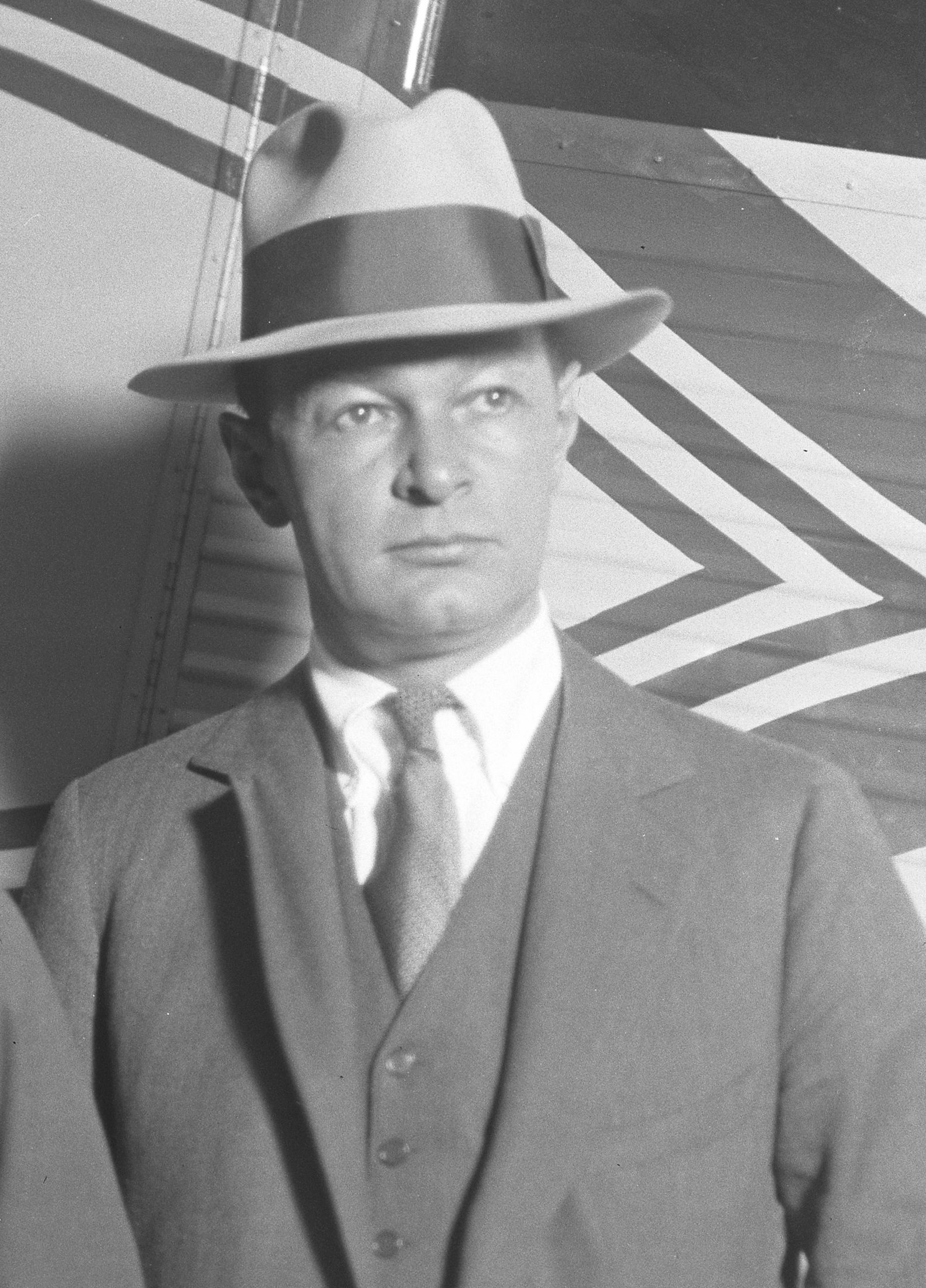
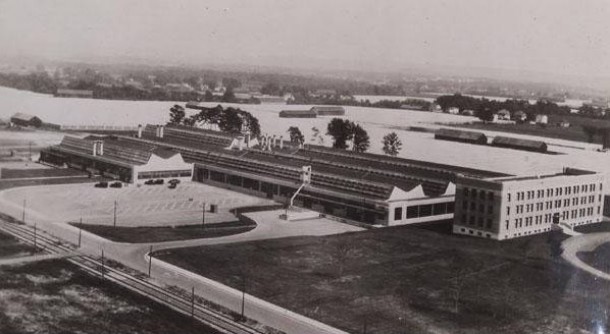
Undeterred, Rentschler sought private backing. By April, he and his brother convinced a longtime family friend and Ohio manufacturer of the project’s potential. That company had a machine tool division in Hartford known as Pratt & Whitney. After a visit to the Connecticut facility, Rentschler secured up to $1.5 million in initial funding. The new venture—Pratt & Whitney Aircraft—was launched in a repurposed tobacco warehouse, and a new chapter in aviation history began.
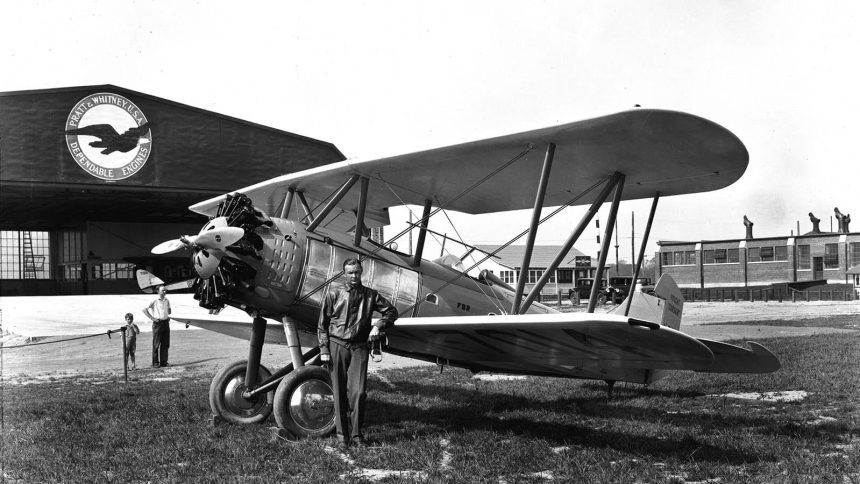
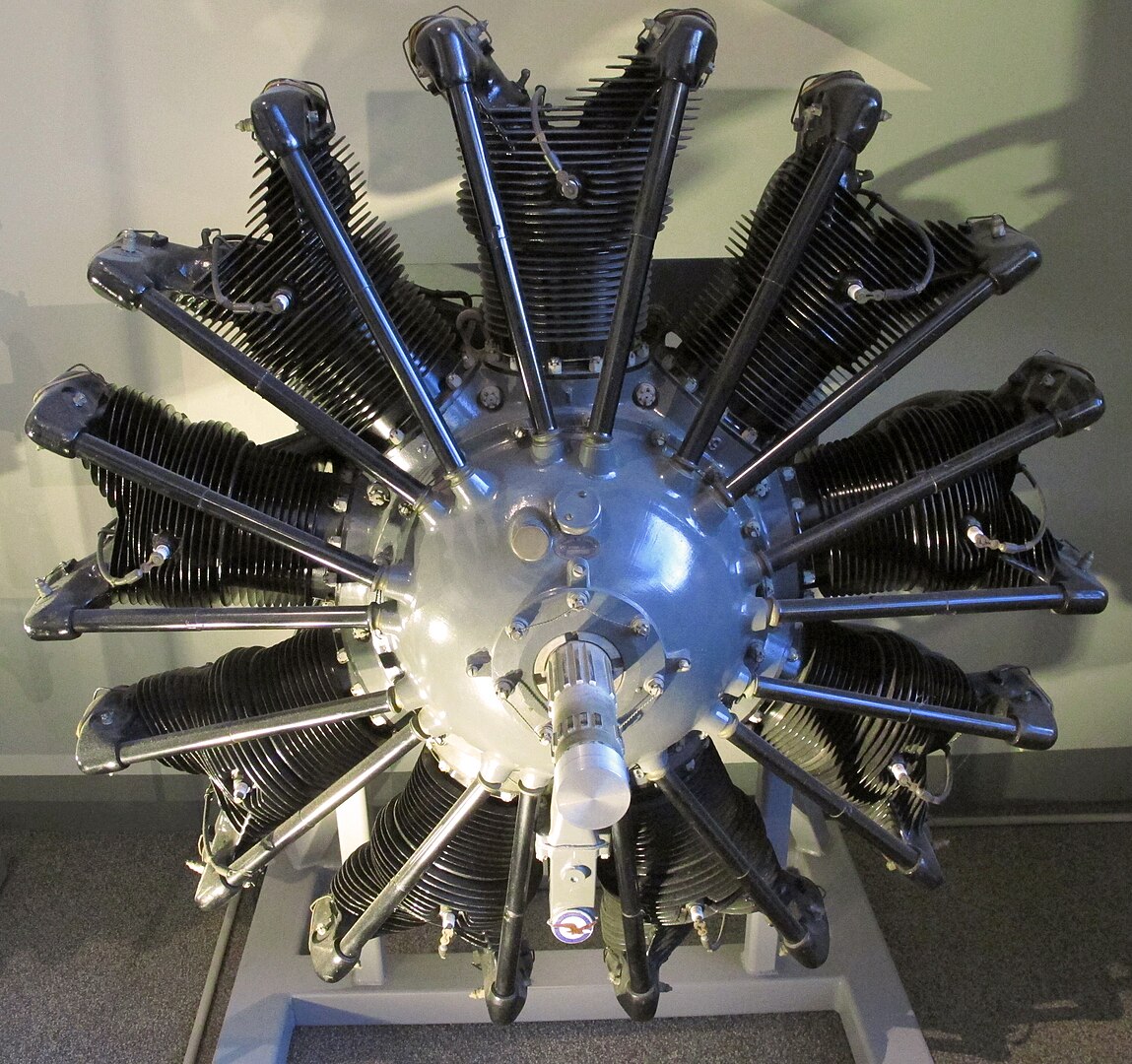
As the company took shape, Rentschler began assembling a world-class engineering team that included George Mead and Andy Willgoos—names that remain legendary within the company to this day. Their collective vision quickly became reality. On Christmas Eve 1925, just months after founding the company, the first Wasp engine roared to life. It was a breakthrough in aviation technology—lightweight, powerful, and reliable—and it would go on to transform air travel and military aviation alike.
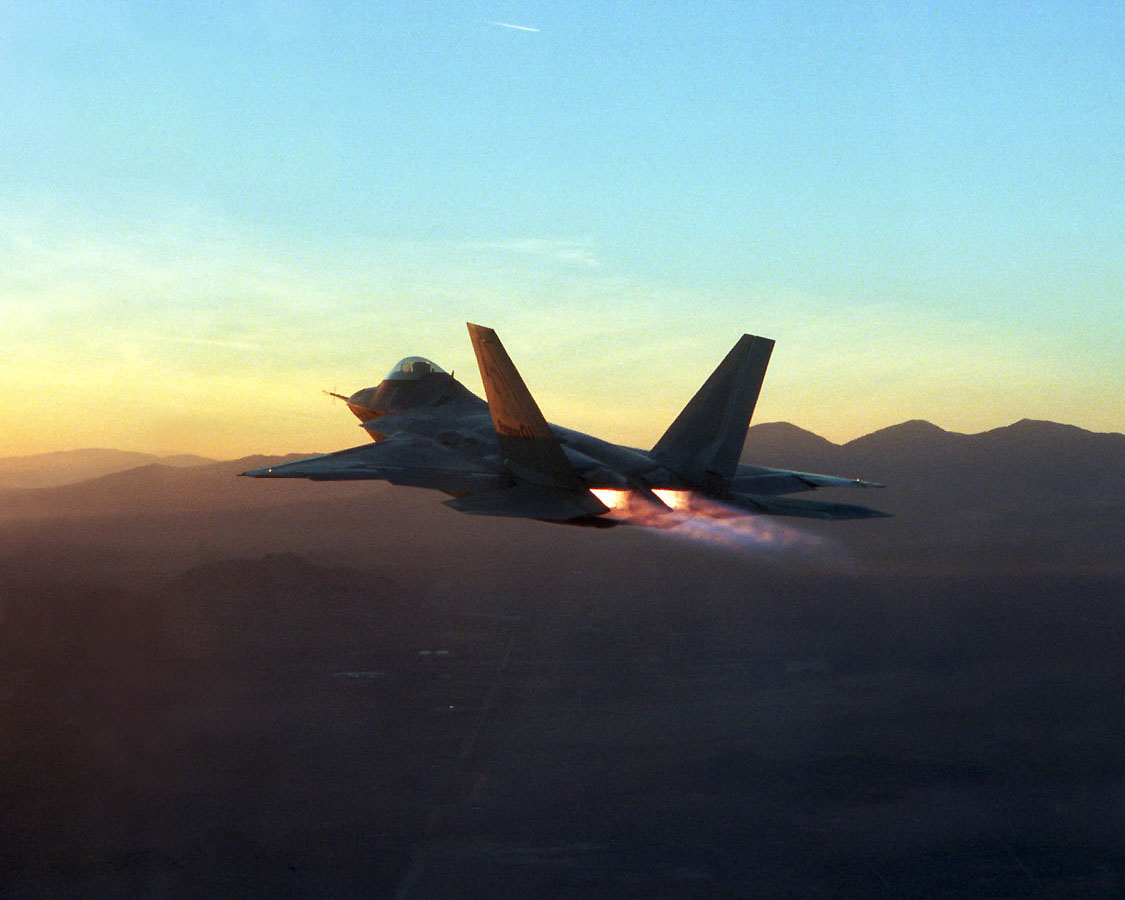
From those humble beginnings, Pratt & Whitney has spent the last 100 years pushing the limits of what’s possible in aerospace. From powering iconic WWII aircraft and Cold War-era jets to today’s next-generation commercial and military engines, the company continues to innovate with the same spirit that guided Rentschler a century ago. As Pratt & Whitney celebrates its centennial, it honors a legacy built on courage, engineering brilliance, and a relentless drive to propel the world forward—one engine at a time.
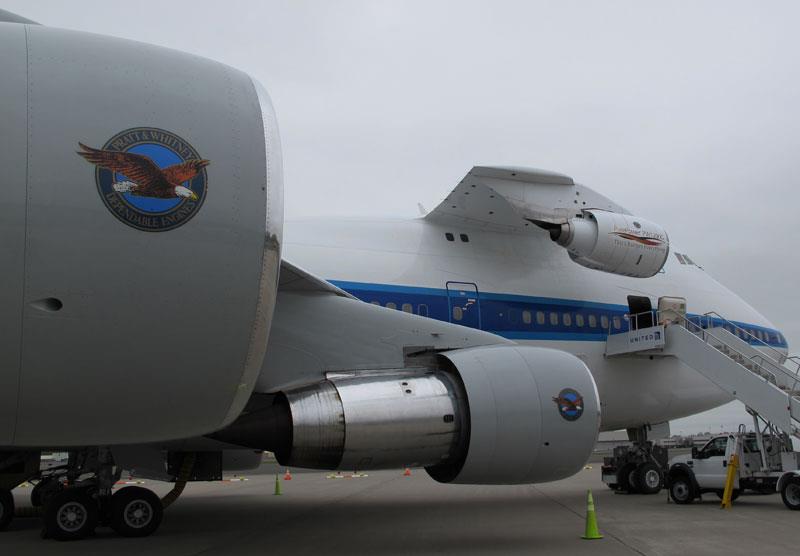
Pratt & Whitney’s rare Boeing 747SP flying test bed will be a featured attraction at EAA AirVenture Oshkosh 2025 as part of the company’s 100th anniversary celebration. This unique aircraft, equipped with a fifth engine mount for testing experimental propulsion systems, will be on display in Boeing Plaza from July 20–24, offering attendees a rare chance to explore one of aviation’s most innovative platforms up close.