
(Image credit: VAN)
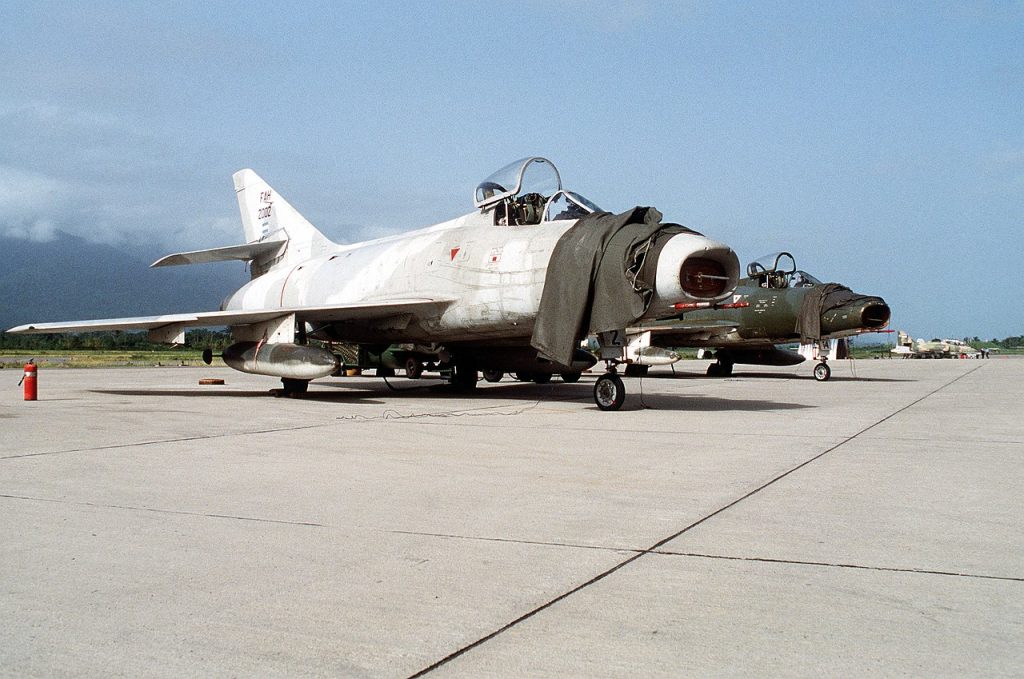
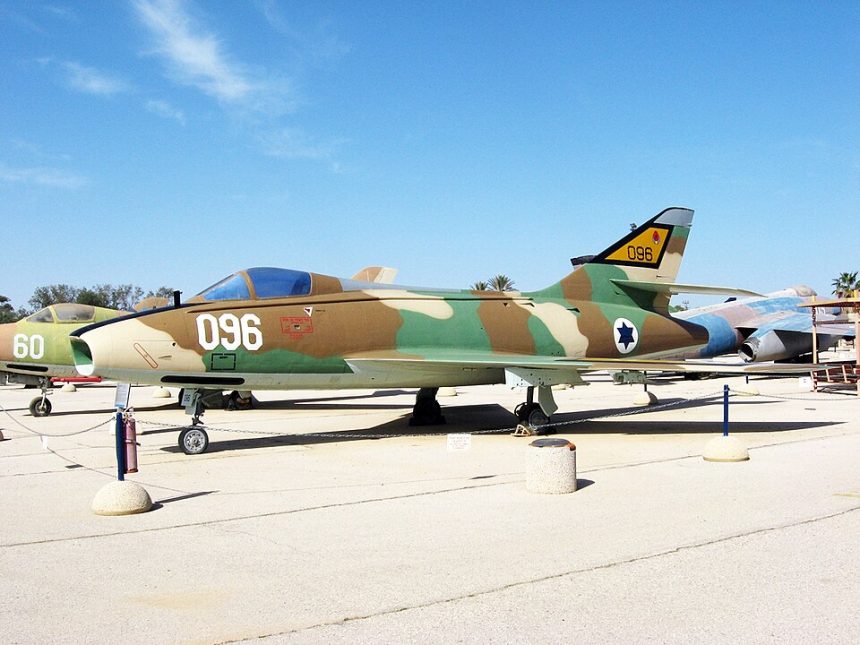
On this day in aviation history, 71 years ago (March 2, 1955), the first flight of the Dassault Super Mystère took place. Developed from the Mystère IV, the Super Mystère was a French supersonic fighter-bomber. The Dassault Super Mystère was the first supersonic aircraft from Western Europe to enter mass production, with 178 airframes ultimately being manufactured. The Super Mystère represents the final form of Dassault’s first fighter jet, which began with the Ouragan and progressed to the Mystère II/III and IV. Previous variants of the aircraft could only attain supersonic speeds in a dive; the Super Mystère could break the sound barrier in level flight.
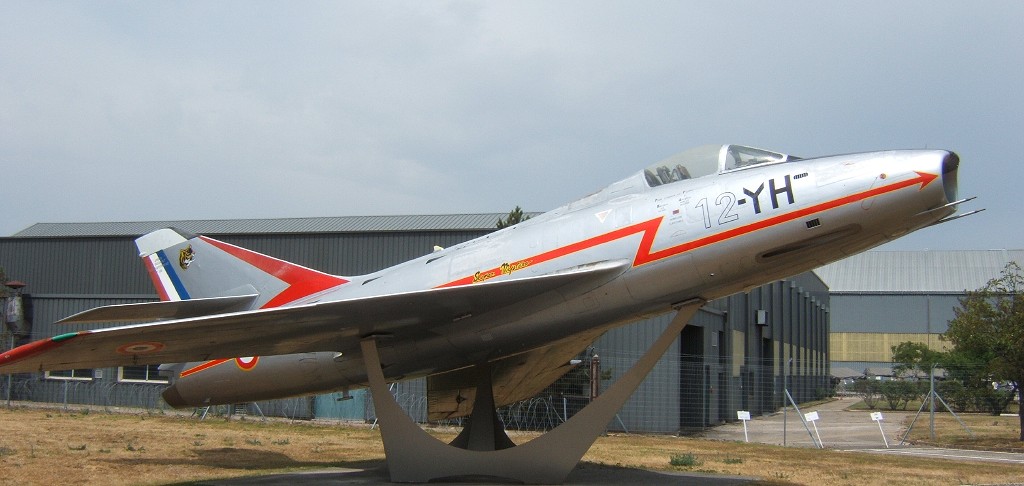
Prototype Super Mystère B.1 broke the sound barrier during its first flight on 3/2/55, while under the power of a Rolls-Royce Avon RA.7R. The production versions of the Super Mystère were powered by a more powerful SNECMA Atar turbojet engine, which provided 7,500 pounds of thrust dry and 9,900 with afterburner engaged. The aircraft could attain a maximum airspeed of Mach 1.12 (743 mph). The Super Mystère had a combat range of 470 nautical miles, a service ceiling of 56,000 feet, and could climb at a rate of 17,500 feet per minute. Armament came via two 30 millimeter DEFA 552 cannons, two Matra rocket pods (with eighteen SNEB 68 millimeter rockets each), two Rafael Shafrir AAMs, and a 5,000-pound bomb load capacity (on four external hardpoints). The French, Honduran, and Israeli Air Forces all flew the Super Mystère, seeing action with the Six-Day and Yom Kippur Wars. Pilots generally liked the aircraft, citing its performance as being a good match for the MiG-19 in combat. Israel and Honduras upgraded the Super Mystère to be powered by a non-afterburning version of the Pratt & Whitney J52-P8A. This variant was named the IAI Sa’ar in Israel, Hebrew for “storm.” The French Air Force retired the Super Mystère in 1977, but the fighter continued to serve in Honduras until 1996.