
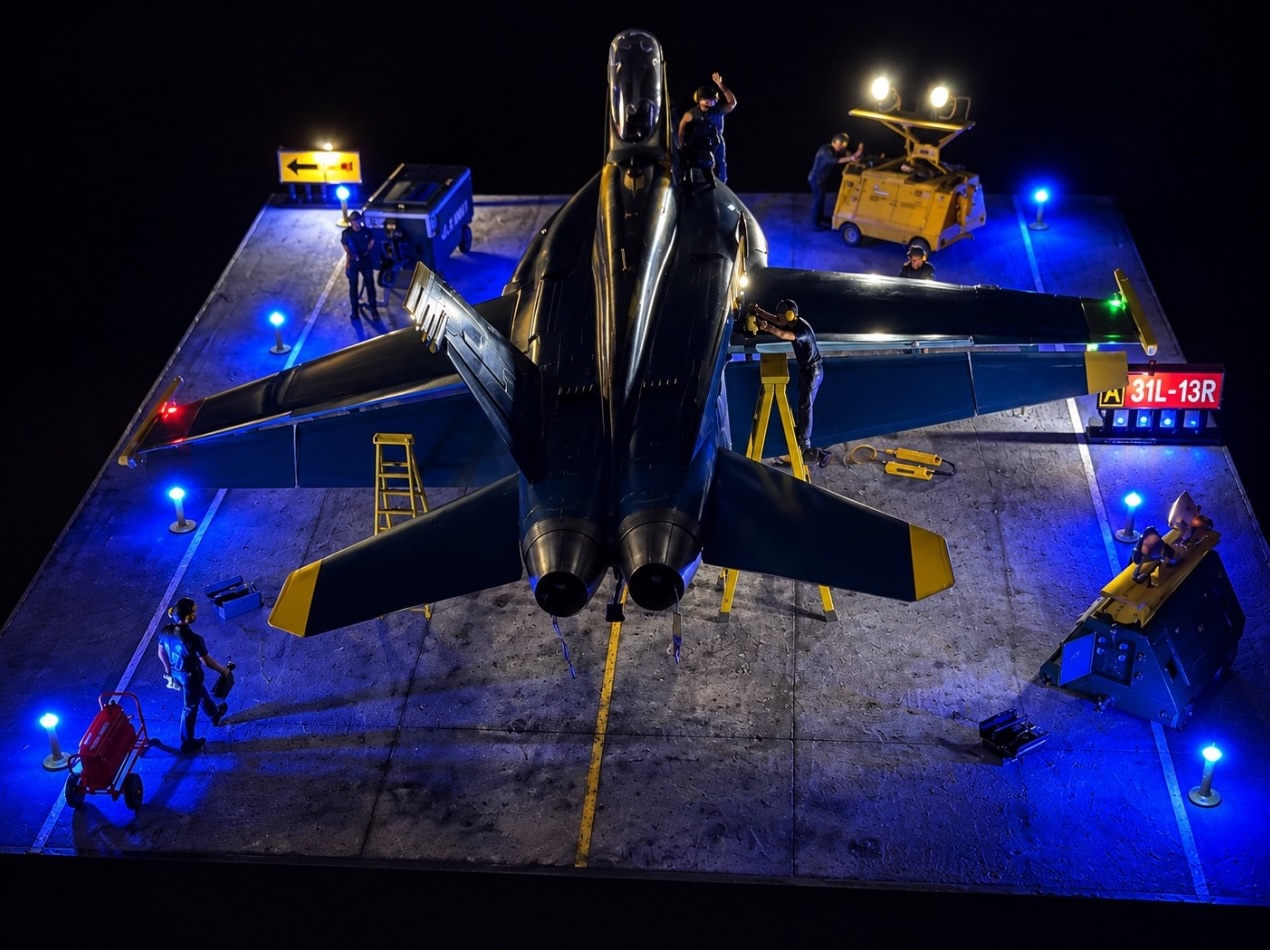
A mechanic leans over the cockpit of a Blue Angels Super Hornet. Nearby, crew members tend to the aircraft, tools sit ready, and blue taxiway lights illuminate the ramp. The scene captures the work that makes a flight demonstration possible, with one unusual distinction: the airplane, people, and equipment are all miniatures. Created by Atlanta-based scale model builder Tom Malek of TommyBoy Hobbies for Palm Springs Air Museum, the 1/32-scale diorama reflects an approach that runs through his work. The aircraft provides the centerpiece, while the surrounding activity tells the story of the people who operate and maintain it.

For Malek, that storytelling begins with research. Photographs, aircraft markings, cockpit configurations, maintenance equipment, and the appearance of a particular airplane at a particular time all inform the finished display. His work illustrates the contribution skilled model builders make to aviation preservation: translating historical evidence into detailed, accessible scenes that help viewers understand how aircraft were used and the people behind them. “What draws me in is the story,” Malek said. “I might see an airplane, a photograph, or an important moment in history and immediately picture a scene I could create around it.”

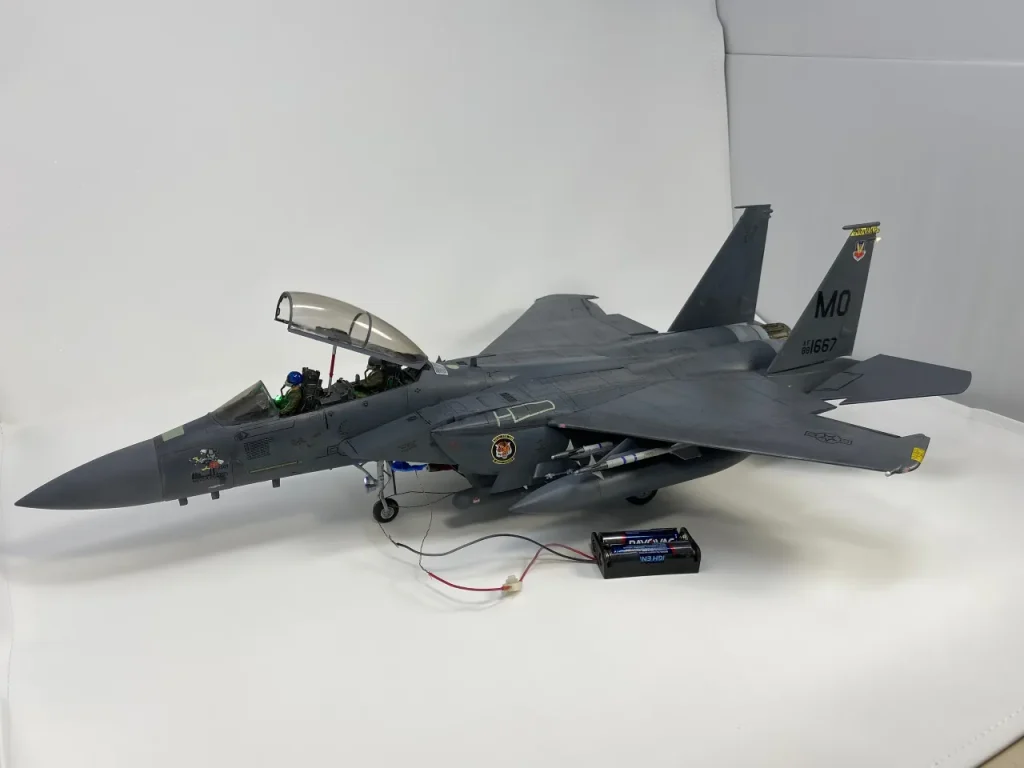
His interest began with an airplane he knew firsthand. Growing up around aviation with his father, Malek started flying at age 10. Around that same period, he built his first aircraft model, a 1/48-scale T-6 Texan inspired by one he regularly watched at a local airport. Once assembled, the miniature Texan accompanied him around the yard on imaginary combat missions. Aviation remained central to his life through approximately four decades of general and commercial flying. In his twenties, he began taking modeling more seriously, developing techniques that produced increasingly realistic results. Eventually, his wife suggested sharing the work with others as the finished airplanes began filling their home. Malek started selling models on eBay, where his 1/32-scale Tamiya F-15E Strike Eagles attracted buyers who included pilots, engineers, and people connected with McDonnell Douglas. Their interest helped him recognize the personal significance a model could carry. An accurately represented aircraft could reconnect someone with a machine they had flown, helped build, or maintained. That realization helped establish TommyBoy Hobbies, although the path to museum displays required persistence.
During a visit to the Museum of Aviation in Warner Robins, Georgia, Malek saw the F-117 Nighthawk Delta Dawn undergoing restoration. An opportunity to examine and photograph the aircraft inspired a 1/48-scale nighttime bomb-loading diorama, complete with personnel, equipment, aircraft-specific markings, and LED lighting. The museum declined his offer of the display, but Malek continued contacting other institutions. The Ronald Reagan Presidential Library expressed interest in a diorama of its F-117, Unexpected Guest, for the Air Force One Pavilion. Palm Springs Air Museum also showed interest in a scene featuring its Nighthawk, Black Devil, although exhibit space was not guaranteed. Malek built both 1/32-scale displays simultaneously, spending eight to twelve hours a day in his workshop for nearly two months. He and his wife then rented a vehicle and drove the completed pieces to California. Palm Springs accepted its display, beginning a relationship that led to further projects. The F-117 builds also demonstrate how much work can lie behind details a visitor might initially overlook. Malek sought specialized decals from Europe to reproduce the individual aircraft’s markings. He obtained an aftermarket canopy and worked to capture the Nighthawk’s distinctive gold-tinted glazing.

Those decisions establish the identity of an airplane. The same principle applies throughout his work: a particular marking, instrument panel, or item of ground equipment can determine whether a scene convincingly represents its intended subject and period. “The kit is my starting point, never the finish line,” he said. Whenever possible, Malek examines the actual aircraft, taking photographs and video to document its features. Otherwise, he turns to historical photographs, books, museum collections, aviation resources, and original records. Although he uses AI to help locate and organize research leads, he returns to period photographs and primary references to check accuracy. Some of those references have been with him for decades. Newspaper clippings showing F-14s aboard aircraft carriers during the Persian Gulf War are now helping inform a Tomcat catapult-launch diorama.
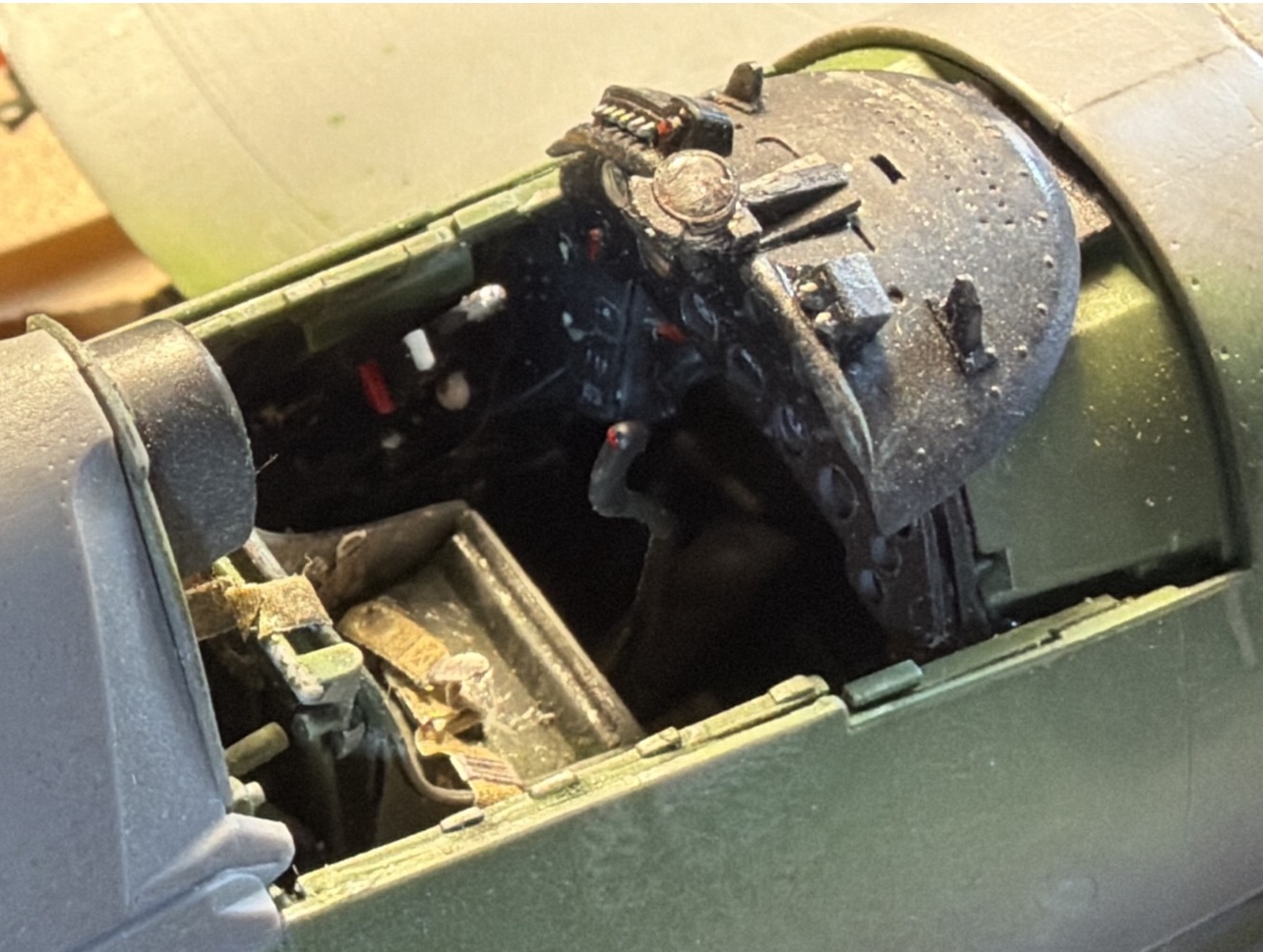
Research continues through the painting and finishing stages. Weathering requires an understanding of the aircraft’s environment and service. A carrier-based fighter exposed to saltwater operations presents different evidence of wear from a B-17 operating from a European airfield during WWII. Exhaust staining, chipped paint, and worn surfaces must follow the available evidence. For his B-17 scene depicting the “Bloody Hundredth,” Malek studied reference photographs to guide the placement and appearance of wear and exhaust stains. He uses techniques including layered airbrushing, washes, pigments, and hairspray chipping, in which portions of a topcoat are carefully removed to expose an underlying color. “I don’t weather simply to make a model look beaten up,” he said. “Each chip and streak should make sense for the aircraft and the moment I’m portraying.”

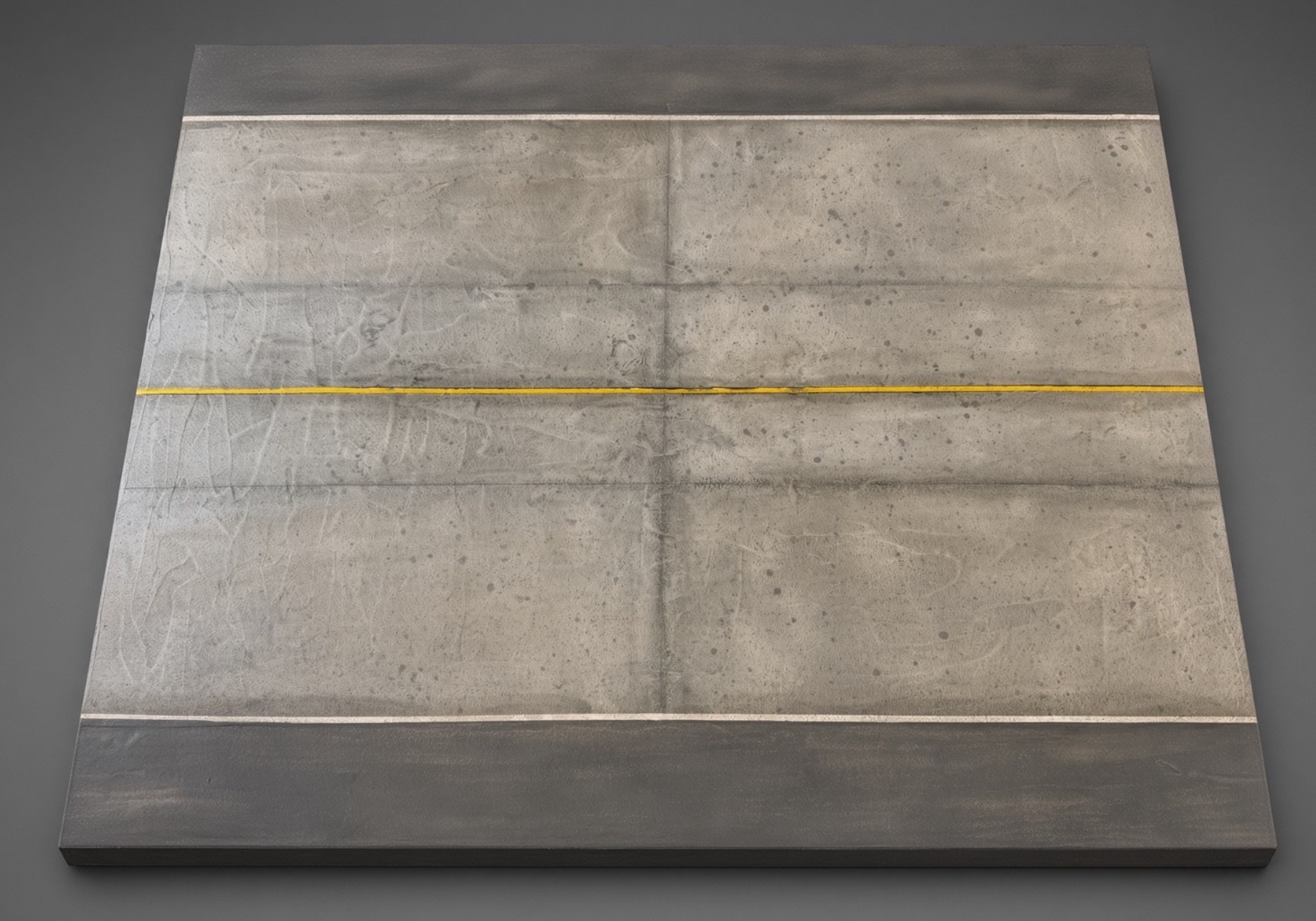
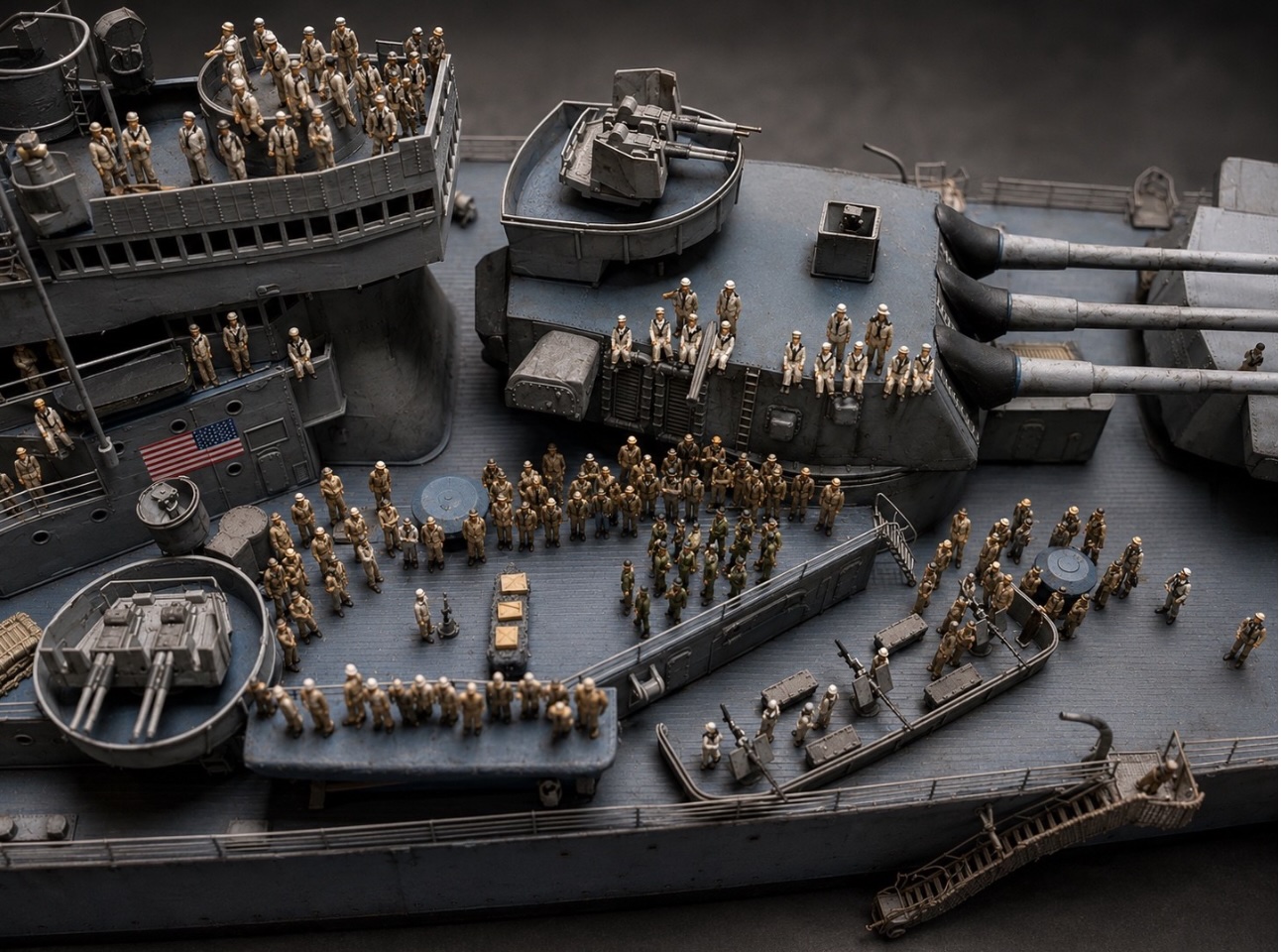
The construction itself demands similar patience. Before assembly, Malek studies the instructions, checks the parts, plans modifications, and determines how the aircraft will fit into its setting. Lighting requires early decisions about wiring routes and component placement, long before the fuselage is closed. A comparatively simple model may take several dozen hours. A detailed museum diorama can require hundreds, with the aircraft, figures, support equipment, base, and electronics all competing for attention.
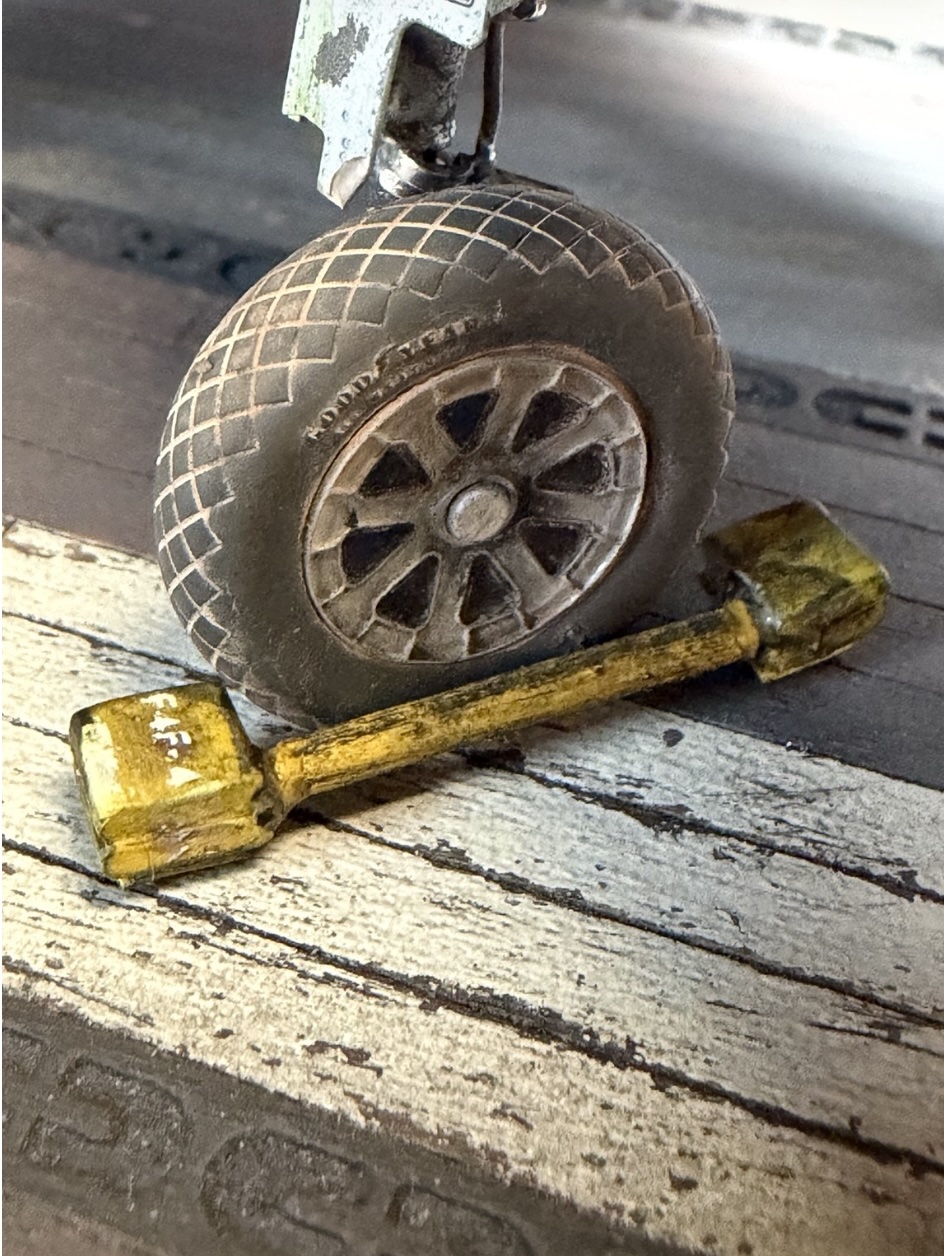

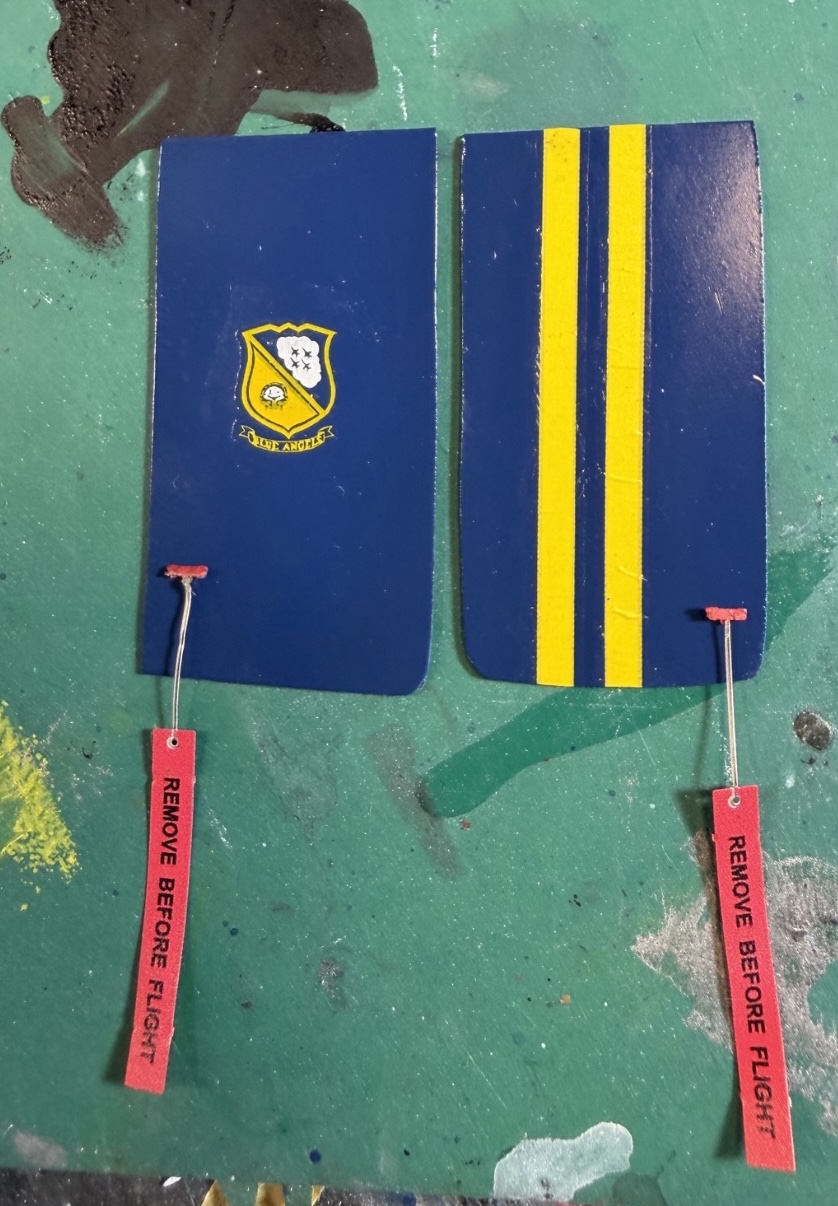
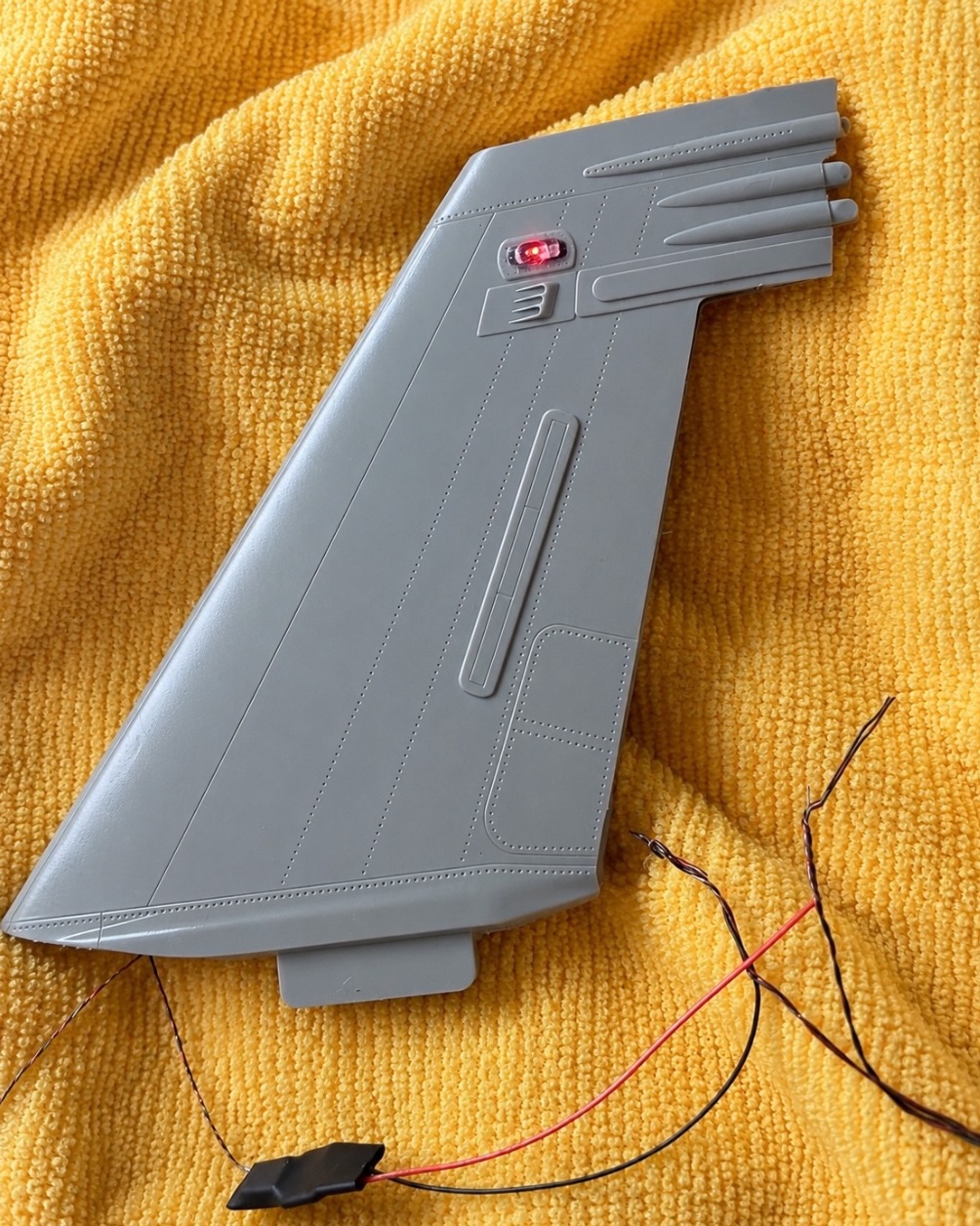
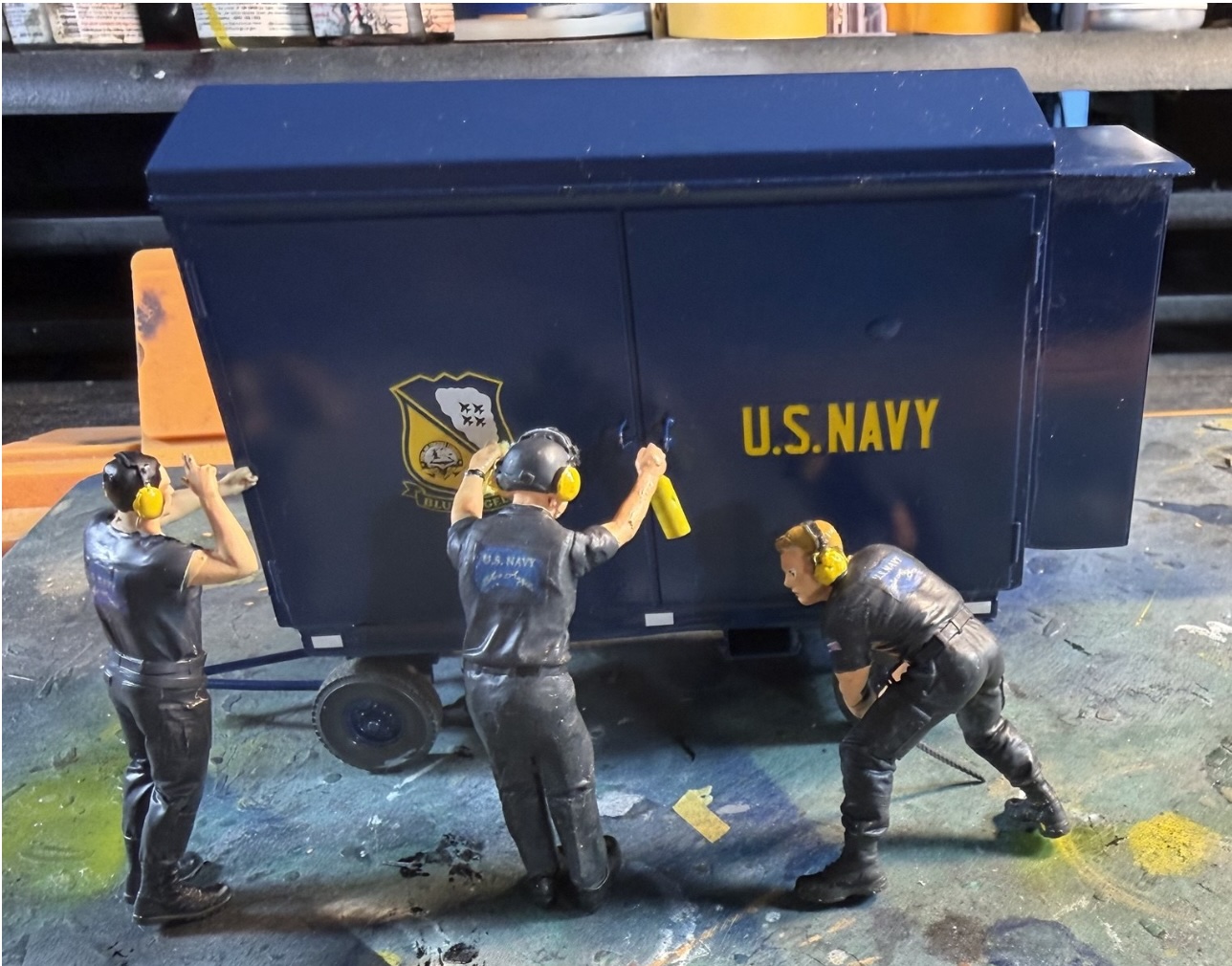
His Blue Angels Super Hornet display brings those elements together around a subject frequently overshadowed by the flying demonstration: the maintenance team. Malek wanted visitors to consider the work performed between appearances. Using his 3D printer, he created figures and accessories to depict personnel cleaning, inspecting, and servicing the aircraft. Crew members carry cloths and spray bottles, climb ladders, and work around the jet. Miniature tools, protective covers, support equipment, and illuminated signs give the scene its setting. He matched the model’s markings and details to the museum’s F/A-18E and incorporated Palm Springs references into the display. A motion sensor activates the lighting as visitors approach, drawing attention to the activity around the aircraft.

“The museum already has the real aircraft, but my scene tries to answer: What happens around this airplane when it isn’t flying? Who makes the demonstration possible?” Malek said. “I wanted to honor the whole team and tell their story.” That is where a carefully researched model can add context to a full-size museum exhibit. It can show an aircraft surrounded by its working environment, bringing maintenance practices, equipment, and human activity into a scene visitors can examine at a glance.
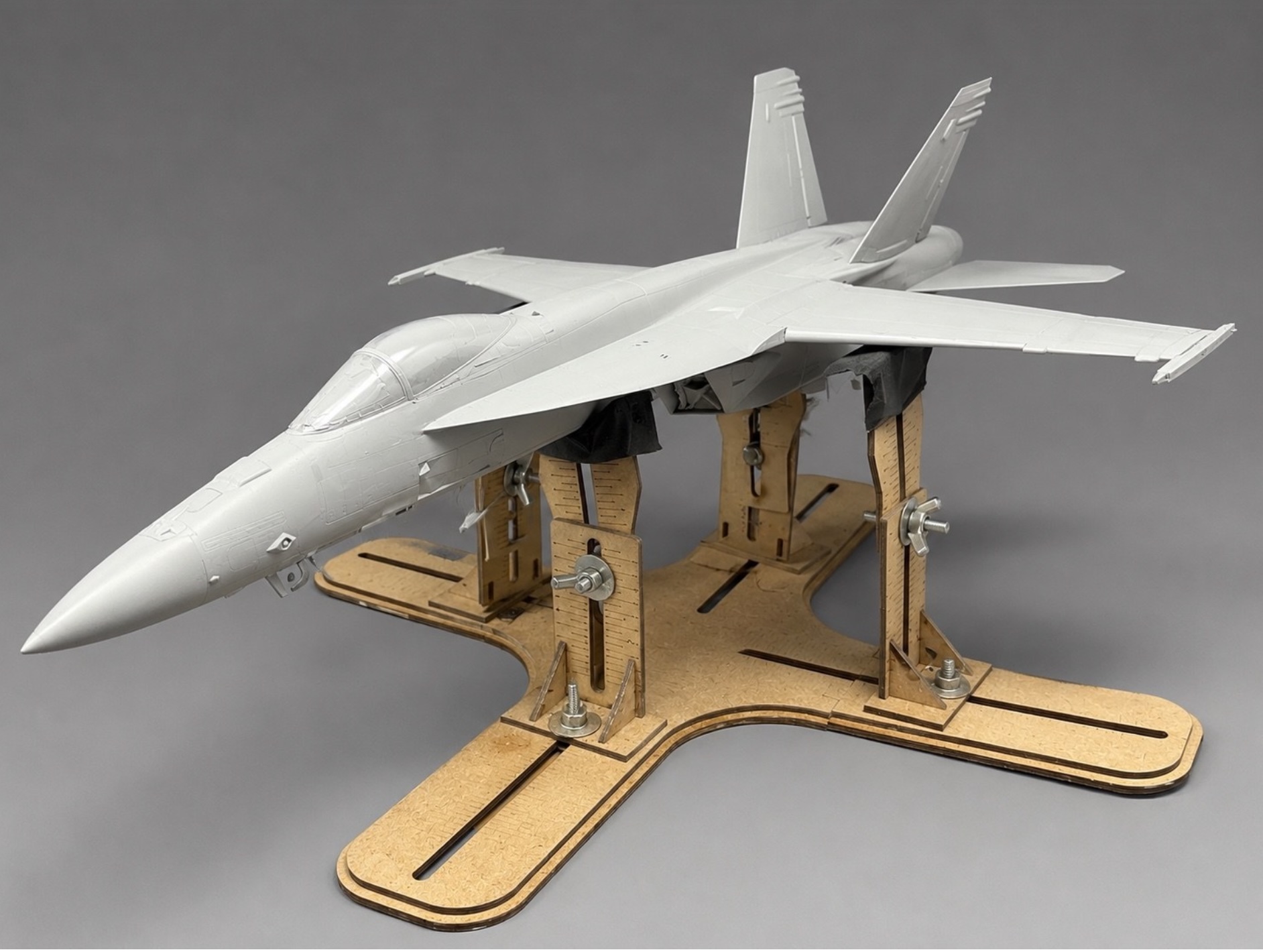
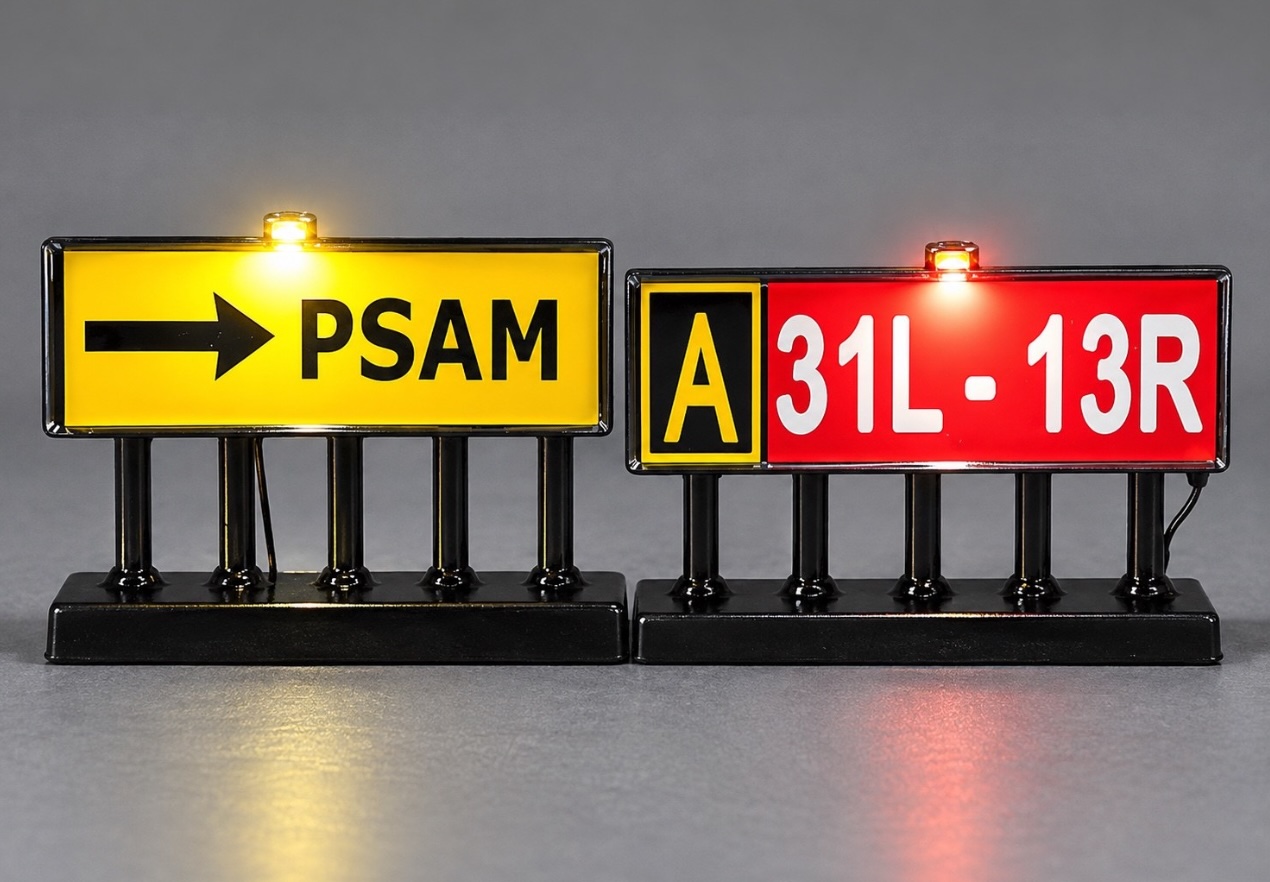
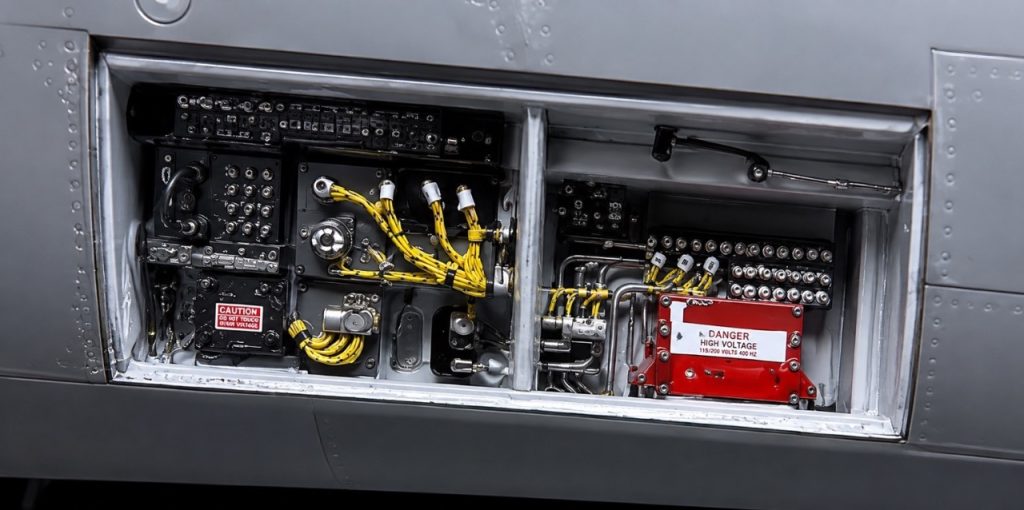
Malek applies the same care to making those exhibits serviceable. Fine wiring is concealed within the aircraft and base, while quick disconnects allow components to be removed for maintenance. Larger models may receive metal landing gear for strength. Lights are positioned to reflect their locations on the actual aircraft, with attention even to differences in flashing patterns.
(Image credit: Tom Malek)
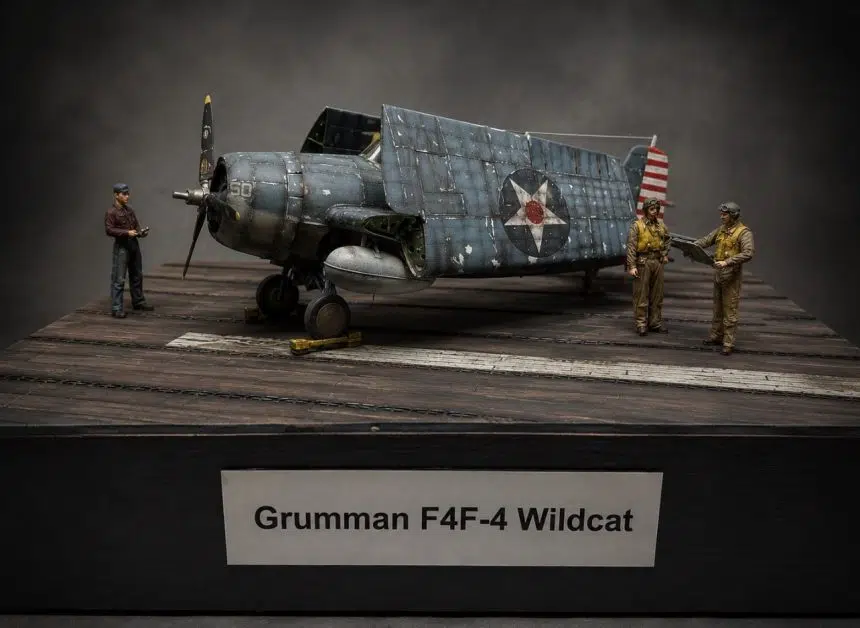
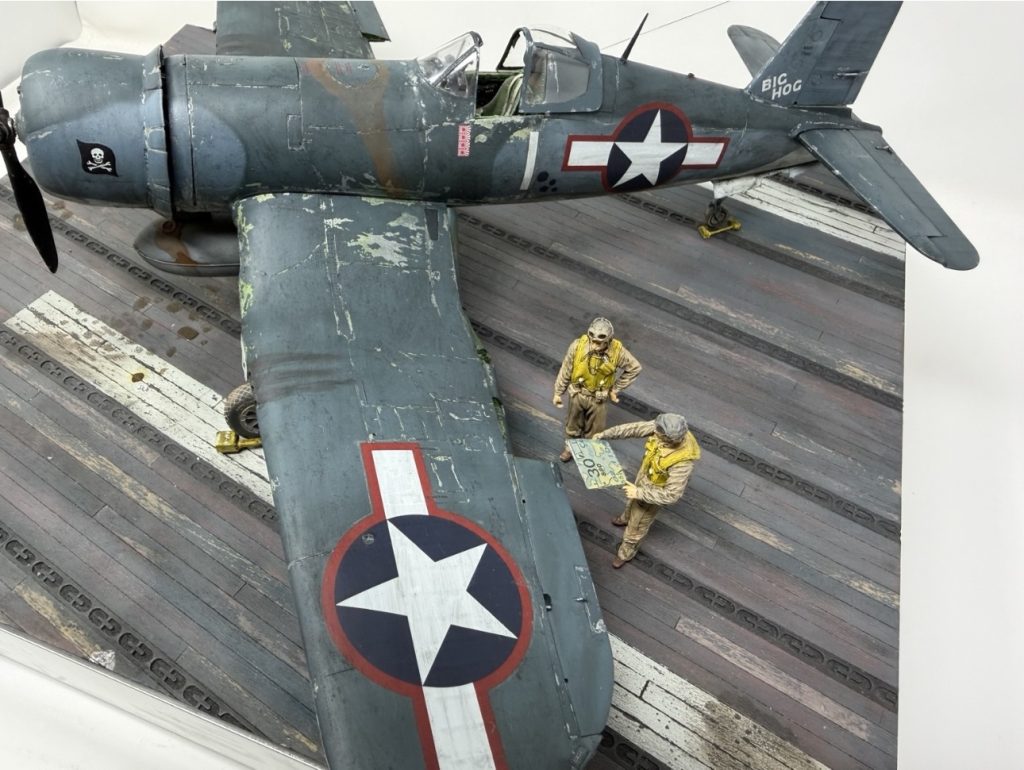
The personal projects can be just as meaningful. For the father of a close friend, Malek built an F4U Corsair carrier-deck scene with pilots studying a map and plaques explaining the setting. The recipient, who had a strong connection to the Navy and considered the Corsair his favorite airplane, was delighted. For Malek, that reaction reinforced the responsibility involved in representing someone else’s memories. “I’ve also built models for veterans, pilots, and families, and those projects remind me that I’m not telling my own story,” he said. “I’m telling theirs, in the way they want to be represented.”
(Image credit: Tom Malek)

(Image credit: Tom Malek)
He encourages newcomers to begin with that same personal connection. Choose an aircraft that means something, research its history, and start with a manageable kit. Basic tools, patience, and a notebook can provide a foundation; techniques develop with practice. He also recommends joining a local International Plastic Modelers’ Society club, where builders can exchange advice and learn from one another. Malek’s models show how aviation history can be preserved and shared at a scale small enough to fit inside a display case. Their value comes from the research and judgment behind the construction: identifying the right aircraft, understanding its service, and representing the people whose work kept it flying. “If you tell the story,” he said, “the model will speak for itself.” For more information about Tom Malek’s work, visit TommyBoy Hobbies.