






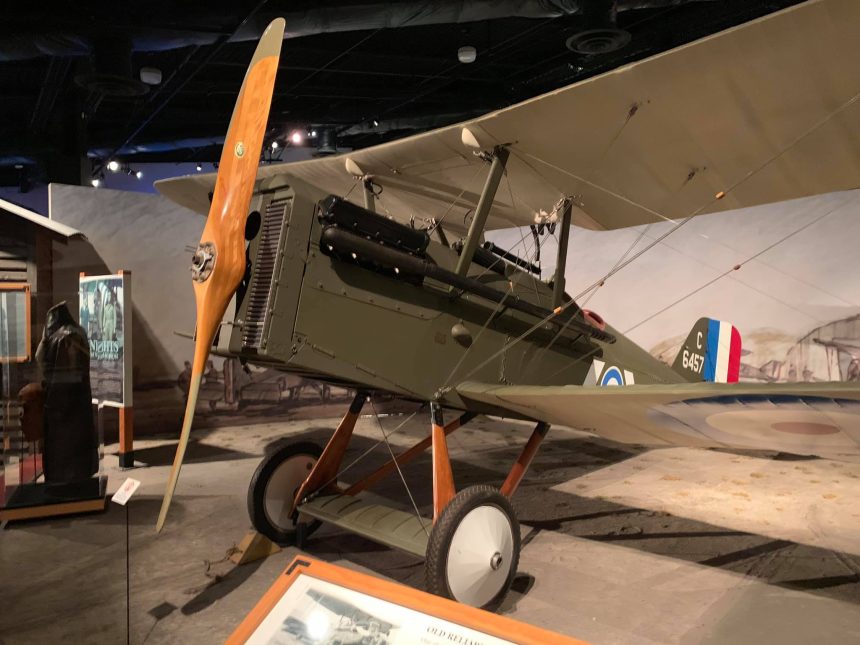

Since his childhood, Randy Malmstrom has had a passion for aviation history and historic military aircraft in particular. He has a particular penchant for documenting specific airframes with a highly detailed series of walk-around images and an in-depth exploration of their history, which have proved to be popular with many of those who have seen them, and we thought our readers would be equally fascinated too. This installment of Randy’s Warbird Profiles takes a look at the Museum of Flight‘s Royal Aircraft Factory S.E.5a.
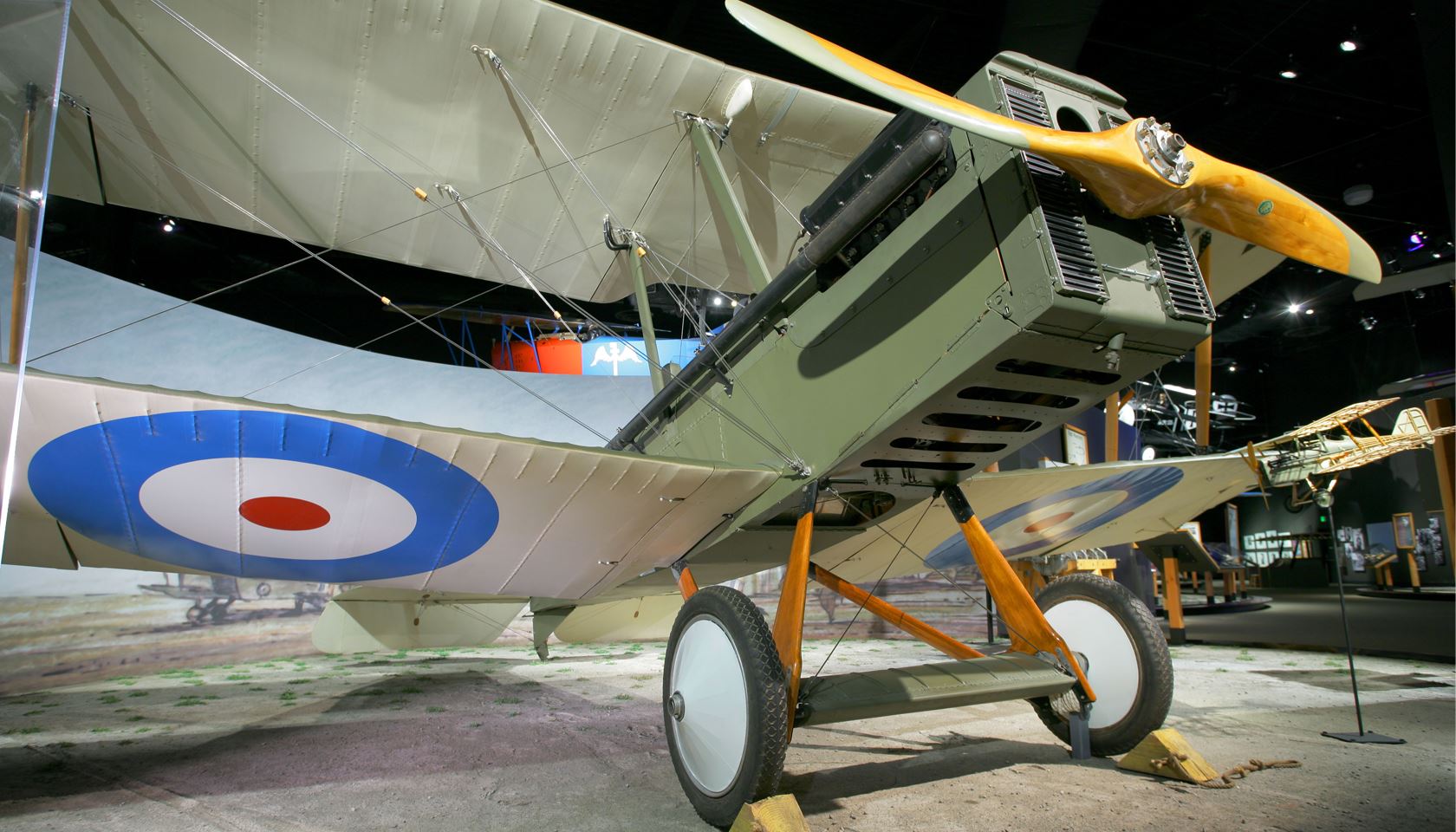
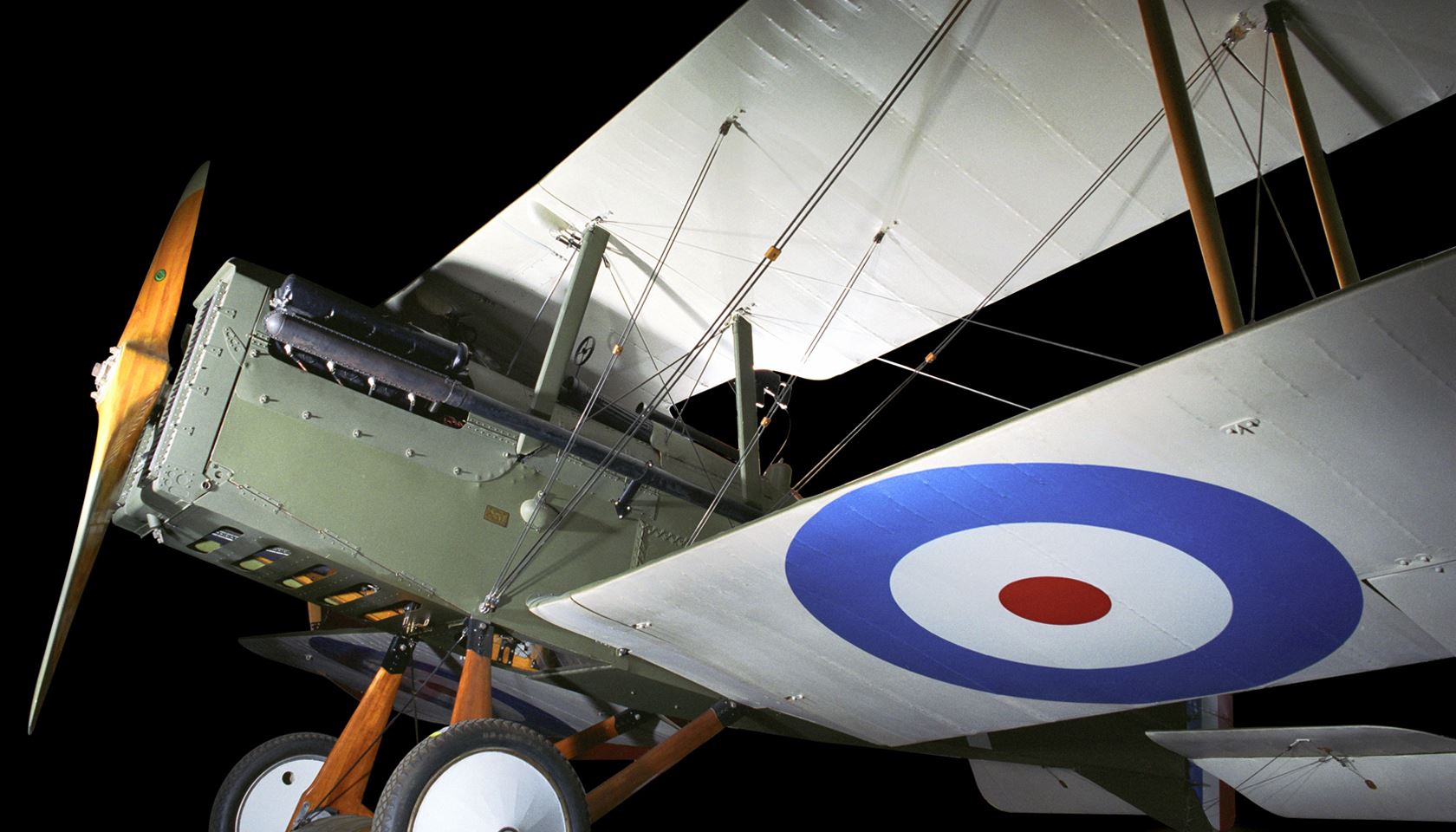
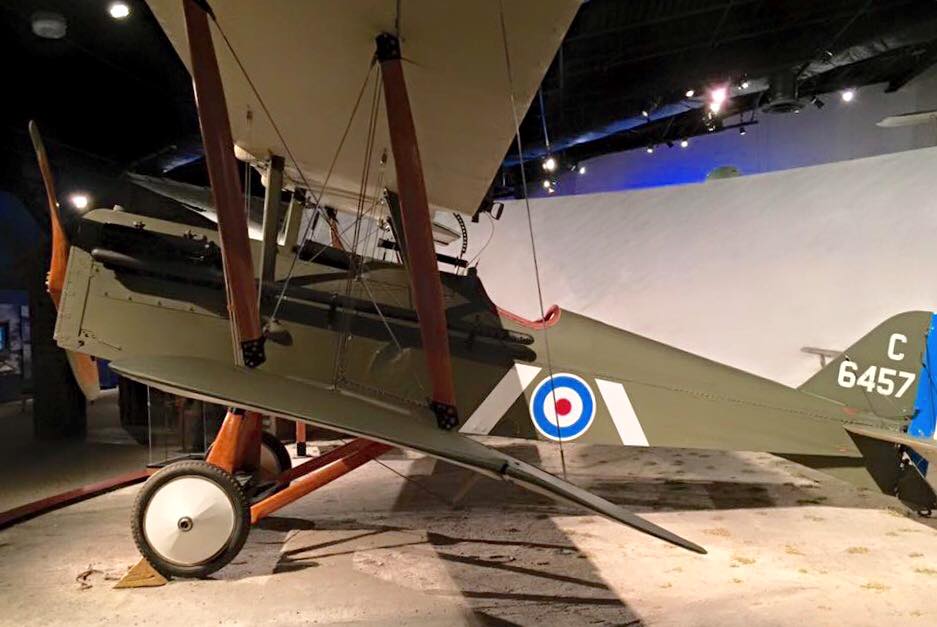
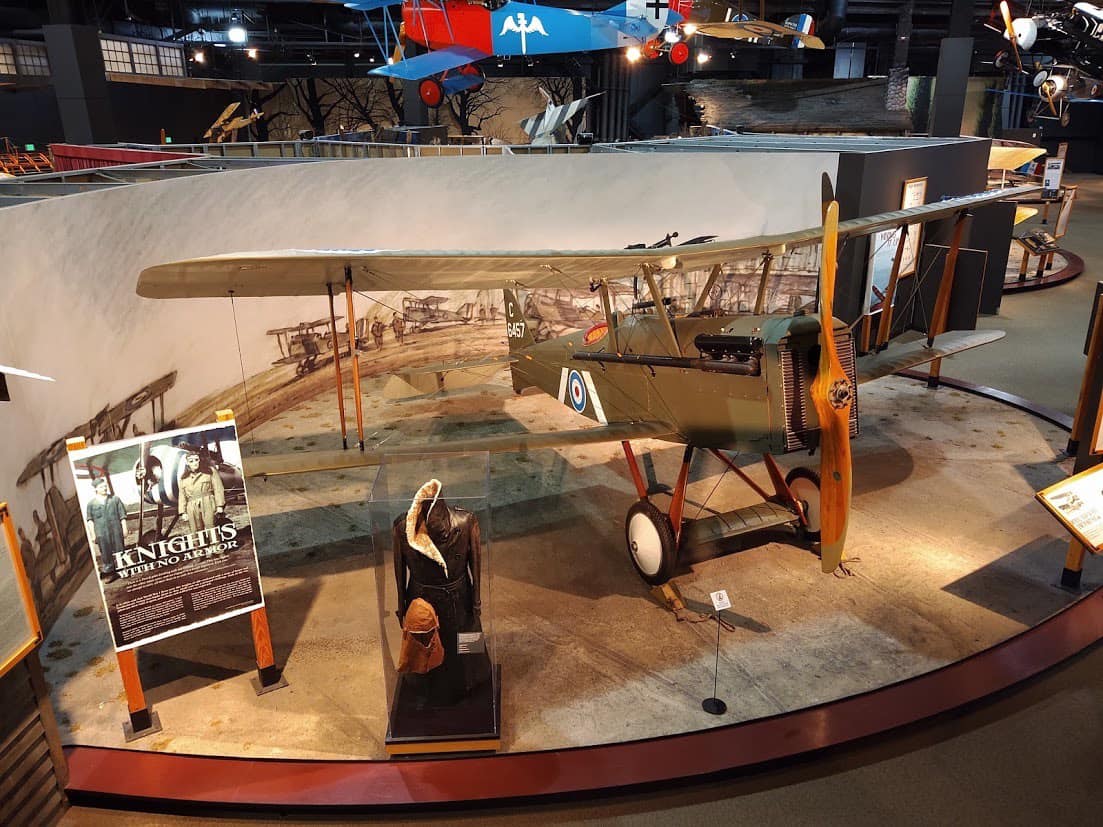
This replica at Museum of Flight on Boeing Field in Seattle, Washington is painted in honor of U.S. fighter ace George Vaughn, Jr., who flew an S.E.5a for No. 84 Squadron, British Royal Flying Corps, before being transferred to the 17th Aero Squadron, United States Air Service, in August 1918 for which he flew a Sopwith Camel. My photos except as noted.
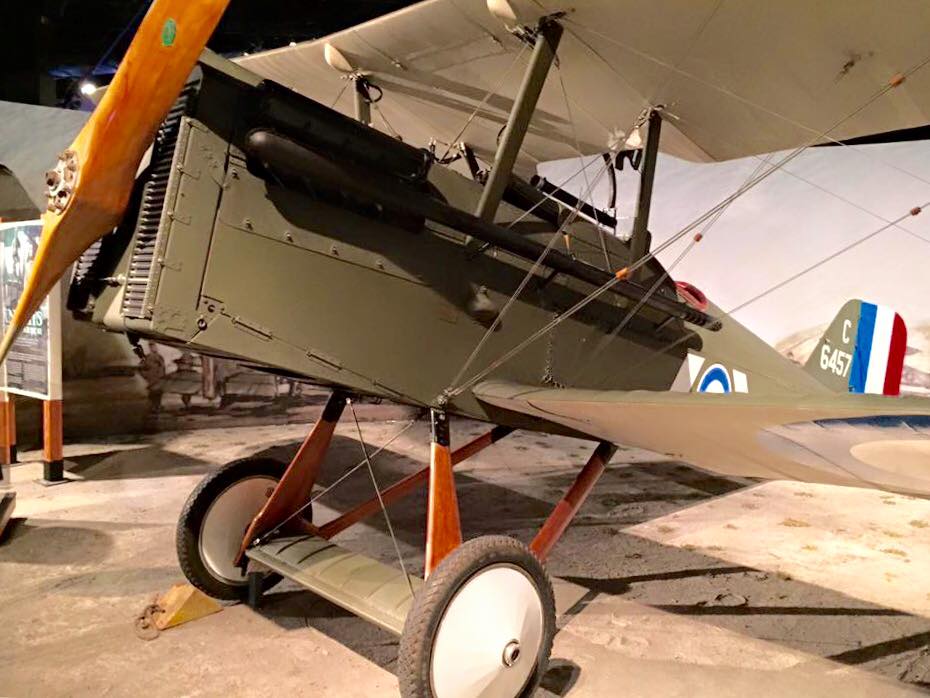
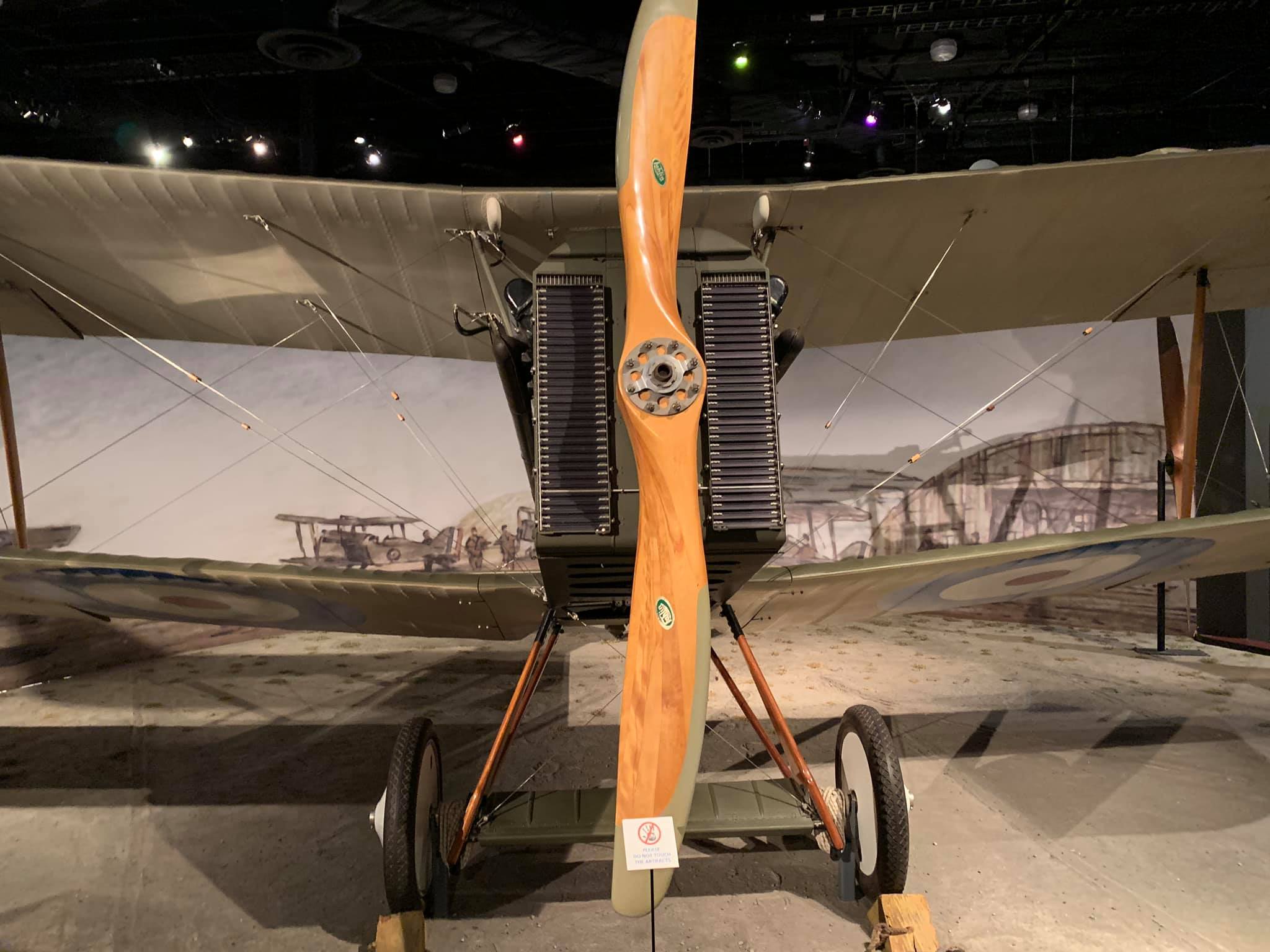
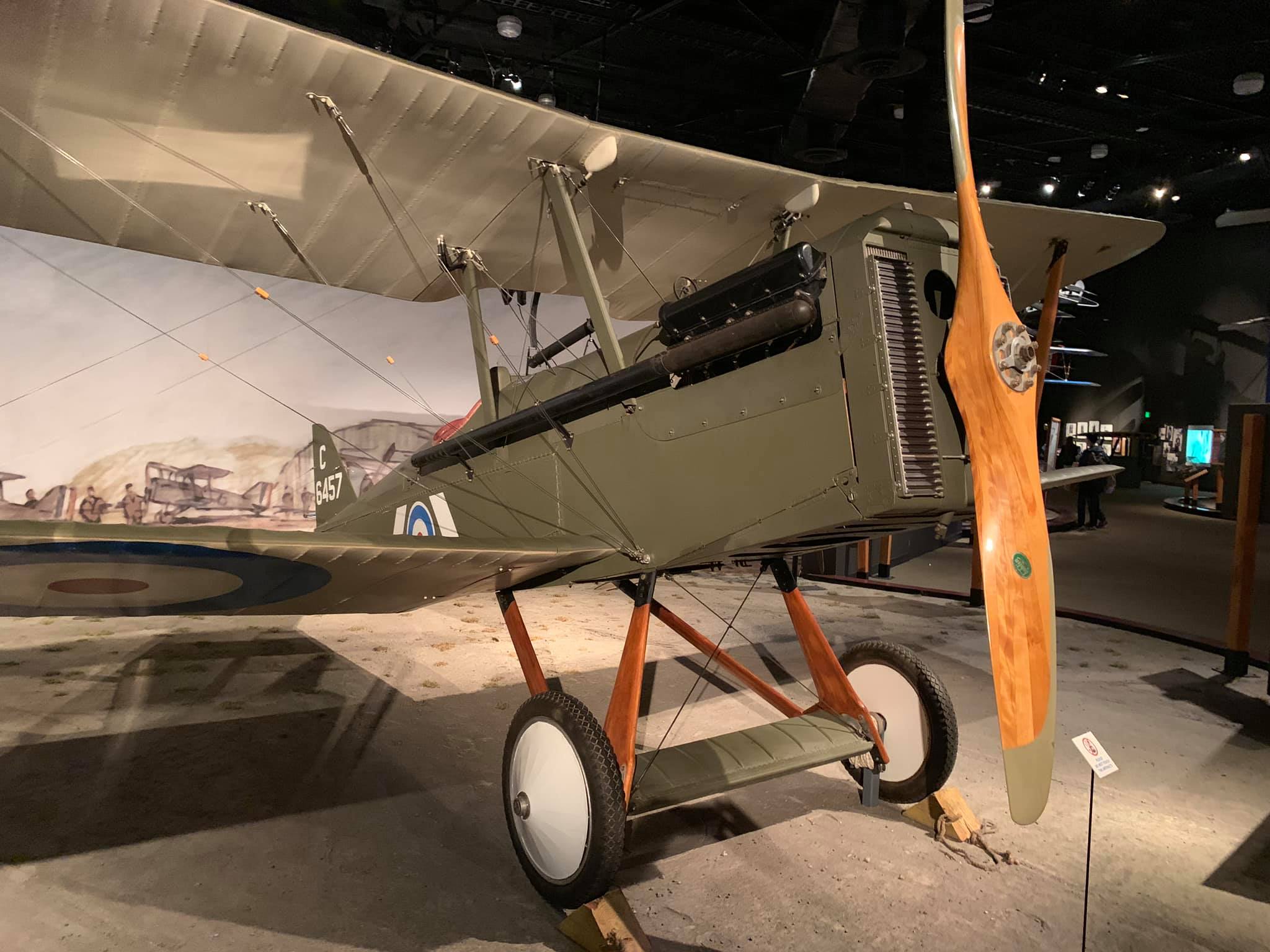
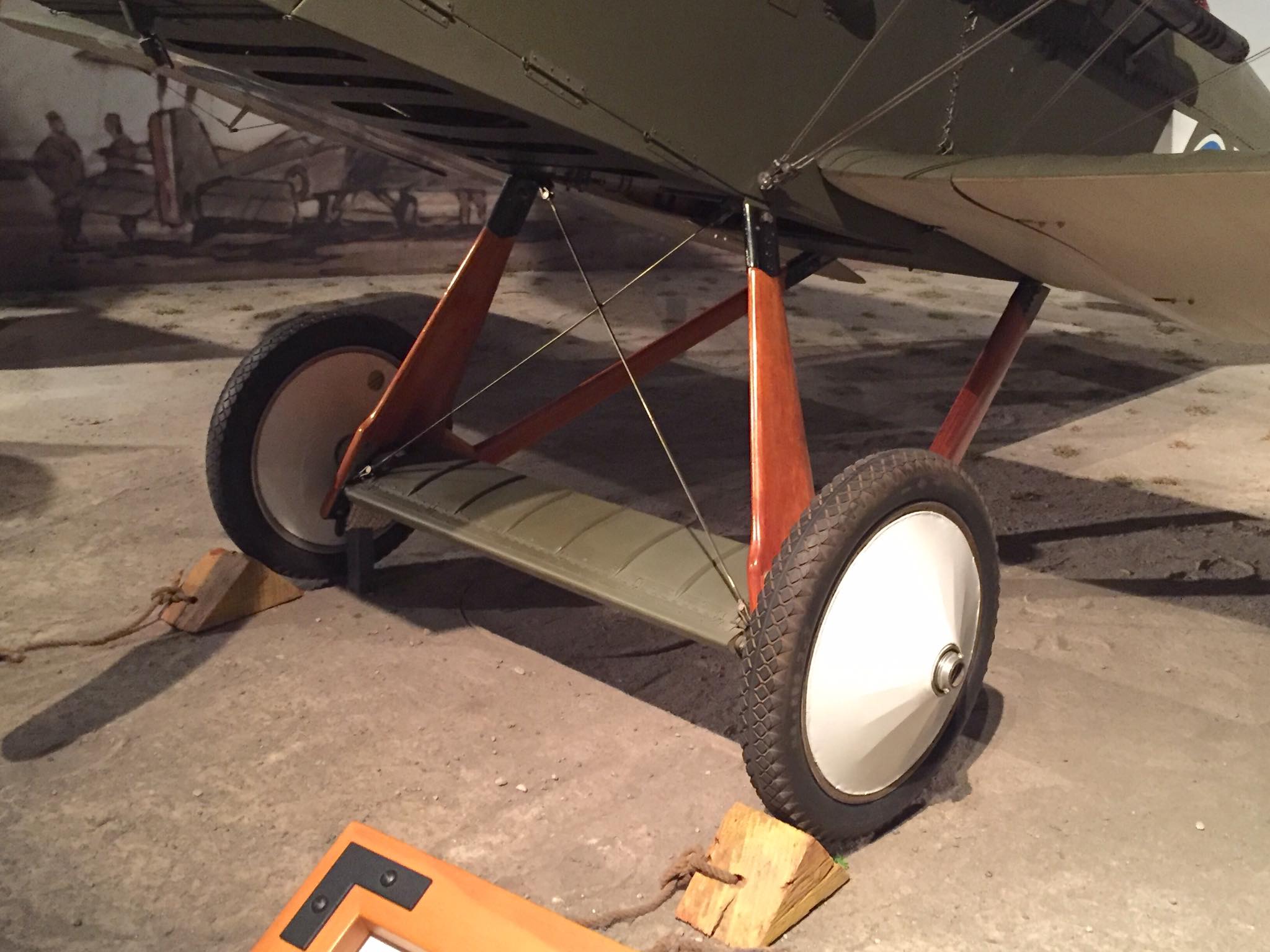
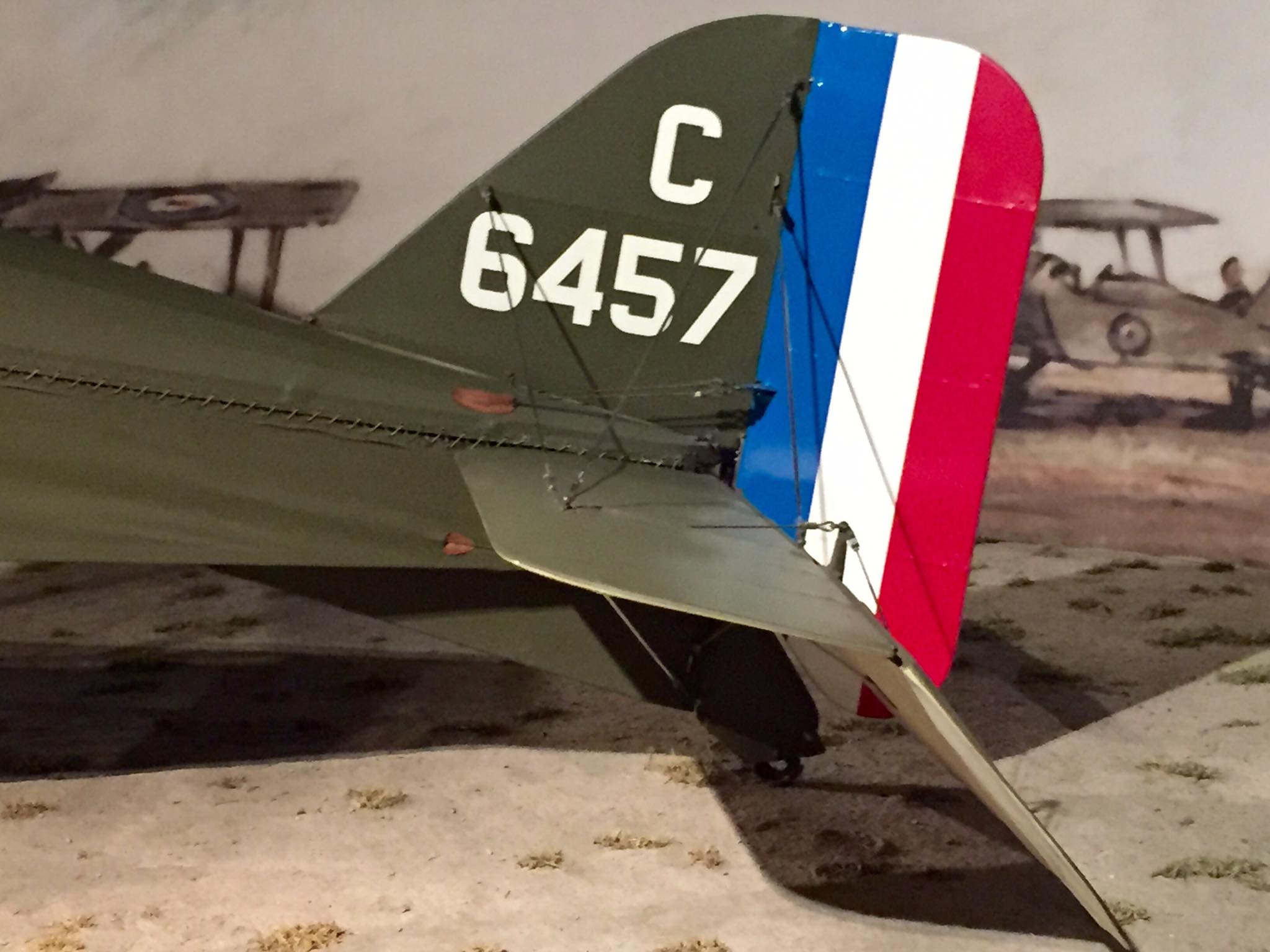
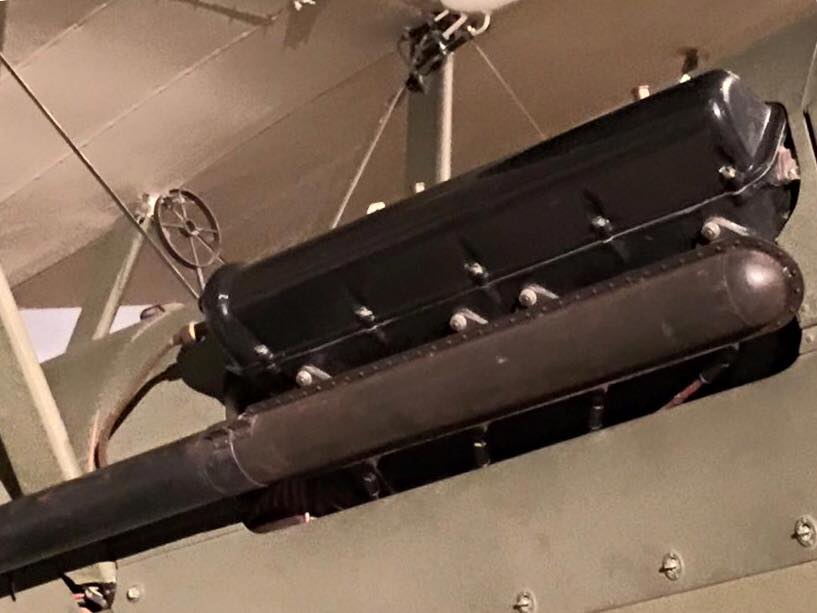
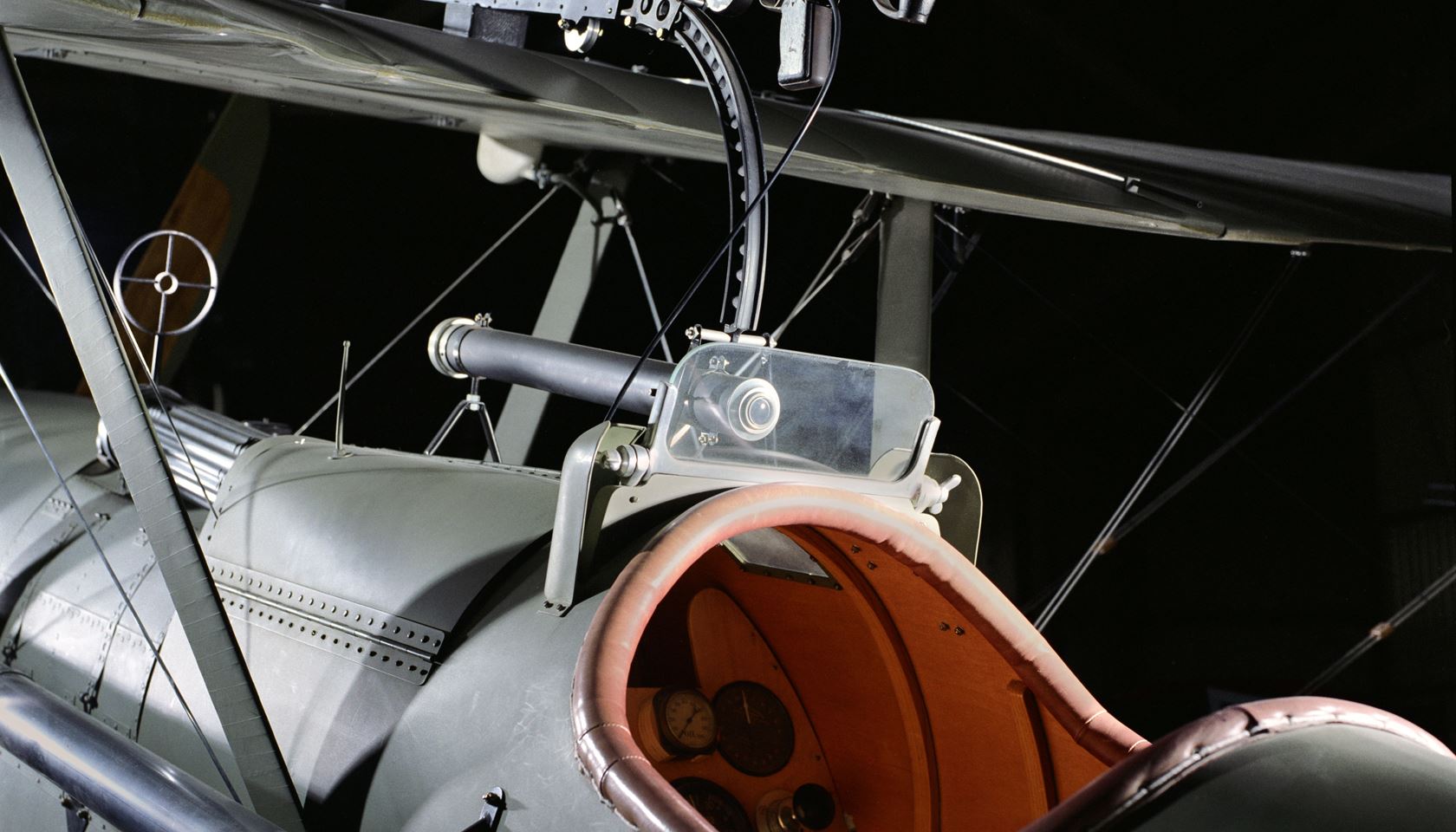
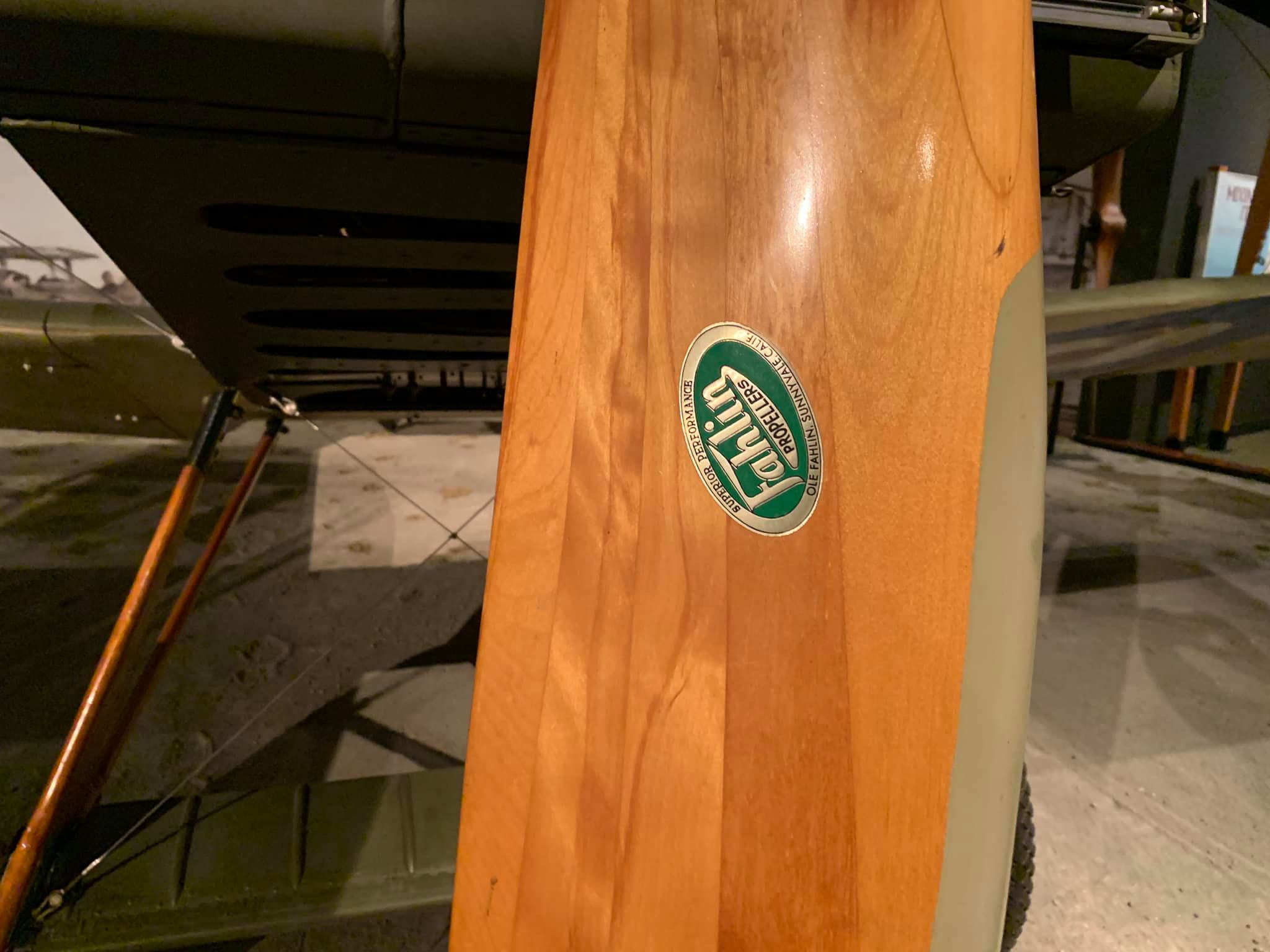
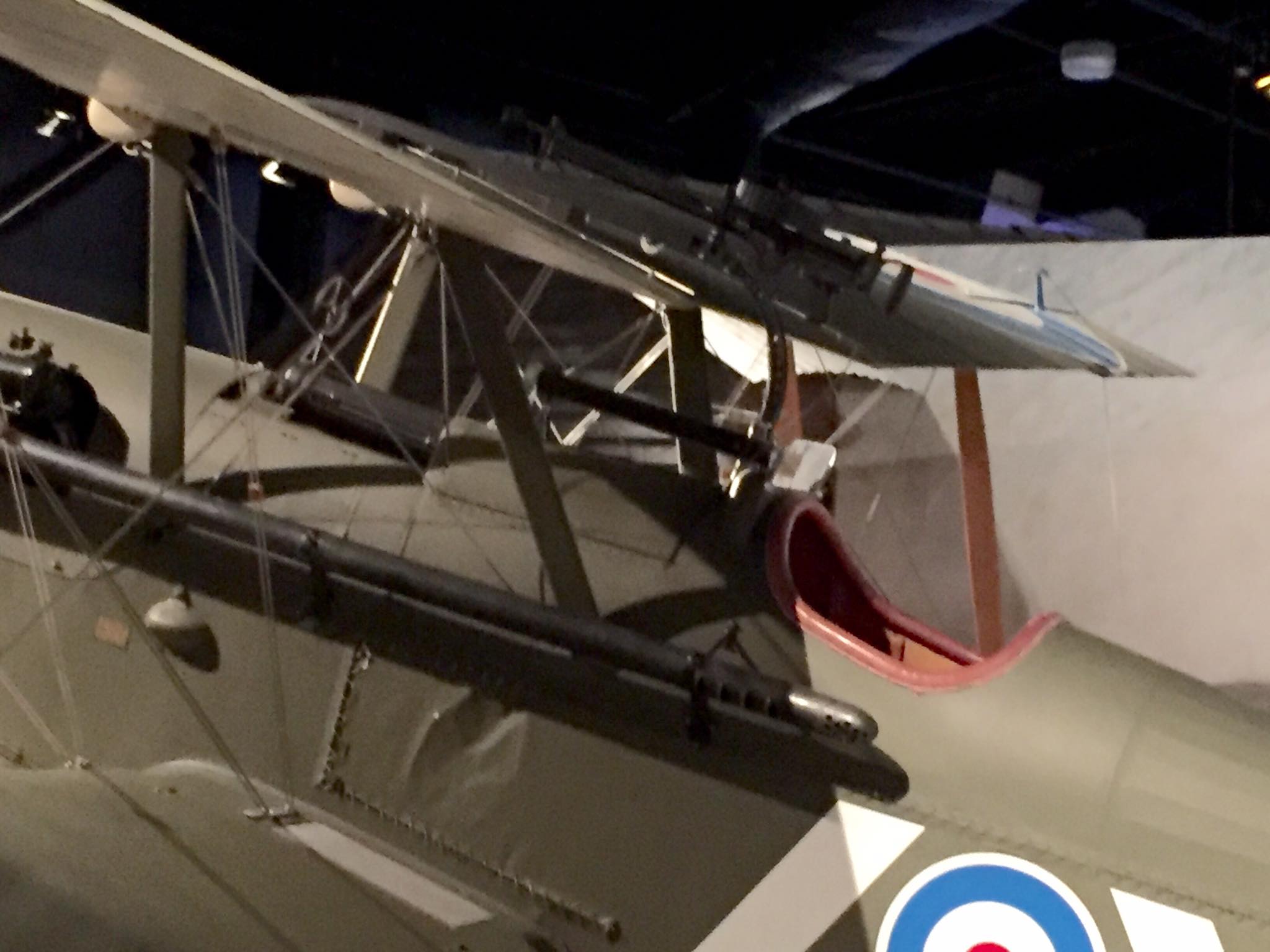
The S.E.5 (Scout Experimental 5) was designed by Royal Aircraft Factory at Farnborough (initially a blimp manufacturer, and in 1918 it was renamed Royal Aircraft Establishment) and the S.E.5 first appeared in 1917. Approximately 5,200 Model S.E.5 aircraft were produced during World War I. It was initially fitted with a Hispano-Suiza 8B geared-drive engine; however, by the S.E.5a, the engine was replaced by the Wolseley W.4a “Viper” direct drive engine. It was armed with two machine guns: a Vickers .303 fixed forward-facing gun firing through the two-bladed propeller with the aid of a Constantinesco hydraulic synchronization gear.
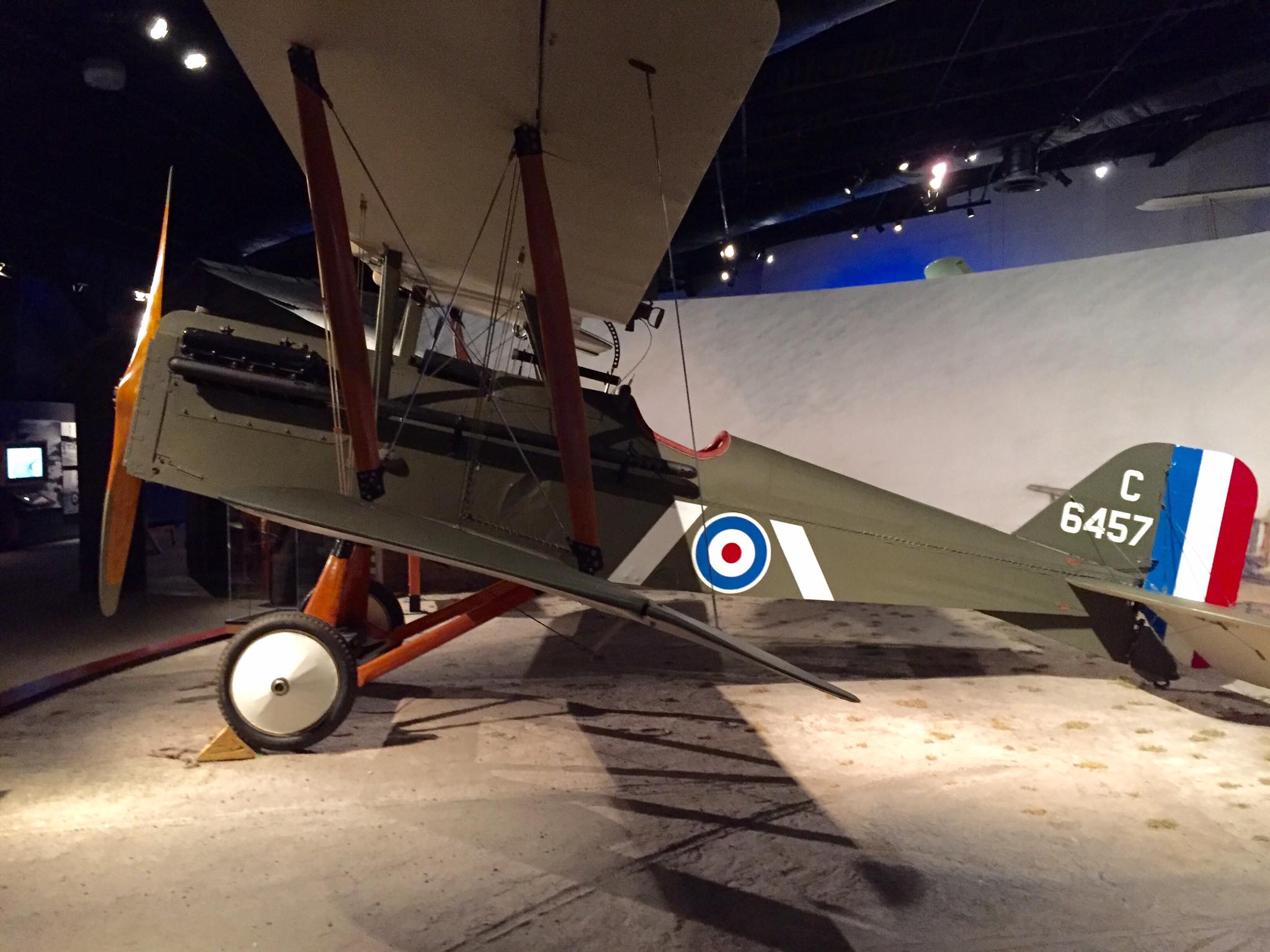
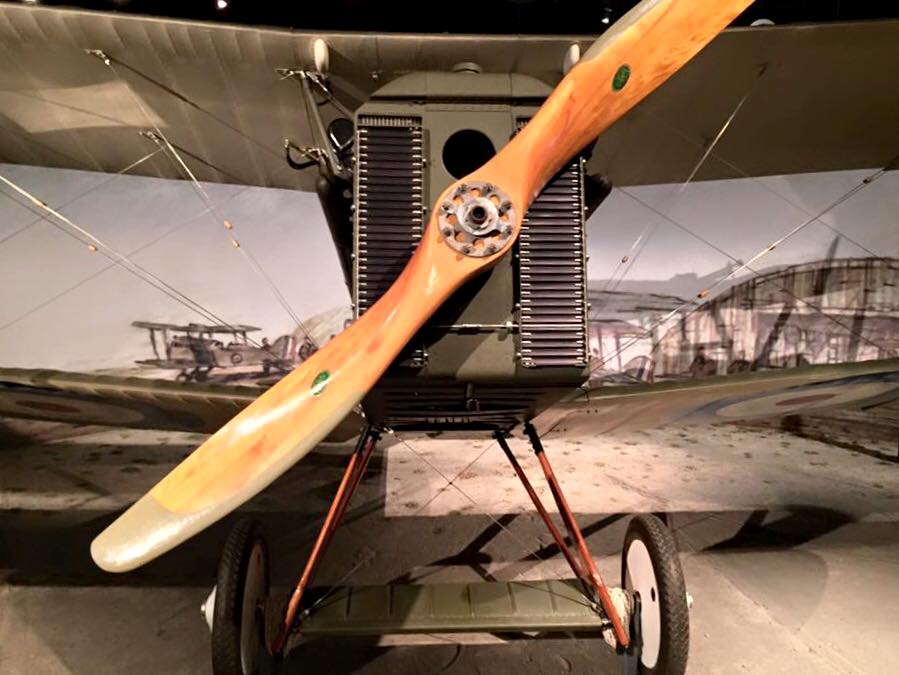
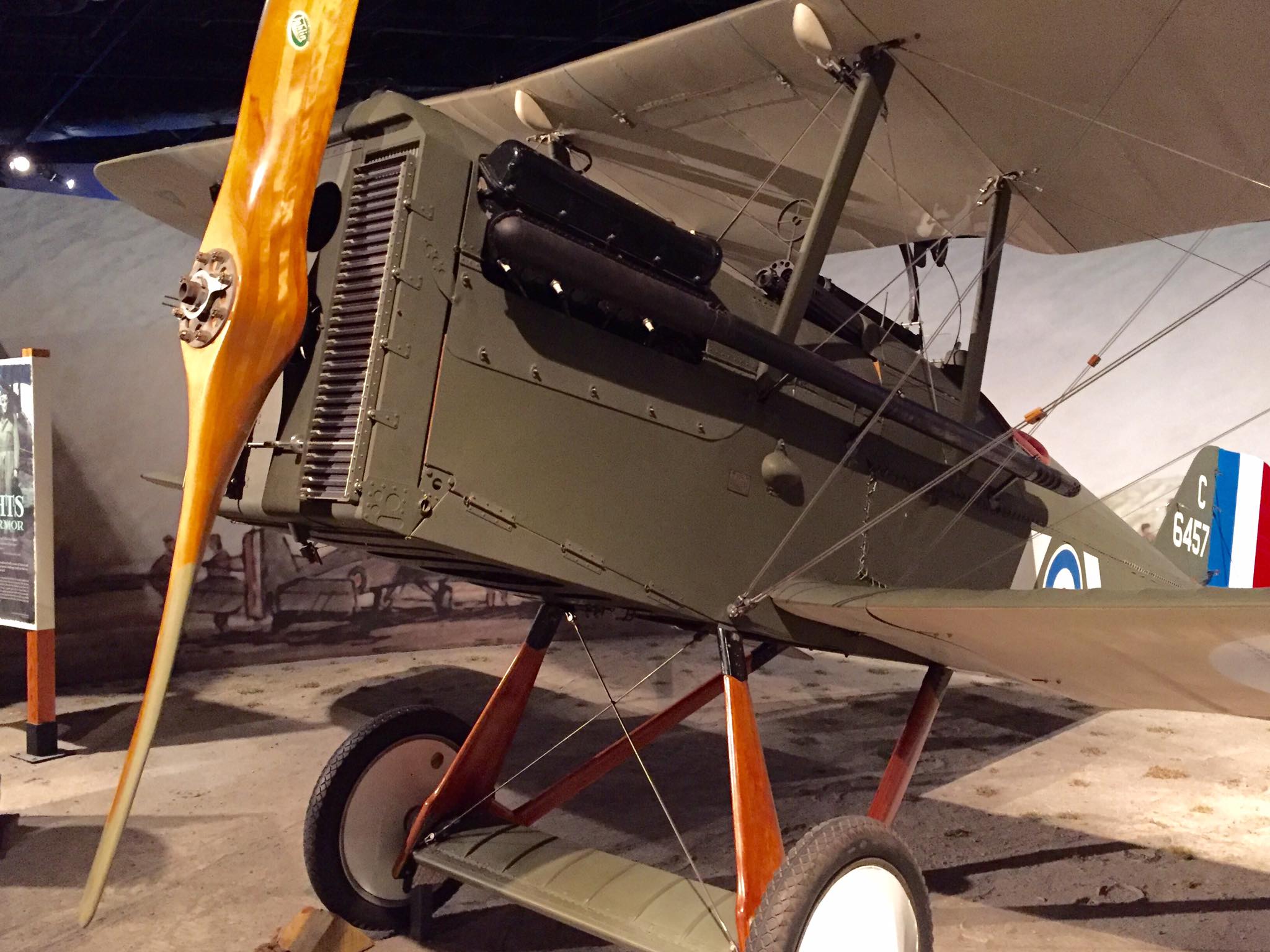
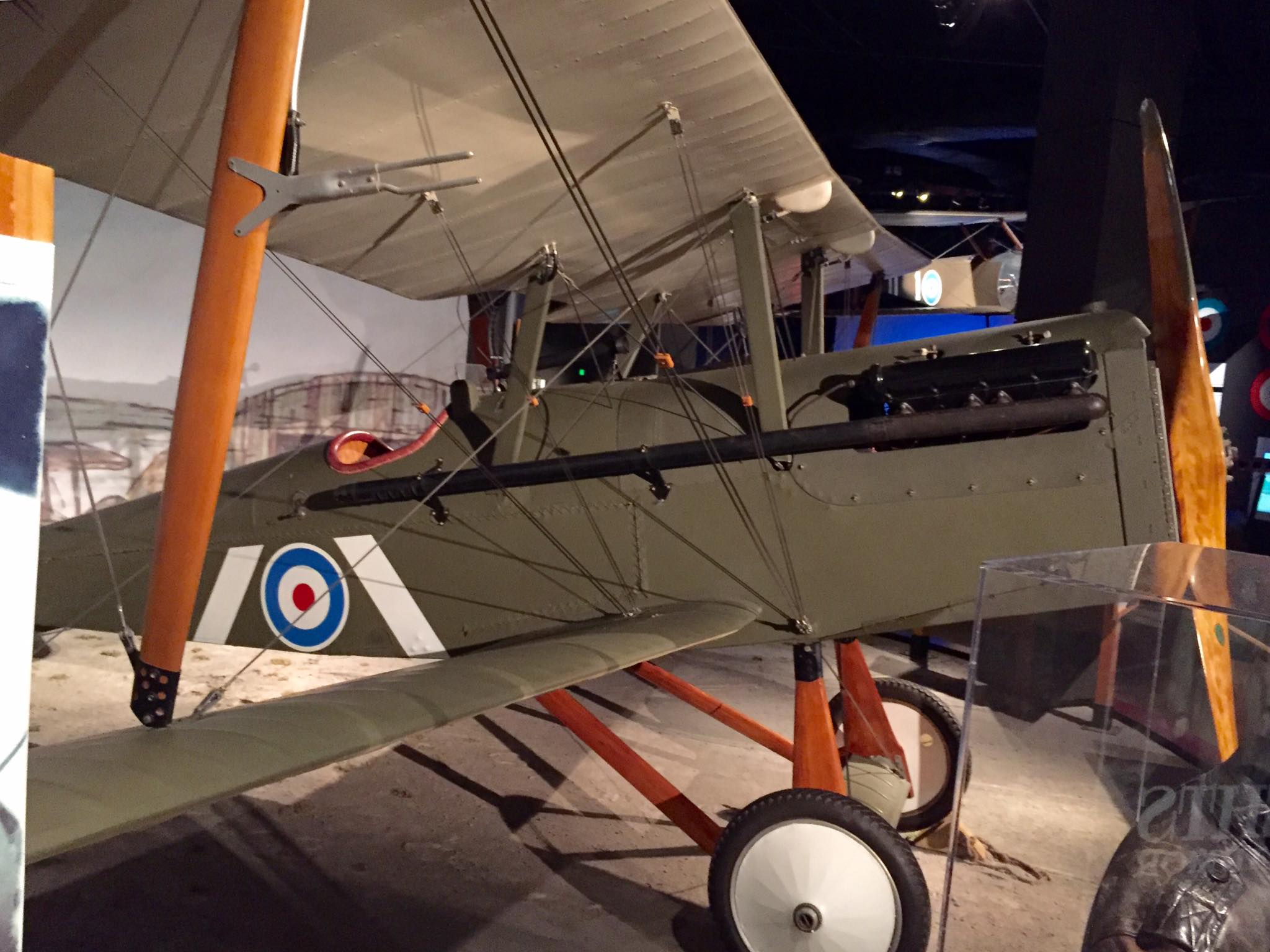
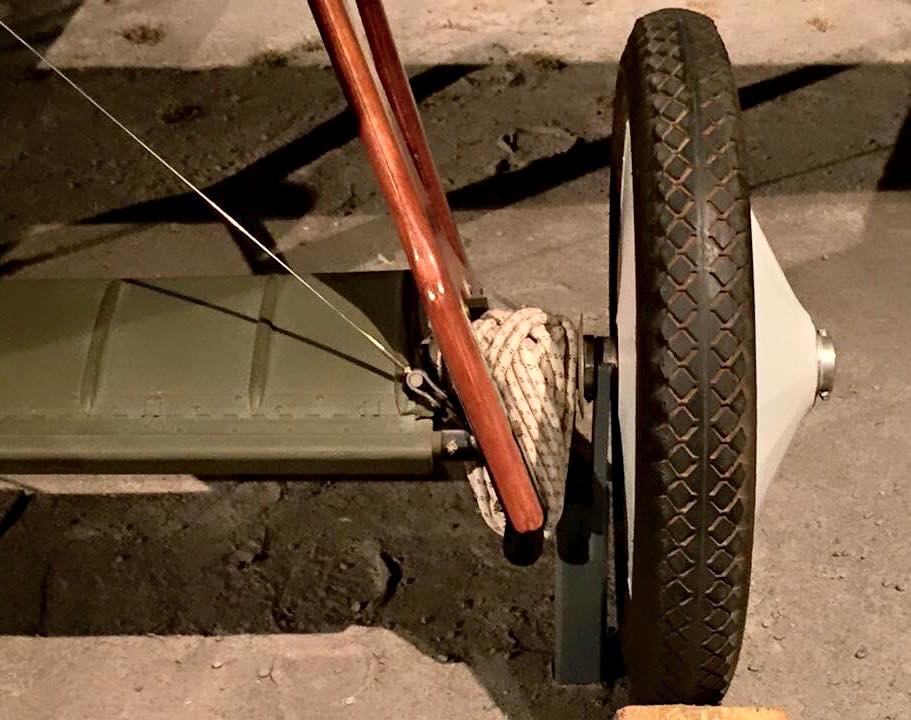
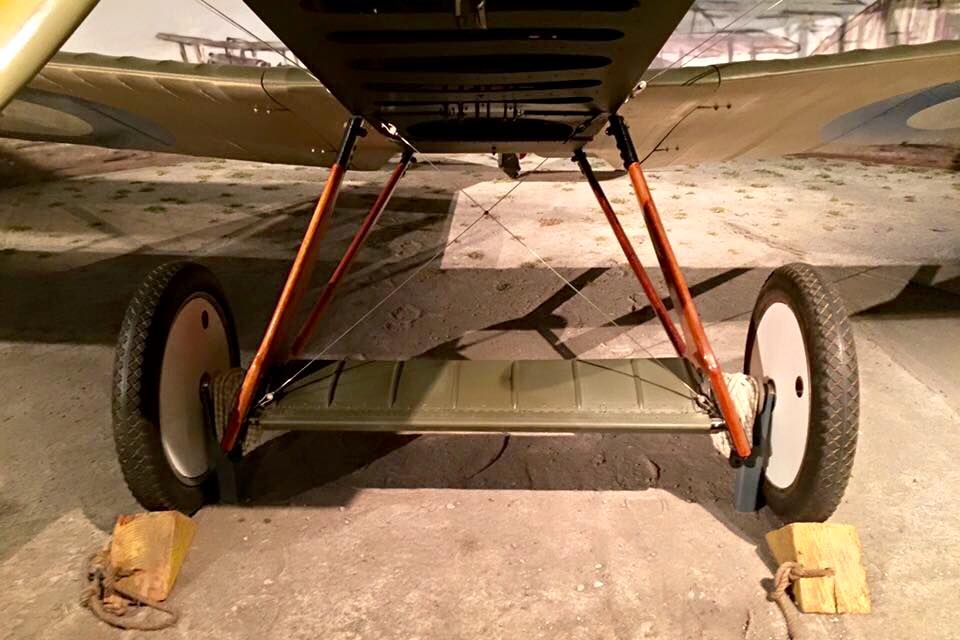
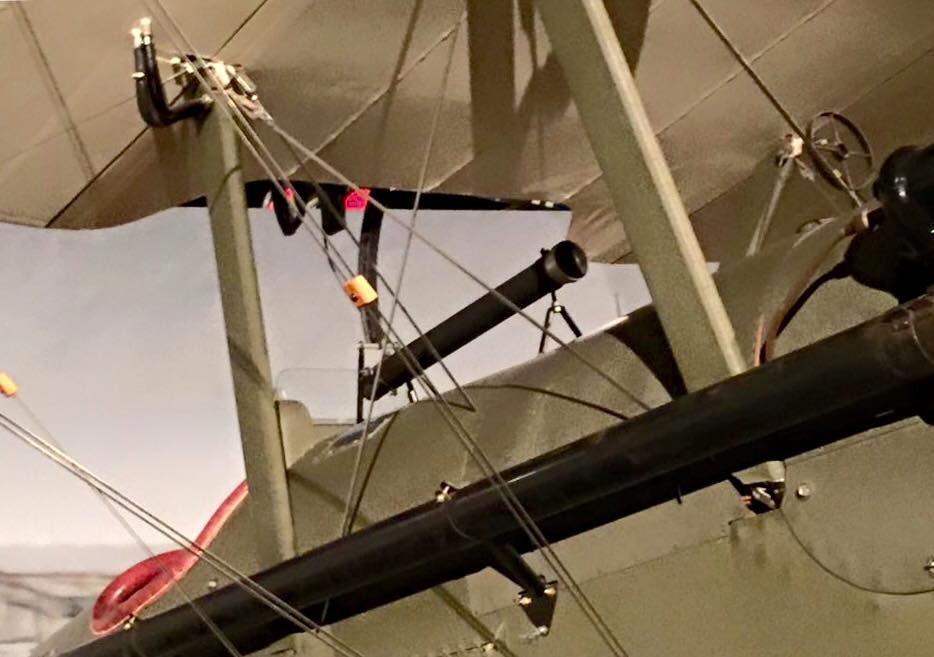
Its designer, George (Gogu) Constantinescu (Anglicized to Constantinesco), was a Romanian-born civil engineer working in Britain at the outbreak of war. His patented process was introduced in 1916 and transmitted sonic pulses through a liquid column. The other gun was a Lewis .303 mounted on the upper wing with a Foster Mount fired by the pilot pulling a ring attached to a Bowden Cable. The ammunition drum was changed by sliding the gun down on the Foster Mount’s rail. The Foster Mount was invented by Sgt. R.G. Foster, No. 11 Squadron, RFC. To aim the guns, the pilot has an Aldis collimator gun sight, which was mounted just ahead of the cockpit windscreen. The aircraft could carry up to four drop bombs. The undercarriage was of the standard V-type with the struts joined by a horizontal tube with steel cables for strength and stability. The shock absorbers were also standard Bungee cords (“bungee” or “bungie” is thought to be British slang for India-produced rubber).
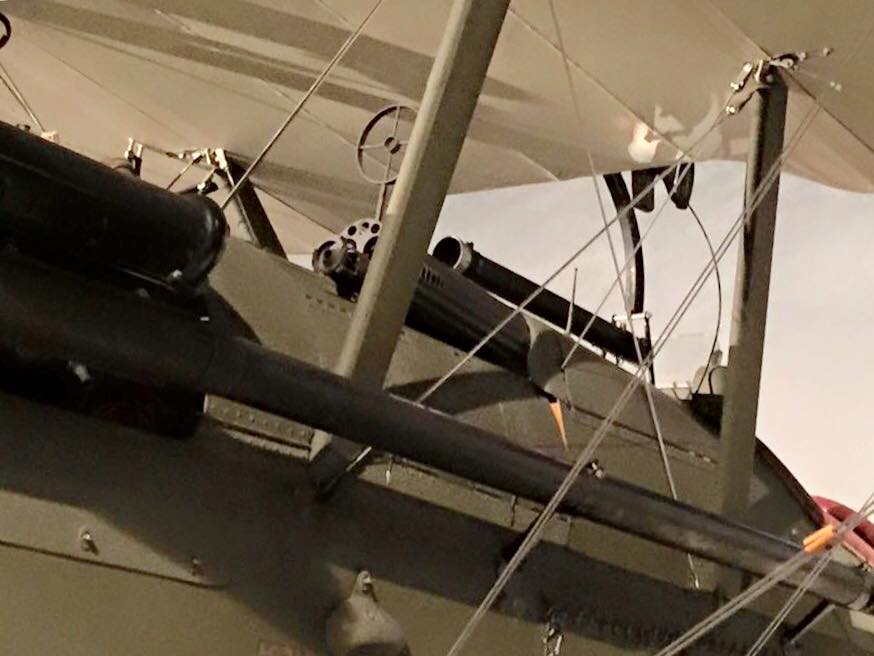
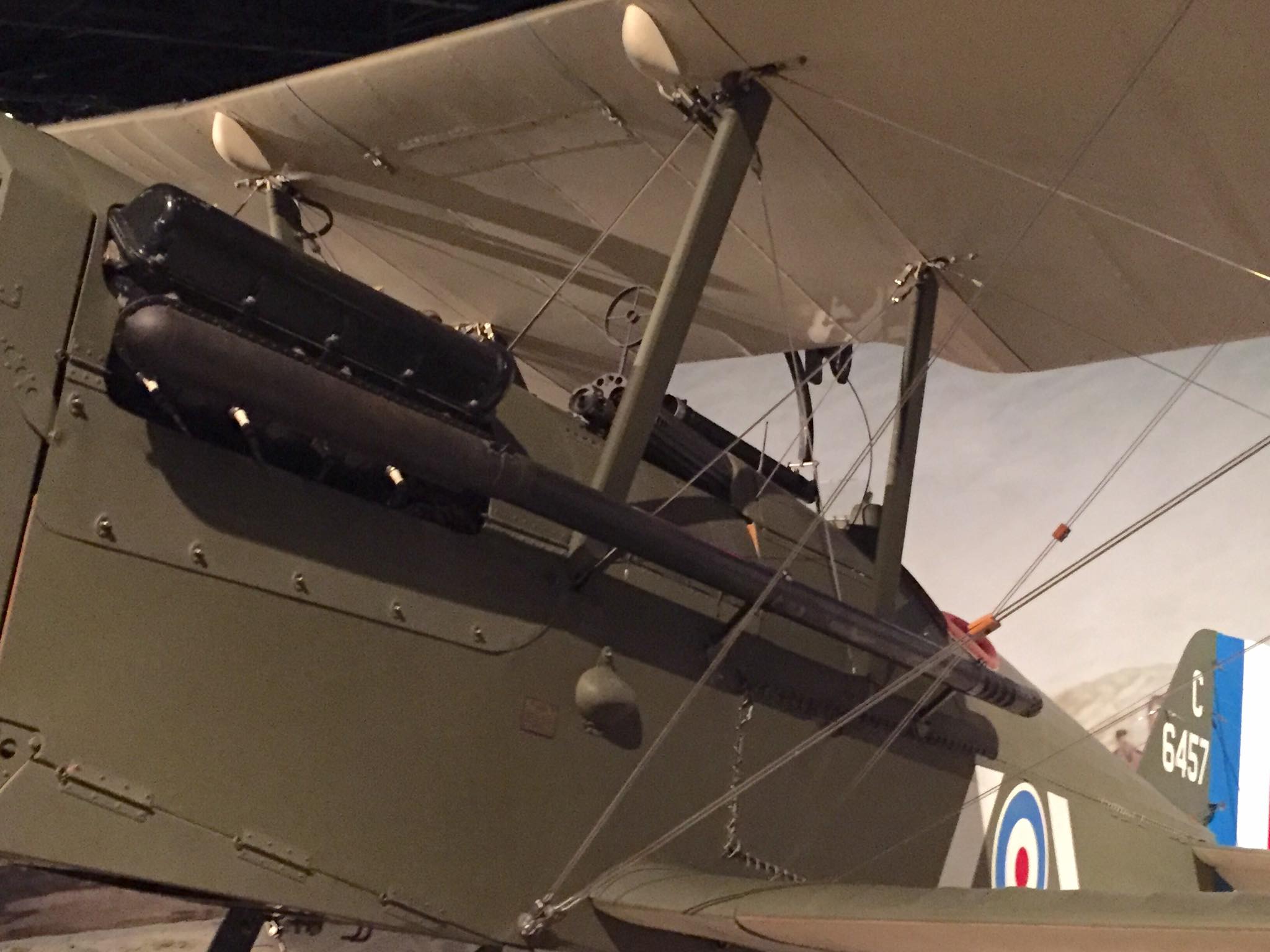
Editor’s note: The Museum of Flight’s S.E.5a was one of three S.E.5a reproductions built by Bobby Strahlmann, Tom Davis, and Gil Bodine in Florida. Work began on this reproduction in 1971, and in 1988, the aircraft was delivered to the Champlin Fighter Museum of Falcon Field, Mesa, Arizona and assembled there the following year. The aircraft was issued the FAA registration N910AV. It is fitted with an original Hispano-Suiza 8 engine.
About the author  Randy Malmstrom grew up in a family steeped in aviation culture. His father, Bob, was still a cadet in training with the USAAF at the end of WWII, but did serve in Germany during the U.S. occupation in the immediate post-war period, where he had the opportunity to fly in a wide variety of types which flew in WWII. After returning to the States, Bob became a multi-engine aircraft sales manager and as such flew a wide variety of aircraft; Randy frequently accompanied him on these flights. Furthermore, Randy’s cousin, Einar Axel Malmstrom flew P-47 Thunderbolts with the 356th FG from RAF Martlesham Heath. He was commanding this unit at the time he was shot down over France on April 24th, 1944, spending the rest of the war as a prisoner of war. Following his repatriation at war’s end, Einar continued his military service, attaining the rank of Colonel. He was serving as Deputy Wing Commander of the 407th Strategic Fighter Wing at Great Falls AFB, MT at the time of his death in a T-33 training accident on August 21, 1954. The base was renamed in his honor in October 1955 and continues to serve in the present USAF as home to the 341st Missile Wing. Randy’s innate interest in history in general, and aviation history in particular, plus his educational background and passion for WWII warbirds, led him down his current path of capturing detailed aircraft walk-around photos and in-depth airframe histories, recording a precise description of a particular aircraft in all aspects.





You seem to be getting the Aldis collimated gunsight mixed up with the Constantinescu hydraulic machine gun synchronization gear.
My apologies for that. I have since corrected the issue and thank you for bringing this to my attention.