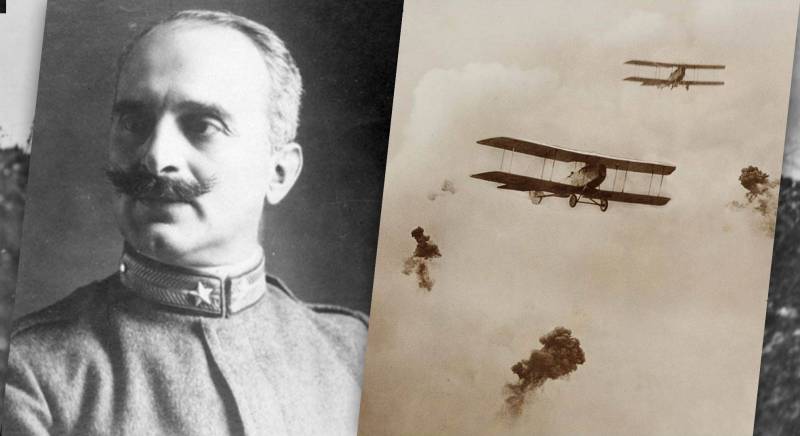

As the United States conducts its latest air campaign over Iran—dubbed Operation Epic Fury—Defense Secretary Pete Hegseth has described it as the “most lethal and precise air power campaign in history,” emphasizing overwhelming strikes by bombers, fighters, and drones. The language is strikingly familiar. For aviation historians, it echoes a theory first articulated more than a century ago. To understand the enduring belief in decisive airpower, we must look back to 1921 and an Italian general named Giulio Douhet.
A Revolutionary Idea in the Age of Biplanes
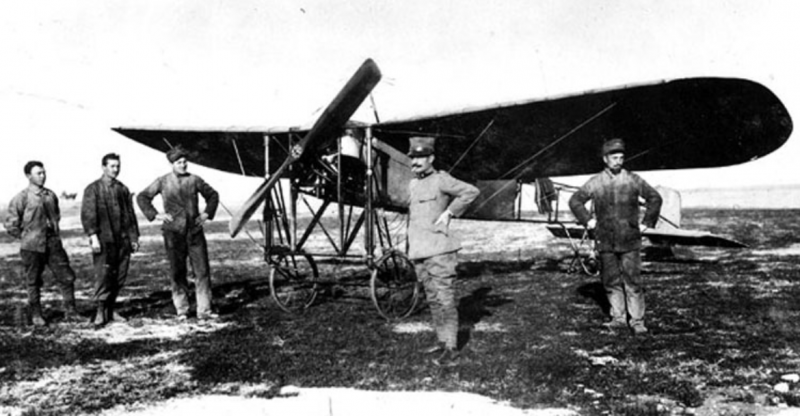
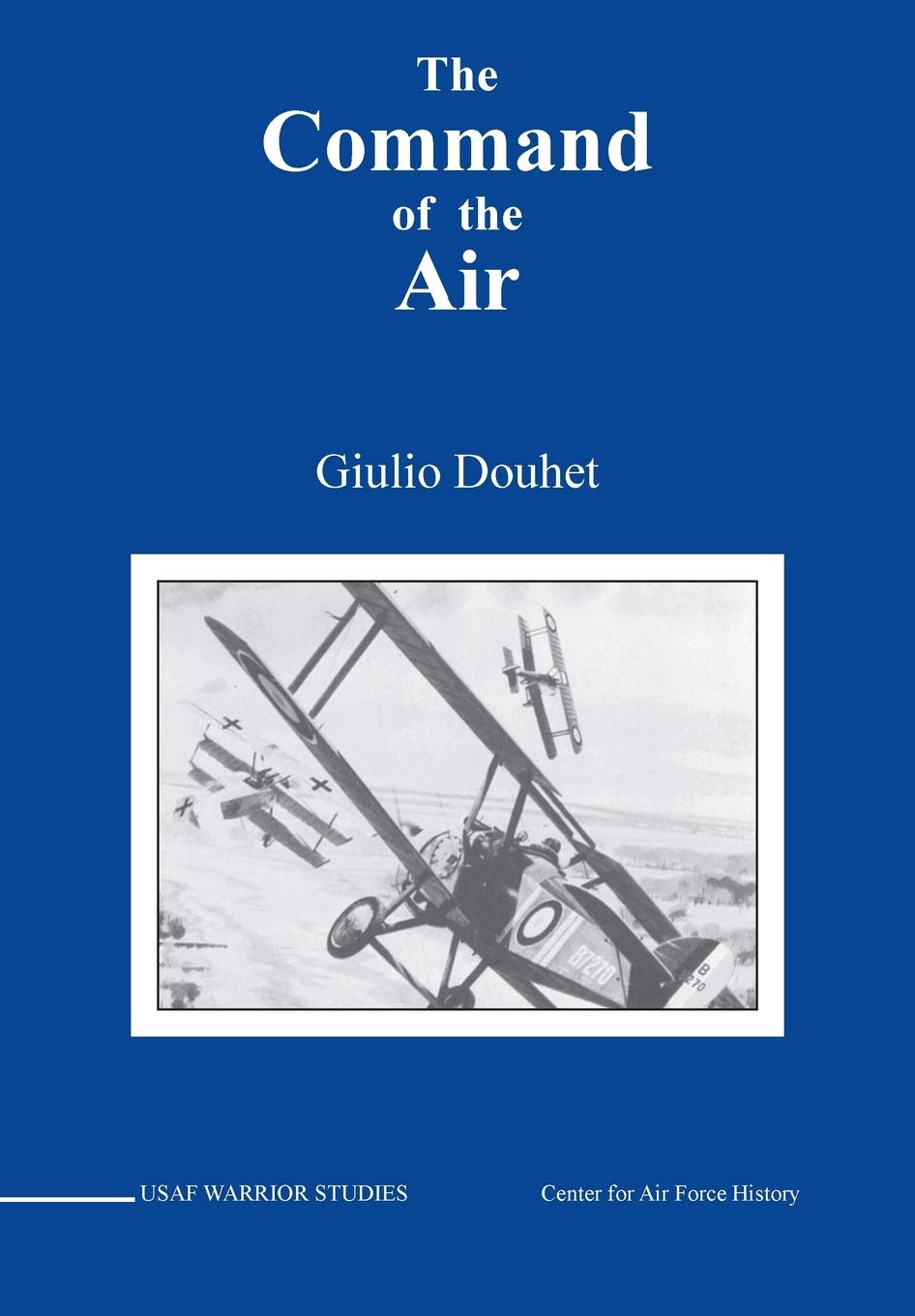
In The Command of the Air, Douhet argued that the future of warfare would be decided not in trenches or at sea, but in the skies. Writing in the aftermath of World War I, he rejected the slow, attritional horrors of ground combat and proposed something radically different: victory through air supremacy alone. Aircraft, he believed, would strike deep behind enemy lines, targeting infrastructure, industry, and the psychological resilience of civilian populations. Destroy the systems that sustain war—and the will to continue it—and victory would follow quickly. Douhet’s vision was as stark as it was influential. He argued that it was far more effective to destroy railways, factories, and supply networks than to attack entrenched soldiers. To defeat a nation, one had to dismantle not just its army, but the entire structure supporting it. Though controversial, Douhet’s ideas took hold among early airpower advocates. As aviation technology matured between the wars, his doctrine began to shape real-world strategy. The aerial destruction of Guernica, the Blitz over London, and later Allied bombing campaigns over Germany and Japan all bore the imprint of Douhet’s thinking. In the United States, commanders such as General Curtis LeMay embraced large-scale bombing as a decisive tool, culminating in the firebombing of Japanese cities and, ultimately, the atomic attacks of 1945. These campaigns demonstrated the sheer destructive power of air forces—but also raised enduring questions. Even under relentless bombardment, nations did not always collapse as Douhet predicted.
The Jet Age and the Promise of Precision
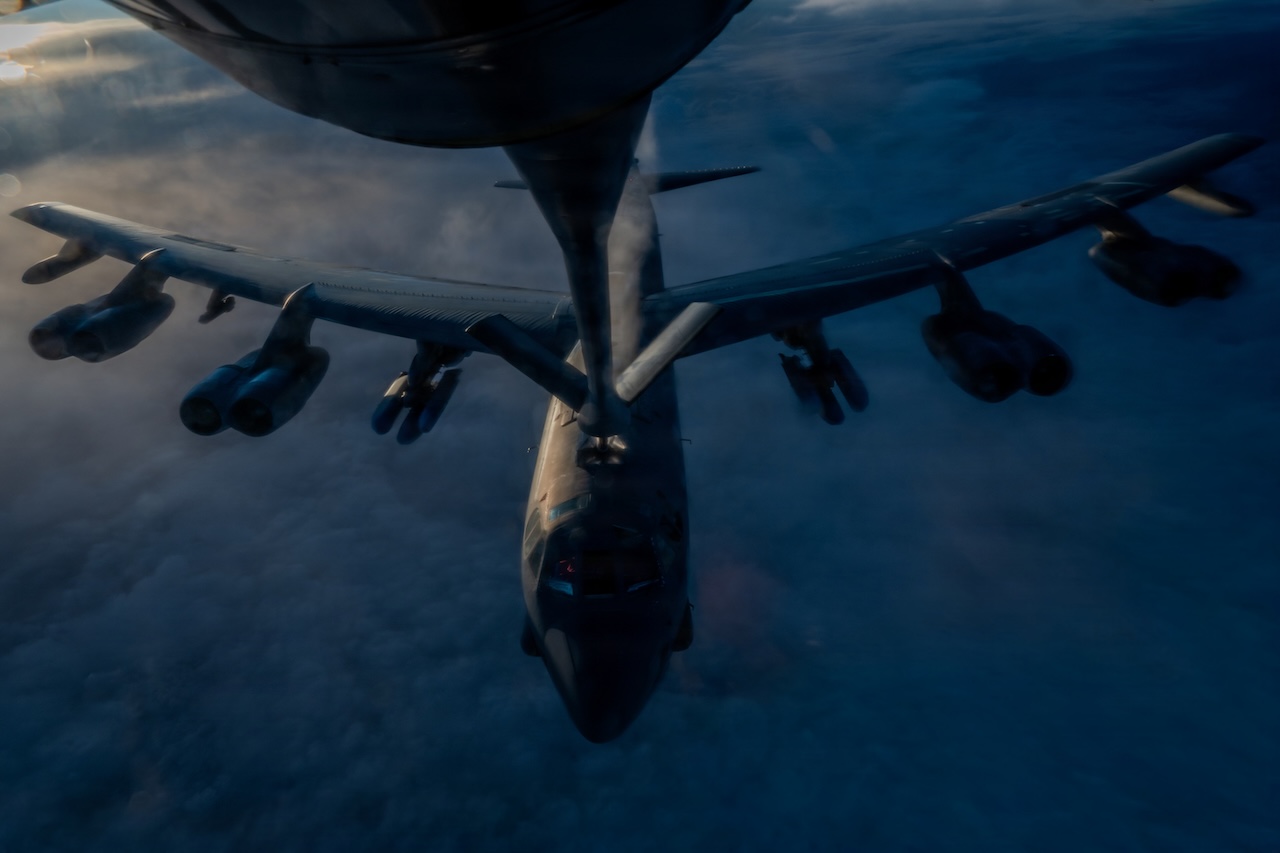
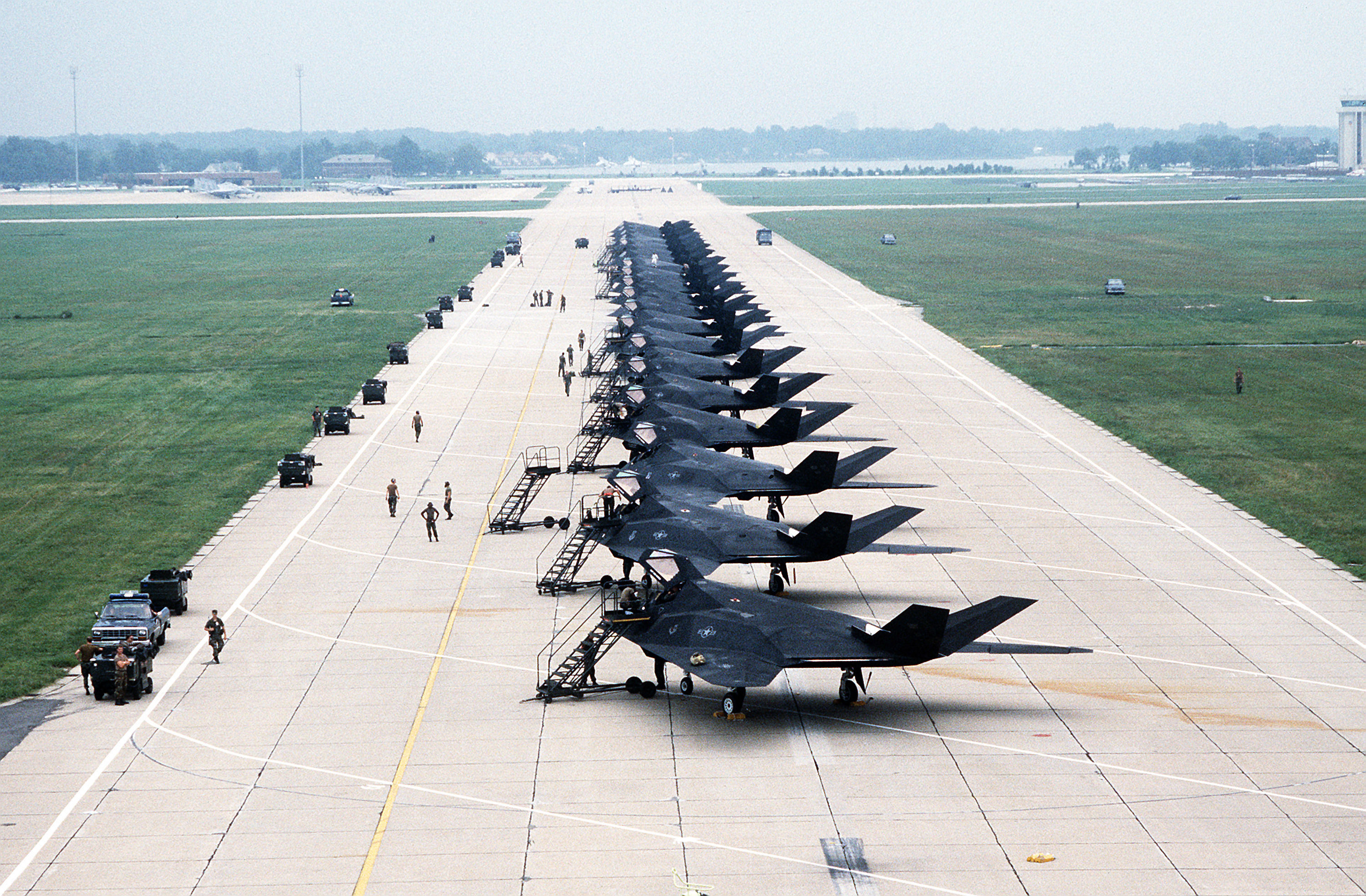
With the advent of jet aircraft, guided munitions, and stealth technology, the dream of decisive airpower entered a new phase. Each generation of innovation—from the B-52 to the F-117—seemed to bring Douhet’s vision closer to reality. Conflicts such as Vietnam, Desert Storm, and Kosovo reinforced the belief that technology could finally deliver rapid victory from the air. Precision-guided weapons and real-time surveillance created an image of near-total control over the battlefield. Yet the results were often more ambiguous. Supply lines adapted, targets proved elusive, and adversaries found ways—sometimes surprisingly simple—to counter sophisticated systems. Despite overwhelming air superiority, these campaigns rarely achieved decisive outcomes on their own.
The Human Factor
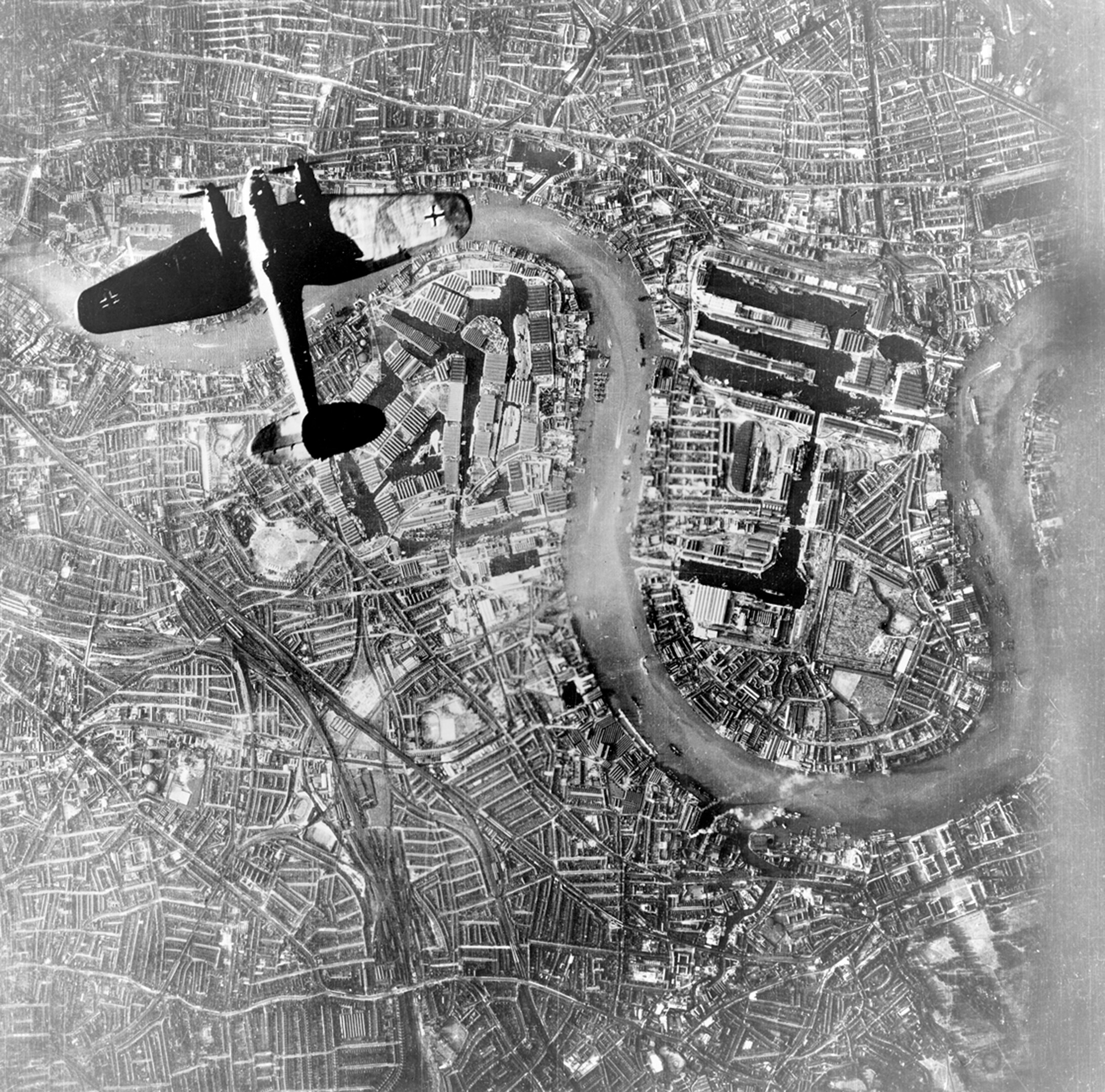
At the heart of Douhet’s theory was the idea that bombing would break civilian morale and force governments to surrender. History, however, has repeatedly challenged this assumption. During the Blitz, British civilians endured sustained bombing without collapsing; instead, they rallied. Similar patterns appeared elsewhere: rather than breaking resistance, air attacks often strengthened it. This reveals a central tension in airpower theory. While aircraft and weapons evolve rapidly, human behavior—resilience, adaptation, and cohesion—remains far less predictable.
A Century-Old Doctrine Still in Flight
Today’s air campaigns, incorporating stealth aircraft, drones, and even AI-assisted targeting, still reflect Douhet’s original premise: that dominance in the air can deliver swift and decisive victory. The current conflict with Iran, with thousands of targets struck and a heavy reliance on aerial attack, is the latest chapter in that long story. More than 100 years after The Command of the Air, Douhet’s ideas continue to shape how air forces—and those who lead them—think about war. For readers of aviation history, this continuity is striking. From fragile biplanes to stealth bombers, the technology has transformed beyond recognition. Yet the underlying belief remains much the same. The promise of victory from the air endures. But as history suggests, it is a promise that has always been—at least in part—written on the wind.